10 Indoor Vining Plants That Transform New York Apartments
New York apartments come in all shapes and sizes, but many share the same challenge.
Limited space, limited light, and not much room for bulky décor.
That is where indoor vining plants shine.
These plants know how to work a room, climbing, trailing, and softening hard edges without taking up precious floor space.
They turn blank walls and lonely shelves into something that feels alive.
Vining plants punch above their weight.
A single pot can stretch across a bookcase, spill over a windowsill, or frame a doorway with ease.
In a city where every square foot counts, that kind of payoff is hard to beat.
They also help break up the concrete feel that comes with city living, adding warmth and texture without going overboard.
Beyond good looks, many indoor vines are tough as nails.
They handle apartment life well, rolling with uneven light and busy schedules.
Once settled in, they grow steady and strong with simple care.
For New Yorkers looking to breathe life into their space, vining plants are a smart move that delivers style, comfort, and greenery all in one shot.
1. Pothos
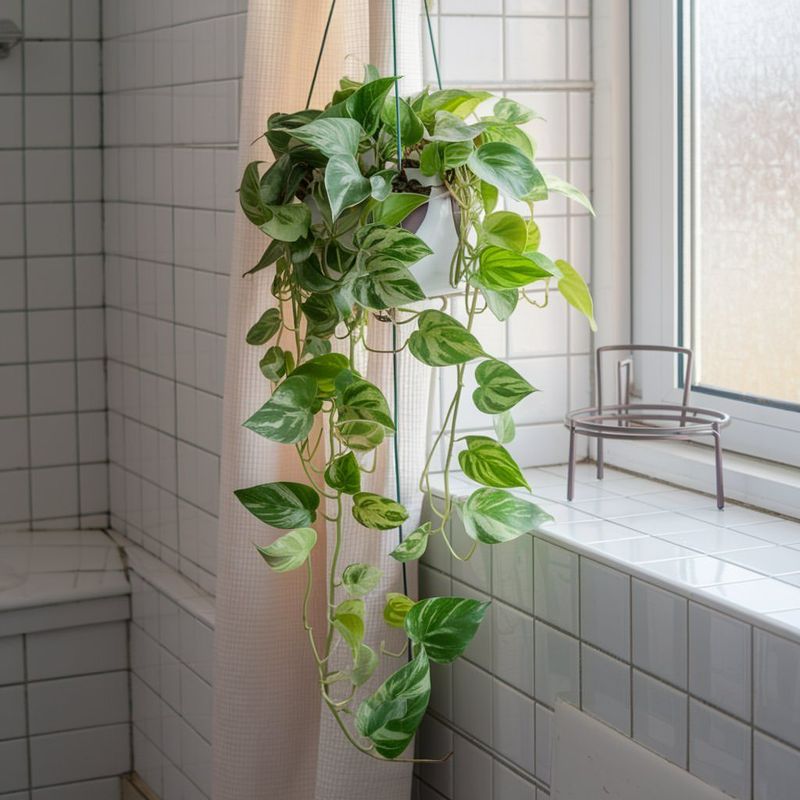
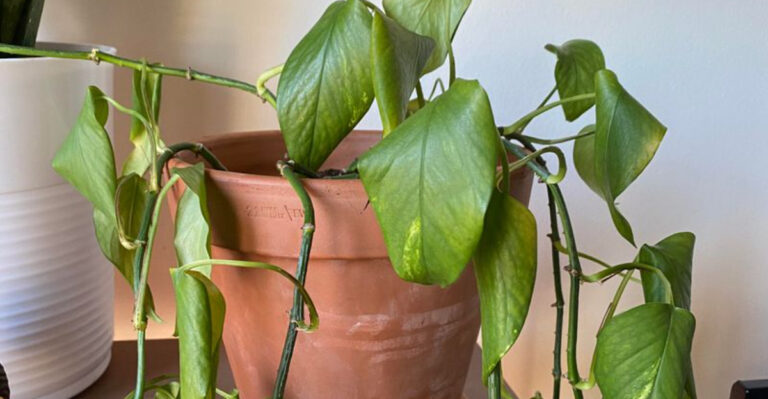
Nearly impossible to mess up, pothos has earned its reputation as the ultimate beginner-friendly houseplant for busy New Yorkers.
The heart-shaped leaves come in various shades, from deep emerald to splashy variegated patterns with cream and yellow markings.
This adaptable vine thrives in both bright indirect light and shadier corners, making it perfect for apartments with unpredictable natural lighting.
Pothos grows incredibly fast once established, sending out long trailing stems that can reach several feet in length.
You can train the vines to climb a moss pole, let them cascade from a high shelf, or drape them across a bookcase for dramatic effect.
Water only when the soil feels dry to the touch, typically once every week or two depending on your apartment’s humidity levels.
The plant actually helps clean the air in your space, removing toxins commonly found in city apartments.
Propagation couldn’t be easier – just snip a stem below a node, place it in water, and watch roots develop within weeks.
Many New York plant lovers start with one pothos and end up with dozens throughout their apartment after sharing cuttings with friends.
This forgiving vine bounces back quickly from neglect, making it ideal for those frequent weekend getaways upstate.
2. String Of Hearts
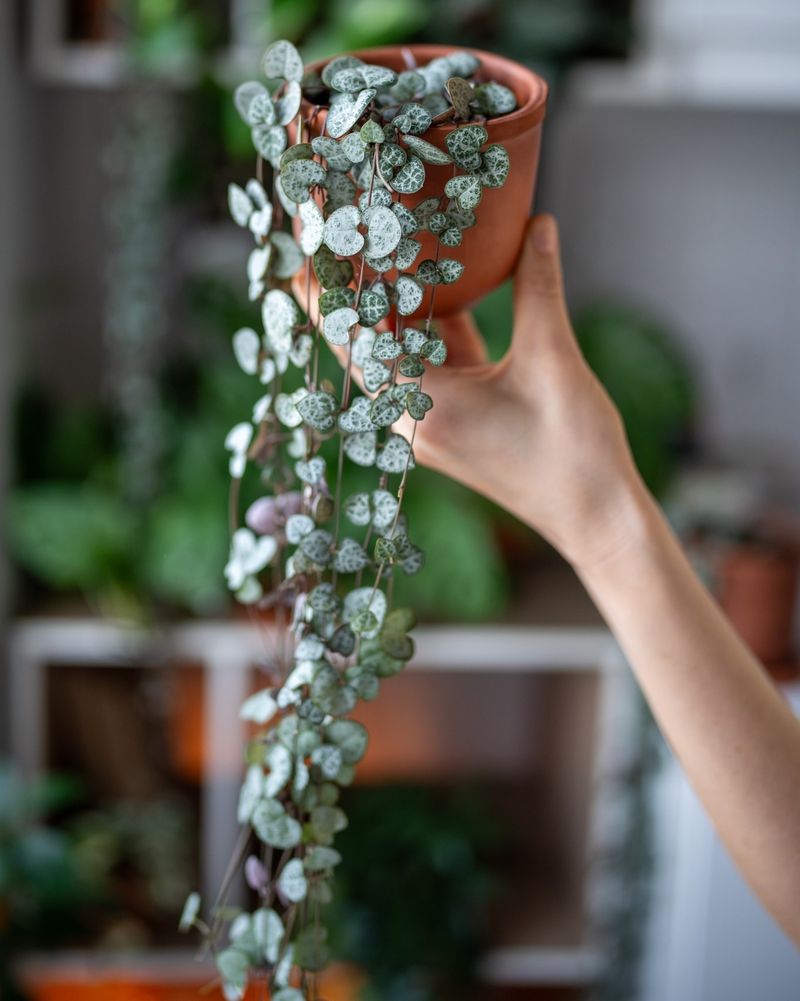
Romantic and whimsical, this trailing succulent captures attention with its tiny heart-shaped leaves dangling on thin, thread-like stems.
The silvery-green foliage often displays purple undersides and delicate variegation that catches the light beautifully in Manhattan high-rises.
String of hearts prefers bright indirect light near east or west-facing windows common in New York apartments.
As a succulent, it stores water in its leaves and tubers, meaning you only need to water every two to three weeks.
Overwatering poses the biggest threat to this plant, so residents of humid Brooklyn apartments should be especially careful during summer months.
The vines can grow several feet long, creating stunning displays when hung near windows or placed on tall shelving units.
Your New York Garden Changes Every Week. Your Plan Should Too.
Gardening in New York changes quickly throughout the season. Every Friday you’ll receive a simple weekly plan showing exactly what to plant, prune, fertilize, harvest, and protect so you never miss the right timing.
Small tubular flowers occasionally appear along the stems, adding an unexpected bonus to this already charming plant.
Propagation happens through stem cuttings or the small tubers that develop along the vines, giving you plenty of opportunities to expand your collection.
This plant works wonderfully in smaller spaces because its delicate appearance doesn’t overwhelm tight quarters.
String of hearts tolerates the dry indoor air that plagues New York apartments during winter heating season better than most tropical vines.
3. Philodendron Heartleaf
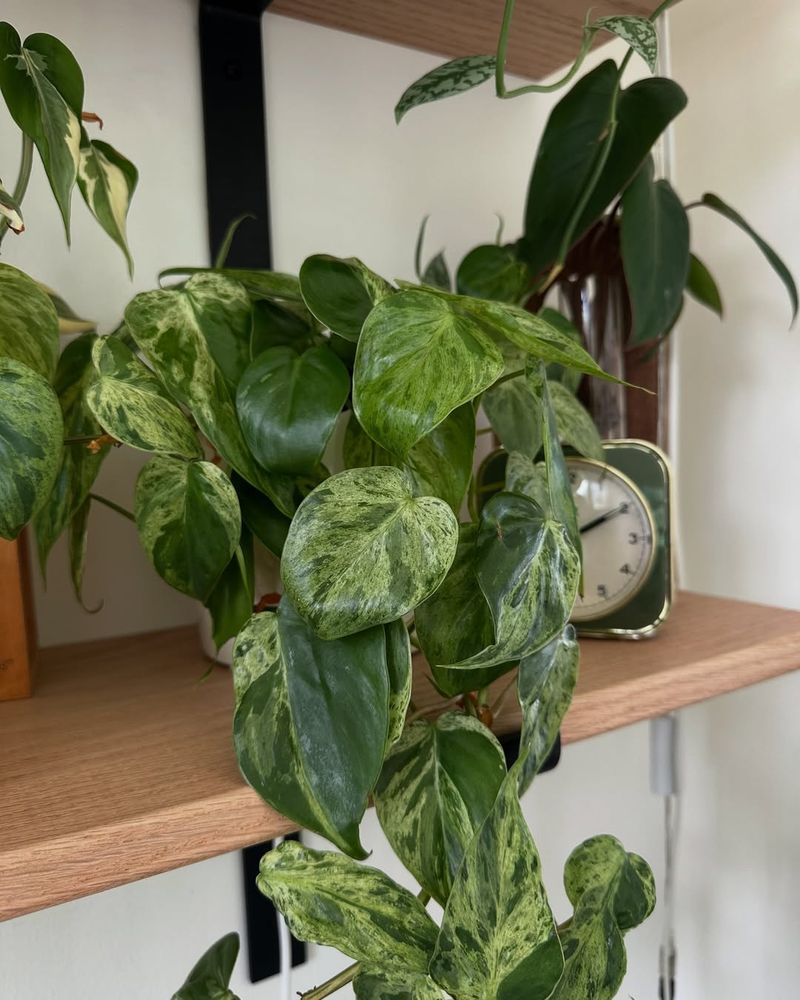
Glossy and vigorous, the heartleaf philodendron brings tropical vibes to even the most industrial Brooklyn loft or Upper East Side apartment.
Its shiny, deep green leaves emerge bronze-tinted before maturing to a rich emerald shade that brightens any room.
This fast-growing vine adapts well to various light conditions, though it produces fuller growth in medium to bright indirect light.
New York apartment dwellers appreciate how forgiving this plant is with watering schedules, tolerating occasional missed waterings without complaint.
The stems can reach impressive lengths of six feet or more, creating dramatic vertical interest when allowed to climb or cascade freely.
You can shape this philodendron however your space demands – train it up a trellis, let it trail from shelves, or wrap it around a room divider.
Regular pruning encourages bushier growth and gives you plenty of cuttings to propagate in water for friends or other rooms.
The plant naturally purifies indoor air, particularly helpful in older New York buildings where ventilation might be limited.
It tolerates the temperature fluctuations common in city apartments where radiators blast heat in winter and air conditioning runs constantly in summer.
Misting the leaves occasionally helps replicate humidity, though this philodendron manages fine in typical apartment conditions without extra fussing.
4. English Ivy
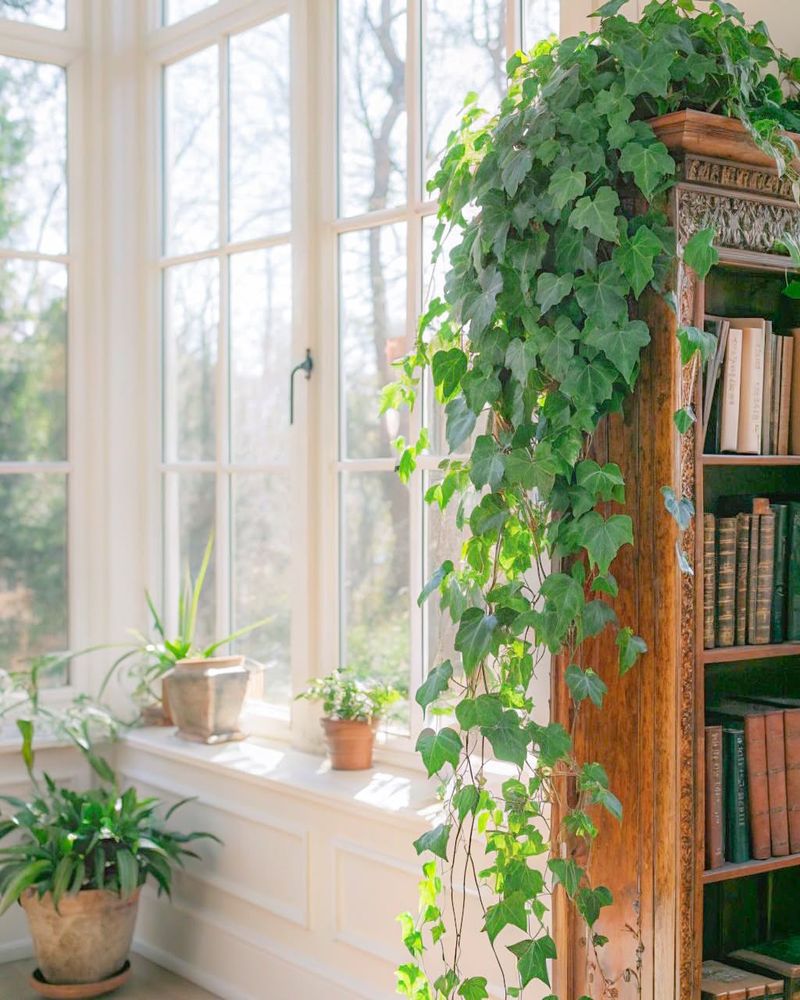
Classic and elegant, English ivy brings old-world charm to contemporary New York living spaces with its distinctive lobed leaves.
Variegated varieties with cream, white, or yellow markings add extra visual interest against neutral apartment walls.
This plant prefers cooler temperatures than most houseplants, making it perfect for drafty older buildings in neighborhoods like the West Village.
Bright indirect light keeps English ivy looking its best, though it tolerates shadier spots better than many vining plants.
Regular misting or a nearby humidifier helps prevent the brown leaf tips that sometimes occur in dry New York apartments during winter.
The vines grow moderately fast and can be trained to climb small trellises or allowed to cascade from hanging baskets near windows.
Pinching back growing tips encourages fuller, bushier growth rather than long, sparse stems.
English ivy works beautifully as a living curtain when hung near windows, providing privacy without blocking precious natural light.
Keep the soil consistently moist but never waterlogged, checking it every few days during warmer months.
This plant propagates readily from stem cuttings, allowing you to fill your entire apartment or share with neighbors.
Many New York plant enthusiasts use English ivy to create vertical gardens on blank walls, transforming boring spaces into green focal points.
5. Hoya Carnosa
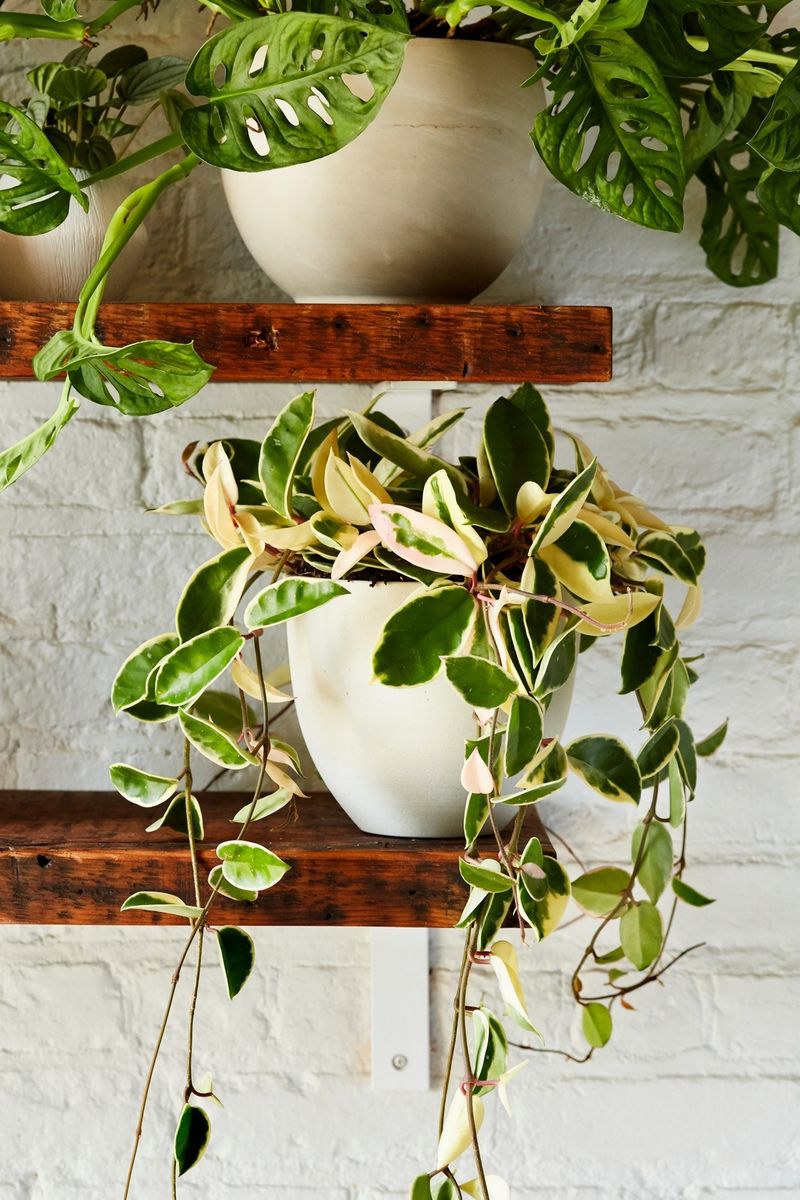
Sculptural and rewarding, hoya carnosa features thick, waxy leaves that give it the common name wax plant among New York collectors.
The succulent-like foliage stores water efficiently, making this vine perfect for busy professionals who travel frequently for work.
Bright indirect light from south or west-facing windows encourages the spectacular clusters of star-shaped, fragrant flowers that appear on mature plants.
These blooms smell sweetest at night, filling studio apartments with their honey-like fragrance during summer evenings.
Hoya prefers to dry out between waterings, typically needing water only once every week or two depending on your apartment’s conditions.
The vines grow slowly compared to pothos or philodendron, but this makes them easier to manage in smaller New York spaces.
Never remove the flower spurs after blooms fade because new flowers emerge from the same spots year after year.
Variegated varieties with pink, cream, or yellow leaf edges add extra color even when the plant isn’t flowering.
This plant tolerates being slightly rootbound, actually flowering more prolifically when cozy in its pot.
Hoya carnosa handles the dry indoor air of heated New York apartments exceptionally well during winter months.
Patience pays off with this vine, as established plants become stunning focal points that impress visitors to your apartment.
6. Spider Plant
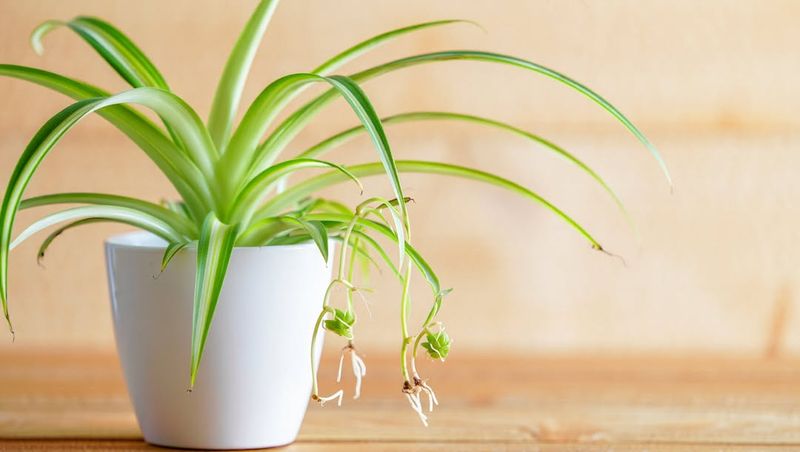
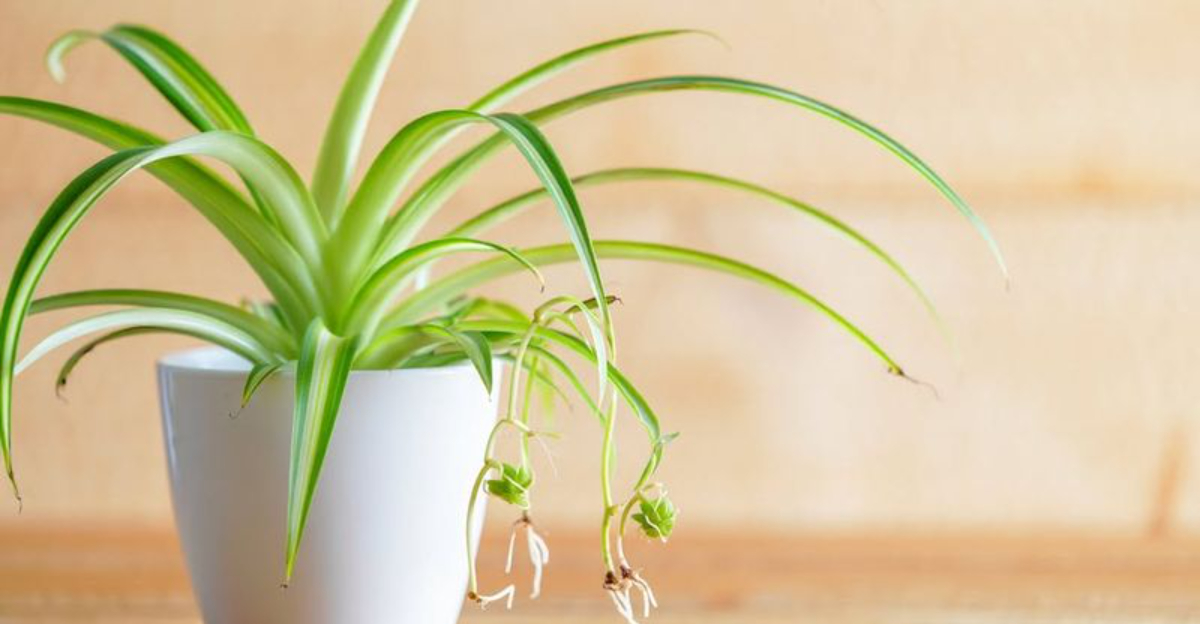
Cheerful and productive, spider plants send out long arching leaves striped with cream or white that brighten any New York apartment corner.
The real magic happens when mature plants produce long stems topped with tiny white flowers followed by baby plantlets called spiderettes.
These miniature plants dangle from the mother plant like spiders on silk threads, creating a cascading waterfall effect perfect for hanging displays.
Spider plants adapt to almost any light condition, from bright indirect light to shadier spots, though growth slows in darker areas.
They’re particularly forgiving about watering, tolerating both occasional neglect and slightly overenthusiastic watering better than many houseplants.
The babies can be snipped off and potted up to create new plants, giving you endless opportunities to fill your apartment or share with friends.
Many New York plant parents start with one spider plant and end up with a collection spanning every room within months.
These plants excel at purifying indoor air, removing common pollutants found in city apartments.
The arching foliage looks particularly striking when placed on high shelves or in hanging baskets where the leaves and babies can cascade freely.
Spider plants tolerate the temperature swings typical in older New York buildings where heating systems can be unpredictable.
Brown leaf tips sometimes appear in response to chemicals in tap water, so using filtered water helps keep foliage looking fresh.
7. Tradescantia Zebrina
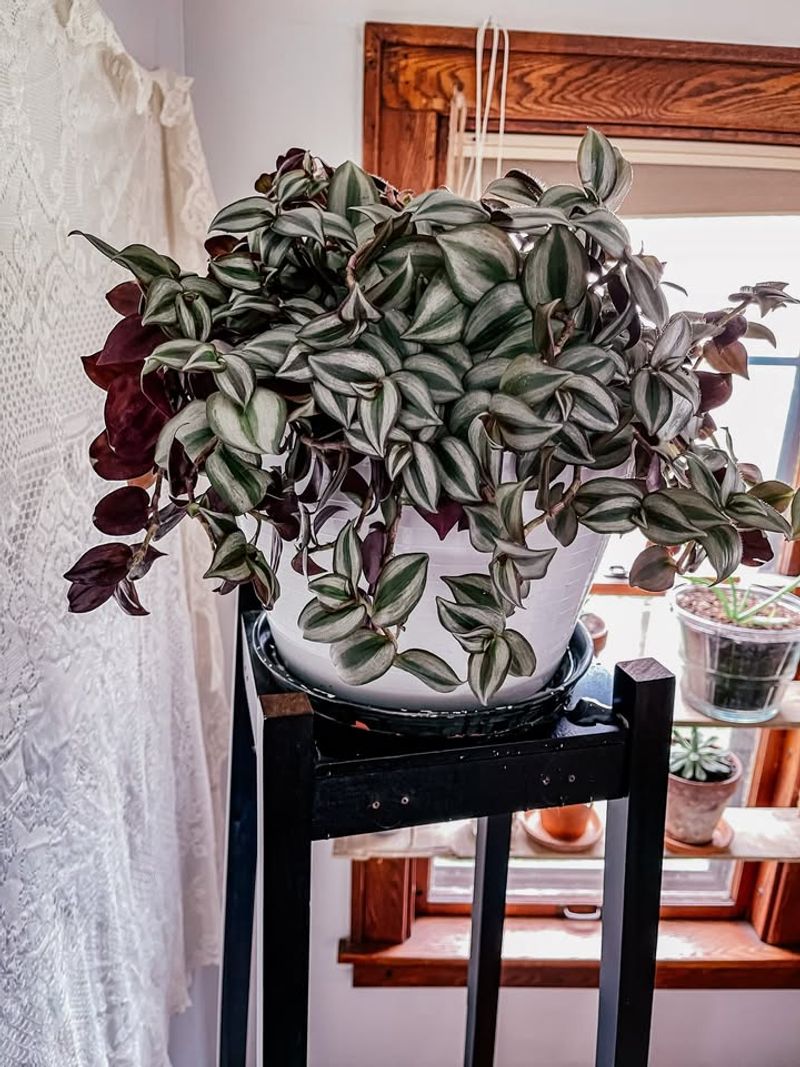
Bold and eye-catching, tradescantia zebrina shows off stunning purple leaves with shimmering silver stripes that catch light beautifully in New York apartments.
The undersides of the leaves display an even deeper purple that creates gorgeous contrast when vines cascade from shelves or hanging planters.
This fast-growing plant produces long trailing stems that can reach several feet within months, perfect for creating dramatic displays quickly.
Bright indirect light keeps the purple coloring vibrant, while shadier spots cause the leaves to fade toward green.
Tradescantia thrives near east or west-facing windows common in Manhattan apartments, where it receives gentle morning or afternoon sun.
Water when the top inch of soil feels dry, usually once or twice weekly depending on your apartment’s humidity and temperature.
The plant occasionally produces small three-petaled flowers in pink or white, adding unexpected delicate beauty to the bold foliage.
Propagation couldn’t be simpler – stems root in water within days, allowing you to create fuller plants or share cuttings constantly.
Regular pinching encourages bushier growth and prevents the leggy appearance that sometimes develops in lower light conditions.
This vine tolerates the dry air in heated New York apartments better than many tropical plants, though occasional misting keeps leaves looking their best.
The colorful foliage brings instant personality to minimalist apartments, serving as living art that requires minimal maintenance.
8. Scindapsus Pictus
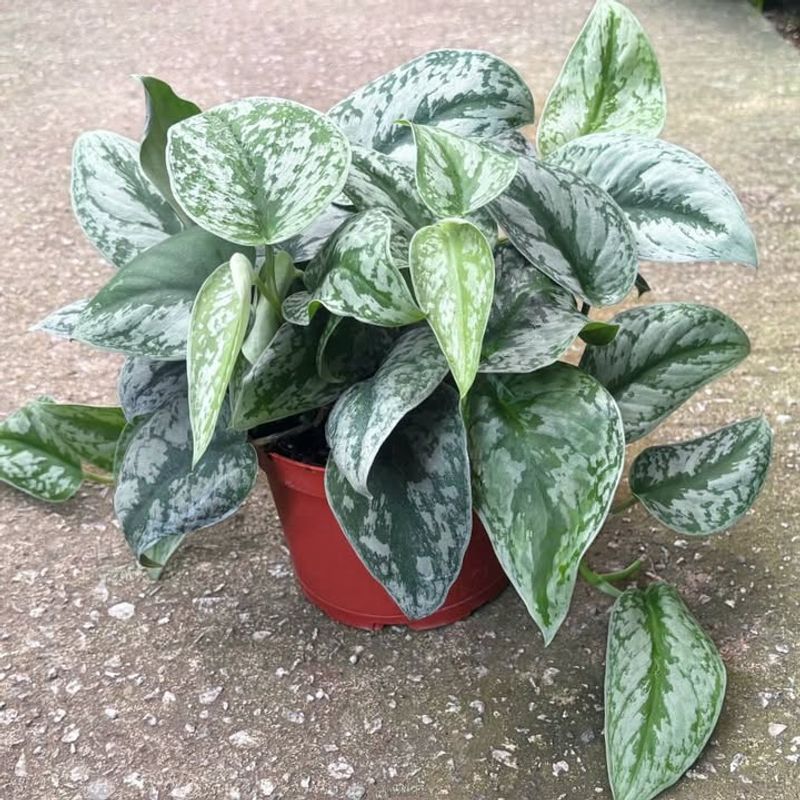
Sophisticated and shimmery, scindapsus pictus earns its common name satin pothos from the silvery splashes that make leaves look painted with metallic paint.
The velvety texture of the heart-shaped leaves adds tactile interest that sets this plant apart from ordinary vining houseplants.
While related to pothos, scindapsus grows more slowly and stays somewhat more compact, making it ideal for smaller New York apartments.
Medium to bright indirect light maintains the striking silver variegation, though the plant tolerates lower light levels found in north-facing rooms.
This vine prefers to dry out slightly between waterings, typically needing water once every week to ten days in most apartment conditions.
Scindapsus handles the lower humidity of New York apartments well, though leaves look extra lustrous with occasional misting.
The plant naturally climbs in its native habitat, so training it up a moss pole creates a more upright display if floor space is limited.
Alternatively, let the vines trail from a high shelf or hanging basket to showcase the beautiful variegated foliage.
Propagation works best through stem cuttings placed in water or directly in soil, though it roots more slowly than regular pothos.
The silvery leaves photograph beautifully, making this plant a favorite among New York plant influencers and Instagram enthusiasts.
Scindapsus pictus adds a touch of elegance to any room without requiring the intensive care that some variegated plants demand.
9. Monstera Adansonii
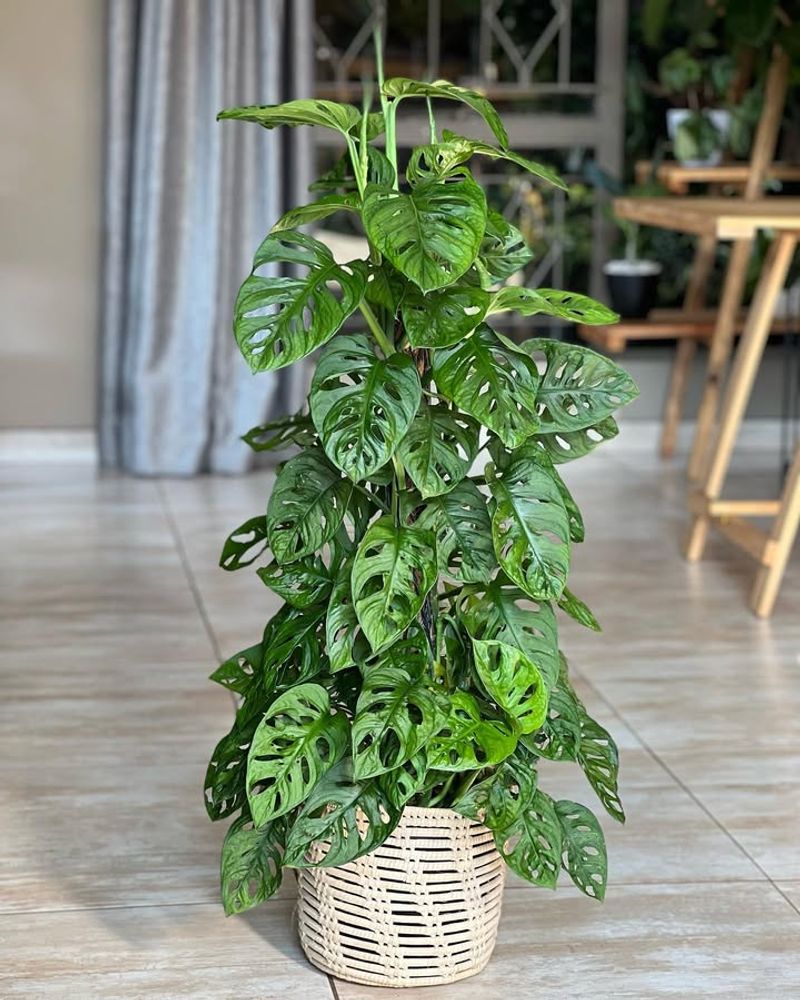
Trendy and architectural, monstera adansonii brings instant jungle vibes to Brooklyn lofts and Manhattan apartments with its distinctive perforated leaves.
The natural holes and splits in the foliage create fascinating patterns that cast beautiful shadows on walls when placed near windows.
This vining monstera grows much faster than its popular cousin monstera deliciosa, quickly filling spaces with lush tropical greenery.
Bright indirect light produces the best growth and most dramatic fenestrations, though the plant tolerates medium light conditions reasonably well.
Water when the top two inches of soil feel dry, typically once weekly during growing season and less frequently during New York winters.
Higher humidity encourages larger leaves and more vigorous growth, so bathrooms with windows make excellent locations for this plant.
The vines can trail from hanging baskets or climb up moss poles, giving you flexibility in how you display this statement plant.
New leaves emerge rolled up in protective sheaths before unfurling to reveal their characteristic holes over several days.
Watching new growth develop becomes addictive for many New York plant parents who check their monstera daily for changes.
Propagation through stem cuttings allows you to create new plants or encourage fuller growth by replanting cuttings in the same pot.
This plant has become incredibly popular in recent years, frequently appearing in trendy cafes and restaurants throughout New York City.
10. Grape Ivy
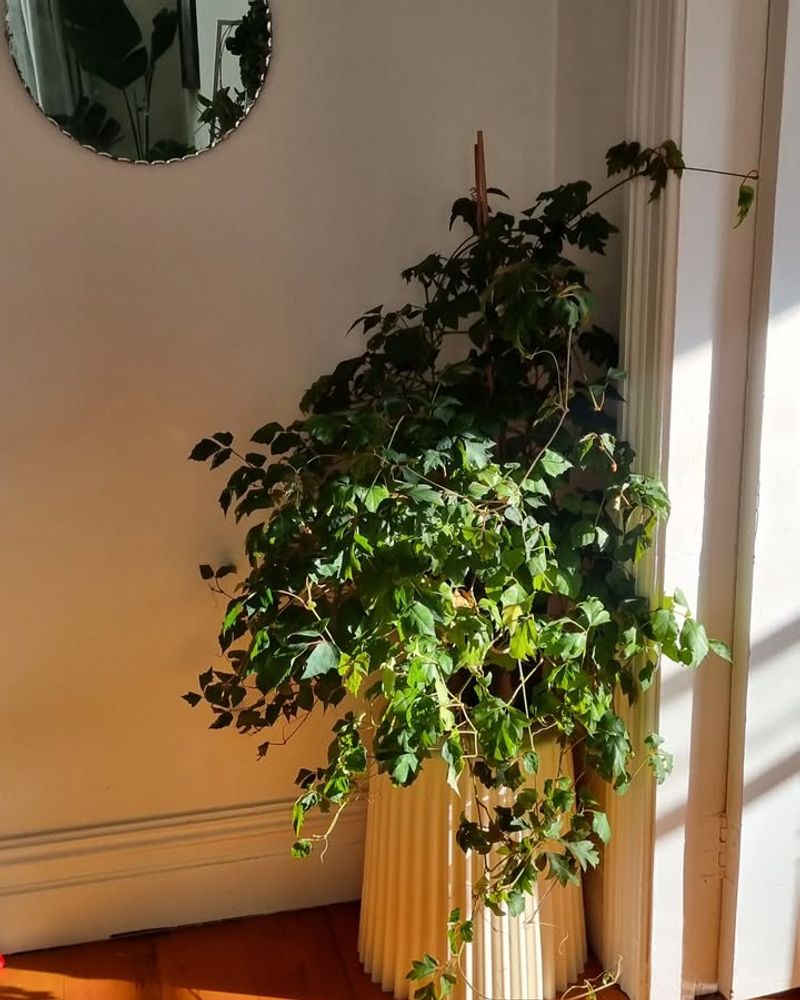
Underrated and reliable, grape ivy offers glossy compound leaves that create a fuller, more textured appearance than single-leafed vines.
Each leaf consists of three diamond-shaped leaflets with serrated edges that give the plant visual complexity and depth.
This vine grows vigorously once established, producing long cascading stems perfect for filling empty corners in New York apartments quickly.
Grape ivy prefers bright indirect light but adapts remarkably well to lower light conditions, making it suitable for rooms without ideal window exposure.
The plant appreciates consistent moisture, so check the soil every few days and water when the top inch feels dry to the touch.
Cooler temperatures suit grape ivy well, making it an excellent choice for drafty older buildings in neighborhoods throughout New York.
Regular pruning keeps growth in check and encourages bushier, fuller plants rather than long, sparse vines.
The tendrils naturally want to climb, so providing a small trellis or allowing vines to wrap around nearby supports creates interesting displays.
Grape ivy tolerates occasional neglect better than many houseplants, bouncing back quickly when you resume regular care after busy periods.
The lush foliage adds a classic, timeless look to any space without following trendy plant fashions that come and go.