How A Simple Preemptive Paint Job Helps Fruit Trees Thrive In Utah
Fruit trees in Utah have a lot working against them.
Bright winter sun, sudden temperature swings, and dry air can take a toll long before spring arrives.
Many problems show up later in the season, but the damage often starts months earlier when trunks and branches are left unprotected.
That is where a simple preemptive paint job can change the game.
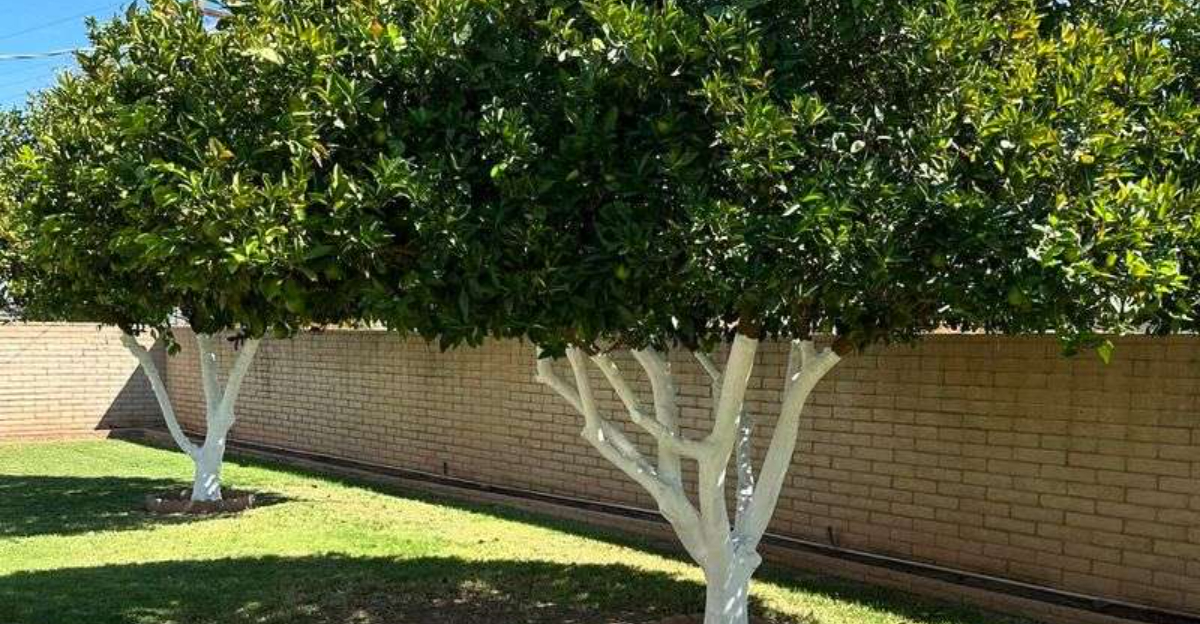
Painting fruit tree trunks might sound odd at first, but it is an old trick that still pulls its weight.
A light coat of paint helps reflect harsh sunlight, reducing stress that leads to cracked bark and weakened trees.
It also helps guard against pests and disease that look for easy openings.
In Utah’s tough climate, that extra layer of protection can make all the difference.
This small step is a classic case of an ounce of prevention being worth a pound of cure.
It takes little time, costs very little, and pays off by keeping trees stronger and healthier.
For Utah growers, protecting fruit trees before trouble starts can mean better growth, fewer problems, and more reliable harvests year after year.
1. Prevents Sunscald Damage On Young Bark
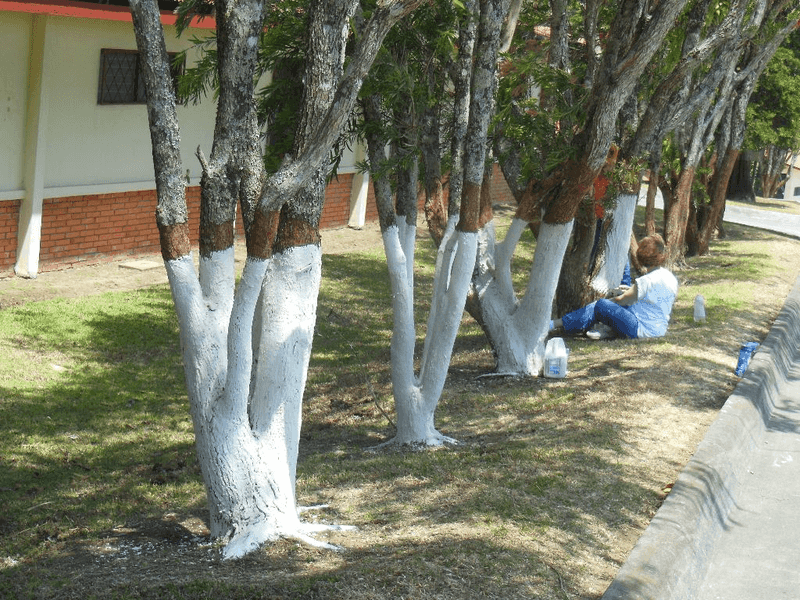
Bright sunshine in Utah can actually harm fruit tree trunks, especially during winter months when the sun sits lower in the sky.
When intense sunlight hits dark bark on cold days, the bark tissue warms up quickly and cells become active.
Once the sun sets or clouds roll in, temperatures drop fast and those active cells freeze, causing cracks and splits in the bark.
White paint reflects sunlight away from the trunk, keeping bark temperatures more stable throughout the day.
This protection matters most for young trees with thin bark that haven’t developed thick protective layers yet.
Apple, peach, cherry, and apricot trees growing in Utah orchards benefit tremendously from this simple coating.
The damage from sunscald weakens trees and creates entry points for diseases and insects.
Cracks in the bark allow moisture to escape and pathogens to enter, compromising the tree’s health over time.
Preventing this damage with paint costs very little but saves trees from years of struggling to recover.
Many Utah gardeners apply paint in late fall before winter arrives, giving trees protection during the most vulnerable season.
The paint stays effective for several months, and reapplication once or twice per year keeps trees safe.
This preventive measure works better than trying to fix damaged bark after problems develop, making it a smart choice for anyone growing fruit trees in Utah’s challenging climate.
2. Reduces Temperature Fluctuations In Bark Tissue
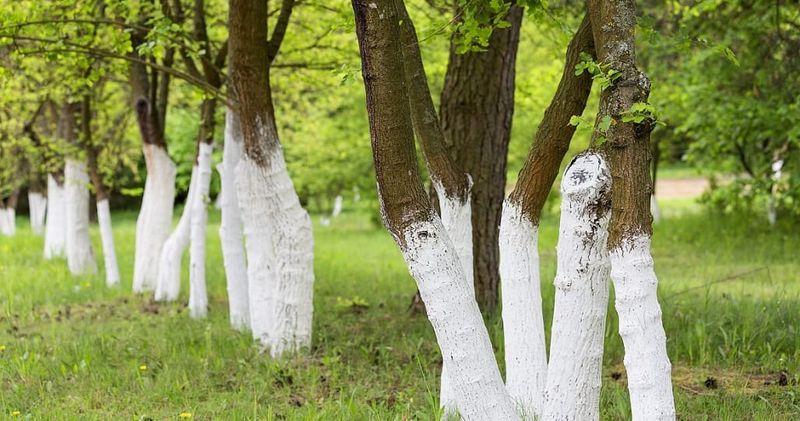
Temperature swings happen fast in Utah, where warm afternoons can suddenly shift to freezing nights.
Fruit tree bark expands when warm and contracts when cold, and rapid changes cause stress that weakens the wood.
Painted trunks maintain more consistent temperatures because the light color reflects heat rather than absorbing it.
Think of wearing a white shirt versus a black shirt on a sunny day – the white one keeps you much cooler.
Tree bark works the same way, and keeping temperatures steady helps trees conserve energy and stay healthier.
Your Utah Garden Changes Every Week. Your Plan Should Too.
Gardening in Utah changes quickly throughout the season. Every Friday you’ll receive a simple weekly plan showing exactly what to plant, prune, fertilize, harvest, and protect so you never miss the right timing.
Utah’s high elevation and dry air make temperature swings even more extreme than in other regions.
Stable bark temperatures mean trees can focus energy on growing roots, producing fruit, and building strong branch structures.
When bark constantly expands and contracts, trees waste resources repairing minor damage instead of thriving.
This becomes especially important for newly planted trees that need every advantage to establish themselves in Utah soil.
Painting trunks creates a buffer zone that moderates temperature changes throughout the day and night.
The protection works during summer heat waves and winter cold snaps, giving trees year-round benefits.
Orchard owners across Utah have used this technique for generations because it consistently delivers results without requiring expensive equipment or complicated procedures.
Homeowners with just a few backyard fruit trees can achieve the same professional-level protection with a simple bucket of paint and a brush.
3. Deters Boring Insects From Attacking Trunks
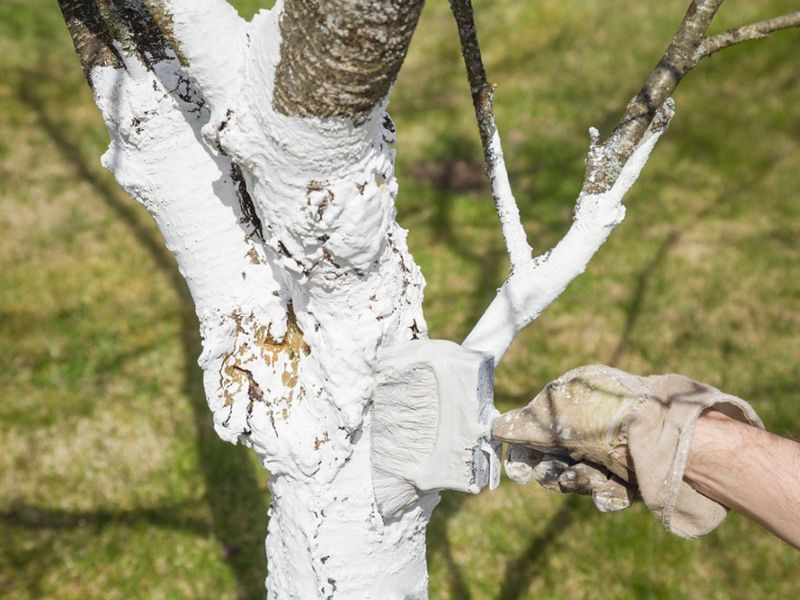
Boring insects cause serious problems for fruit trees throughout Utah, tunneling into bark and wood to lay eggs and feed.
These pests include flatheaded borers, roundheaded borers, and other species that weaken trees and reduce fruit production.
White paint on tree trunks makes the surface less attractive to these insects, discouraging them from landing and boring into the wood.
Insects prefer dark, rough bark that provides camouflage and easy access to the inner layers of the tree.
A smooth, white painted surface feels unfamiliar to these pests and often sends them searching elsewhere for suitable host trees.
While paint alone won’t stop every insect, it significantly reduces the likelihood of infestation when combined with other good orchard practices.
Utah’s climate creates ideal conditions for certain boring insects during warm months, making prevention crucial for tree health.
Once borers establish tunnels inside the trunk, they become extremely difficult to remove or control.
Preventing initial attacks saves trees from long-term damage that can take years to overcome.
The paint creates a physical barrier that insects must penetrate before reaching the bark they want to attack.
Many insects detect chemical signals from tree bark that tell them whether a tree makes a good host.
Paint blocks these chemical signals, essentially hiding the tree from hungry pests looking for their next meal.
This simple strategy helps Utah fruit growers protect their investment without relying heavily on chemical insecticides that can harm beneficial insects.
4. Protects Against Winter Injury And Frost Cracks
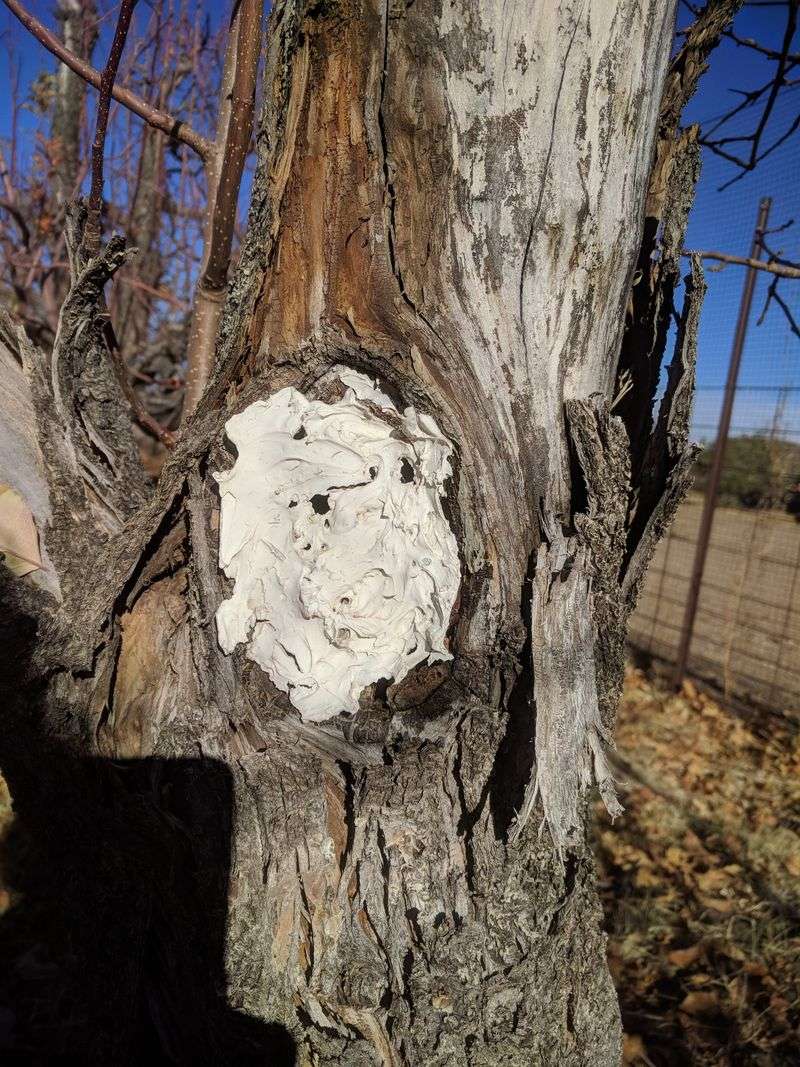
Winter in Utah brings freezing temperatures that can cause serious damage to fruit tree trunks through a process called frost cracking.
When water inside bark tissue freezes and expands, it creates vertical splits that run up and down the trunk.
These cracks open during cold nights and close when temperatures rise, but repeated cycles weaken the tree’s structure and create lasting damage.
Painted trunks stay warmer during cold snaps because the light color reflects any available sunlight and moderates temperature drops.
Even a few degrees of difference can prevent water in bark cells from freezing and expanding.
Utah orchards at higher elevations face particularly harsh winter conditions where this protection becomes essential for tree survival.
Frost cracks provide entry points for diseases, fungi, and insects that further compromise tree health.
Once a crack forms, it rarely heals completely and often reopens each winter, causing cumulative damage over the tree’s lifetime.
Preventing the initial crack saves trees from years of vulnerability and declining productivity.
Young trees suffer most from winter injury because their bark hasn’t developed the thick, protective layers that mature trees possess.
Applying paint before the first hard freeze gives new plantings their best chance at surviving Utah’s tough winters.
Many experienced growers in Utah consider trunk painting as important as watering and fertilizing for establishing healthy orchards.
The small investment in paint and time pays dividends for many years as trees grow strong and productive without battling winter damage.
5. Extends The Productive Life Of Mature Trees
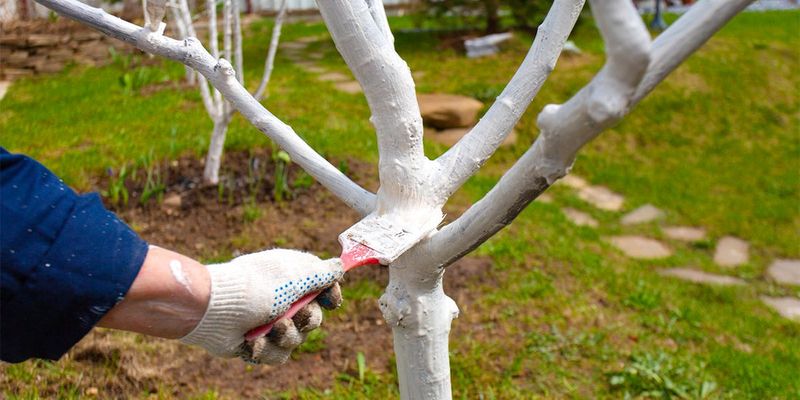
Older fruit trees in Utah orchards deserve protection just as much as young plantings, and paint helps them stay productive longer.
Mature trees have already proven their value by producing abundant fruit for years, making their continued health economically important.
Paint protects aging bark that may have become more vulnerable to sun damage, temperature stress, and pest attacks over time.
As trees age, their bark naturally develops cracks, rough patches, and thin spots that create weak points in their protective layer.
Applying paint to mature trunks fills these gaps and creates a uniform protective coating that strengthens the tree’s defenses.
Utah growers who maintain painted trunks on older trees often see them continue producing quality fruit well beyond typical lifespans.
The cost of replacing a mature fruit tree far exceeds the minimal expense of annual paint applications.
Established trees have extensive root systems, proven genetics, and years of adaptation to local Utah conditions that new plantings must develop from scratch.
Protecting this investment makes financial sense for commercial orchards and home gardeners alike.
Painted trunks on mature trees also improve orchard appearance, creating a clean, professional look that reflects good management practices.
The bright white color makes it easier to spot problems like disease symptoms, pest activity, or mechanical damage during routine inspections.
Many Utah orchardists report that maintaining painted trunks becomes a simple routine that takes little time but delivers consistent benefits season after season.
Trees that might otherwise decline prematurely continue thriving and producing when given this basic level of care and protection.
6. Improves Tree Establishment For New Plantings
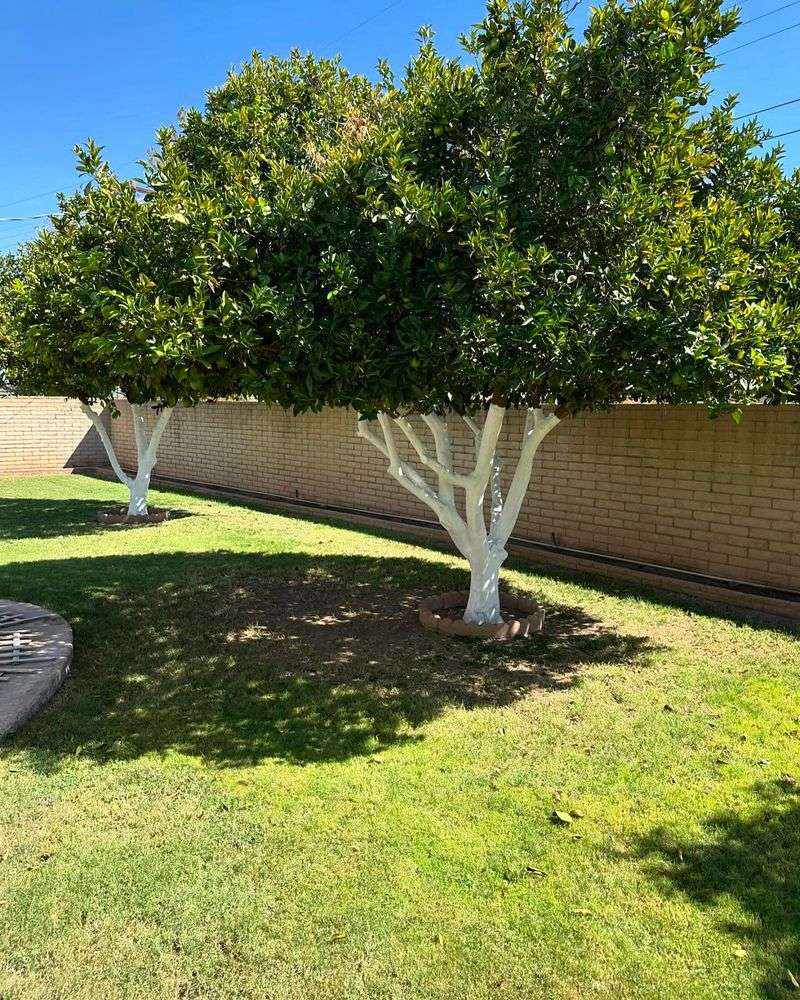
Newly planted fruit trees face tremendous stress as they adjust to Utah soil, climate, and growing conditions.
Young trees must establish root systems, adapt to local weather patterns, and build strength while simultaneously trying to grow.
Painting trunks immediately after planting removes one major source of stress, allowing trees to focus energy on getting established rather than repairing bark damage.
First-year survival makes the difference between a successful orchard and a costly replanting project.
Utah’s intense sunshine and temperature extremes challenge young trees that haven’t developed full protective bark yet.
White paint acts like sunscreen, giving tender bark a fighting chance during those critical first months and years.
Research shows that trees protected with trunk paint establish faster and grow more vigorously than unpainted trees in the same conditions.
The energy saved from not repairing sun damage or fighting off insects goes directly into root growth and branch development.
Stronger establishment in early years leads to earlier fruit production and higher yields throughout the tree’s lifetime.
Many Utah nurseries now recommend painting trunks before trees even leave the growing facility.
This gives new plantings maximum protection from the moment they enter their permanent home in the orchard or backyard.
Homeowners planting their first fruit trees can dramatically improve success rates by including trunk paint in their planting routine.
The simple step costs almost nothing but increases the likelihood that trees will thrive and produce abundant fruit for decades in Utah’s challenging but rewarding growing environment.
7. Minimizes Disease Entry Through Bark Wounds
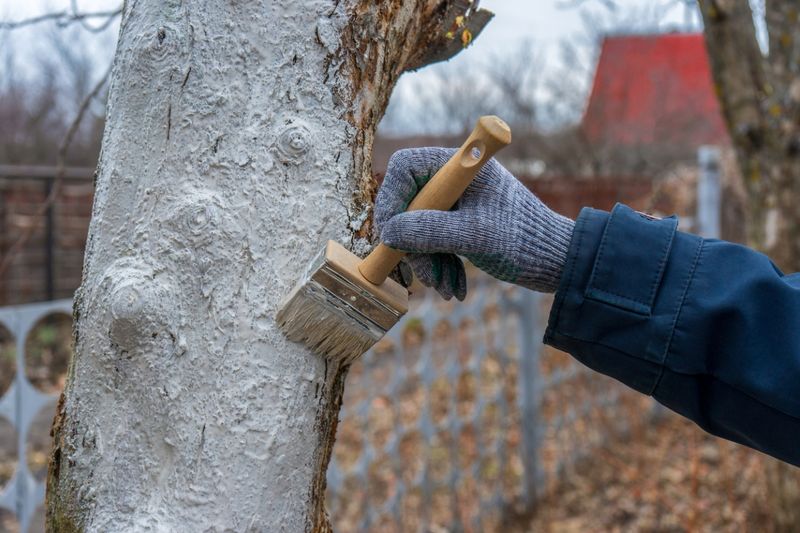
Healthy bark serves as a fruit tree’s first line of defense against diseases, fungi, and bacterial infections.
Any crack, split, or wound in the bark creates an opening where pathogens can enter and establish infections.
Painted trunks have fewer wounds because they suffer less sun damage, temperature stress, and insect attacks that compromise bark integrity.
Utah’s dry climate might seem unlikely to promote disease, but wounded trees remain vulnerable regardless of regional moisture levels.
Fungal spores and bacteria exist everywhere, waiting for opportunities to colonize damaged tissue.
Preventing bark wounds through painting stops diseases before they start, which proves far easier than treating established infections.
Some common fruit tree diseases spread specifically through bark wounds, making prevention through painting especially valuable.
Cytospora canker, fire blight, and various fungal infections take advantage of any opening to invade tree tissue.
Once inside, these diseases spread through the tree’s vascular system, potentially affecting the entire plant.
Paint creates a sealed barrier that keeps bark wounds from forming in the first place.
Even when minor damage occurs, the painted surface dries quickly and resists moisture accumulation where pathogens thrive.
Utah fruit growers who maintain painted trunks consistently report fewer disease problems compared to orchards with unpainted trees.
The protective coating works alongside good sanitation practices, proper pruning, and appropriate spacing to create a comprehensive disease management strategy.
Healthy trees with intact bark produce better fruit, live longer, and require less intervention, making trunk painting a cornerstone practice for successful fruit growing throughout Utah.