11 Crucial Things Ohio Homeowners Should Know Before Removing Raccoons From Their Yard
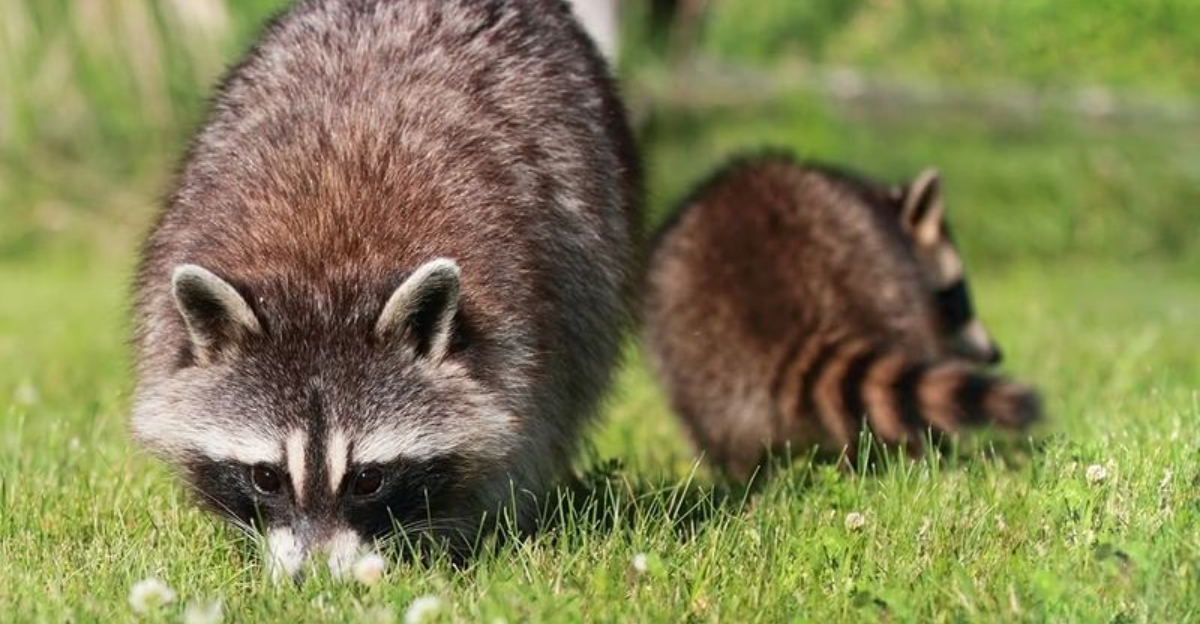
Raccoons might look cute and harmless, but dealing with them in your Ohio backyard can be more complicated than you think.
Many homeowners rush to remove these masked critters without understanding the legal rules, health risks, and smart strategies that actually work.
Before you grab a trap or call just anyone for help, learning these important facts can save you time, money, and potential legal trouble.
This guide walks you through everything Ohio homeowners need to know to handle raccoon problems safely, legally, and effectively.
1. Raccoons Are Protected Wildlife In Ohio

Ohio law treats raccoons as protected wildlife, which means you cannot just remove them however you please.
The Ohio Department of Natural Resources has specific regulations about how these animals can be handled, trapped, or relocated.
Homeowners who ignore these rules can face fines and legal consequences that are not worth the risk.
State law requires anyone trapping raccoons to follow proper procedures and obtain necessary permits in many situations.
You cannot simply set a trap in your yard without understanding what comes next legally.
Even if a raccoon is causing damage to your property, the law still protects the animal from inhumane treatment or improper handling methods.
Licensed wildlife control operators know these regulations inside and out, which protects you from accidentally breaking the law.
They understand seasonal restrictions, humane handling requirements, and proper documentation needed for legal removal.
Working within Ohio’s wildlife protection framework ensures you solve your raccoon problem without creating legal headaches down the road.
Respecting these laws also helps maintain healthy wildlife populations across the state while addressing genuine conflicts between humans and animals.
Understanding your legal obligations is the first step toward responsible raccoon management on your property.
2. DIY Trapping Can Be Illegal And Risky
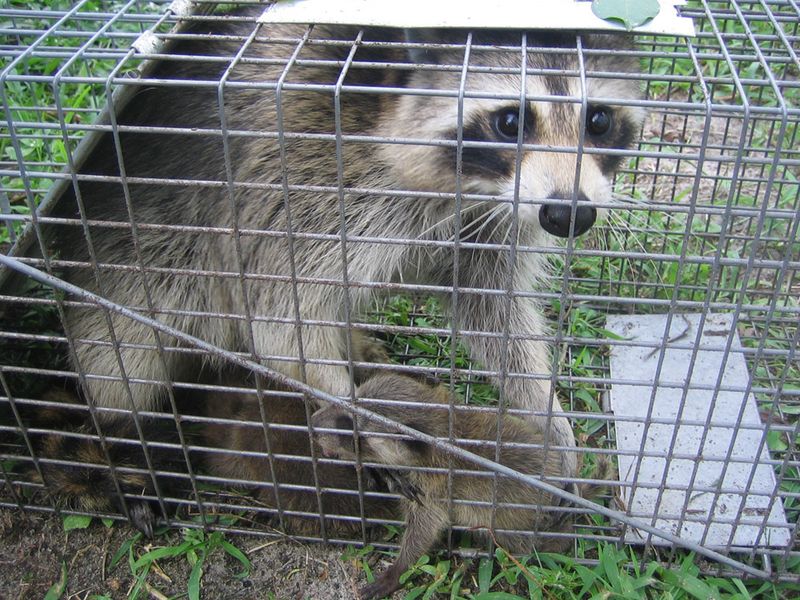
Setting your own traps might seem like an easy solution, but this approach comes with serious legal and safety problems.
Ohio regulations often require permits for trapping, and improper trapping methods can result in hefty fines from wildlife authorities.
Many homeowners discover too late that their DIY efforts violated state or local ordinances they never knew existed.
Beyond legal issues, raccoons can become aggressive when cornered or trapped, especially if they feel threatened or are protecting young.
Their sharp teeth and claws can cause painful injuries that require medical attention and possible rabies treatment.
Handling a trapped raccoon without proper training and equipment puts you and your family at unnecessary risk.
Common mistakes include using the wrong trap size, placing traps in illegal locations, or not checking traps frequently enough.
Ohio law requires traps to be checked within specific timeframes to prevent animal suffering.
Forgetting to check a trap or going on vacation can leave an animal in distress and land you in legal trouble.
Another problem occurs when homeowners successfully trap a raccoon but have no legal plan for what happens next.
You cannot simply drive the animal somewhere else and release it without permission and proper permits.
Professional wildlife services eliminate these risks by handling everything legally and safely from start to finish.
Your Ohio Garden Changes Every Week. Your Plan Should Too.
Gardening in Ohio changes quickly throughout the season. Every Friday you’ll receive a simple weekly plan showing exactly what to plant, prune, fertilize, harvest, and protect so you never miss the right timing.
3. Baby Raccoons Change Everything

Finding baby raccoons on your property completely changes how and when you can address the situation.
Mother raccoons typically have their babies between March and May in Ohio, and these kits depend entirely on their mother for survival.
Removing or excluding the mother while babies remain hidden creates a heartbreaking and messy situation that makes your problem much worse.
Orphaned kits will cry loudly for days, attract other predators, and eventually perish if the mother cannot return to them.
The smell and cleanup from this scenario become far more expensive and unpleasant than waiting for the right removal timing.
Ohio wildlife regulations also specifically protect nursing mothers and dependent young during certain times of the year.
Professional wildlife experts know how to locate hidden babies that homeowners typically miss during inspections.
Kits can be tucked into insulation, wall voids, or chimney spaces where you would never think to look.
Trained professionals use specialized techniques to safely remove entire family units together, keeping mothers with their young whenever possible.
The best approach during baby season involves waiting until the kits are old enough to leave with their mother naturally.
Exclusion devices can then be installed that allow the family to exit but prevent re-entry once they leave on their own.
Patience during these months prevents unnecessary suffering and actually solves your raccoon problem more effectively than rushing the process.
4. Raccoons Carry Diseases That Can Affect Humans And Pets
Health risks from raccoons go far beyond what most Ohio homeowners realize when these animals visit their property.
Rabies remains one of the most serious concerns, as raccoons are common carriers of this fatal virus throughout the state.
Any contact with a raccoon, especially one acting strangely or aggressively, requires immediate medical evaluation and possible treatment.
Raccoon roundworm presents an even more common danger that many people have never heard about until it becomes a problem.
This parasite lives in raccoon intestines and spreads through their droppings, which raccoons often leave in specific latrine areas.
Humans can become infected by accidentally ingesting microscopic eggs from contaminated soil, which can cause severe neurological damage.
Your pets face similar risks when they encounter raccoons or their waste in your yard or under your deck.
Dogs and cats can contract diseases, parasites, and infections through direct contact or by investigating areas where raccoons have been.
Veterinary bills from these encounters can run into hundreds or thousands of dollars depending on the exposure and treatment needed.
Professional wildlife handlers wear protective equipment and follow strict sanitation protocols that homeowners typically lack.
They know how to identify raccoon latrines, safely clean contaminated areas, and dispose of hazardous materials properly.
Attempting to handle raccoons or clean up after them yourself exposes your family to preventable health dangers that professionals are trained to avoid.
5. Raccoons Are Attracted To Specific Yard Features
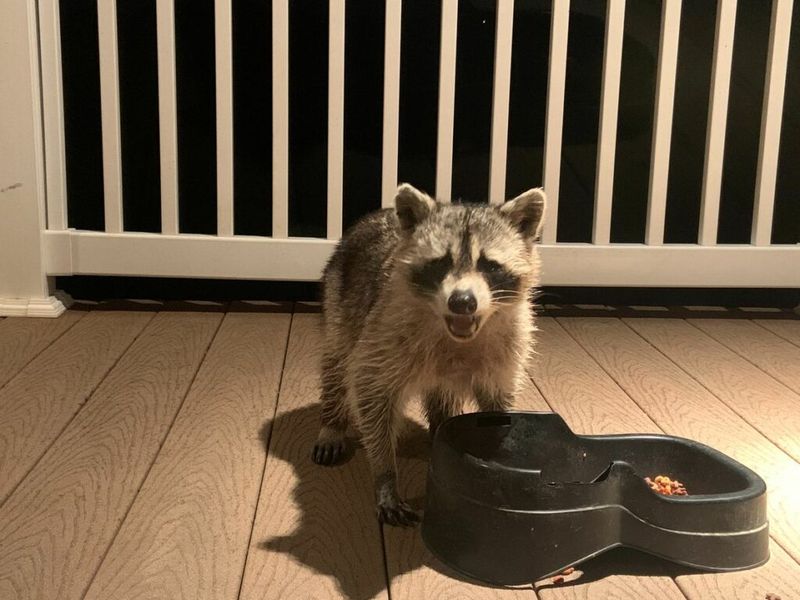
Your yard might be sending out a welcome sign to raccoons without you even realizing it through everyday features and habits.
Garbage cans without secure lids provide an all-night buffet that raccoons find absolutely irresistible and will return to repeatedly.
Even if you think your trash is secure, these clever animals can often figure out latches and flip-top lids that seem sturdy to humans.
Pet food left outside overnight acts like a dinner bell for hungry raccoons searching for easy meals in residential neighborhoods.
Bird feeders also attract raccoons who enjoy both the seeds and the smaller animals that come to feed there.
Gardens with ripe vegetables, fruit trees, and compost piles offer natural food sources that keep raccoons coming back night after night.
Water features like ponds, fountains, and even pet water bowls provide drinking sources that make your property more appealing to wildlife.
Unsecured sheds, crawl spaces, and gaps under decks offer perfect denning sites where raccoons feel safe raising their young.
Thick vegetation and woodpiles create cover that helps raccoons feel protected while they explore your yard for food and shelter.
Removing these attractants proves far more effective than trying to remove raccoons themselves without changing what brought them there.
Secure your garbage with locking lids or bungee cords, bring pet food inside at night, and consider removing bird feeders temporarily.
Making your yard less appealing prevents new raccoons from moving in after you remove the current ones.
6. Exclusion Works Better Than Removal Alone
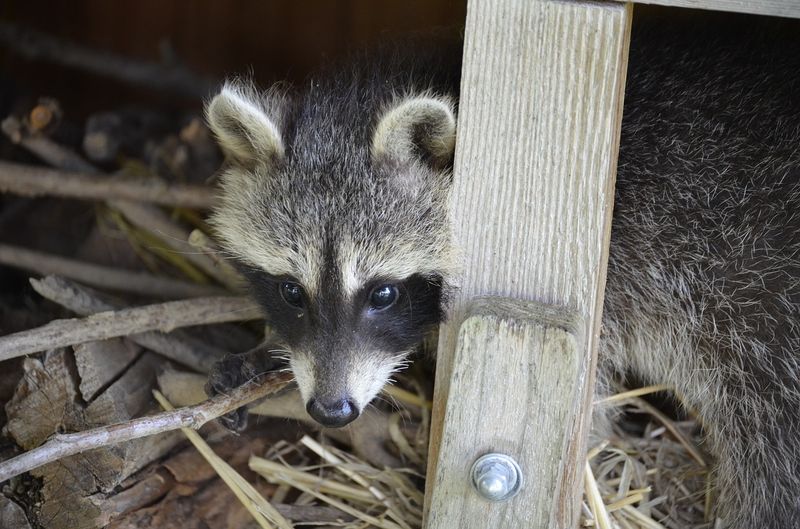
Simply removing raccoons from your property without blocking their entry points guarantees that new raccoons will move right in behind them.
Exclusion focuses on sealing gaps, holes, and entry points that allow raccoons access to your attic, crawl space, or under your deck.
This approach addresses the root cause rather than just treating the symptom of seeing raccoons in your yard.
Professional exclusion involves identifying every possible entry point, which often includes areas homeowners never notice during casual inspections.
Raccoons can squeeze through surprisingly small openings and are excellent climbers who can access roof areas you might think are secure.
Experts use heavy-duty materials like steel mesh and specialized one-way doors that let animals exit but prevent them from getting back inside.
The initial cost of proper exclusion might seem higher than simple trapping, but it saves money over time by preventing repeat problems.
Without exclusion, you could find yourself paying for removal services year after year as new raccoons discover the same easy access points.
Quality exclusion work often comes with warranties that guarantee the repairs will keep wildlife out for years to come.
Combining removal with exclusion creates a complete solution that actually solves your raccoon problem instead of just temporarily moving it elsewhere.
This integrated approach protects your home from damage, reduces health risks, and gives you peace of mind that the problem is truly resolved.
Investing in exclusion proves to be the smartest long-term strategy for Ohio homeowners dealing with persistent raccoon issues.
7. Raccoons Are Stronger And Smarter Than Most People Expect
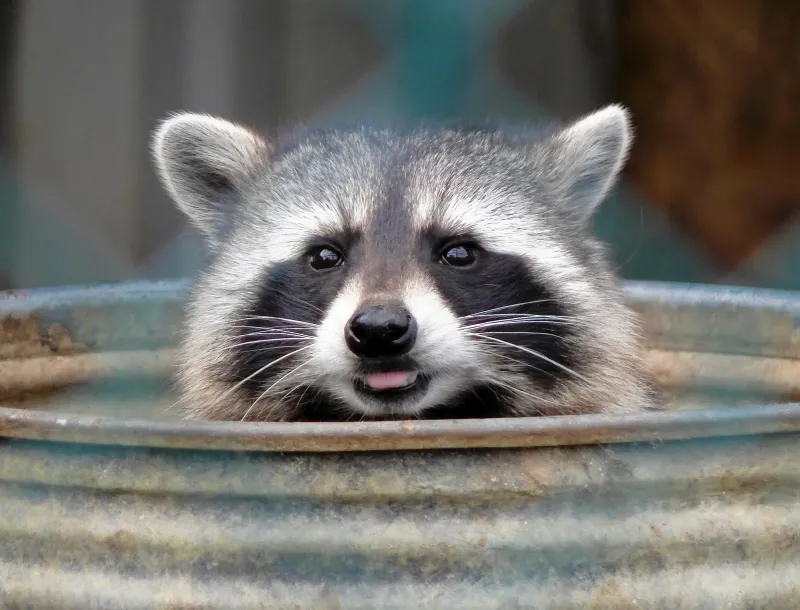
Underestimating raccoon intelligence and physical abilities leads many homeowners to frustration when simple solutions fail repeatedly.
These animals possess remarkable problem-solving skills and can remember solutions to challenges for up to three years.
Research shows raccoons can open complex latches, figure out puzzles, and adapt their behavior based on previous experiences.
Their front paws function almost like human hands, with incredible dexterity that allows them to grasp, twist, and manipulate objects.
Raccoons can turn doorknobs, open refrigerators, unscrew jars, and defeat many locks and barriers people assume are animal-proof.
This combination of intelligence and physical capability makes them one of the most challenging urban wildlife species to manage.
Stories from Ohio homeowners include raccoons learning to open supposedly secure garbage bins within minutes of encountering them.
They can tear through window screens, pry up shingles, and rip open soffit vents to access attics and other protected spaces.
Their strength allows them to move surprisingly heavy objects and create damage that looks like the work of much larger animals.
Motion-activated sprinklers might work for a few nights before raccoons figure out the pattern and timing to avoid them.
Simple deterrents like ammonia-soaked rags or bright lights often fail because raccoons quickly realize these things pose no real threat.
Understanding their capabilities helps homeowners appreciate why professional-grade solutions and expert knowledge make such a significant difference in achieving lasting results.
8. Seasonal Timing Affects Removal Success
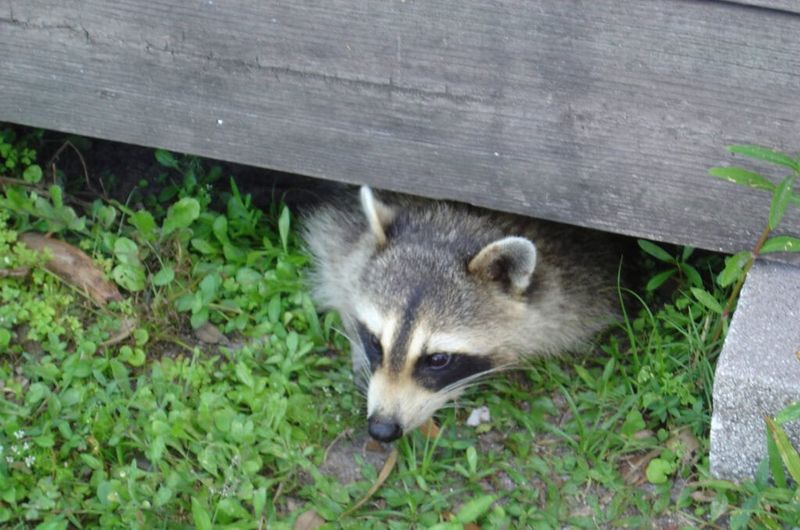
Raccoon behavior changes dramatically throughout the year in Ohio, which directly impacts when removal efforts will be most effective and humane.
Spring brings baby season from March through May, when mother raccoons seek secure denning sites and become especially protective and aggressive.
Attempting removal during this period risks orphaning babies and violates regulations designed to protect nursing mothers and dependent young.
Summer months see increased raccoon activity as young animals begin exploring and learning to forage independently from their mothers.
This season often brings more frequent sightings and yard visits as raccoon families require substantial food to support growing youngsters.
Late summer can be an effective time for exclusion work once babies are old enough to travel with their mothers.
Fall triggers intense feeding behavior as raccoons prepare for winter by consuming as much food as possible to build fat reserves.
During this time, they become bolder and more persistent in accessing food sources, which can increase conflicts with homeowners.
However, fall also represents an excellent window for removal and exclusion before winter denning season begins.
Winter in Ohio sees raccoons becoming less active, though they do not truly hibernate like some other animals do.
They den up during the coldest periods but emerge during warmer spells to search for food and water.
Working with seasonal patterns rather than against them increases your success rate and ensures you handle raccoon problems at the most appropriate times for both effectiveness and animal welfare.
9. Relocating Raccoons Often Makes The Problem Worse
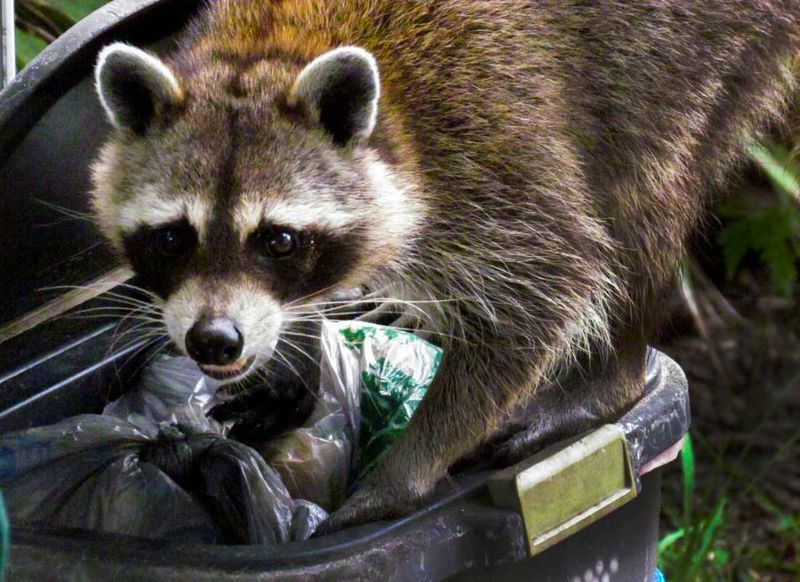
Many homeowners assume that trapping and relocating raccoons solves the problem humanely, but this approach creates multiple serious issues.
Ohio regulations severely restrict or prohibit relocation in many situations because moved animals rarely survive in unfamiliar territory.
Dropped into strange areas, raccoons face established territorial animals, unfamiliar food sources, and disorientation that dramatically reduces their survival chances.
Relocated animals experience tremendous stress from capture, transport, and release in unknown environments without established den sites or resources.
They often attempt to return home, traveling many miles and crossing dangerous roads where vehicle strikes become highly likely.
Studies show that relocated raccoons have significantly higher rates of negative outcomes compared to animals managed through other methods.
Even if relocation were effective and legal, it does nothing to address why raccoons were attracted to your property in the first place.
Within days or weeks, new raccoons from surrounding areas discover the same food sources, shelter opportunities, and entry points the previous animals used.
You end up in an endless cycle of trapping and moving animals while never actually solving the underlying attraction and access problems.
Some counties in Ohio completely prohibit relocation, while others require written permission from property owners where animals would be released.
Finding legal release sites that meet all requirements proves nearly impossible for most homeowners attempting DIY solutions.
Professional wildlife services focus on exclusion and deterrent strategies that address root causes rather than simply moving your problem to someone else’s property.
10. Yard Damage Is Often A Symptom, Not The Real Problem
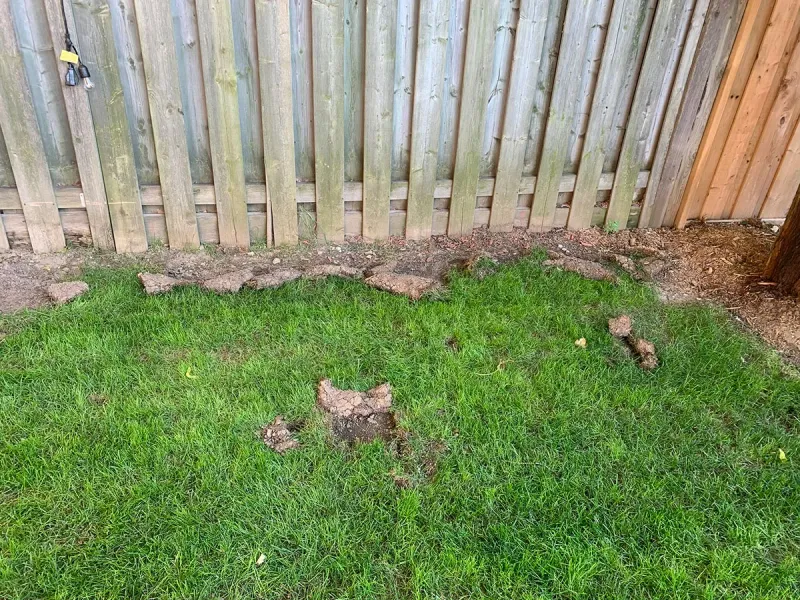
When raccoons tear up your lawn or knock over your garbage, these visible problems actually point to deeper attractants you need to address.
Raccoons digging up your sod are usually hunting for grubs, earthworms, and other insects living just below the grass surface.
This behavior indicates you likely have a grub infestation that would benefit from treatment regardless of the raccoon situation.
Overturned garbage cans and scattered trash signal that your waste management system lacks adequate security measures to exclude wildlife.
Damage to gardens and landscaping reveals that your property offers easy access to food sources that will continue attracting animals.
Treating these symptoms without addressing underlying causes means you will face the same problems repeatedly with new animals.
Professional wildlife assessments look beyond obvious damage to identify what makes your property attractive and accessible to raccoons.
Experts can spot grub damage, evaluate your trash storage setup, identify denning opportunities, and recommend specific improvements.
Fixing these root causes creates lasting solutions rather than temporary fixes that fail when the next raccoon discovers your yard.
Sometimes the real problem involves neighbors who feed wildlife, nearby natural areas where raccoons thrive, or seasonal food sources like fruiting trees.
Understanding the complete picture helps you develop realistic expectations and effective strategies tailored to your specific situation.
Focusing on root causes rather than surface symptoms transforms your approach from reactive to proactive, giving you better long-term results and fewer ongoing headaches from wildlife conflicts.
11. When To Call A Licensed Ohio Wildlife Professional
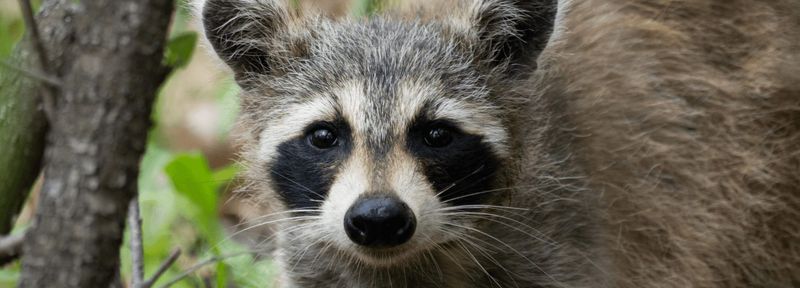
Knowing when to call for professional help can save you from costly mistakes, legal troubles, and potential health risks that DIY approaches create.
Contact a licensed wildlife expert immediately if you see raccoons acting strangely, appearing during daytime without apparent reason, or showing aggression.
These behaviors could indicate rabies or other serious conditions that require professional handling and proper safety protocols.
If you discover raccoons living in your attic, chimney, or other structures, professional services become essential for safe and legal removal.
Experts have the training, equipment, and insurance to work in confined spaces and handle animals that may be defensive or protective.
They also understand building structures and can perform exclusion work without damaging your home or creating new entry points accidentally.
Licensed professionals provide comprehensive services including inspection, humane removal, exclusion installation, sanitation, and damage repair under one contract.
They carry proper insurance that protects you if something goes wrong during the removal process, unlike unlicensed individuals or DIY attempts.
Many offer warranties on their exclusion work, guaranteeing that raccoons will not return through the same access points they sealed.
Ohio wildlife professionals stay current on changing regulations, seasonal restrictions, and best practices that homeowners simply cannot match without specialized training.
Their experience handling hundreds of cases means they can quickly identify effective solutions tailored to your specific property and situation.
Investing in professional services from the start typically costs less than the combined expenses of failed DIY attempts, property damage, potential fines, and health risks that come from inexperienced handling of wildlife conflicts.