10 Indoor Vining Plants For A Tropical Feel In Washington Homes
Bringing a tropical feel into a Washington home can feel like chasing sunshine on a cloudy day.
Gray skies and long stretches of rain make many spaces lean cool and muted.
Indoor vining plants flip that script.
With trailing stems and lush leaves, they add movement, color, and a laid back vibe that softens even the gloomiest room.
These plants know how to work with what they have.
Instead of spreading out, they climb shelves, drape over cabinets, and frame windows with ease.
That makes them a smart fit for homes that need greenery without losing space.
A single vine can warm up a room, turning plain corners into eye catching features that feel relaxed and inviting.
Many indoor vines are also tougher than they look.
They roll with uneven light and changing routines, which suits busy households.
Once settled in, they grow steady and strong with simple care.
In Washington homes, where indoor comfort matters most, vining plants bring a touch of the tropics without the fuss, proving you do not need palm trees or perfect sun to create a lush, welcoming space.
1. Pothos (Epipremnum Aureum)
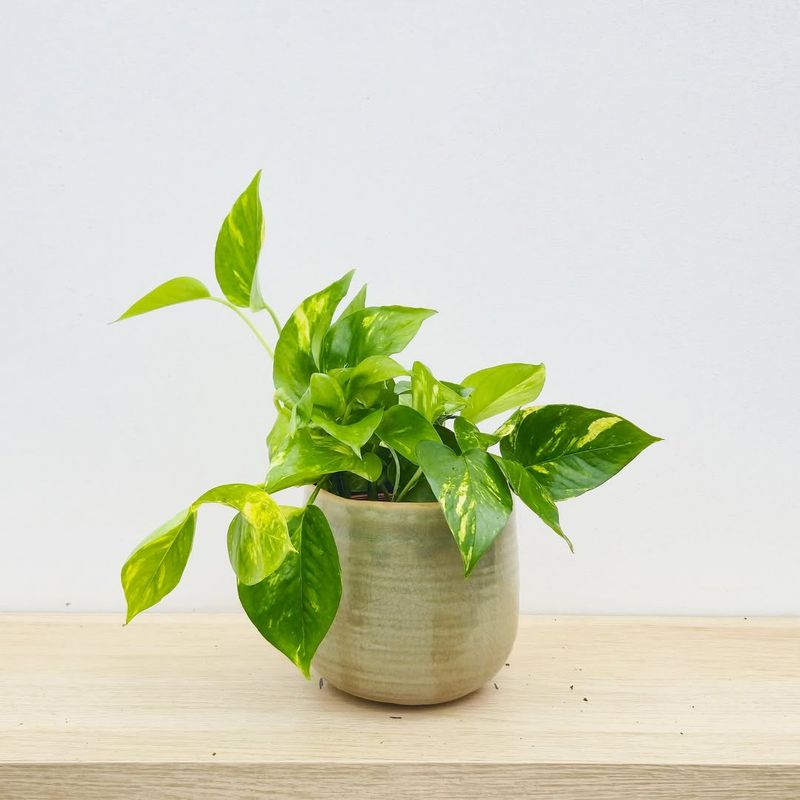
Almost indestructible and stunningly beautiful, Pothos earns its reputation as the ultimate beginner-friendly houseplant.
Its heart-shaped leaves come in various shades from deep emerald to golden yellow, creating a waterfall effect that instantly adds tropical charm to any Washington room.
You’ll find this plant forgiving of occasional neglect, making it ideal for busy homeowners or those new to indoor gardening.
Pothos thrives in low to bright indirect light, which makes it perfect for Washington homes where natural light varies throughout the year.
Water it when the top inch of soil feels dry, typically once a week during warmer months and less frequently in winter.
The vines can grow incredibly long, sometimes reaching 10 feet or more indoors, so you can train them along shelves, walls, or let them cascade from high places.
This plant actually helps clean your indoor air by removing toxins like formaldehyde and benzene.
Many Washington residents place Pothos in bathrooms where it thrives in humidity, or in living rooms where its trailing vines create natural green curtains.
Propagation is simple too, just snip a stem below a node and place it in water until roots develop.
Within weeks, you’ll have new plants to share with friends or expand your own tropical collection throughout your home.
2. Philodendron Heartleaf (Philodendron Hederaceum)
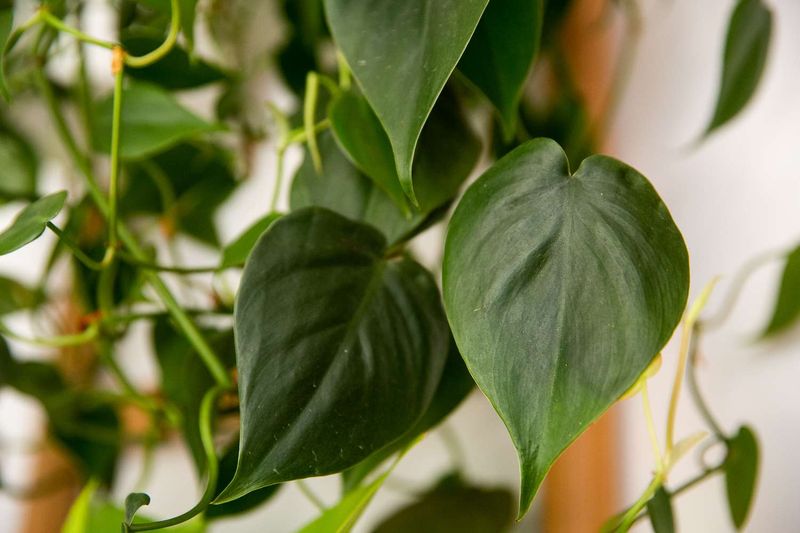
With glossy leaves that shimmer like polished jade, Heartleaf Philodendron brings elegance and tropical sophistication to Washington interiors.
Each leaf emerges bronze-tinted before maturing into a rich green, creating a dynamic display that changes as your plant grows.
This vining beauty adapts remarkably well to various indoor conditions, making it a reliable choice for homes across the state.
Place your Heartleaf Philodendron in medium to bright indirect light for best results, though it tolerates lower light better than many tropical plants.
During Seattle’s gray winter months, it continues growing steadily without complaint.
Water when the top two inches of soil dry out, usually every five to seven days depending on your home’s humidity levels.
Your Washington Garden Changes Every Week. Your Plan Should Too.
Gardening in Washington changes quickly throughout the season. Every Friday you’ll receive a simple weekly plan showing exactly what to plant, prune, fertilize, harvest, and protect so you never miss the right timing.
These plants appreciate Washington’s naturally humid climate, especially in western regions.
The vines grow quickly, sometimes adding several inches per month during spring and summer.
You can train them up a moss pole for a vertical jungle look or let them trail freely from hanging planters.
Regular pruning keeps the plant bushy and full rather than sparse and leggy.
Heartleaf Philodendron tolerates occasional overwatering better than underwatering, making it forgiving for those still learning plant care routines.
Its fast growth means you’ll see rewarding results quickly, encouraging your green thumb to flourish alongside your plant collection.
3. String Of Hearts (Ceropegia Woodii)
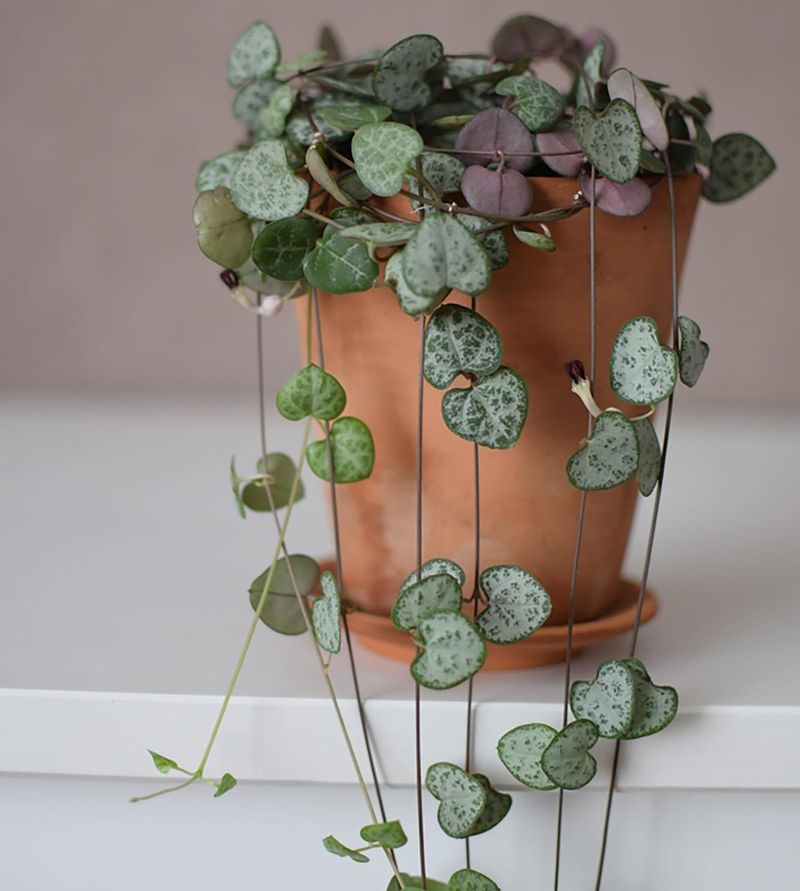
Delicate chains of tiny heart-shaped leaves dangle gracefully from this charming succulent vine, creating a romantic focal point in any Washington home.
Each leaf displays unique marbling in shades of silver, green, and purple, making every strand a miniature work of art.
Despite its delicate appearance, String of Hearts proves surprisingly resilient and easy to maintain once you understand its basic needs.
This plant prefers bright indirect light and actually enjoys Washington’s cooler indoor temperatures during winter months.
Unlike many tropical plants, it doesn’t require high humidity, making it perfect for homes with central heating.
Allow the soil to dry completely between waterings, typically every 10 to 14 days, since its tuberous roots store moisture efficiently.
Overwatering causes more problems than underwatering with this particular vine.
String of Hearts grows slowly but steadily, eventually producing vines several feet long that look stunning draped from high shelves or hanging baskets.
During summer, it may produce small tubular purple flowers that add extra charm.
The plant develops small bulbils along its stems, which you can plant to propagate new vines easily.
Many Spokane and Tacoma residents love this plant for adding whimsy without demanding constant attention.
Its trailing habit softens modern furniture and architectural lines, bringing that coveted tropical aesthetic with minimal fuss and maximum visual impact.
4. English Ivy (Hedera Helix)
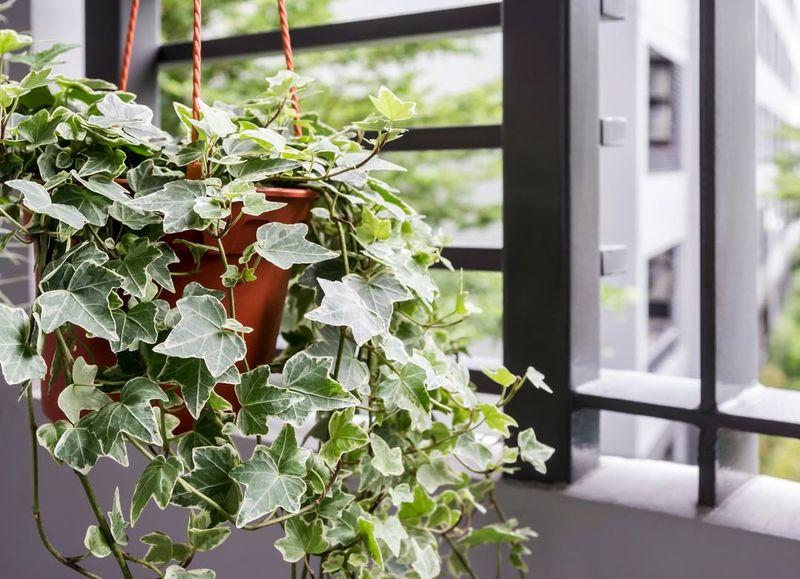
Classic and versatile, English Ivy brings Old World charm mixed with tropical lushness to Washington homes.
Its distinctive lobed leaves create dense coverage whether climbing upward on supports or cascading downward from containers.
This adaptable plant tolerates Washington’s variable indoor conditions better than many tropical species, making it a practical choice for year-round greenery.
English Ivy prefers cool temperatures and moderate light, thriving in conditions that many Washington homes naturally provide.
It actually enjoys the cooler spots in your house, making it perfect for hallways, entryways, or north-facing rooms.
Keep the soil consistently moist but not waterlogged, checking it every few days.
The plant appreciates occasional misting, which helps maintain leaf health and prevents spider mites, especially during dry winter months when indoor heating runs constantly.
You can train Ivy to climb decorative trellises, creating living green walls that add dramatic tropical flair.
Alternatively, let it trail from hanging baskets or high shelves for a softer look.
Regular pruning encourages bushier growth and prevents the plant from becoming too leggy.
English Ivy comes in numerous varieties with different leaf shapes, sizes, and variegation patterns, from solid green to cream-edged cultivars.
Many Vancouver and Olympia homeowners appreciate how this plant bridges the gap between Pacific Northwest native aesthetics and tropical interior design, creating spaces that feel both locally rooted and exotically inspired.
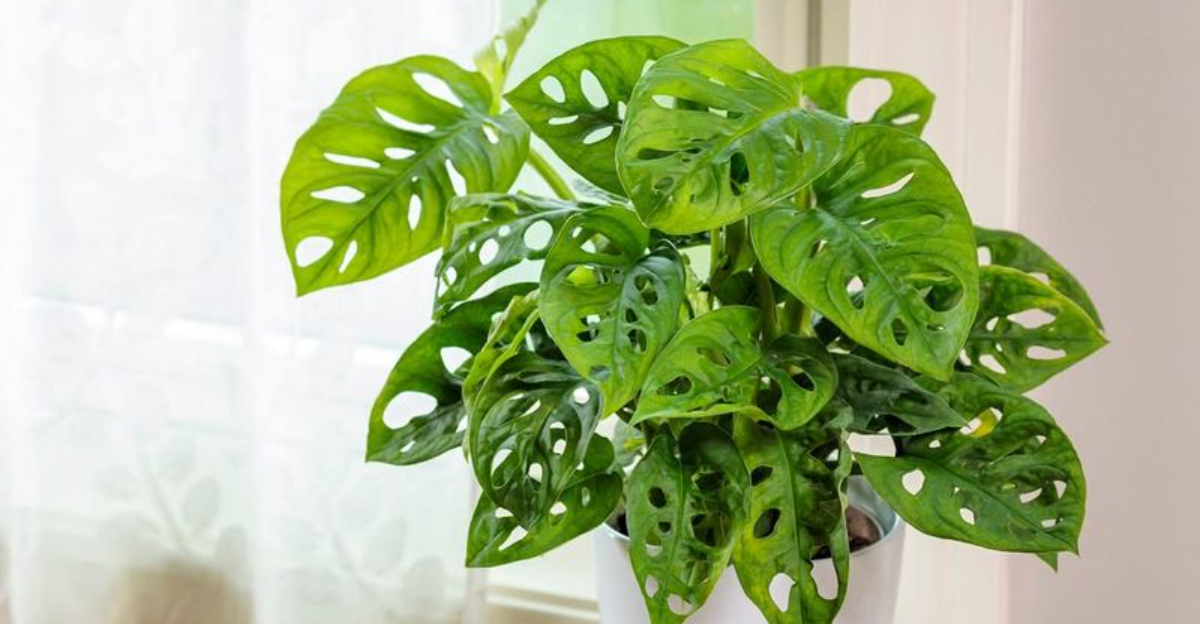
5. Monstera Adansonii (Swiss Cheese Vine)
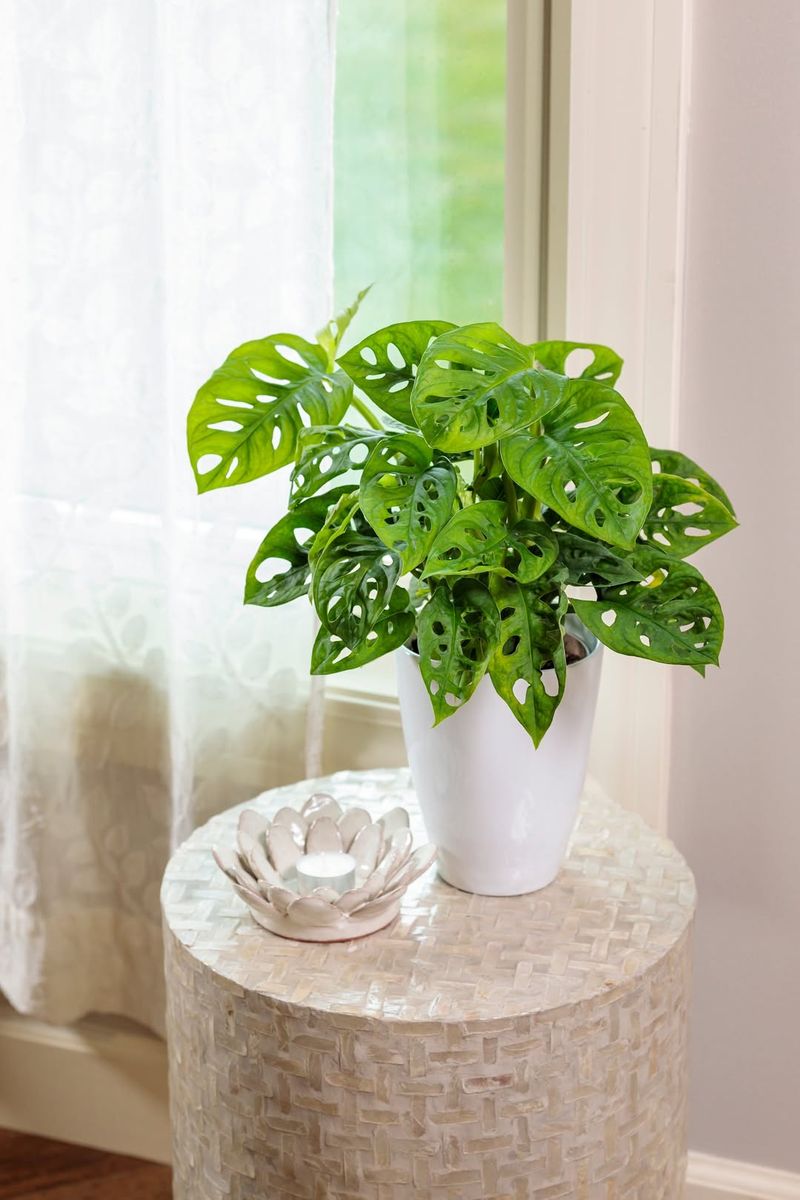
Nothing says tropical quite like Monstera Adansonii with its signature perforated leaves that look like nature’s own artwork.
Each leaf develops unique holes and splits as it matures, creating an eye-catching display that becomes a conversation starter in any Washington living space.
Faster growing than its famous cousin Monstera Deliciosa, this vining variety quickly fills spaces with lush greenery.
Bright indirect light keeps this plant happiest, though it adapts to medium light conditions common in Seattle apartments.
Water when the top inch of soil dries out, maintaining consistent moisture without letting roots sit in water.
The plant appreciates humidity, so grouping it with other plants or placing it in naturally humid rooms like kitchens or bathrooms works wonderfully.
During Washington’s damp seasons, your Monstera Adansonii will thrive with minimal extra care.
The vines grow enthusiastically, sometimes extending several feet within a growing season.
You can train them up moss poles to mimic their natural climbing behavior in tropical forests, or let them trail freely for a more relaxed jungle vibe.
New leaves emerge tightly rolled before unfurling to reveal their characteristic fenestrations, which become more pronounced as the plant matures and receives adequate light.
Regular fertilizing during spring and summer encourages robust growth and larger leaves.
Many Bellevue and Redmond residents display this plant as a living sculpture, appreciating how its architectural leaves add instant tropical sophistication without overwhelming smaller spaces.
6. Hoya Carnosa (Wax Plant)
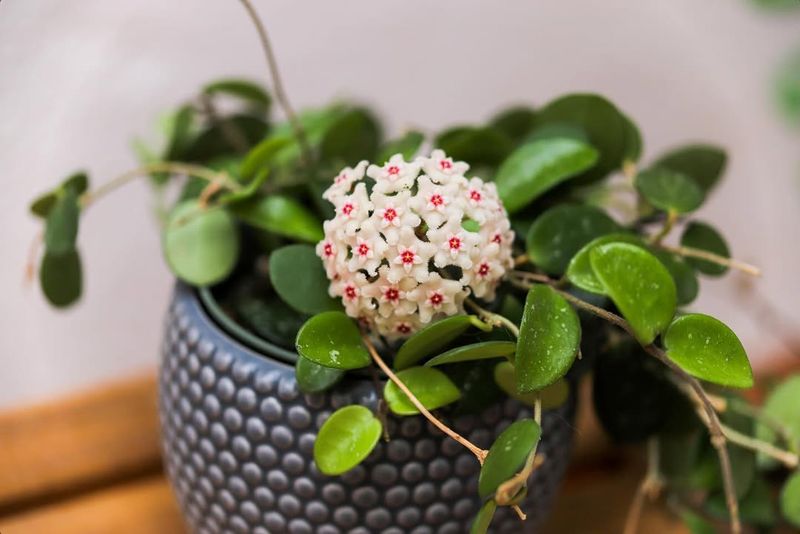
Waxy leaves that feel almost artificial and stunning star-shaped flower clusters make Hoya Carnosa a showstopper among vining houseplants.
When this plant blooms, it produces sweetly fragrant flowers that smell like honey and chocolate, filling Washington homes with tropical perfume.
The thick, succulent-like leaves store water efficiently, making this vine more drought-tolerant than its tropical appearance suggests.
Hoya prefers bright indirect light and will reward sunny spots with more frequent blooming.
East-facing windows in Tacoma or Everett homes provide ideal conditions.
Allow the soil to dry out between waterings, typically every week to ten days depending on season and humidity.
Once established, Hoya tolerates occasional neglect gracefully, making it suitable for travelers or busy professionals who can’t maintain daily plant care routines.
The vines grow slowly but steadily, eventually producing long trails that look stunning draped from hanging baskets or trained along decorative supports.
Never remove the flower spurs after blooms fade because new flowers emerge from these same spots year after year.
Hoya can live for decades with proper care, becoming treasured family heirlooms passed between generations.
The plant comes in numerous varieties with different leaf shapes, sizes, and variegation patterns.
Many Washington plant enthusiasts collect multiple Hoya varieties, appreciating how each brings unique beauty while sharing similar easy-care requirements perfect for our regional climate and indoor growing conditions.
7. Scindapsus Pictus (Satin Pothos)
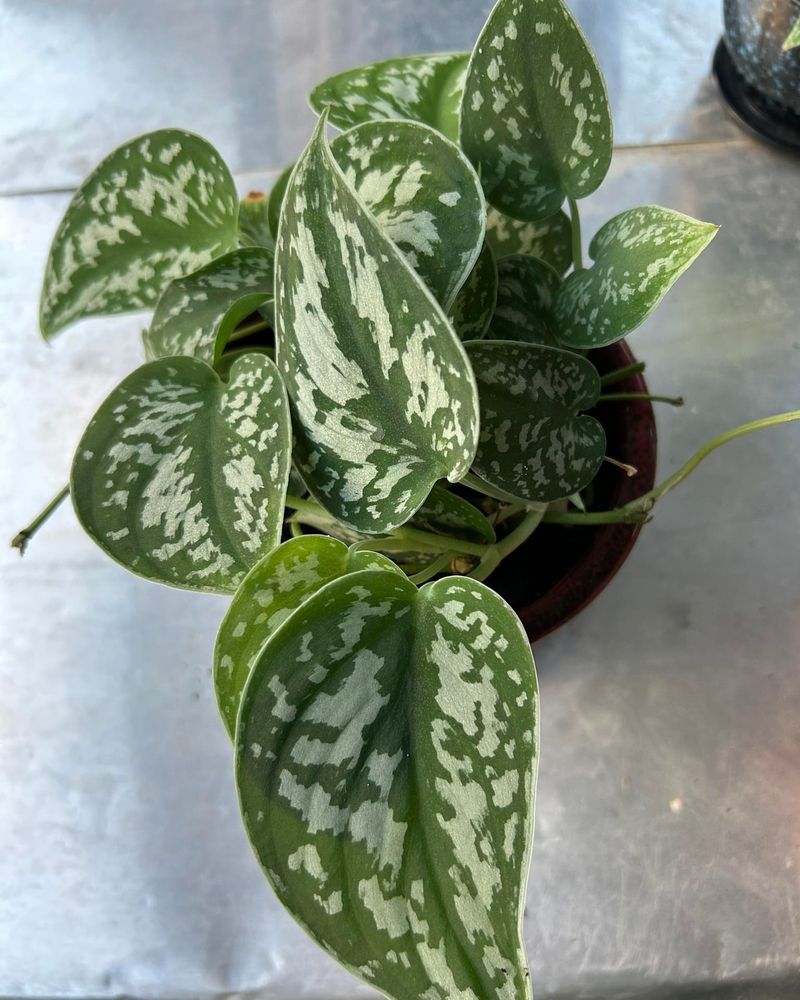
Silvery splashes across velvety leaves give Satin Pothos an almost magical quality that elevates any Washington interior.
Despite its common name, this plant isn’t actually a true Pothos but shares similar easy-care characteristics that make it perfect for indoor growing.
The leaves shimmer when light hits them, creating a sophisticated tropical ambiance that works equally well in modern or traditional homes.
Medium to bright indirect light brings out the best silver variegation, though the plant tolerates lower light conditions found in many Pacific Northwest homes.
Water when the top inch or two of soil dries out, usually once weekly during active growing seasons.
Satin Pothos appreciates slightly higher humidity but adapts well to typical indoor conditions, especially in western Washington where ambient moisture levels naturally run higher than eastern regions.
The vines grow at a moderate pace, producing new leaves regularly throughout spring and summer.
You can display this plant in hanging baskets, train it up supports, or let it trail from shelves and mantels.
Propagation through stem cuttings is straightforward, allowing you to expand your collection or share with friends.
Keep the leaves clean by gently wiping them with a damp cloth monthly, which helps maintain their lustrous appearance and allows better light absorption.
Many Bellingham and Olympia homeowners choose Satin Pothos when they want something more sophisticated than common Pothos but equally reliable.
Its subtle elegance adds tropical refinement without overwhelming spaces with bold patterns or colors.
8. Tradescantia Zebrina (Wandering Jew)
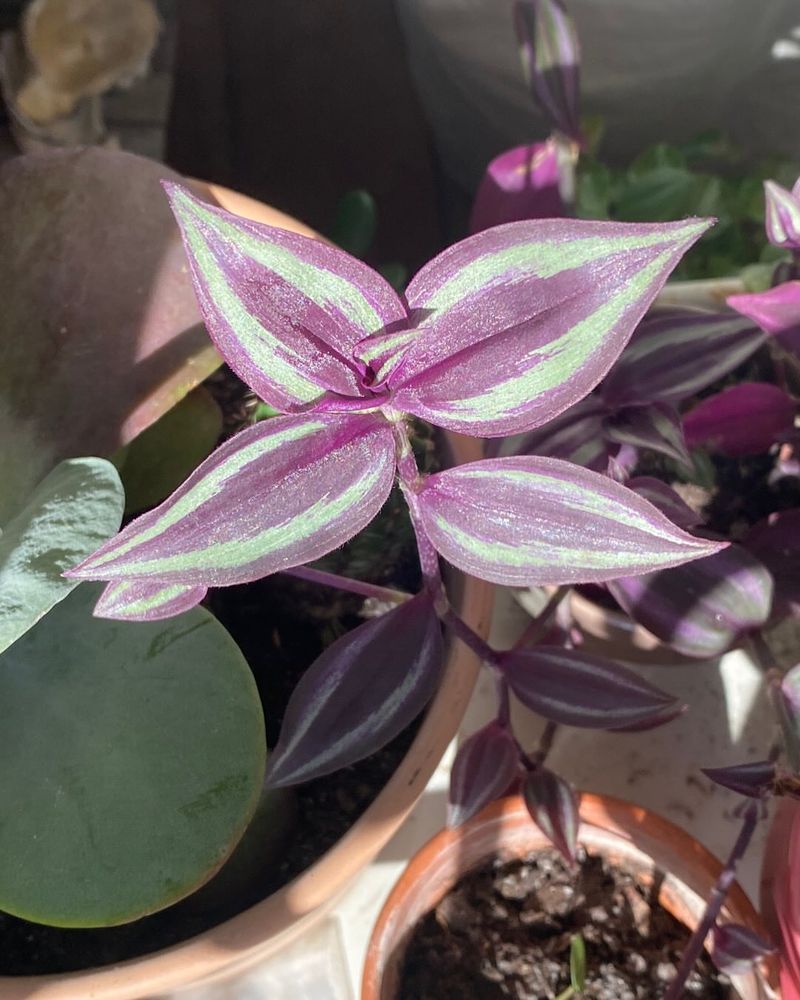
Bold purple and silver stripes create an unforgettable visual impact that makes Tradescantia Zebrina stand out among vining plants.
The undersides of leaves glow with deep purple, while the tops display striking zebra-like patterns in silver and green with purple accents.
Fast-growing and forgiving, this plant quickly creates lush tropical displays that brighten even the grayest Washington days.
Bright indirect light intensifies the purple coloration, though the plant grows in various light conditions throughout your home.
More light equals more vibrant colors, while lower light produces greener, less dramatic foliage.
Water when the top half-inch of soil dries, keeping the plant evenly moist for best growth.
Tradescantia tolerates occasional drying out but grows most vigorously with consistent moisture.
This vine grows incredibly fast, sometimes producing several inches of new growth weekly during peak seasons.
Regular pinching encourages bushier, fuller plants rather than sparse, leggy vines.
The plant occasionally produces small three-petaled purple or pink flowers that add extra charm.
Propagation is remarkably easy, simply place stem cuttings in water and watch roots develop within days.
Many Washington residents use Tradescantia as a teaching plant for children or new gardeners because it provides quick, rewarding results that build confidence.
Its vibrant colors add tropical excitement to kitchens, bathrooms, or any space needing a bold pop of color and lush greenery that thrives with minimal fuss.
9. Cissus Discolor (Rex Begonia Vine)
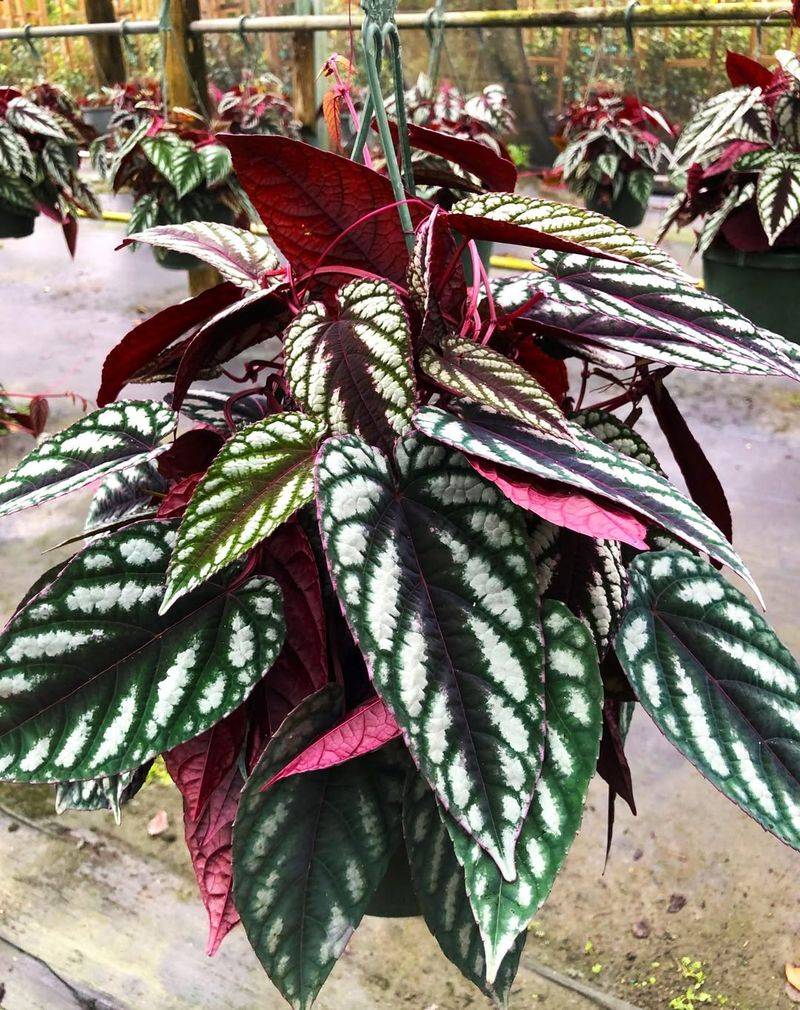
Prepare to be amazed by leaves that look hand-painted with burgundy, silver, and green in intricate patterns.
Rex Begonia Vine isn’t actually a begonia but delivers similar stunning foliage that transforms Washington homes into tropical galleries.
The undersides glow deep purple, creating a two-toned effect when leaves flutter or curl.
This plant definitely qualifies as a statement piece that draws attention and admiration.
Bright indirect light and high humidity keep this beauty thriving, making it slightly more demanding than some other vining options.
Bathrooms with windows or kitchens with good light work wonderfully in Seattle or Portland-area homes.
Keep the soil consistently moist but never soggy, watering when the top inch begins drying.
Regular misting or a nearby humidifier helps maintain the moisture levels this tropical native craves, especially during dry winter months.
The vines climb naturally using tendrils, making them perfect for training up small trellises or moss poles.
Growth slows during winter but picks up enthusiastically in spring.
This plant sometimes goes dormant in cooler conditions, which is normal, just reduce watering and wait for new growth to emerge.
While more particular than Pothos or Philodendron, the spectacular foliage rewards the extra attention.
Many Kirkland and Bothell plant collectors treasure Rex Begonia Vine as a centerpiece specimen that showcases their growing skills.
Its incredible colors and patterns create an unmistakable tropical atmosphere that transports you far from Washington’s rainy climate.
10. Rhaphidophora Tetrasperma (Mini Monstera)
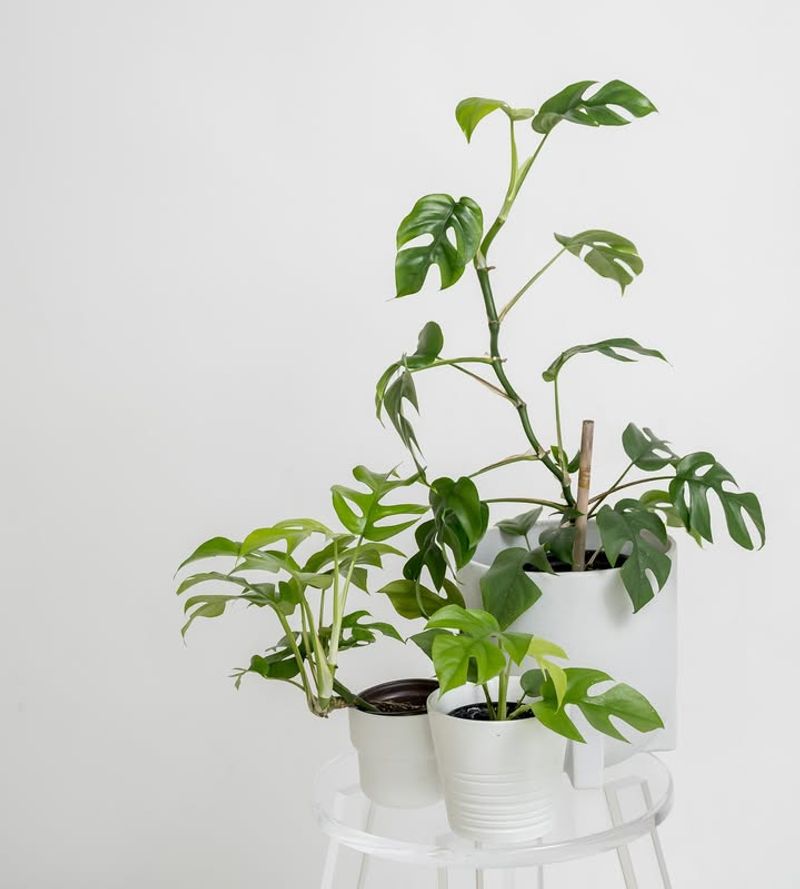
Looking remarkably like a miniature Monstera Deliciosa, Rhaphidophora Tetrasperma delivers tropical drama with faster growth and more compact size.
Its deeply split leaves create an instant jungle vibe perfect for Washington apartments or smaller homes where space comes at a premium.
This relative newcomer to the houseplant scene has quickly become a favorite among Pacific Northwest plant enthusiasts who appreciate its manageable size and striking appearance.
Bright indirect light encourages the best growth and largest leaves with the most dramatic splits.
East or west-facing windows in Spokane or Yakima homes provide excellent conditions.
Water when the top two inches of soil dry out, maintaining consistent moisture during active growing seasons.
The plant tolerates occasional drying better than constant overwatering, so when in doubt, wait an extra day before watering.
This vigorous climber can grow several feet annually when happy, quickly creating impressive displays on moss poles or trellises.
The splits in leaves become more pronounced as the plant matures and receives adequate light.
New leaves emerge rolled up before unfurling to reveal their characteristic fenestrations.
Propagation through stem cuttings is straightforward, allowing you to share this beauty with friends or create fuller displays.
Many Washington homeowners appreciate how Mini Monstera delivers the tropical aesthetic of its larger cousin without overwhelming living spaces.
Its climbing nature makes it perfect for adding vertical interest and creating those coveted jungle corners that bring warmth and life to indoor environments year-round.