13 Rare Shade Plants That Turn Dark California Corners Into Lush Indoor Escapes
California homes often feature cozy corners that never see direct sunlight, leaving many gardeners unsure what to grow there.
But these shadowy spots hold incredible potential for rare, exotic plants that actually prefer the dimness over bright windows.
With the right shade-loving specimens, you can transform forgotten nooks into lush, jungle-like retreats that feel like secret indoor escapes.
These uncommon beauties thrive where most plants struggle, bringing texture, color, and life to the darkest parts of your home.
1. Jewel Alocasia (Alocasia Reginula) For Velvet Drama In Low Light
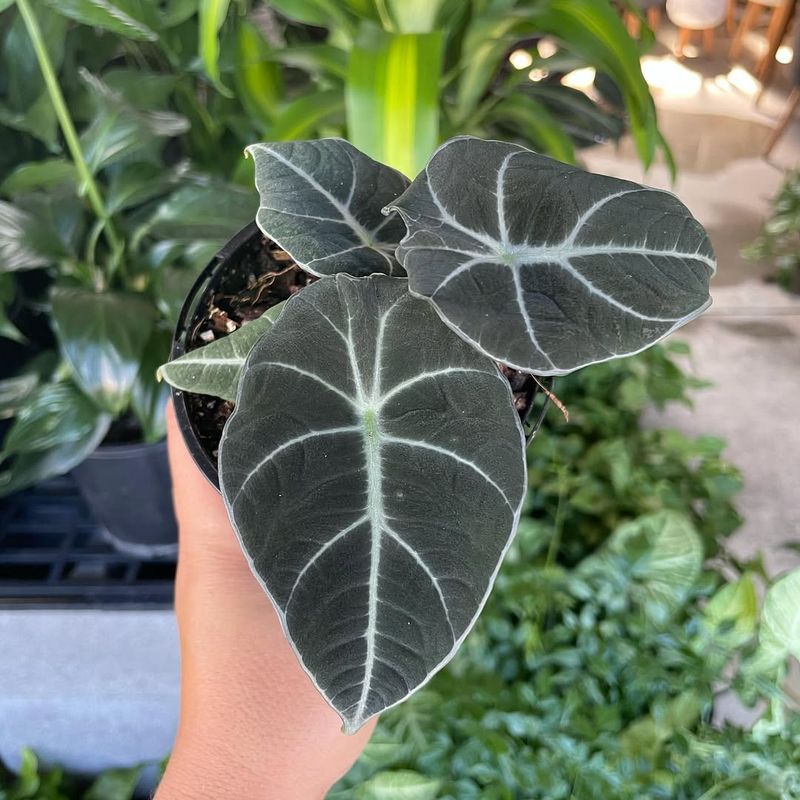
Jewel alocasia earns its royal name with leaves so velvety they feel like luxurious fabric under your fingertips.
Native to Borneo’s forest floors, this stunner evolved beneath dense canopies where sunlight barely penetrates.
Direct sun would scorch those precious leaves in minutes, making bright shade its preferred habitat.
In California homes, it flourishes in bathrooms or corners far from windows, where humidity stays consistent.
The deep green to almost black foliage contrasts beautifully with striking white or silvery veins that seem to glow in dim conditions.
Collectors prize this plant for its compact size and dramatic appearance, though it remains relatively rare in mainstream nurseries.
Keep the soil consistently moist but never waterlogged, and provide warmth above sixty degrees year-round.
Mist the leaves regularly or place the pot on a pebble tray to boost humidity levels.
Fertilize monthly during spring and summer with diluted liquid houseplant food.
Watch for spider mites if the air gets too dry, but otherwise this beauty asks for very little.
Its texture alone makes any dark corner feel like an exotic destination.
2. Peacock Begonia (Begonia Pavonina) For Iridescent Shade Beauty

Few plants can claim to shimmer like a peacock’s feathers, but this begonia does exactly that.
Begonia pavonina produces an optical illusion through specialized leaf structures that reflect blue and green wavelengths in low light.
Found naturally in Malaysian rainforests where sunlight rarely reaches the ground, it has adapted to make the most of whatever dim light filters through.
This rare species remains challenging to find even in specialty shops, making it a true collector’s gem.
California gardeners with dark living rooms or north-facing spaces will watch this begonia thrive where others fade.
The iridescence intensifies in shadier conditions, creating an almost magical glow that changes as you move around it.
High humidity is essential, so consider grouping it with other tropical plants or using a humidifier nearby.
Water when the top inch of soil feels dry, using room-temperature water to avoid shocking the roots.
Avoid misting the leaves directly, as begonias can develop spotting from standing water.
Feed every three weeks during active growth with a balanced fertilizer at half strength.
This begonia transforms forgotten corners into conversation starters that guests will remember long after they leave.
3. Anthurium Crystallinum For Luxury Foliage In Shade
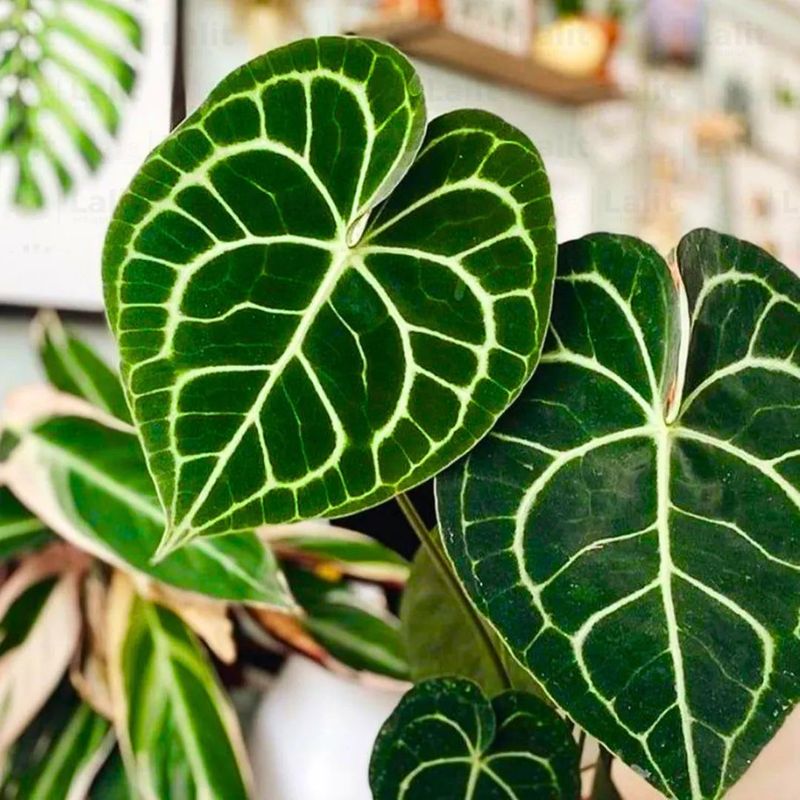
Anthurium crystallinum looks like nature hired a jeweler to hand-paint each leaf with silver veins.
Collectors obsess over this Colombian native for its massive heart-shaped foliage that can span two feet across when mature.
Your California Garden Changes Every Week. Your Plan Should Too.
Gardening in California changes quickly throughout the season. Every Friday you’ll receive a simple weekly plan showing exactly what to plant, prune, fertilize, harvest, and protect so you never miss the right timing.
Unlike its flowering cousins, this anthurium focuses all its energy on producing some of the most stunning leaves in the plant kingdom.
It evolved on rainforest floors where tree canopies block most direct light, so shade feels like home rather than hardship.
California’s mild climate suits it perfectly indoors, especially in spaces that stay between sixty-five and eighty degrees.
The velvety texture combined with those crystalline veins creates a luxury aesthetic that elevates any interior design.
Plant it in a chunky, well-draining mix that mimics its natural epiphytic growing conditions.
Water thoroughly when the top two inches of soil dry out, then allow excess to drain completely.
Boost humidity with regular misting or a nearby humidifier to prevent crispy leaf edges.
Feed monthly during spring and summer with a diluted orchid or aroid fertilizer.
New leaves emerge as bronze-red cylinders before unfurling into their full glory, providing ongoing visual interest throughout the year.
4. Philodendron Gloriosum For Creeping, Lush Shade Growth
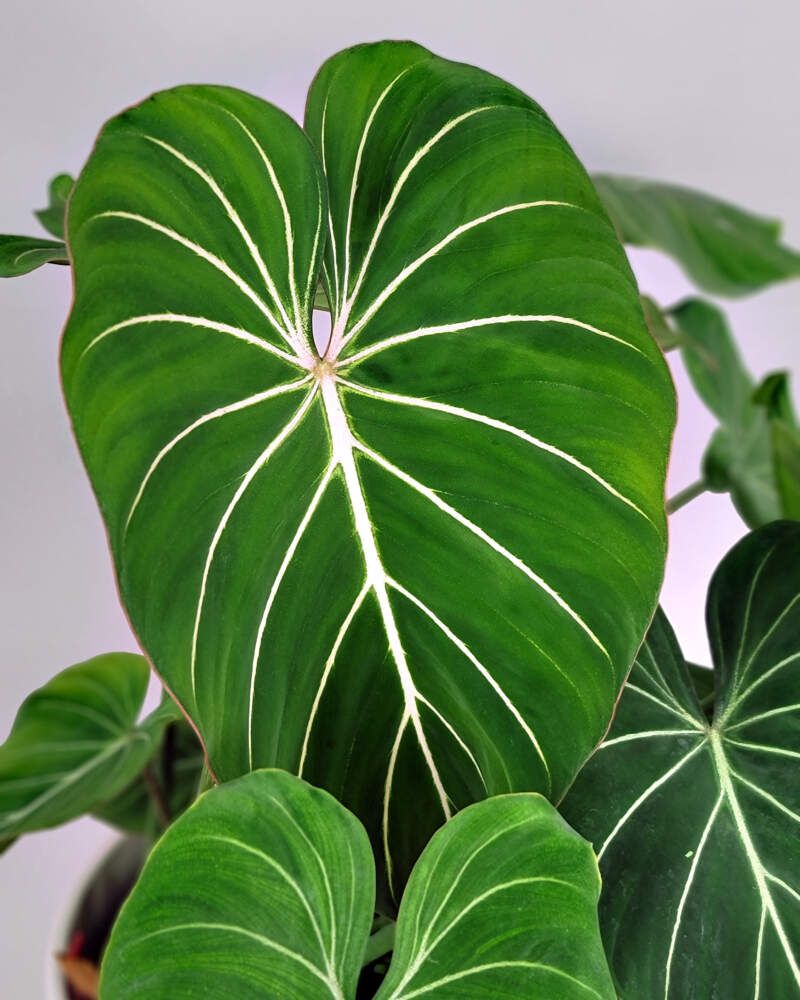
Most philodendrons climb upward, but gloriosum prefers to creep gracefully across the ground like a living carpet.
This Colombian species sends out horizontal rhizomes that produce enormous velvety leaves at regular intervals.
Each leaf can reach ten inches wide, creating a lush groundcover effect that works beautifully in floor-level corners.
The soft texture and striking white veins make it far more interesting than common philodendron varieties.
Its rarity stems from slower growth and more specific care requirements compared to its fast-growing relatives.
In California homes, position it where you can appreciate the leaves from above, perhaps on a low plant stand or wide shallow pot.
Bright indirect light works well, but it genuinely thrives in shadier conditions that would stunt other philodendrons.
Use a loose, airy potting mix with plenty of orchid bark and perlite to prevent root issues.
Water when the soil approaches dryness, but never let it sit in standing water.
Humidity above fifty percent keeps those velvety leaves looking their absolute best.
Fertilize every four to six weeks during active growth with a balanced houseplant formula.
As it matures, the creeping habit creates a dramatic, almost prehistoric appearance that commands attention.
5. Jewel Orchid (Ludisia Discolor) For Low-Light Elegance
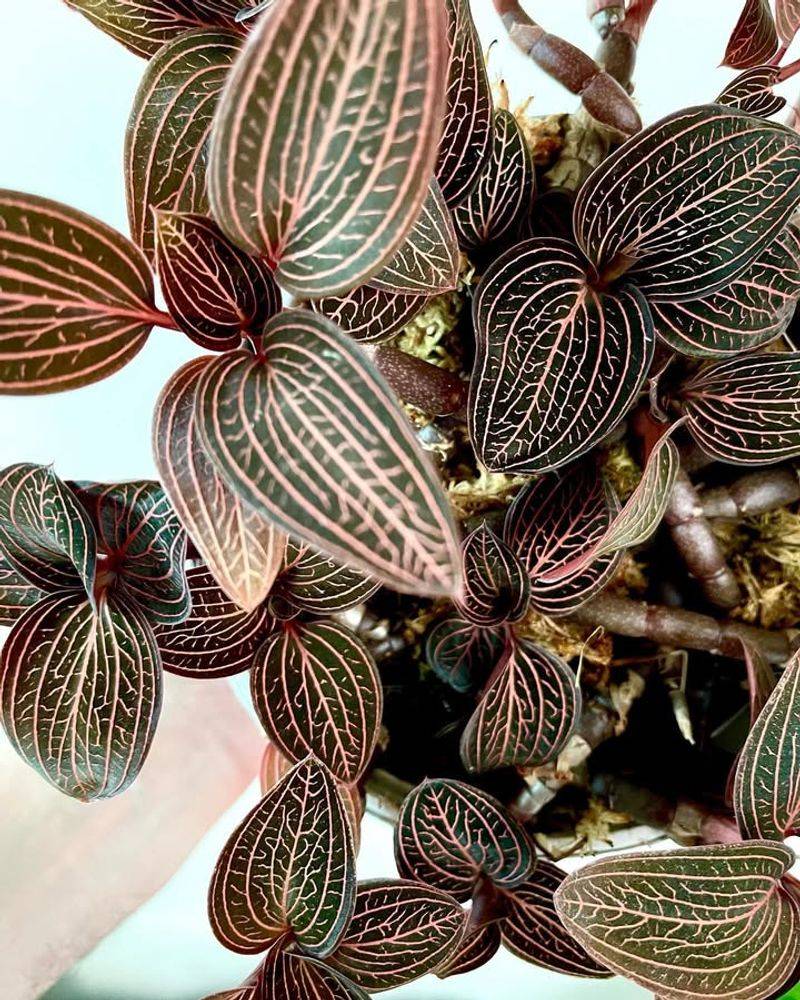
Most orchids demand bright light and careful attention, but jewel orchids break all those rules with ease.
Ludisia discolor grows naturally on shaded forest floors across Southeast Asia, where it developed stunning foliage instead of relying solely on flowers.
The deep burgundy to nearly black leaves feature contrasting pink, red, or gold veins that create an almost painted appearance.
While it does produce delicate white flower spikes occasionally, the real show happens year-round with that incredible foliage.
This orchid actually prefers shade over sun, making it perfect for California rooms that never see direct light.
Its compact size fits beautifully on shelves, desks, or bathroom counters where humidity naturally stays higher.
Plant it in regular potting soil rather than orchid bark, as terrestrial orchids have different root structures than their epiphytic cousins.
Keep the soil lightly moist but never soggy, watering when the top half-inch feels dry.
Room temperature suits it perfectly, with no special cooling period required for blooming.
Feed every two weeks during spring and summer with diluted orchid fertilizer.
The velvety texture invites touching, though gentle handling protects those precious leaves from damage.
6. Homalomena Emerald Gem For Soft, Tropical Shade

Homalomena deserves far more attention than it currently receives in the houseplant world.
This Southeast Asian native offers all the tropical lushness of more demanding plants with half the fuss.
Emerald gem produces glossy, heart-shaped leaves in tight clusters that create a full, bushy appearance even in low light.
The leaves catch and reflect whatever light reaches them, brightening dark corners without needing actual brightness.
It tolerates shade beautifully because its natural habitat sits beneath rainforest canopies where sunlight becomes a rare commodity.
California interiors provide ideal conditions, especially in spaces that maintain moderate temperatures and decent humidity.
Unlike many aroids, homalomena forgives occasional watering lapses and less-than-perfect conditions.
Use a well-draining potting mix and water when the top inch or two of soil dries out completely.
It grows slowly and steadily, never demanding constant repotting or aggressive pruning.
Feed every six to eight weeks during the growing season with a balanced liquid fertilizer.
The soft green color and gentle form create a calming presence that complements both modern and traditional design styles.
This underappreciated gem deserves a spot in every shade gardener’s collection.
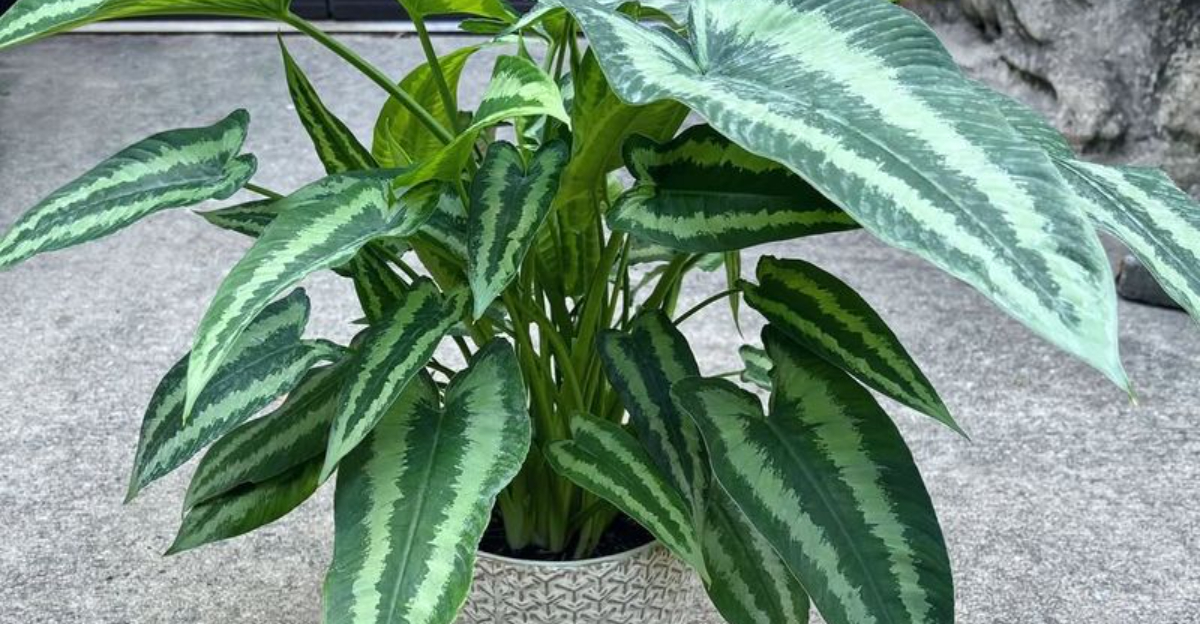
7. Aglaonema ‘Pictum Tricolor’ For Camouflage-Style Shade Interest
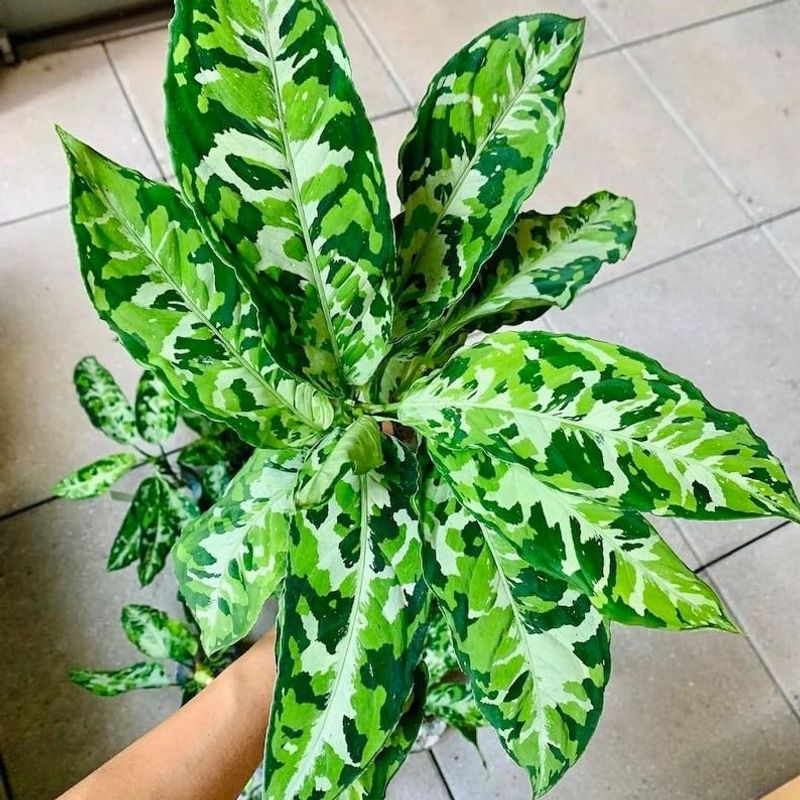
Aglaonema pictum tricolor looks like someone hand-painted military camouflage onto each leaf with botanical precision.
This Indonesian species features irregular patterns of forest green, cream, and dark olive that never repeat exactly the same way twice.
Collectors hunt for this variety specifically because its wild-type variegation feels more artistic than the standard cultivated aglaonemas.
It remains genuinely rare, often selling out quickly when specialty nurseries manage to stock it.
Low light actually intensifies the contrast between light and dark areas, making it ideal for darker California rooms.
Each new leaf unfurls with anticipation, revealing a unique pattern that adds to the plant’s overall tapestry.
Place it away from windows where direct sun might fade those incredible markings.
Water when the soil becomes mostly dry, as aglaonemas prefer slightly drier conditions than many tropical plants.
They tolerate lower humidity than most aroids, though occasional misting helps maintain leaf quality.
Use a standard houseplant potting mix with good drainage to prevent root issues.
Feed every four to six weeks during spring and summer with a balanced fertilizer at half strength.
The slow growth rate means it maintains its perfect size for years without outgrowing its space.
8. Marcgravia Umbellata For Living Wall Shade Corners
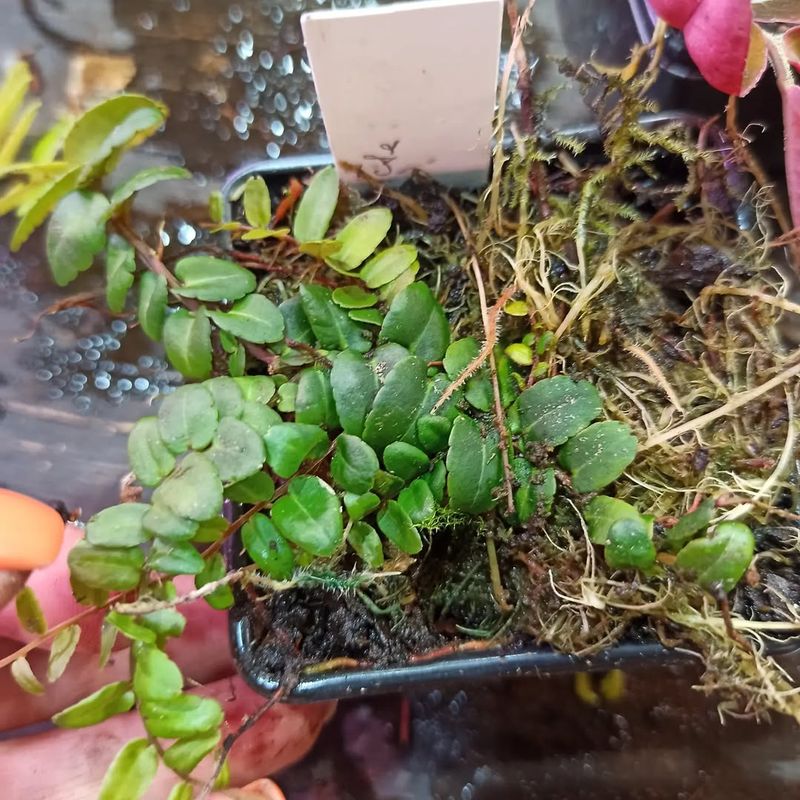
Marcgravia umbellata climbs surfaces so tightly that its juvenile leaves overlap like roof shingles, creating living artwork.
This Central and South American native evolved to scale tree trunks in deep shade, developing a unique growth pattern rarely seen in houseplants.
Collectors prize it for creating immersive indoor jungle effects, especially on walls or moss poles.
The leaves lie completely flat against whatever surface they climb, producing a two-dimensional appearance that seems almost unreal.
As it matures, the growth pattern changes dramatically, but most growers prefer the juvenile form for its distinctive look.
California homes with vertical space in shaded corners provide perfect conditions for this unusual climber.
Mount it on a board, cork bark, or moss pole where it can attach with aerial roots.
Keep the mounting surface lightly moist by misting regularly or using a humidity system.
It grows slowly and steadily in low light, never becoming aggressive or overwhelming.
Feed monthly during the growing season with a diluted orchid or epiphyte fertilizer.
The shingling effect creates texture and depth that flat walls simply cannot achieve otherwise.
Watching it slowly cover vertical surfaces feels like witnessing nature reclaim abandoned architecture in the most beautiful way.
9. Schismatoglottis Wallichii For Glossy Shade Texture
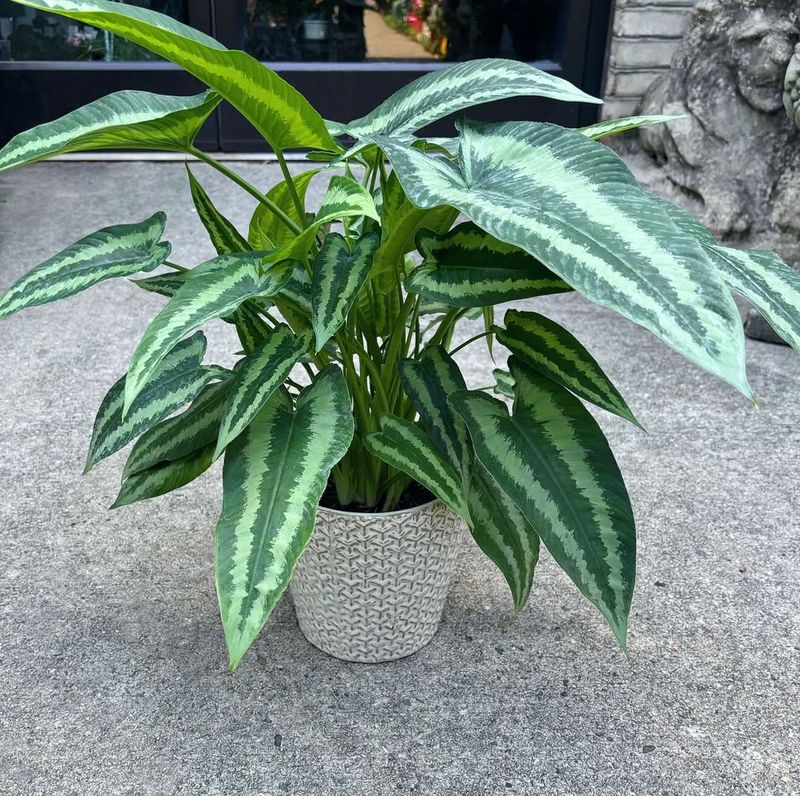
Schismatoglottis wallichii might not roll off the tongue easily, but its glossy foliage speaks a universal language of elegance.
This lesser-known aroid hails from Southeast Asian rainforests where shade dominates and humidity never wavers.
The elongated leaves emerge with a stunning sheen that makes them appear almost wet even when completely dry.
Prominent veining adds texture and interest, catching light in ways that create subtle shadows across each leaf surface.
It grows in attractive clumps that fill space beautifully without sprawling or climbing like many other aroids.
California gardeners will appreciate how it thrives in bathrooms, laundry rooms, or interior spaces far from windows.
The compact growth habit suits smaller corners where larger plants would overwhelm the available space.
Plant it in a moisture-retentive but well-draining mix that mimics its natural boggy habitat.
Water consistently to keep soil lightly moist, as it dislikes drying out completely between waterings.
High humidity is essential, so mist daily or use a humidifier to prevent brown leaf edges.
Feed every three to four weeks during active growth with a balanced liquid fertilizer.
The visual impact rivals far more common houseplants while remaining refreshingly different from the usual suspects.
10. Rhaphidophora Hayi For Flat-Growing Vertical Shade Areas

Rhaphidophora hayi grows so flat against surfaces that it almost looks like someone glued paper cutouts to the wall.
This Papua New Guinea native developed its unusual shingling habit to maximize light capture on shaded tree trunks.
Each heart-shaped leaf overlaps the previous one, creating a cascading pattern that mesmerizes anyone who sees it.
The species remains relatively rare in cultivation, though interest has grown among collectors seeking unusual growth forms.
It thrives in low light conditions that would frustrate most climbing plants, making it perfect for dim vertical corners.
California homes with limited floor space can use this climber to add greenery without sacrificing square footage.
Mount it on a flat surface like a board, plaque, or even directly on a wall with proper protection.
Keep the mounting surface lightly moist through regular misting or a humidity system.
It grows slowly and deliberately, never rushing or becoming unruly like faster-growing vines.
Feed monthly during spring and summer with diluted fertilizer designed for epiphytic plants.
The tight growth pattern creates living art that changes gradually over months and years.
Watching it slowly cover vertical space feels like collaborating with nature on a long-term design project.
11. Goeppertia (Rare Calathea Relatives) For Moving Shade Foliage

Goeppertia represents the botanical reclassification of many plants we once called calatheas, though the name change hardly matters when you watch their leaves move.
These Brazilian natives perform daily routines called nyctinasty, raising their leaves at night and lowering them during the day.
The movement creates a living, breathing quality that static plants simply cannot match.
Lesser-known species within this genus offer even more dramatic patterns and colors than the common varieties found in big-box stores.
They evolved beneath dense rainforest canopies where indirect light filters through constantly moving leaves above.
California homes with consistent humidity and shade provide ideal conditions for these moisture-loving beauties.
Look for varieties like Goeppertia bella, Goeppertia roseopicta, or Goeppertia warscewiczii for truly striking foliage.
Plant them in rich, moisture-retentive soil that never completely dries out between waterings.
Use filtered or distilled water when possible, as they can be sensitive to minerals in tap water.
Maintain humidity above sixty percent through grouping, pebble trays, or humidifiers.
Feed every two weeks during the growing season with diluted fertilizer at quarter strength.
The combination of movement, pattern, and shade tolerance makes them endlessly fascinating additions to any indoor garden.
12. Aspidistra ‘Milky Way’ For Extreme Low-Light Resilience
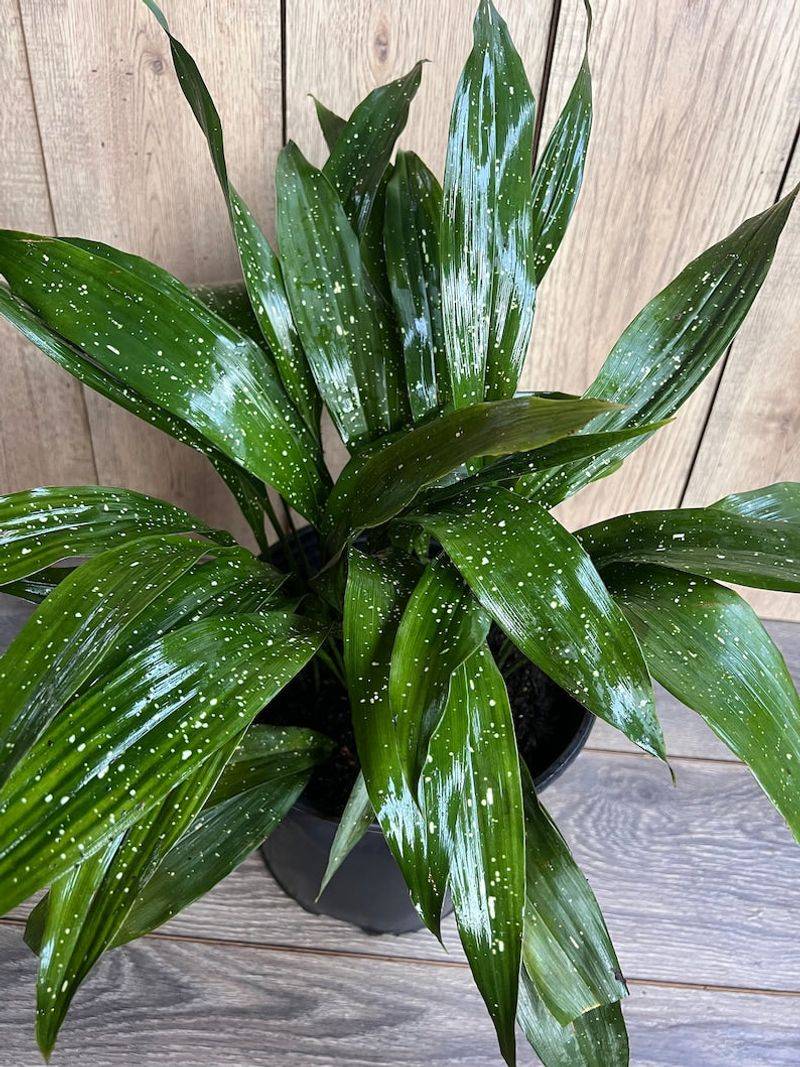
Aspidistra earned the nickname “cast iron plant” for its ability to survive almost any condition, but the Milky Way cultivar adds beauty to that toughness.
Dark green leaves come speckled with creamy white spots that look like someone flicked paint across them with artistic abandon.
This rare cultivar tolerates deeper shade than almost any other houseplant, thriving where even pothos might struggle.
It evolved on forest floors in Japan and Taiwan where tree canopies block nearly all direct sunlight year-round.
The slow growth rate might frustrate impatient gardeners, but it means this plant maintains its perfect size for years without constant repotting.
California homes with truly dark corners finally have an option that will not only survive but actually look good doing it.
Use it in entryways, interior bathrooms, or hallways where natural light barely reaches.
Plant in regular potting soil and water only when the soil dries out significantly, as it prefers slight neglect.
It tolerates low humidity, temperature fluctuations, and irregular watering better than most tropicals.
Feed just twice yearly with a balanced fertilizer, as overfeeding can reduce the attractive spotting.
The architectural form and speckled pattern create visual interest without demanding attention or constant care.
13. How To Style Rare Shade Plants In Dark California Homes
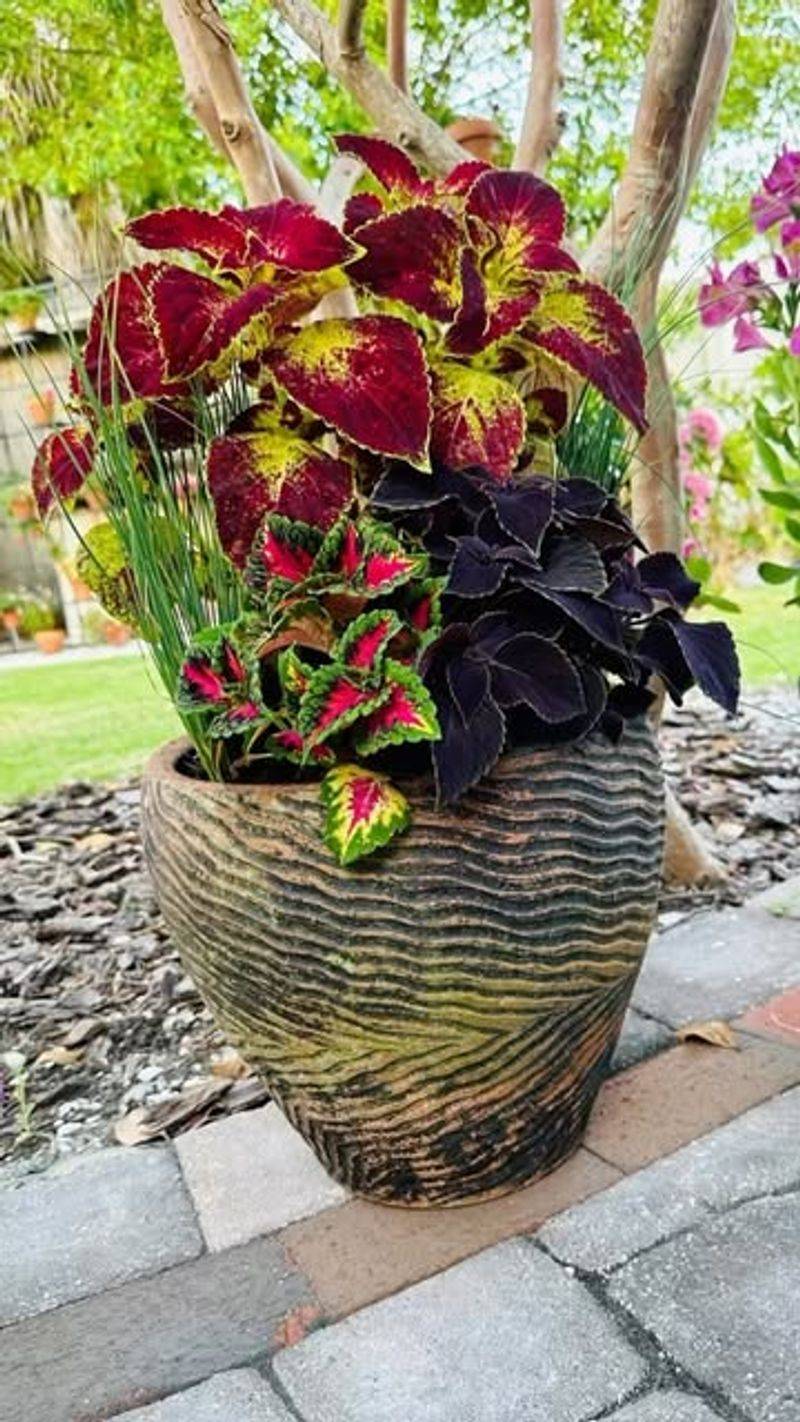
Creating lush indoor escapes with rare shade plants requires more than just placing pots in dark corners and hoping for the best.
Start by grouping plants with similar humidity needs together, as the collective transpiration creates a more favorable microclimate.
Use varying heights through plant stands, hanging baskets, and floor-level pots to create depth and visual interest.
Layer textures by combining velvety leaves like jewel alocasia with glossy varieties like schismatoglottis and patterned options like aglaonema pictum.
Humidity management becomes crucial for many rare shade plants, so invest in a quality humidifier or create pebble trays beneath plant clusters.
Avoid the temptation to add grow lights unless absolutely necessary, as these plants genuinely prefer natural shade over artificial brightness.
Water according to each plant’s needs rather than on a fixed schedule, checking soil moisture levels regularly.
Use decorative cache pots or baskets to elevate the design while ensuring drainage pots sit inside to prevent water damage.
Rotate plants occasionally if one side receives slightly more light, encouraging even growth.
Clean leaves monthly with a damp cloth to remove dust and maximize their ability to photosynthesize in low light.
The result transforms forgotten spaces into vibrant retreats that prove shade can be just as lush as any sunny window.