10 Garden Path Designs That Change Your Illinois Backyard
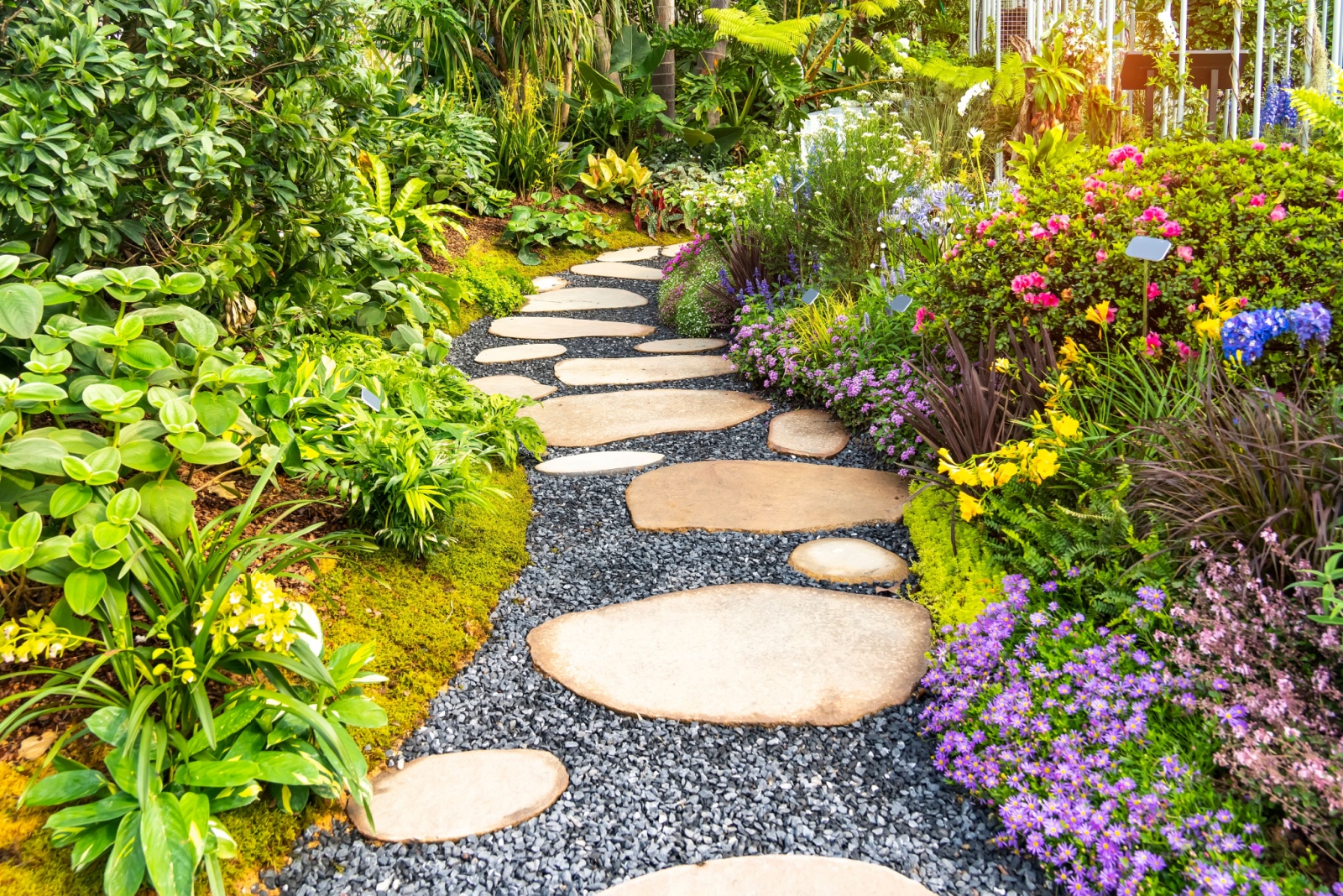
A well-designed garden path can completely transform an Illinois backyard, turning ordinary space into a dynamic, inviting landscape.
Paths guide the eye, connect garden areas, and create a sense of flow that makes yards feel larger and more intentional.
From winding stone walkways to clean, modern concrete paths, the right design balances beauty, function, and ease of maintenance.
Materials, shape, and edging all play a role in creating paths that complement plantings and outdoor features, while textures and patterns add depth and interest.
Garden paths also provide practical benefits—preventing soil compaction, keeping feet dry, and highlighting focal points like patios, water features, or flower beds.
1. Classic Brick Herringbone Pattern
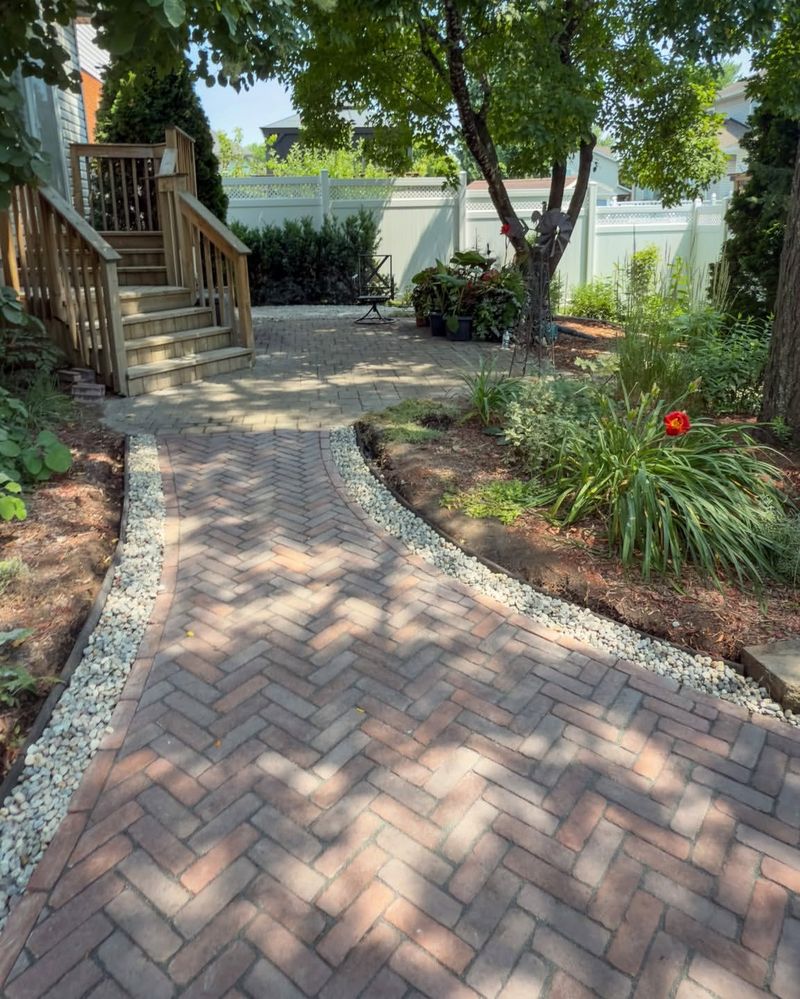
Brick paths have graced Illinois gardens for generations, and the herringbone pattern stands out as a timeless favorite.
This zigzag arrangement creates visual movement that draws the eye forward.
The interlocking design also provides excellent stability, which means fewer shifting bricks over time.
Illinois winters can be harsh, but brick handles freeze-thaw cycles better than many materials.
Red clay bricks complement both traditional and modern landscapes beautifully.
You can find reclaimed bricks at salvage yards across the state, adding vintage charm to your project.
Installation requires a solid base of crushed stone and sand to prevent settling.
The gaps between bricks allow rainwater to drain naturally, reducing puddles after storms.
Moss sometimes grows between the bricks, creating an aged, cottage-garden appearance that many homeowners love.
Maintenance involves occasional sweeping and refilling sand joints every few years.
This pattern works wonderfully for both straight walkways and gently curving paths.
The neutral tones blend seamlessly with Illinois native plants and seasonal flowers.
Brick herringbone paths increase property value while providing practical function.
They handle foot traffic exceptionally well, making them ideal for frequently used routes.
2. Natural Flagstone Stepping Stones
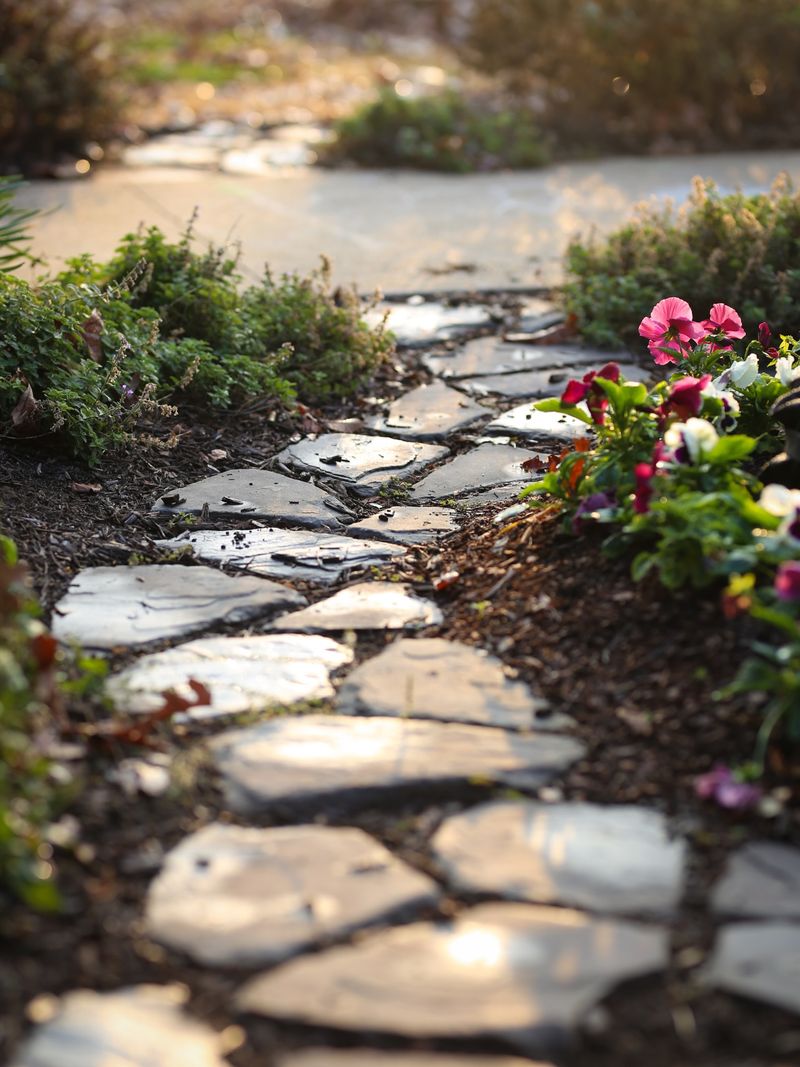
Irregular flagstone pieces create a relaxed, organic feel that suits Illinois cottage gardens perfectly.
Each stone has unique colors and textures, ranging from warm grays to soft tans.
Spacing the stones apart allows grass or groundcover to grow between them.
This approach softens the path and blends it naturally into your lawn.
Flagstone stays cool underfoot during hot summer days, unlike concrete or asphalt.
The natural material resists cracking from temperature changes common in the Midwest.
Installation is simpler than you might think.
You can set stones directly on soil or create a gravel base for better drainage.
Irregular shapes mean each path becomes a one-of-a-kind design element.
Children enjoy hopping from stone to stone, turning a simple walk into an adventure.
Local quarries throughout Illinois offer flagstone at reasonable prices.
The weight of the stones keeps them stable without mortar or adhesive.
Over time, the stones develop a weathered patina that adds character.
This path style works beautifully through flower beds or around vegetable gardens.
Maintenance involves occasional repositioning and trimming groundcover between stones.
3. Crushed Limestone Gravel Walkway
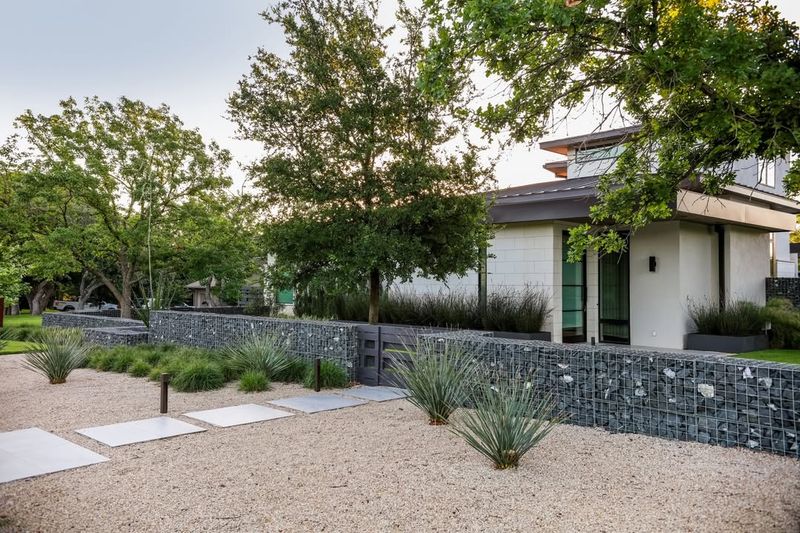
Crushed limestone offers an affordable and attractive solution for Illinois garden paths.
The light color brightens shaded areas and reflects moonlight for evening strolls.
Your Illinois Garden Changes Every Week. Your Plan Should Too.
Gardening in Illinois changes quickly throughout the season. Every Friday you’ll receive a simple weekly plan showing exactly what to plant, prune, fertilize, harvest, and protect so you never miss the right timing.
This material compacts firmly when properly installed, creating a stable surface.
Limestone is abundant in Illinois, making it an eco-friendly local choice.
The crunching sound underfoot provides a pleasant sensory experience and alerts you to visitors.
Gravel paths drain exceptionally well, eliminating muddy spots after rainstorms.
You can easily adjust the path width or shape by simply moving the gravel.
Edging materials like steel, wood, or stone keep the gravel contained and looking neat.
Weeds occasionally sprout through gravel, but landscape fabric underneath minimizes this issue.
The neutral color complements any plant palette from bold perennials to subtle prairie grasses.
Limestone gravel costs significantly less than hardscape materials like pavers or concrete.
Spreading a fresh layer every couple years keeps the path looking crisp and clean.
This style suits informal cottage gardens as well as more structured formal landscapes.
The permeable surface helps manage stormwater runoff naturally.
Crushed limestone paths work particularly well for winding routes through larger yards.
4. Wood Chip Mulch Trail

Wood chip paths bring a woodland feel to Illinois backyards at minimal cost.
Many tree service companies offer free wood chips, making this the most budget-friendly option.
The soft surface feels comfortable underfoot and provides cushioning for young children at play.
As chips decompose, they enrich the soil, benefiting nearby plants.
This organic material blends seamlessly into naturalistic landscapes and shade gardens.
Wood chips suppress weeds effectively while allowing water to penetrate the soil.
The earthy aroma after rain adds another layer to your garden experience.
You can choose between hardwood chips, cedar, or pine depending on availability and preference
Cedar chips naturally repel some insects, adding a practical benefit.
Installation requires only clearing the path area and spreading chips several inches deep.
The material breaks down over time, so plan to add fresh chips annually.
This path style works beautifully through wooded areas or connecting garden beds.
Birds often forage in wood chip paths, adding wildlife interest to your yard.
The informal appearance suits casual, low-maintenance garden styles.
Wood chip trails create safe, slip-resistant surfaces even in damp conditions.
5. Concrete Pavers With Planted Joints
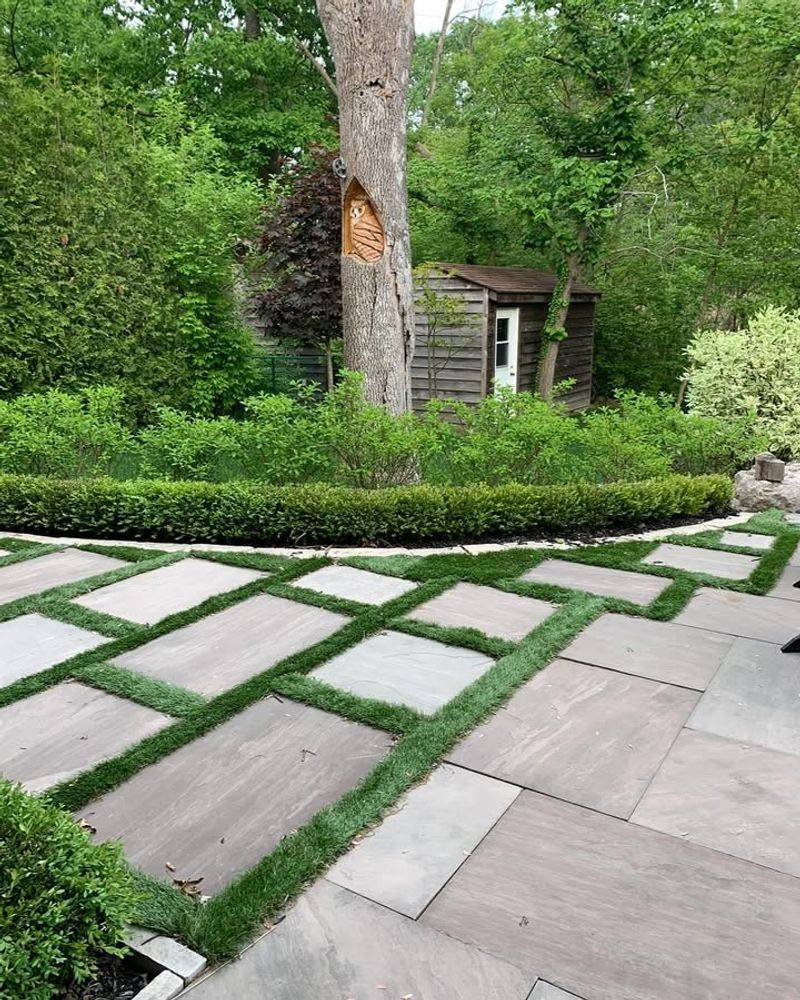
Modern concrete pavers come in countless shapes, colors, and textures that suit any design vision.
Spacing them slightly apart creates pockets for low-growing plants like thyme or sedum.
These living joints soften the hardscape and add fragrance when stepped on.
Concrete pavers withstand Illinois weather extremes without cracking when properly installed.
The uniform size makes layout planning straightforward and installation predictable.
You can create geometric patterns or arrange pavers in organic, flowing designs.
Smooth surfaces make these paths wheelchair and stroller accessible.
Textured options provide slip resistance during wet conditions.
The planted joints require minimal maintenance beyond occasional watering during dry spells.
Creeping plants fill in over time, creating a tapestry effect
Concrete pavers cost less than natural stone while offering similar durability.
They resist staining from leaves and berries better than porous materials.
This combination of hard and soft elements appeals to contemporary garden aesthetics.
The pavers provide structure while plants add spontaneity and life.
Snow removal is easier on smooth paver surfaces than on gravel or mulch paths.
6. Reclaimed Cobblestone Pathway
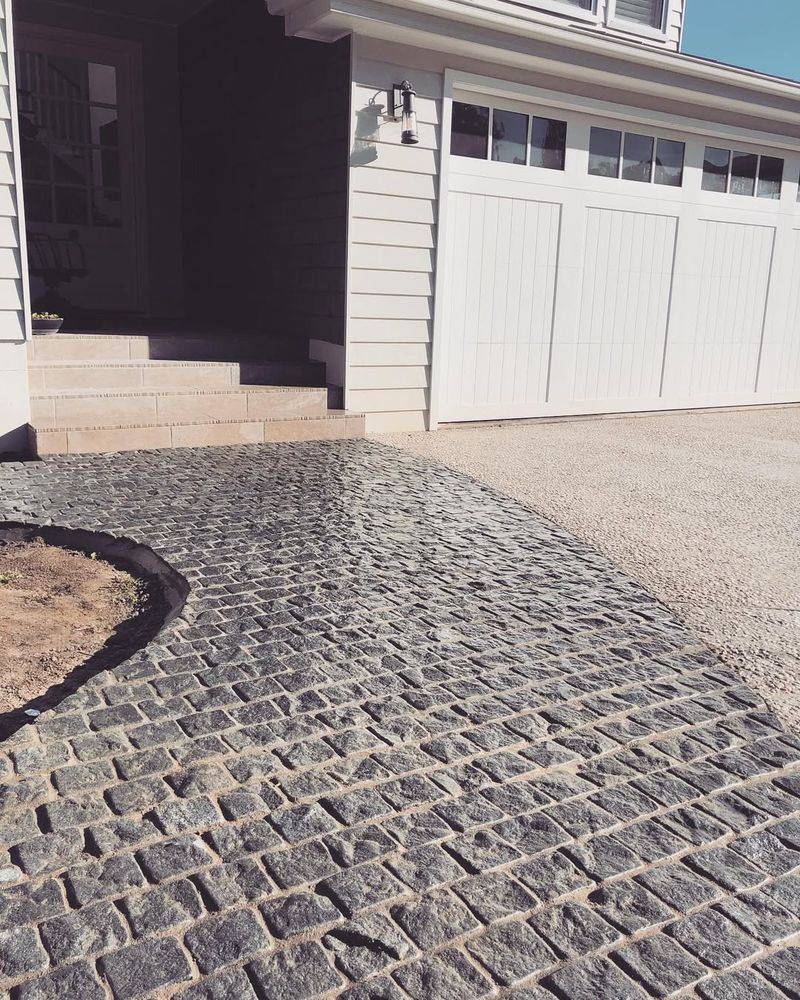
Cobblestones salvaged from old Illinois streets carry history and character into your garden.
These rounded stones create a charming, Old World atmosphere that feels both elegant and rustic.
The varied sizes and weathered surfaces give each stone individual personality.
Cobblestone paths develop a beautiful patina over years of use and exposure.
The irregular surface adds texture and visual interest to flat landscapes.
Installation involves setting stones in sand or mortar depending on desired permanence.
Mortared cobblestones create a formal look suitable for front entries or main pathways.
Sand-set versions allow for easier adjustments and better drainage.
The rounded tops can be challenging for wheeled items like carts or strollers.
However, this texture provides excellent traction in wet or icy conditions.
Architectural salvage yards across Illinois occasionally stock reclaimed cobblestones.
New cobblestones are also available if you prefer consistent sizing.
This path style pairs wonderfully with historic homes or formal garden designs.
The neutral gray and brown tones complement virtually any color scheme.
Cobblestone pathways require little maintenance beyond occasional weed removal from joints.
7. Poured Concrete With Stamped Texture
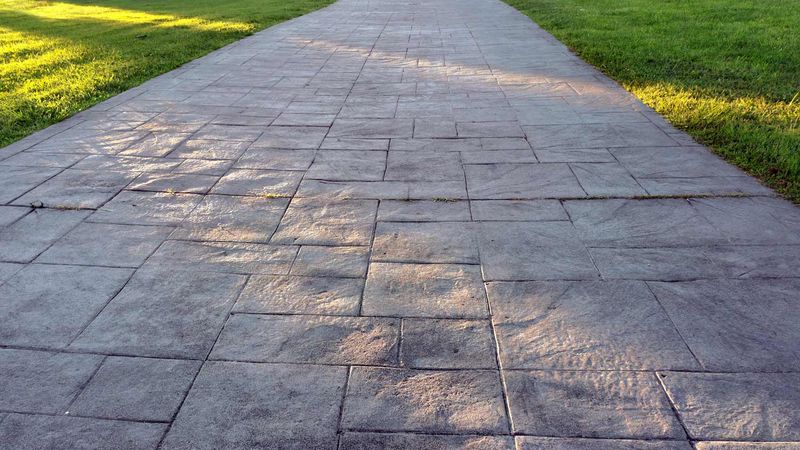
Stamped concrete offers the look of expensive materials at a fraction of the cost.
Contractors can create patterns resembling stone, brick, or even wood planks.
The continuous surface eliminates trip hazards from uneven pavers or stones.
Color options range from natural earth tones to bold contemporary shades.
Sealed concrete resists stains and requires minimal upkeep beyond occasional power washing.
This option works particularly well for wider paths or patio connections.
The smooth surface accommodates furniture, grills, and outdoor living spaces.
Proper installation includes control joints that prevent unsightly cracking.
Concrete handles Illinois temperature swings when the base is properly prepared.
Stamping adds visual interest while maintaining the practical benefits of poured concrete.
You can combine multiple patterns or colors to define different garden zones.
The permanent nature means careful planning is essential before installation.
Decorative scoring or embedded stones can personalize the design further.
Stamped concrete paths increase home value and improve curb appeal significantly.
Professional installation ensures proper drainage and long-lasting results.
8. Grass Pathway With Mown Edges
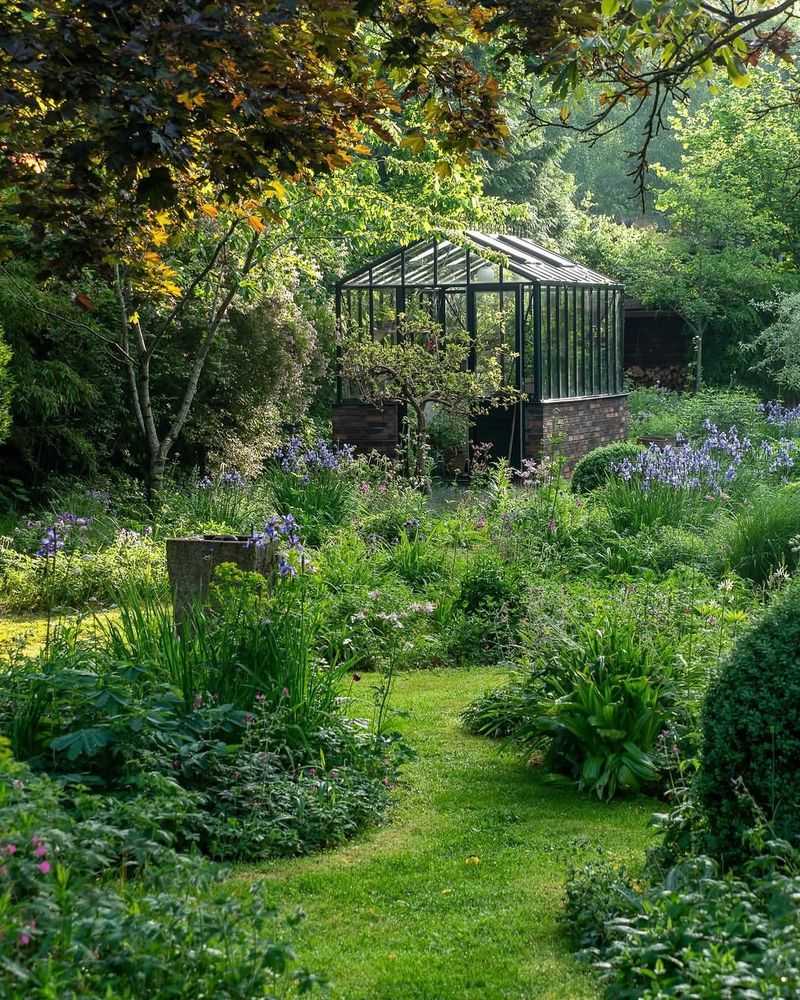
Sometimes the simplest solution creates the most beautiful result.
A grass path mown shorter than surrounding lawn defines routes without hard materials.
This approach costs nothing beyond regular mowing time and effort.
The soft green surface feels wonderful under bare feet during summer months.
Crisp edges between path and garden beds create visual clarity and structure.
Grass paths work best in areas with moderate foot traffic.
Heavy use will wear down grass, requiring overseeding or adjustment.
This style suits informal, cottage-style gardens and naturalistic landscapes perfectly.
You can easily change the path route by adjusting your mowing pattern.
The living surface continues photosynthesis and supports beneficial soil organisms.
Grass paths stay cooler than hard surfaces during hot Illinois summers.
They require no special installation, drainage, or edging materials.
Regular mowing and occasional fertilizing keep grass paths looking their best.
This option integrates seamlessly into existing lawns without visible transitions.
Children and pets enjoy the comfortable, forgiving surface for play and exploration.
9. Decorative Gravel Mosaic Design
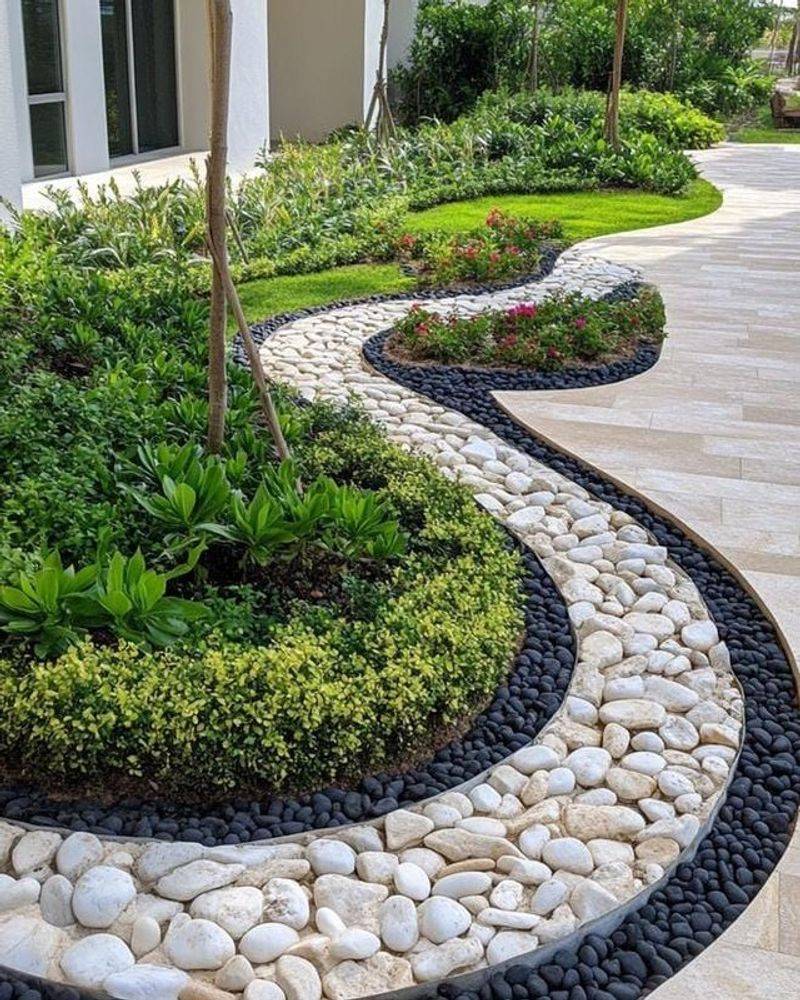
Artistic homeowners can create stunning patterns using different colored gravels.
This technique transforms a simple path into a work of functional art.
Pebbles in various sizes and hues allow endless design possibilities.
Traditional motifs include spirals, waves, flowers, or geometric patterns.
Metal or plastic edging separates different colored sections to maintain crisp lines.
The project requires patience but no special tools or professional skills.
Start with a simple design and expand your mosaic skills over time.
White, black, tan, and red gravels are commonly available at Illinois garden centers.
The textured surface provides good traction in all weather conditions.
Gravel mosaics drain exceptionally well, preventing puddles and ice buildup.
Landscape fabric underneath prevents weeds while allowing water penetration.
This path style becomes a conversation piece that reflects your personal creativity.
Children often enjoy helping with design and installation.
Maintenance involves occasionally raking to refresh patterns and adding gravel as needed.
Decorative gravel mosaics work beautifully in both formal and whimsical garden settings.
10. Railway Sleeper Plank Walkway
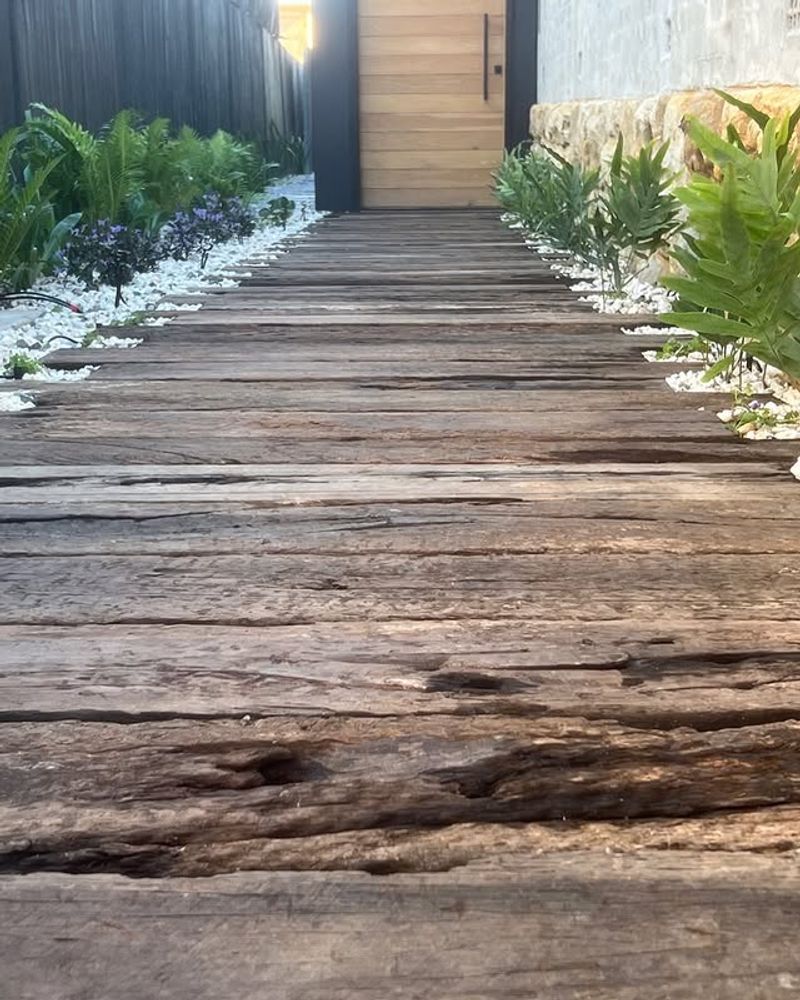
Reclaimed railway sleepers bring industrial charm and rustic appeal to garden paths.
These hefty timbers create a bold, architectural statement in the landscape.
The dark, weathered wood contrasts beautifully with green plants and colorful flowers.
Sleepers can be laid lengthwise for long, straight paths or crosswise for a boardwalk effect.
Their substantial weight keeps them stable without anchoring or complex installation.
The wood surface provides good traction even when damp from rain or dew.
Railway sleepers work particularly well in informal or contemporary garden designs.
Spacing sleepers apart with gravel or groundcover creates visual rhythm.
The raised surface keeps feet dry when crossing damp or low-lying areas.
Treated wood resists rot and insect damage for many years of service.
Some gardeners prefer new landscape timbers if authentic sleepers are unavailable.
The linear form guides the eye and directs movement through the garden.
This path style suits larger properties where bold elements enhance the scale.
Minimal maintenance beyond occasional cleaning keeps sleeper paths looking sharp.
The natural material ages gracefully, developing silver-gray tones over time.