11 Berry-Producing Shrubs That Virginia Wildlife Can’t Resist
Virginia gardens can become wildlife havens with the right berry-producing shrubs that feed birds, mammals, and pollinators throughout the seasons.
Planting native and adapted shrubs creates a natural buffet that attracts colorful songbirds, butterflies, and beneficial creatures to your yard.
These eleven berry-laden shrubs not only support local ecosystems but also bring vibrant colors, textures, and year-round interest to your landscape.
1. American Beautyberry For Vibrant Fall Food Sources
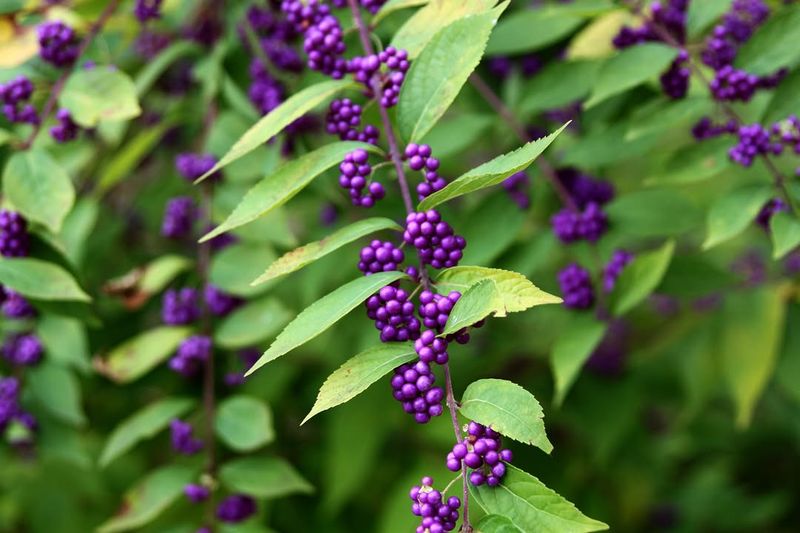
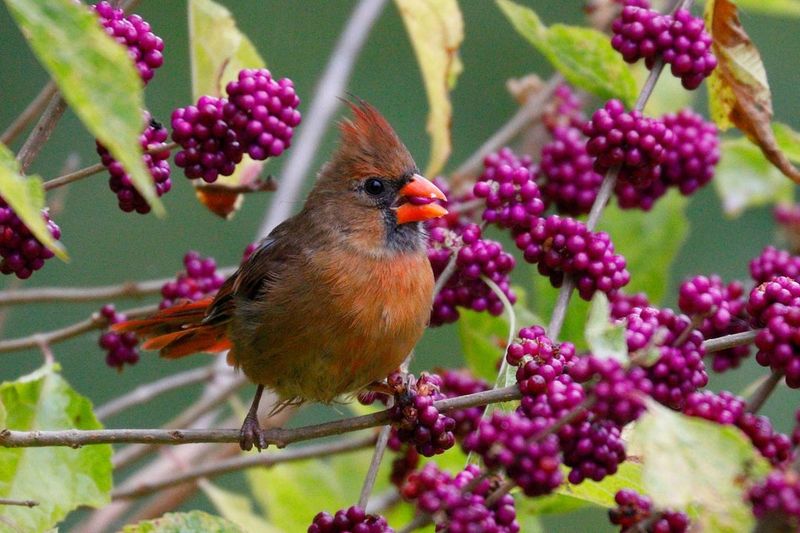
Clusters of electric purple berries make American beautyberry one of the most eye-catching shrubs in any Virginia landscape during autumn months.
Birds such as cardinals, mockingbirds, and bluebirds flock to these vibrant fruits when other food sources become scarce in late September and October.
Deer and small mammals also nibble on the berries, making this shrub a true wildlife magnet.
This native beauty thrives in partial shade to full sun, adapting well to various light conditions across Virginia gardens.
The shrub grows four to six feet tall and wide, creating an arching, relaxed form that fits beautifully into naturalized borders or woodland edges.
Its berry production peaks after the first frost, providing essential nutrition just when migrating birds need energy for their long journeys south.
Homeowners love how American beautyberry requires minimal care once established, tolerating clay soils and summer humidity with ease.
The striking berry color contrasts beautifully with fall foliage, creating Instagram-worthy garden scenes that also serve an important ecological purpose.
Planting this shrub near windows or patios lets you watch wildlife feasting up close while adding unique seasonal color to your yard.
Consider grouping several plants together for maximum visual impact and increased berry production that benefits more creatures throughout autumn.
2. Winterberry Holly For Essential Cold-Season Nutrition
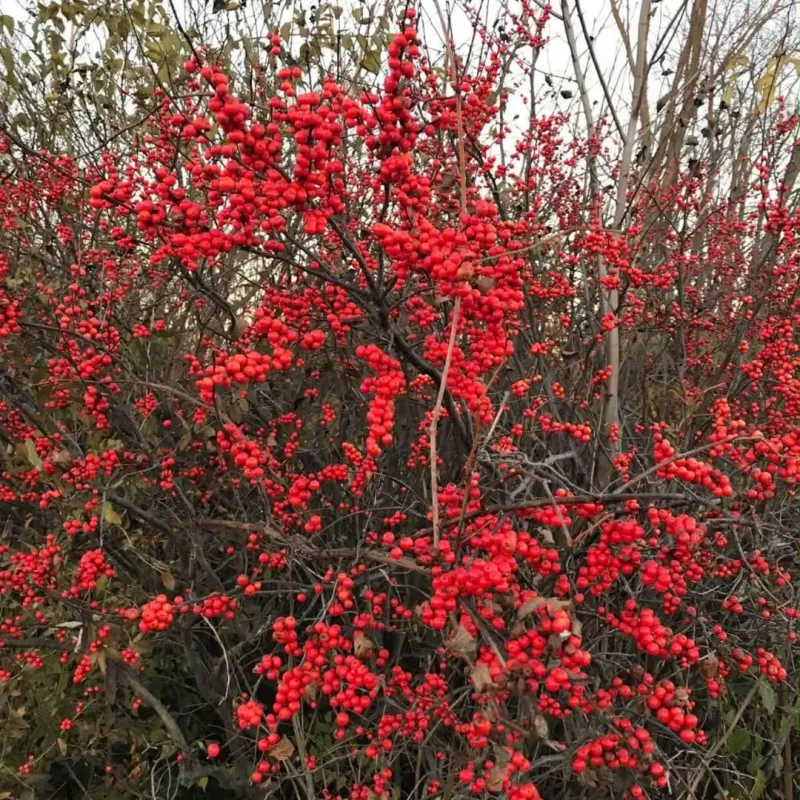
When snow blankets Virginia landscapes and most plants look dormant, winterberry holly stands out with brilliant red berries that glow against bare branches.
This deciduous holly loses its leaves in fall, making the berry display even more dramatic and visible to hungry birds searching for food.
Robins, cedar waxwings, and thrushes depend heavily on these persistent fruits during harsh winter months when insects and other foods vanish.
Gardeners must plant both male and female winterberry shrubs to ensure berry production, with one male pollinating up to five females within close proximity.
Only female plants produce the showy berries, so nursery labels should clearly indicate the plant’s gender before purchase.
This native holly prefers moist to wet soils, thriving near streams, ponds, or in rain gardens where other shrubs might struggle with excessive moisture.
The shrub reaches four to eight feet in height, with some cultivars staying more compact for smaller garden spaces.
Berry color ranges from bright red to orange depending on the variety, offering options to match different landscape color schemes.
Winterberry performs best in full sun to partial shade, producing more abundant fruit when it receives at least six hours of direct sunlight daily.
Planting this shrub ensures wildlife have reliable nutrition throughout the coldest Virginia months when survival becomes most challenging.
3. Serviceberry For Early Berries And Spring Interest
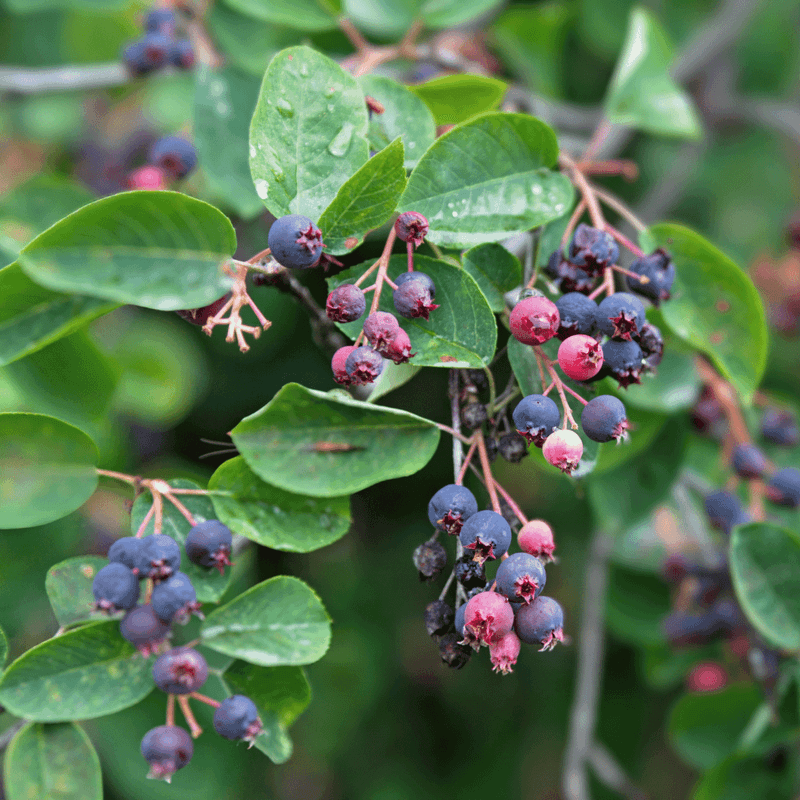
Spring arrives with a spectacular show when serviceberry bursts into clouds of delicate white flowers before most other shrubs even leaf out.
Your Virginia Garden Changes Every Week. Your Plan Should Too.
Gardening in Virginia changes quickly throughout the season. Every Friday you’ll receive a simple weekly plan showing exactly what to plant, prune, fertilize, harvest, and protect so you never miss the right timing.
Within weeks, those blossoms transform into sweet purple-red berries that ripen in early June, providing the first significant fruit crop of the growing season.
Bluebirds, orioles, tanagers, and over thirty other bird species eagerly consume these nutritious berries, often stripping branches within days of ripening.
This multi-stemmed shrub grows ten to twenty feet tall, functioning as either a large shrub or small tree depending on how you prune it.
Serviceberry adapts remarkably well across Virginia’s varied climate zones, from mountain regions to coastal plains, tolerating different soil types with grace.
The berries taste similar to blueberries with hints of almond, and many homeowners harvest some for pies and jams before wildlife claim the entire crop.
Fall foliage adds another layer of interest, with leaves turning vibrant shades of yellow, orange, and red before dropping.
Serviceberry thrives in full sun to partial shade, though fruit production increases significantly with more direct sunlight exposure.
Planting this native shrub near outdoor seating areas allows you to enjoy both the spring flower display and the entertaining sight of birds feasting in early summer.
Its early berry timing fills a crucial gap when young birds need protein-rich food for healthy development and growth.
4. Elderberry For High-Value Wildlife Nutrition
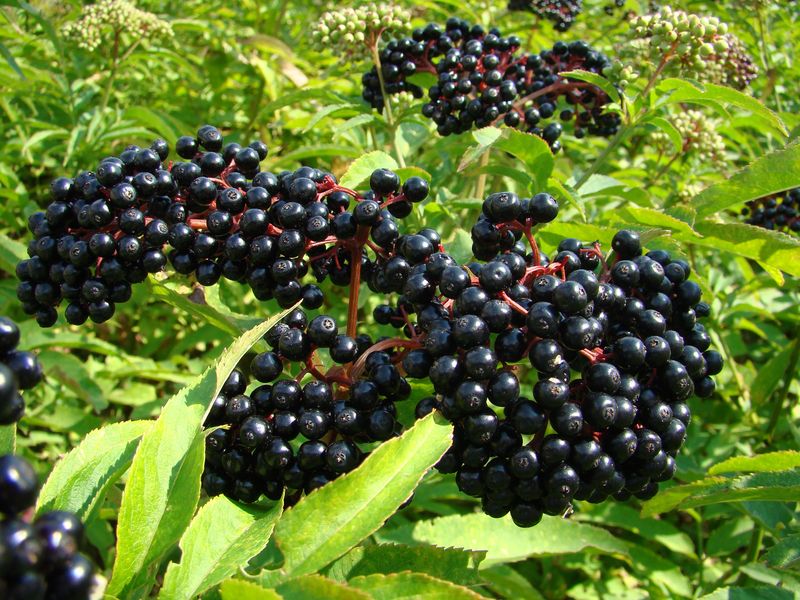
Few shrubs match elderberry’s reputation as a wildlife powerhouse, producing massive flat-topped clusters of dark purple-black berries that attract dozens of species.
The creamy white flower clusters bloom in early summer, drawing countless pollinators including native bees, butterflies, and beneficial insects before berries even form.
Once fruits ripen in late summer, birds arrive in noisy flocks, with species like catbirds, thrashers, and woodpeckers competing enthusiastically for the nutritious harvest.
Elderberry grows vigorously, reaching eight to twelve feet tall and spreading through underground runners to form attractive thickets over time.
This fast growth habit makes it ideal for quickly establishing wildlife habitat in new gardens or filling large spaces along property boundaries.
The shrub tolerates wet soils better than many other berry producers, thriving in low-lying areas or alongside streams where drainage remains imperfect.
Homeowners appreciate elderberry’s dual-season interest, with showy flowers followed by abundant fruit that also appeals to human foragers for syrups and preserves.
Plant elderberry in full sun for maximum berry production, though it tolerates light shade in hotter southern Virginia locations.
The compound leaves add interesting texture to mixed borders, creating a lush backdrop for smaller perennials and groundcovers.
Pruning out older canes every few years encourages vigorous new growth and maintains the most productive berry-bearing stems for continued wildlife support.
5. Arrowwood Viburnum For Dense Cover And Berries
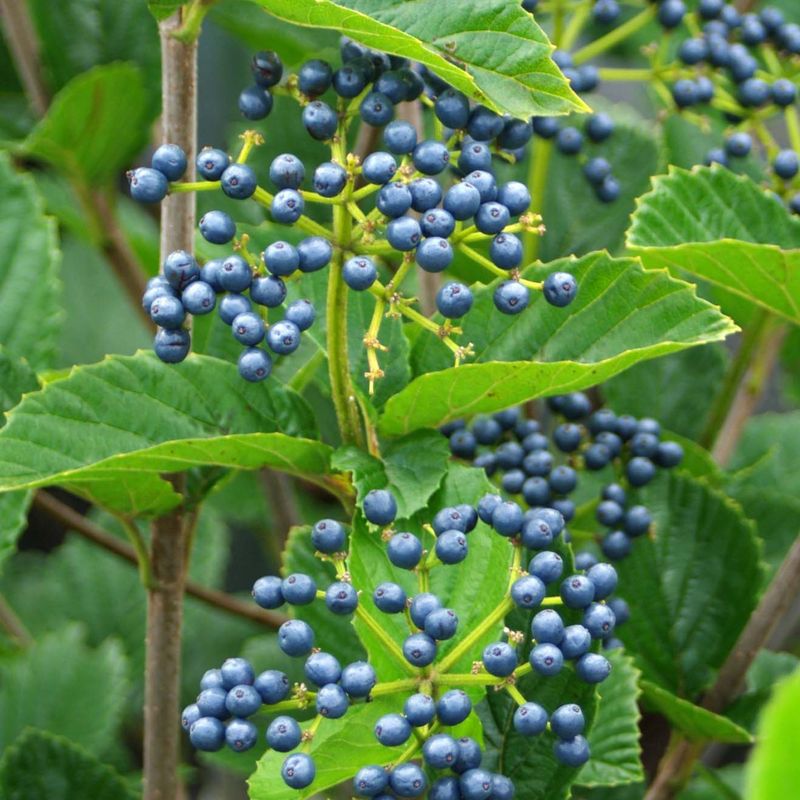
Dense branching and layered growth make arrowwood viburnum an exceptional shrub for providing both food and protective shelter for Virginia wildlife.
Creamy white flower clusters bloom in late spring, attracting early-season pollinators before transforming into clusters of blue-black berries by September.
The berries persist into fall, offering sustained nutrition for migrating thrushes, waxwings, and resident birds preparing for winter challenges ahead.
This native viburnum grows six to ten feet tall with an equal spread, creating substantial mass that birds use for nesting sites and escape cover from predators.
Deer generally avoid browsing arrowwood viburnum, making it valuable in areas where these animals pressure other landscape plants heavily.
The shrub adapts to various soil conditions from dry to moist, though it performs best with consistent moisture and good drainage.
Fall brings another bonus as leaves turn shades of red, burgundy, and purple, creating stunning seasonal color that rivals any ornamental shrub.
Arrowwood viburnum tolerates full sun to partial shade, with more abundant flowering and fruiting occurring in sunnier exposures.
Planting this shrub in groups creates wildlife corridors that connect different garden areas, encouraging birds and small mammals to move safely through your landscape.
The berry-to-bloom timeline ensures something is always happening with this plant, keeping wildlife engaged from spring through autumn with continuous food and habitat resources.
6. Chokeberry For Reliable Berries In Tough Conditions
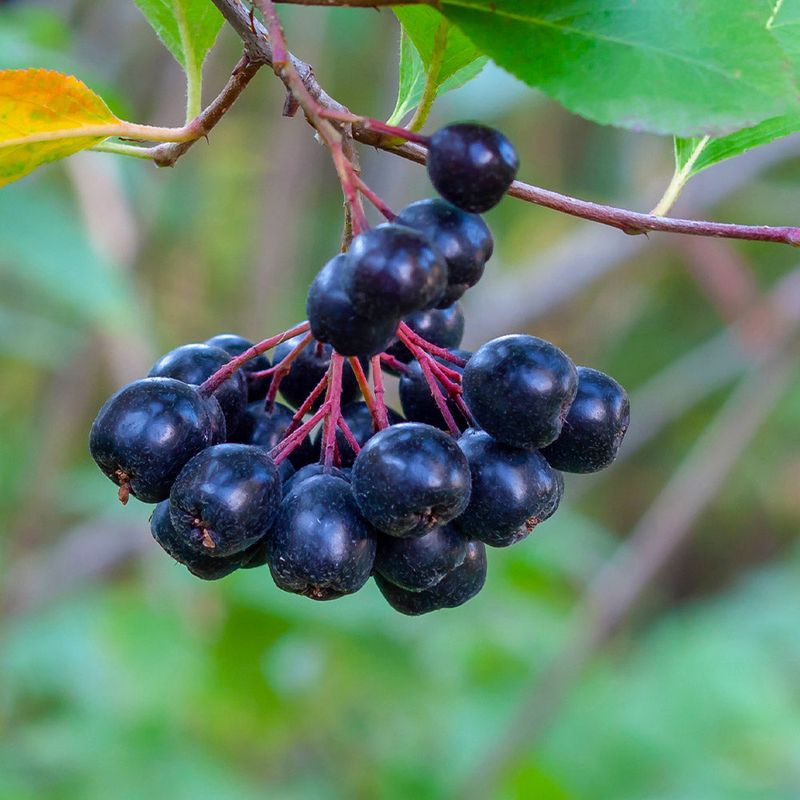
Tough as nails and loaded with berries, chokeberry thrives where fussier shrubs fail, making it perfect for challenging Virginia garden spots.
This native shrub produces white or pink-tinged spring flowers that develop into glossy red or black berries depending on the species you choose.
While the common name suggests unpalatability, wildlife eagerly consume these fruits, especially after several freeze-thaw cycles soften and sweeten them in late fall and winter.
Chokeberry adapts to clay soils, sandy soils, wet conditions, and drought once established, showing remarkable flexibility across different Virginia regions.
The shrub grows four to eight feet tall, forming attractive rounded clumps that work well in foundation plantings or mixed borders.
Red chokeberry typically stays smaller and more compact, while black chokeberry grows taller and produces slightly larger berry clusters.
Fall foliage steals the show with brilliant shades of red, orange, and burgundy that rival any ornamental shrub available at garden centers.
Birds often ignore chokeberries initially, leaving them on branches as a backup food source when preferred fruits become depleted later in winter.
This delayed consumption pattern makes chokeberry especially valuable during harsh weather when wildlife need emergency nutrition most desperately.
Plant chokeberry in full sun to partial shade, knowing it will reward minimal care with maximum wildlife benefits and spectacular seasonal color throughout the year.
7. Virginia Sweetspire For Moist Sites And Berry Production
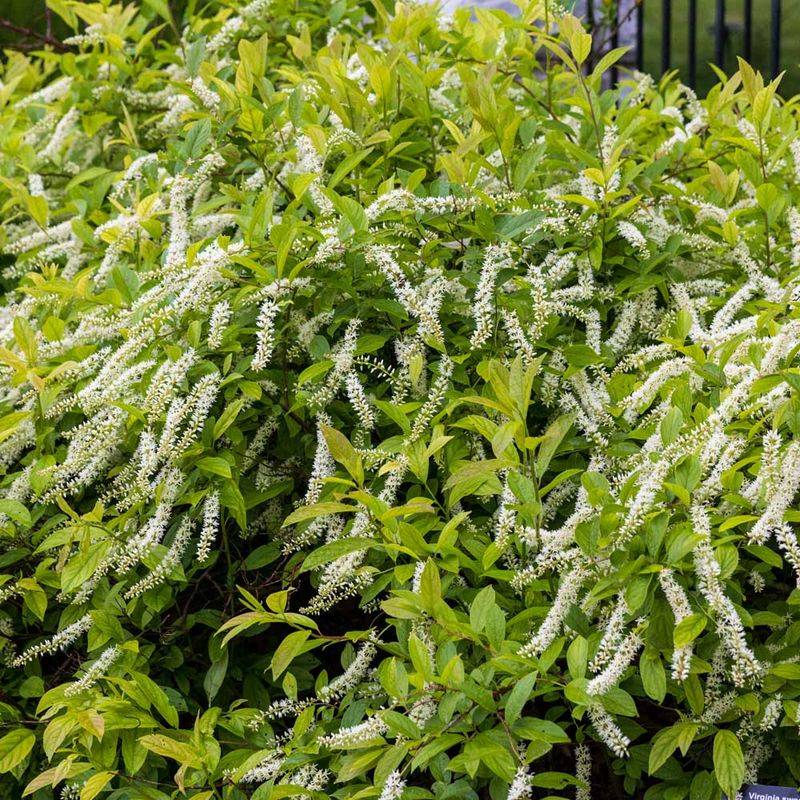
Native to Virginia’s wetlands and stream banks, sweetspire brings fragrant white flower spikes and valuable berries to moisture-rich garden areas.
The drooping flower racemes bloom in late spring to early summer, releasing a sweet honey-like fragrance that attracts bees, butterflies, and hummingbirds.
Small capsule fruits follow the flowers, providing food for songbirds while the dense growth offers excellent nesting habitat and protective cover.
This adaptable shrub grows three to five feet tall, spreading slowly through underground stems to form attractive colonies along water features or in rain gardens.
Virginia sweetspire excels at erosion control on slopes or banks where its fibrous root system stabilizes soil while beautifying the landscape.
The shrub tolerates periodic flooding and consistently wet soils that would stress or eliminate many other berry-producing options.
Fall color ranges from brilliant red to orange and purple, creating a fiery display that rivals any exotic ornamental shrub.
While sweetspire prefers moist conditions, established plants tolerate moderate drought, making them more versatile than their wetland origins might suggest.
Plant this native in full sun to partial shade, with more sun producing denser growth and more abundant flowering.
The combination of fragrant blooms, wildlife berries, erosion control, and stunning fall color makes Virginia sweetspire a hardworking addition to any landscape seeking to support local ecosystems while solving practical gardening challenges.
8. Inkberry Holly For Evergreen Cover And Food
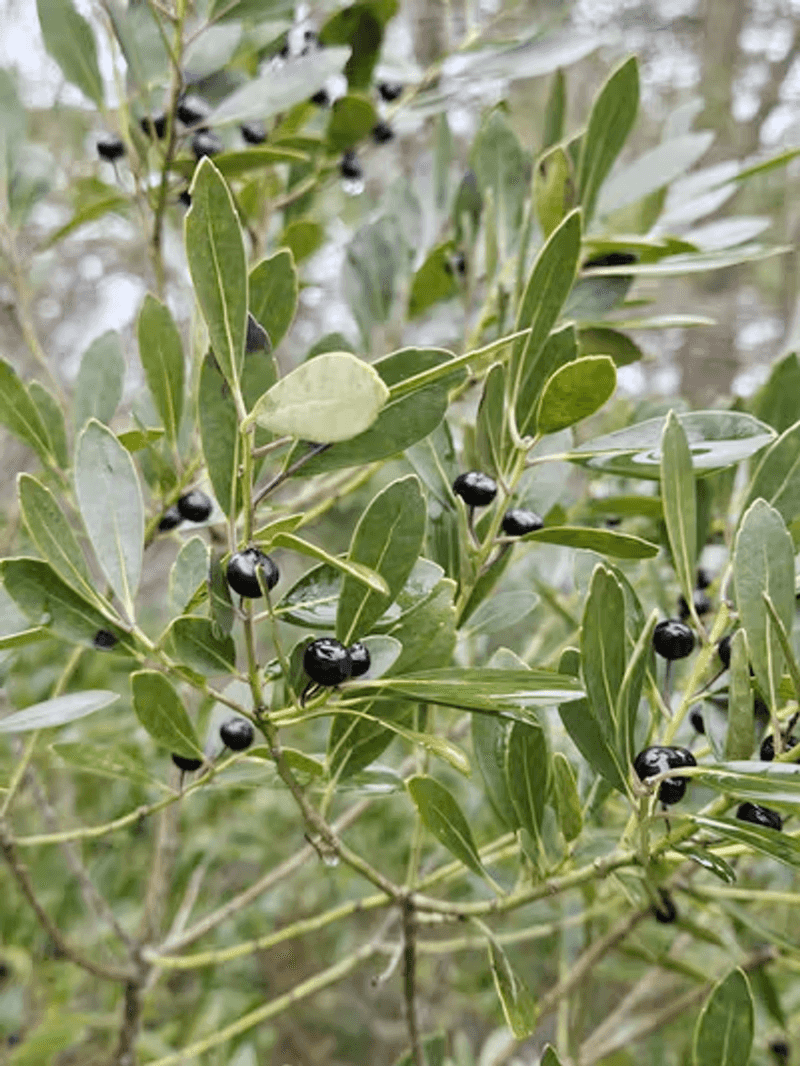
Glossy evergreen foliage makes inkberry holly invaluable for providing year-round shelter while its black berries feed wildlife through winter months.
This native holly keeps its dense green leaves throughout cold seasons, offering windbreaks and hiding spots when deciduous shrubs stand bare and exposed.
Female plants produce small black berries that persist into winter, attracting birds like mockingbirds, thrashes, and bluebirds when other food becomes scarce.
Inkberry grows slowly to reach five to eight feet tall, maintaining a naturally rounded shape that requires minimal pruning for formal landscapes.
The shrub tolerates wet soils, salt spray, and pollution, making it suitable for coastal Virginia gardens as well as urban and suburban settings.
Like other hollies, you need both male and female plants for berry production, with one male pollinating multiple females planted nearby.
Pruning inkberry in late winter helps maintain compact growth and encourages denser branching that provides better wildlife cover and visual screening.
The shrub performs best in full sun to partial shade, adapting well to different light conditions throughout Virginia’s diverse microclimates.
Planting inkberry as foundation plants near homes creates living barriers that shelter birds during storms while adding structure to winter landscapes.
Its evergreen nature ensures wildlife always have safe refuge, making your garden a reliable sanctuary regardless of season or weather conditions throughout the entire year.
9. Dogwood Shrubs For Multi-Season Wildlife Value
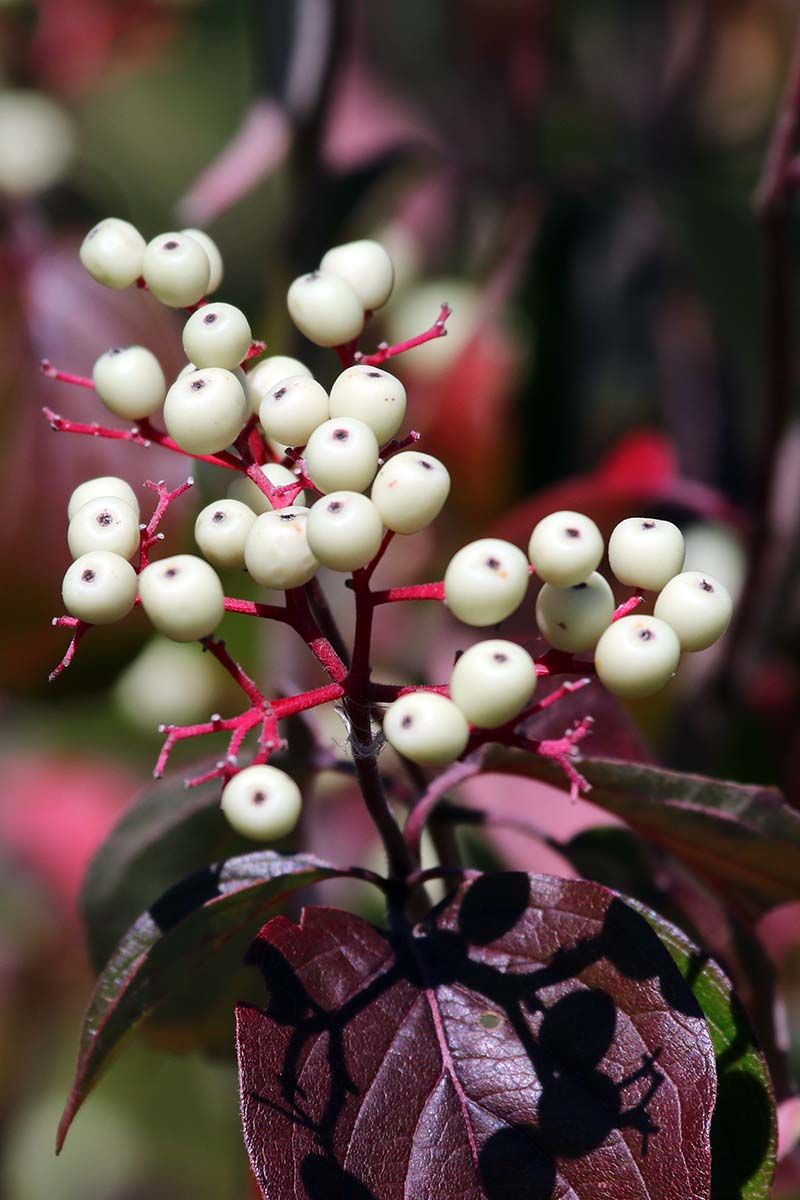
Shrubby dogwood species like gray dogwood and silky dogwood offer incredible wildlife value that extends far beyond their berry production alone.
White or blue-white berry clusters ripen in late summer, attracting over forty bird species including thrushes, vireos, warblers, and woodpeckers.
The berries are high in fat content, providing essential energy for migrating birds preparing for long flights to southern wintering grounds.
These multi-stemmed shrubs grow six to ten feet tall, creating thickets that birds use for nesting, roosting, and escaping from predators year-round.
Colorful stems add winter interest, with varieties displaying red, yellow, or coral bark that brightens dreary landscapes after leaves drop in autumn.
Dogwood shrubs adapt to various soil types from wet to moderately dry, though they prefer consistent moisture and tolerate occasional flooding without complaint.
Spring brings clusters of small white flowers that attract early pollinators, while fall foliage turns shades of red, burgundy, and purple.
Plant shrubby dogwoods in full sun to partial shade, with more sun producing more flowers, berries, and more vibrant stem colors.
These native shrubs spread gradually through underground runners, making them excellent for naturalizing along woodland edges or stream banks.
The combination of berries, nesting habitat, colorful stems, and seasonal interest makes dogwood shrubs among the hardest-working plants for supporting Virginia wildlife throughout every season.
10. Bayberry For Coastal And Inland Wildlife Gardens
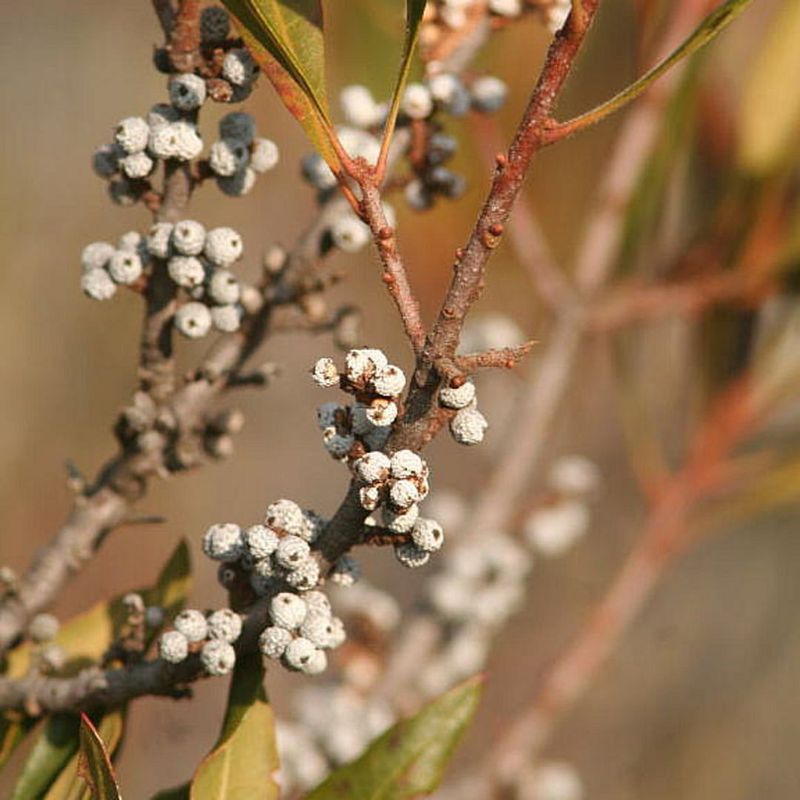
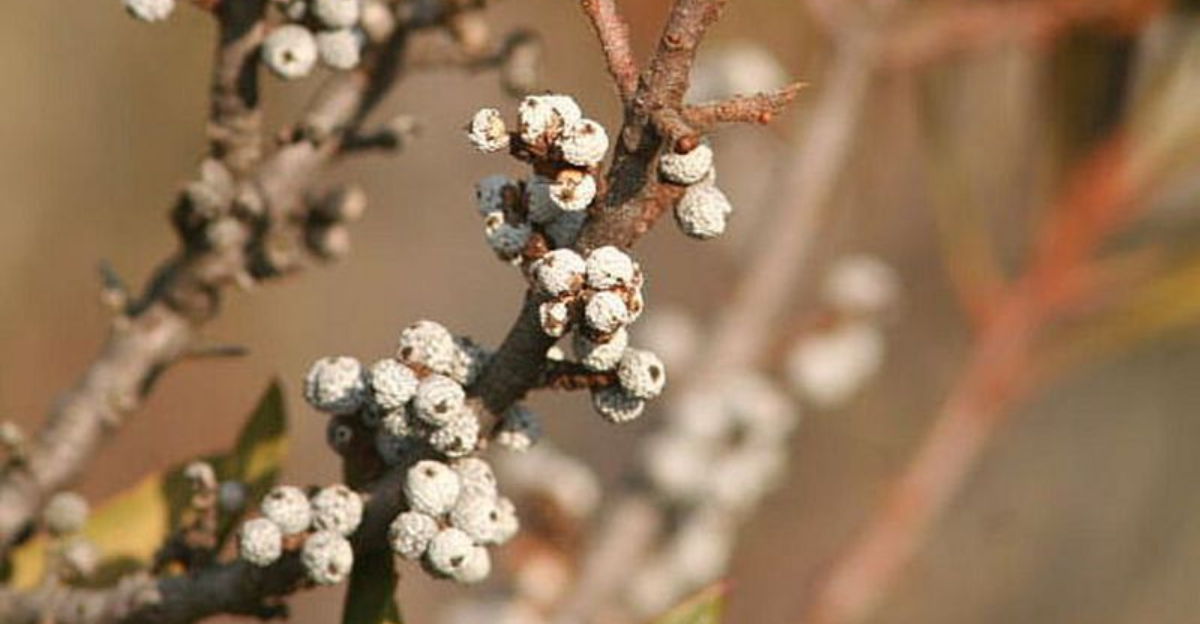
Waxy gray berries coat bayberry branches in fall, providing specialized nutrition that certain bird species depend on during migration and winter survival.
Yellow-rumped warblers, also called myrtle warblers, can digest the waxy coating on bayberry fruits when most other birds cannot, giving them a competitive advantage.
Tree swallows, catbirds, and several other species also consume these berries, making bayberry an essential component of coastal and inland Virginia wildlife gardens.
This tough native shrub grows five to eight feet tall, tolerating salt spray, sandy soils, drought, and poor growing conditions that eliminate less adaptable plants.
Bayberry fixes nitrogen in the soil through specialized root bacteria, actually improving growing conditions for surrounding plants over time.
The aromatic leaves release a pleasant fragrance when crushed, and colonists historically used the waxy berries to make candles with a distinctive scent.
Plant both male and female bayberry shrubs for berry production, with females producing the valuable waxy fruits that wildlife seek out.
The shrub performs best in full sun, developing denser growth and more abundant berries with maximum light exposure throughout the day.
Bayberry adapts well to different Virginia regions from coastal areas to piedmont and mountain zones, showing remarkable climate flexibility.
Its ability to thrive in challenging sites while providing specialized wildlife nutrition makes bayberry an excellent choice for low-maintenance landscapes that support biodiversity and ecological health.
11. How To Design A Wildlife-Friendly Berry Garden In Virginia
Creating a wildlife haven requires thoughtful planning that combines different berry-producing shrubs for continuous food availability throughout the entire year.
Start by selecting shrubs with staggered fruiting times, beginning with serviceberry in early summer, elderberry in midsummer, and winterberry holding berries into late winter.
This succession ensures birds and mammals always find nutrition in your garden regardless of season, making your landscape a reliable food source they return to repeatedly.
Layer shrubs by height to create diverse habitat structure, placing taller varieties like elderberry and serviceberry as backdrops with shorter inkberry and American beautyberry in front.
This layering mimics natural forest edges that wildlife instinctively seek for feeding, nesting, and shelter from weather and predators.
Include evergreen options like inkberry holly to provide winter cover when deciduous shrubs lose their protective foliage.
Group shrubs in odd-numbered clusters of three or five rather than single specimens to increase berry production and create more natural-looking plantings.
Add water features, brush piles, and leave some leaf litter to provide drinking sources and additional habitat elements that complete a thriving wildlife ecosystem.
Avoid pesticides and chemical fertilizers that harm the insects, caterpillars, and other creatures that birds feed to their young during nesting season.
By combining these berry shrubs thoughtfully, your Virginia garden becomes a vibrant sanctuary supporting countless species while bringing beauty, movement, and life to your outdoor spaces year-round.