11 Small Space Garden Ideas Every Urban Washington Home Can Pull Off
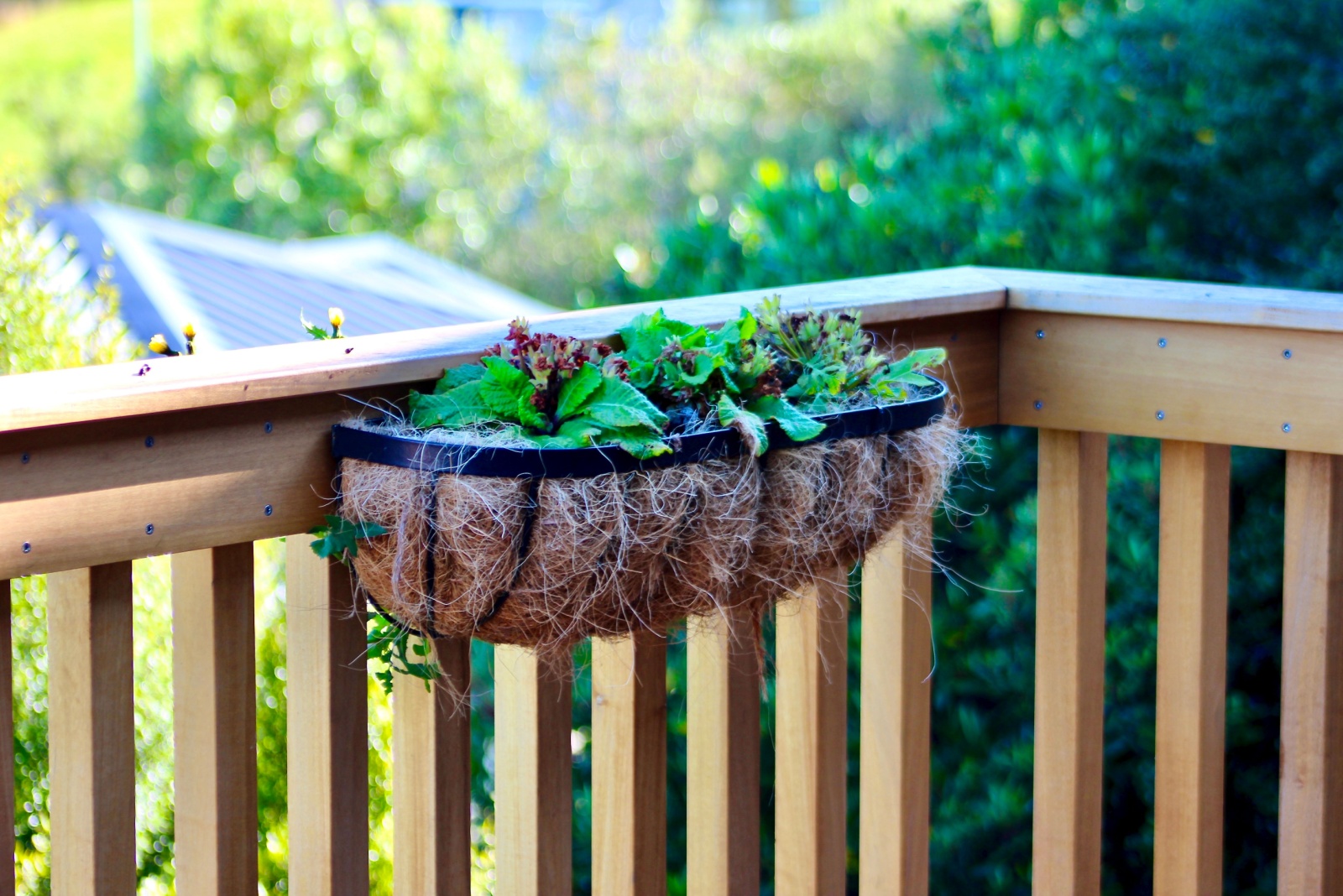
Living in Washington’s bustling urban areas doesn’t mean you have to give up your dream of having a beautiful green space at home.
Small balconies, tiny patios, and compact yards can transform into thriving gardens with just a bit of creativity and smart planning ahead.
Whether you’re growing fresh herbs for cooking or colorful flowers to brighten your day, these ideas work perfectly for tight spaces.
Get ready to discover simple ways to bring nature into your urban home without needing a huge backyard or expensive equipment.
1. Vertical Wall Gardens
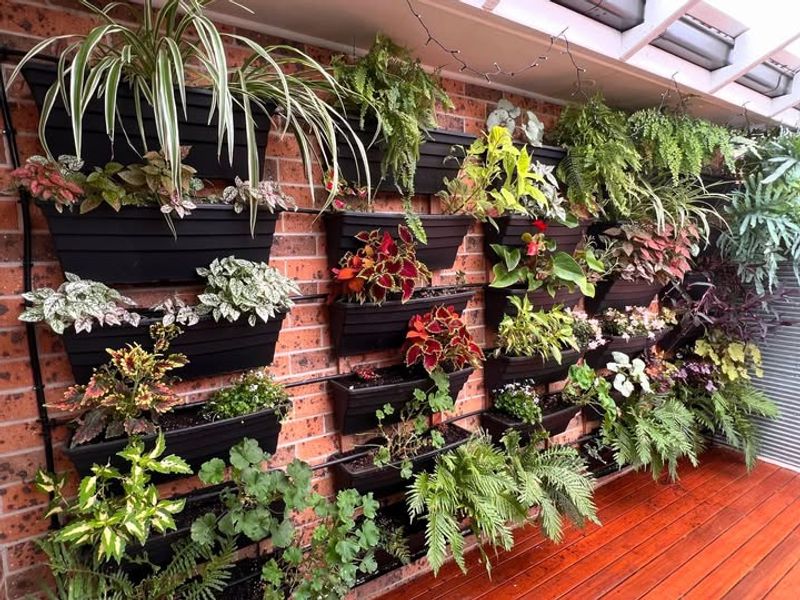
Wall-mounted planters create stunning displays while saving precious floor space in cramped urban areas throughout Washington’s cities and neighborhoods.
You can attach pocket planters made from fabric or plastic directly onto fences, exterior walls, or even indoor surfaces for year-round greenery.
These systems work brilliantly for growing herbs, succulents, lettuce, and small flowering plants that don’t need deep root systems to thrive.
Installation takes minimal effort since most products come with easy hanging hardware that requires just basic tools and a free afternoon.
Watering becomes simpler when you group plants with similar moisture needs together, making maintenance quick and straightforward for busy urban dwellers.
Washington’s mild climate allows many varieties to flourish outdoors most months, while indoor vertical gardens add fresh air and beauty continuously.
Mixing different textures and colors creates visual interest that transforms blank walls into living artwork that neighbors will definitely admire.
This approach maximizes every square inch available, turning overlooked vertical surfaces into productive growing areas that yield fresh food and flowers.
2. Container Gardens On Balconies

Balconies become productive gardens when you select the right containers and arrange them strategically to catch sunlight throughout the changing day.
Lightweight pots made from resin or fiberglass work best since they won’t overload balcony structures while still providing adequate space for roots.
Growing tomatoes, peppers, strawberries, and leafy greens in containers gives you fresh produce without requiring any ground soil or permanent installations.
Arrange taller plants toward the back railing and shorter ones up front to ensure every plant receives adequate light exposure.
Self-watering containers reduce maintenance time significantly, which helps busy city residents keep their gardens healthy even during hectic work schedules.
Washington’s rainy seasons mean you’ll sometimes need to move containers under cover to prevent waterlogging that damages sensitive root systems.
Mixing ornamental flowers with edible plants creates a beautiful, functional space that serves multiple purposes while maximizing your limited square footage.
Rolling plant caddies allow easy rearrangement when you need to clean or adjust for seasonal sun patterns that shift throughout the year.
3. Hanging Basket Collections
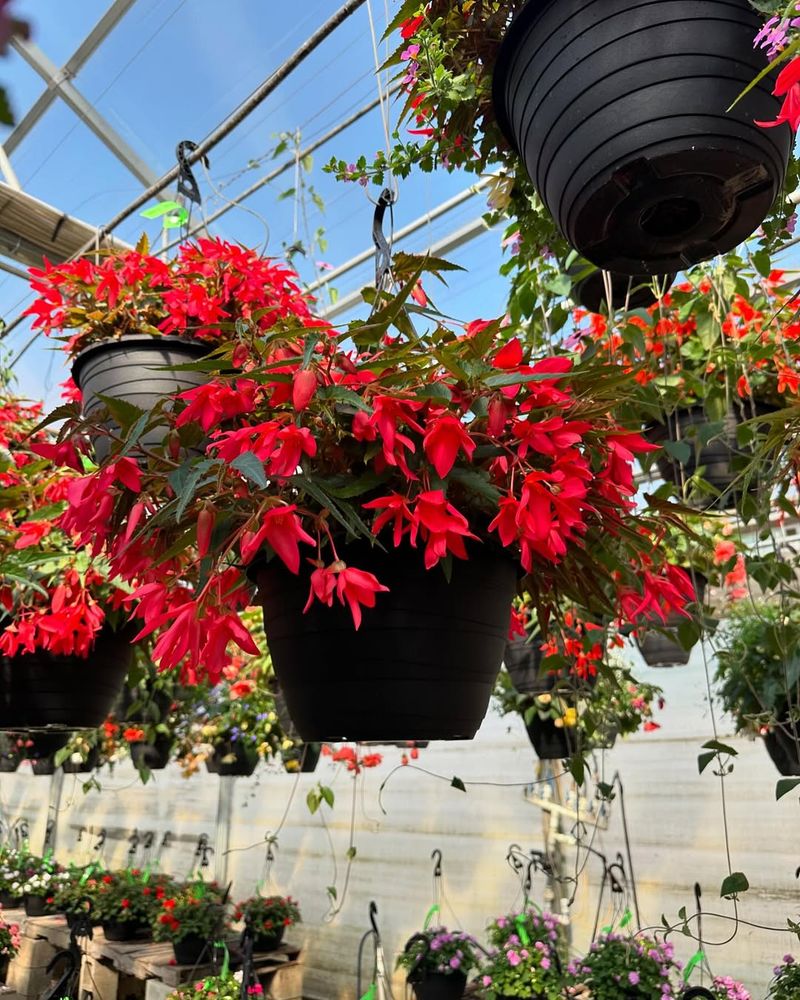
Suspended baskets utilize overhead space beautifully, adding layers of greenery that draw the eye upward while keeping ground areas completely clear.
Cascading plants like petunias, trailing ivy, cherry tomatoes, and strawberries look spectacular spilling over basket edges in colorful, flowing arrangements.
Strong hooks mounted into ceiling joists or sturdy brackets ensure baskets stay secure even when soil becomes heavy after Washington’s frequent rains.
Your Washington Garden Changes Every Week. Your Plan Should Too.
Gardening in Washington changes quickly throughout the season. Every Friday you’ll receive a simple weekly plan showing exactly what to plant, prune, fertilize, harvest, and protect so you never miss the right timing.
Grouping baskets at different heights creates a dynamic, three-dimensional garden that feels much larger than the actual footprint it occupies below.
Rotating baskets weekly ensures all sides receive equal sunlight, promoting balanced growth and preventing plants from leaning awkwardly toward light sources.
Lining baskets with coconut coir or sphagnum moss helps retain moisture longer, reducing how often you need to climb up for watering.
Mixing edibles with ornamentals in the same basket creates a cottage-garden charm that’s both practical and visually appealing for visitors.
This gardening method works perfectly for renters since baskets easily move with you when your lease ends without leaving permanent damage.
4. Window Box Plantings
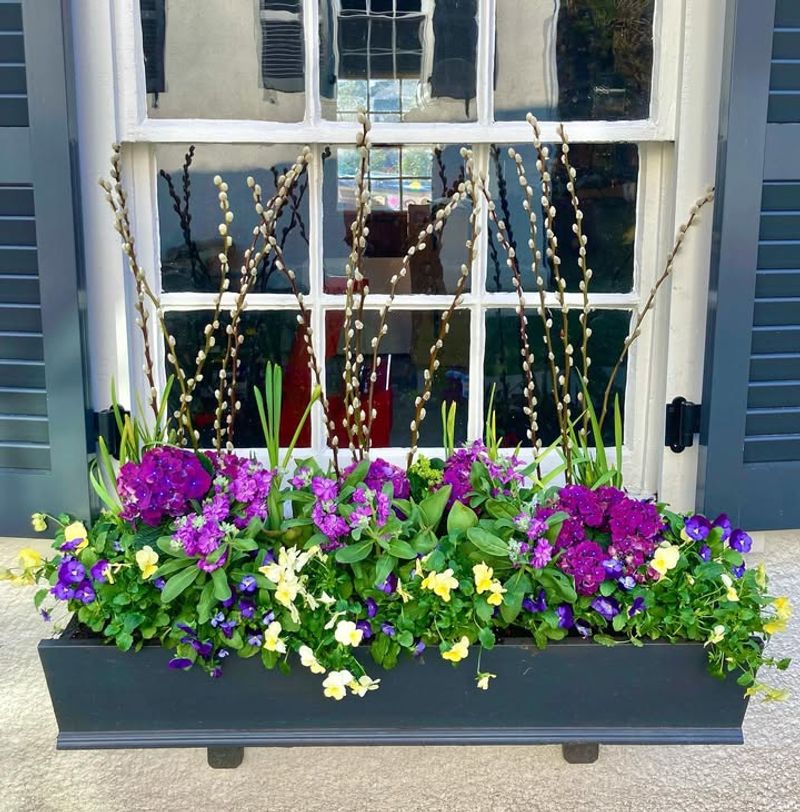
Window boxes transform ordinary windows into charming garden features that brighten both interior and exterior views with minimal space requirements needed.
Installing sturdy brackets beneath windows ensures boxes stay firmly attached even when filled with wet soil and mature plants during growth.
Herbs like basil, parsley, and thyme thrive in window boxes, providing fresh seasonings just an arm’s reach from your kitchen workspace.
Combining flowers with edibles creates a pleasing mix that looks attractive from the street while serving practical purposes for your cooking needs.
Washington’s cloudy days mean selecting shade-tolerant plants for north-facing windows, while sun-lovers flourish on south-facing exposures throughout growing seasons.
Drainage holes are essential to prevent waterlogging, which can quickly damage plant roots and cause boxes to deteriorate from constant moisture.
Lightweight potting mix specifically formulated for containers works better than heavy garden soil, making boxes easier to mount and handle safely.
Seasonal rotations keep window boxes interesting year-round, with spring bulbs giving way to summer annuals and then autumn decorative kale displays.
5. Tiered Planter Stands
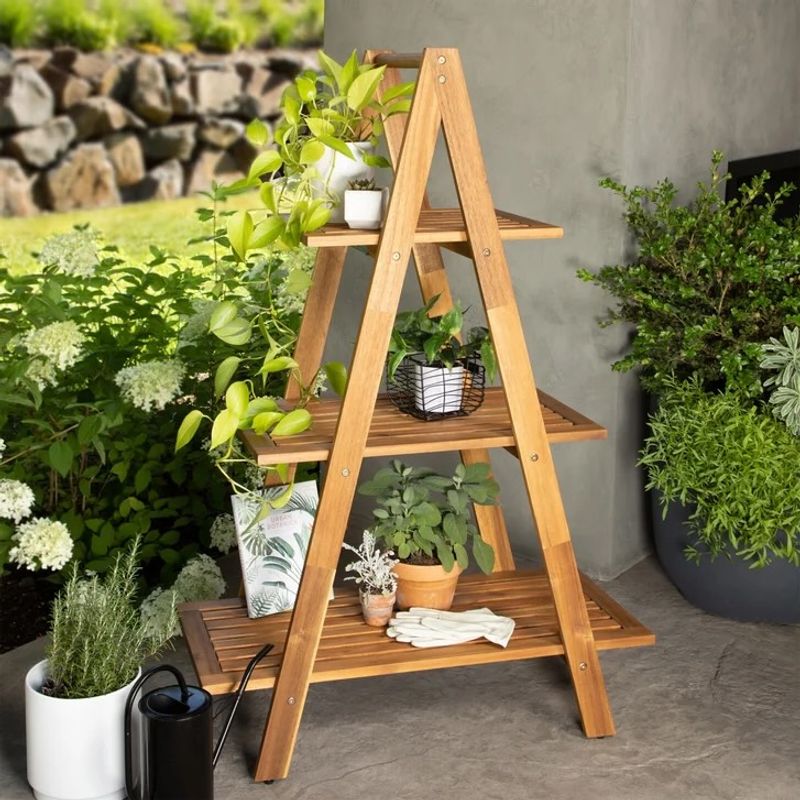
Stacked planters on multi-level stands maximize vertical growing space while maintaining easy access to every plant for watering and harvesting tasks.
These structures resemble staircases or pyramids, with each tier holding separate containers that can accommodate different plant varieties and care requirements.
Growing a mix of flowers, herbs, and vegetables on different levels creates an organized, visually striking display in compact urban spaces.
Placing sun-loving plants on upper tiers and shade-tolerant varieties below works well when taller plants cast shadows on lower levels.
Metal or wooden stands withstand Washington’s weather conditions better than plastic versions, which may crack during occasional cold snaps or intense heat.
Mobility is another advantage since many tiered stands include wheels, allowing you to chase sunlight or protect plants during unexpected storms.
Painting wooden stands with weatherproof sealant extends their lifespan while adding personalized color that complements your home’s exterior design scheme.
This gardening solution works beautifully on patios, balconies, or even indoors near bright windows where natural light streams in throughout daylight hours.
6. Herb Spiral Designs
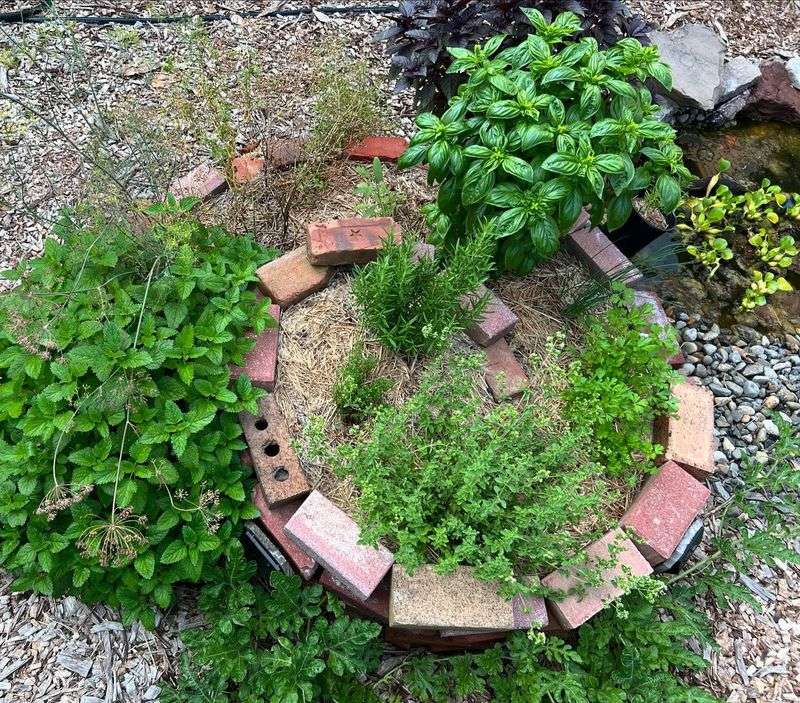
Spiral-shaped raised beds pack incredible plant diversity into surprisingly small footprints, making them ideal for tiny urban yards throughout Washington neighborhoods.
Building an herb spiral involves stacking stones or bricks in a coil pattern that rises from ground level to about waist height.
This clever design creates multiple microclimates within one structure, with the sunny top perfect for Mediterranean herbs like rosemary and thyme.
Middle sections receive moderate moisture and sun, suiting plants like parsley and cilantro that prefer balanced conditions without extreme dryness or wetness.
The shaded, moist base works wonderfully for mint and other herbs that thrive in cooler, damper environments found in Washington’s climate.
Construction requires minimal materials and can be completed in a single weekend by gardeners with basic DIY skills and enthusiasm.
The spiral shape also creates an attractive focal point that adds architectural interest to otherwise plain yards or patio areas needing character.
Harvesting becomes simple since all herbs remain within easy reach from any side, eliminating the need to stretch or step into beds.
7. Railing Planter Attachments
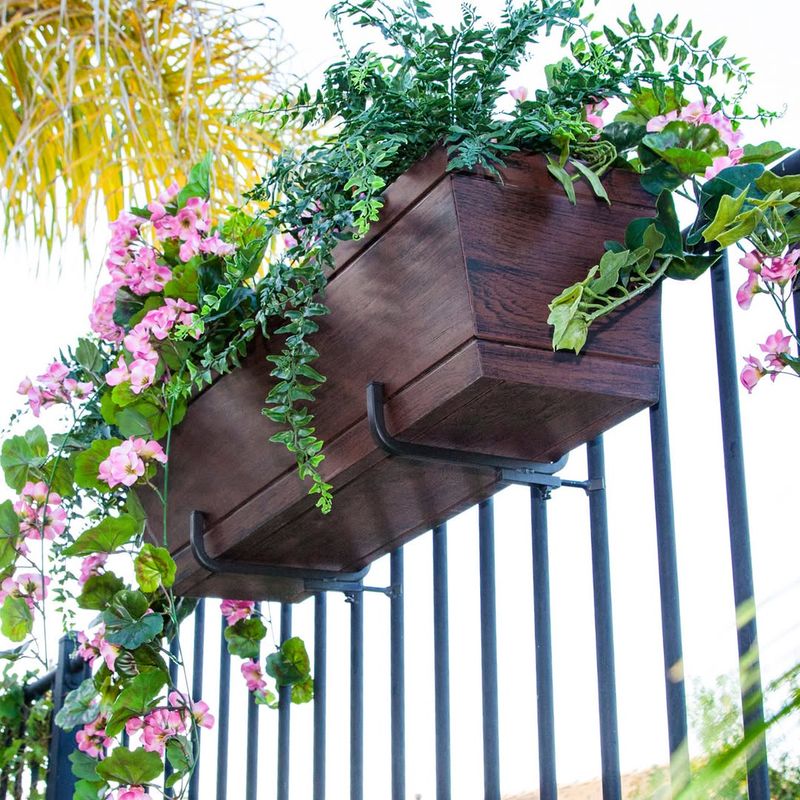
Deck and balcony railings offer untapped growing space that railing planters exploit perfectly without consuming any floor area that’s already limited.
These specialized containers hook securely over railing tops, with designs that accommodate various railing widths and styles found in Washington apartment buildings.
Growing petunias, geraniums, herbs, or trailing vegetables in railing planters adds color and greenery at eye level where they’re most noticeable.
Adjustable brackets ensure planters fit snugly without wobbling, preventing accidents caused by wind gusts or accidental bumps during daily activities outside.
Drainage systems built into quality railing planters prevent water from dripping onto lower balconies, maintaining good neighbor relations in multi-story buildings.
Mixing planter colors or sticking with uniform styles creates different aesthetic effects depending on your personal taste and building exterior colors.
Washington’s variable weather means securing planters extra firmly during winter months when storms bring stronger winds that could dislodge poorly attached containers.
This approach works especially well for renters since installation requires no permanent modifications that might violate lease agreements or cause security deposits.
8. Compact Raised Bed Boxes
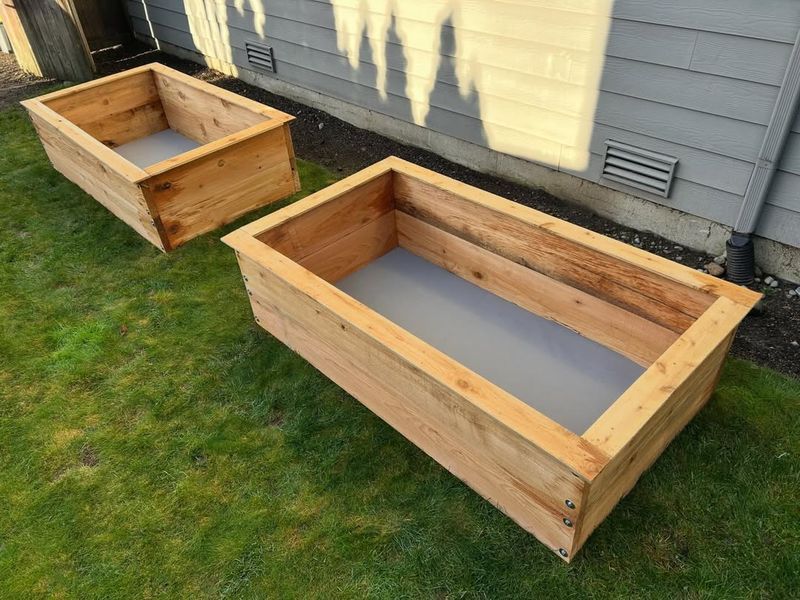
Small raised beds concentrate garden soil in defined areas, making them perfect for tiny yards where every square foot counts toward creating greenery.
Building or purchasing raised beds measuring just two feet by four feet provides ample space for growing salad greens, radishes, carrots, and compact vegetable varieties.
Elevating planting surfaces to comfortable heights reduces back strain during planting, weeding, and harvesting, making gardening more enjoyable for everyone involved.
Filling beds with quality soil mix ensures excellent drainage and nutrition that typical urban yard soil often lacks due to compaction or contamination.
Washington’s rainy climate means raised beds drain better than ground-level gardens, preventing root rot that plagues poorly drained planting areas.
Cedar or composite materials resist rot longer than untreated wood, providing years of service without needing replacement or extensive maintenance work.
Positioning beds near kitchen doors creates convenient access to fresh herbs and vegetables exactly when you need them for meal preparation.
Adding trellises to bed edges allows vertical growing of beans, peas, or cucumbers, effectively doubling your productive growing space within the same footprint.
9. Indoor Countertop Gardens
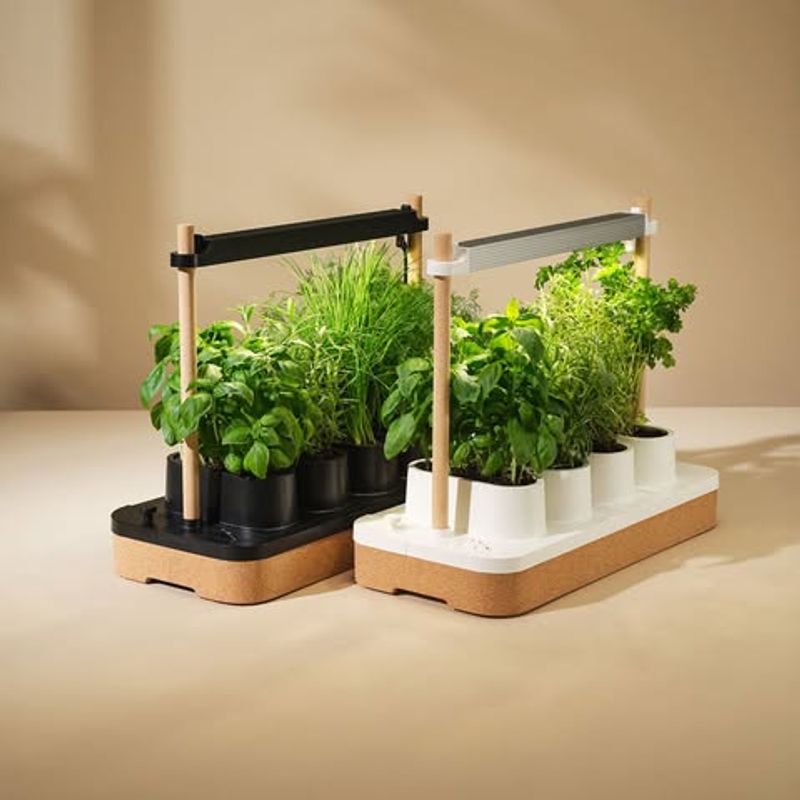
Kitchen counters become productive growing spaces with compact hydroponic systems or simple container setups that provide fresh herbs year-round regardless of weather.
Countertop gardens work brilliantly in Washington apartments lacking outdoor space, bringing nature indoors where it brightens kitchens and purifies indoor air.
Modern hydroponic units automate watering and lighting, making them foolproof even for people who’ve struggled with traditional gardening methods in the past.
Growing basil, mint, cilantro, and parsley indoors means fresh seasonings are always available, improving meal flavors while reducing grocery expenses over time.
Natural light from south-facing windows supports plant growth, though supplemental LED grow lights ensure success even in darker kitchen areas.
Small footprints mean these gardens fit easily on counters without displacing essential kitchen tools or creating clutter that makes cooking difficult.
Rotating plant varieties seasonally keeps your indoor garden interesting and ensures you’re always growing herbs you actually use in your cooking.
Children especially enjoy watching seeds sprout and plants grow, making countertop gardens excellent educational tools that teach responsibility and plant biology concepts.
10. Pallet Garden Conversions
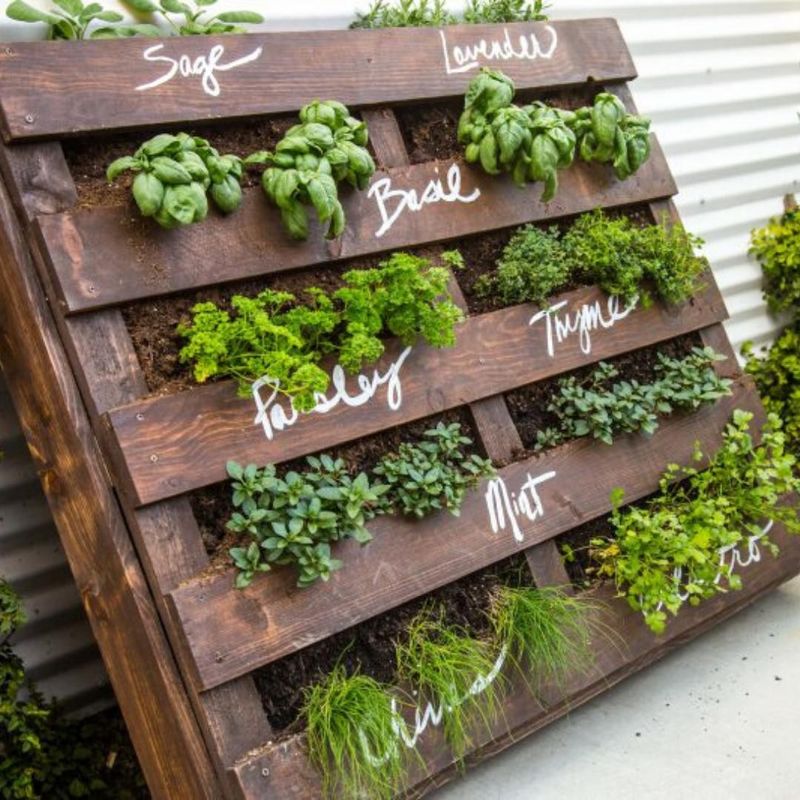
Wooden shipping pallets transform into vertical gardens through simple modifications that cost almost nothing but deliver impressive results in tight urban spaces.
Standing pallets upright and adding landscape fabric backing creates pockets between slats where you can tuck soil and plants for vertical growing.
This upcycling project appeals to environmentally conscious Washington residents who appreciate repurposing materials that might otherwise end up in landfills.
Succulents, strawberries, lettuce, and small flowers all thrive in pallet gardens that lean against walls or fences in narrow side yards.
Sanding rough wood and applying outdoor stain protects pallets from Washington’s moisture while creating a finished appearance that looks intentional and attractive.
Attaching pallets securely to walls prevents tipping accidents that could damage plants or create safety hazards in areas where children play.
Watering pallet gardens requires care since water runs down through layers, meaning upper plants need more frequent attention than lower ones.
This budget-friendly option lets renters and homeowners experiment with vertical gardening without significant financial investment or long-term commitment to expensive systems.
11. Tabletop Miniature Gardens
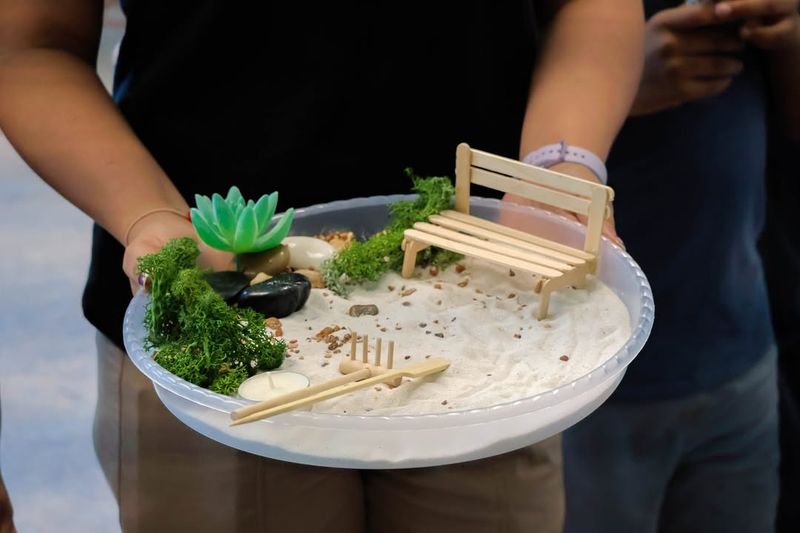
Small tables on patios or balconies become delightful garden displays when topped with collections of miniature plants in decorative containers and arrangements.
Fairy gardens, succulent arrangements, and bonsai collections create enchanting focal points that require minimal space but deliver maximum visual impact and interest.
Washington’s moderate climate allows outdoor tabletop gardens to thrive most of the year, with brief winter protection needed during occasional cold spells.
Grouping small pots of varying heights and textures creates dimension and interest that single large containers can’t match in compact areas.
Themed gardens tell stories through carefully chosen miniature accessories, plants, and container styles that reflect your personality and creative vision beautifully.
Moving tabletop gardens indoors during harsh weather protects delicate plants while maintaining greenery inside your home throughout colder months ahead.
Children love creating and maintaining miniature gardens, making this activity perfect for families wanting to garden together in limited urban spaces.
Rotating seasonal displays keeps tabletop gardens fresh and interesting, with spring bulbs giving way to summer tropicals and autumn decorative grasses throughout the year.