9 Gardening Trends Set To Take Over Washington Backyards In 2026
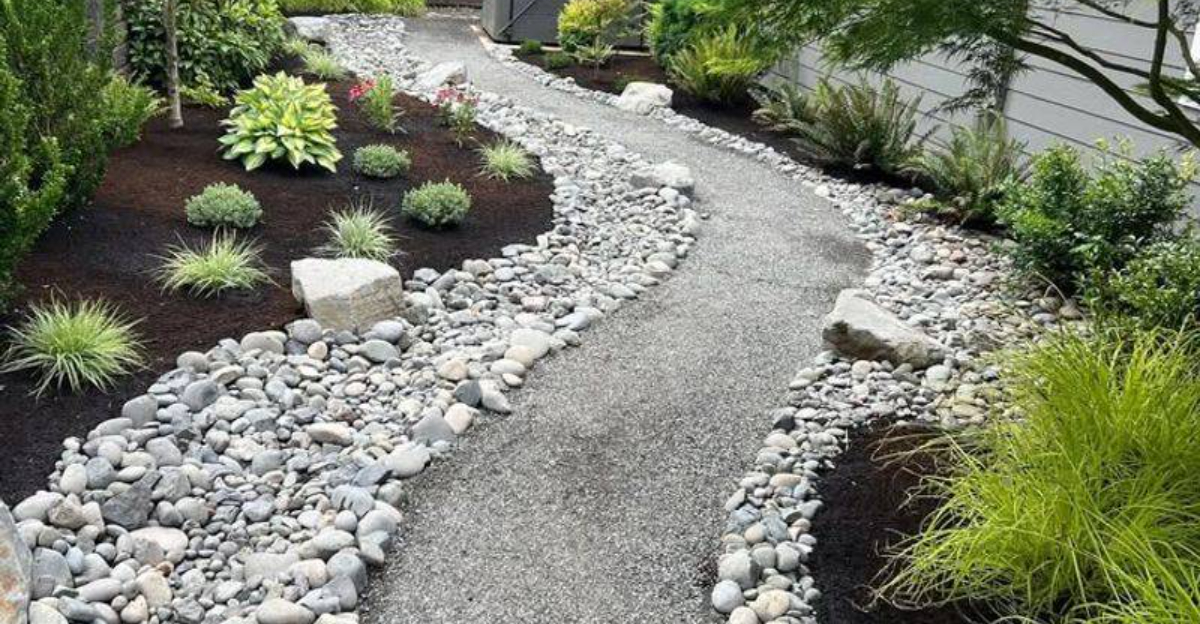
Gardening in Washington has always marched to its own beat, but 2026 is shaping up to be a year of bold shifts and smarter choices.
Homeowners are rethinking what they plant, how they garden, and why they do it in the first place.
The focus is moving away from high-maintenance landscapes and toward designs that actually work with the region’s climate.
Sustainability isn’t just a buzzword anymore—it’s becoming the backbone of backyard decisions.
Gardeners want spaces that conserve water, support wildlife, and still look good year-round.
At the same time, personal expression is making a comeback, with more people blending beauty and function instead of choosing one over the other.
These nine gardening trends reflect what Washington homeowners are craving most: resilience, flexibility, and gardens that fit real life.
From plant choices to layout ideas, the shift is clear.
Backyards in 2026 won’t just be places to look at—they’ll be spaces to use, enjoy, and grow with for years to come.
1. Climate-Resilient Planting Becomes The New Normal
Gardeners all over Washington are shifting their plant choices to match the reality of unpredictable weather patterns.
Wetter winters followed by surprisingly dry summers have become the norm, and temperature swings can stress plants that were once considered reliable.
Choosing climate-resilient varieties means selecting species that can handle these extremes without constant intervention.
Drought-tolerant perennials like lavender, sedum, and yarrow are gaining ground because they thrive even when rainfall is inconsistent.
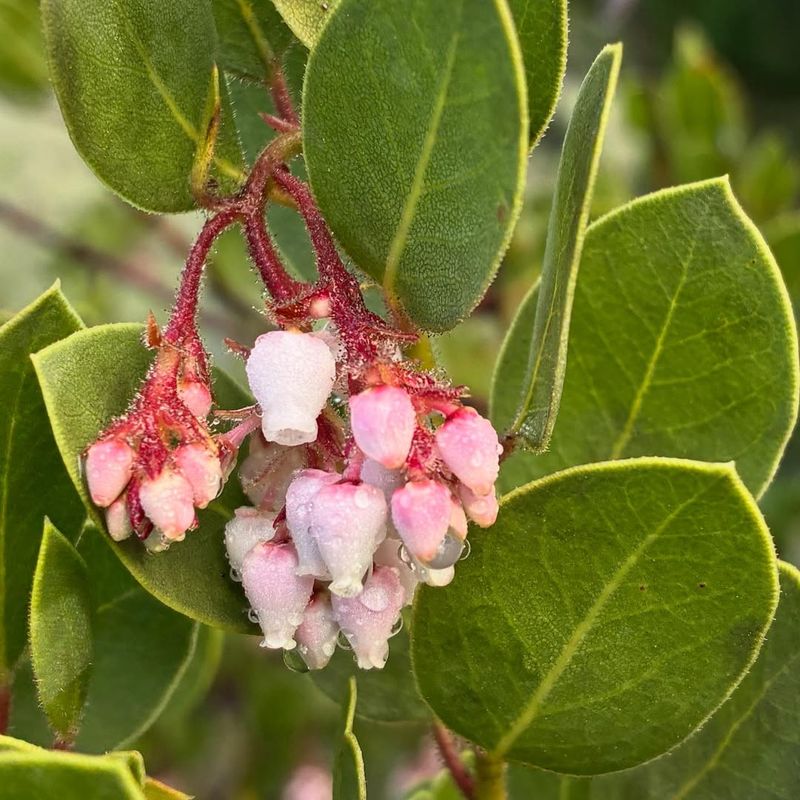
Shrubs such as manzanita and ceanothus offer structure and color while requiring minimal water once established.
Mulching around plants helps retain moisture during dry spells and protects roots from temperature fluctuations.
Grouping plants by water needs—known as hydrozoning—reduces waste and keeps each section of the garden healthier.
Rain barrels and drip irrigation systems are also becoming standard tools for managing water more efficiently.
Resilient planting is not just about survival; it’s about creating gardens that look good year-round without demanding constant attention.
This approach saves time, conserves resources, and keeps your backyard thriving no matter what the weather brings.
2. Native-First Gardens Gain Mainstream Popularity
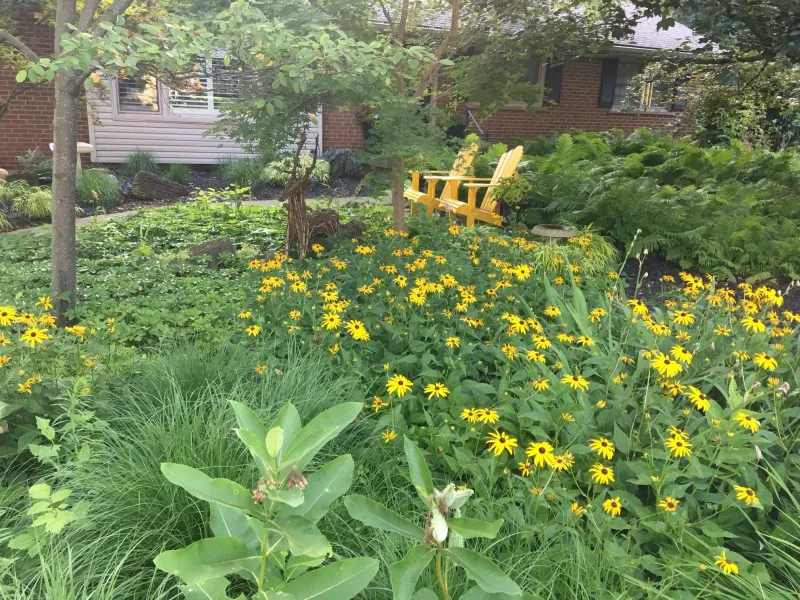
Native plants are no longer just for conservation-minded gardeners—they’re becoming the go-to choice for homeowners across Washington.
Species like Oregon grape, red-flowering currant, and salal are perfectly adapted to local soil and weather conditions, which means they need less water, fertilizer, and pest control.
These plants have evolved alongside local wildlife, so they provide essential food and habitat for birds, bees, and butterflies.
A native-first garden supports the ecosystem in ways that non-native ornamentals simply cannot match.
Maintenance drops significantly because these plants are naturally suited to the region’s rainfall patterns and temperature ranges.
They also tend to be more resistant to local pests and diseases, reducing the need for chemical treatments.
Design-wise, native gardens offer a wide range of textures, colors, and seasonal interest, from the bold leaves of sword ferns to the delicate blooms of camas.
Homeowners are discovering that going native doesn’t mean sacrificing beauty—it often enhances it.
Your Washington Garden Changes Every Week. Your Plan Should Too.
Gardening in Washington changes quickly throughout the season. Every Friday you’ll receive a simple weekly plan showing exactly what to plant, prune, fertilize, harvest, and protect so you never miss the right timing.
Local nurseries are stocking more native species than ever before, making it easier to find the right plants for your space.
This trend reflects a growing awareness that the best gardens are the ones that fit naturally into their surroundings.
3. Lawn Reduction And Naturalized Landscapes
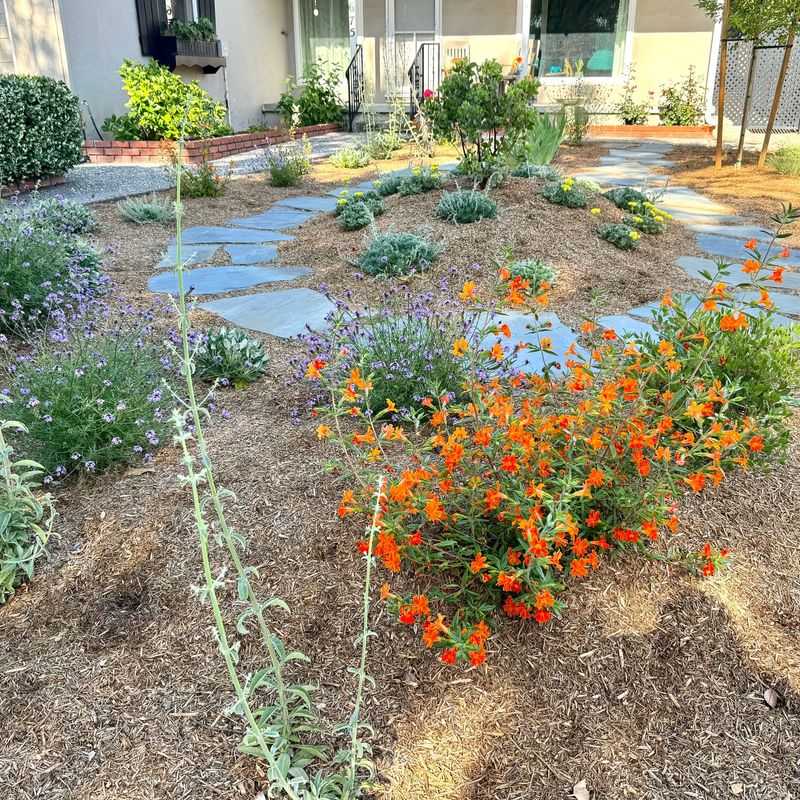
Traditional grass lawns are losing their appeal as Washington homeowners embrace meadow-style and mixed planting designs.
Lawns require constant mowing, watering, and fertilizing, which takes time, money, and resources that many people no longer want to spend.
Naturalized landscapes replace turf with low-growing perennials, wildflowers, and grasses that need far less upkeep.
These spaces look more dynamic and interesting throughout the seasons, with blooms, seed heads, and foliage that change with the months.
They also support pollinators and beneficial insects, turning your yard into a habitat instead of a monoculture.
Clover lawns, creeping thyme, and moss are popular alternatives that stay green with minimal intervention.
Some homeowners are keeping small patches of grass for play or seating areas while converting the rest to naturalized zones.
This approach aligns perfectly with Washington’s sustainability goals and water conservation efforts.
Reduced mowing means less noise, fewer emissions, and more time to enjoy your outdoor space.
The shift away from lawns is not just practical—it’s a statement about how we value biodiversity and ecological health in our own backyards.
4. Backyard Food Gardens Expand Beyond Vegetables
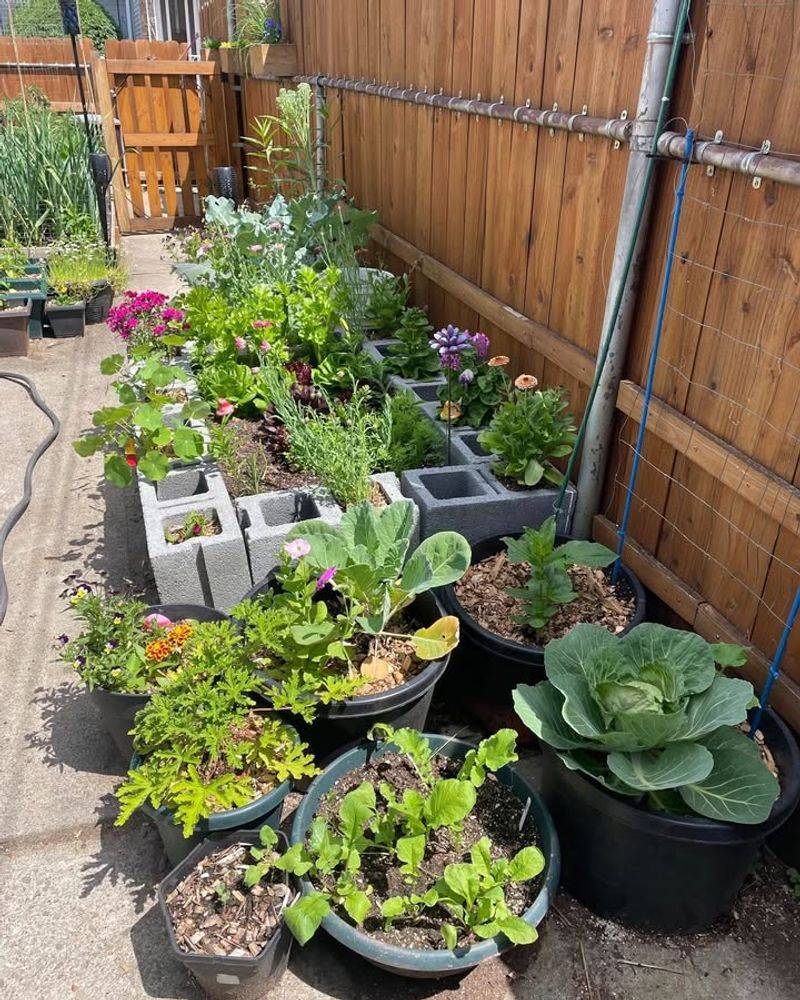
Vegetable beds are no longer the only stars of the edible garden—berries, fruit trees, and perennial crops are taking center stage in 2026.
Washington’s climate is ideal for growing blueberries, raspberries, and strawberries, which produce abundant harvests with relatively little effort once established.
Dwarf and semi-dwarf fruit trees like apples, pears, and plums fit comfortably into smaller yards and can be trained along fences or walls.
Perennial edibles such as asparagus, rhubarb, and artichokes come back year after year, reducing the need for replanting and offering long-term food security.
Homeowners are blending these plants into ornamental beds, creating landscapes that are both beautiful and productive.
Edible landscaping saves money on groceries while providing fresh, chemical-free food right outside the door.
It also encourages kids and families to connect with where their food comes from and how it grows.
Companion planting strategies help maximize yields and protect crops from pests naturally.
The trend reflects a broader shift toward self-sufficiency and a desire to make every square foot of the garden count.
Food-focused backyards are no longer just practical—they’re a source of pride, beauty, and daily enjoyment.
5. Rain-Friendly Gardens And Better Drainage Design
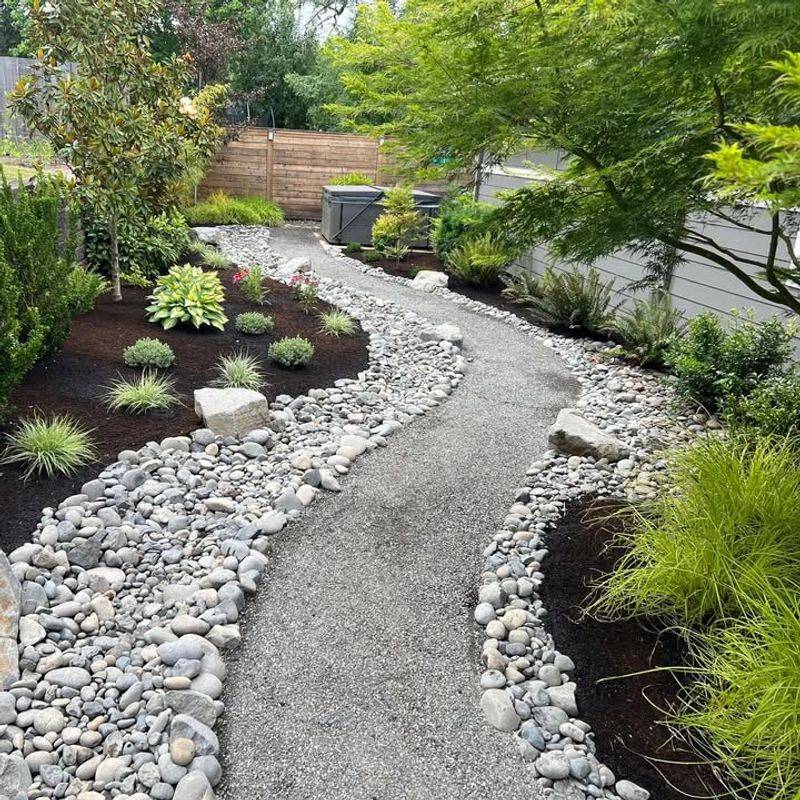
Heavy rainfall and flooding are becoming more common in Washington, and homeowners are responding with smarter drainage solutions built right into their gardens.
Rain gardens are shallow, planted depressions that capture runoff from roofs, driveways, and patios, allowing it to soak into the ground slowly instead of overwhelming storm drains.
These gardens filter pollutants and reduce erosion while supporting plants that thrive in wet conditions, like rushes, sedges, and native iris.
Swales—gently sloped channels—guide water through the landscape and prevent pooling in unwanted areas.
Permeable paving materials like gravel or porous pavers allow rainwater to seep through instead of running off, reducing flooding and recharging groundwater.
Improved drainage protects plant roots from sitting in waterlogged soil, which can lead to rot and disease.
These features also add visual interest, turning functional infrastructure into attractive landscape elements.
Many local governments offer incentives or rebates for installing rain gardens and other green stormwater solutions.
Homeowners are realizing that managing water on-site is not only better for the environment—it also protects their property and keeps plants healthier.
Rain-friendly design is quickly becoming an essential part of any well-planned Washington garden.
6. Low-Maintenance, High-Impact Garden Design
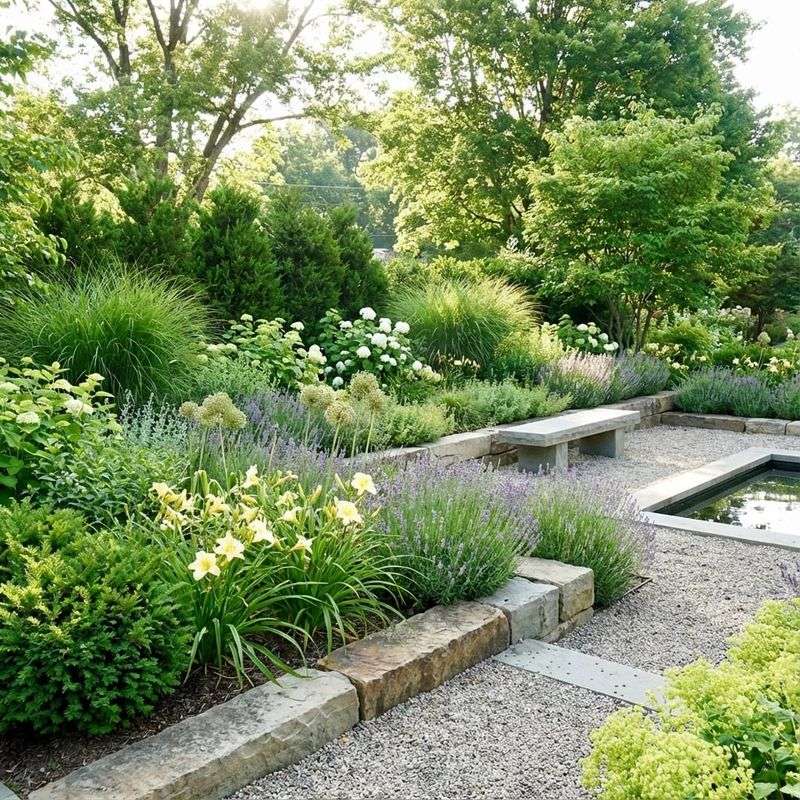
Busy homeowners are moving away from fussy, high-maintenance gardens and embracing designs that deliver big visual impact with minimal effort.
The key is choosing fewer plants with strong structure, interesting textures, and year-round appeal instead of cramming beds with dozens of finicky species.
Evergreen shrubs like boxwood, hebe, and Japanese holly provide consistent form and color even in winter.
Ornamental grasses add movement and seasonal interest without needing deadheading or frequent division.
Perennials with long bloom times or attractive foliage—like heuchera, echinacea, and sedum—reduce the need for replanting and constant care.
Hardscaping elements like stone pathways, raised beds, and mulched borders cut down on weeding and define spaces clearly.
Automated irrigation systems and timers take the guesswork out of watering, ensuring plants get what they need without daily attention.
Grouping plants by maintenance needs makes it easier to focus efforts where they matter most.
This trend reflects a shift toward intentional design, where every plant earns its place by looking good and requiring little fuss.
Low-maintenance gardens free up time for enjoying the outdoors instead of constantly working in it.
7. Wildlife-Centered Backyard Planning

Gardeners are intentionally designing their backyards to support birds, pollinators, and beneficial insects, turning outdoor spaces into thriving mini-ecosystems.
Planting native flowers like lupine, asters, and goldenrod provides nectar and pollen for bees, butterflies, and hummingbirds throughout the growing season.
Leaving seed heads standing in fall and winter offers food for birds and shelter for overwintering insects.
Brush piles, log stacks, and rock piles create hiding spots and nesting sites for small mammals, amphibians, and beneficial bugs.
Water features like birdbaths, shallow dishes, or small ponds give wildlife a place to drink and bathe year-round.
Avoiding pesticides and herbicides protects the very creatures you’re trying to attract and keeps the food chain healthy.
Layered plantings—with trees, shrubs, and ground covers—mimic natural habitats and provide diverse resources for different species.
Homeowners are discovering that wildlife-friendly gardens are more interesting to watch and more rewarding to maintain.
This trend reflects a growing understanding that gardens are not just for people—they’re part of a larger living network.
Creating habitat in your own backyard is one of the most impactful things you can do for local biodiversity.
8. Outdoor Living Spaces Blended Into Garden Design
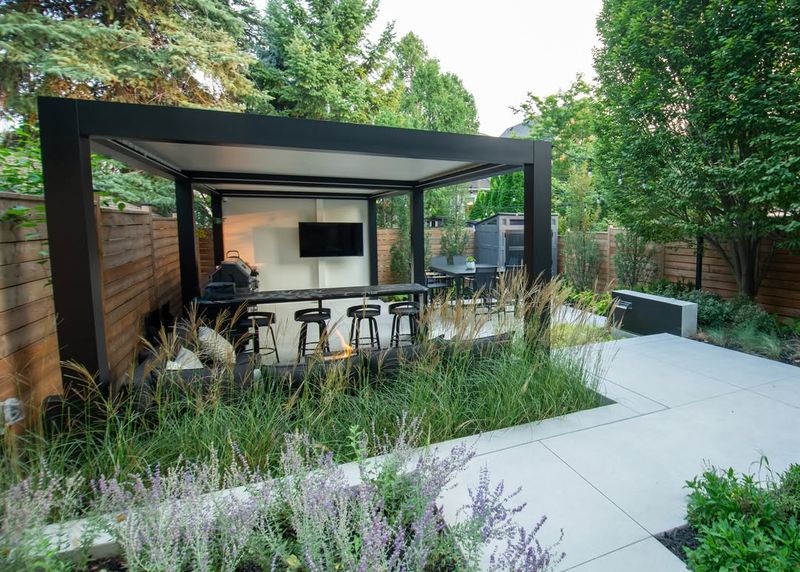
Patios, seating areas, and garden rooms are no longer separate from the plantings—they’re being woven directly into the landscape for a seamless indoor-outdoor experience.
Homeowners are creating cozy nooks surrounded by fragrant herbs, flowering shrubs, and ornamental grasses that soften hardscaping and add privacy.
Fire pits and outdoor kitchens are nestled into garden beds, making entertaining feel more connected to nature.
Pergolas and arbors draped with climbing plants like clematis or honeysuckle provide shade while adding vertical interest.
Pathways meander through plantings instead of cutting straight lines, inviting exploration and making the garden feel larger.
Container gardens on patios and decks extend the planting palette and allow for seasonal updates without major redesigns.
This trend reflects lifestyle changes in 2026, with more people working from home and seeking comfortable, functional outdoor spaces for relaxation and socializing.
Blending living areas into the garden blurs boundaries and makes the whole yard feel like an extension of the home.
Lighting plays a key role, highlighting plants and pathways to make outdoor spaces usable after dark.
The result is a backyard that’s not just pretty to look at—it’s a place you actually want to spend time in every day.
9. Smarter Gardening Through Observation, Not Gadgets
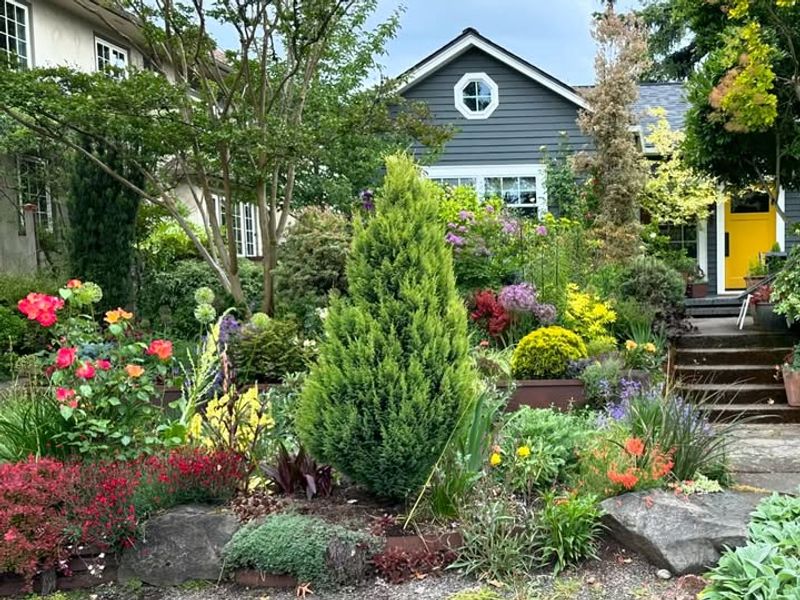
Washington gardeners are stepping away from high-tech gadgets and embracing a slower, more intentional approach rooted in observation and soil health.
Instead of relying on apps and sensors, they’re spending time watching how plants respond to their environment and adjusting care based on what they see.
Soil health has become the foundation of this trend, with more people testing their soil, adding compost, and building organic matter to support strong root systems.
Understanding seasonal rhythms—when to plant, prune, and mulch—comes from paying attention to local weather patterns and plant behavior rather than following generic schedules.
This approach encourages working with Washington’s natural cycles, like planting in fall when rains return or mulching heavily before winter to protect roots.
Composting and mulching reduce the need for synthetic fertilizers while improving soil structure and moisture retention.
Gardeners are learning to recognize beneficial insects, healthy foliage, and signs of stress early, which allows them to intervene gently and effectively.
This trend is about building a deeper connection to the land and trusting that nature knows what it’s doing.
Smarter gardening means less rushing, less spending, and more satisfaction from truly understanding your backyard ecosystem.