Alabama Homeowners Are Spotting A Shiny Metallic Bug, Here’s What It Really Is
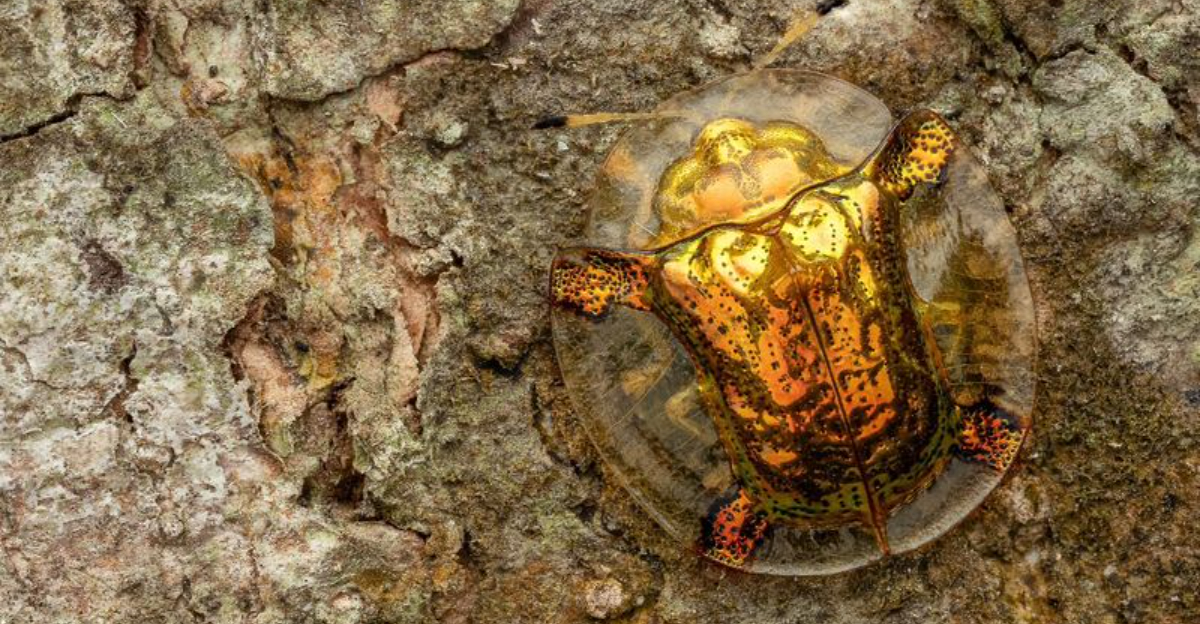
Alabama gardens are buzzing with curiosity as homeowners spot a strange, shiny bug that looks like it’s made of pure gold.
This tiny insect has a mirror-like shell that gleams in the sunlight, catching everyone’s attention.
While it might seem unusual or even alarming at first, this metallic visitor is actually a harmless and fascinating part of nature.
Understanding what this beetle really is can help you appreciate its beauty and know exactly how to respond when you see one in your yard.
Why Alabama Homeowners Are Suddenly Seeing A Shiny Gold Beetle
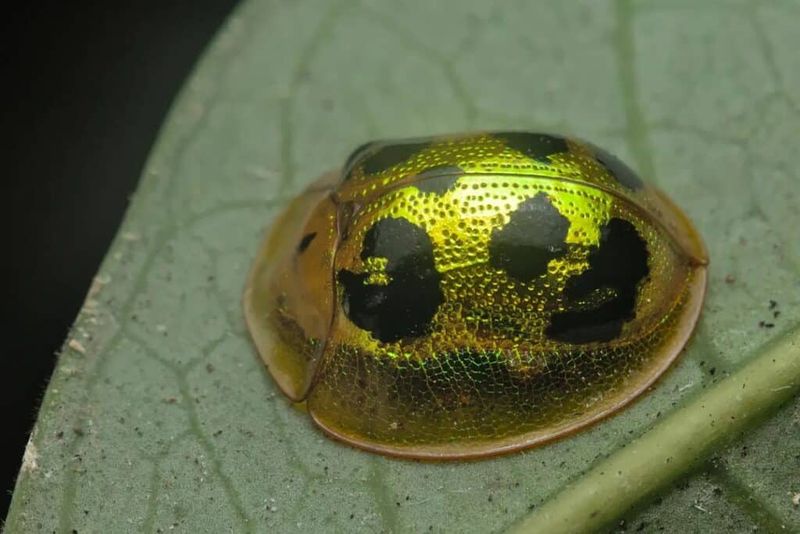
Spring and early summer bring a surge of garden activity across Alabama, and with it comes the appearance of the Golden Tortoise Beetle.
Warmer temperatures and increased rainfall create perfect conditions for plant growth, especially morning glories, sweet potatoes, and other vines that this beetle loves.
As these plants flourish, the beetles emerge from their winter hiding spots to feed and reproduce.
The timing coincides with when homeowners spend more time outdoors tending to gardens, making encounters more likely.
Alabama’s mild climate supports multiple generations of these beetles throughout the growing season.
Each generation adds to the visible population, creating noticeable clusters on favorite host plants.
Weather patterns also play a role in sightings.
A particularly wet spring followed by warm, sunny days encourages vigorous vine growth, which attracts more beetles to residential areas.
The insects become especially active during daylight hours when their metallic shells catch the sun’s rays.
This natural shine makes them stand out against green foliage, drawing immediate attention from curious homeowners.
Increased awareness through social media has also led more people to notice and share their beetle sightings.
What might have gone unnoticed years ago now becomes a topic of neighborhood conversation.
The combination of favorable environmental conditions and heightened awareness explains why so many Alabama residents are spotting these golden visitors this season.
What The Golden Tortoise Beetle Actually Is
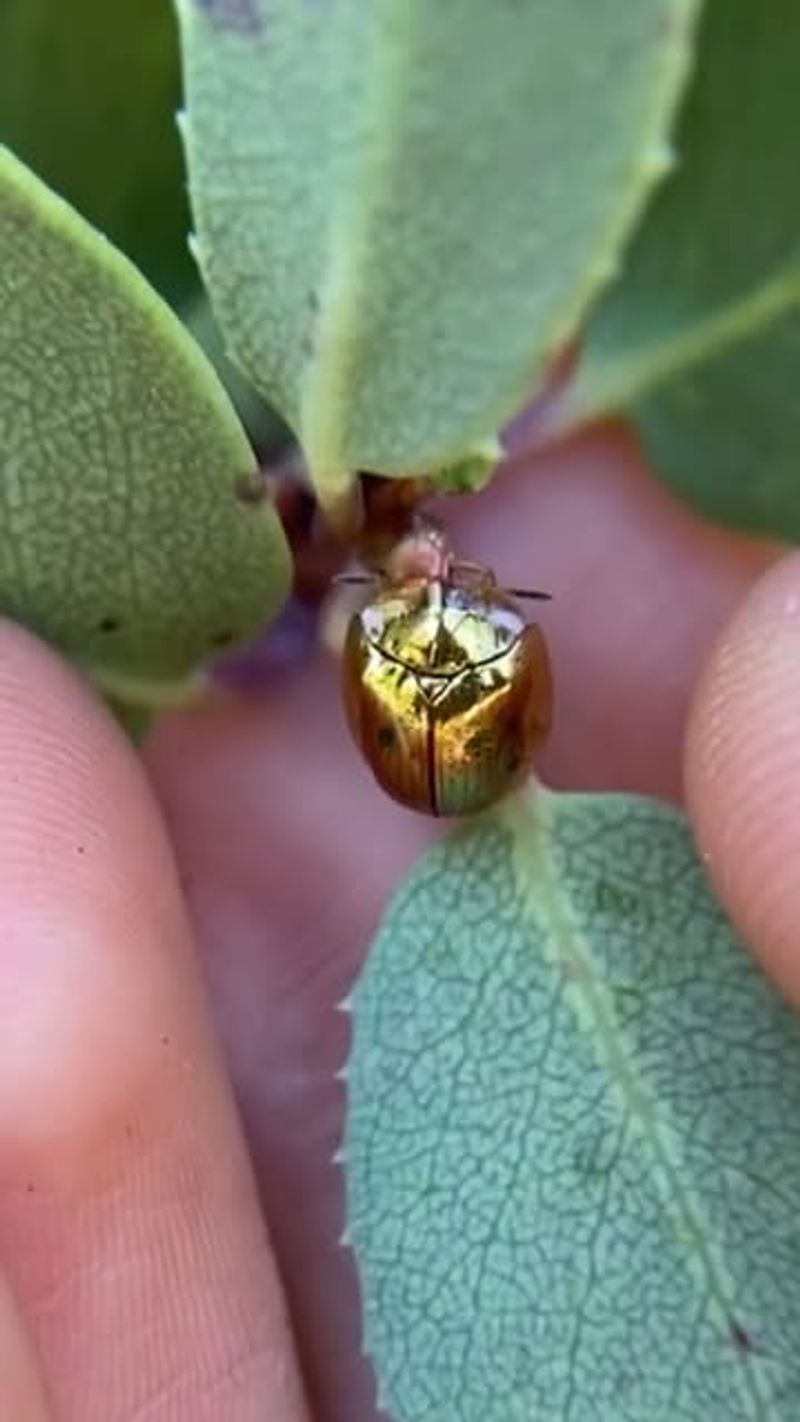
The Golden Tortoise Beetle, scientifically known as Charidotella sexpunctata, is a tiny member of the leaf beetle family.
Adults measure only about a quarter-inch across, roughly the size of a ladybug.
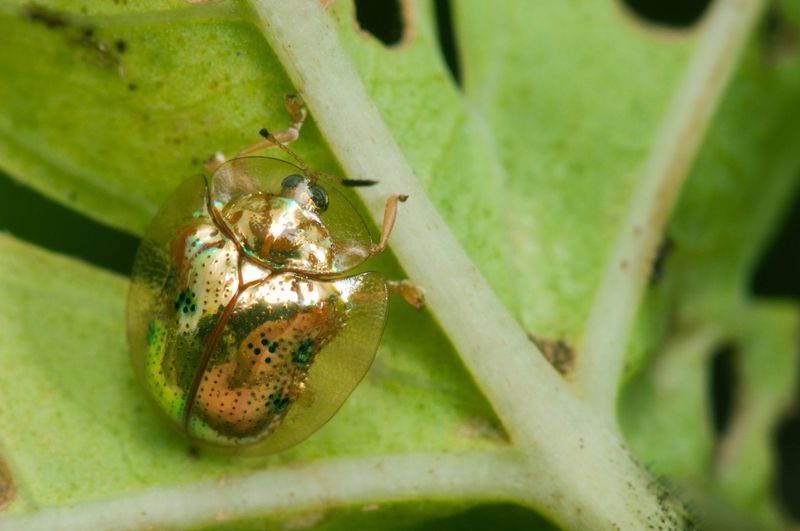
Their most striking feature is their dome-shaped body that resembles a miniature turtle shell, which gives them their common name.
Unlike many garden pests that appear dull or threatening, this beetle sports a brilliant metallic gold exterior that can shift to copper or bronze depending on the lighting.
The shell extends slightly beyond the body, creating a flattened edge that enhances its shield-like appearance.
When viewed from above, the beetle appears almost perfectly round.
Its legs and head tuck neatly underneath the protective shell, making it look like a tiny golden coin resting on a leaf.
This species belongs to a larger group called tortoise beetles, all sharing similar body shapes but different colors.
The Golden Tortoise Beetle stands out as one of the most visually stunning insects found in North American gardens.
Unlike destructive pests such as Japanese beetles or aphids, the Golden Tortoise Beetle moves slowly and feeds minimally.
Your Alabama Garden Changes Every Week. Your Plan Should Too.
Gardening in Alabama changes quickly throughout the season. Every Friday you’ll receive a simple weekly plan showing exactly what to plant, prune, fertilize, harvest, and protect so you never miss the right timing.
It lacks the aggressive feeding behavior that causes widespread plant damage.
Homeowners often mistake it for a piece of jewelry or a decorative ornament rather than a living insect.
Its harmless nature and remarkable beauty make it more of a garden curiosity than a cause for concern.
Why This Beetle Looks Like Polished Gold
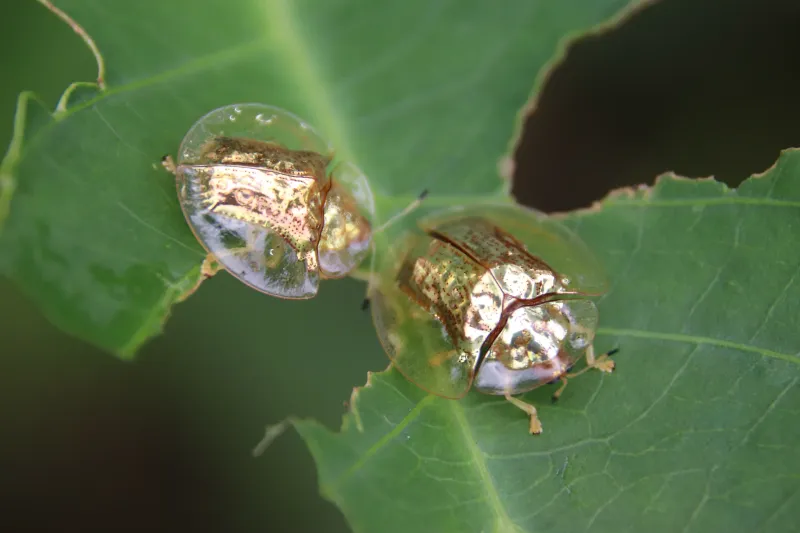
The Golden Tortoise Beetle’s stunning metallic appearance comes from a remarkable optical trick rather than actual gold pigment.
Its shell contains multiple transparent layers separated by microscopic liquid-filled spaces.
When light hits these layers, it bounces between them, creating interference patterns that produce the brilliant gold color we see.
This phenomenon, called structural coloration, is similar to how soap bubbles display rainbow colors.
The beetle can actually control this effect by adjusting the moisture content in the spaces between shell layers.
When stressed, threatened, or disturbed, the beetle may drain fluid from these spaces, causing the gold color to fade to a dull reddish-brown.
This color change serves as a defense mechanism, making the beetle less conspicuous to predators.
Once the beetle relaxes, the fluid returns and the golden shine reappears within minutes.
Scientists have studied this ability extensively, hoping to develop new materials that change color in response to environmental conditions.
The same principle appears in other animals, including certain butterflies and fish scales.
Unlike paint or pigment that fades over time, structural color remains vibrant throughout the beetle’s life.
The intensity of the gold appearance varies with viewing angle and lighting conditions.
Direct sunlight produces the most dazzling effect, making the beetle appear almost luminous against dark green leaves.
Where Alabama Homeowners Are Most Likely To Find It
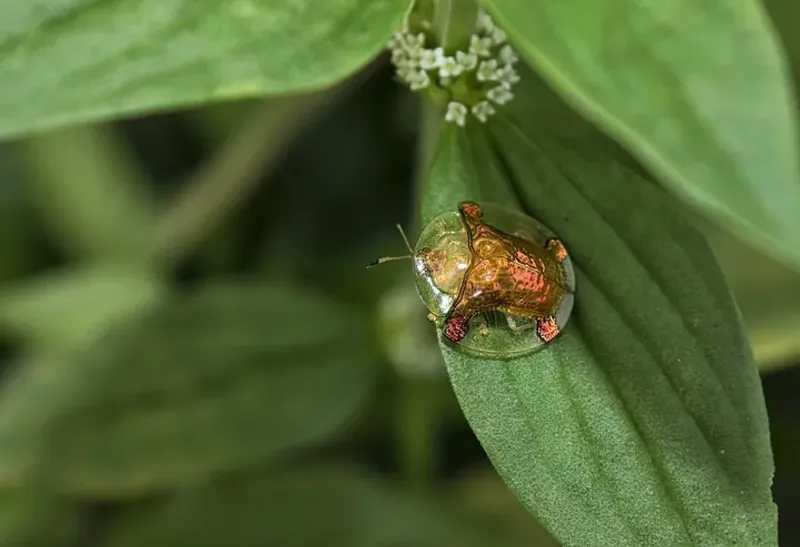
Golden Tortoise Beetles show a strong preference for plants in the morning glory family, making them frequent visitors to Alabama gardens.
Homeowners growing ornamental morning glories, sweet potato vines, or bindweed often discover these beetles on the leaves.
The insects particularly favor sweet potato plants, both ornamental varieties with colorful foliage and edible varieties grown for harvest.
Look for them on the upper surfaces of leaves where they feed on the tender tissue.
They tend to cluster near new growth where leaves are softest and most nutritious.
Garden beds, container plantings, and hanging baskets featuring these host plants attract the beetles during their active season.
Fences and trellises supporting climbing vines become prime beetle habitat.
The beetles prefer sunny locations where their host plants thrive, rather than shaded areas.
Vegetable gardens with sweet potato rows often host small populations throughout the growing season.
Wildflower areas containing native morning glory species can also attract these beetles.
They rarely venture far from their preferred food sources, so homeowners without these specific plants may never encounter them.
The beetles become most visible during morning hours when they actively feed and when dew on their shells enhances their metallic shine.
Checking the undersides of leaves may reveal larvae, which look completely different from the golden adults.
Is The Golden Tortoise Beetle Harmful To Gardens Or Lawns
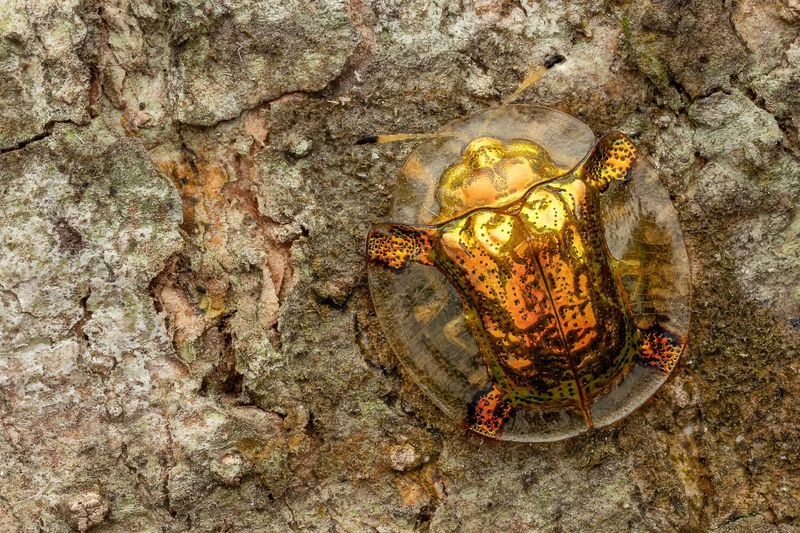
Despite being a leaf-eating insect, the Golden Tortoise Beetle poses minimal threat to most Alabama landscapes.
These beetles feed by chewing small holes in leaves, but their populations rarely reach levels that cause significant damage.
A few beetles on a plant might create some cosmetic imperfections, but the overall health of the plant remains unaffected.
Sweet potato crops can tolerate considerable leaf damage without impacting tuber production underground.
Ornamental morning glories and sweet potato vines grow so vigorously that they quickly replace any tissue the beetles consume.
Unlike more destructive pests that can strip entire plants bare, Golden Tortoise Beetles feed slowly and selectively.
Their small size and relatively modest appetites mean even a cluster of beetles causes only minor aesthetic concerns.
Lawns remain completely safe as these beetles have no interest in grass or turf.
They ignore most garden vegetables, flowers, and shrubs, focusing exclusively on their preferred host plants.
Commercial sweet potato growers occasionally monitor populations, but home gardeners rarely need to take action.
The beetles also face natural predators including birds, spiders, and parasitic wasps that help keep numbers in check.
Their presence indicates a healthy ecosystem rather than an impending plant crisis.
Most Alabama homeowners can simply enjoy watching these beautiful insects without worrying about garden damage.
Is This Shiny Beetle Dangerous To People Or Pets
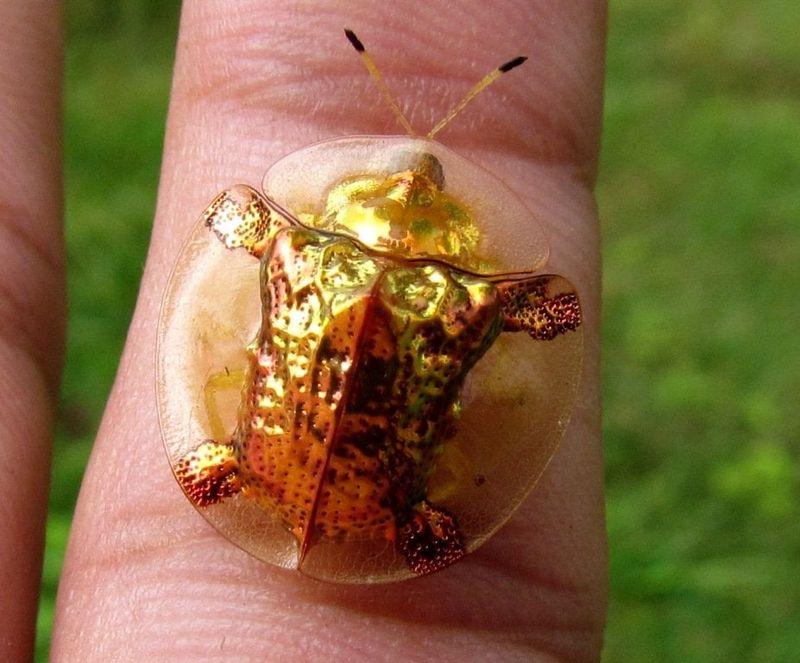
Alabama homeowners can rest easy knowing the Golden Tortoise Beetle presents absolutely no danger to people or pets.
These beetles lack any defensive mechanisms that could harm humans.
They cannot bite, sting, or inject venom of any kind.
Their mouthparts are designed exclusively for chewing plant tissue and cannot penetrate human or animal skin.
When picked up, the beetle typically tucks its legs under its shell and remains motionless rather than attempting to defend itself.
It produces no irritating chemicals or foul odors that might cause skin reactions.
Children can safely observe these beetles up close without any risk of injury.
Pets that accidentally ingest a beetle while exploring the garden will experience no ill effects.
The beetle’s hard shell might cause a moment of coughing if swallowed, but it contains no toxins.
Dogs and cats typically show little interest in these slow-moving insects anyway.
The beetles carry no diseases that affect humans or domestic animals.
They don’t infest homes, contaminate food, or damage household items.
Their entire life cycle occurs outdoors on specific plants, so they never become indoor pests.
Parents can use encounters with Golden Tortoise Beetles as educational opportunities to teach children about beneficial and harmless insects.
The beetle’s peaceful nature and stunning appearance make it an ideal subject for nature observation and photography.
Why You May Be Seeing More Golden Tortoise Beetles This Year
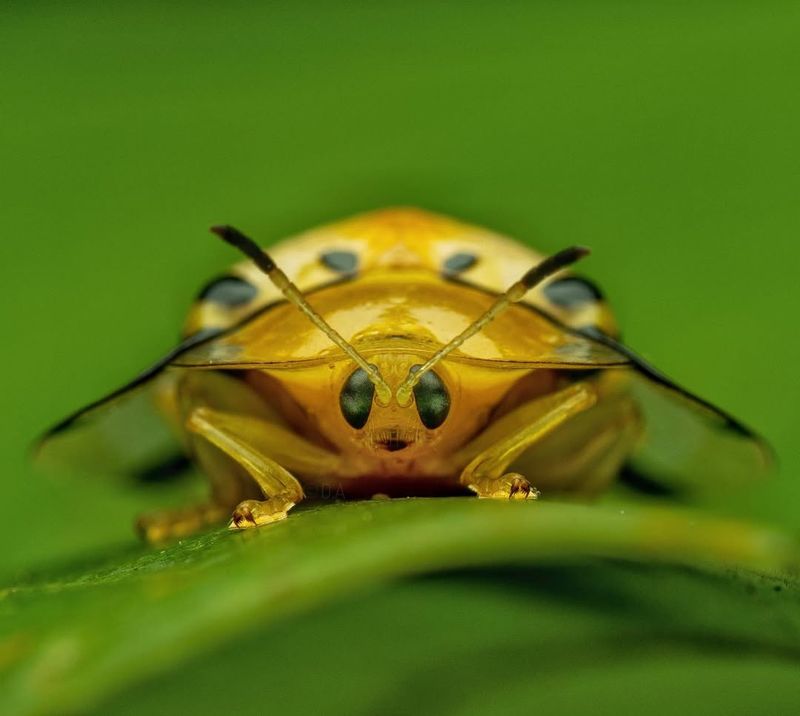
Several environmental factors can cause Golden Tortoise Beetle populations to boom in certain years.
Mild winters with fewer hard freezes allow more adult beetles to survive until spring.
These overwintering adults emerge earlier and begin reproducing sooner, giving the population a head start.
Adequate spring rainfall promotes lush growth of host plants, providing abundant food for developing larvae and adults.
When sweet potato vines and morning glories thrive, they can support larger beetle populations than during drought years.
The beetles can produce multiple generations per season in Alabama’s warm climate.
Each female lays dozens of eggs, and under ideal conditions, populations multiply quickly.
Natural predator populations fluctuate from year to year as well.
If birds, wasps, or other beetle predators have lower numbers due to their own environmental pressures, more Golden Tortoise Beetles survive to adulthood.
Increased planting of ornamental sweet potato vines in residential landscapes has expanded available habitat.
These popular landscaping plants now appear in more yards than ever before, creating more opportunities for beetle populations to establish themselves.
Climate patterns including temperature and humidity affect beetle development rates and survival.
A particularly favorable combination of conditions can result in noticeable population spikes that homeowners observe as increased sightings.
These fluctuations are natural and temporary, with populations typically balancing out over subsequent seasons.
What Alabama Homeowners Should And Should Not Do When They Spot One

When you discover a Golden Tortoise Beetle in your garden, the best response is usually to do nothing at all.
These beetles pose such minimal threat to plants that intervention rarely makes sense.
Simply appreciate the opportunity to observe one of nature’s most beautiful insects up close.
Take photos or show family members this remarkable example of natural artistry.
Avoid using pesticides, which are completely unnecessary for managing these beetles.
Chemical treatments would eliminate beneficial insects along with the beetles, disrupting your garden’s natural balance.
The environmental cost far outweighs any benefit, especially since the beetles cause negligible damage.
If you absolutely must remove a beetle from a prized plant, gentle relocation works perfectly.
Carefully pick up the beetle or coax it onto a leaf, then move it to a wild morning glory or other acceptable plant away from your garden.
The beetle will happily settle into its new location.
For homeowners growing sweet potatoes for harvest, monitoring helps you assess whether beetle numbers warrant concern.
In most cases, the plants tolerate the beetles without any impact on crop yield.
Encourage natural predators by maintaining diverse plantings and avoiding broad-spectrum pesticides.
Birds, beneficial insects, and spiders will help keep beetle populations naturally balanced.
Consider the beetles’ presence a sign of a healthy, functioning garden ecosystem rather than a problem requiring a solution.
What The Golden Tortoise Beetle’s Presence Really Means
Spotting a Golden Tortoise Beetle in your Alabama yard actually signals several positive things about your local environment.
These beetles indicate that your garden supports the specific host plants they require, suggesting good plant diversity.
Their presence confirms that your landscape provides habitat for native and naturalized insects.
A yard that attracts Golden Tortoise Beetles likely supports many other beneficial species as well.
The beetles serve as indicators of seasonal progression, appearing reliably when temperatures and plant growth reach certain thresholds.
Their emergence marks the transition into the active growing season.
Observing these beetles connects homeowners to natural cycles that have repeated for countless generations.
The fact that these delicate insects thrive in your garden suggests relatively low pesticide use, which benefits soil health and beneficial insect populations.
Golden Tortoise Beetles also provide food for birds and other predators, playing a role in the local food web.
Their larvae and adults support larger animals up the chain.
Rather than viewing them as pests, consider them living jewels that add interest and beauty to outdoor spaces.
Their metallic shells catch light in ways that few other garden visitors can match.
Sharing beetle sightings with neighbors or on social media helps build community appreciation for local wildlife.
These encounters remind us that remarkable natural phenomena happen right in our own backyards, requiring no special trips or equipment to enjoy.