How To Successfully Grow Cucumbers Indoors In Minnesota Homes

Indoor gardening in Minnesota offers a unique way to enjoy fresh produce even during the coldest, grayest months, when outdoor gardens lie dormant under snow and frost.
Among the most rewarding crops to grow indoors, cucumbers stand out for their crisp texture, vibrant flavor, and the sense of accomplishment they bring.
Growing them inside keeps that taste of summer within reach while also adding life and greenery to windowsills, kitchen counters, or small indoor spaces that might otherwise feel bare during winter.
With the right approach, these plants can flourish despite limited sunlight and chilly outdoor conditions, turning a simple container into a thriving source of fresh, satisfying harvests.
Beyond the practical benefits, nurturing cucumbers indoors offers a touch of nature, a calming gardening ritual, and the joy of harvesting your own food, all while staying warm and cozy inside the home.
1. Pick Compact Varieties Perfect For Indoor Spaces

Not all cucumber plants are created equal, especially when you’re working with limited indoor space.
Bush cucumber varieties and dwarf cultivars work much better indoors than their sprawling garden cousins.
Look for options like ‘Spacemaster,’ ‘Bush Champion,’ or ‘Patio Snacker,’ which stay manageable and produce plenty of fruit without taking over your entire room.
Standard cucumber vines can stretch over six feet long, which makes them tricky to manage indoors.
Compact types grow shorter and bushier, fitting nicely into pots and smaller areas.
They also tend to mature faster, which means you can enjoy your harvest sooner.
When shopping for seeds or seedlings, read the plant tags carefully.
Check for words like ‘compact,’ ‘dwarf,’ ‘bush,’ or ‘container-friendly.’
These clues tell you the plant won’t require a massive support structure or endless space.
Choosing the right variety from the start saves you frustration later and sets you up for success.
Minnesota gardeners especially benefit from compact varieties because indoor space can be at a premium during the colder months.
With the right plant, you’ll be harvesting cucumbers in no time.
2. Provide Bright, Consistent Light For Healthy Growth
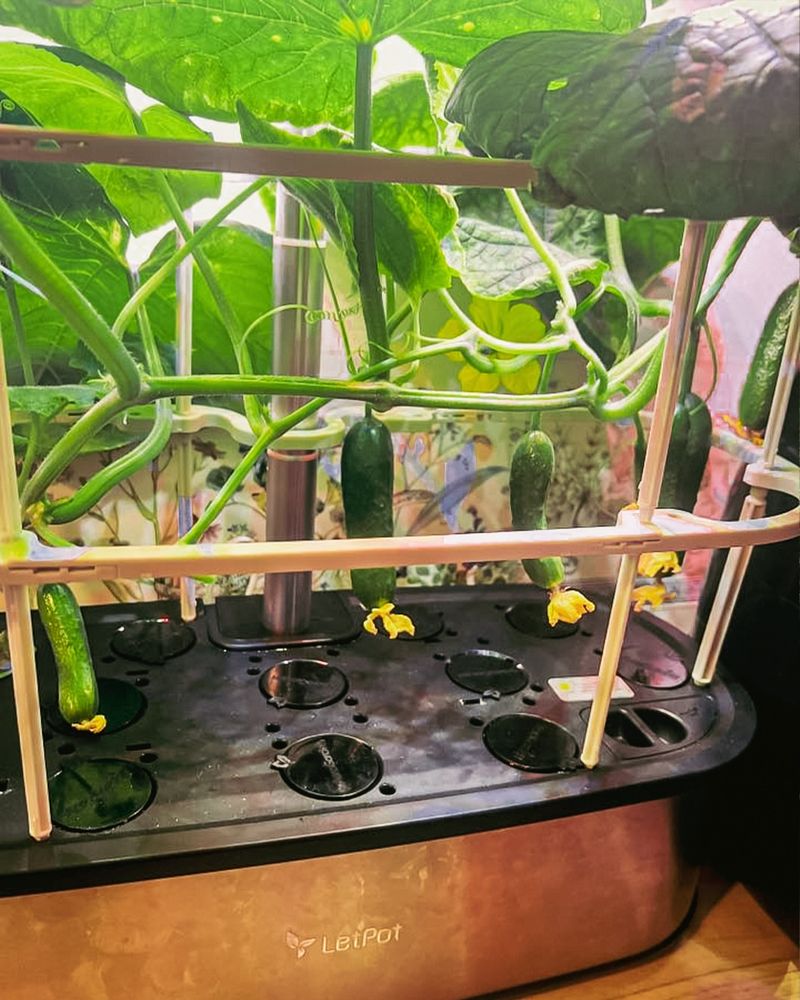
Cucumbers crave sunshine, and without it, they struggle to produce fruit.
During Minnesota’s dark winter months, natural sunlight often falls short of what these plants need.
That’s where artificial grow lights come to the rescue.
Full-spectrum LED grow lights mimic natural sunlight and give your cucumbers the energy they need for photosynthesis.
Aim to provide at least 12 to 16 hours of light each day.
Position the lights about six to twelve inches above the plants, adjusting as they grow taller.
If you have a south-facing window with strong light, you might supplement with natural rays during the day.
However, most indoor spaces won’t receive enough consistent light on their own, especially in winter.
Investing in a good set of grow lights makes a huge difference in plant health and productivity.
Without adequate light, cucumber plants become leggy, weak, and produce fewer cucumbers.
They may also develop pale leaves and stunted growth.
Using a timer to automate your light schedule ensures your plants get consistent exposure every single day.
Your Minnesota Garden Changes Every Week. Your Plan Should Too.
Gardening in Minnesota changes quickly throughout the season. Every Friday you’ll receive a simple weekly plan showing exactly what to plant, prune, fertilize, harvest, and protect so you never miss the right timing.
This simple step removes guesswork and helps your cucumbers thrive indoors all season long.
3. Choose The Right Container And Soil Mix
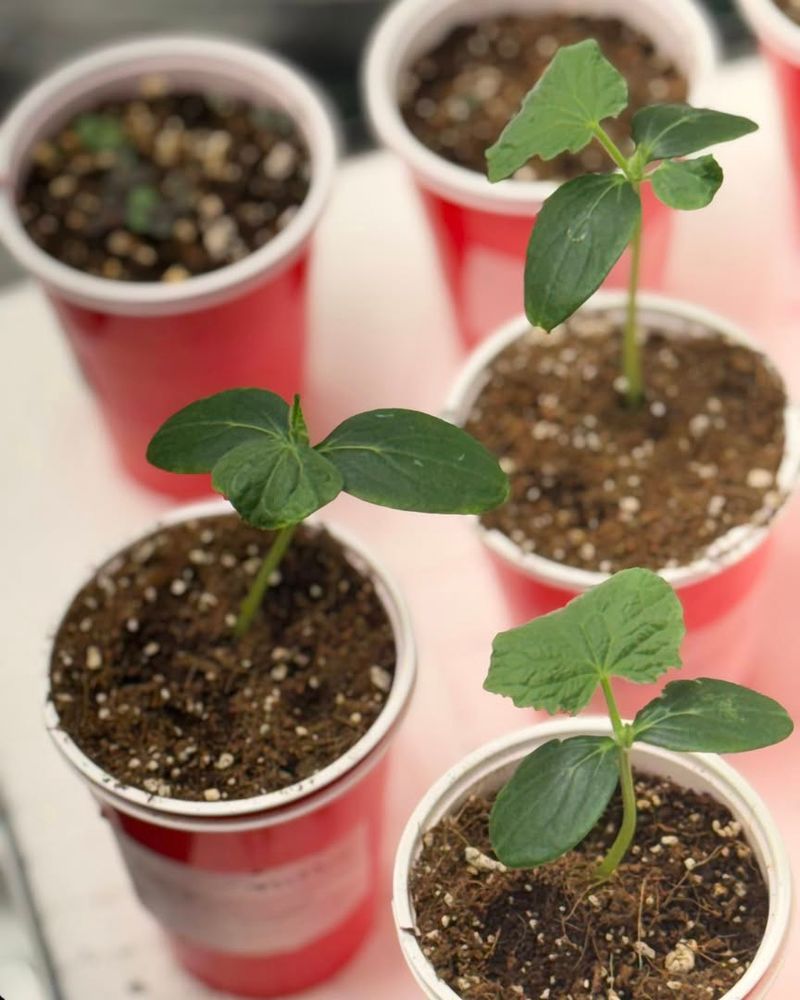
Container choice matters more than you might think when growing cucumbers indoors.
A pot that’s too small restricts root growth and limits how much water and nutrients your plant can access.
For most compact cucumber varieties, choose a container that holds at least five gallons of soil.
Bigger is usually better, as it provides more room for roots to spread and helps maintain consistent moisture.
Make sure your container has drainage holes at the bottom.
Without proper drainage, water sits in the soil and causes root rot, which can seriously harm your plant.
Use a high-quality potting mix designed for vegetables or container gardening.
Garden soil from outdoors is too heavy and doesn’t drain well in pots.
A good potting mix stays light and fluffy, allowing roots to breathe while still holding onto moisture.
Consider adding perlite or vermiculite to improve drainage and aeration even further.
Some gardeners also mix in compost for extra nutrients, which cucumbers love.
Starting with the right container and soil combination gives your cucumber plants a strong foundation.
This simple step prevents many common problems and helps your plants stay healthy and productive throughout their growing cycle.
4. Water Consistently Without Overwatering
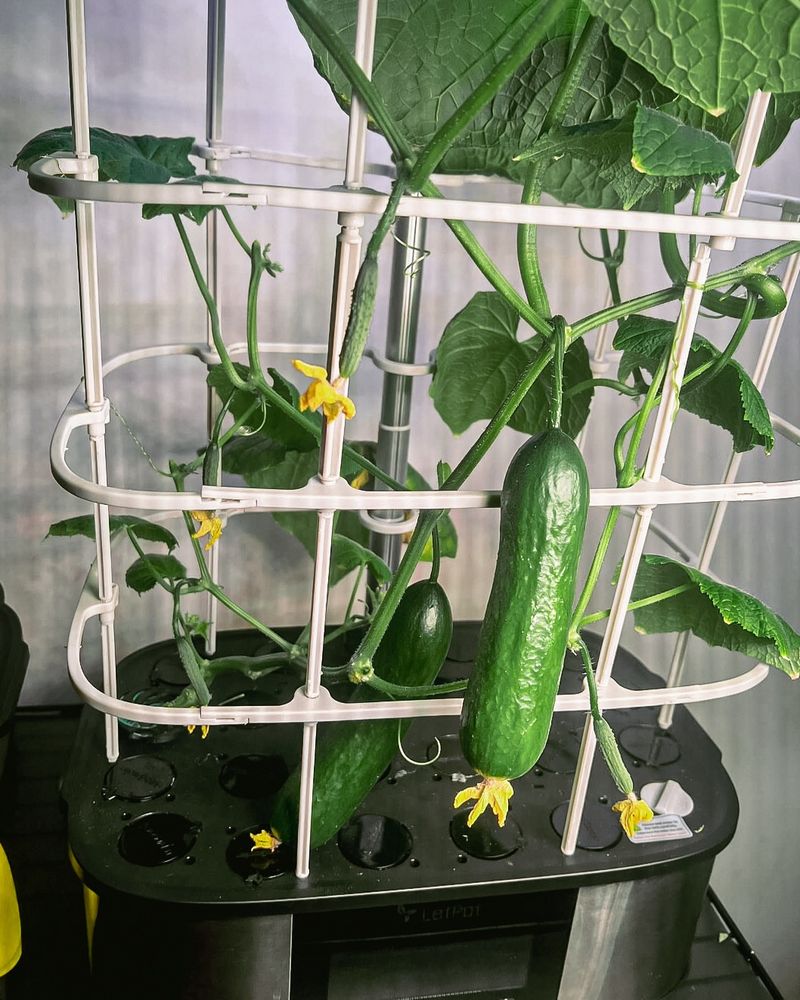
Cucumbers are thirsty plants, but finding the right watering balance can be tricky.
Too much water leads to soggy soil and root problems, while too little causes wilted leaves and poor fruit development.
Check the soil moisture daily by sticking your finger about an inch deep into the potting mix.
If it feels dry at that depth, it’s time to water.
If it still feels damp, wait another day.
When you do water, add enough so that it drains out the bottom of the container.
This ensures the entire root system gets moisture and helps flush out any salt buildup from fertilizers.
Empty the drainage tray afterward so the plant doesn’t sit in standing water.
Indoor environments, especially during Minnesota winters with heating systems running, can dry out soil faster than expected.
Keep an eye on your plant’s leaves as well.
Drooping or yellowing leaves often signal watering issues.
Using room-temperature water is gentler on the roots than cold water straight from the tap.
Some growers also prefer filtered water to avoid chlorine and other chemicals.
Consistent watering creates a stable environment where your cucumber plant can focus its energy on producing delicious fruit instead of stressing over moisture swings.
5. Maintain Warm Temperatures And Proper Humidity
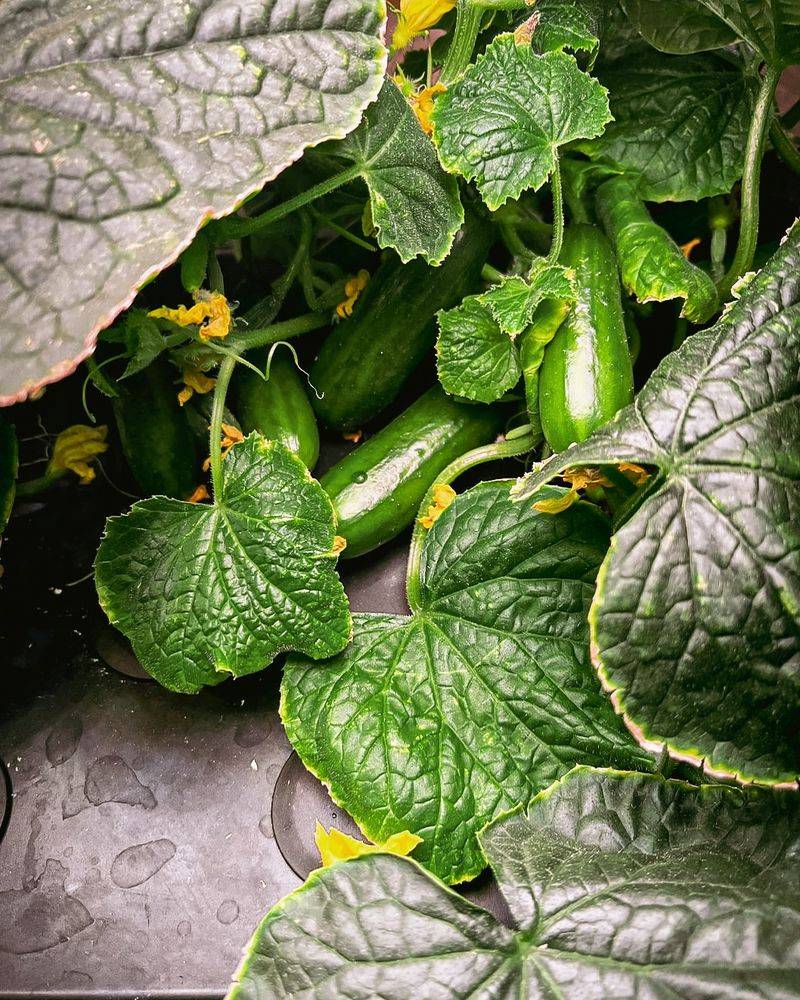
Cucumbers originated in warm, tropical climates, so they prefer cozy temperatures to grow their best.
Indoor temperatures between 70 and 80 degrees Fahrenheit work perfectly for these plants.
Avoid placing your cucumber containers near cold drafts, windows, or exterior doors where temperatures fluctuate.
Minnesota homes can get quite cold near windows during winter, which stresses cucumber plants and slows their growth.
Keep them in a stable, warm location away from chilly spots.
Humidity also plays an important role in cucumber health.
These plants thrive in environments with 50 to 70 percent humidity.
However, heated indoor air during winter often drops humidity levels much lower.
You can increase humidity around your plants by placing a small humidifier nearby or setting the pots on trays filled with pebbles and water.
As the water evaporates, it adds moisture to the air around the plants.
Misting the leaves occasionally also helps, but don’t overdo it, as too much moisture on foliage can encourage mold.
Monitoring temperature and humidity with simple gauges helps you spot problems early.
When conditions stay within the ideal range, your cucumber plants remain healthy, produce more flowers, and develop better-tasting fruit throughout the growing season.
6. Support Your Vines With Trellises Or Stakes
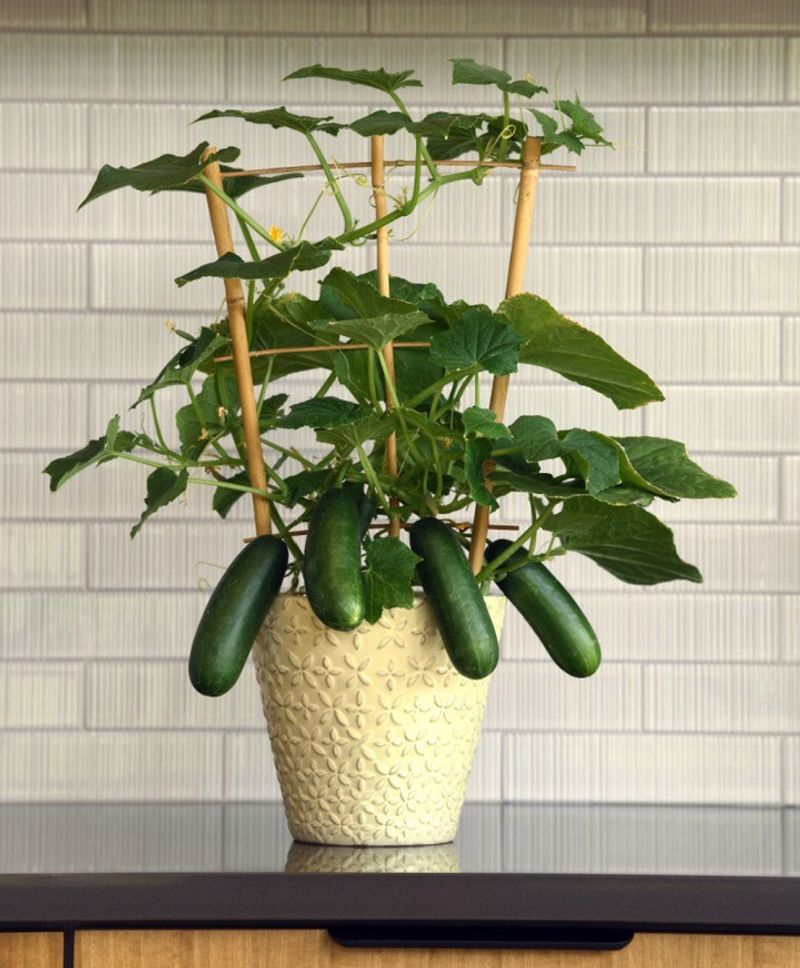
Even compact cucumber varieties benefit from some type of support structure.
Trellises, stakes, or small cages help keep vines organized and prevent them from sprawling all over your floor or furniture.
Vertical growth also improves air circulation around the leaves, reducing the risk of fungal issues.
You can find small trellises designed specifically for container gardening at most garden centers.
Bamboo stakes tied together in a teepee shape also work well and look charming.
As your cucumber plant grows, gently guide the vines onto the support structure.
Use soft plant ties or strips of cloth to secure stems without damaging them.
Avoid using wire or anything too tight, which can cut into the plant.
Supporting your vines upward also makes harvesting much easier.
Cucumbers hang down where you can see them clearly, rather than hiding under a tangle of leaves on the ground.
This setup also maximizes your indoor space, allowing you to grow more plants in a smaller area.
Training cucumbers to grow vertically mimics how they would naturally climb in the wild.
It keeps the plant healthier and more productive, and it adds an attractive green element to your indoor space during those long Minnesota winters.
7. Pollinate Flowers By Hand For Better Fruit Set
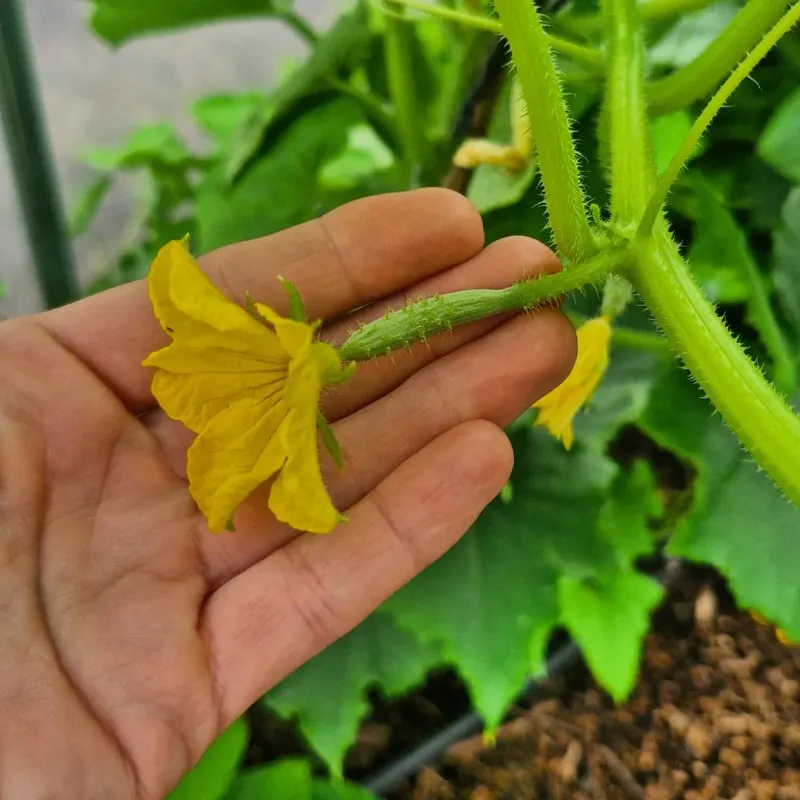
Outdoors, bees and other insects naturally pollinate cucumber flowers, but indoors, you’ll need to step in and do the job yourself.
Without pollination, flowers simply drop off without forming any fruit.
Fortunately, hand pollination is easy and takes only a few minutes.
Cucumber plants produce two types of flowers: male and female.
Male flowers appear on thin stems, while female flowers have a tiny cucumber-shaped swelling at the base.
To pollinate, take a small, soft paintbrush or cotton swab and gently brush the inside of a male flower to collect pollen.
Then, transfer that pollen to the center of a female flower.
You can also carefully pluck a male flower and rub it directly onto the female flower’s center.
Do this in the morning when flowers are freshly open and pollen is most abundant.
Repeat the process every few days as new flowers appear.
Successful pollination results in tiny cucumbers forming within a few days.
If flowers keep dropping without producing fruit, double-check that you’re pollinating correctly.
Hand pollination gives you control over fruit production and ensures a steady harvest.
It’s a simple but essential step for indoor cucumber success in Minnesota homes.