If There Is One Plant To Buy This Winter In North Carolina, It Is A Viburnum
Winter gardening in North Carolina can feel like trying to read the tea leaves.
Some plants sulk in the cold, others struggle with wet soil, and many look plain worn out until spring shows up.
Still, one plant keeps its footing and proves its worth when the season turns tough.
Viburnum steps up when most gardens slow down.
This shrub pulls double duty.
Many viburnums keep their leaves through winter, while others put on a show with berries or early flowers that break up the gray days.
They handle cold snaps, bounce back from rough weather, and fit right into North Carolina landscapes without much fuss.
Once planted, they settle in and grow steady, offering structure and interest long after other plants fade.
Choosing a viburnum in winter is a smart move that pays off year round.
It provides shelter for birds, boosts curb appeal, and lays the groundwork for spring color.
When garden choices matter most, viburnum proves it can walk the walk.
For North Carolina gardeners looking to make one solid winter purchase, this plant earns its spot fair and square.
1. Winter Planting Gives Roots A Head Start

Planting during winter might seem backward, but it actually gives viburnums a huge advantage in North Carolina.
Cool temperatures mean less stress on the plant since it’s not trying to grow leaves and flowers at the same time it’s establishing roots.
The shrub can focus all its energy underground, building a strong foundation for explosive growth come springtime.
North Carolina winters are typically mild enough that the soil doesn’t freeze solid for long periods.
This allows roots to continue developing slowly throughout the season.
By the time warm weather arrives, your viburnum will already have a well-established root system ready to support vigorous top growth.
Container-grown viburnums from nurseries are particularly well-suited for winter planting.
They’ve already developed a healthy root ball that just needs to spread into the surrounding soil.
Water requirements are lower in winter too, so you won’t need to worry as much about frequent watering.
The dormant period also reduces transplant shock significantly.
When plants aren’t actively growing, moving them causes less disruption to their systems.
Your viburnum will barely notice it’s been transplanted and will wake up in spring ready to thrive in its new home.
Getting a head start on root development means your shrub will be better prepared to handle North Carolina’s hot summers.
Deep, established roots can access moisture and nutrients that shallow roots can’t reach.
This early advantage sets your viburnum up for long-term success and resilience in your landscape.
2. Stunning Spring Blooms Are Worth The Wait
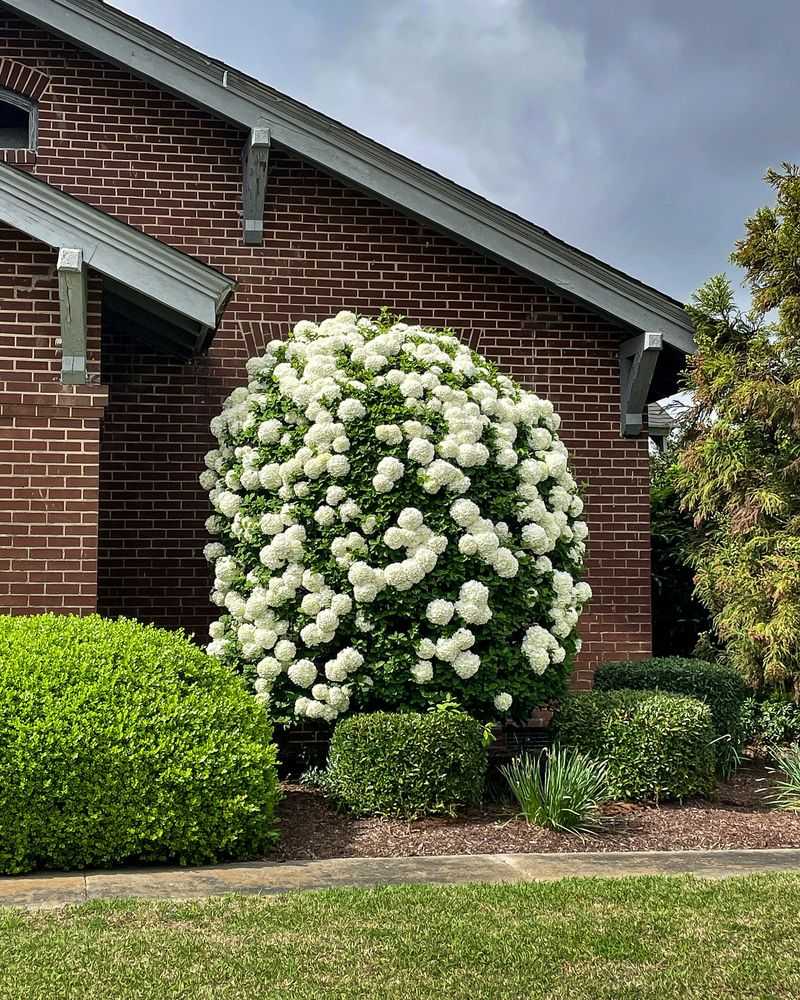
Few sights rival a viburnum in full bloom during North Carolina’s spring season.
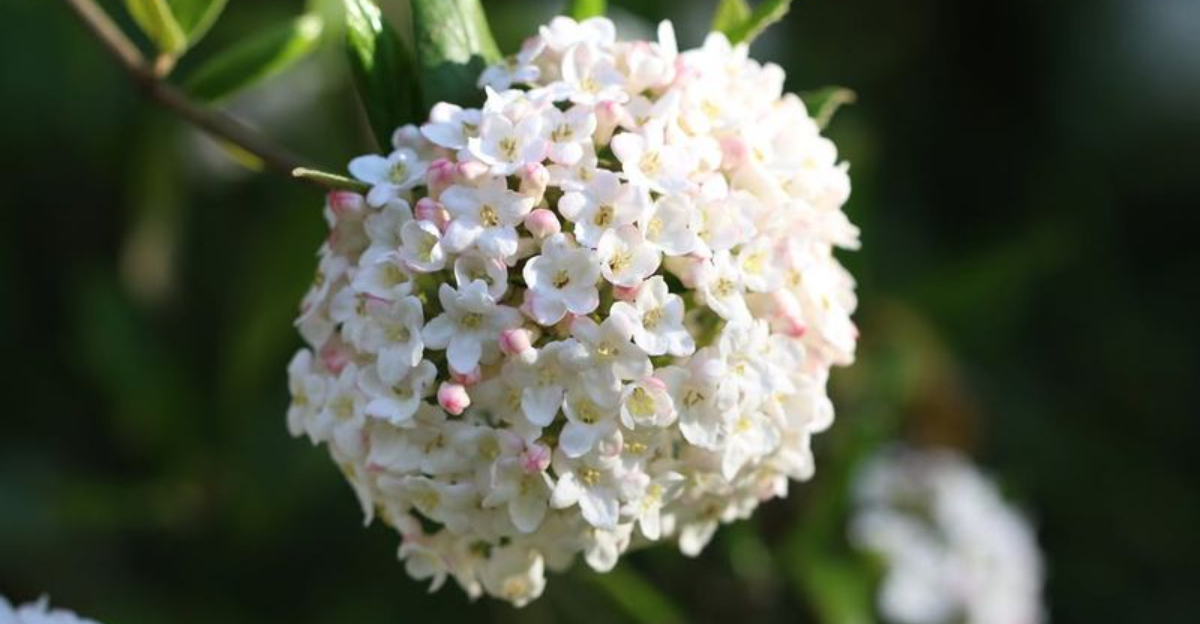
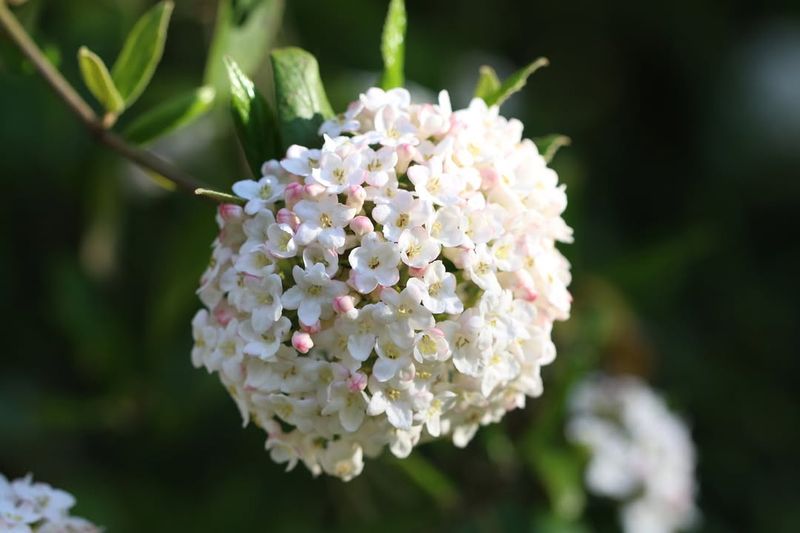
These shrubs produce clusters of flowers that range from pure white to soft pink, depending on the variety you choose.
The blooms often appear in rounded or flat-topped clusters that can measure several inches across, creating a spectacular display that lasts for weeks.
Your North Carolina Garden Changes Every Week. Your Plan Should Too.
Gardening in North Carolina changes quickly throughout the season. Every Friday you’ll receive a simple weekly plan showing exactly what to plant, prune, fertilize, harvest, and protect so you never miss the right timing.
Many viburnum varieties are also wonderfully fragrant.
The sweet scent can fill your entire yard and attract beneficial pollinators like bees and butterflies.
Planting in winter ensures your shrub has time to settle in and produce maximum blooms when spring arrives.
Some popular varieties for North Carolina include the Snowball Viburnum with its large, spherical flower clusters and the Korean Spice Viburnum known for its incredibly sweet fragrance.
Both perform beautifully when given a winter head start.
The blooms make excellent cut flowers too, bringing that outdoor beauty inside your home.
Flower production improves each year as the plant matures and strengthens.
A viburnum planted this winter will reward you with increasingly impressive displays season after season.
The initial bloom show in the first spring might be modest, but patience pays off with spectacular results in following years.
Timing your purchase for winter means you’ll have an established plant ready to show off when your neighbors are just starting their spring planting.
You’ll enjoy blooms while others are still digging holes.
That early advantage makes winter planting one of the smartest moves for North Carolina gardeners seeking beautiful spring landscapes.
3. Berries Bring Color And Wildlife To Your Yard
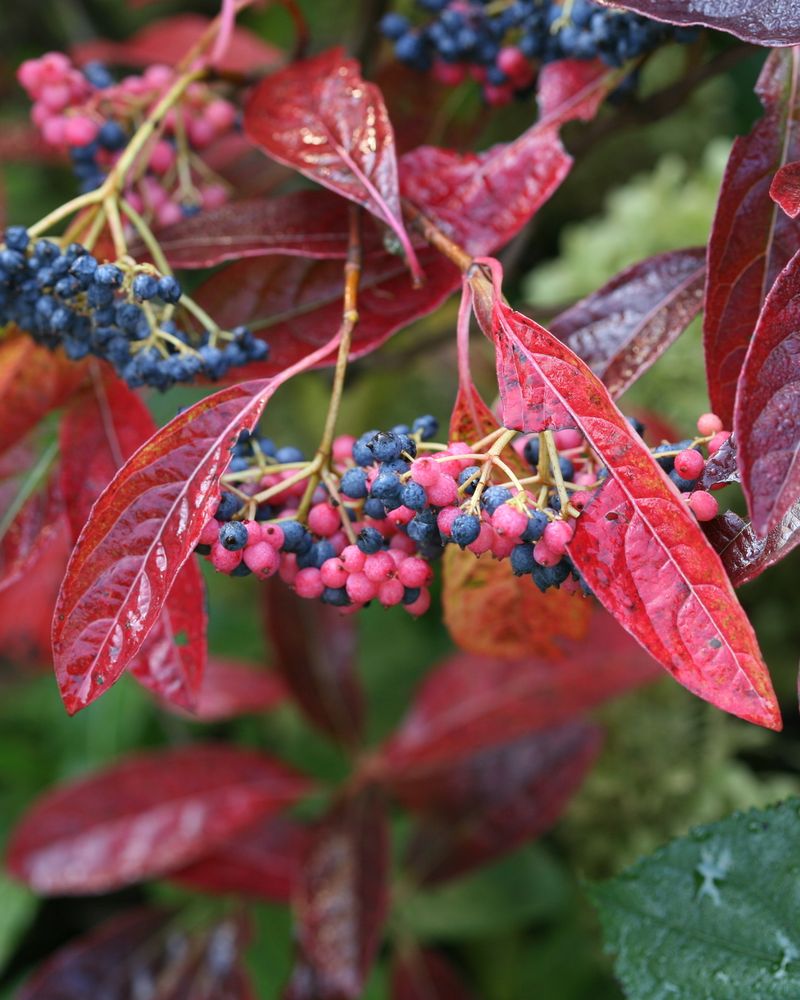
After the flowers fade, many viburnum varieties produce ornamental berries that add another layer of interest to your landscape.
These fruits start out one color and often transition to another as they ripen, creating a multi-toned display.
Red, blue, black, and even pink berries appear depending on which variety you plant in your North Carolina garden.
Birds absolutely love viburnum berries and will flock to your yard throughout fall and winter.
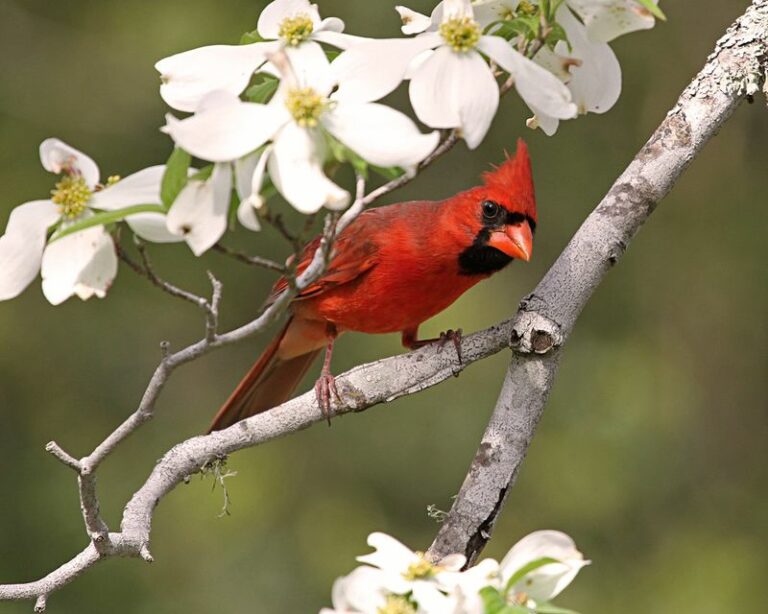
Cardinals, robins, cedar waxwings, and many other species feast on these nutritious fruits.
Watching wildlife visit your landscape adds entertainment value and supports local ecosystems at the same time.
The berry display can last for months if birds don’t eat them all first.
Some varieties hold their fruits well into winter, providing color when most other plants look bare and brown.
This extended season of interest makes viburnums valuable for year-round landscape appeal in North Carolina’s climate.
Planting multiple viburnum varieties can extend the berry season even further.
Different types ripen at different times, creating a succession of food sources for wildlife.
This strategy also increases visual interest by providing varied colors and textures throughout the seasons.
The berries aren’t just pretty to look at either.
They represent an important food source for birds preparing for migration or surviving winter months.
By planting a viburnum this winter, you’re investing in a healthier, more biodiverse yard that benefits both you and the creatures that call North Carolina home.
The combination of beauty and ecological value makes these shrubs an exceptional choice for thoughtful gardeners.
4. Fall Foliage Creates A Second Season Of Beauty
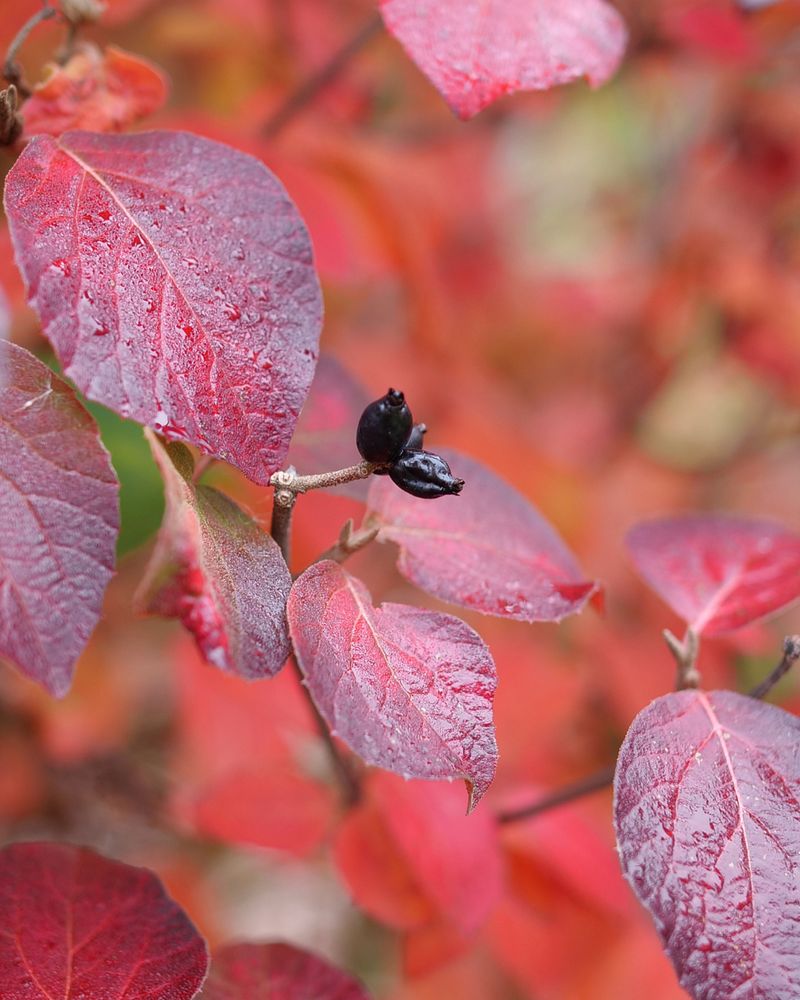
Most people think of viburnums primarily for their spring flowers, but the fall foliage display rivals any autumn spectacle.
Many varieties transform into blazing shades of red, orange, purple, and burgundy as temperatures cool.
This dramatic color change adds serious visual impact to North Carolina landscapes when summer greens start fading.
The intensity of fall color often depends on growing conditions and variety selection.
Arrowwood Viburnum and Blackhaw Viburnum are particularly noted for their outstanding autumn displays.
Planting this winter gives your shrub time to establish so it can produce the best possible foliage color when fall rolls around.
Fall color typically lasts several weeks before leaves drop.
During this period, your viburnum becomes a focal point that draws the eye and complements other autumn plants.
The transformation happens gradually, allowing you to enjoy the changing palette as the season progresses across North Carolina.
Some varieties hold their leaves longer than others, extending the display into late fall or early winter.
This extended interest means your landscape remains attractive even as other plants go dormant.
The layered seasons of interest make viburnums incredibly valuable for creating dynamic, ever-changing gardens.
Combining viburnums with other fall-interest plants creates stunning seasonal compositions.
Pair them with ornamental grasses, asters, or sedums for a complete autumn tableau.
The shrub’s substantial size and bold color make it an excellent anchor plant that ties together smaller elements in your North Carolina landscape design, providing structure and drama when gardens need it most.
5. Low Maintenance Requirements Save Time And Effort
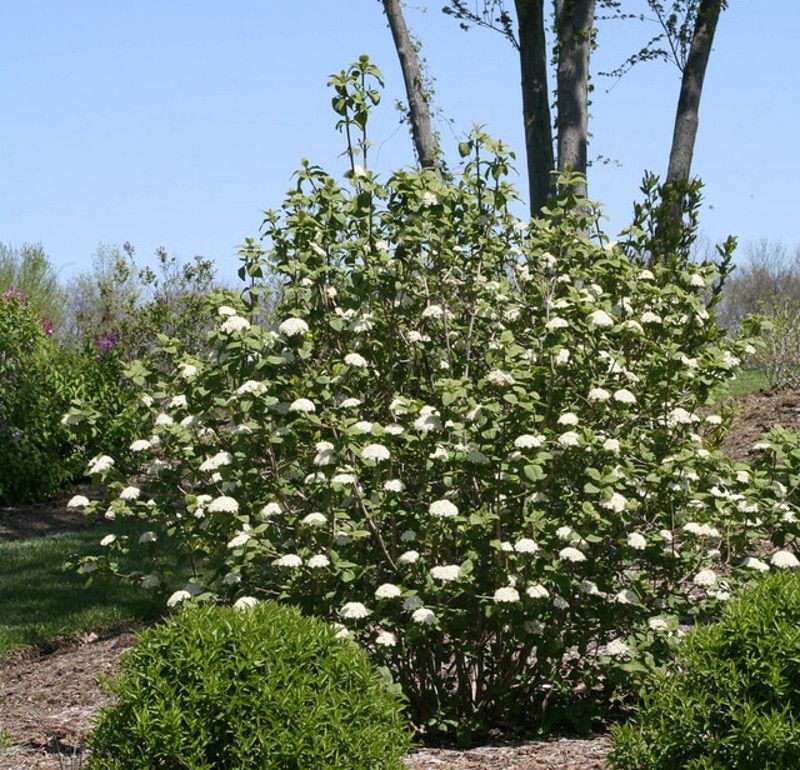
Busy gardeners appreciate plants that look great without demanding constant attention, and viburnums fit that description perfectly.
Once established, these shrubs require minimal care beyond occasional watering during extreme drought.
They’re naturally tough and adaptable to North Carolina’s varying conditions, from coastal humidity to mountain cooler temperatures.
Pruning needs are modest compared to many other flowering shrubs.
Most viburnums maintain attractive shapes naturally and only need light trimming to remove damaged branches or control size.
You can prune right after flowering without sacrificing next year’s blooms, making timing easy and forgiving for home gardeners.
Pest and disease problems are relatively rare with viburnums.
While no plant is completely immune to issues, these shrubs typically resist most common problems that plague other landscape plants.
This natural resilience means less time spraying and more time enjoying your garden in North Carolina.
Fertilizer requirements are minimal too.
A single application of balanced, slow-release fertilizer in early spring usually provides all the nutrition your viburnum needs for the entire growing season.
Some gardeners skip fertilizing altogether if their soil is reasonably fertile, and the plants still perform beautifully.
Winter planting actually reduces your maintenance workload because established plants need less babying through their first summer.
The strong root system developed during cool months means less frequent watering and less stress when heat arrives.
For North Carolina gardeners seeking maximum impact with minimum effort, viburnums deliver exactly what you need without demanding your every weekend.
6. Versatile Sizes Fit Any Landscape Design
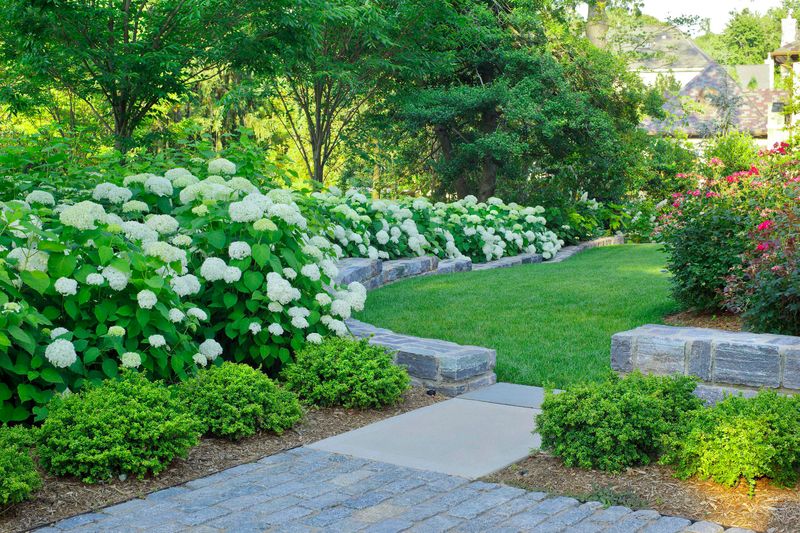
Garden spaces come in all shapes and sizes, and fortunately, so do viburnums.
Compact varieties like Dwarf Korean Spice stay under four feet tall, perfect for foundation plantings or small yards throughout North Carolina.
Larger selections like Blackhaw can reach fifteen feet or more, creating excellent screening or serving as small specimen trees.
This size range means you can find a viburnum for virtually any landscape situation.
Need a low hedge along a walkway? Choose a compact variety.
Want a privacy screen between you and your neighbors? Select a taller, denser type.
The versatility makes planning and designing much easier for North Carolina homeowners.
Many viburnums also adapt well to pruning, so you can maintain them at sizes smaller than their natural mature height.
This flexibility allows you to plant a larger-growing variety and keep it trimmed to fit your space.
The shrubs respond well to shaping without losing their flowering ability.
Growth rates vary too, giving you options based on how quickly you want results.
Some varieties grow rapidly and fill in spaces within a few years, while others develop more slowly for easier long-term maintenance.
Winter planting gives even slower-growing types a head start in North Carolina’s favorable climate.
Mixing different viburnum sizes creates depth and layering in landscape designs.
Place taller varieties in back with shorter ones in front for a professional-looking arrangement.
The varied heights add visual interest while maintaining cohesive plant material throughout your North Carolina garden, creating unity without monotony in your outdoor spaces.
7. Excellent Value For Long-Term Investment
When you purchase a viburnum this winter, you’re making an investment that pays dividends for decades.
These shrubs are genuinely long-lived plants that improve with age rather than declining after a few years.
A well-placed viburnum can easily outlast many other landscape elements, providing beauty and function for twenty years or more in North Carolina gardens.
The initial cost of a quality viburnum is modest compared to the years of enjoyment it provides.
When you calculate the value per year of beauty, wildlife support, and landscape structure, few plants offer better returns.
Winter is often when nurseries offer the best prices too, making your investment even smarter.
Viburnums also increase property value by improving curb appeal and landscape quality.
Mature, well-established shrubs signal to potential buyers that a property has been cared for properly.
Real estate professionals consistently note that quality landscaping, including established shrubs like viburnums, positively influences home values across North Carolina.
The multi-season interest means you get more value from the space each plant occupies.
Instead of one brief moment of glory, viburnums deliver spring flowers, summer foliage, fall color, winter berries, and year-round structure.
This extended performance maximizes the return on your landscape investment.
Replacement costs for landscape plants continue rising each year.
By planting now during winter when conditions favor establishment, you’re locking in today’s prices while setting up your viburnum for maximum success.
The combination of affordability, longevity, and multi-season beauty makes purchasing a viburnum this winter one of the smartest decisions any North Carolina gardener can make for their property.