9 Indoor Plants That Make Stunning Bonsai In Illinois
Bonsai brings the beauty of nature into the home, and in Illinois, indoor varieties make it possible to enjoy this art year-round.
While traditional bonsai requires patience and care, certain indoor plants adapt well to container life, allowing gardeners to shape miniature trees with striking foliage and form.
These plants offer more than visual appeal—they create a sense of calm, act as natural décor, and can even improve indoor air quality.
From leafy tropicals to hardy evergreens, selecting the right species is key to success, especially when light, humidity, and temperature fluctuate during Illinois winters.
1. Ficus Retusa
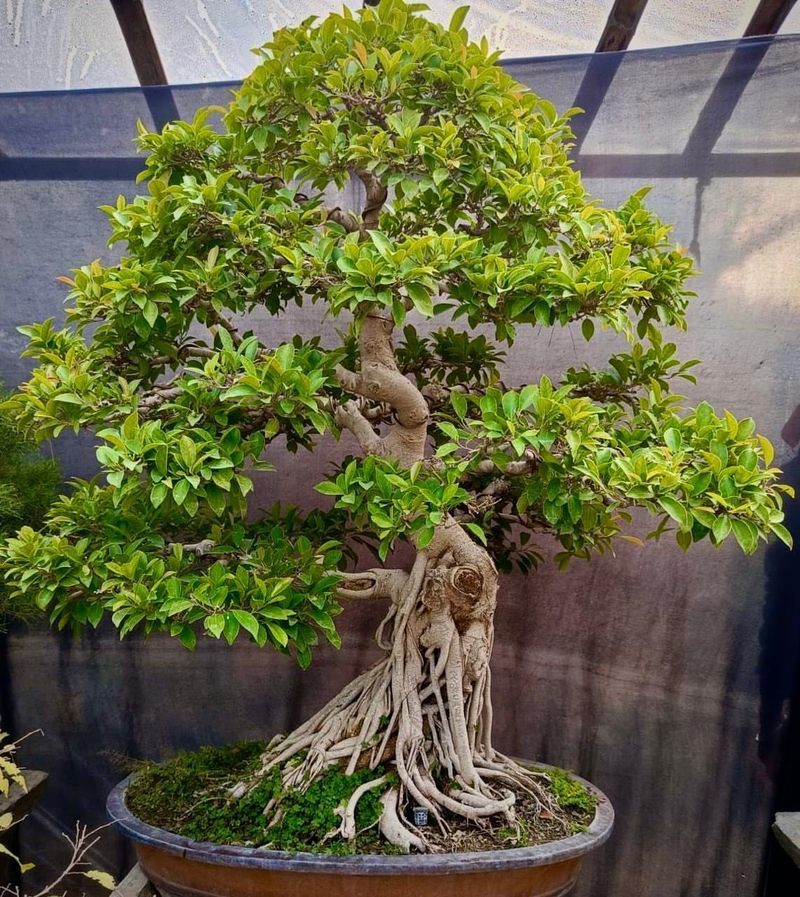
One of the most popular choices for indoor bonsai enthusiasts, the Ficus Retusa earns its reputation through reliable growth and forgiving nature.
This tropical tree adapts remarkably well to life inside Illinois homes, tolerating lower light conditions better than many other species.
Its glossy, dark green leaves create a lush canopy that responds beautifully to regular pruning and shaping.
The exposed root system, which develops naturally over time, adds dramatic visual interest and makes each tree truly one of a kind.
Ficus Retusa prefers consistent warmth, making it perfect for heated indoor spaces during Illinois winters.
Watering needs are moderate, and the tree will signal when it needs moisture by slightly drooping its leaves.
Beginners appreciate how this species bounces back from minor care mistakes, such as missed waterings or occasional drafts.
The tree can be styled in almost any traditional bonsai form, from formal upright to cascading designs.
With patience, you can develop thick trunks and intricate branch structures that mimic ancient trees.
Regular fertilization during spring and summer keeps the foliage vibrant and encourages healthy growth.
This bonsai thrives near bright, indirect sunlight, such as an east-facing window.
2. Chinese Elm
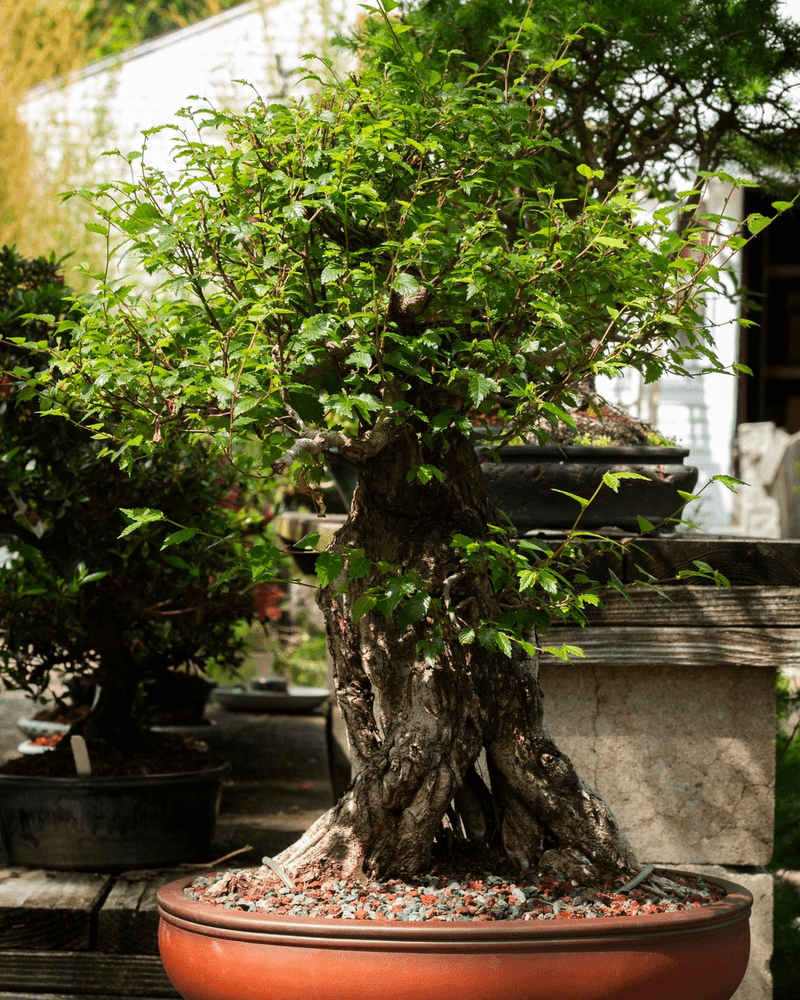
Small serrated leaves and graceful branching patterns make the Chinese Elm a favorite among bonsai artists who value elegance.
This hardy species adapts to indoor conditions with ease, though it appreciates spending summers outdoors when Illinois weather permits.
The bark develops beautiful mottled patterns as the tree matures, peeling in patches to reveal shades of orange, green, and gray underneath.
Chinese Elm bonsai respond exceptionally well to wiring and pruning, allowing you to create refined shapes and delicate branch structures.
The tree grows vigorously during warm months, so expect to trim new growth regularly to maintain your desired form.
Indoor placement near a south or west-facing window provides the bright light this species craves.
Watering requirements are straightforward: keep the soil consistently moist but never soggy.
During winter, the Chinese Elm may drop some leaves, which is a natural response to reduced light and cooler temperatures.
New growth will emerge in spring, often more vigorous than before.
Humidity levels in heated Illinois homes can drop significantly, so misting the foliage or using a humidity tray helps keep the tree happy.
This species rewards dedicated care with decades of beauty and character.
3. Jade Plant
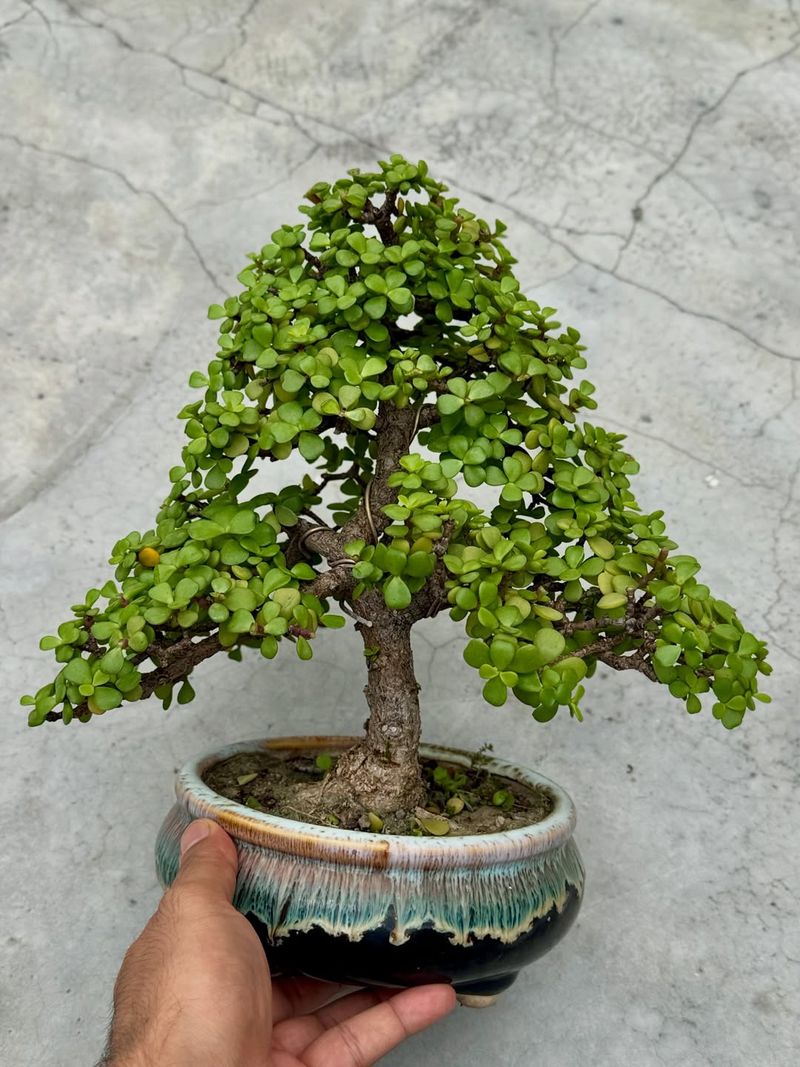
Thick, succulent leaves and a sturdy trunk give the Jade Plant a unique appearance that stands apart from traditional bonsai varieties.
Your Illinois Garden Changes Every Week. Your Plan Should Too.
Gardening in Illinois changes quickly throughout the season. Every Friday you’ll receive a simple weekly plan showing exactly what to plant, prune, fertilize, harvest, and protect so you never miss the right timing.
This plant is incredibly forgiving, making it an excellent choice for those new to the bonsai hobby or anyone with a busy schedule.
Native to arid regions, the Jade Plant stores water in its fleshy leaves and stems, which means it can tolerate occasional neglect better than most species.
Overwatering poses the biggest risk, so allow the soil to dry out completely between waterings.
The plant develops a thick, tree-like trunk over time, especially when pruned regularly to encourage branching.
Jade Plants love bright, direct sunlight and will thrive on a sunny Illinois windowsill year-round.
The leaves may develop a reddish tinge along the edges when exposed to intense light, adding extra visual appeal.
This species grows slowly, which means less frequent pruning and more time to enjoy its current form.
Wiring works well on younger branches, but older stems become too rigid to bend without risk of breaking.
With minimal care, a Jade Plant bonsai can live for many years, gradually developing the gnarled character of an ancient tree.
Fertilize sparingly during the growing season to avoid excessive leaf growth.
4. Hawaiian Umbrella Tree
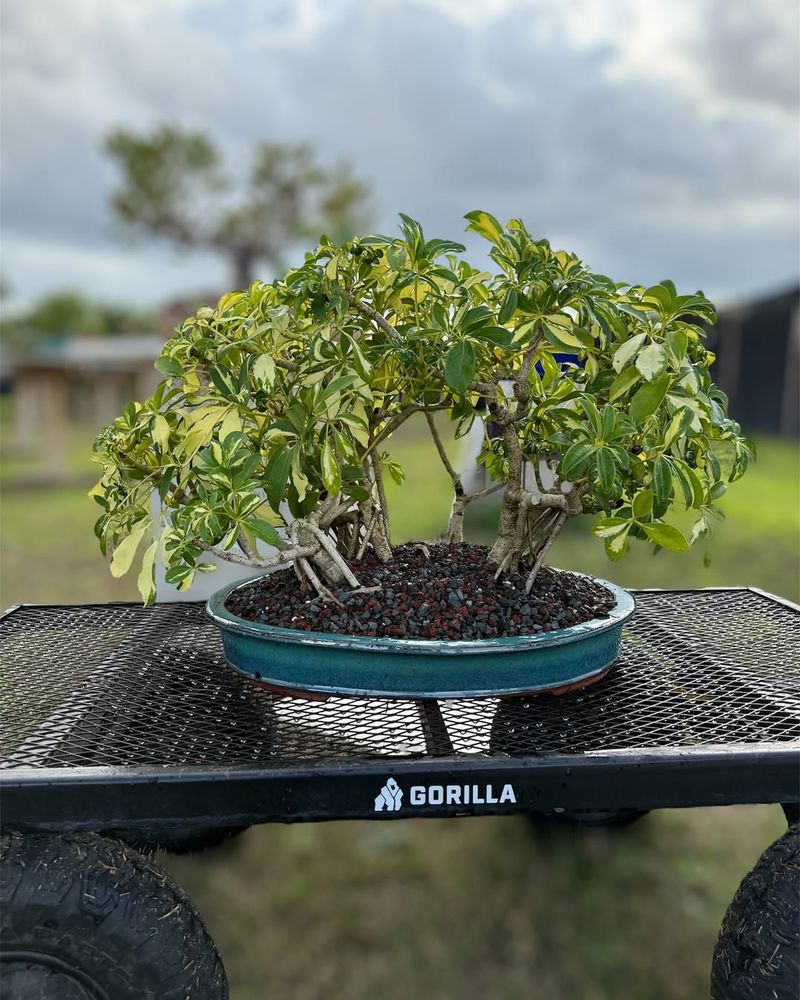
Distinctive umbrella-shaped leaf clusters give this tropical bonsai instant recognition and a cheerful, tropical appearance.
The Hawaiian Umbrella Tree, also known as Schefflera arboricola, adapts wonderfully to indoor life in Illinois homes.
Its tolerance for lower light conditions makes it suitable for rooms that do not receive direct sunlight, though brighter locations produce more compact growth.
The smooth, light-colored bark contrasts beautifully with the deep green foliage, creating visual interest even when the tree is not in active growth.
This species responds well to aggressive pruning, quickly producing new shoots that can be shaped into dense foliage pads.
Aerial roots sometimes develop from the trunk and branches, adding an exotic touch to the overall design.
Watering needs are moderate; the soil should remain slightly moist but never waterlogged.
The Hawaiian Umbrella Tree prefers warm temperatures and will suffer if exposed to cold drafts or temperatures below 50 degrees Fahrenheit.
Regular fertilization during spring and summer promotes healthy leaf development and vibrant color.
Pests like spider mites can occasionally appear, especially in dry indoor environments, so check the undersides of leaves regularly.
With consistent care, this bonsai develops a lush, tropical canopy that brings a slice of paradise to any Illinois home.
5. Fukien Tea Tree
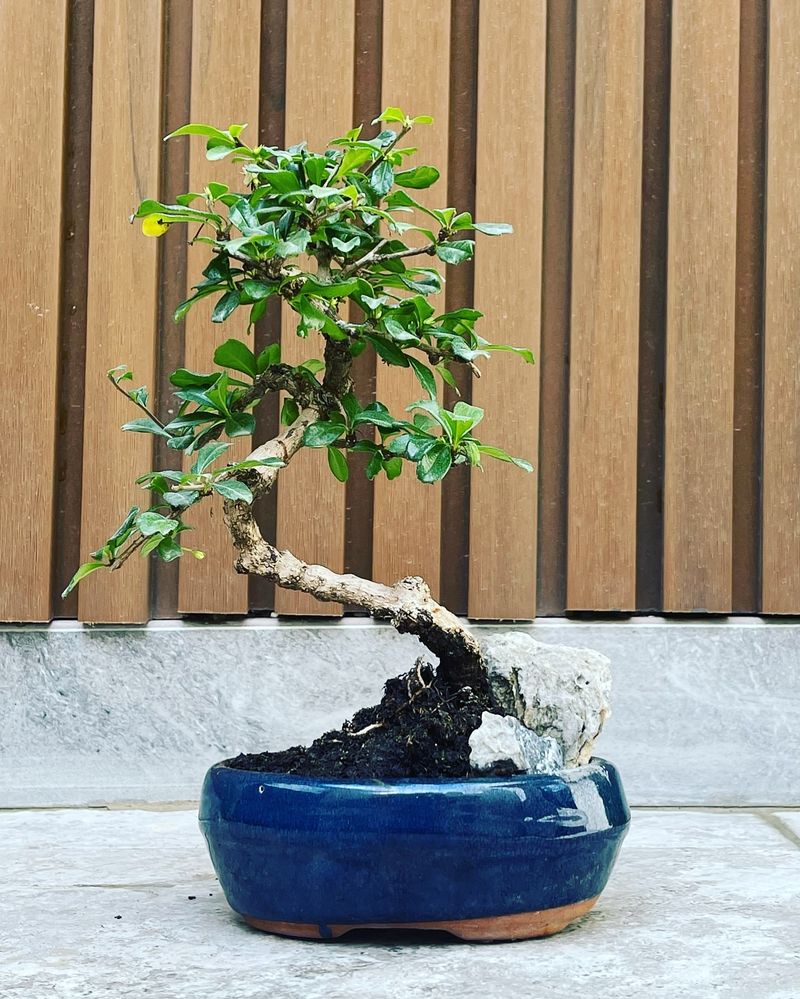
Tiny white flowers appear throughout the year on the Fukien Tea Tree, making it one of the few bonsai species that blooms reliably indoors.
These delicate blossoms eventually give way to small red berries, adding seasonal interest and color to your miniature tree.
The dark green leaves are small and glossy, creating a fine-textured canopy that responds beautifully to detailed pruning work.
Reddish-brown bark peels slightly as the tree ages, revealing lighter wood underneath and adding to its ancient appearance.
This species requires more attention than some other indoor bonsai, but the rewards are worth the effort.
Bright, indirect light is essential for flowering and healthy growth, so place your Fukien Tea near a well-lit window.
The soil should stay consistently moist, as this tree does not tolerate complete drying out well.
Humidity levels matter significantly, and Illinois homes with dry winter air may require a humidity tray or regular misting.
Pruning should be done carefully, as the Fukien Tea Tree can be sensitive to aggressive cutting.
Fertilize regularly during the growing season to support continuous flowering and foliage production.
With proper care, this bonsai becomes a stunning focal point that offers year-round beauty and interest in your indoor garden.
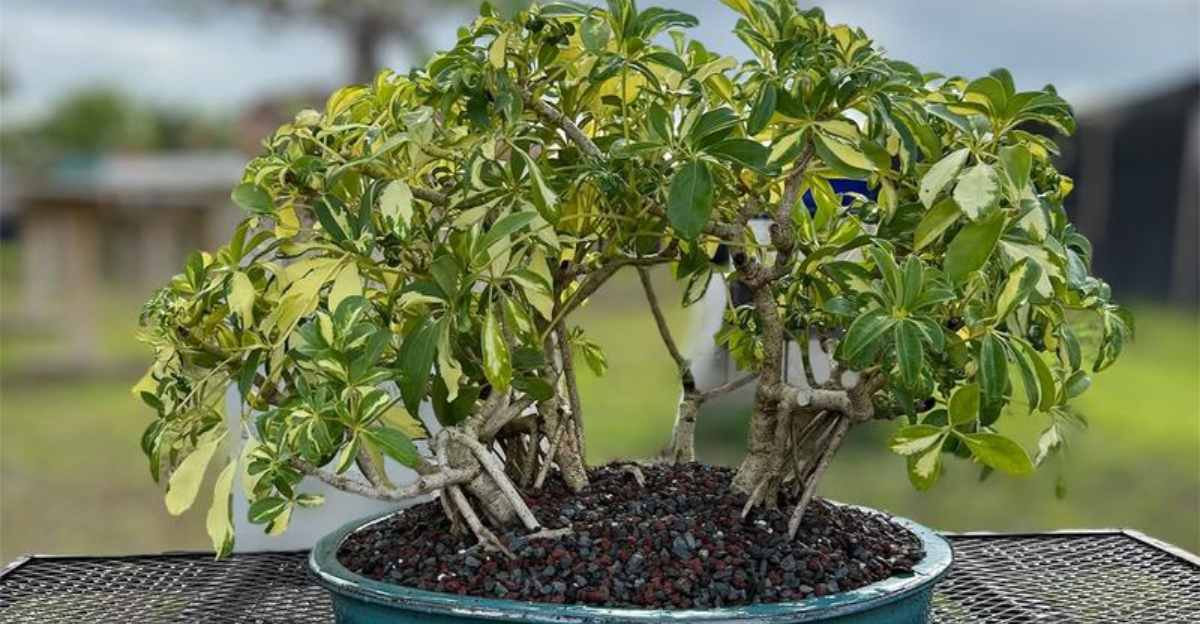
6. Dwarf Schefflera
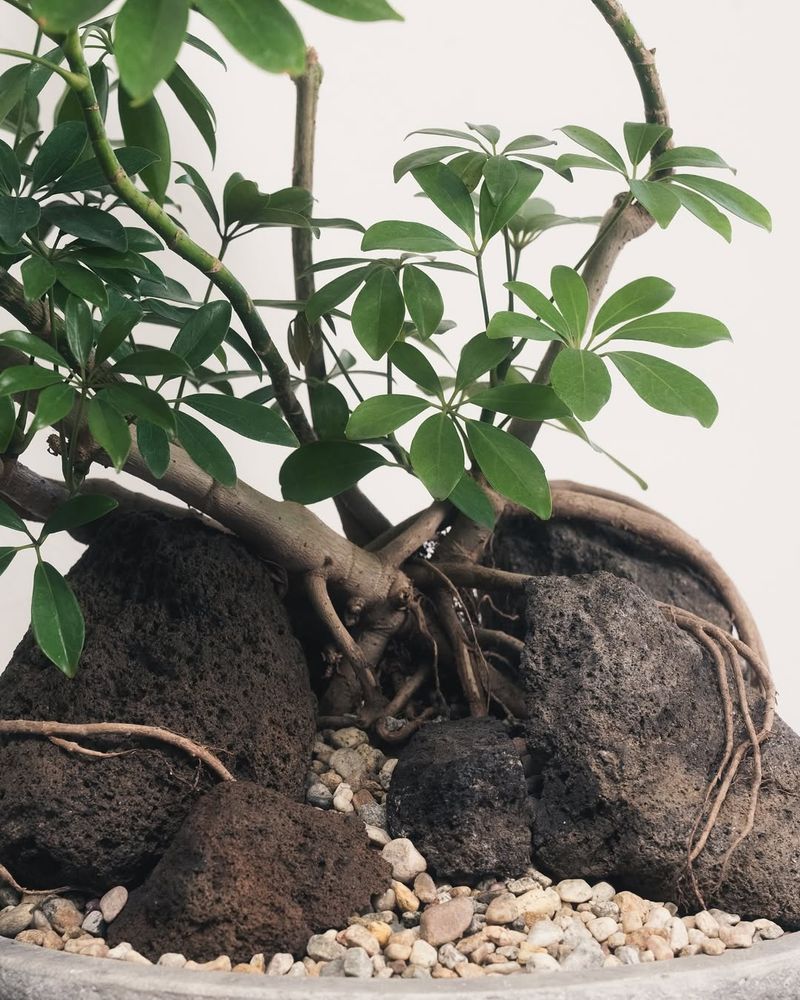
Palmate leaves arranged in neat clusters give the Dwarf Schefflera a tidy, organized appearance that appeals to those who appreciate symmetry.
This compact variety of Schefflera works perfectly for bonsai cultivation, staying smaller than its full-sized relatives while maintaining the same attractive leaf structure.
The plant tolerates a wide range of indoor conditions, from bright light to moderate shade, making it adaptable to different spots in your Illinois home.
Braided or twisted trunk styles are popular with this species, and young plants can be trained into these forms before the stems harden.
Growth is steady and predictable, which helps beginners develop their pruning and shaping skills without overwhelming maintenance demands.
Watering should be regular but not excessive; allow the top inch of soil to dry before watering again.
The Dwarf Schefflera appreciates occasional misting, especially during winter when indoor heating reduces humidity levels.
Fertilize every few weeks during spring and summer to maintain healthy leaf color and encourage new growth.
This bonsai rarely suffers from pests or diseases when given proper care, making it a low-stress option for busy plant enthusiasts.
The glossy green foliage brightens any room and requires only occasional leaf cleaning to maintain its shine.
Over time, the trunk develops interesting character and thickness that enhances the tree’s overall appearance.
7. Buddhist Pine
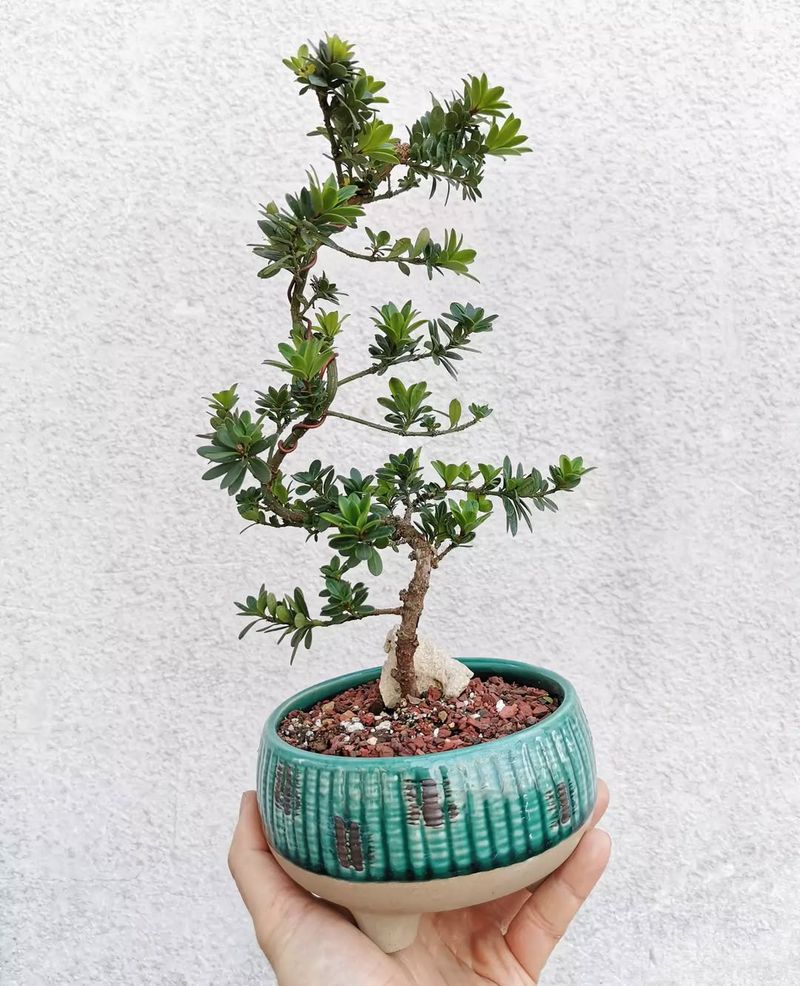
Long, narrow leaves give the Buddhist Pine a distinctive texture that differs dramatically from broad-leafed bonsai varieties.
Also known as Podocarpus, this evergreen conifer adapts surprisingly well to indoor cultivation despite its outdoor origins.
The deep green foliage creates a soft, flowing appearance that works beautifully in both formal and informal bonsai styles.
Buddhist Pine grows at a moderate pace, allowing you to shape and refine the tree without constant pruning sessions.
The species prefers bright light but can tolerate some shade, making it flexible for placement around your Illinois home.
Consistent moisture is important; the soil should never completely dry out, but drainage must be excellent to prevent root problems.
This bonsai appreciates cooler winter temperatures than many tropical species, which can work well in rooms that are not heavily heated.
Wiring is effective on younger branches, and the tree holds shaped forms well once the wire is removed.
Fertilize regularly during the growing season with a balanced formula to support healthy needle development.
The Buddhist Pine rarely suffers from serious pest issues, though scale insects can occasionally appear on the stems.
With patient care, this bonsai develops a serene, contemplative quality that reflects its spiritual namesake and brings peaceful energy to your indoor space.
8. Serissa Foetida
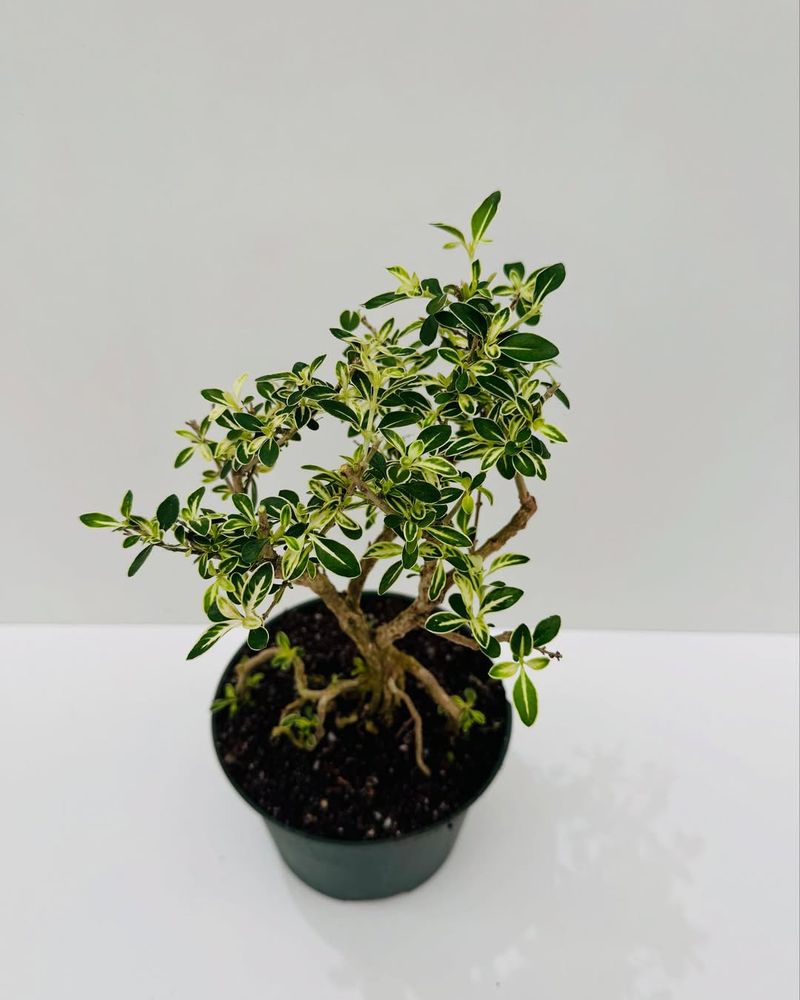
Commonly called the Tree of a Thousand Stars, Serissa Foetida earns its poetic name through abundant tiny flowers that cover the tree like a starry sky.
The blooms appear in white or pink, depending on the variety, and can occur multiple times throughout the year with proper care.
Tiny leaves create an incredibly fine texture that allows for detailed styling and gives the tree an appearance of great age even when young.
The bark develops a gnarled, twisted character quickly, adding to the impression of an ancient miniature tree.
Serissa can be temperamental, earning a reputation as a species for more experienced bonsai enthusiasts.
The tree may drop leaves suddenly in response to changes in environment, watering schedule, or temperature.
Consistent care is the key to success: maintain steady watering, avoid temperature fluctuations, and provide bright, indirect light.
Despite its fussy nature, many growers find the challenge rewarding when the tree blooms prolifically.
The species prefers higher humidity, so misting or a humidity tray helps prevent leaf drop in dry Illinois homes.
Prune regularly to maintain the tree’s shape and encourage dense branching.
Fertilize with a diluted solution every two weeks during the growing season to support continuous flowering and healthy foliage production.
9. Desert Rose
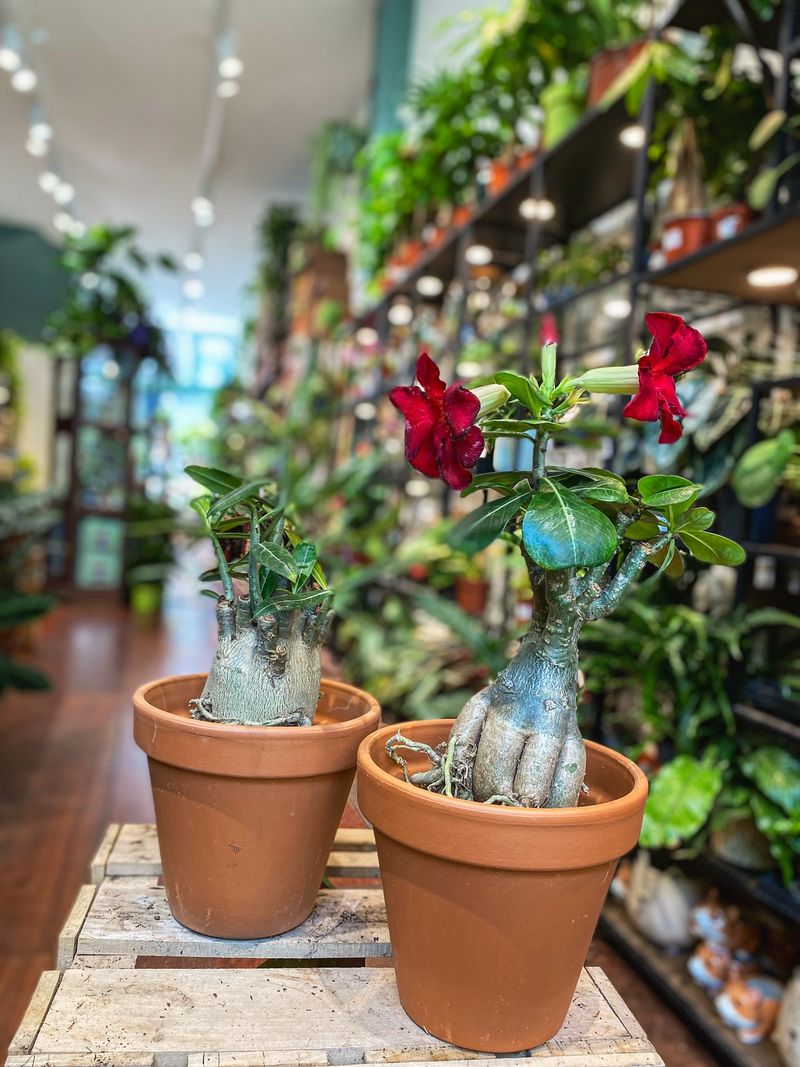
A swollen, sculptural trunk called a caudex makes the Desert Rose one of the most visually striking bonsai options available.
This succulent produces spectacular tubular flowers in shades of pink, red, or white that create a stunning contrast against the thick, gray-green trunk.
The Desert Rose thrives in the bright, sunny conditions found near south-facing windows in Illinois homes.
Water requirements are minimal compared to most bonsai; the plant stores moisture in its thick trunk and can tolerate extended dry periods.
Overwatering is the most common cause of problems, so err on the side of caution and water only when the soil is completely dry.
During winter, the Desert Rose may enter a dormant period and drop its leaves, which is completely normal.
Reduce watering dramatically during dormancy and resume regular care when new growth appears in spring.
The plant grows slowly, which means less frequent styling work and more time to appreciate its unique form.
Pruning encourages branching and helps develop the compact shape desired in bonsai cultivation.
Fertilize monthly during the active growing season with a balanced formula to support flowering.
The combination of sculptural trunk, glossy leaves, and vibrant blooms makes the Desert Rose a conversation-starting addition to any indoor bonsai collection.