8 Christmas Cactus Care Tips For Strong Growth After Blooming In Colorado
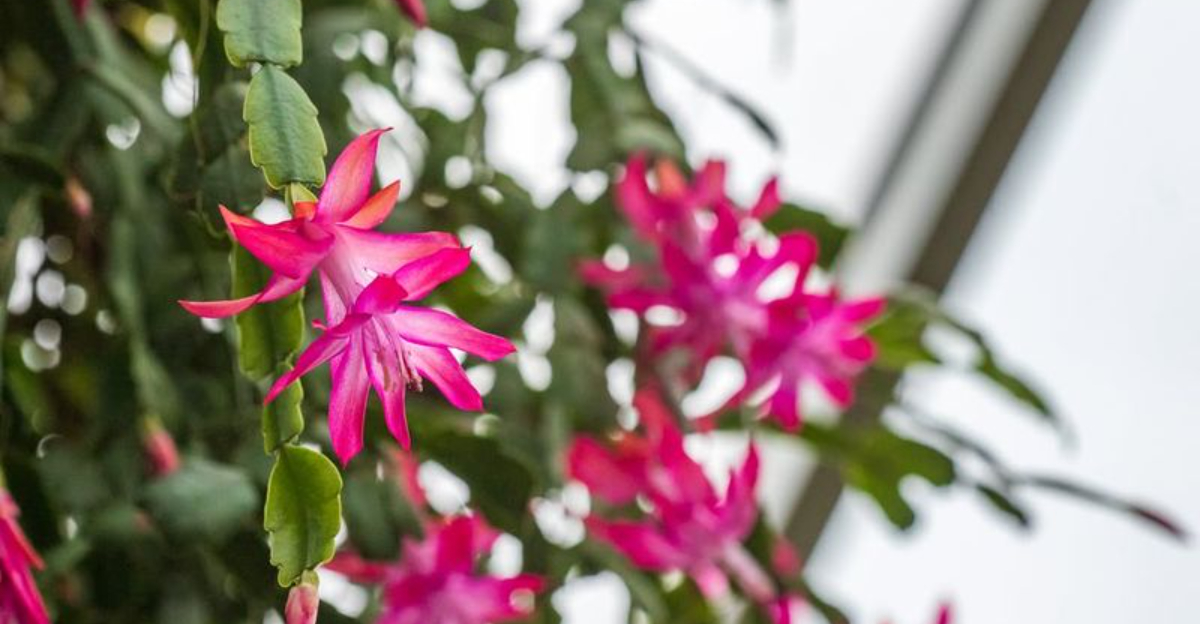
When a Christmas cactus finishes blooming, many people breathe a sigh of relief and move on.
The bright flowers have had their moment, and the plant fades into the background.
In Colorado homes, that is when the real work begins.
What happens after blooming often decides how strong and healthy the plant will be for the rest of the year.
A Christmas cactus may look delicate, but it has more backbone than most people think.
With the right care, it keeps growing, fills out, and sets the stage for future blooms.
Skip this phase, and the plant may limp along, drop segments, or refuse to flower again.
Post bloom care is where small mistakes can snowball into bigger problems.
Think of this period as a pit stop, not the finish line.
A few smart adjustments with watering, light, and rest can keep growth on track.
In Colorado’s dry air and changing seasons, paying attention now helps the plant stay strong and steady.
When treated right, a Christmas cactus rewards patience with healthy growth and reliable blooms year after year.
1. Reduce Watering Frequency Immediately After Flowers Fade
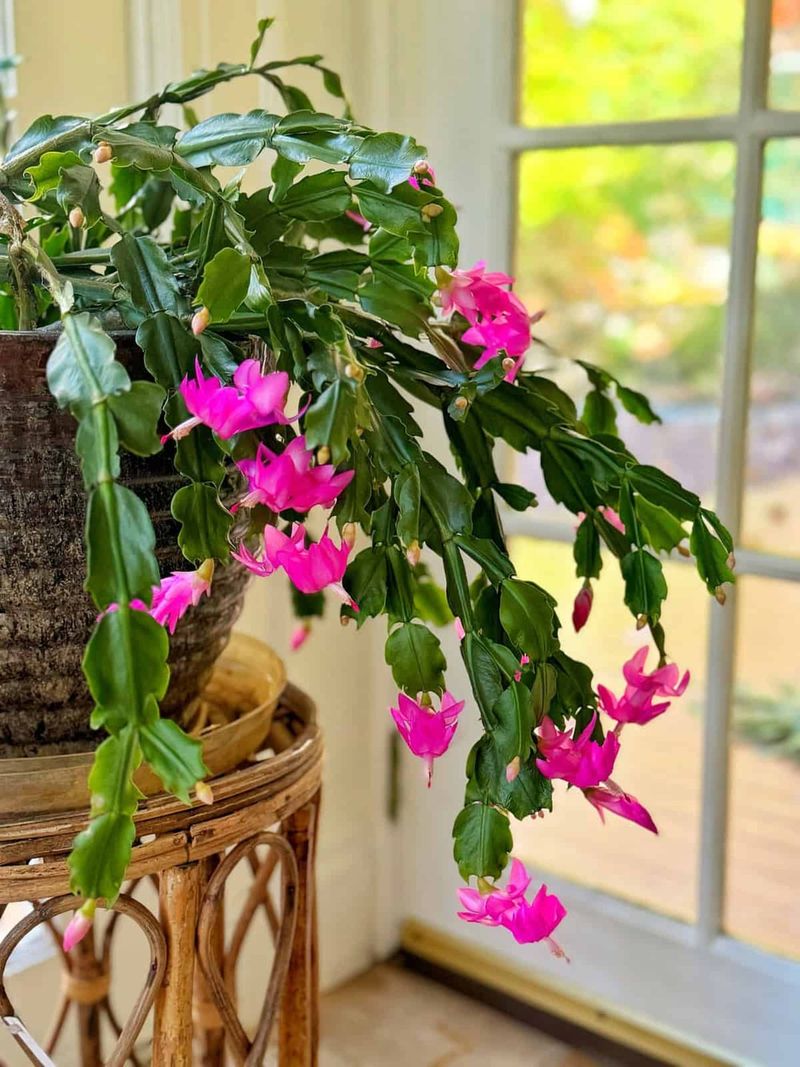
Once the last flower drops from your Christmas cactus, it enters a rest period where it needs much less water than during blooming.
Colorado’s dry air might make you think your plant needs constant moisture, but overwatering during this recovery phase causes root problems that weaken the entire plant.
Cut back to watering only when the top inch of soil feels completely dry to the touch.
The rest period typically lasts four to six weeks after blooming ends, usually spanning from late January through February for most Colorado homes.
During this time, your plant focuses energy on root development rather than producing new growth or flowers.
Less frequent watering encourages stronger root systems that can better handle the state’s challenging conditions.
Check soil moisture by sticking your finger into the potting mix rather than following a strict schedule.
Colorado’s low humidity means water evaporates faster from the soil surface, creating a misleading appearance of dryness while deeper soil remains moist.
When you do water, give the plant a thorough soaking until water drains from the bottom, then let it rest until the soil dries out again.
Room temperature affects how quickly soil dries, so plants near heating vents or sunny windows in Colorado homes may need slightly more frequent watering than those in cooler spots.
2. Move Your Plant To Bright Indirect Light
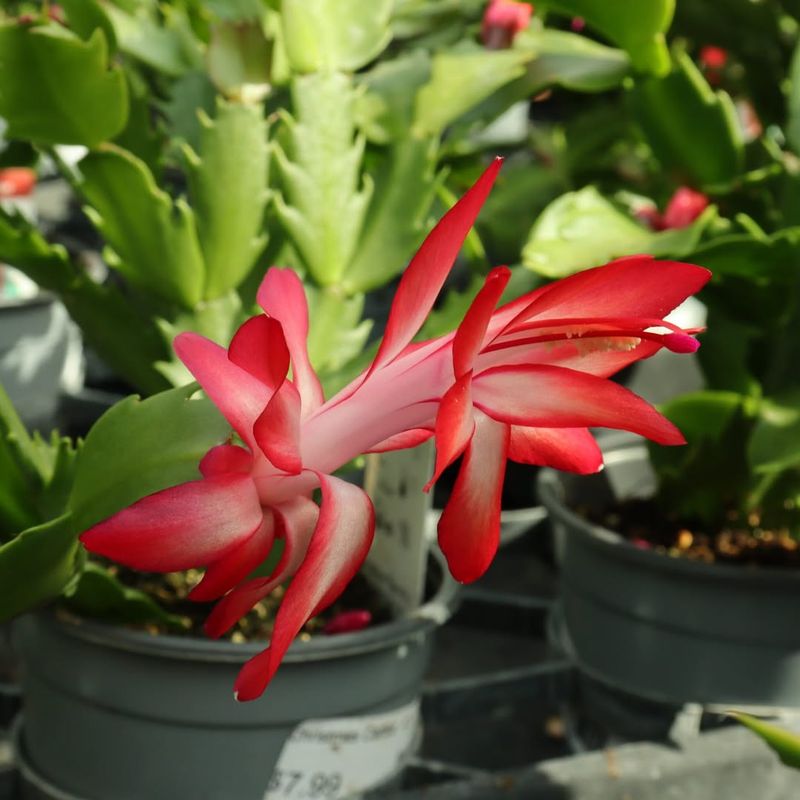
Colorado’s intense sunlight at high altitude can scorch your Christmas cactus if you’re not careful about placement after blooming.
These plants naturally grow under forest canopies in Brazil, so they prefer filtered light rather than direct sun exposure.
An east-facing window works perfectly because it provides gentle morning light without the harsh afternoon rays that are especially strong in Colorado.
Direct sunlight through Colorado windows acts like a magnifying glass, concentrating UV rays that can turn plant segments red or yellow within days.
This stress response indicates your cactus is getting too much light and struggling to protect itself.
Your Colorado Garden Changes Every Week. Your Plan Should Too.
Gardening in Colorado changes quickly throughout the season. Every Friday you’ll receive a simple weekly plan showing exactly what to plant, prune, fertilize, harvest, and protect so you never miss the right timing.
If you notice color changes, move the plant back from the window or add a sheer curtain to filter the intense light.
North-facing windows also work well in Colorado because they provide consistent indirect light throughout the day without temperature extremes.
South and west-facing windows require more careful management since they receive the strongest sunlight, particularly during winter when the sun sits lower in the sky.
You can place your plant several feet back from these windows or use lightweight curtains to diffuse the light.
Proper lighting after blooming helps your Christmas cactus develop thick, healthy segments that store energy for next year’s flowers while preventing the stress that comes from Colorado’s brilliant sunshine.
3. Maintain Humidity Levels Between 50-60 Percent
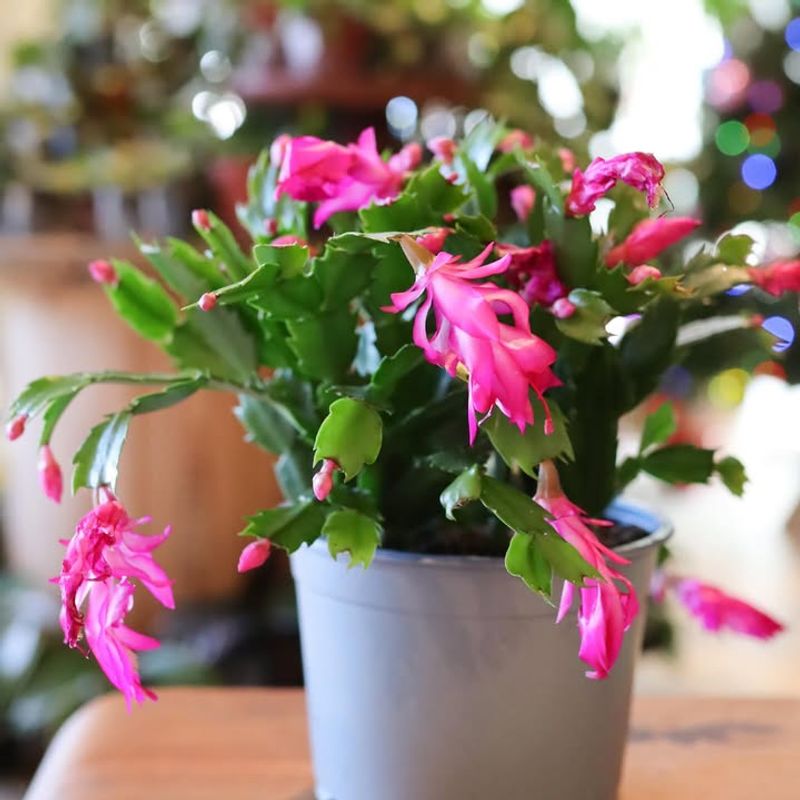
Colorado’s notoriously dry air presents one of the biggest challenges for Christmas cactus care, with indoor humidity often dropping below 20 percent during winter months.
Your plant evolved in humid Brazilian forests where moisture hangs in the air constantly, so Colorado’s desert-like conditions can cause segment shriveling and poor growth.
Creating a more humid microclimate around your plant makes a dramatic difference in its health.
A pebble tray offers the simplest humidity solution for Colorado homes.
Fill a shallow tray with small stones, add water until it reaches just below the top of the pebbles, then set your potted cactus on top.
As water evaporates, it creates a humid zone around the plant without letting roots sit in water.
Small humidifiers work wonderfully for Colorado plant lovers with multiple houseplants, raising humidity in an entire room rather than just around one plant.
Place the humidifier within a few feet of your Christmas cactus for best results.
You can also group several plants together since they all release moisture through their leaves, creating a naturally more humid environment.
Misting provides temporary relief but isn’t effective long-term in Colorado’s dry climate because moisture evaporates within minutes.
Check humidity levels with an inexpensive hygrometer to know whether your efforts are working and adjust your approach based on actual measurements rather than guesswork.
4. Keep Temperatures Between 60-70 Degrees Fahrenheit
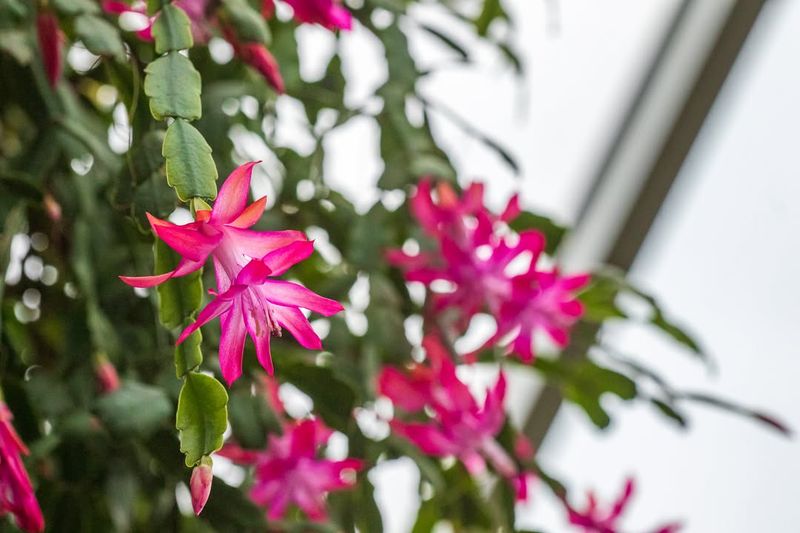
Temperature stability matters tremendously for Christmas cactus recovery after blooming, yet Colorado homes often experience dramatic temperature swings.
Heating systems cycle on and off throughout the day, creating fluctuations that stress plants trying to rest and rebuild energy.
Your cactus thrives in moderate temperatures between 60-70 degrees, which supports steady growth without triggering premature blooming.
Avoid placing your plant near heating vents, fireplaces, or drafty doors and windows where temperature changes happen rapidly.
Colorado winters bring cold air infiltration around windows, while heating vents blast hot, dry air that can damage plant tissue.
Even a few feet of distance from these problem areas makes a significant difference in maintaining stable conditions.
Nighttime temperatures can safely drop to around 55 degrees without harming your Christmas cactus, which actually mirrors its natural environment where temperatures cool after sunset.
This slight temperature drop is normal and healthy, but avoid letting your plant experience freezing conditions near cold windows or in unheated rooms.
Colorado’s mountain communities especially need to watch nighttime temperatures in rooms that aren’t centrally heated.
Monitor the specific area where your plant lives rather than relying on your thermostat reading, since microclimates exist throughout homes.
A simple thermometer placed near your Christmas cactus helps you understand what conditions it actually experiences versus what your heating system reports.
5. Apply Diluted Fertilizer Monthly During Spring Growth
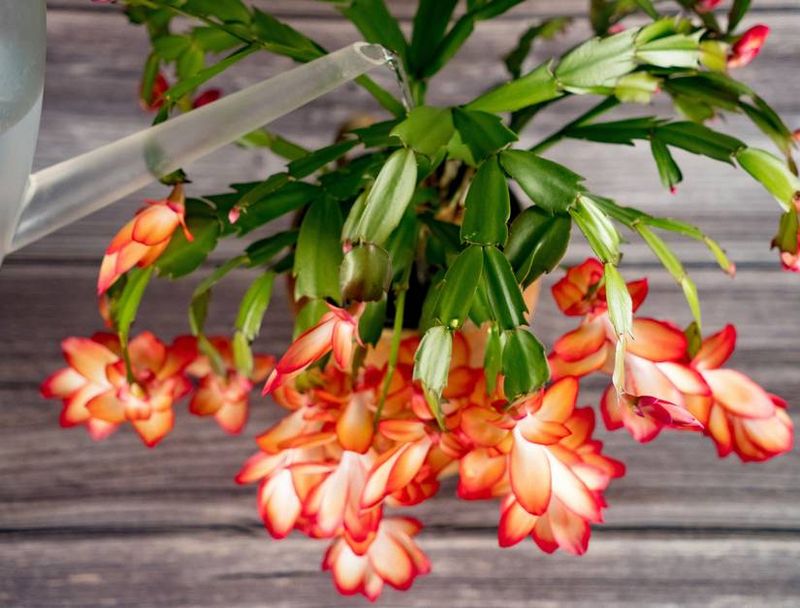
Your Christmas cactus needs nutritional support to develop strong new growth after the energy drain of blooming, but Colorado’s mineral-rich water and concentrated sunlight mean you should fertilize more carefully than gardeners in other regions.
Starting in March when new segments begin emerging, feed your plant with a balanced, water-soluble fertilizer diluted to half the recommended strength.
This gentle approach provides nutrients without overwhelming the plant or causing salt buildup in the soil.
Choose a fertilizer with equal nitrogen, phosphorus, and potassium numbers, such as 10-10-10 or 20-20-20, which supports overall plant health rather than pushing excessive flowering.
Apply the diluted solution once monthly from March through August, then stop fertilizing completely in September.
This feeding schedule aligns with your plant’s natural growth cycle and prepares it properly for the fall rest period that triggers next winter’s blooms.
Colorado’s tap water often contains high mineral levels that accumulate in potting soil over time, creating white crusty deposits on the soil surface and pot rim.
These mineral salts can interfere with nutrient uptake even when you’re fertilizing regularly.
Flush the soil every few months by running water through the pot until it drains freely from the bottom, washing away excess salts.
Skip fertilizing during the post-bloom rest period in January and February when your plant isn’t actively growing and can’t use the nutrients effectively.
6. Prune Leggy Or Damaged Segments In Early Spring
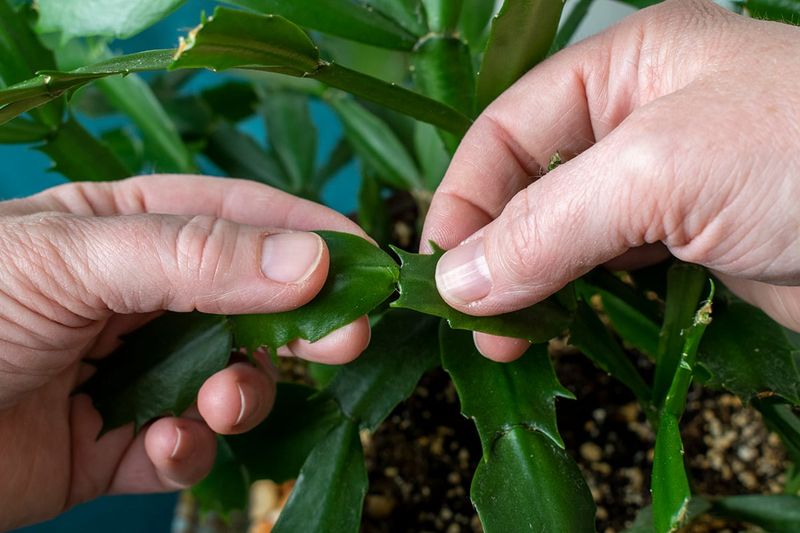
Early spring offers the perfect time to shape your Christmas cactus and remove any segments that look unhealthy or grow in awkward directions.
Pruning might seem scary, but these plants actually respond beautifully to trimming by producing fuller, bushier growth from the cut points.
Colorado’s intense light sometimes causes uneven growth patterns, with some stems stretching toward windows while others stay compact, making selective pruning especially valuable.
Remove segments by gently twisting them at the joint where two pieces connect rather than cutting with scissors or knives.
This twisting method creates a clean break that heals quickly without introducing bacteria or fungi that cutting tools might carry.
Focus on removing segments that look shriveled, discolored, or damaged from Colorado’s dry air, as well as any stems that grow much longer than the rest of the plant.
You can propagate the healthy segments you remove by letting them dry for a day, then placing them on moist potting soil where they’ll develop roots within a few weeks.
This gives you new plants to share with friends or expand your own collection.
Pruning also encourages your Christmas cactus to branch at the removal points, creating a fuller plant with more potential flowering sites for next season.
Avoid pruning after July because late-season cutting can interfere with flower bud development that begins in fall when Colorado’s daylight hours naturally shorten.
7. Repot Every Two To Three Years With Fresh Soil
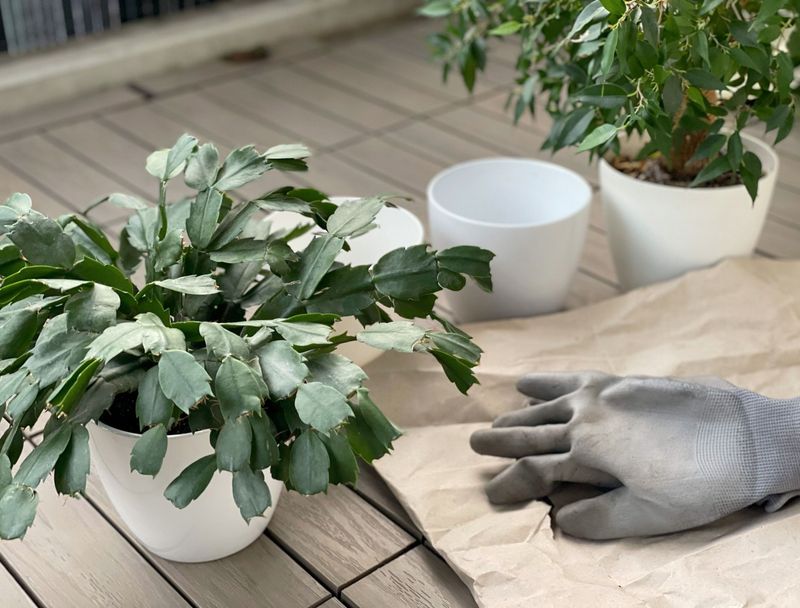
Colorado’s hard water and regular fertilizing gradually change the chemistry of potting soil, making repotting essential every two to three years for maintaining plant health.
Fresh potting mix restores proper drainage and nutrient availability while giving roots room to expand.
Spring offers the ideal repotting window, right after your plant finishes its post-bloom rest and begins producing new growth.
Choose a pot only one or two inches larger than the current container because Christmas cacti actually bloom better when slightly rootbound.
These plants don’t need deep pots since their root systems stay relatively shallow and compact.
Terracotta pots work exceptionally well in Colorado because the porous clay allows excess moisture to evaporate through the sides, preventing the waterlogged conditions that harm roots in our dry climate.
Use a potting mix specifically formulated for cacti and succulents, which provides the excellent drainage Christmas cacti require.
You can also create your own mix by combining regular potting soil with perlite or coarse sand in equal parts.
Avoid using garden soil or heavy potting mixes that retain too much moisture, which becomes especially problematic in Colorado where our watering habits often don’t match our dry air.
After repotting, wait a week before watering to let any damaged roots heal, then resume your normal care routine.
The fresh soil and renewed root space help your Christmas cactus establish vigorous growth through spring and summer.
8. Adjust Care For Colorado’s Summer Outdoor Conditions
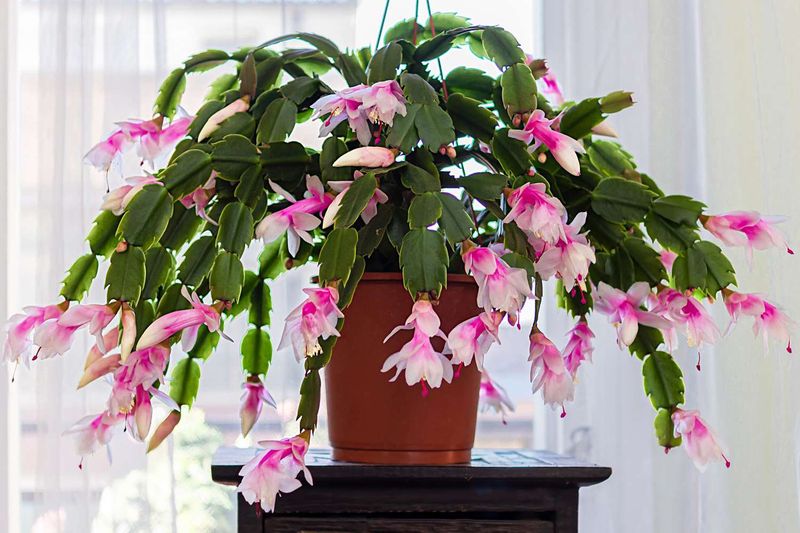
Moving your Christmas cactus outdoors during Colorado’s summer months can boost its health dramatically, but only if you choose the right location and adjust your care routine.
Outdoor time from late May through early September exposes your plant to natural air circulation and gentle temperature fluctuations that strengthen it for next winter’s blooming.
However, Colorado’s intense high-altitude sunshine and low humidity require careful placement to prevent stress.
Find a spot with dappled shade under trees or on a north-facing porch where your cactus receives bright light without direct sun exposure.
Morning sun is acceptable, but afternoon rays in Colorado are too intense and will cause segment damage.
The goal is mimicking the filtered light conditions of its native forest environment rather than exposing it to full sun.
Outdoor plants dry out faster than indoor ones, especially in Colorado’s arid summer climate with frequent afternoon breezes.
Check soil moisture every few days and water when the top inch feels dry, which may mean watering two or three times weekly during hot periods.
Bring your plant back inside before nighttime temperatures drop below 50 degrees in early fall, typically around mid-September in most Colorado locations.
Watch weather forecasts carefully since Colorado’s unpredictable summer storms can bring hail that shreds plant segments, and sudden cold fronts occasionally appear even in July.
A protected location under an overhang provides insurance against these weather surprises while still giving your Christmas cactus the benefits of outdoor living.