8 Garden Path Ideas That Will Make Your Virginia Backyard Shine
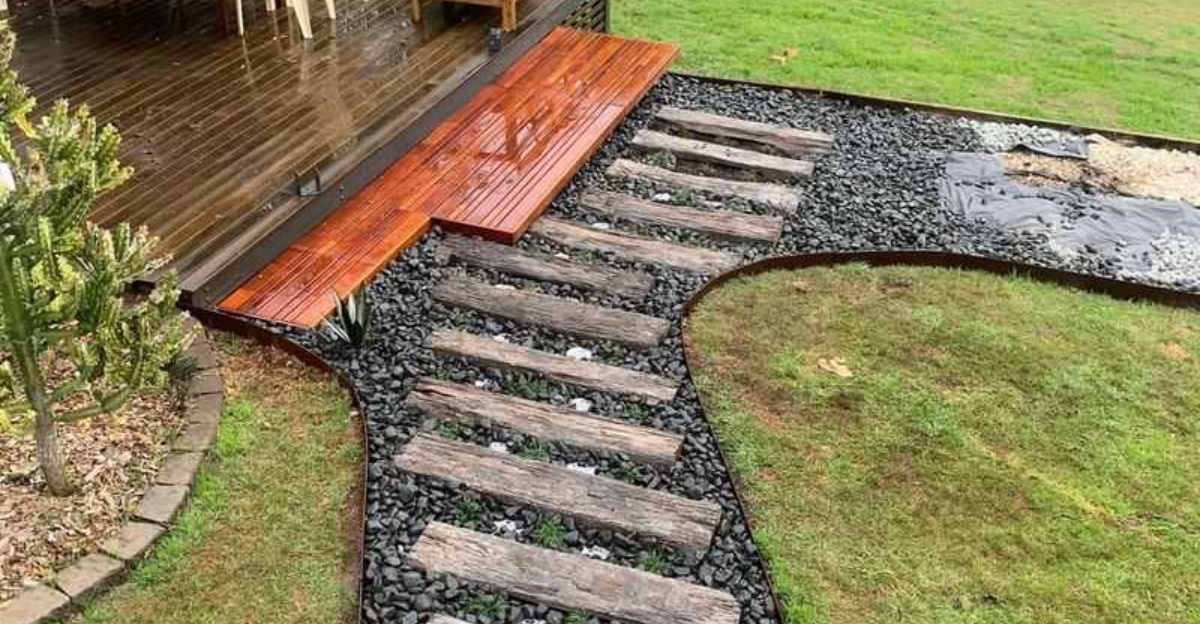
A thoughtfully designed garden path can transform a Virginia backyard from ordinary to extraordinary, guiding the eye and creating a sense of flow throughout outdoor spaces.
Paths do more than connect one area to another—they add texture, structure, and visual interest while highlighting plants, focal points, and seating areas.
Materials like stone, brick, gravel, or wood create distinct moods, from rustic charm to modern elegance, while curves, angles, and patterns make even small yards feel spacious and inviting.
Well-planned paths also protect soil and plants by directing foot traffic and adding functionality to the landscape.
1. Natural Flagstone Stepping Stones
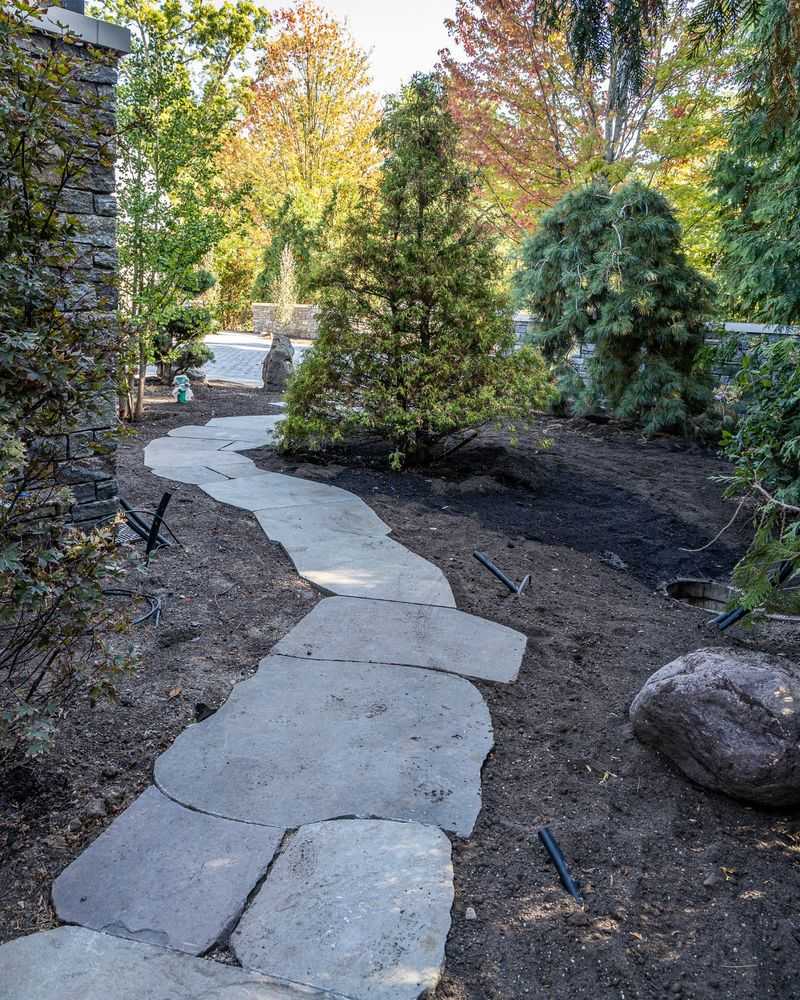
Flagstone brings an organic, relaxed feeling to any backyard space.
These flat, irregular stones come in shades of gray, tan, and rust that blend beautifully with Virginia landscapes.
Spacing them apart creates a casual, inviting path that encourages slower, more mindful walks through your garden.
Grass, moss, or low-growing groundcovers can fill the gaps between stones for a soft, natural appearance.
Creeping thyme and Irish moss are excellent choices that smell wonderful when stepped on.
This style works particularly well in cottage gardens or naturalized areas where you want a less formal look.
Flagstone comes in various thicknesses, so choose stones at least two inches thick for durability.
Thicker stones resist cracking better and provide more stable footing.
The irregular shapes mean no two paths look exactly alike, giving your yard a one-of-a-kind character.
Installation is simpler than fully mortared paths since you just need to level the ground and set stones in place.
Sand or gravel underneath helps with drainage and prevents settling.
Flagstone stays relatively cool underfoot during hot Virginia summers, unlike concrete or asphalt.
This material ages gracefully, developing a weathered patina that enhances its natural beauty.
Maintenance involves occasional weeding between stones and releveling if needed.
2. Classic Brick Walkway
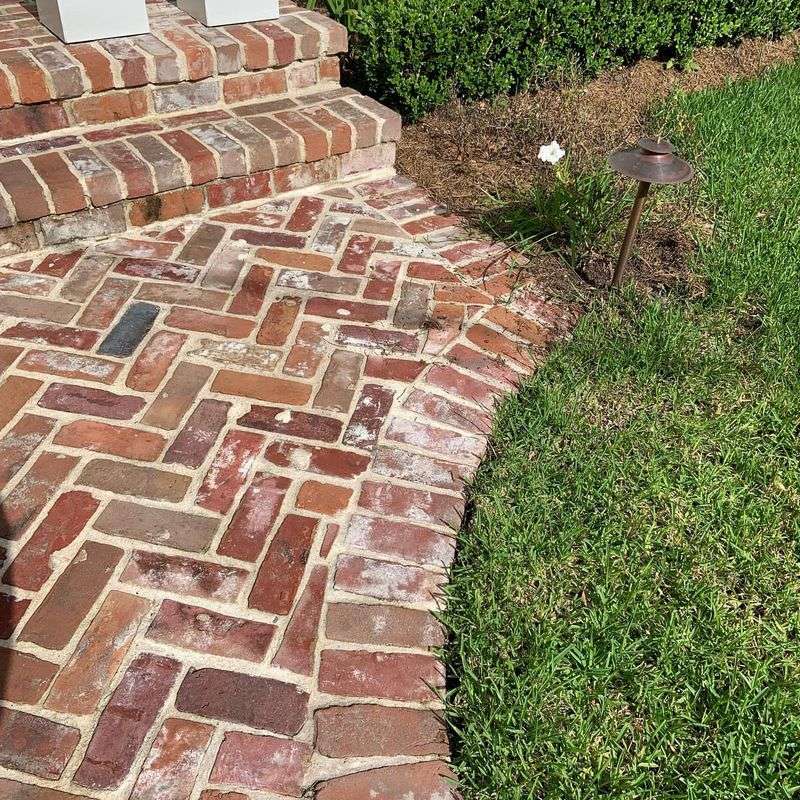
Brick paths have been popular in Virginia for centuries, and for good reason.
The reddish-brown color matches perfectly with the natural tones found throughout the state.
Colonial Williamsburg showcases countless examples of how timeless this material truly is.
You can arrange bricks in many patterns, from simple running bond to fancy herringbone designs.
Each pattern creates a different look and feel for your walkway.
Herringbone patterns add visual interest and help prevent bricks from shifting over time.
Basketweave designs offer a traditional appearance that works well with older homes.
Running bond patterns provide a clean, straightforward look that complements modern landscapes.
Brick handles Virginia’s freeze-thaw cycles better than many other materials.
The porous nature allows water to drain through, which prevents dangerous ice buildup in winter.
Installation requires some preparation, but the results last for decades with minimal maintenance.
You can edge your brick path with soldier courses or contrasting materials for extra definition.
Moss and patina develop naturally over time, adding character and charm.
This material works equally well for straight formal paths or curved casual walkways.
Brick paths increase your property value while providing safe, stable footing year-round.
3. Crushed Gravel Pathway
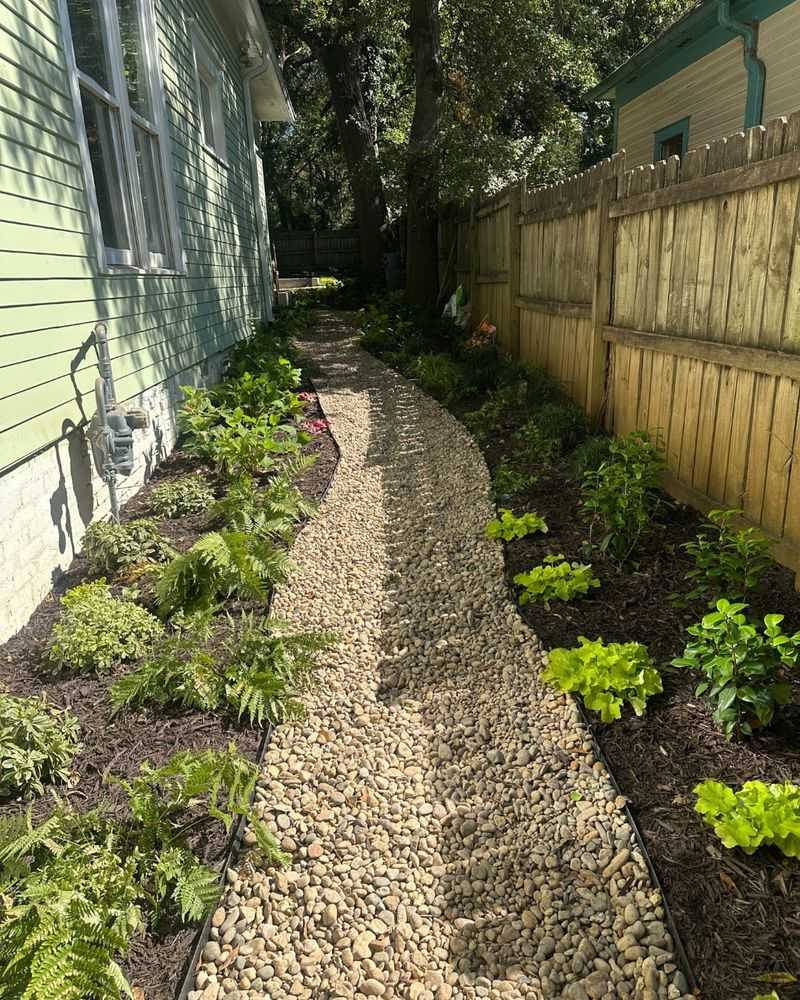
Budget-conscious homeowners often turn to gravel for an affordable yet attractive option.
Your Virginia Garden Changes Every Week. Your Plan Should Too.
Gardening in Virginia changes quickly throughout the season. Every Friday you’ll receive a simple weekly plan showing exactly what to plant, prune, fertilize, harvest, and protect so you never miss the right timing.
Crushed gravel comes in many colors, from neutral gray to warm tan and even reddish hues.
The crunching sound underfoot adds a pleasant sensory element to your garden experience.
Gravel paths drain exceptionally well, making them perfect for areas that tend to stay wet after rain.
Virginia’s clay-heavy soil can hold water, so good drainage prevents muddy messes.
This material works beautifully for curved, winding paths that meander through flower beds or vegetable gardens.
You can adjust the width and shape easily without major reconstruction.
Edging is important to keep gravel contained and prevent it from spreading into lawn areas.
Metal, plastic, or stone edging all work well depending on your aesthetic preferences.
A fabric barrier underneath stops weeds from pushing through while still allowing drainage.
Gravel requires occasional raking to keep it level and may need topping off every few years.
Snow removal is trickier than on solid surfaces, but the gravel provides good traction in winter.
This option installs quickly, often in just a weekend for most residential paths.
Gravel paths complement both formal and informal garden styles depending on how you design the surrounding landscape.
4. Mulch Garden Trail
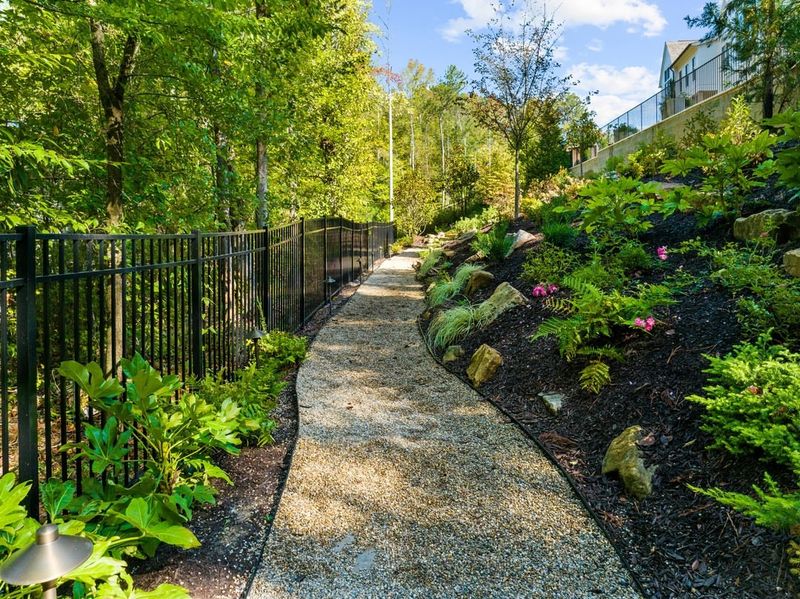
Woodland gardens and shaded areas benefit tremendously from mulch paths.
Wood chips or shredded bark create a soft, cushioned surface that feels wonderful to walk on.
The natural brown tones blend seamlessly with forest settings and shade gardens.
Mulch paths cost very little to install, especially if you have access to free wood chips from tree services.
Many tree companies will deliver chips at no charge since it saves them disposal fees.
This material breaks down over time, adding nutrients back into your soil as it decomposes.
You need to refresh mulch paths annually or every other year to maintain depth and appearance.
A depth of three to four inches provides good coverage and weed suppression.
Thinner applications allow weeds to poke through more easily.
Mulch paths work wonderfully for informal gardens where you want a relaxed, natural aesthetic.
They absorb sound, making your garden feel quieter and more peaceful.
The material stays relatively cool and comfortable even during hot weather.
Drainage is excellent since water passes right through the loose chips.
Borders made from logs or stones help define the path and contain the mulch.
This option is perfect for temporary paths or areas where you might change your mind about placement later.
5. Pea Gravel And Pavers Combination
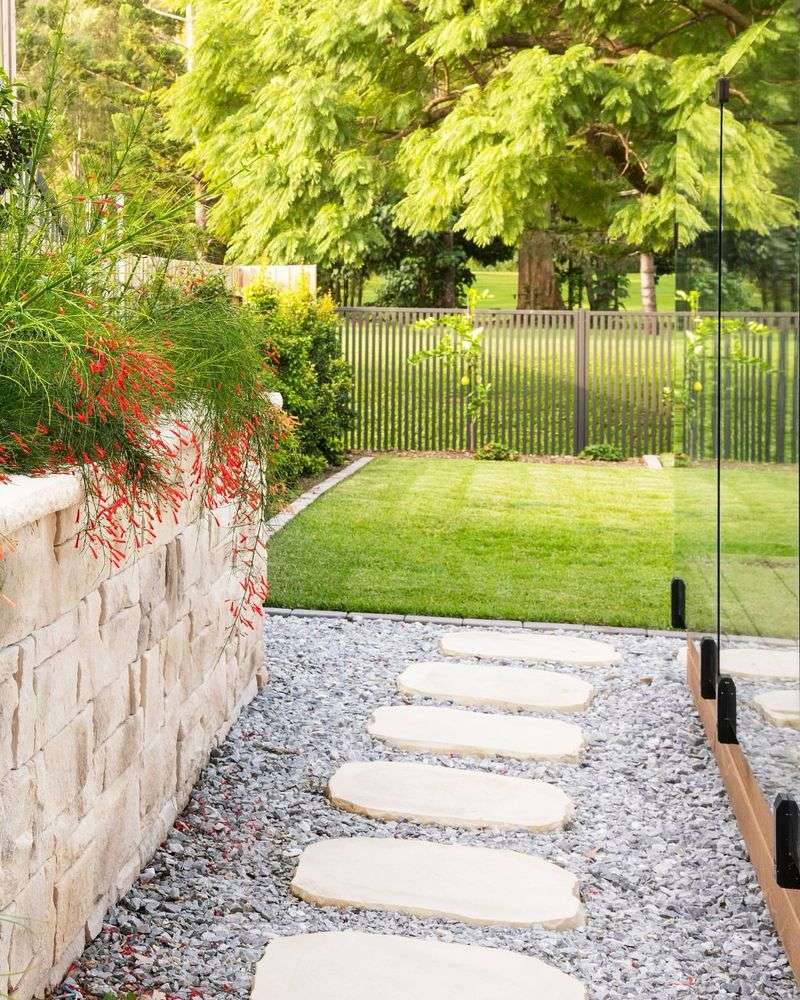
Mixing materials creates visual interest and combines the best features of different options.
Pea gravel paired with large pavers offers both structure and softness in one design.
The smooth, rounded pebbles feel pleasant underfoot and come in various neutral colors.
Square or rectangular pavers set into the gravel provide stable stepping points.
This combination works especially well for contemporary or modern garden designs.
You can space pavers close together for a more solid walkway or farther apart for a casual stepping stone effect.
Pea gravel settles nicely around the pavers, creating a cohesive, integrated look.
The contrast between smooth concrete or stone pavers and textured gravel adds dimension to your landscape.
Installation requires proper base preparation to prevent pavers from sinking over time.
A compacted gravel base topped with sand creates a stable foundation.
Edging keeps both the pea gravel and pavers contained within the path boundaries.
This style drains well and resists puddles, even during Virginia’s heavy spring rains.
Maintenance involves occasionally raking the gravel and keeping pavers level.
Weeds are less of a problem with pea gravel than with larger stone options.
This modern combination suits homes with contemporary architecture or minimalist landscaping.
6. Reclaimed Wood Boardwalk
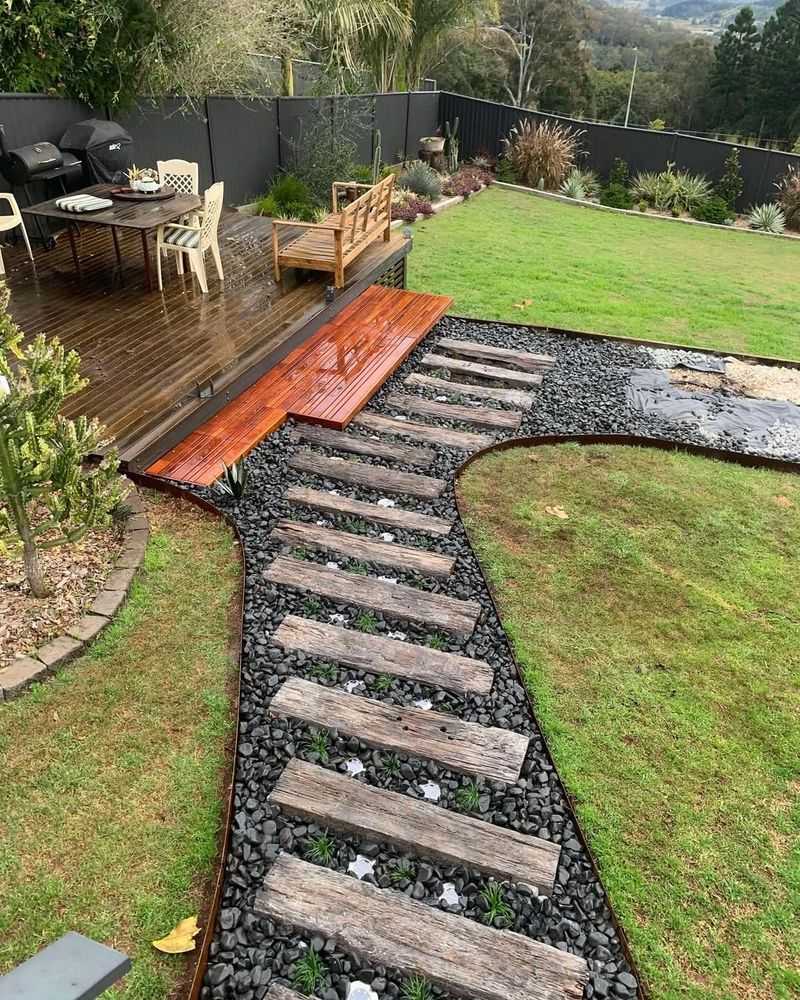
Elevated wooden paths add a unique architectural element to your outdoor space.
Reclaimed barn wood or weathered lumber brings rustic charm and environmental responsibility together.
Boardwalks work particularly well in areas with drainage issues or uneven terrain.
Raising the path above ground level protects plantings underneath and prevents soil compaction.
Virginia’s humidity means choosing rot-resistant wood species is important for longevity.
Cedar, redwood, and pressure-treated lumber all hold up well in moist conditions.
Reclaimed materials add instant character that new wood takes years to develop.
The weathered gray tones complement both traditional and farmhouse-style gardens.
Construction requires basic carpentry skills and proper support underneath to prevent sagging.
Posts or concrete footings every few feet provide necessary structural support.
Spacing boards slightly apart allows rainwater to drain through instead of pooling on the surface.
This design creates a focal point that draws the eye and encourages exploration of your garden.
Boardwalks feel different underfoot than ground-level paths, adding a sense of adventure.
Annual treatment with wood sealant extends the life of your boardwalk significantly.
This option works beautifully in wetland areas, rain gardens, or anywhere you want an elevated perspective.
7. Cobblestone Garden Path
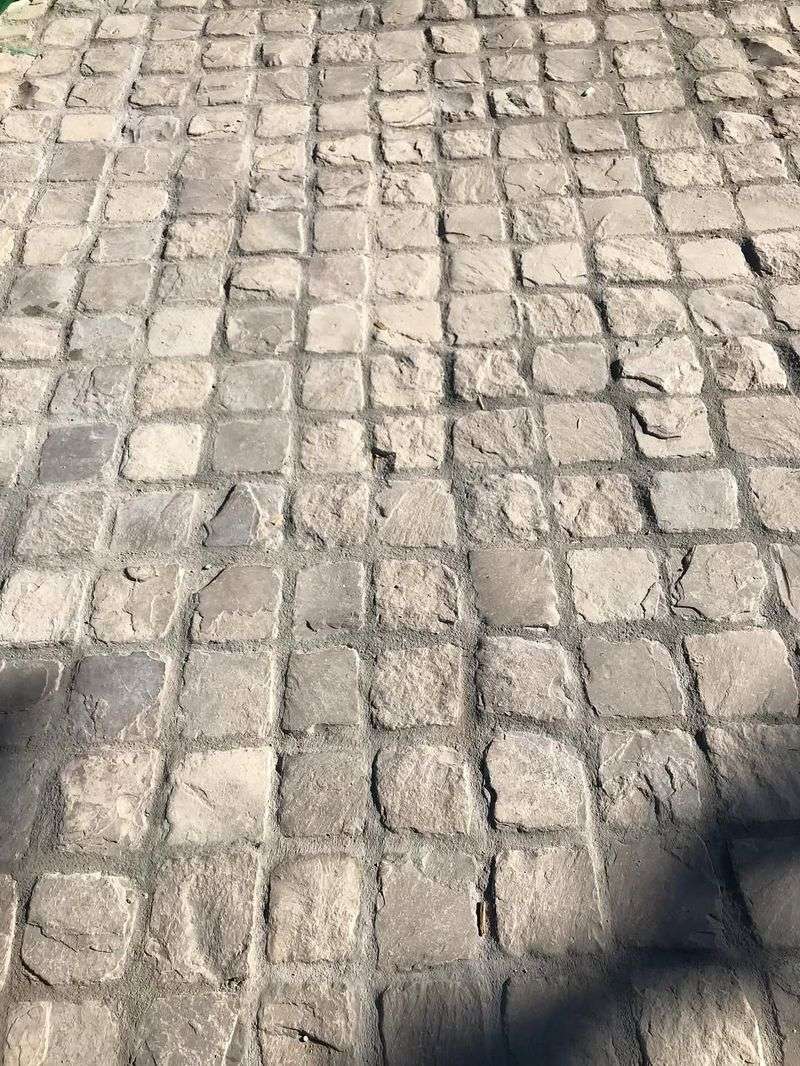
Old-world elegance comes alive with rounded cobblestones arranged in traditional patterns.
These smooth, river-worn stones create a textured surface that adds historical character to any yard.
Cobblestones remind many people of European village streets and bring that romantic feeling home.
The rounded tops provide excellent traction even when wet, making them safer than flat, slick surfaces.
Various shades of gray, tan, and brown within each stone create natural color variation.
Installation takes patience since each stone must be individually placed and leveled.
Sand between the cobbles allows for slight movement without cracking, accommodating ground shifts.
This flexibility helps the path survive Virginia’s freeze-thaw cycles without damage.
Cobblestone paths pair beautifully with formal gardens, especially those featuring boxwood hedges or roses.
The timeless appearance suits both historic properties and new homes seeking classic style.
Maintenance is minimal once properly installed, though occasional resetting of individual stones may be needed.
Weeds can sprout between stones, but regular sweeping and occasional treatment keeps them manageable.
Cobblestones feel substantial and permanent, conveying quality and craftsmanship.
This investment adds significant curb appeal and can increase property value.
The textured surface creates interesting shadows and visual depth throughout the day as sunlight changes.
8. Decomposed Granite Walkway
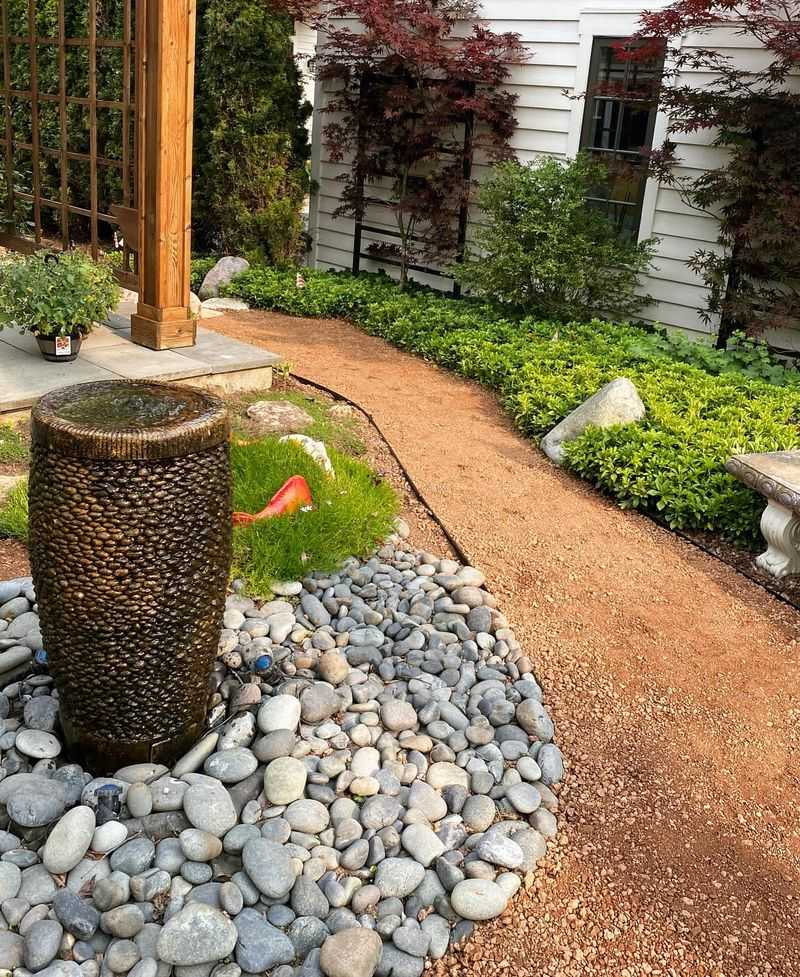
Decomposed granite offers a firm yet natural-looking surface that compacts beautifully over time.
This material consists of granite broken down into fine particles that pack together when wetted and rolled.
The result is a smooth, solid path that still breathes and drains water effectively.
Colors range from golden tan to reddish-brown, depending on the granite source.
Virginia homeowners appreciate how well the warm tones complement native plants and stonework.
Installation requires proper base preparation and compaction to achieve the best results.
A stabilized version mixed with binders creates an even firmer surface that resists erosion.
This option works well for wheelchair accessibility since it provides a smooth, even surface.
Decomposed granite paths suit contemporary landscapes and xeriscaping designs particularly well.
The material stays cooler than asphalt but warmer than stone, making it comfortable year-round.
Edging is essential to prevent the material from washing away during heavy rains.
Steel, aluminum, or stone borders all work effectively to contain the path.
Maintenance involves occasional recompaction and topping off in high-traffic areas.
Weeds are less problematic than with loose gravel since the compacted surface leaves little room for growth.
This environmentally-friendly option uses a natural material that blends seamlessly into your landscape.