10 Garden Edging Ideas That Look Great In Pennsylvania No Matter Your Budget
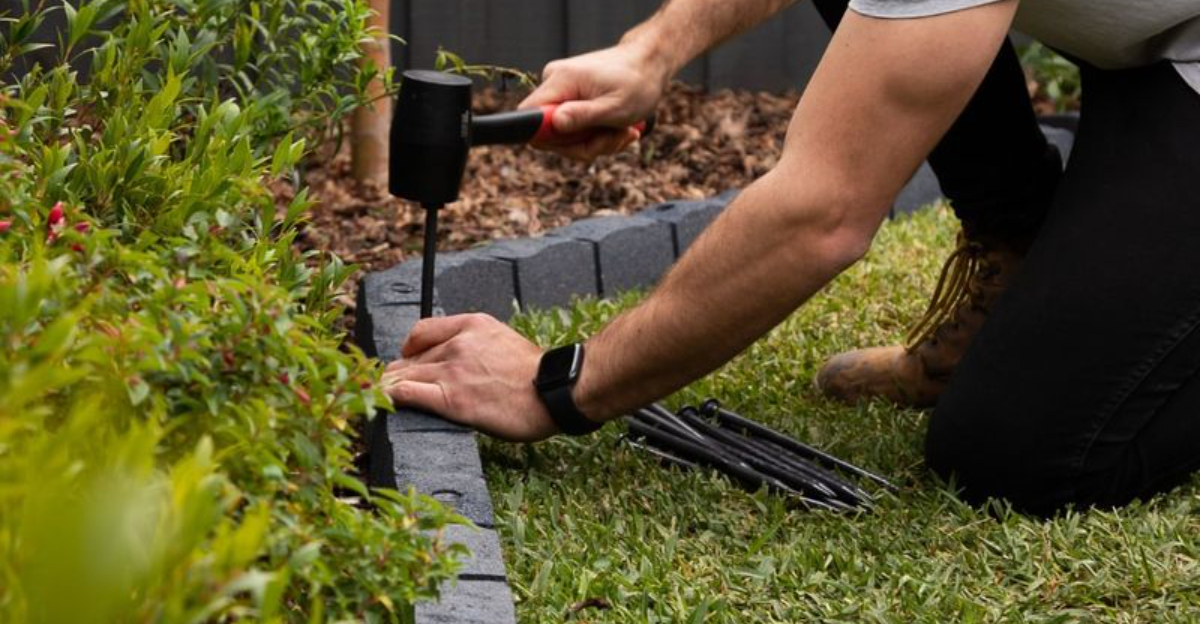
Creating beautiful garden borders helps define your outdoor space while keeping grass and weeds from creeping into flower beds and vegetable patches everywhere.
Pennsylvania gardens face unique challenges with changing seasons, clay soil, and fluctuating temperatures that require edging materials to handle freeze-thaw cycles without problems.
Finding the right edging solution means balancing style, durability, and cost while making sure it complements your home’s character and your landscape design.
These ten edging ideas offer something for every Pennsylvania gardener, from budget-friendly options to premium choices that add lasting value to properties.
1. Natural Stone Edging
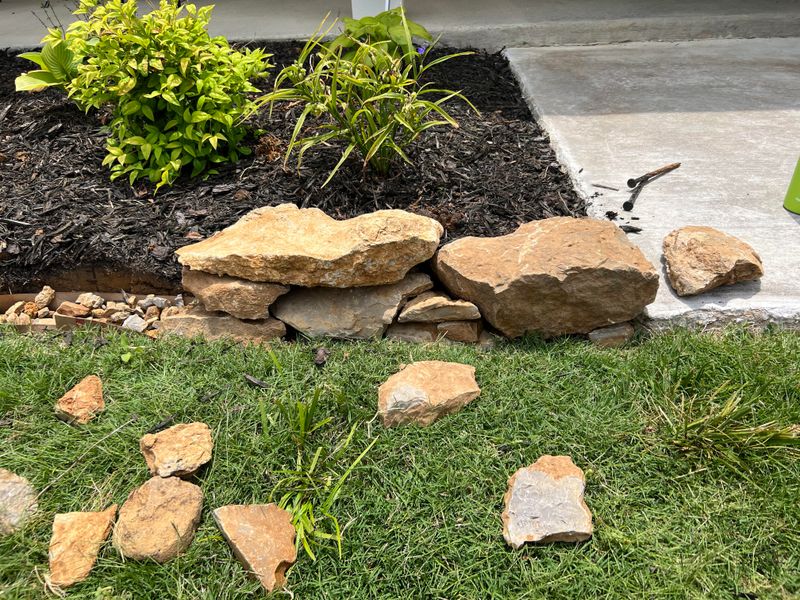
Fieldstone gathered from Pennsylvania farms creates rustic borders that blend seamlessly with the state’s natural landscape and historic architecture throughout rural areas.
Stacking flat stones two or three layers high provides excellent definition while allowing flexibility to follow curves and irregular bed shapes without cutting.
Local quarries sell Pennsylvania bluestone, limestone, and sandstone at reasonable prices, especially if you purchase irregular pieces instead of perfectly cut blocks.
Moss and lichen naturally colonize stone surfaces over time, giving your edging an aged, established appearance that enhances cottage and farmhouse garden styles.
Stone edging handles Pennsylvania winters beautifully because it doesn’t crack or shift much during freeze-thaw cycles common in our climate zone here.
Installation requires digging a shallow trench and setting stones firmly in place, sometimes using landscape fabric underneath to prevent weed growth between gaps.
This option works equally well for formal estate gardens and casual backyard plots, adapting to whatever aesthetic you want to create outdoors.
Costs vary widely depending on stone type and source, but collecting fieldstone yourself makes this an incredibly affordable edging solution overall.
2. Recycled Brick Borders
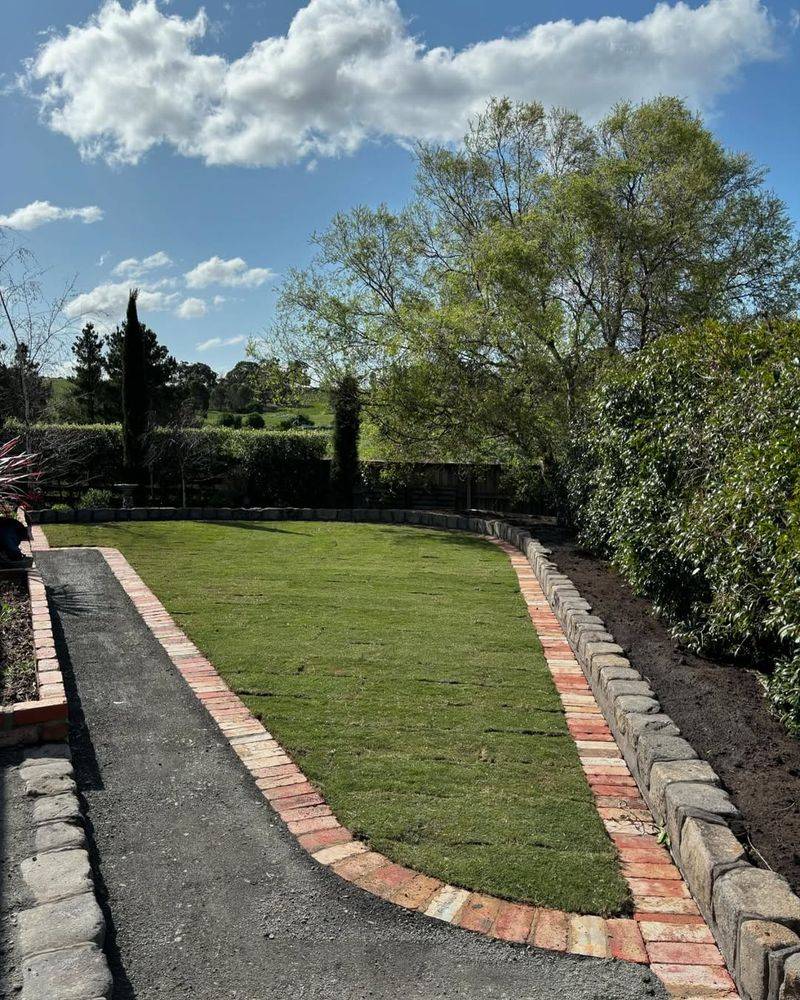
Old bricks salvaged from demolished buildings carry history in every chip and crack, adding character that new materials simply cannot replicate in garden designs.
Pennsylvania’s industrial heritage means reclaimed bricks are plentiful at architectural salvage yards, demolition sites, and even free on community exchange websites regularly.
Arranging bricks vertically creates a taller barrier that prevents mulch from spilling onto lawns, while horizontal placement offers a lower, more subtle edge.
Herringbone, basketweave, and running bond patterns transform functional edging into decorative features that complement colonial, Victorian, and craftsman-style homes throughout the state.
Mortaring bricks together creates permanent edging that stays put through harsh winters, though dry-stacking allows easier adjustments if you redesign beds later.
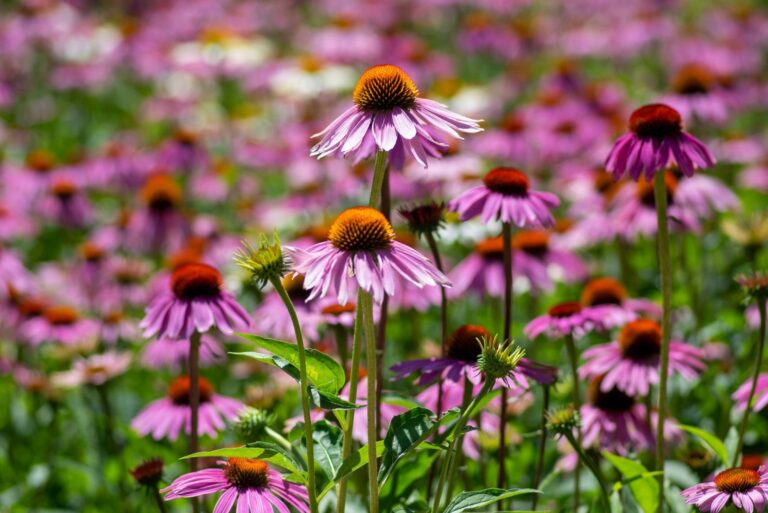
Brick edging pairs beautifully with gravel paths, flagstone patios, and traditional perennial gardens filled with peonies, irises, and black-eyed Susans native here.
Cleaning bricks before installation improves their appearance, and sealing them protects against moisture absorption that causes crumbling during repeated freezing and thawing.
Budget-conscious gardeners appreciate that reclaimed bricks often cost pennies compared to new pavers while delivering superior aesthetic appeal and environmental benefits too.
3. Steel Landscape Edging
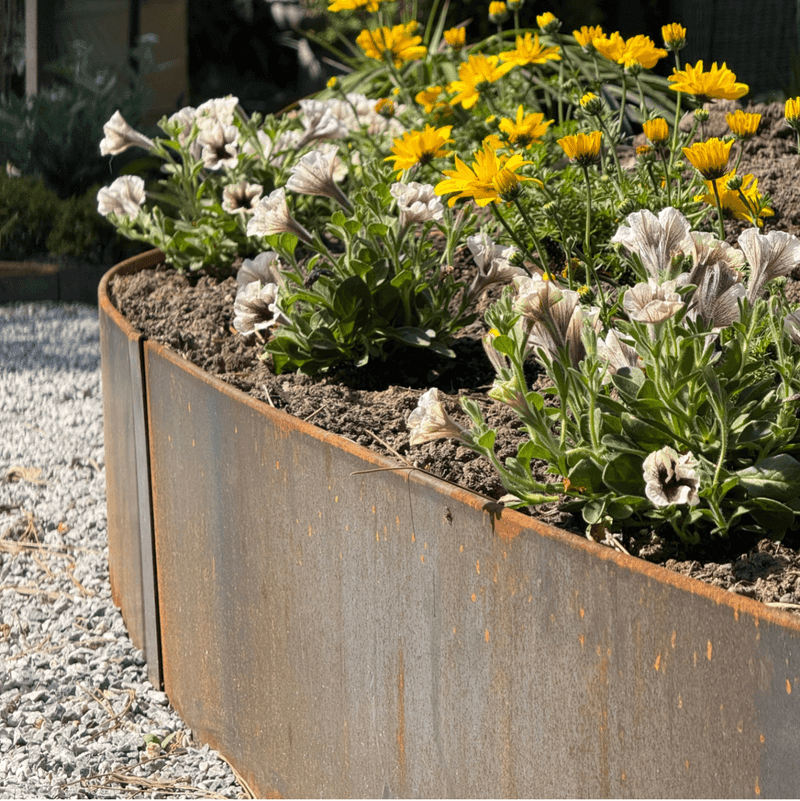
Sleek metal strips installed vertically disappear visually while providing incredibly strong barriers that keep aggressive plants and grass roots completely contained in designated areas.
Corten steel develops a protective rust patina that actually prevents further corrosion, creating a warm orange-brown color that complements Pennsylvania’s autumn landscape beautifully.
Your Pennsylvania Garden Changes Every Week. Your Plan Should Too.
Gardening in Pennsylvania changes quickly throughout the season. Every Friday you’ll receive a simple weekly plan showing exactly what to plant, prune, fertilize, harvest, and protect so you never miss the right timing.
This edging style suits modern and contemporary garden designs where clean lines and minimalist aesthetics take priority over rustic or traditional decorative elements.
Installation involves hammering stakes through pre-drilled holes and connecting sections with couplers, creating continuous runs that follow any curve or angle you need.
Steel edging sits almost flush with the ground, making mowing easier since lawnmower wheels roll right over the top without catching or damage.
Though initial costs run higher than many alternatives, steel edging lasts decades without rotting, cracking, or requiring replacement like wood and plastic options do.
Pennsylvania gardeners battling invasive grasses like quackgrass or bamboo appreciate how deep steel barriers block underground runners that spread through shallow edging materials.
Powder-coated black steel offers a more subtle appearance than weathering steel, maintaining a consistent color that works with any planting scheme or hardscape.
4. Wooden Log Edging
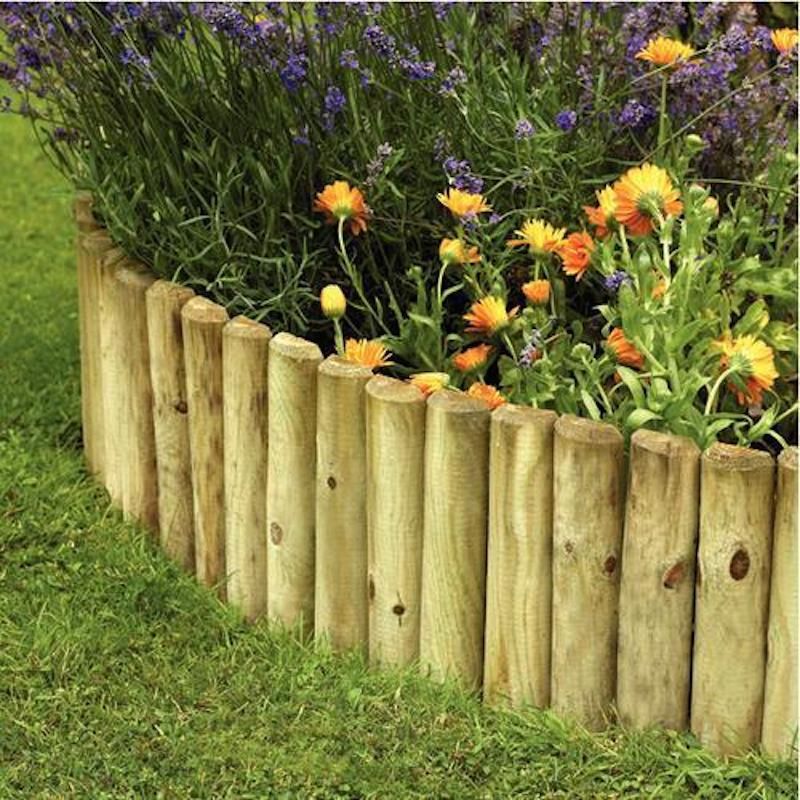
Split logs from fallen trees or firewood suppliers bring woodland charm to shade gardens planted under Pennsylvania’s native oaks, maples, and hickories everywhere.
Half-round logs laid horizontally create raised beds that improve drainage in heavy clay soils common throughout the state, especially in valleys and lowland areas.
Pressure-treated lumber lasts longer but leaches chemicals into soil, so untreated locust, cedar, or black walnut works better for vegetable gardens and organic landscapes.
Stacking logs Lincoln-log style builds taller edges for hillside gardens where erosion control matters as much as aesthetics in sloped terrain conditions.
Natural wood weathers to silver-gray over several seasons, developing cracks and textures that shelter beneficial insects like native bees and beetle larvae naturally.
Securing logs with rebar driven through pre-drilled holes prevents shifting during spring thaws when frost heaves move unsecured materials out of position frequently.
This edging option costs very little if you harvest logs yourself from property cleanup projects or storm damage that brings down trees anyway.
Replacing rotted sections every five to ten years maintains appearance and function, though naturally rot-resistant woods last considerably longer in Pennsylvania’s climate.
5. Poured Concrete Curbing
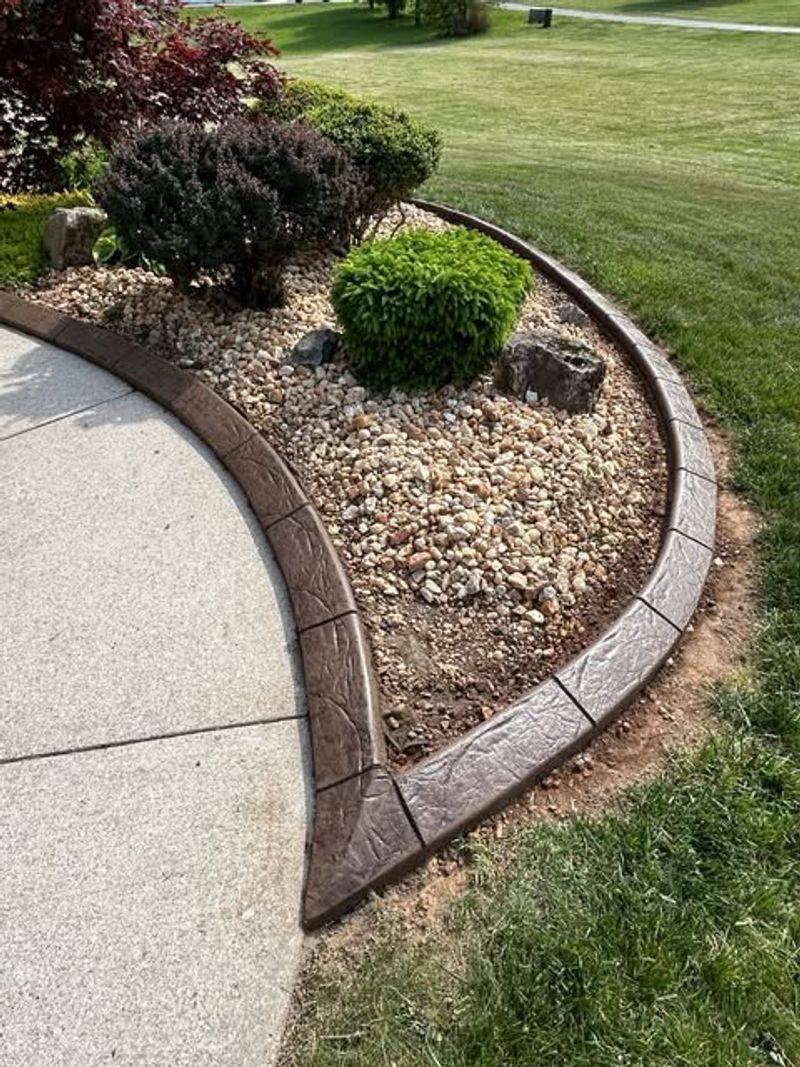
Professional concrete edging services use portable machines that extrude continuous curbs in custom colors and textures, creating polished borders that rival high-end landscapes.
Stamped patterns mimic stone, brick, or wood textures while providing concrete’s durability and low maintenance requirements that busy homeowners appreciate for years ahead.
Integral color pigments mixed throughout the concrete won’t chip or fade like painted surfaces, maintaining consistent appearance through Pennsylvania’s harsh winters and summers.
Curved designs flow smoothly around beds without joints or gaps where weeds can take hold, offering cleaner lines than segmented edging materials ever achieve.
Concrete edging sits slightly above ground level, creating a mowing strip that keeps grass trimmed neatly while preventing soil and mulch from washing away.
Initial installation costs exceed DIY options significantly, but concrete curbing eliminates ongoing replacement expenses and maintenance tasks required with temporary edging materials constantly.
Sealing concrete surfaces protects against salt damage from winter road treatments that splash onto roadside gardens and prevents staining from mulch and fertilizers.
Homeowners planning to stay long-term find this investment worthwhile, while those expecting to move soon might choose less permanent alternatives instead.
6. Plastic Edging Strips
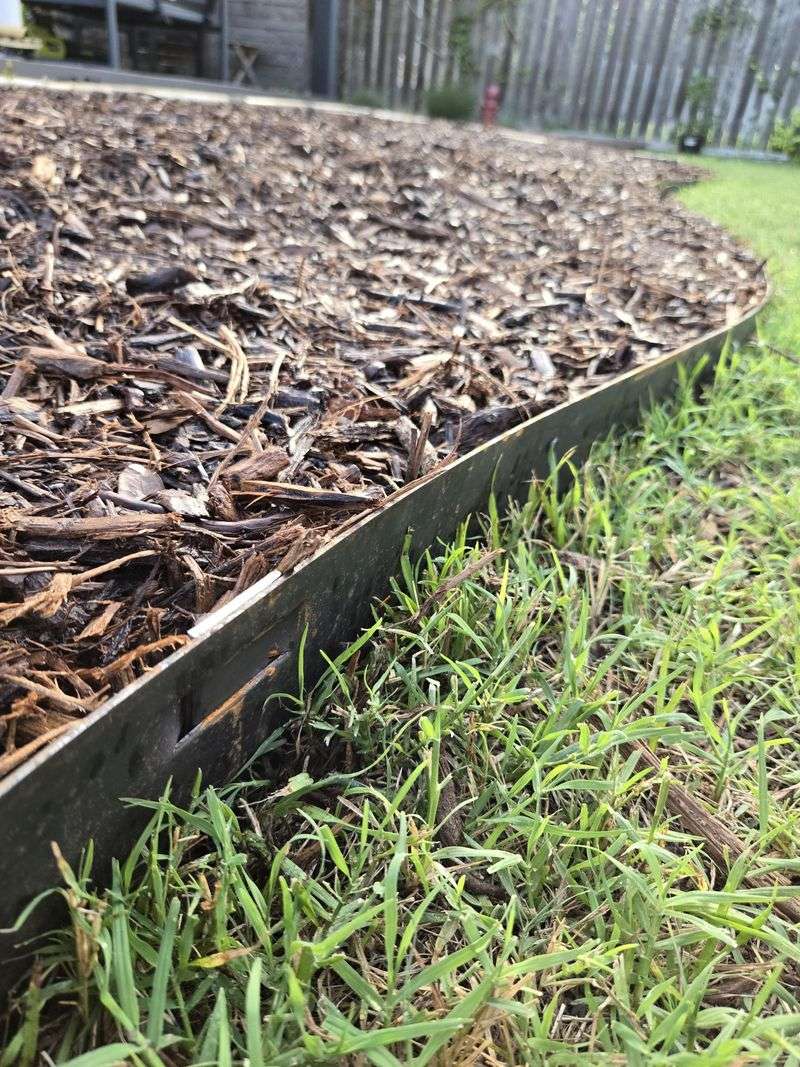
Affordable rolls of flexible plastic edging from garden centers provide quick solutions for renters and new gardeners testing bed layouts before committing permanently.
Installation takes minutes using a flat shovel to cut a narrow trench, inserting the edging, and backfilling soil against both sides firmly.
Spiked anchors every few feet prevent frost heaves from pushing plastic edging out of the ground during Pennsylvania’s freeze-thaw cycles each spring.
Black plastic virtually disappears against dark mulch, maintaining focus on plants rather than borders, which suits naturalistic and informal garden styles perfectly well.
UV-stabilized products resist sun damage and brittleness better than cheap versions that crack after one season exposed to Pennsylvania’s intense summer sunlight.
Gentle curves work fine, but sharp angles require warming plastic with hot water first, making it temporarily flexible enough to bend without kinking.
Critics argue plastic looks cheap and temporary, which remains true, but budget-conscious gardeners accept this tradeoff for edging costing just dollars per foot.
Removing and relocating plastic edging proves simple when redesigning gardens, unlike permanent installations that require demolition and create waste materials unnecessarily.
7. River Rock Borders
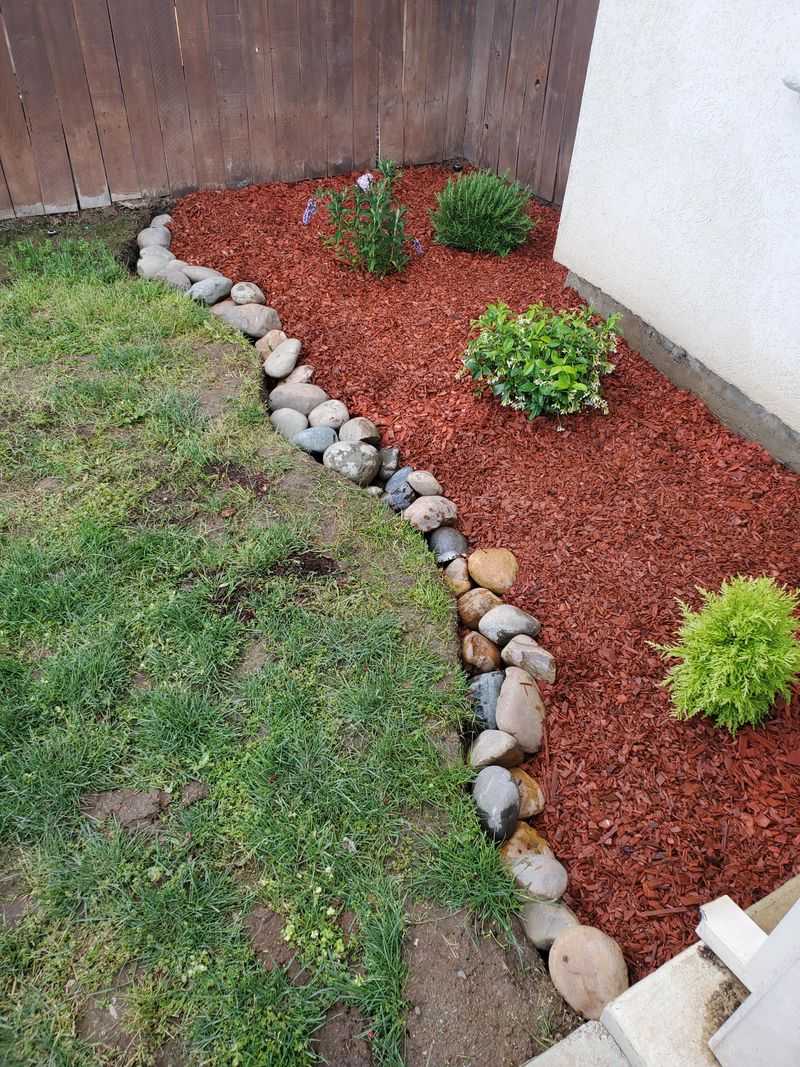
Smooth stones worn round by water create organic borders that soften hard landscape edges while providing excellent drainage around plant roots in heavy soils.
Pennsylvania garden centers stock river rock in various sizes from pea gravel to fist-sized cobbles, each creating different visual effects and functional benefits.
Larger stones stay put better than small ones that scatter during rainstorms or when kicked accidentally, though mixing sizes creates natural-looking arrangements.
Laying landscape fabric underneath prevents rocks from sinking into mud while blocking weeds that would otherwise sprout between stones constantly throughout seasons.
River rock borders work beautifully in Japanese-inspired gardens, xeriscape designs, and contemporary landscapes where flowing forms replace rigid geometric patterns and lines.
Costs remain moderate since rocks never rot, crack, or require replacement, though purchasing enough volume to create substantial borders adds up quickly initially.
Raking rocks back into place occasionally maintains neat edges, especially after heavy rains wash them sideways or children explore gardens enthusiastically outdoors.
Color choices range from white quartz to gray granite to reddish sandstone, allowing coordination with house exteriors, hardscaping, and regional landscape character.
8. Living Plant Edging
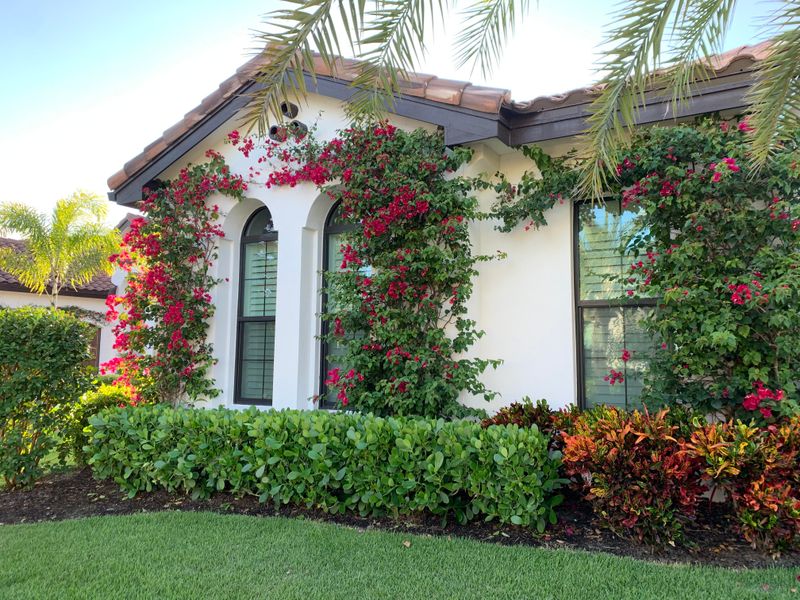
Compact plants like dwarf boxwood, germander, or lavender create living borders that change with seasons, offering flowers, fragrance, and texture beyond static materials.
Formal knot gardens and parterres rely on tightly clipped evergreen hedges to define geometric patterns that showcase Pennsylvania’s colonial garden heritage and traditions.
Informal cottage gardens use billowing catmint, lady’s mantle, or creeping thyme spilling onto paths, softening edges with romantic, relaxed charm and character.
Plant edging requires regular trimming to maintain shape and prevent overgrowth into beds or pathways, adding maintenance tasks that hardscape edging never needs.
Pennsylvania’s climate suits many edging plants including native wild ginger for shade or non-native but well-adapted santolina for sunny, dry spots.
Initial costs include purchasing enough plants to create continuous borders, typically spacing them six to twelve inches apart depending on mature size eventually.
Living edges attract pollinators, beneficial insects, and sometimes birds seeking nesting materials or seeds, supporting biodiversity beyond purely decorative functions in landscapes.
Winter interest varies by species, with evergreen choices maintaining structure year-round while herbaceous perennials disappear completely until spring growth resumes again.
9. Rubber Edging Products
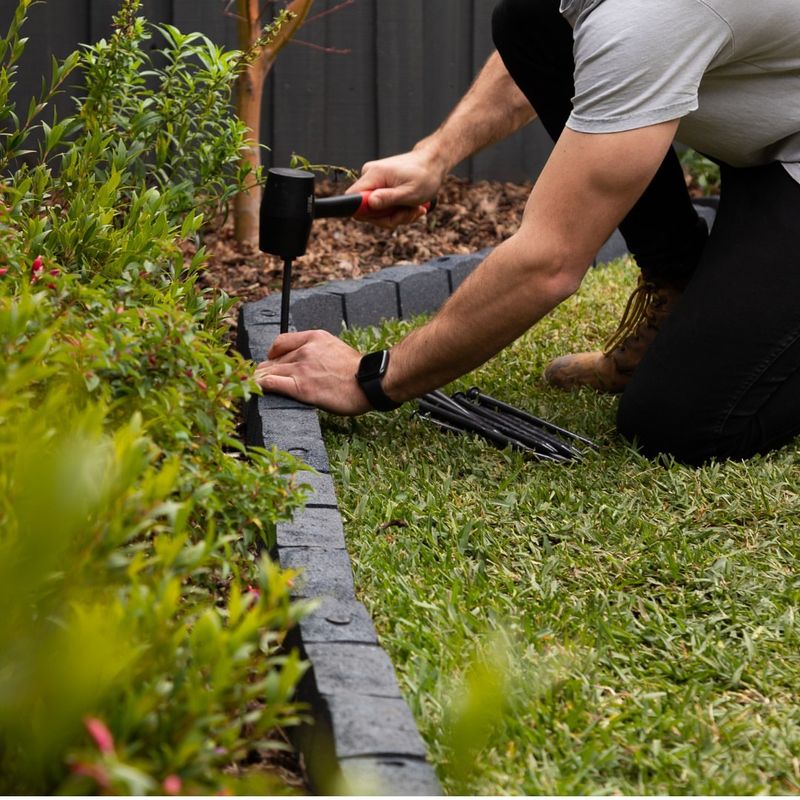
Recycled tire rubber transformed into edging products offers eco-friendly borders that flex with ground movement, never rotting or splintering like wood alternatives do.
Interlocking sections snap together quickly without tools, making installation accessible for anyone regardless of experience level or physical strength and ability.
Rubber edging handles Pennsylvania’s temperature extremes without cracking in winter cold or becoming brittle under summer heat like some plastic products eventually do.
Textured surfaces and molded patterns mimic natural materials including stone and wood, though close inspection reveals synthetic origins that some gardeners find objectionable.
Lightweight construction simplifies transportation and handling compared to stone or concrete options requiring vehicles, equipment, or multiple people for safe moving.
Colors include natural browns and grays that blend into landscapes plus bolder options for playful garden designs or areas where visibility matters for safety.
Environmental benefits appeal to sustainability-minded gardeners diverting waste from landfills, though manufacturing processes and longevity debates continue among green-living advocates everywhere.
Prices fall between cheap plastic strips and premium metal edging, offering middle-ground solutions for gardeners wanting durability without major financial investment required.
10. Wattle Fencing Edges
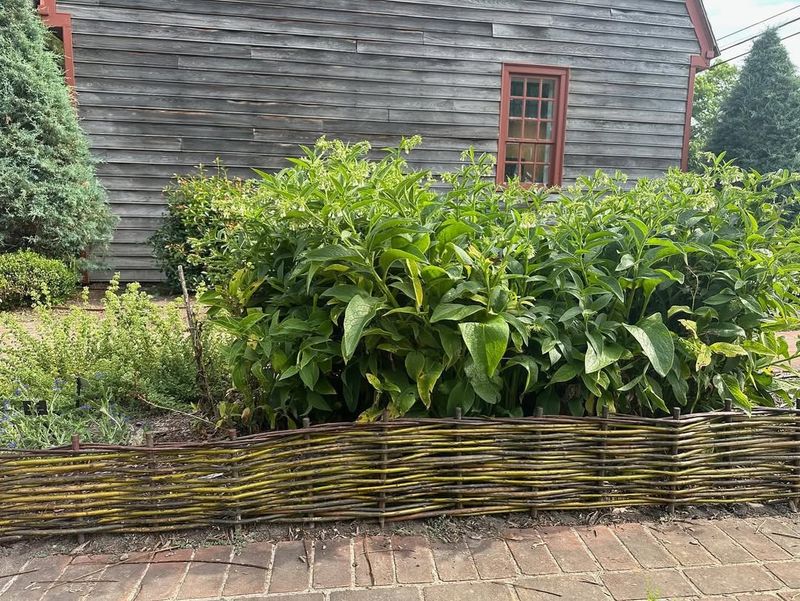
Woven willow or hazel branches create charming rustic edges reminiscent of medieval European gardens, adding historical character to Pennsylvania’s heritage landscapes beautifully.
Harvesting flexible branches from your property or neighbors’ pruning projects makes this virtually free edging that repurposes material otherwise destined for chippers.
Weaving techniques range from simple horizontal runs between vertical stakes to elaborate patterns requiring patience and practice to master over time gradually.
Living willow stakes sometimes root and sprout, creating living fences that grow taller and denser, though this requires keeping them watered initially.
Natural materials decompose within three to five years depending on wood type and exposure, meaning wattle edges need periodic replacement or refreshing.
Cottage gardens, kitchen gardens, and period landscapes benefit most from wattle edging, while modern designs typically choose materials with cleaner lines instead.
Children enjoy helping weave branches, making this a family project that teaches traditional crafts while accomplishing practical landscaping tasks together outdoors.
Pennsylvania’s humid summers accelerate decomposition compared to drier climates, but this returns organic matter to soil, improving fertility as edging naturally breaks down.