How To Care For A Christmas Cactus After It Blooms In Washington
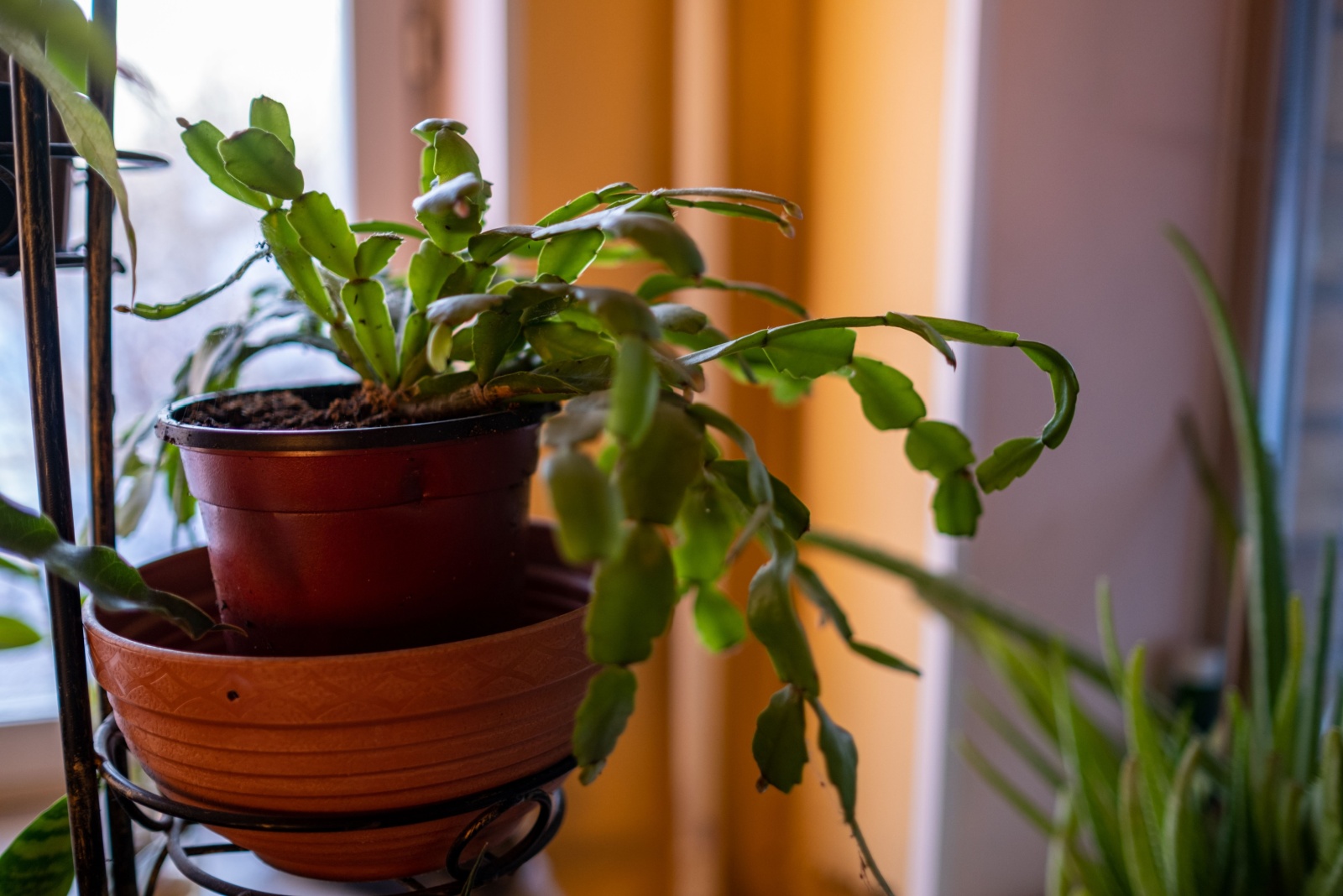
Your Christmas cactus just finished its stunning winter show, and now you might wonder what comes next for this beautiful tropical plant in Washington.
Post-bloom care determines whether your cactus will thrive and bloom again next year, making these weeks absolutely critical for long-term plant health and happiness.
Washington’s unique climate presents special challenges and opportunities for Christmas cactus owners who want to keep their plants healthy, strong, and ready for blooming.
These ten practical tips will help you give your Christmas cactus exactly what it needs to recover, grow, and prepare for another spectacular season.
1. Reduce Watering Frequency Immediately
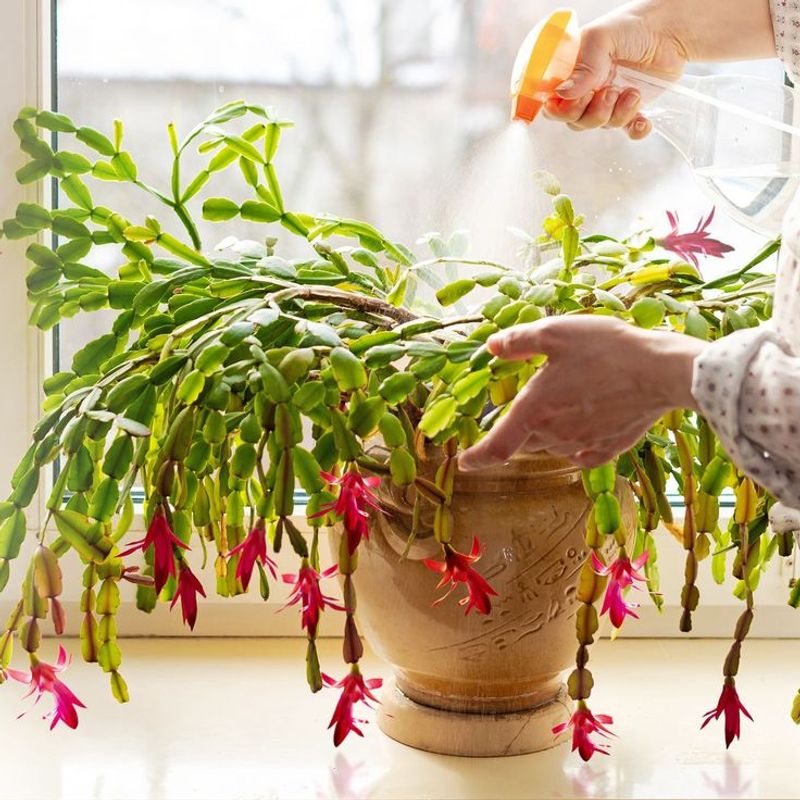
After blooming ends, your Christmas cactus enters a rest period where it needs significantly less water than during its active flowering phase each winter.
Washington’s indoor heating systems during winter create dry air conditions that might trick you into watering more than your plant actually requires right now.
Check the soil moisture by sticking your finger about two inches deep into the potting mix before adding any water to the container.
Allow the top inch of soil to dry out completely between waterings, which might mean watering only once every two or three weeks.
Overwatering during this rest period can cause root rot, which weakens the plant and prevents healthy growth when spring arrives in Washington.
Reduce your watering schedule gradually rather than stopping all at once, giving the plant time to adjust to its new moisture needs naturally.
Watch for wrinkled or shriveled segments, which indicate the plant needs water, but avoid keeping the soil constantly damp throughout this recovery phase.
Washington residents should adjust watering based on indoor humidity levels, which vary depending on your heating system and home insulation quality throughout winter.
2. Provide Adequate Rest Period
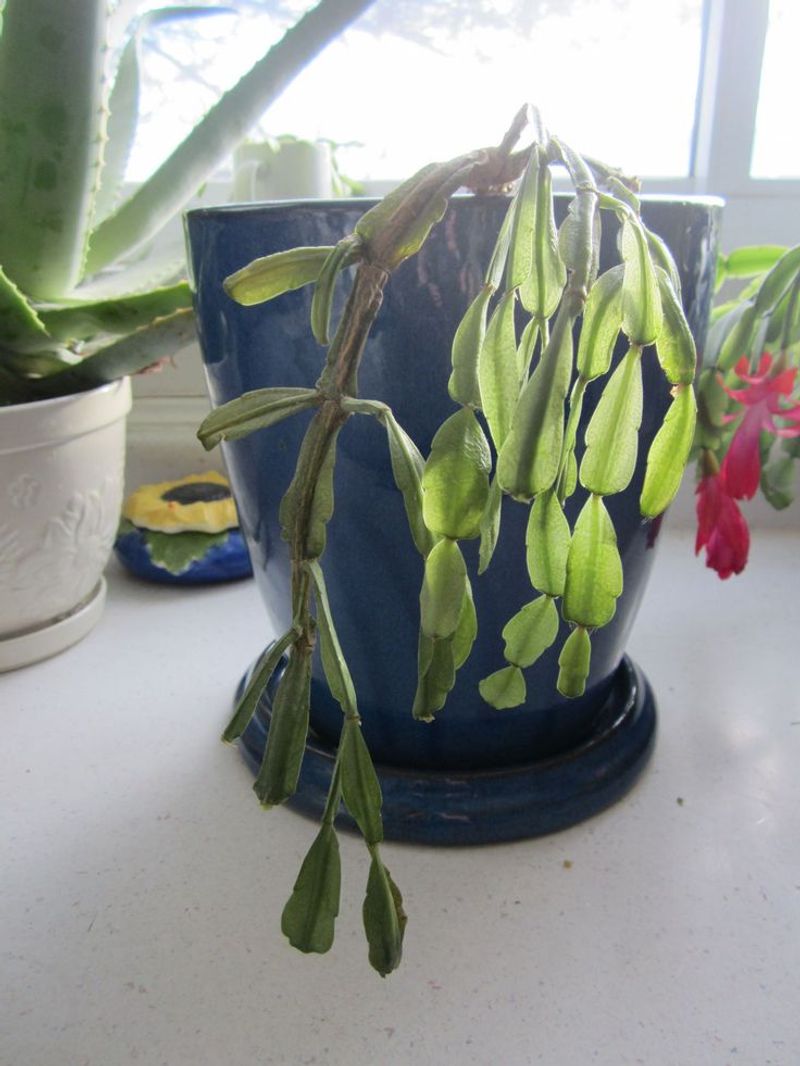
Your Christmas cactus absolutely needs a rest period after blooming, typically lasting six to eight weeks, to recover energy spent producing those gorgeous flowers.
During this time, the plant redirects resources from flower production to root development and storing nutrients for future growth cycles ahead.
Place your cactus in a cooler location within your Washington home, ideally where temperatures stay between fifty-five and sixty-five degrees Fahrenheit consistently.
Basements, enclosed porches, or spare bedrooms often provide the perfect cool environment that mimics the plant’s natural resting conditions in its native habitat.
Limit exposure to bright light during this period, choosing spots with indirect or filtered sunlight rather than south-facing windows with intense afternoon rays.
Avoid fertilizing completely during the rest period, as adding nutrients encourages growth when the plant should be conserving energy and resting instead.
Washington’s mild winter climate makes finding cool indoor spots easier than in warmer regions, giving you more options for proper rest placement.
Respect this natural cycle, and your Christmas cactus will reward you with vigorous growth and abundant blooms when the next flowering season arrives.
3. Prune And Shape After Flowering
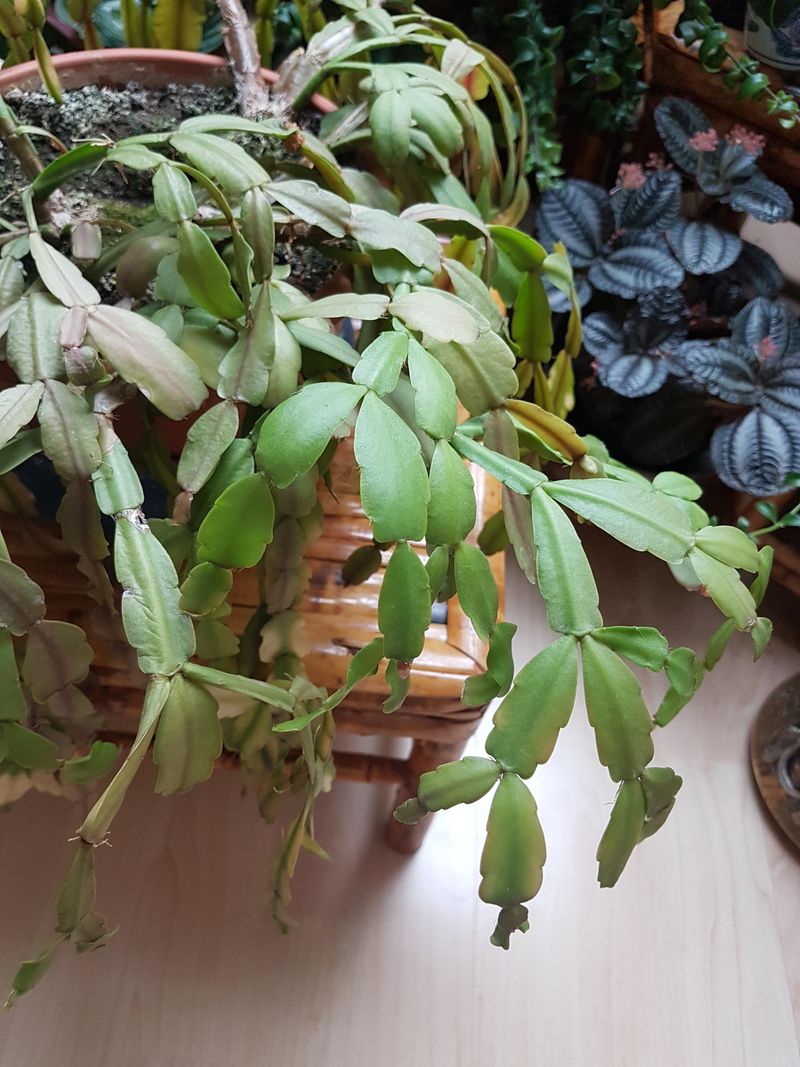
Pruning right after blooming helps your Christmas cactus develop a fuller, bushier shape while removing any damaged or unhealthy segments from the plant.
Your Washington Garden Changes Every Week. Your Plan Should Too.
Gardening in Washington changes quickly throughout the season. Every Friday you’ll receive a simple weekly plan showing exactly what to plant, prune, fertilize, harvest, and protect so you never miss the right timing.
Use clean, sharp scissors or pruning shears to remove segments at the natural joints where two pieces connect, making clean cuts without tearing.
Focus on removing leggy or elongated stems that make the plant look sparse, encouraging branching and creating a more attractive, compact appearance overall.
Each cut you make stimulates new growth at that point, resulting in multiple branches that will produce more flowers during the next blooming cycle.
Washington gardeners should prune conservatively at first, removing no more than one-third of the plant to avoid shocking it during this delicate recovery period.
Save the pruned segments for propagation, as Christmas cactus pieces root easily in soil or water, giving you new plants to share with friends.
Avoid pruning too late in spring, as this can interfere with bud formation for next year’s blooms, which begin developing months before flowering.
Shape your plant into a balanced form by removing segments from overgrown areas while leaving shorter sections alone to catch up with growth.
4. Adjust Light Exposure Carefully

Light requirements change dramatically after blooming ends, and your Christmas cactus now benefits from bright but indirect sunlight throughout most of the day.
Washington’s winter days are short and often cloudy, which actually works perfectly for post-bloom cactus care since intense light isn’t needed right now.
Position your plant near east or north-facing windows where it receives gentle morning light without the harsh intensity of afternoon sun exposure.
Too much direct sunlight during the rest period can stress the plant, causing reddish discoloration on the segments and potentially damaging delicate tissues.
If you notice the segments turning red or purple, move the plant to a location with less direct light exposure immediately to prevent damage.
Rotate your Christmas cactus every few weeks to ensure all sides receive equal light exposure, promoting even growth and preventing the plant from leaning.
As spring approaches in Washington, gradually increase light exposure to prepare the plant for its active growing season when it needs more energy.
Artificial lighting can supplement natural light on particularly dark Washington winter days, but keep grow lights at least twelve inches away from foliage.
5. Maintain Proper Temperature Ranges
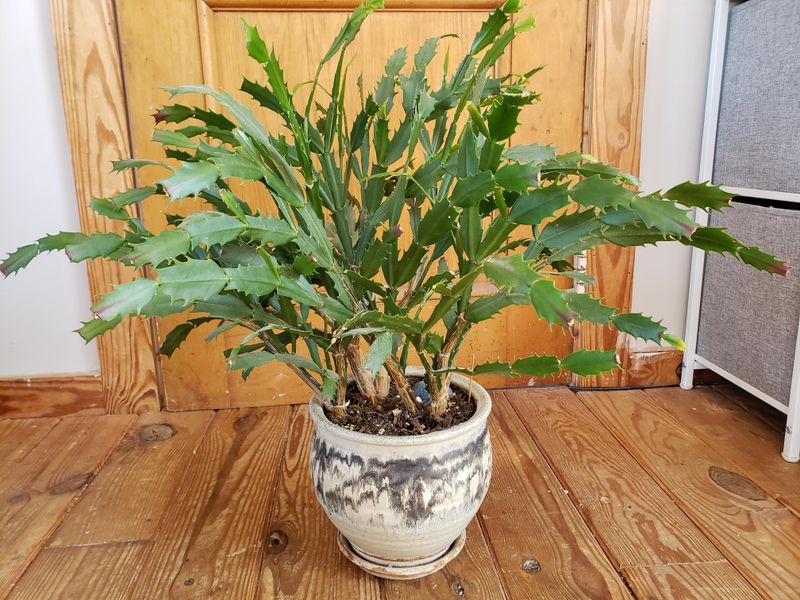
Temperature control becomes critical after blooming, as your Christmas cactus needs cooler conditions than during its flowering phase to properly rest and recover.
Ideal temperatures range from fifty-five to sixty-five degrees Fahrenheit during the rest period, which feels quite cool compared to typical indoor heating levels.
Washington homes often maintain warmer temperatures during winter, so you might need to move your plant to a cooler room or unheated space temporarily.
Avoid placing your cactus near heating vents, radiators, or fireplaces, as these create hot, dry conditions that stress the plant during its rest.
Temperature fluctuations should be minimal, with consistent cool conditions preferred over wildly varying hot and cold cycles throughout the day and night.
Nighttime temperatures can drop slightly lower than daytime temperatures, mimicking natural conditions and promoting healthy rest without shocking the plant with extreme changes.
Washington’s mild coastal climate provides natural cooling in many areas, making it easier to maintain proper temperatures without special equipment or complicated adjustments.
Monitor your plant for signs of temperature stress, including segment drop or wilting, and adjust placement if you notice any concerning symptoms developing.
6. Skip Fertilizer During Rest
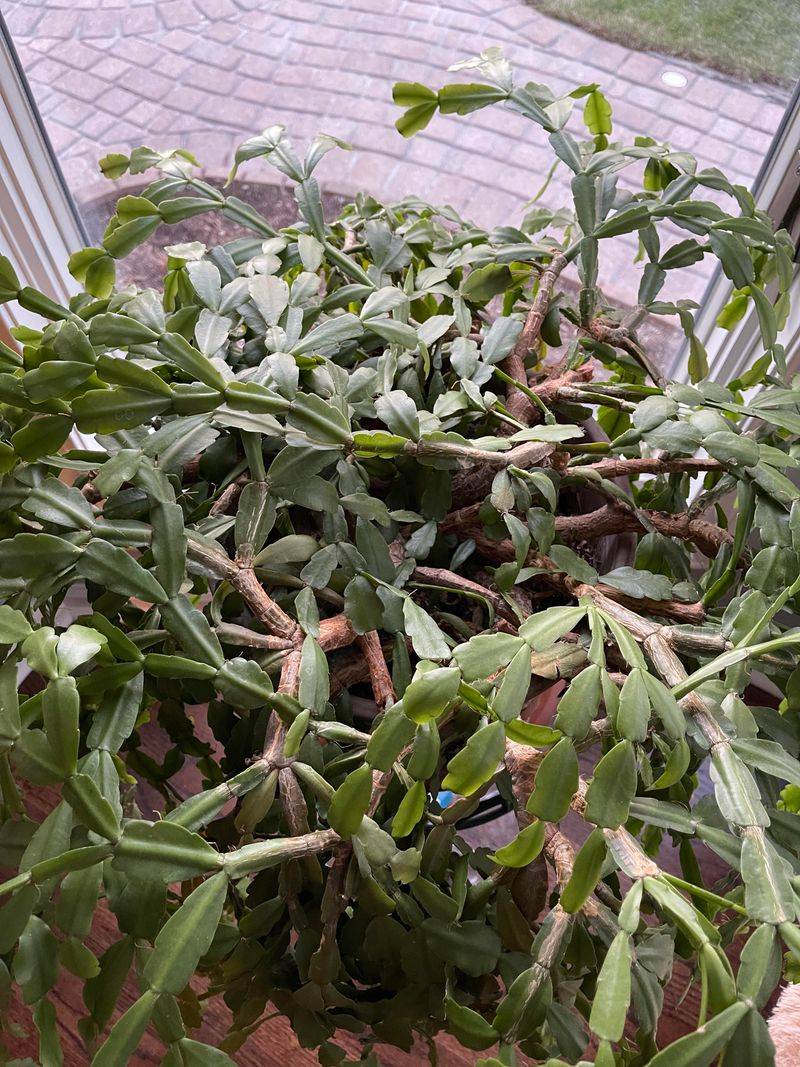
Fertilizing immediately after blooming can actually harm your Christmas cactus rather than help it, as the plant needs rest instead of growth stimulation.
Your cactus has just expended enormous energy producing flowers, and adding fertilizer forces it to grow when it should be recovering and storing nutrients.
Wait at least six to eight weeks after the last flower fades before resuming any fertilization schedule, allowing the plant its necessary rest period.
When you do resume fertilizing in late winter or early spring, use a balanced, water-soluble fertilizer diluted to half the recommended strength.
Washington’s tap water often contains minerals that can build up in soil over time, so occasional flushing with plain water helps prevent salt accumulation.
During the rest period, focus on proper watering and temperature control rather than worrying about nutrients, as the plant has stored reserves from previous feeding.
Over-fertilizing can cause excessive green growth at the expense of flower bud formation, resulting in a leafy plant that refuses to bloom next season.
Resume regular monthly fertilizing once spring arrives in Washington and your cactus shows signs of active growth with new segment development at branch tips.
7. Monitor Humidity Levels Closely
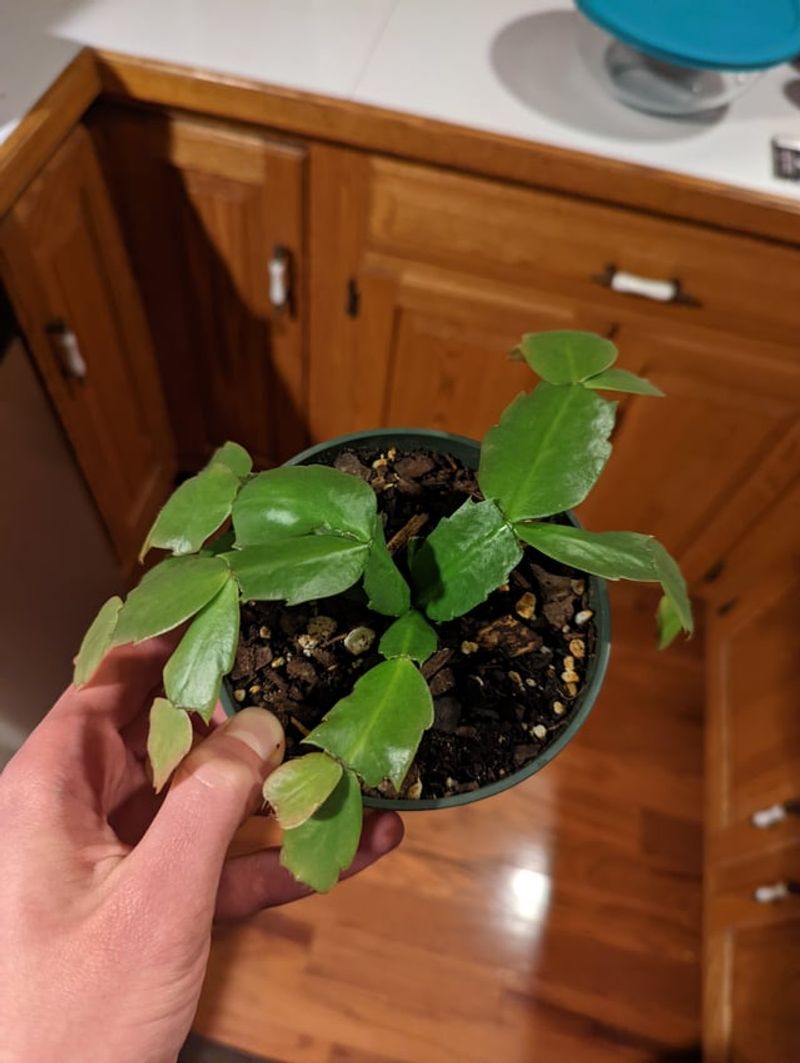
Humidity plays a crucial role in Christmas cactus health, as these tropical plants naturally thrive in environments with moderate to high moisture in the air.
Washington’s winter indoor air becomes quite dry when heating systems run constantly, potentially stressing your cactus even during its rest period when needs are lower.
Aim for humidity levels between forty and sixty percent, which supports healthy segment turgor without encouraging fungal growth or other moisture-related problems on foliage.
Simple humidity solutions include placing your plant on a pebble tray filled with water, ensuring the pot sits above the waterline on stones.
Grouping multiple houseplants together creates a microclimate with higher humidity as plants naturally release moisture through their leaves during normal transpiration processes.
Avoid misting your Christmas cactus directly, as this can lead to fungal issues and doesn’t provide lasting humidity benefits compared to other methods.
Washington’s coastal regions naturally have higher humidity than inland areas, so adjust your humidity strategies based on your specific location within the state.
Small humidifiers work excellently for maintaining consistent moisture levels, especially in bedrooms or living areas where you keep multiple tropical houseplants together year-round.
8. Repot Only If Necessary
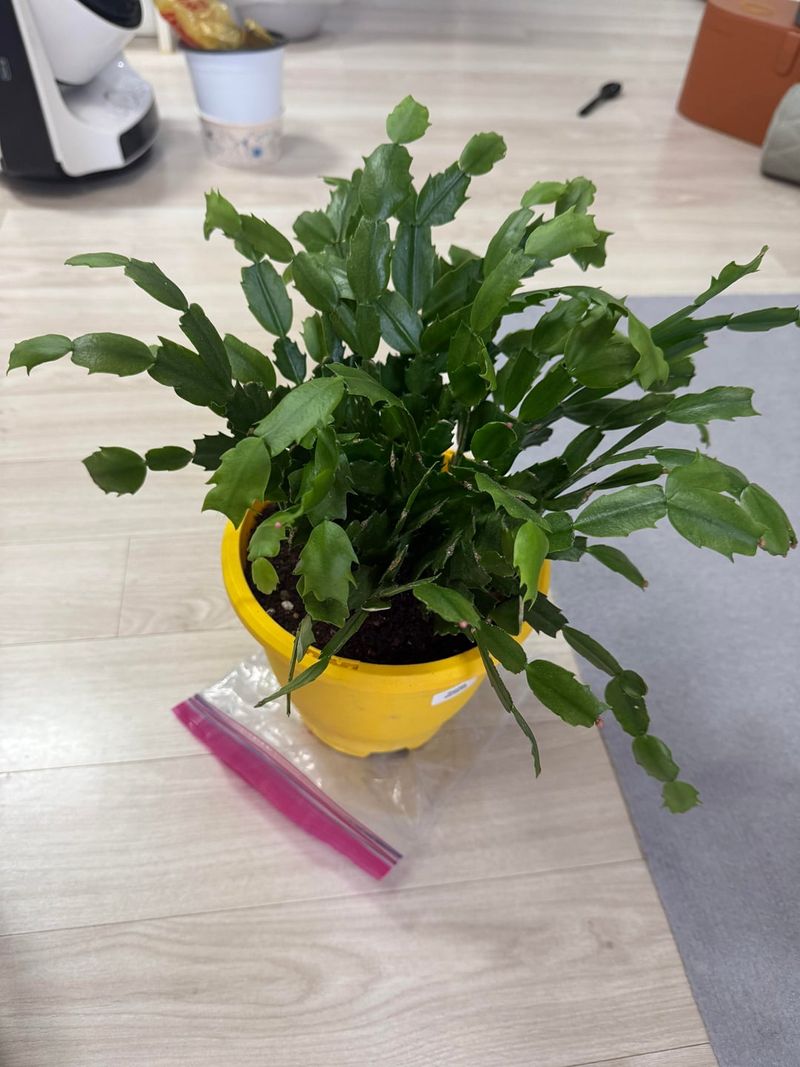
Repotting right after blooming is generally not recommended unless your Christmas cactus has severely outgrown its container or shows signs of root problems.
Christmas cacti actually bloom better when slightly root-bound, so moving to a larger pot too soon can delay flowering for the next season.
If repotting is absolutely necessary, wait until the rest period ends and active growth begins in spring, giving the plant energy to recover.
Choose a pot only one to two inches larger in diameter than the current container, as oversized pots hold excess moisture that can rot roots.
Use a well-draining potting mix specifically designed for cacti and succulents, or create your own with regular potting soil mixed with perlite or sand.
Washington gardeners can find excellent potting mixes at local nurseries that understand the specific needs of tropical plants in Pacific Northwest conditions and climate.
Handle the roots gently during repotting, as Christmas cactus roots are relatively delicate and can be easily damaged by rough treatment or excessive manipulation.
Water sparingly after repotting, allowing the plant to adjust to its new container before resuming normal watering schedules that match the current season.
9. Watch For Common Pests

Post-bloom period leaves your Christmas cactus vulnerable to pest infestations, especially when the plant is stressed or weakened from the energy demands of flowering.
Common pests include mealybugs, spider mites, and scale insects, which hide in segment joints and feed on plant sap, weakening your cactus over time.
Inspect your plant regularly by checking under segments and in crevices where pests typically hide, looking for tiny insects, webbing, or sticky residue.
Washington’s indoor winter conditions with dry air and warm temperatures create ideal environments for spider mites, making vigilant monitoring especially important during this season.
If you spot pests, isolate the infected plant immediately to prevent spreading to other houseplants in your collection, then treat with appropriate organic methods.
Insecticidal soap or neem oil spray works effectively against most Christmas cactus pests when applied thoroughly to all plant surfaces, including undersides of segments.
Repeat treatments every seven to ten days for several weeks to eliminate all life stages of pests, as eggs often survive initial applications.
Maintaining proper care reduces pest susceptibility, as healthy, well-maintained Christmas cacti resist infestations better than stressed or neglected plants in Washington homes year-round.
10. Prepare For Next Bloom Cycle
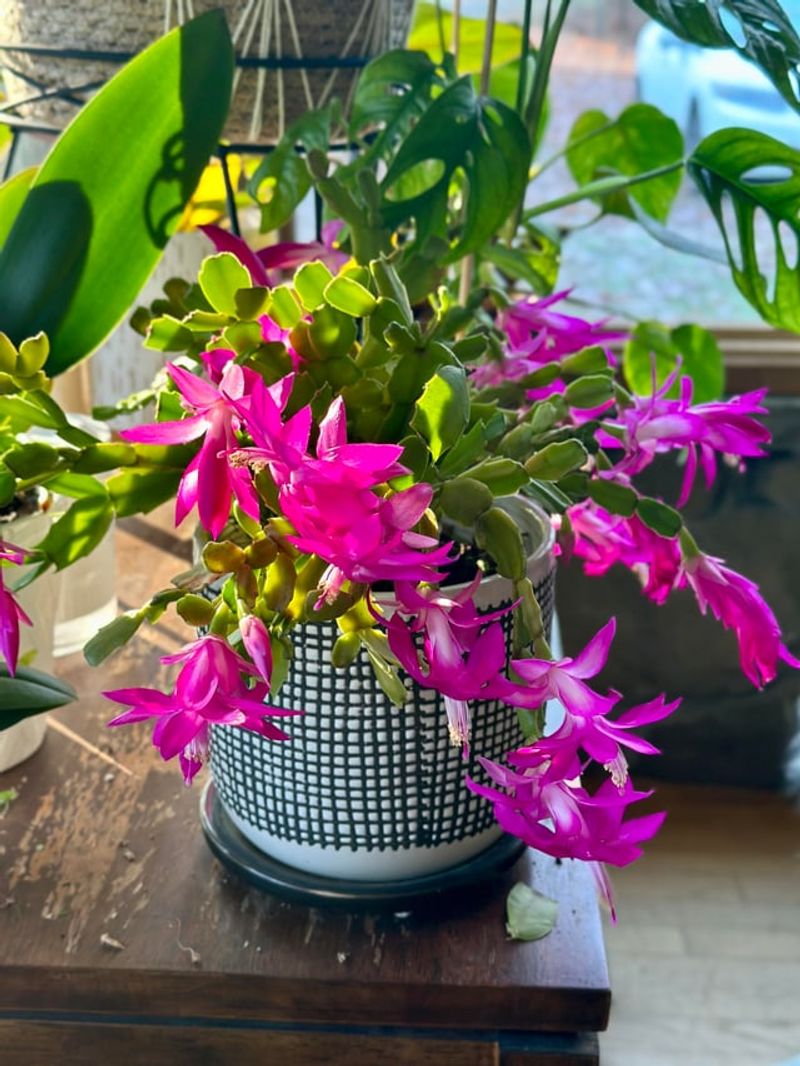
Planning for next year’s blooms actually begins right after this year’s flowers fade, making post-bloom care essential for future flowering success and beauty.
Your Christmas cactus needs specific conditions in fall to trigger bud formation, including longer dark periods and cooler temperatures for several consecutive weeks.
Washington’s natural seasonal changes work perfectly for bloom initiation, as autumn brings cooler nights and shorter days that signal the plant to begin flowering preparations.
Starting in late September or early October, ensure your cactus receives at least twelve to fourteen hours of complete darkness each night consistently.
Place your plant in a room where artificial lights don’t disrupt the dark period, or cover it with a box each evening reliably.
Maintain temperatures between fifty-five and sixty-five degrees during this bloom initiation period, which typically lasts six to eight weeks before buds become visible.
Continue proper watering and resume light fertilizing in spring and summer, building the plant’s strength and energy reserves for the demanding flowering season ahead.
Washington gardeners who follow these post-bloom care steps consistently enjoy spectacular Christmas cactus displays year after year with minimal problems or flowering failures occurring.