What To Plant In January To Brighten Your Garden And Mood In Georgia
January in Georgia can feel like the long pause between chapters.
The holidays are over, winter still has a grip, and gardens often look flat and tired.
Still, this quiet stretch holds more promise than it gets credit for.
Planting the right plants in January can lift a garden’s spirits and your own at the same time.
Georgia’s mild winters give gardeners a head start while others stay stuck indoors.
Cool season flowers, hardy greens, and early bloomers can all get going now, adding color and life when it feels most needed.
A few fresh plants can change the whole mood of a yard, turning dull beds into spots that feel hopeful instead of forgotten.
Gardening in January is also good medicine.
Getting outside, working the soil, and seeing new growth take shape helps shake off the winter blues.
It reminds you that spring is already warming up in the wings.
With smart plant choices, Georgia gardens can stay lively even in the heart of winter.
A little planting now goes a long way toward brighter days ahead.
1. Pansies
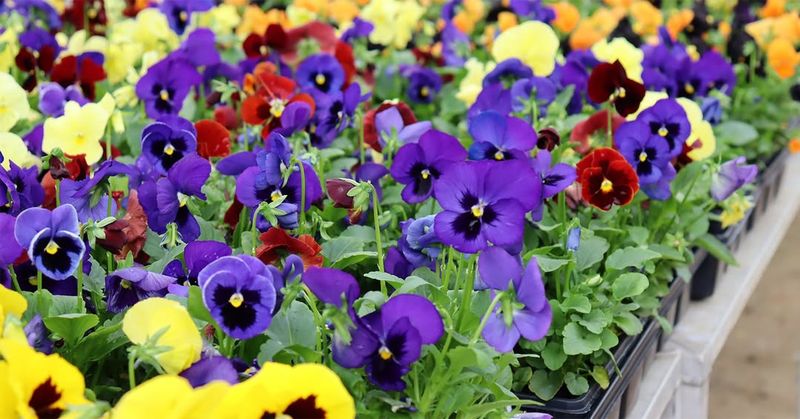
Pansies are the superstars of winter gardening across Georgia, bringing cheerful colors when everything else looks dull and gray.
Their smiling faces come in every shade imaginable, from deep purples to sunny yellows, and they handle cold snaps like champions.
Garden centers throughout Georgia stock these beauties all winter long because they know locals love their reliable performance.
Planting pansies in January gives them time to establish strong roots before temperatures rise in spring.
They prefer well-drained soil enriched with compost, and they appreciate regular watering without getting waterlogged.
Morning sun with afternoon shade works perfectly in most Georgia locations, though they can handle full sun during winter months.
The best part about pansies is their incredibly long blooming period that stretches from planting through late spring.
Deadheading spent flowers encourages more blooms and keeps plants looking tidy and fresh.
They make excellent choices for containers, borders, and mass plantings that create stunning color displays.
Georgia gardeners often pair pansies with ornamental kale or dusty miller for textural interest.
These cold-hardy annuals tolerate light frosts without missing a beat, and they actually look better after a chilly night.
Their cheerful presence in January gardens provides instant mood-boosting benefits that last for months.
2. Snapdragons
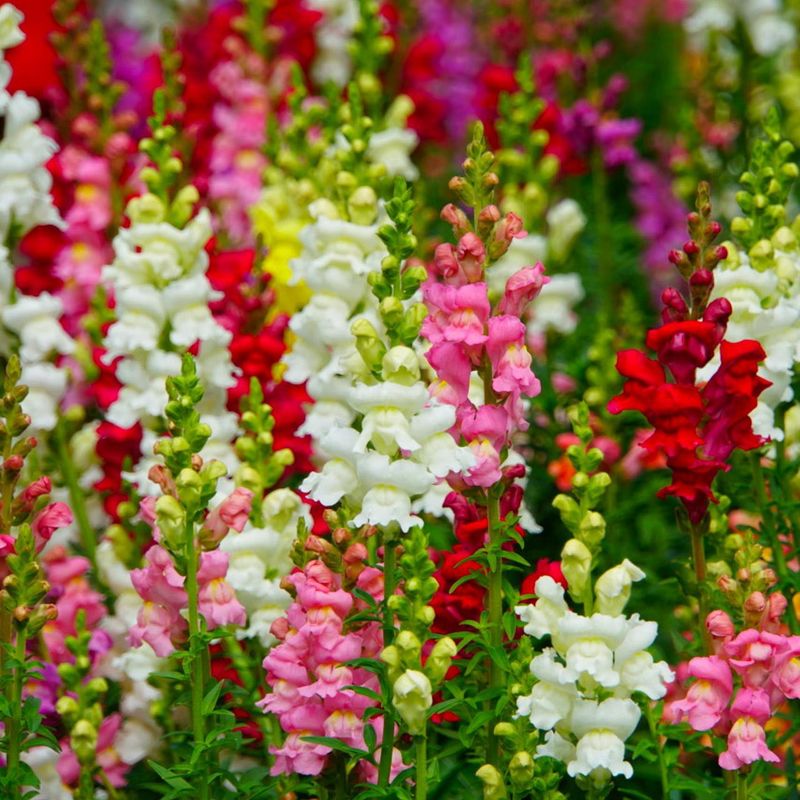
Snapdragons bring vertical interest and whimsical charm to Georgia gardens when planted during January’s cooler weather.
Children absolutely love squeezing the individual flowers to make the dragon mouths open and close, adding an interactive element to your garden space.
These cottage garden favorites come in dwarf, medium, and tall varieties, giving you flexibility for different garden designs.
January planting allows snapdragons to develop sturdy stems before warmer weather arrives in Georgia.
They thrive in full sun to partial shade and prefer soil that drains well but stays consistently moist.
Adding organic matter to your planting bed helps retain moisture while preventing soggy conditions that these plants dislike.
The color range includes soft pastels, bold reds, oranges, and even bicolors that create eye-catching displays.
Your Georgia Garden Changes Every Week. Your Plan Should Too.
Gardening in Georgia changes quickly throughout the season. Every Friday you’ll receive a simple weekly plan showing exactly what to plant, prune, fertilize, harvest, and protect so you never miss the right timing.
Tall varieties make excellent cut flowers that last beautifully in vases, bringing your garden’s beauty indoors.
Pinching back young plants encourages bushier growth and more flower spikes throughout the season.
These plants perform best in Georgia’s cooler months and may slow down when summer heat arrives.
Planting them early gives you maximum enjoyment during their peak performance period.
Their spiky form contrasts beautifully with rounded flowers like pansies, creating dynamic garden compositions that feel professionally designed.
3. Dianthus
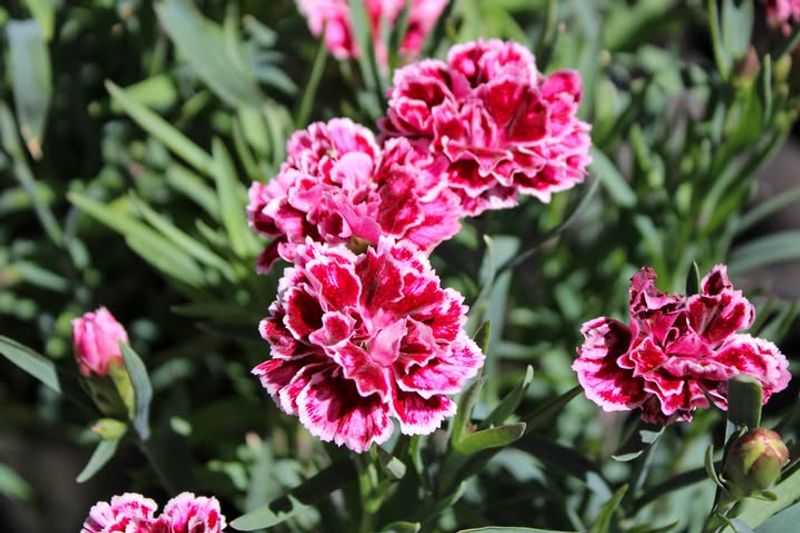
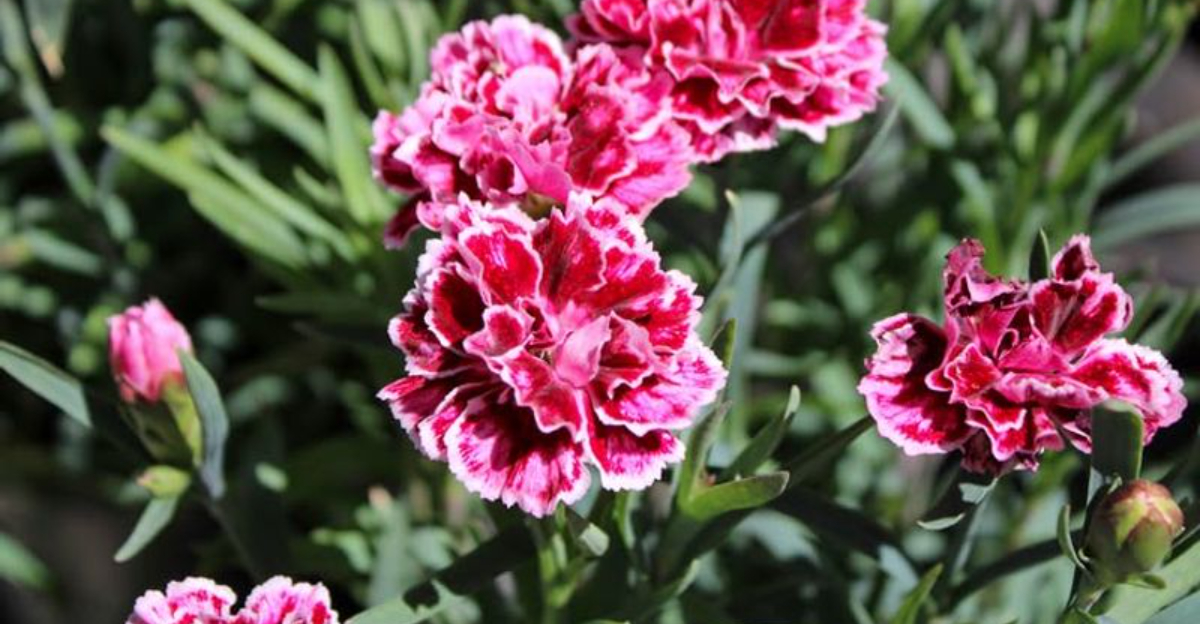
Dianthus plants offer delightful fragrance alongside their pretty fringed blooms, making them a sensory treat for January gardens in Georgia.
Often called pinks or sweet williams, these charming flowers have been garden favorites for centuries.
Their spicy, clove-like scent fills the air on sunny winter afternoons, providing unexpected pleasure during garden walks.
Georgia’s January weather suits dianthus perfectly since they prefer cooler temperatures for establishment and blooming.
They need excellent drainage and actually struggle in heavy clay soils unless you amend them generously with sand and compost.
Raised beds work wonderfully for these plants throughout Georgia’s diverse soil types.
The flowers come in shades of pink, red, white, and burgundy, often with contrasting eye zones that add visual interest.
Low-growing varieties make excellent edging plants along pathways or at the front of borders.
Taller types work beautifully in cottage garden settings mixed with other cool-season bloomers.
These tough little plants handle Georgia’s occasional winter freezes without protection in most areas.
Their blue-green foliage remains attractive even when flowers take a brief rest between blooming cycles.
Cutting back spent blooms encourages fresh flowers and keeps plants looking neat throughout their long display season that extends well into spring.
4. Ornamental Cabbage And Kale
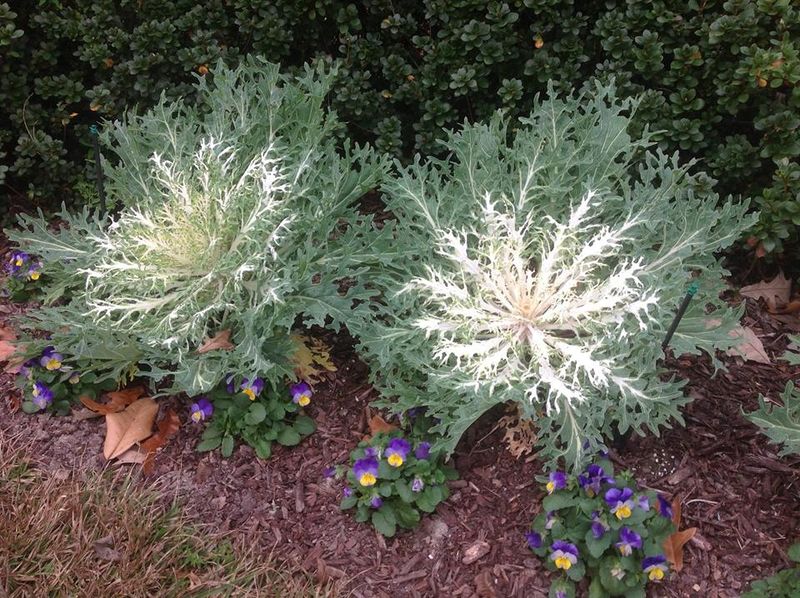
Ornamental cabbage and kale transform Georgia gardens into living works of art with their spectacular leaf colors that intensify in cold weather.
Unlike their edible cousins, these varieties are bred specifically for visual appeal rather than flavor.
Cold temperatures actually enhance their colors, turning centers into vibrant shades of purple, pink, magenta, and cream that rival any flower display.
January is prime planting time across Georgia because these cool-season beauties need chilly weather to show their best colors.
They tolerate light frosts and even snow without damage, making them incredibly reliable for winter interest.
Full sun locations bring out the most intense coloration in their ruffled or smooth leaves.
These plants work wonderfully in containers near entryways where you can enjoy their bold presence up close.
They also make dramatic mass plantings in beds and borders, creating textural focal points that last for months.
Pairing them with pansies or violas creates stunning color combinations that brighten dreary winter days.
Georgia gardeners appreciate how low-maintenance these plants are once established in the landscape.
They rarely need deadheading since they are grown for foliage rather than flowers.
Their compact, rosette form stays tidy throughout the season, and they continue looking fresh until warm spring temperatures signal the end of their display period.
5. Sweet Alyssum
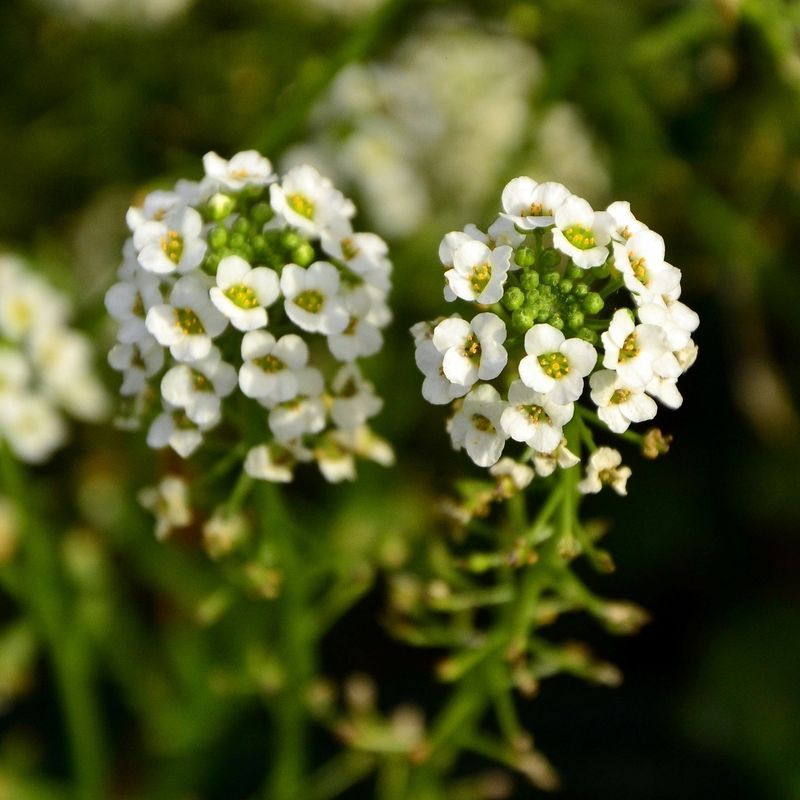
Sweet alyssum creates delicate carpets of honey-scented flowers that spill over container edges and fill gaps between larger plants in Georgia gardens.
The tiny blooms cluster together so densely that they nearly hide the foliage beneath, creating clouds of white, purple, or pink.
Their sweet fragrance attracts beneficial insects even during cooler January weather, supporting your garden’s ecosystem.
Planting sweet alyssum in January takes advantage of Georgia’s mild winter temperatures that these plants adore.
They germinate quickly and begin blooming within weeks, providing almost instant gratification for impatient gardeners.
These low-growing annuals prefer full sun but tolerate partial shade, making them adaptable to various garden spots.
Their cascading habit makes them perfect for hanging baskets, window boxes, and container edges where they soften hard lines.
They also work beautifully as living mulch between taller plants, suppressing weeds while adding beauty.
The low maintenance requirements mean you can plant them and practically forget them except for occasional watering.
Georgia gardeners love how sweet alyssum self-seeds readily, often returning in subsequent seasons without replanting.
They handle light frosts without complaint and continue blooming through spring until heat becomes intense.
Their ability to attract pollinators early in the season benefits your entire garden by supporting bee and butterfly populations when other food sources remain scarce.
6. Violas
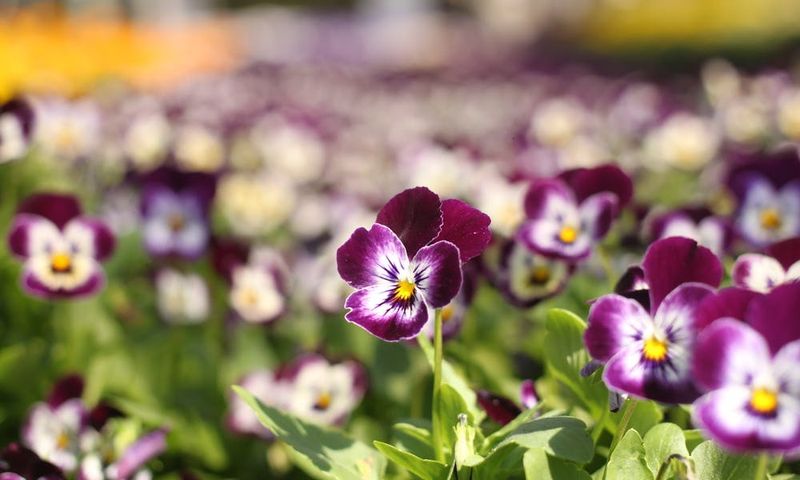
Violas are like pansies’ petite cousins, offering similar charm in a more delicate package that performs beautifully throughout Georgia’s winter months.
Their smaller flowers come in an incredible array of colors and patterns, from solid shades to whiskered faces that add personality to any planting.
January represents the ideal time to get these cold-lovers established in Georgia gardens.
These hardy little plants tolerate freezing temperatures better than many winter annuals, bouncing back quickly after cold snaps.
They bloom prolifically when temperatures stay cool, creating dense mats of color in beds, borders, and containers.
Their compact size makes them perfect for small spaces or detailed garden designs where larger flowers would overwhelm.
Violas prefer consistent moisture and well-drained soil enriched with organic matter for best performance.
They appreciate morning sun with afternoon shade in most Georgia locations, though winter sun rarely becomes too intense.
Fertilizing monthly with a balanced formula keeps blooms coming steadily throughout their long season.
The cheerful faces seem to smile up at you from garden beds, providing genuine mood-boosting benefits during winter’s darkest days.
They combine beautifully with spring bulbs, emerging just as tulips and daffodils start growing.
Georgia gardeners often use violas in mixed containers with trailing plants and upright elements for dynamic compositions that provide interest from multiple angles.
7. Cyclamen
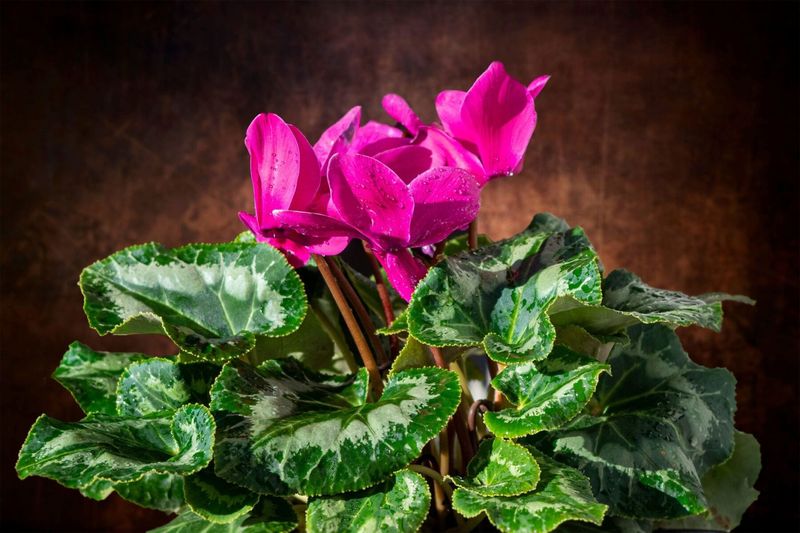
Cyclamen brings an exotic elegance to Georgia gardens with swept-back petals that look like butterflies hovering above decorative foliage.
The heart-shaped leaves often feature silvery patterns that remain attractive even when flowers rest between blooming cycles.
January planting gives these tuberous perennials time to settle into Georgia’s cooler weather, which they genuinely prefer over heat.
Shade-loving cyclamen thrives under trees or on covered porches where direct sun rarely reaches during winter months.
They need well-drained soil since their tubers rot quickly in soggy conditions common in some Georgia locations.
Planting them slightly raised or in containers helps ensure proper drainage throughout the rainy season.
The flowers come in shades of pink, red, white, and lavender, each bloom lasting for weeks before fading.
Their upright stems hold flowers well above the foliage, creating an airy, graceful appearance that contrasts with more compact winter bloomers.
Cyclamen performs best in Georgia’s northern regions where winter stays consistently cool.
These plants require minimal care once established in appropriate locations with good drainage and shade.
Removing spent flowers keeps plants tidy and encourages continued blooming through late winter and early spring.
Their sophisticated appearance elevates any garden design, and they make thoughtful gifts for fellow gardening enthusiasts who appreciate unusual plants that perform reliably during Georgia’s cooler months.
8. English Primrose
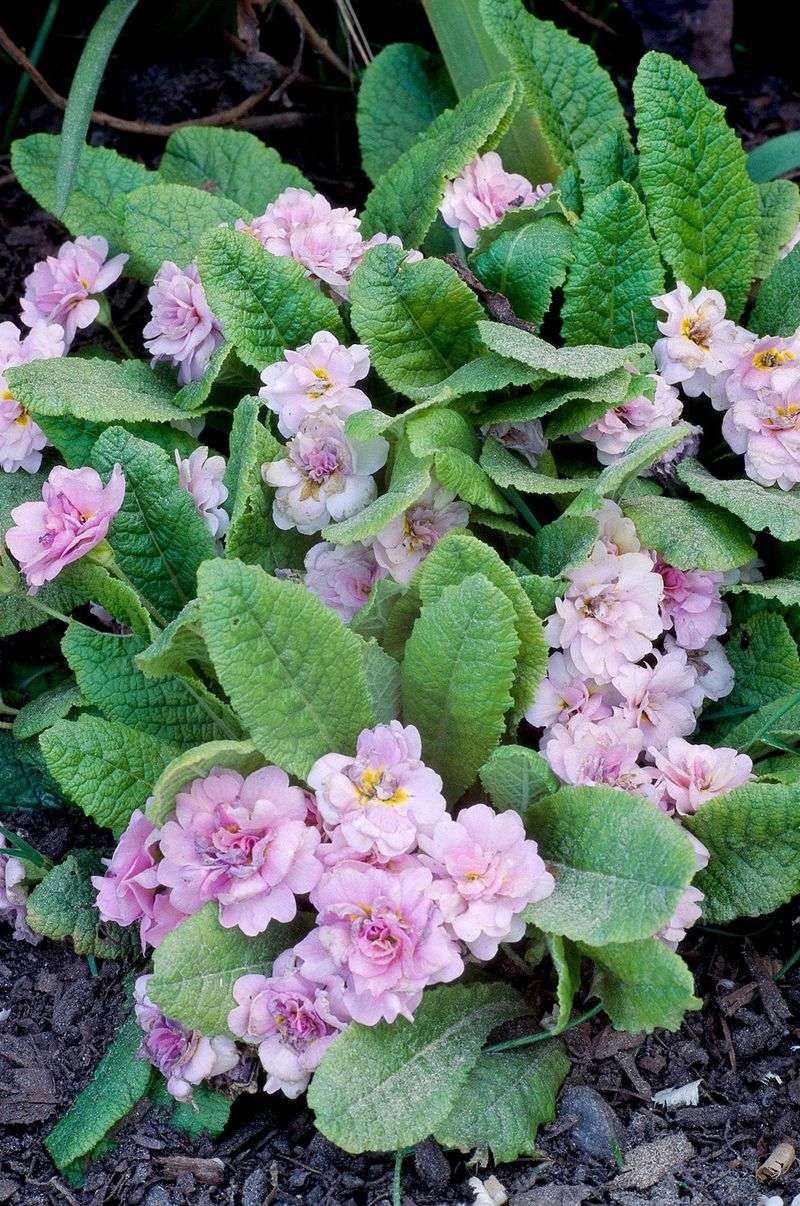
English primrose signals spring’s approach with cheerful clusters of flowers that nestle among rosettes of textured leaves in Georgia gardens.
January planting allows these charming perennials to establish roots before their main blooming period begins in late winter.
Their old-fashioned appeal and bright colors create cottage garden atmospheres that feel welcoming and timeless.
Primroses prefer partial shade and consistently moist soil rich in organic matter for optimal growth across Georgia.
They struggle in hot, dry conditions but thrive during cooler months when temperatures stay moderate.
Mulching around plants helps retain soil moisture and keeps roots cool as seasons transition.
The color palette includes vibrant yellows, soft pinks, deep reds, and pure whites, often with contrasting yellow centers.
Low-growing habits make them perfect for front-of-border positions or container plantings near seating areas.
They naturalize well in woodland settings where conditions remain consistently cool and moist.
Georgia gardeners in northern regions have the best success with English primrose since southern areas may become too warm too quickly.
Dividing established clumps every few years keeps plants vigorous and blooming heavily.
Their early flowers provide important nectar sources for pollinators emerging from winter dormancy, making them valuable additions beyond their obvious beauty.
Pairing primroses with ferns and hostas creates lovely shade garden combinations that transition beautifully through seasons.