7 Common Mistakes Illinois Gardeners Make When Cleaning Up Too Early
In Illinois, the first warm day of the year can feel like a green light to get back outside.
Rakes come out, garden beds get cleared, and yards start looking tidy in a hurry.
Still, jumping the gun on cleanup can do more harm than good.
What feels like a head start often turns into a setback.
Many plants, insects, and beneficial creatures rely on winter debris for protection.
Cutting things back too soon can expose tender growth to late frosts and wipe out helpful insects before they get going.
It is easy to think a clean yard is a healthy yard, but in early spring, that is not always the case.
Early cleanup mistakes often come from good intentions.
Gardeners want to get ahead of the season and make everything look sharp.
In Illinois, patience pays off more than speed.
Knowing what to leave alone and what can wait helps gardens bounce back stronger.
By avoiding common early cleanup missteps, gardeners give plants a better shot at healthy growth and a smoother start to the growing season.
1. Removing Leaf Litter That Protects Beneficial Insects
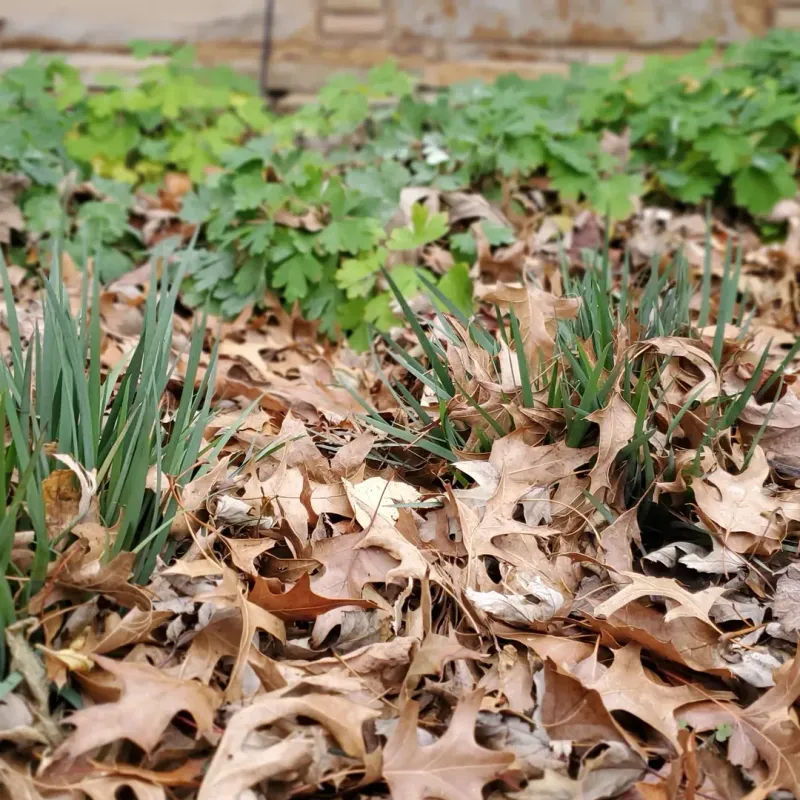
Fallen leaves aren’t just garden debris, they’re nature’s insulation system.
Underneath those crispy brown layers in your Illinois garden beds, countless beneficial creatures are still sleeping through the cold season.
Butterflies like mourning cloaks and question marks overwinter as adults beneath leaf litter, while moth pupae rest in the soil covered by protective leaves.
Firefly larvae, ground beetles, and spiders also depend on this natural blanket to survive.
Raking away leaves too early in spring exposes these helpful insects to temperature swings and predators before they’re ready to become active.
Illinois weather is notoriously unpredictable in March and April, with warm days followed by sudden freezes.
That leaf layer provides crucial temperature regulation that helps insects survive these wild fluctuations.
Beyond protecting insects, leaf litter also improves your soil quality.
As leaves break down, they add organic matter, feed earthworms, and create the rich, crumbly soil that plants love.
When you remove leaves too quickly, you’re essentially throwing away free fertilizer and soil conditioning.
Wait until temperatures consistently stay warm and you see signs of new growth pushing through the soil.
For most Illinois gardens, this means holding off on major leaf removal until late April or early May.
You can gently move some leaves aside to let spring bulbs emerge, but leave most of the layer intact.
Consider working remaining leaves into garden beds as mulch rather than bagging them up, your plants and the local ecosystem will thank you for it.
2. Cutting Down Perennials Before Pollinators Emerge
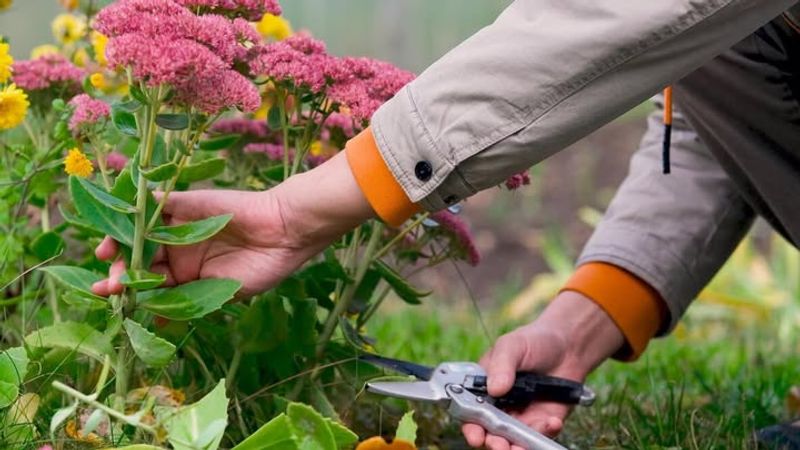
Many native bees and beneficial insects spend winter tucked inside hollow plant stems.
When Illinois gardeners cut down perennials like coneflowers, black-eyed Susans, and ornamental grasses in early March, they often destroy these critical overwintering sites before the insects have emerged.
Mason bees, leafcutter bees, and ladybugs all rely on standing stems to survive our cold months, and they don’t become active until temperatures consistently reach the mid-50s.
Your Illinois Garden Changes Every Week. Your Plan Should Too.
Gardening in Illinois changes quickly throughout the season. Every Friday you’ll receive a simple weekly plan showing exactly what to plant, prune, fertilize, harvest, and protect so you never miss the right timing.
Timing matters enormously for pollinator survival.
Most native bees in Illinois don’t emerge until late April or even May, depending on the species and weather patterns.
If you remove their winter homes too early, you eliminate next season’s pollinators before they even get a chance to help your garden bloom.
Instead of rushing to cut everything down, wait until you see consistent warm weather and notice insects actively flying around your yard.
A good rule of thumb for Illinois gardeners is to leave stems standing until temperatures stay above 50 degrees for at least a week.
Even better, consider leaving some stems standing all year to provide ongoing habitat.
When you do cut stems, don’t throw them away immediately.
Bundle them together and leave them in a quiet corner of your yard for a few more weeks.
This gives any late-emerging insects a chance to escape safely.
Your patience will reward you with more butterflies, better pollination, and a healthier garden ecosystem throughout the growing season.
3. Pruning Spring-Blooming Shrubs At The Wrong Time
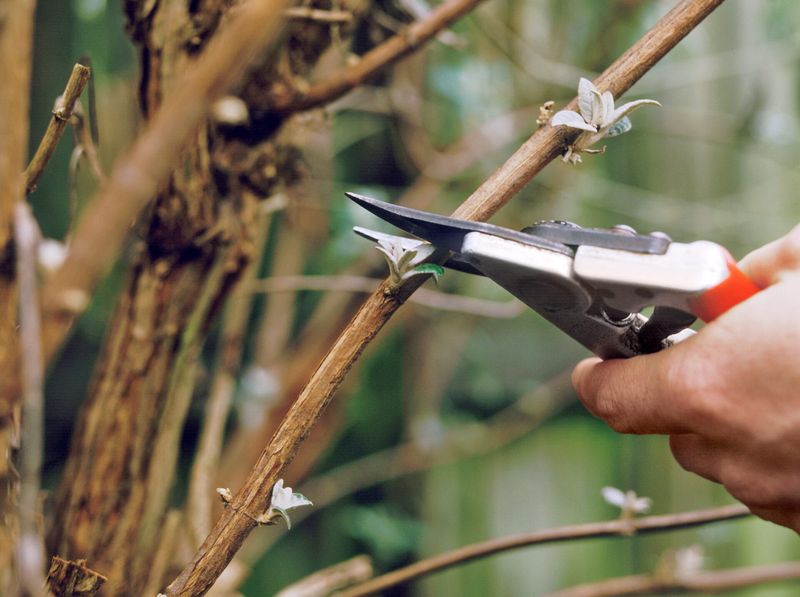
Grabbing your pruning shears in early spring might cost you an entire season of beautiful blooms.
Spring-blooming shrubs like lilacs, forsythia, and flowering quince set their flower buds in late summer and fall.
Those buds sit dormant on the branches all winter long, just waiting for warm weather to open.
When Illinois gardeners prune these shrubs in March or early April, they’re actually cutting off all those ready-to-bloom flowers before they ever get a chance to open.
The confusion happens because many people think spring is the universal pruning season.
While that’s true for some plants, spring bloomers follow different rules.
They need their branches left alone until after they finish flowering, usually in late May or June.
Only then should you shape them or remove unwanted growth.
Early pruning doesn’t just affect your enjoyment of the flowers.
It also impacts pollinators who depend on those early nectar sources when not much else is blooming yet.
Forsythia, serviceberry, and other spring shrubs provide critical food for bees emerging from winter dormancy.
Without these early food sources, pollinator populations struggle.
Learn which shrubs bloom on old wood versus new wood.
Spring bloomers use old wood, meaning they flower on branches that grew the previous year.
Summer bloomers typically use new wood and can handle early spring pruning.
For Illinois gardens, make a list of your spring-blooming shrubs and mark your calendar to prune them in early summer instead.
This simple timing shift ensures gorgeous flowers and happy pollinators year after year.
4. Disturbing Bird Nesting Materials And Habitat
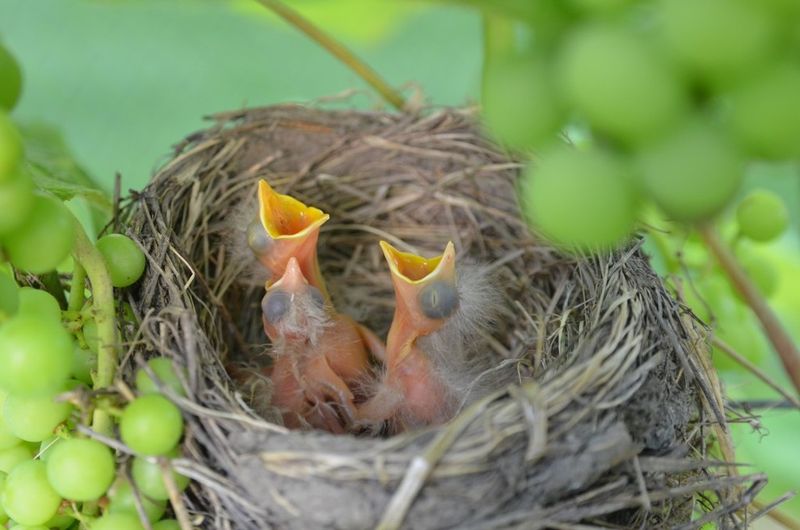
Birds returning to Illinois in spring are on a mission, they need to build nests quickly and start raising their families.
When you clean up your yard too early, you remove the materials they desperately need.
Dried grasses, small twigs, seed heads, and even bits of fluff from perennials all become building blocks for bird nests.
Cardinals, robins, goldfinches, and countless other species gather these materials from gardens and natural areas.
Early cleanup also destroys potential nesting sites before birds can claim them.
Dense shrubs, thick ornamental grasses, and tangled perennial growth provide safe, hidden spots where birds can build nests away from predators.
Some birds, like song sparrows, prefer nesting low in thick vegetation, while others choose shrub branches or evergreen cover.
Cutting everything back in March eliminates these options right when birds need them most.
Illinois is home to incredible bird diversity, especially during migration season.
From late March through May, millions of birds pass through our state, and many stay to nest.
Creating a bird-friendly garden means thinking about their needs, not just human preferences for tidiness.
Messy gardens actually support more wildlife than perfectly manicured ones.
Hold off on major trimming and cleanup until you’re certain nesting season has passed, typically by late June or July.
Before cutting any shrub or dense plant clump, peek inside carefully to check for active nests.
If you find one, leave that area alone until the babies have fledged.
You can still do light cleanup around the edges, but preserve the wild corners where birds feel safe and find what they need.
5. Exposing Tender Plant Crowns To Late Frost Damage
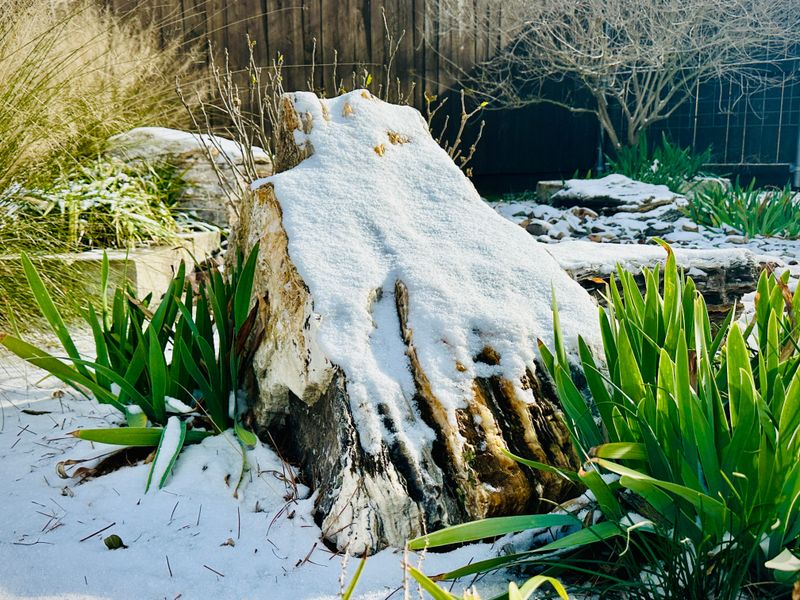
Illinois weather plays tricks on gardeners every single spring.
One week might bring 70-degree sunshine, and the next week drops temperatures back into the 20s.
When you remove protective mulch, leaves, or dry plant material too early, you expose tender new growth to these dangerous temperature swings.
Plant crowns, the spot where stems meet roots at soil level, are especially vulnerable to frost damage when suddenly exposed.
Perennials like hostas, daylilies, and ornamental grasses send up soft new shoots in early spring.
These shoots can handle cool weather, but they’re not prepared for hard freezes.
The natural layer of dry leaves and stems that covered them all winter acts like a blanket, moderating temperature changes and protecting emerging growth.
Strip that protection away in March, and a late April freeze can seriously harm or set back your plants.
Gardeners often worry that leaving material in place will smother new growth, but plants are remarkably good at pushing through natural debris.
They’ve been doing it for thousands of years without human help.
What they can’t handle as well is the shock of sudden exposure followed by unexpected freezing temperatures.
Watch the long-term weather forecast instead of just looking at current conditions.
Illinois typically experiences its last frost anywhere from mid-April in the south to early May in the north.
Wait until you’re past your area’s average last frost date before doing major cleanup around tender perennials.
You can gently pull back some material to check on growth, but leave most protection in place until the weather truly stabilizes.
6. Applying Mulch Before Soil Warms Properly
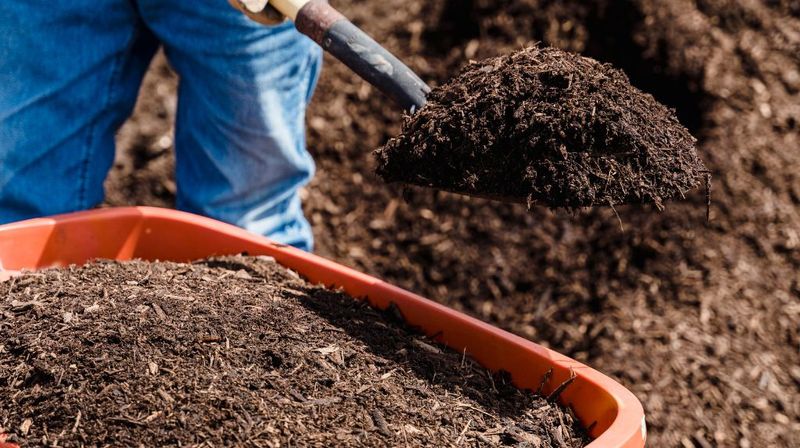
Fresh mulch looks beautiful and feels productive, but timing matters more than most Illinois gardeners realize.
Spreading mulch too early in spring actually keeps soil cold longer by insulating it from warming sunshine.
This delays germination of seeds, slows root growth, and can trap ground-dwelling beneficial insects before they become active.
Soil temperature drives much of what happens in your garden, and premature mulching interferes with natural warming patterns.
Many perennials and self-seeding annuals need soil temperatures to reach certain thresholds before they’ll sprout and grow.
When you pile on mulch in March, you’re essentially putting a cold blanket over soil that needs to warm up.
This is particularly problematic for native wildflowers and plants that emerge later in spring.
Some species might not push through thick, freshly applied mulch at all.
Ground-nesting bees also suffer when gardeners mulch too early.
These important pollinators need access to bare soil to create their underground nests.
A thick layer of fresh mulch blocks their entry and makes nesting impossible.
Since about 70 percent of native bee species nest in the ground, this seemingly helpful garden task can actually harm pollinator populations.
Wait until you see consistent growth and the soil feels warm to the touch, usually late April or May in most Illinois locations.
Check soil temperature if you’re unsure, it should be at least 55 to 60 degrees before you mulch.
Apply mulch in a thin layer, no more than two to three inches deep, and keep it pulled back a few inches from plant crowns and stems to prevent rot and allow air circulation.
7. Clearing Seed Heads That Feed Overwintering Birds
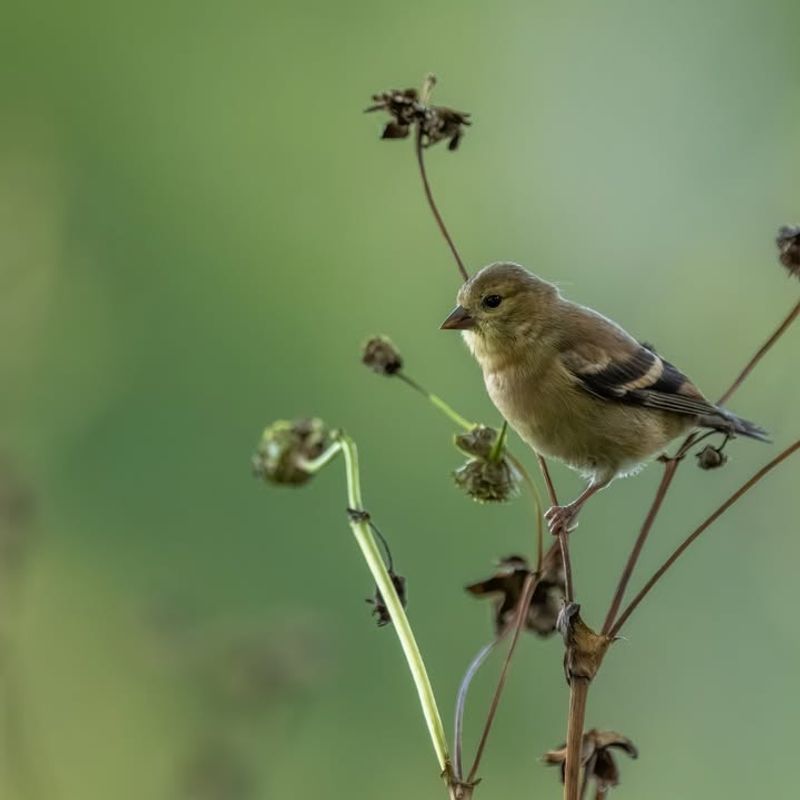
Those dried, brown seed heads might not look like much, but they’re actually a vital food source.
Birds like goldfinches, juncos, chickadees, and sparrows depend on seeds from coneflowers, black-eyed Susans, rudbeckia, and native grasses throughout late winter and early spring.
In Illinois, this period from February through April can be particularly tough for birds because natural food sources are scarce.
Your garden’s seed heads might be one of the few reliable feeding spots in the neighborhood.
When gardeners rush to cut down everything in early spring, they eliminate this important food supply right when birds need it most.
Migration season is especially demanding, birds need high-energy food to fuel their long journeys north.
Resident birds are also preparing for nesting season and require extra nutrition.
Seeds provide essential fats and proteins that help birds survive and thrive.
Leaving seed heads standing also benefits your garden in other ways.
They add winter interest and structure to your landscape, creating beautiful silhouettes when covered with snow or frost.
They also provide the overwintering habitat for insects mentioned earlier, making them doubly valuable for wildlife.
Instead of cleaning up all your seed heads in March, leave them standing until you see birds actively feeding on them less frequently, usually by late April or May in Illinois.
Watch for goldfinches especially, they’re one of the last species to stop visiting seed heads in spring.
Once bird activity decreases and you see consistent warm weather, you can safely remove old stems.
Better yet, leave a few standing all year to provide ongoing food and habitat throughout every season.