How To Deal With Armadillos Making Holes In Your Mississippi Yard
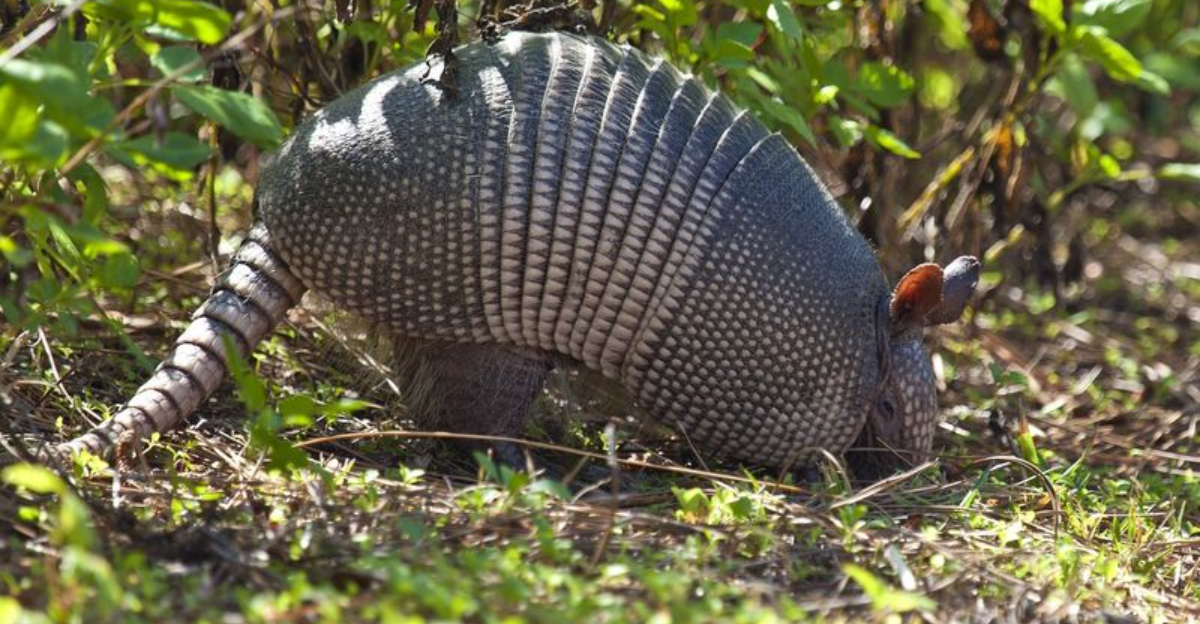
Armadillos can turn a well-kept Mississippi yard into a patchwork of holes almost overnight, leaving homeowners frustrated and unsure how to respond.
These small, burrowing mammals dig in search of insects, grubs, and worms, often creating uneven soil and damaged lawns in the process.
Understanding their habits is the first step: armadillos are mostly nocturnal and favor loose, well-drained soil.
Prevention and control focus on making yards less inviting—removing food sources, securing compost, and using barriers or deterrents can reduce damage.
Trapping and relocation are options in some areas, though local regulations must be followed.
While complete eradication may be difficult, strategic management keeps landscapes intact and minimizes disruption.
1. Remove Their Food Source By Treating Your Lawn For Grubs
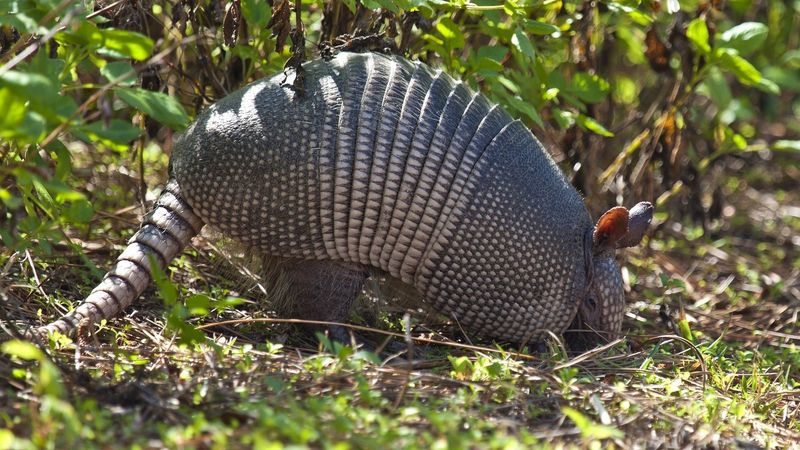
Armadillos visit your yard for one main reason: food.
Their favorite meal consists of grubs, beetles, and other insects living just below the surface.
When you eliminate these tasty treats, armadillos lose their motivation to dig.
Treating your lawn with grub control products can drastically reduce armadillo activity within a few weeks.
You can find effective treatments at most garden centers or hire a professional lawn service.
Apply these products during spring or early summer when grubs are most active.
Follow the instructions carefully to avoid harming beneficial insects or pets.
Many homeowners notice a significant decrease in digging after just one treatment cycle.
Regular lawn maintenance also helps keep insect populations under control naturally.
Healthy grass with strong roots makes it harder for pests to establish large colonies.
Consider using beneficial nematodes, which are microscopic organisms that target grubs without chemicals.
This natural option is safe for children and pets who play in the yard.
Once the food supply disappears, armadillos will move on to other areas where eating is easier.
This method requires patience but offers long-term results that protect your landscape investment.
2. Install Motion-Activated Sprinklers To Startle Nocturnal Visitors
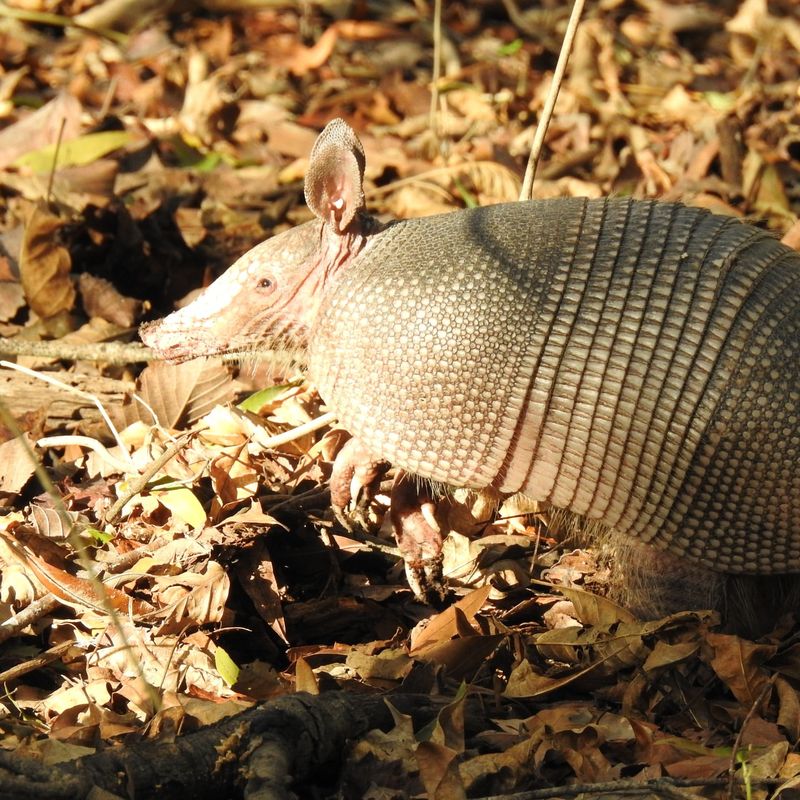
Armadillos are creatures of habit and prefer predictable, quiet environments for their nightly foraging.
Motion-activated sprinklers disrupt this comfort by delivering a sudden spray of water when movement is detected.
The unexpected burst startles the animal without causing any harm.
These devices work exceptionally well because armadillos are most active after dark when your yard is quiet.
You can position sprinklers near areas where digging is most severe.
Most models have adjustable sensitivity settings, so you can customize the detection range.
The sprinklers also help water your lawn, providing a dual benefit during dry Mississippi summers.
Installation is usually straightforward and requires only a garden hose connection.
Some advanced models even connect to smart home systems for remote monitoring.
After a few nights of getting sprayed, armadillos typically learn to avoid your property altogether.
This conditioning approach is humane and environmentally friendly.
The initial investment pays off quickly when you see the reduction in lawn damage.
Remember to adjust the sprinklers seasonally as armadillo activity patterns can change with temperature.
This solution works best when combined with other deterrent methods for maximum effectiveness.
3. Build Physical Barriers Using Hardware Cloth Around Vulnerable Areas
Sometimes the most direct approach is the most effective.
Your Mississippi Garden Changes Every Week. Your Plan Should Too.
Gardening in Mississippi changes quickly throughout the season. Every Friday you’ll receive a simple weekly plan showing exactly what to plant, prune, fertilize, harvest, and protect so you never miss the right timing.
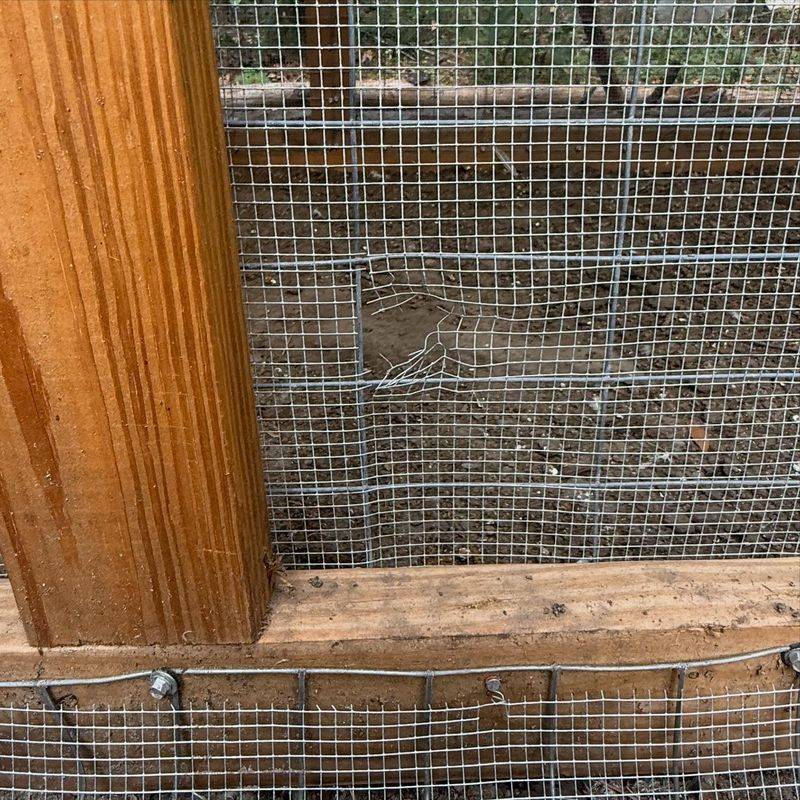
Hardware cloth is a sturdy wire mesh that armadillos cannot easily penetrate or dig under.
Installing this material around flower beds, vegetable gardens, or foundation perimeters creates a physical shield.
The key is burying the cloth at least 12 inches deep, as armadillos are determined diggers.
Extend the barrier about 18 inches above ground for complete protection.
Bend the bottom portion outward at a 90-degree angle to discourage burrowing attempts.
This L-shaped configuration makes it nearly impossible for armadillos to dig underneath.
Hardware cloth is available at hardware stores and comes in various sizes and strengths.
Choose a mesh with openings no larger than half an inch to prevent small paws from squeezing through.
The material is durable and can last for many years with minimal maintenance.
You can disguise the barrier with mulch or decorative rocks to maintain your yard’s appearance.
This method requires some initial labor but provides reliable, long-term protection.
Focus on your most valuable landscaping areas first, then expand coverage as needed.
Physical barriers work regardless of weather conditions or armadillo population changes in your neighborhood.
4. Apply Natural Repellents With Strong Scents Armadillos Dislike
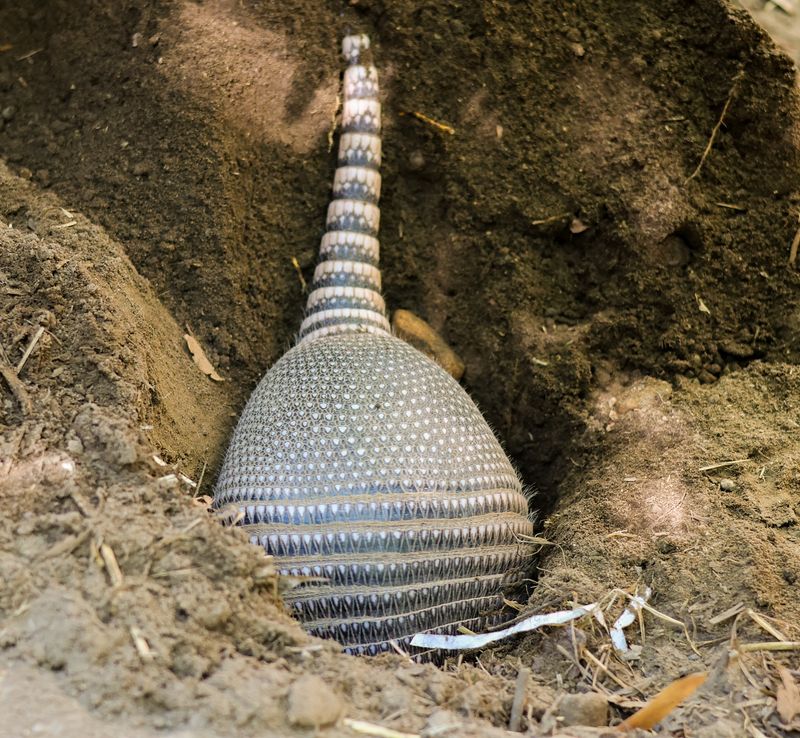
Armadillos have a keen sense of smell that guides them to food sources underground.
You can use this sensitivity against them by applying repellents with odors they find unpleasant.
Cayenne pepper, garlic, and ammonia-soaked rags are popular choices among homeowners.
Mix cayenne pepper with water and spray it around areas where digging occurs frequently.
The spicy scent irritates their sensitive noses and encourages them to search elsewhere.
Crushed garlic mixed with water creates another effective deterrent that is safe for plants.
Some people place ammonia-soaked rags near burrow entrances or along property borders.
The strong chemical smell mimics predator urine and signals danger to armadillos.
Reapply these natural repellents after rain or heavy watering to maintain their effectiveness.
Commercial repellents specifically designed for armadillos are also available at garden centers.
These products often contain castor oil, which creates an unpleasant taste and smell in the soil.
Natural repellents are an excellent option for families concerned about chemical exposure.
They work best when applied consistently over several weeks to establish a scent barrier.
Combining scent-based repellents with other methods increases your overall success rate significantly.
5. Maintain A Well-Lit Yard To Discourage Nighttime Activity
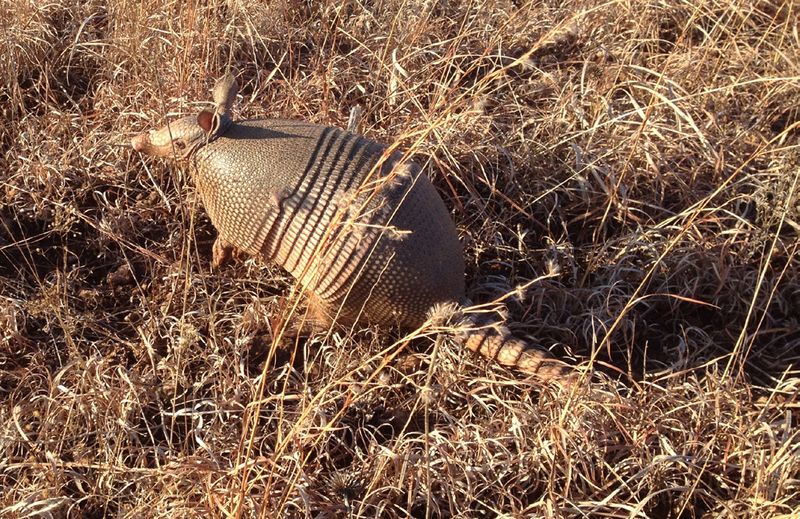
Armadillos are shy animals that prefer darkness for their foraging activities.
Bright lights make them feel exposed and vulnerable to predators.
Installing outdoor lighting around your property can significantly reduce armadillo visits.
Solar-powered lights are an economical and environmentally friendly option that requires no wiring.
Place lights strategically near areas where you have noticed the most digging.
Motion-sensor lights are particularly effective because they activate when movement is detected.
The sudden illumination startles armadillos and often sends them scurrying away immediately.
LED bulbs provide bright, energy-efficient lighting that lasts for years.
You can also use string lights or landscape lighting to create a well-lit perimeter.
This approach has the added benefit of improving your home security and curb appeal.
Consistent lighting conditions train armadillos to associate your yard with danger.
Over time, they will choose darker, safer locations for their nightly searches.
Adjust your lighting system seasonally to account for changing sunset times.
This method works well in combination with other deterrents for a comprehensive defense strategy.
6. Fill Existing Holes Promptly To Prevent Repeat Visits
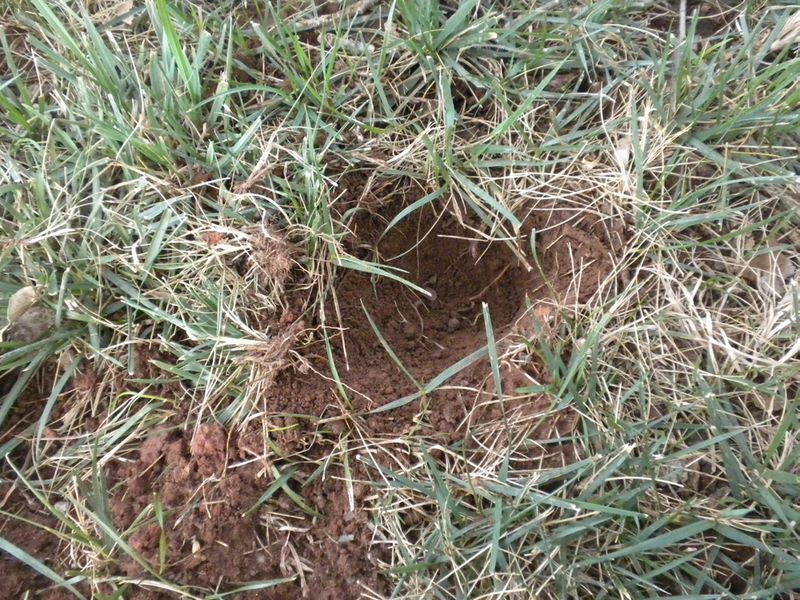
Armadillos often return to the same spots where they have successfully found food before.
Leaving holes unfilled sends a signal that your yard is a reliable feeding ground.
Prompt repair of damaged areas helps break this pattern and discourages future visits.
Start by filling holes with soil and tamping it down firmly to eliminate air pockets.
Add grass seed or sod to restore the lawn’s appearance and prevent erosion.
Water the repaired areas regularly to help new grass establish strong roots.
Some homeowners mix the fill soil with cayenne pepper or other repellents as an extra deterrent.
This dual approach repairs damage while making the area less appealing for future digging.
Check your yard every morning for fresh holes and address them immediately.
Consistency is crucial because armadillos can be persistent when food is plentiful.
Document the locations of repeat digging to identify problem zones that need extra attention.
You might discover patterns that help you target your deterrent efforts more effectively.
Repairing holes also prevents them from becoming tripping hazards or collecting water.
A well-maintained lawn recovers faster and shows fewer signs of armadillo activity over time.
7. Eliminate Brush Piles And Debris That Provide Shelter
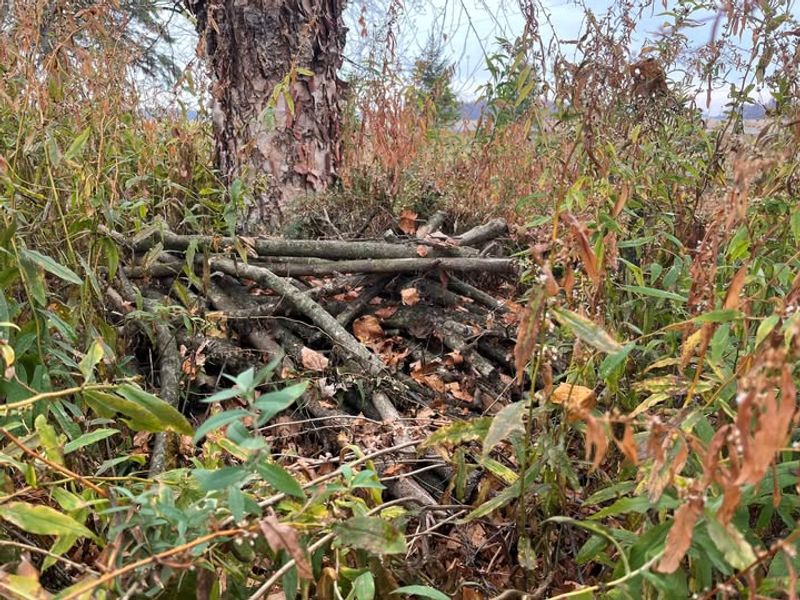
Armadillos need safe places to rest during the day after their nighttime foraging.
Brush piles, wood stacks, and overgrown vegetation provide perfect hiding spots.
Removing these shelter options makes your property less attractive to armadillos looking for a home base.
Start by clearing away fallen branches, leaf piles, and unused building materials.
Trim back overgrown shrubs and bushes, especially those near your home’s foundation.
Store firewood on elevated racks at least 20 feet from your house.
Keep your lawn mowed regularly to eliminate tall grass where armadillos might hide.
Remove dense ground cover plants that create dark, protected spaces.
Pay special attention to areas under decks, porches, and sheds where armadillos might burrow.
Install lattice or hardware cloth barriers around these structures to block access.
A clean, open yard offers fewer opportunities for armadillos to feel secure.
This visibility makes them nervous about predators and encourages them to move elsewhere.
Regular yard maintenance not only deters armadillos but also improves overall property appearance.
You will also reduce habitats for other unwanted pests like snakes and rodents.
8. Consider Live Trapping As A Last Resort For Persistent Problems
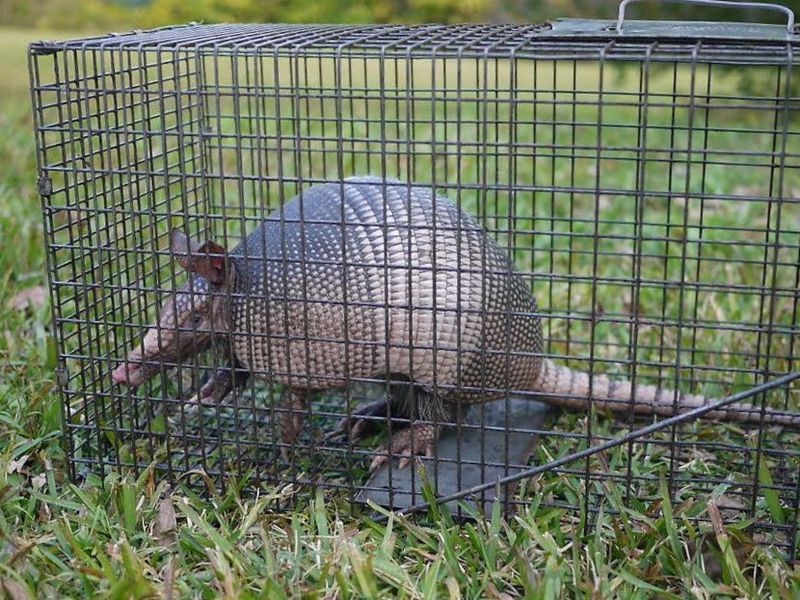
When all other methods have failed, live trapping offers a way to remove armadillos from your property.
This approach requires patience and careful attention to local wildlife regulations.
Mississippi law has specific rules about trapping and relocating wildlife, so check with your state wildlife agency first.
Purchase or rent a sturdy live trap designed for animals of armadillo size.
Place the trap along established armadillo paths or near active burrows.
Bait the trap with overripe fruit, earthworms, or mealworms to attract the animal.
Check traps daily, preferably in the early morning when armadillos are finishing their nightly activities.
Never leave an animal trapped for extended periods in hot weather.
Once captured, contact a licensed wildlife removal service to handle relocation properly.
Many counties require professional assistance for transporting and releasing trapped animals.
Attempting relocation yourself might violate laws or spread diseases to new areas.
Professional trappers have the experience and permits needed to handle armadillos safely.
This option is most appropriate when armadillo damage is severe and other methods have not worked.
Remember that removing one armadillo does not prevent others from moving into your yard later.