8 Plants Oregon Gardeners Prune In January For Better Growth
January pruning feels counterintuitive in Oregon, especially when gardens still look half asleep and winter refuses to let go.
Still, some plants respond best to a quiet winter trim, pushing stronger growth once the days slowly stretch out again.
Gardeners who stick with it often notice healthier shapes, fuller growth, and fewer problems later in the season.
These eight plants are the ones Oregon gardeners confidently prune in January for better results ahead.
1. Fruit Trees
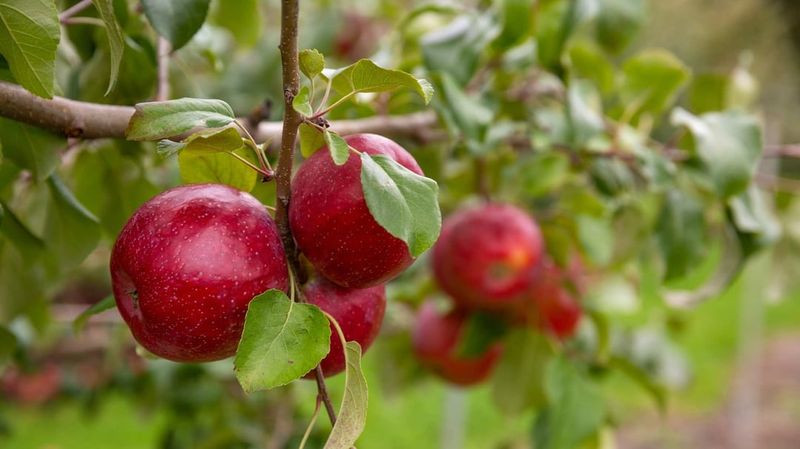
Apple and pear trees thrive when pruned during their winter rest, making January an excellent month for Oregon orchardists to shape their trees properly.
Removing dead or crossing branches now prevents disease and encourages air circulation, which helps fruit develop better when warm weather returns to the region.
Pruning while trees are leafless allows you to see the structure clearly, so you can make smart cuts that improve both form and productivity.
Oregon gardeners often focus on creating an open center or modified leader shape, which maximizes sunlight penetration and supports heavy fruit loads without breakage.
Cutting back last year’s growth by about one-third stimulates vigorous new shoots that will bear fruit in coming seasons across the Willamette Valley.
Sharp, clean tools are essential to avoid tearing bark, and cuts should be made just above outward-facing buds to direct growth away from centers.
Frost rarely damages fresh cuts in Oregon’s mild January climate, so trees heal quickly and start the growing season with renewed energy and strength.
Pruning fruit trees now saves time later and ensures a bountiful harvest when summer finally arrives in the beautiful Pacific Northwest landscape we call home.
2. Roses
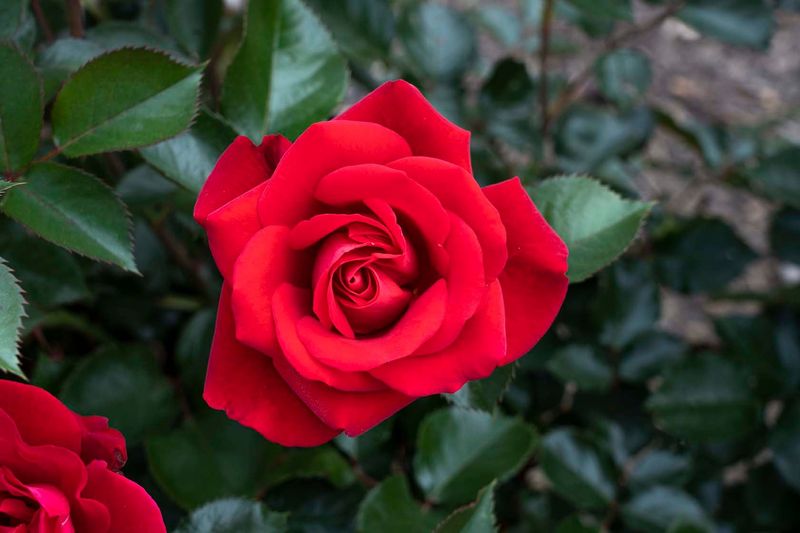
Roses benefit tremendously from a good January pruning, especially in Oregon where mild winters allow gardeners to work outdoors without battling harsh freezing temperatures.
Cutting back hybrid teas, floribundas, and grandifloras to about knee height removes weak or damaged canes and encourages robust new growth full of blooms.
January pruning also helps control rose size, keeping bushes manageable and preventing them from becoming leggy or overcrowded as spring approaches in the region.
Oregon’s rainy winter weather means roses are dormant, so pruning now causes minimal stress and allows plants to channel energy into root development instead.
Always prune to an outward-facing bud at a forty-five-degree angle, which promotes open centers and reduces the risk of fungal diseases in our damp climate.
Removing old, unproductive wood makes room for vigorous young canes that produce the most spectacular flowers when summer sunshine finally graces Portland and surrounding areas.
Clean cuts heal faster and reduce entry points for pests, so disinfect your shears between plants to keep your rose garden healthy and thriving all year.
A well-pruned rose bush in January rewards Oregon gardeners with stunning blooms and lush foliage that make every garden a showpiece come springtime.
3. Blueberries
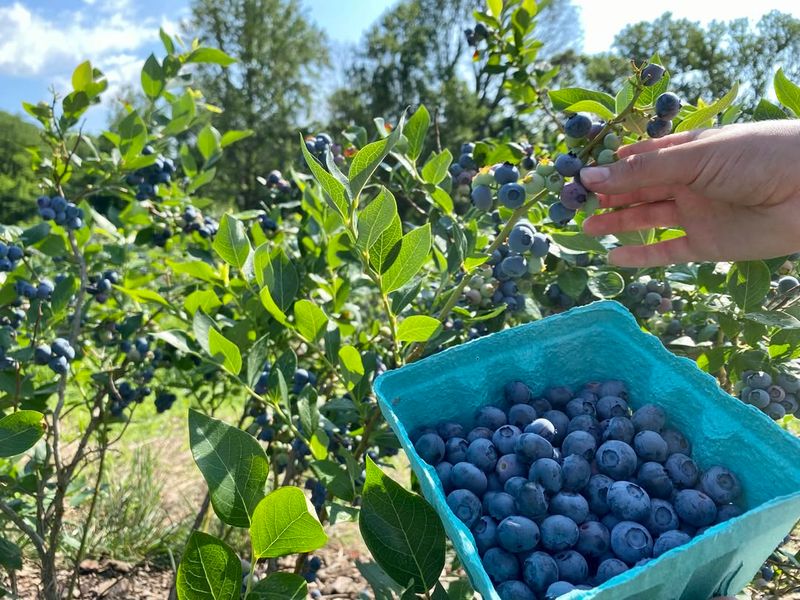
Blueberry bushes are a staple in many Oregon gardens, and January is the ideal time to prune them for maximum berry production in the upcoming season.
Removing old, twiggy growth and any branches more than six years old makes room for young, productive canes that bear the largest and sweetest fruit.
Your Oregon Garden Changes Every Week. Your Plan Should Too.
Gardening in Oregon changes quickly throughout the season. Every Friday you’ll receive a simple weekly plan showing exactly what to plant, prune, fertilize, harvest, and protect so you never miss the right timing.
Oregon’s acidic soil and cool winters create perfect conditions for blueberries, but pruning helps maintain plant health and prevents overcrowding that can limit fruit size.
Focus on opening up the center of the bush to allow light and air to reach all parts, which reduces disease pressure in our humid climate.
Cutting back low-hanging branches prevents berries from touching the ground, keeping them clean and reducing the risk of rot during Oregon’s wet spring and summer months.
Young blueberry plants need minimal pruning, but established bushes benefit from removing about one-fifth of the oldest canes each January to encourage continuous renewal and vigor.
Pruning also stimulates lateral branching, which increases the number of fruiting spurs and leads to a bigger harvest when berries ripen in July and August.
Taking time to prune blueberries now ensures Oregon gardeners enjoy abundant, flavorful berries perfect for pies, jams, and fresh snacking all summer long.
4. Grapes
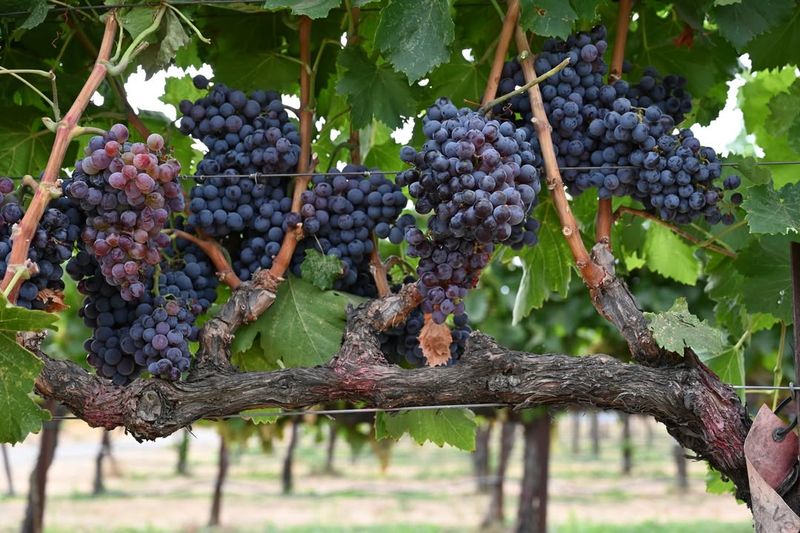
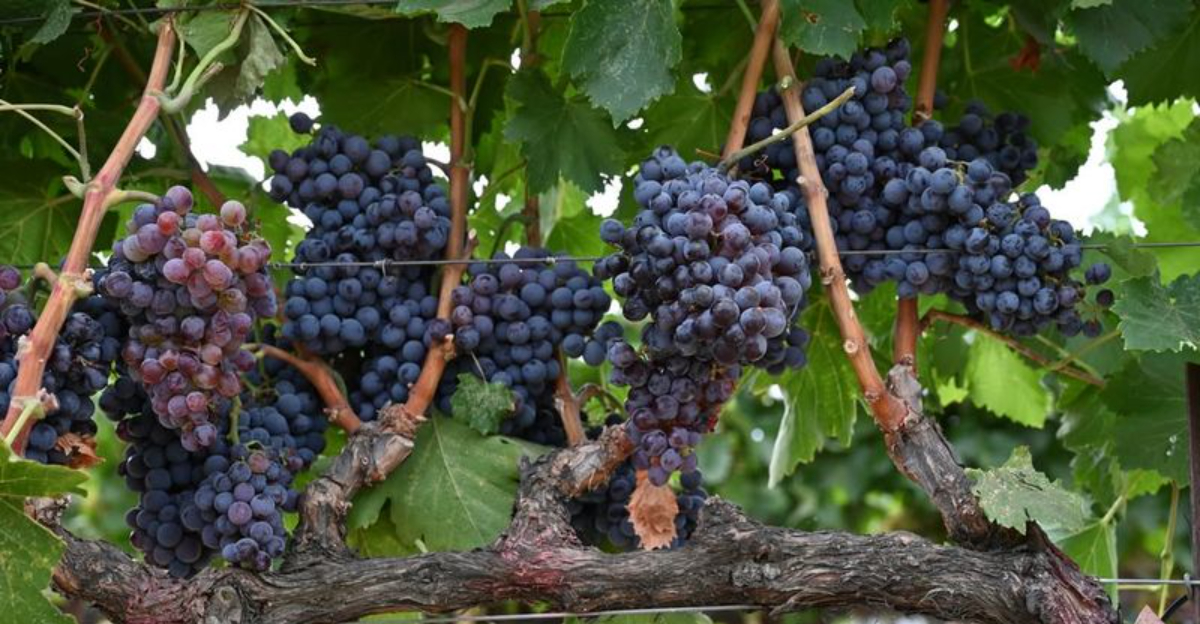
Grapevines require heavy pruning in January to produce quality fruit, and Oregon’s wine country gardeners know this task is essential for a successful harvest later.
Cutting back up to ninety percent of last year’s growth may seem drastic, but it concentrates the plant’s energy into fewer, healthier clusters of grapes.
January is perfect for this work because vines are fully dormant, and pruning now minimizes sap loss and stress that could weaken the plant during active growth.
Oregon gardeners typically leave only a few buds on each cane, selecting the strongest and best-positioned ones to ensure balanced growth and fruit production across the trellis.
Removing tangled or crossing canes improves air circulation, which helps prevent powdery mildew and other fungal diseases common in the Willamette Valley’s moist spring climate.
Proper pruning also makes it easier to manage vines throughout the season, keeping them tidy and accessible for thinning, harvesting, and other maintenance tasks ahead.
Sharp cuts heal quickly in Oregon’s mild winter, and vines respond with vigorous new shoots that bear the best fruit when warm weather returns in May.
Pruning grapes in January sets the stage for a bountiful harvest, whether you grow them for fresh eating, juice, or homemade wine in the Pacific Northwest.
5. Raspberries
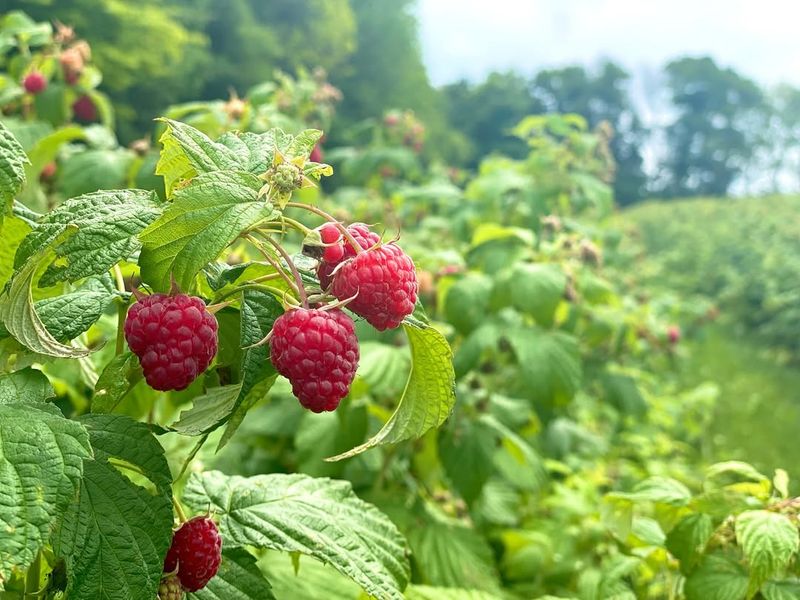
Raspberries are a favorite among Oregon gardeners, and January is the right time to prune them for healthier plants and bigger berries in the coming summer.
Summer-bearing varieties need old canes that fruited last year cut down to the ground, while new canes are thinned to about six per linear foot.
Fall-bearing raspberries can be pruned differently: some Oregon gardeners cut all canes to the ground in January to encourage one large fall crop instead of two.
Thinning canes improves air flow and sunlight penetration, which reduces disease and helps berries ripen evenly across the patch in Oregon’s variable spring weather.
Removing weak or damaged canes also prevents them from competing with healthy ones for nutrients, leading to larger, sweeter raspberries when harvest time arrives in July.
Oregon’s mild winters mean raspberry canes are dormant but not frozen solid, so pruning now is easy and causes minimal damage to the plants you’re working with.
Cutting back canes also makes it easier to walk through the patch and spot any pests or problems before they become serious in the growing season.
A well-pruned raspberry patch rewards Oregon gardeners with abundant fruit perfect for fresh eating, freezing, or making delicious jams that capture summer’s sweetness all year.
6. Hydrangeas
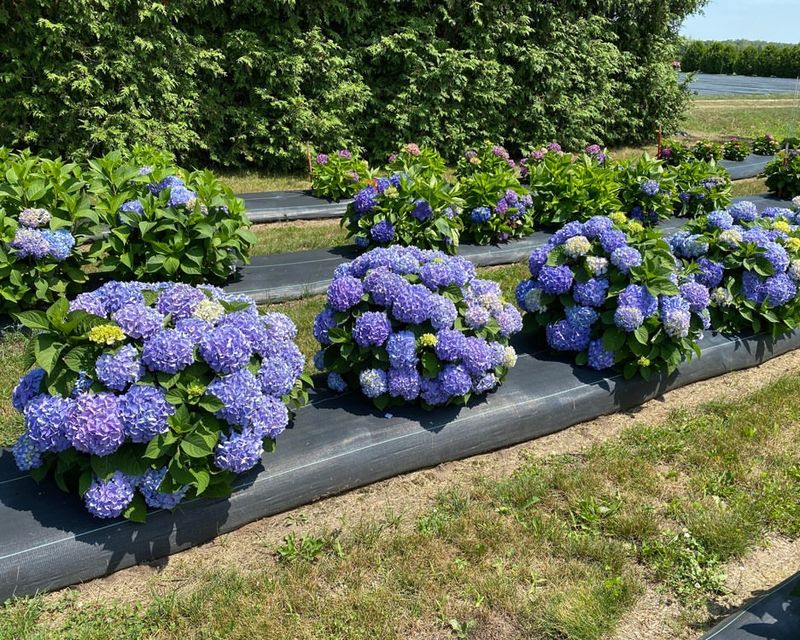
Hydrangeas are beloved in Oregon gardens for their showy blooms, but knowing which type you have is crucial before making any January pruning cuts on them.
Smooth and panicle hydrangeas bloom on new wood, so they can be pruned hard in January without sacrificing flowers, making them easy to manage here.
Bigleaf and oakleaf hydrangeas bloom on old wood, so only dead or damaged stems should be removed in January to avoid cutting off this summer’s buds.
Oregon’s mild climate means hydrangeas often hold onto dried flower heads through winter, which can be removed now to tidy up the garden and encourage fresh growth.
Pruning smooth hydrangeas back to about two feet encourages strong, upright stems that support large blooms without flopping over during Oregon’s spring rain showers and windstorms.
Panicle hydrangeas can be shaped in January to maintain size and form, and cutting back to a strong framework ensures a bushy, well-branched plant by summer.
Removing crossing or crowded branches improves air circulation, which helps prevent powdery mildew and keeps hydrangeas looking their best in the humid Pacific Northwest climate we experience.
Pruning hydrangeas correctly in January ensures Oregon gardeners enjoy spectacular blooms and healthy, vibrant shrubs that add color and beauty to every landscape throughout the year.
7. Clematis
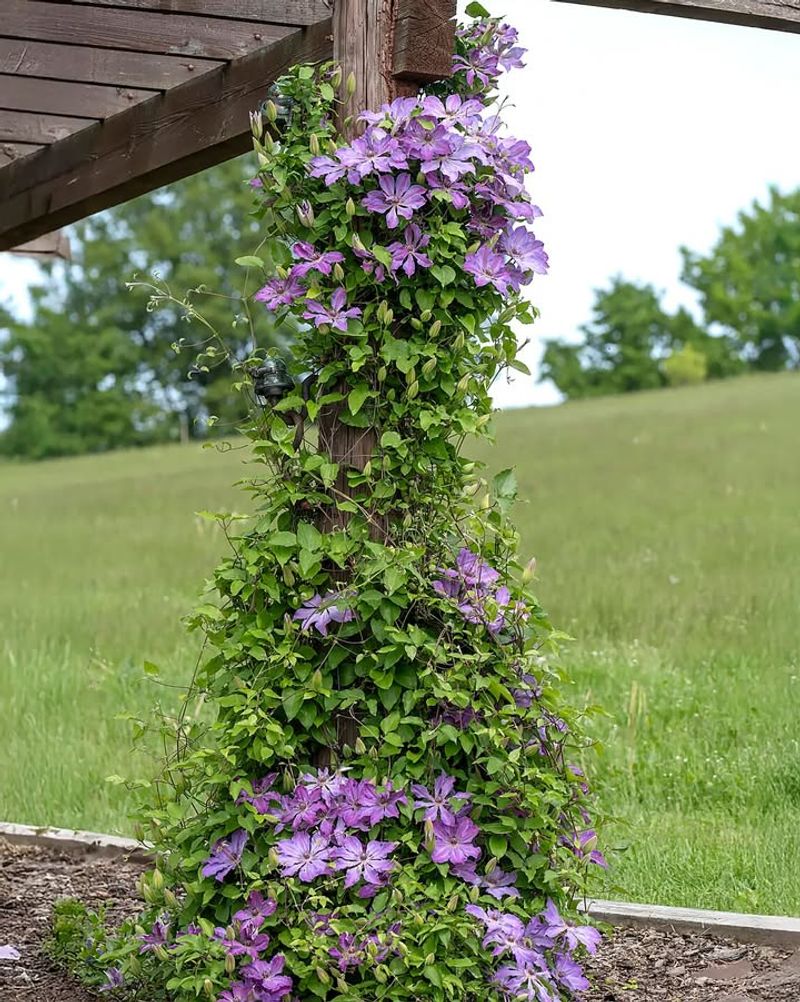
Clematis vines add vertical interest to Oregon gardens, and January is a great time to prune them, though the approach depends on the variety you have.
Group Three clematis, which bloom on new wood, can be cut back hard in January to about twelve inches, encouraging vigorous growth and abundant flowers.
Group Two clematis bloom on old wood and should only have dead or weak stems removed in January to preserve the buds that will open later.
Group One clematis bloom in early spring, so they should be pruned right after flowering, not in January, to avoid cutting off this season’s display.
Oregon’s mild winters make it easy to work with clematis vines in January, and removing tangled growth now simplifies training and support tasks as spring approaches quickly.
Pruning also helps control the size of vigorous varieties, preventing them from overwhelming trellises, fences, or other plants in your Pacific Northwest garden beds and borders.
Cutting back spent growth encourages fresh, healthy stems that are less prone to disease and better able to support the weight of heavy blooms in summer months.
Taking time to prune clematis correctly in January ensures Oregon gardeners enjoy stunning vertical displays of color that transform walls, arbors, and fences into living works of art.
8. Currants and Gooseberries
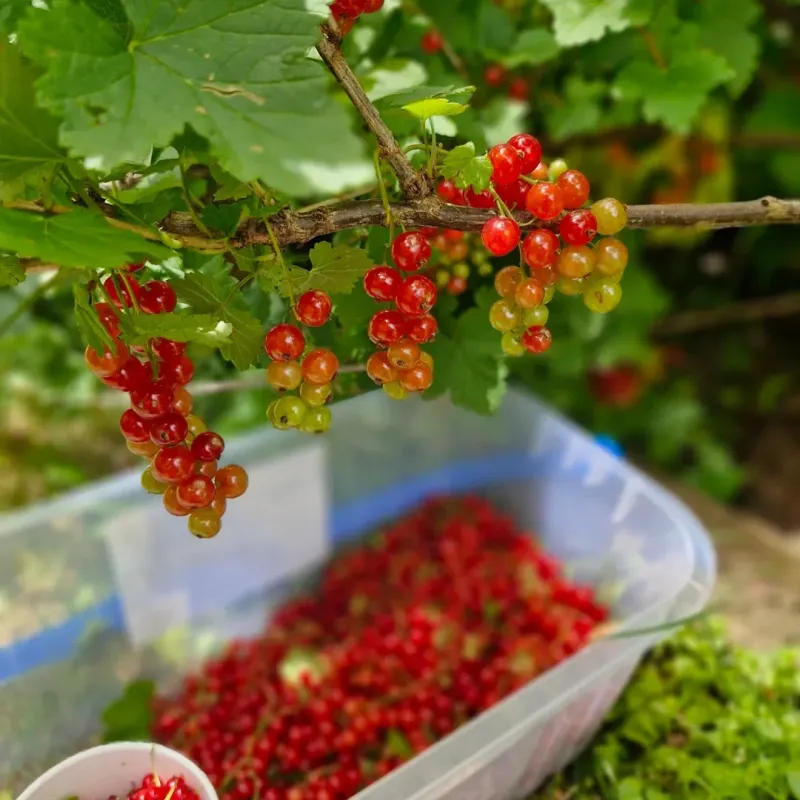
Currants and gooseberries are often overlooked but incredibly productive in Oregon gardens, and January pruning keeps them healthy and fruitful for years to come ahead.
Removing branches older than three years encourages new growth that bears the most fruit, and this renewal process is best done during the dormant winter season.
Oregon’s cool, wet January weather is perfect for working with these bushes because they are fully dormant and cuts heal quickly without stressing the plants unnecessarily.
Pruning also improves air circulation, which reduces the risk of fungal diseases like powdery mildew that can affect currants and gooseberries in the humid Pacific Northwest climate.
Opening up the center of the bush allows light to reach all parts, which helps berries ripen evenly and makes harvesting easier when fruit appears in summer.
Cutting back low-growing branches prevents berries from touching the ground, keeping them clean and reducing the chance of rot during Oregon’s rainy spring and early summer months.
Thinning out crowded growth also makes it easier to spot pests like aphids or caterpillars before they cause serious damage to your plants or fruit crop.
Pruning currants and gooseberries in January ensures Oregon gardeners enjoy a bountiful harvest of tart, flavorful berries perfect for jellies, pies, and fresh eating all season.