7 Christmas Cactus Care Tips For Minnesota Plants Past Bloom Season
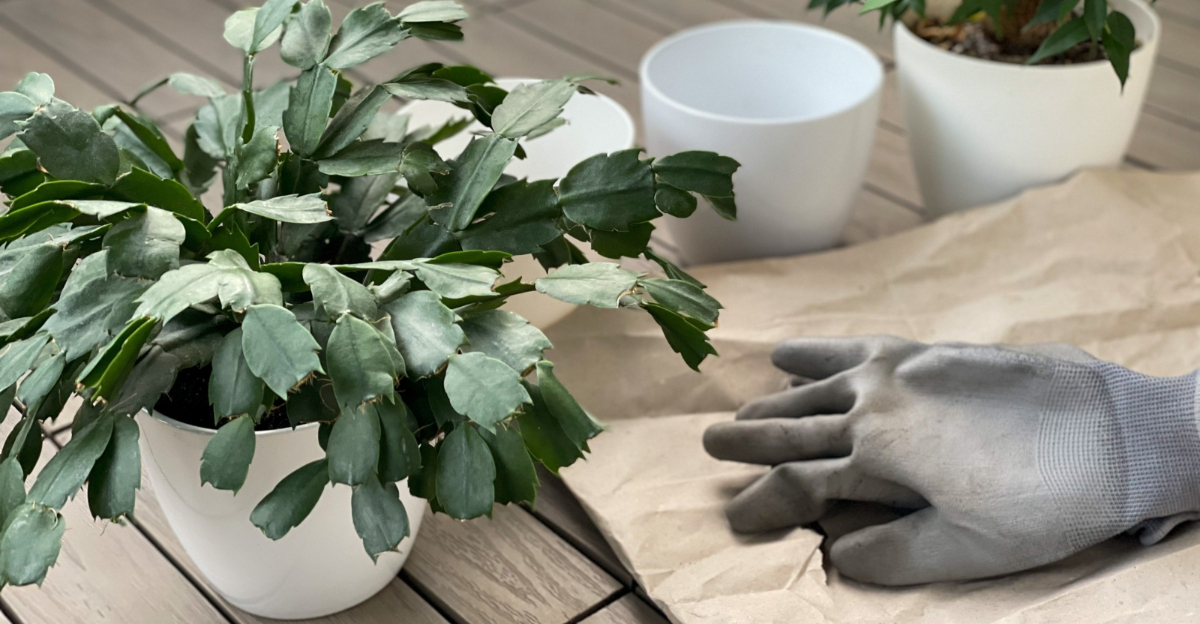
When a Christmas cactus finishes blooming in a Minnesota home, it often feels like the exciting part is over, even though the plant is quietly shifting into an important recovery phase.
This post-bloom stretch is when many plants start to struggle, not because winter is harsh, but because care routines usually stay the same when they really shouldn’t.
A Christmas cactus resting after flowering needs different attention than it did during bloom time, and small missteps now can affect growth for the rest of the year.
With the right care after blooming, this familiar winter favorite stays healthy, balanced, and ready to surprise you again when the next flowering season rolls around.
1. Adjust Your Watering Schedule After Blooming Ends
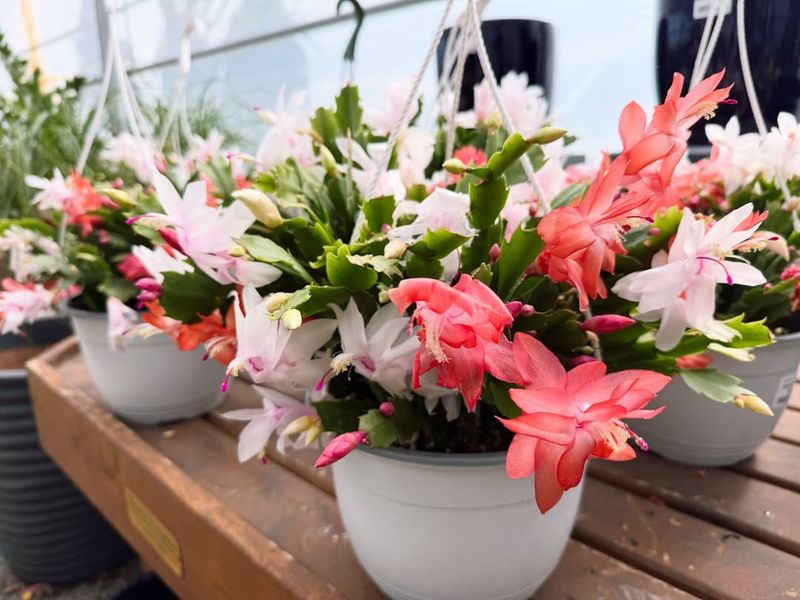
Once the flowers have dropped, your Christmas cactus enters a rest phase where it needs less water than during its blooming period earlier.
Minnesota homes often have dry air in winter from heating systems, but that does not mean you should water more frequently now.
Allow the top inch of soil to dry out completely before adding water, which usually means watering every two to three weeks.
Overwatering during this rest period can lead to root rot, which weakens the plant and prevents it from storing energy for future growth.
Check the soil with your finger before watering to make sure it feels dry, not just on the surface but slightly below as well.
When you do water, soak the soil thoroughly until water drains from the bottom, then empty the saucer to avoid soggy roots sitting.
In Minnesota, tap water can be cold during winter, so let it sit at room temperature for a few hours before using it.
This prevents shocking the roots with icy water, which can stress the plant and slow down its recovery after the blooming season ends.
Consistent but infrequent watering is the key to keeping your Christmas cactus healthy and ready for the next cycle of growth and flowering.
2. Provide Bright Indirect Light Throughout Winter Months
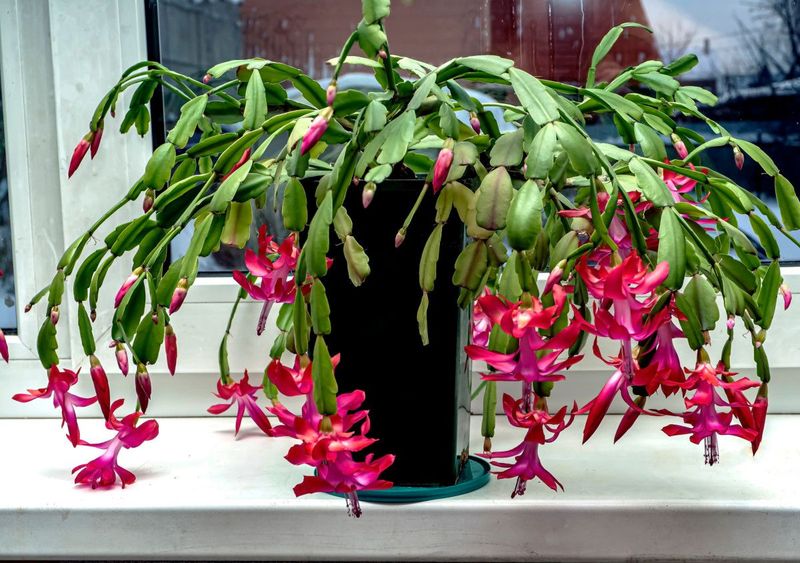
Light plays a crucial role in helping your Christmas cactus recover and prepare for the next blooming cycle after the flowers have faded away.
Place your plant near a window that receives bright but indirect sunlight, such as an east or north-facing window in your Minnesota home.
Direct sunlight, especially through south-facing windows, can scorch the leaves and cause them to turn red or yellow, which indicates stress and damage.
During Minnesota winters, daylight hours are shorter, so maximizing natural light exposure becomes even more important for your plant’s overall health and vitality.
If your home lacks sufficient natural light, consider using a grow light for a few hours daily to supplement the limited winter sunshine.
Rotate your Christmas cactus every few weeks to ensure all sides receive equal light, which promotes balanced growth and prevents the plant from leaning.
Avoid placing your plant near cold drafts from windows or doors, as temperature fluctuations can stress it even if the light conditions are ideal.
Your Minnesota Garden Changes Every Week. Your Plan Should Too.
Gardening in Minnesota changes quickly throughout the season. Every Friday you’ll receive a simple weekly plan showing exactly what to plant, prune, fertilize, harvest, and protect so you never miss the right timing.
Consistent bright indirect light helps the plant maintain its green color and build energy reserves that will fuel the next blooming season successfully.
Minnesota winters can be gray and cloudy, so paying attention to your plant’s light needs will make a noticeable difference in its appearance.
3. Maintain Moderate Indoor Temperatures For Healthy Growth
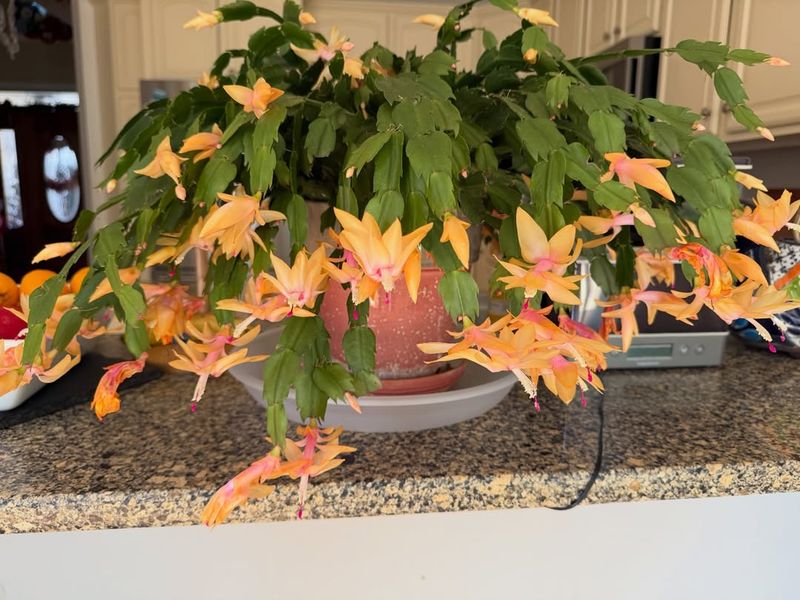
Temperature control is essential for Christmas cactus care, especially during the post-bloom rest period when the plant is recovering from flowering efforts recently.
Ideal temperatures range between sixty and seventy degrees Fahrenheit, which is comfortable for most Minnesota homes during the cold winter months ahead here.
Avoid placing your plant near heating vents, radiators, or fireplaces, as sudden warmth can dry out the soil and stress the plant significantly.
Cold drafts from windows or exterior doors can also harm your Christmas cactus, causing leaves to drop or turn limp and discolored over time.
Minnesota winters often bring extreme cold outside, so keeping your plant away from poorly insulated windows is a smart move for its protection.
Nighttime temperatures can drop slightly, which is natural and even beneficial, but avoid letting your plant experience temperatures below fifty degrees Fahrenheit ever.
Consistent moderate temperatures help the plant focus energy on root development and leaf growth rather than struggling to adapt to environmental changes constantly.
If you notice your Christmas cactus looking droopy or losing segments, temperature stress might be the culprit, so adjust its location accordingly right away.
Monitoring your home’s temperature and keeping your plant in a stable environment will ensure it stays healthy and vigorous throughout the Minnesota winter.
4. Reduce Fertilizer Applications During The Rest Period
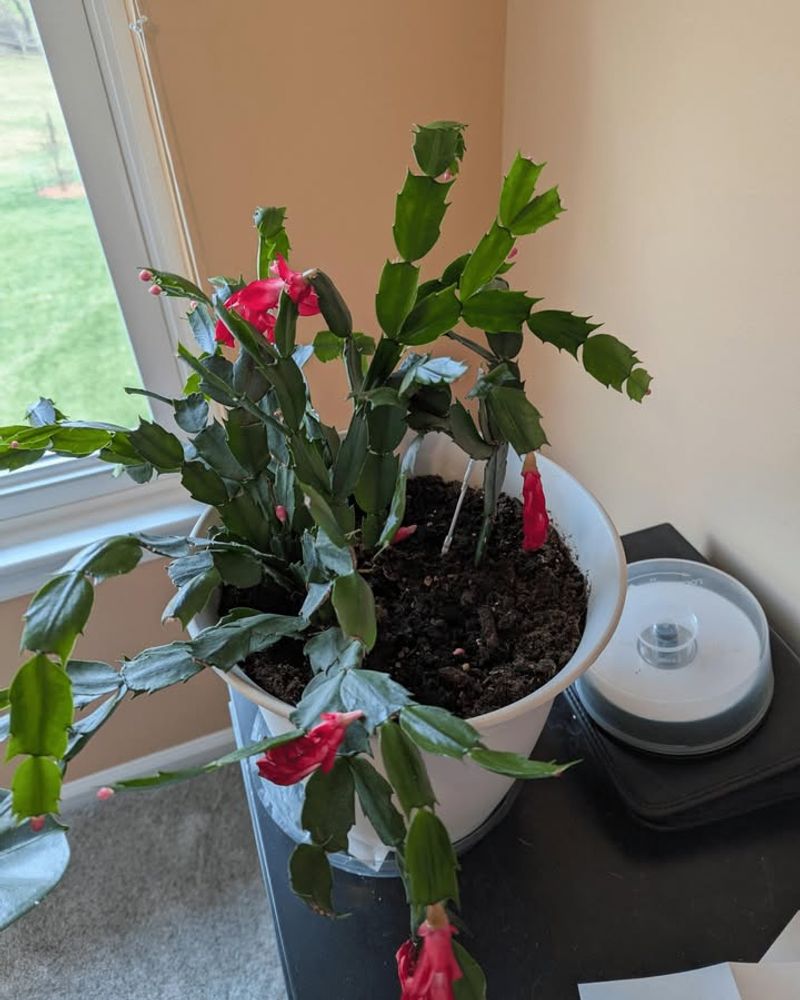
Fertilizing your Christmas cactus correctly after blooming is important because the plant needs time to rest and recover without being pushed into new growth.
During the post-bloom period, reduce fertilizer applications significantly or stop them altogether until early spring when active growth resumes in most Minnesota households.
Overfeeding during this rest phase can cause salt buildup in the soil, which burns roots and leads to yellowing leaves or stunted growth.
If you choose to fertilize lightly, use a diluted balanced houseplant fertilizer at half strength once every six to eight weeks at most.
Minnesota tap water sometimes contains minerals that can accumulate in the soil, so flushing the pot with plain water occasionally helps remove excess salts.
Avoid high-nitrogen fertilizers during winter, as they encourage leafy growth when the plant should be focusing on root health and energy storage instead.
When spring arrives and you notice new growth emerging, you can gradually resume a regular feeding schedule with a balanced or bloom-boosting fertilizer formula.
Pay attention to your plant’s appearance; if it looks healthy and green, it probably does not need extra nutrients during the winter months.
Proper fertilizer management ensures your Christmas cactus stays strong without being overwhelmed, setting the stage for beautiful blooms next year in Minnesota homes.
5. Monitor Humidity Levels In Dry Minnesota Winter Air
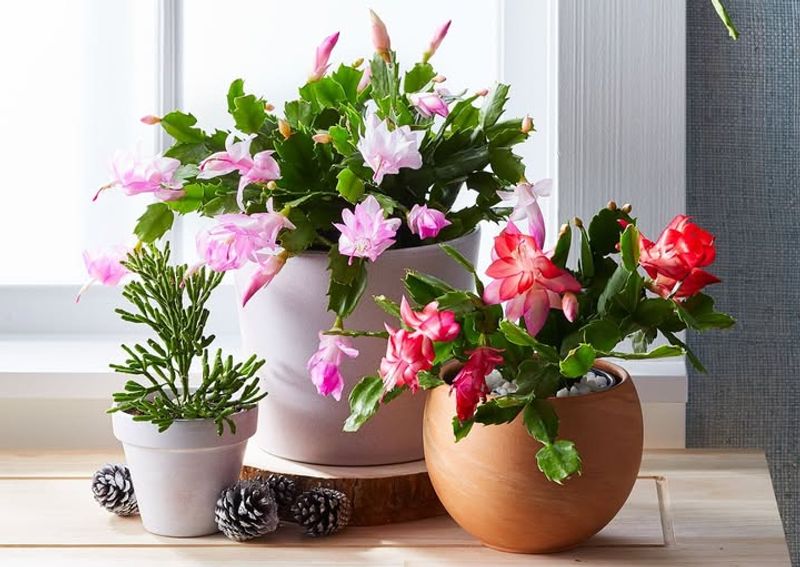
Humidity is often overlooked but plays a significant role in keeping your Christmas cactus healthy, especially during Minnesota’s harsh and dry winter season.
These plants naturally thrive in environments with moderate humidity, similar to their native tropical rainforest habitats where moisture levels are consistently higher than indoors.
Minnesota homes with forced-air heating systems can have humidity levels as low as twenty percent, which is far too dry for optimal cactus health.
Low humidity causes the leaf segments to shrivel, turn dull, or develop brown tips, which are signs your plant is struggling with the environment.
Increase humidity around your Christmas cactus by placing it on a tray filled with pebbles and water, ensuring the pot sits above the waterline.
Grouping multiple houseplants together also creates a microclimate with higher humidity, benefiting all the plants in your collection at once in Minnesota homes.
Misting your Christmas cactus lightly once or twice a week can provide temporary relief, but it is not a long-term solution for dry air.
Consider using a small humidifier near your plant if your home’s air is extremely dry, which is common during Minnesota’s coldest winter months.
Maintaining humidity between forty and fifty percent will keep your Christmas cactus looking vibrant and healthy throughout the post-bloom rest period successfully here.
6. Prune And Shape Your Plant For Better Structure
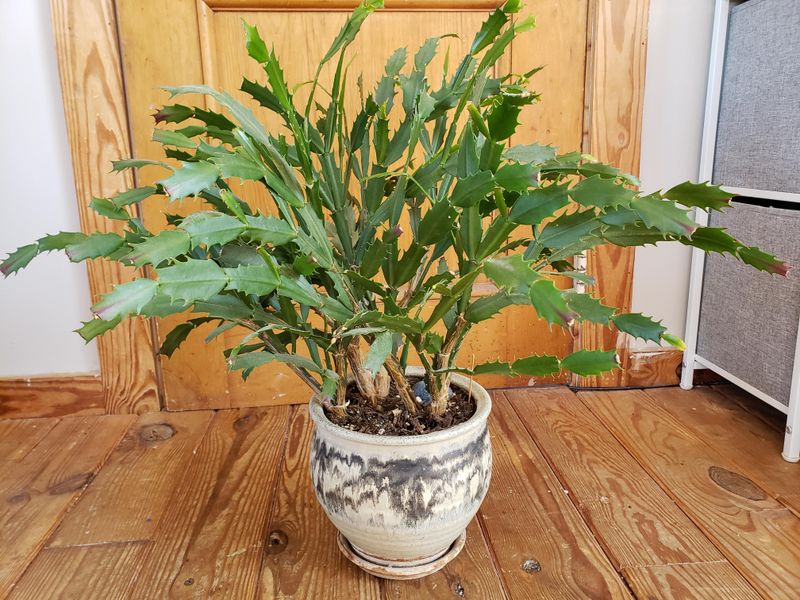
Pruning your Christmas cactus after blooming is an excellent way to encourage bushier growth and maintain an attractive shape for display in Minnesota homes.
Wait until the flowers have completely faded and fallen off before you begin trimming, giving the plant time to redirect energy from blooming efforts.
Use clean, sharp scissors or pruning shears to remove any leggy or damaged segments, cutting at the natural joints between leaf sections carefully.
Removing one or two segments from the tips of each stem encourages branching, which results in a fuller, more compact plant over time here.
Minnesota winters are a good time for light pruning because the plant is resting and can recover without the stress of active growth.
Avoid removing more than one-third of the plant at once, as excessive pruning can shock it and delay recovery during the post-bloom period.
Save the segments you remove, as they can be propagated easily in soil or water to create new Christmas cactus plants for friends.
Pruning also allows you to remove any yellowing or shriveled segments that detract from the plant’s overall appearance and health throughout the winter season.
A well-shaped Christmas cactus not only looks better but also has improved air circulation around the leaves, reducing the risk of pests or disease.
7. Watch For Pests And Address Issues Quickly
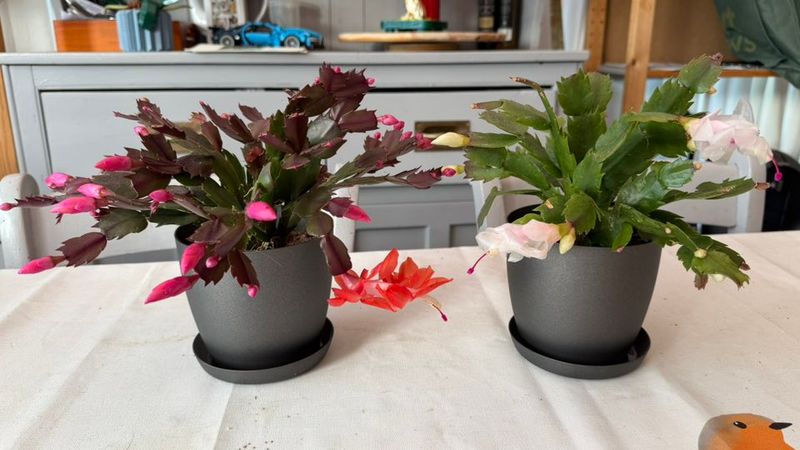
Even though Christmas cacti are relatively hardy, they can still attract common houseplant pests, especially during Minnesota’s dry winter months when plants are stressed.
Mealybugs, spider mites, and fungus gnats are the most frequent culprits, often hiding in the joints between leaf segments or on the undersides.
Inspect your plant regularly by examining the leaves closely, looking for tiny white cottony masses, webbing, or small crawling insects that indicate infestation problems.
If you spot pests early, you can often remove them by wiping the leaves gently with a cotton swab dipped in rubbing alcohol carefully.
For more severe infestations, spray your Christmas cactus with insecticidal soap or neem oil, making sure to cover all leaf surfaces thoroughly for effectiveness.
Minnesota homes with low humidity are more prone to spider mites, so increasing moisture levels around your plant can help prevent these pests naturally.
Fungus gnats thrive in overly moist soil, so allowing the top inch to dry out between waterings reduces their breeding grounds significantly in your home.
Quarantine any new houseplants before placing them near your Christmas cactus to prevent introducing pests into your collection from outside sources or stores.
Healthy, well-cared-for plants are more resistant to pest problems, so following proper watering, light, and humidity practices strengthens your cactus’s natural defenses against invaders.