9 Garden Path Ideas New Jersey Homeowners Are Choosing
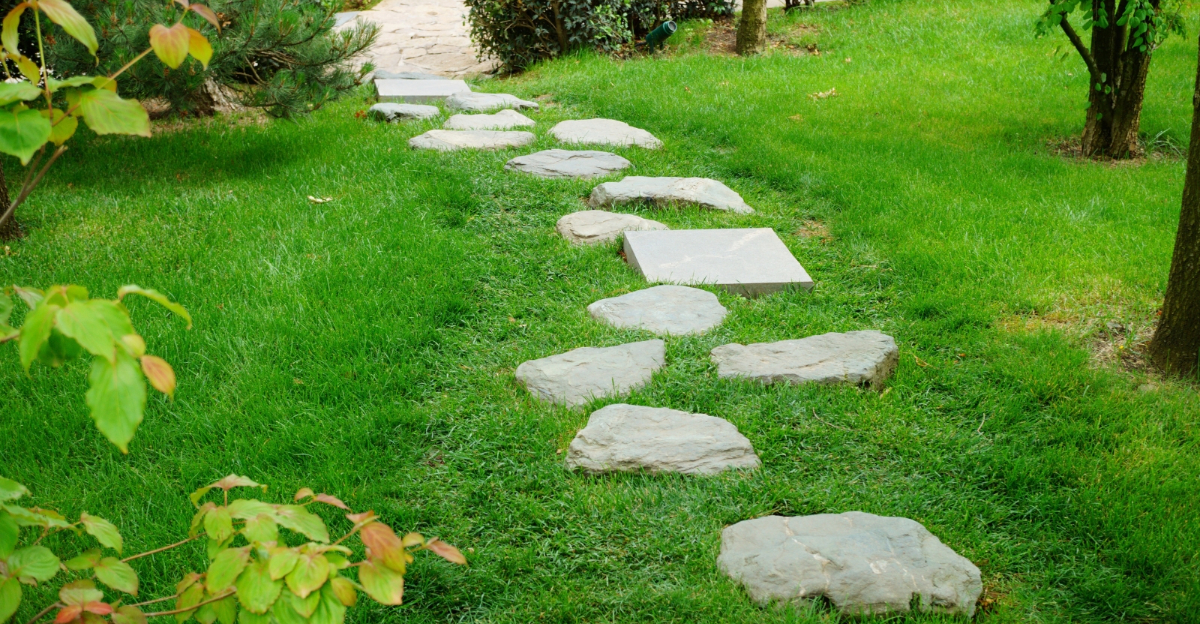
Garden paths in New Jersey yards are becoming more than just walkways—they’re getting personality, purpose, and real charm.
Homeowners are picking ideas that feel welcoming, practical, and personal to how they actually use their outdoor spaces.
From simple upgrades to creative materials, these paths help tie yards together in ways that make sense and look great.
Here are nine garden path ideas New Jersey homeowners are choosing that make outdoor spaces more enjoyable and stylish.
1. Classic Brick Pathways
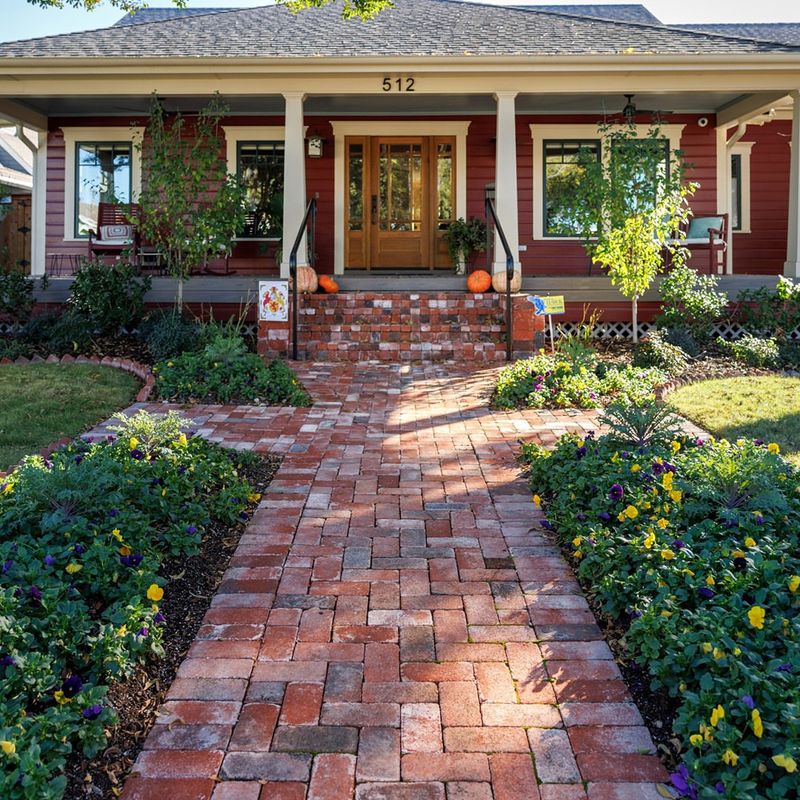
Brick pathways bring timeless charm to gardens across New Jersey, offering durability that withstands harsh winters and humid summers with minimal maintenance required.
Homeowners appreciate how bricks can be arranged in countless patterns, from simple running bonds to intricate herringbone designs that add visual interest.
The natural red and brown tones of clay bricks complement traditional colonial homes common throughout the Garden State while providing excellent traction.
Installation requires proper base preparation with sand and gravel layers to prevent shifting during freeze-thaw cycles that plague northeastern properties annually.
Many New Jersey landscapers recommend using reclaimed bricks for an aged, rustic appearance that tells a story and adds character instantly.
Brick paths naturally develop moss and weathering over time, creating an enchanting cottage garden aesthetic many homeowners find absolutely irresistible.
These pathways can curve gracefully through flower beds or create straight, formal walkways depending on your overall landscape design preferences and goals.
The porous nature of brick allows rainwater to filter through joints, reducing runoff and helping gardens thrive even during heavy storms.
2. Flagstone Stepping Stones
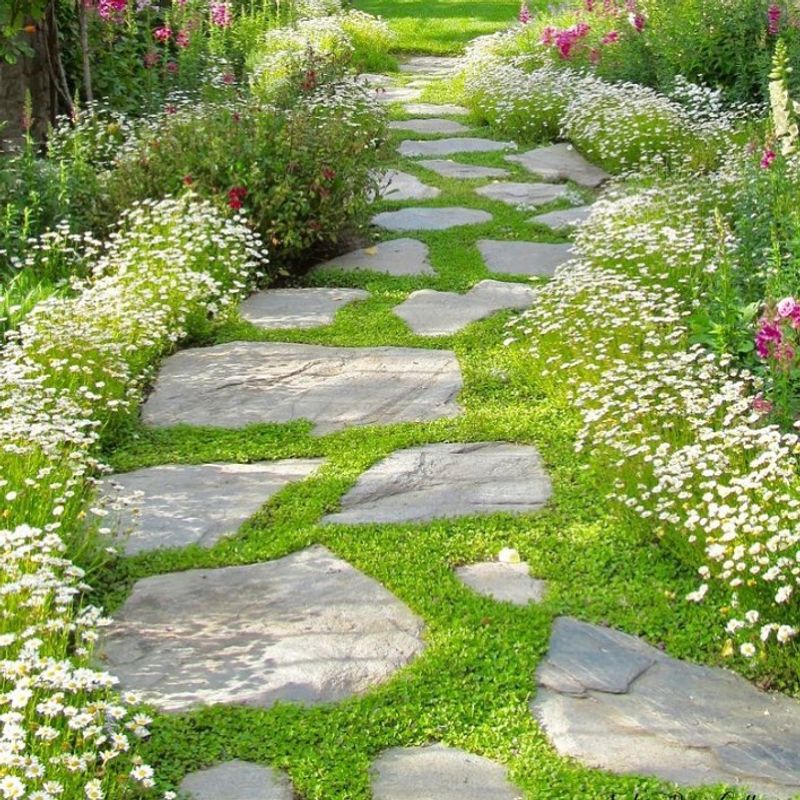
Flagstone creates organic, natural-looking pathways that blend seamlessly with New Jersey landscapes while offering exceptional slip resistance even when wet from rain.
Each stone features unique colors and textures, ranging from blue-gray to warm tan, allowing homeowners to customize their pathway appearance completely.
Irregular shapes give flagstone paths a casual, meandering quality that encourages slow strolls through gardens rather than rushed walks to destinations.
Proper installation involves setting stones on compacted gravel or sand beds to ensure stability and prevent wobbling when people walk across them.
Grass or groundcover planted between flagstones softens the overall look while reducing the amount of hardscape material needed for pathway construction.
This option works particularly well in informal cottage gardens and naturalistic landscapes popular among environmentally conscious New Jersey residents seeking sustainable designs.
Flagstone withstands temperature fluctuations better than concrete, making it ideal for regions experiencing both freezing winters and hot, humid summer conditions.
The irregular spacing between stones creates interesting shadow patterns throughout the day, adding another layer of visual appeal to your outdoor space.
3. Crushed Gravel Walkways
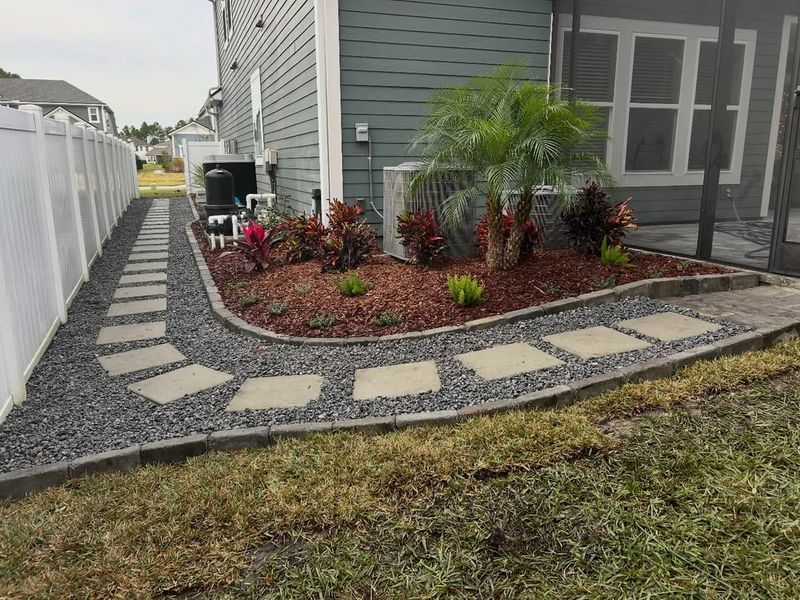
Crushed gravel offers budget-friendly pathway solutions that deliver excellent drainage, making them perfect for New Jersey properties prone to standing water issues.
The crunchy sound gravel makes underfoot provides a sensory experience while also alerting homeowners to visitors approaching through the garden area.
Available in various colors from white limestone to warm amber tones, gravel can complement any architectural style or existing landscape color scheme.
Your New Jersey Garden Changes Every Week. Your Plan Should Too.
Gardening in New Jersey changes quickly throughout the season. Every Friday you’ll receive a simple weekly plan showing exactly what to plant, prune, fertilize, harvest, and protect so you never miss the right timing.
Installation is straightforward and quick compared to other materials, requiring only proper edging, landscape fabric, and several inches of compacted gravel.
Gravel paths suit both formal and informal garden designs, adapting easily to curved layouts or straight geometric patterns depending on preferences.
Weeds can occasionally push through gravel surfaces, but regular maintenance with landscape fabric underneath minimizes this common problem significantly over time.
New Jersey homeowners often choose pea gravel for its smooth, rounded texture that feels comfortable underfoot while still providing adequate drainage capabilities.
This material works exceptionally well in vegetable gardens and utility areas where practicality matters more than creating a polished, formal appearance.
4. Natural Stone Slabs
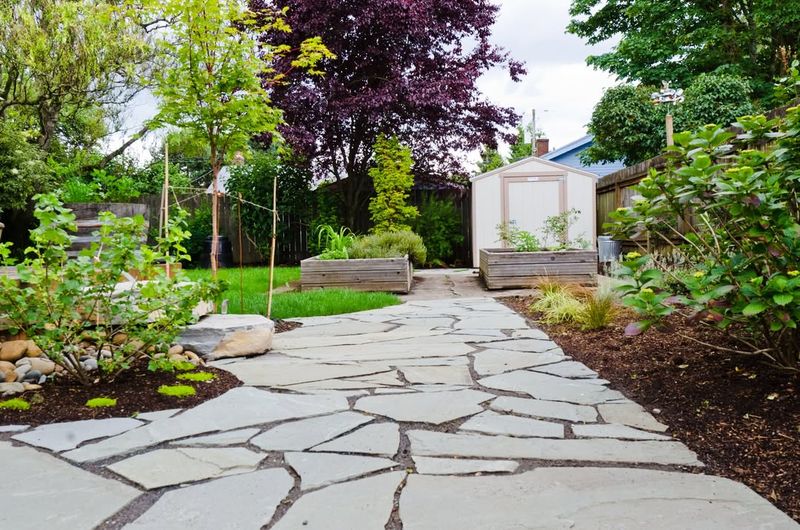
Large stone slabs create dramatic, sophisticated pathways that make bold statements in upscale New Jersey gardens and professionally designed outdoor living spaces.
Bluestone remains particularly popular throughout the region due to its availability from local quarries and its ability to withstand harsh weather conditions.
These substantial pieces provide smooth, level walking surfaces ideal for high-traffic areas where safety and accessibility are important design considerations for families.
Stone slabs can be cut into regular rectangles for formal gardens or left irregular for naturalistic designs that mimic ancient pathways found.
The initial investment for stone slab pathways runs higher than other options, but their longevity and timeless appeal justify costs for many.
Proper installation requires excavation and a stable base to prevent settling, especially important in New Jersey where ground freezing causes significant movement.
Colors range from warm browns to cool grays, with some stones featuring beautiful striations and natural patterns that add artistic interest automatically.
Stone slabs pair beautifully with modern architectural styles while also complementing traditional homes, making them incredibly versatile for diverse neighborhood aesthetics.
5. Mulch and Wood Chip Paths
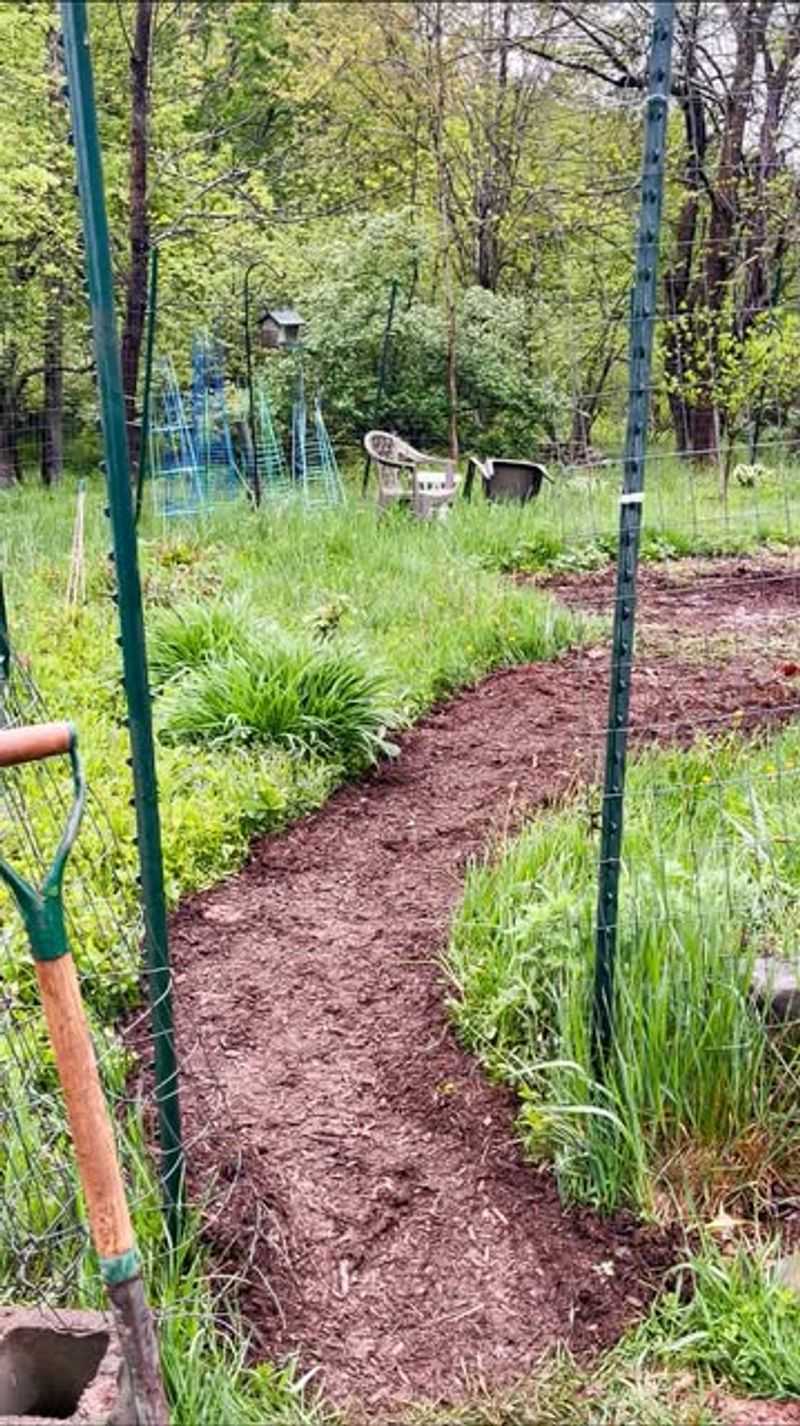
Mulch pathways offer soft, natural surfaces that feel gentle underfoot while providing excellent weed suppression for low-maintenance New Jersey garden management strategies.
Wood chips and shredded bark create informal walkways perfect for woodland gardens, shade areas, and naturalistic landscapes emphasizing native plant communities.
This economical option allows homeowners to establish pathways quickly without specialized tools or professional installation help, making it ideal for DIY projects.
Mulch paths require periodic replenishment as organic materials decompose over time, though this process enriches surrounding soil with beneficial nutrients naturally.
The soft texture makes mulch inappropriate for formal garden areas or main walkways but perfect for secondary paths through vegetable gardens.
Dark brown and reddish tones complement green foliage beautifully while providing visual contrast that helps define pathway edges clearly for safe navigation always.
New Jersey residents appreciate how mulch paths blend seamlessly with forested areas common throughout the state, creating cohesive transitions between cultivated spaces.
Proper edging keeps mulch contained and prevents it from spreading into lawn areas, maintaining clean lines that enhance overall landscape appearance significantly.
6. Concrete Pavers
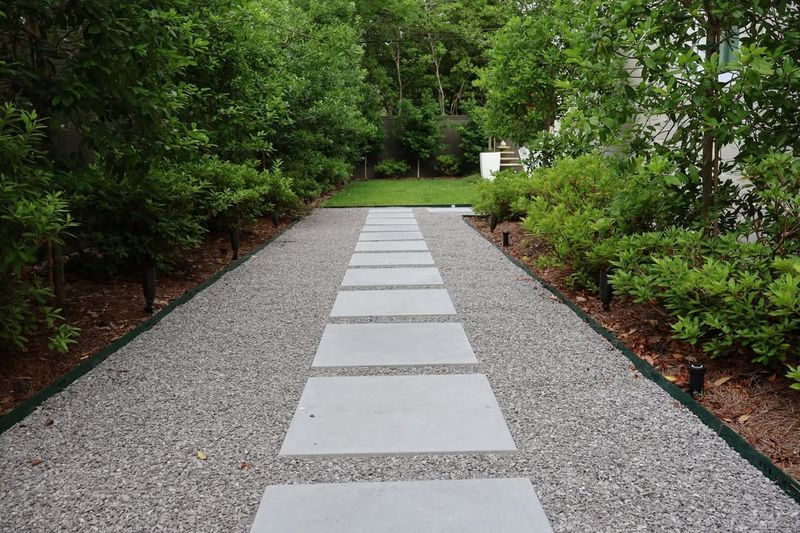
Concrete pavers combine affordability with durability, offering New Jersey homeowners versatile pathway solutions available in countless shapes, sizes, and color options today.
Modern manufacturing techniques create pavers that mimic natural stone, brick, or even wood textures while providing superior strength and consistent dimensions throughout.
Interlocking designs add stability and prevent individual pavers from shifting during freeze-thaw cycles that challenge all hardscape installations in northern climates.
Installation over properly prepared bases with edge restraints ensures long-lasting pathways that resist settling, cracking, and other common problems associated with concrete.
Permeable paver options allow rainwater infiltration, addressing stormwater management concerns while meeting local regulations increasingly common across New Jersey municipalities and townships.
The uniform appearance of concrete pavers suits contemporary landscape designs and modern architectural styles gaining popularity throughout suburban communities in recent years.
Repairs are straightforward since individual damaged pavers can be removed and replaced without disturbing surrounding sections or requiring extensive reconstruction work ever.
Color options range from natural earth tones to vibrant hues, allowing creative homeowners to design custom patterns that reflect personal style preferences.
7. Recycled Rubber Pathways

Recycled rubber pathways represent innovative, eco-friendly solutions that appeal to environmentally conscious New Jersey homeowners seeking sustainable landscape material choices for properties.
Made from repurposed tires, these pathways divert waste from landfills while providing slip-resistant surfaces that remain safe even during rainy weather conditions.
The cushioned texture feels comfortable underfoot and reduces impact, making rubber paths ideal for areas where children play or elderly residents walk.
Rubber pathways withstand extreme temperature fluctuations without cracking or deteriorating, addressing common problems that plague traditional materials in northeastern climates with harsh winters.
Installation is relatively simple, with interlocking tiles or poured-in-place options that adapt to various garden layouts and design preferences without specialized equipment.
Dark colors absorb heat during summer months, which may be uncomfortable in full sun areas but works well in shaded sections.
New Jersey residents appreciate the low maintenance requirements since rubber paths resist mold, mildew, and insect damage that affects organic materials over time.
Though less traditional in appearance, rubber pathways suit contemporary gardens and utility areas where practicality outweighs aesthetic considerations for functional outdoor spaces.
8. Grass Pathways with Borders
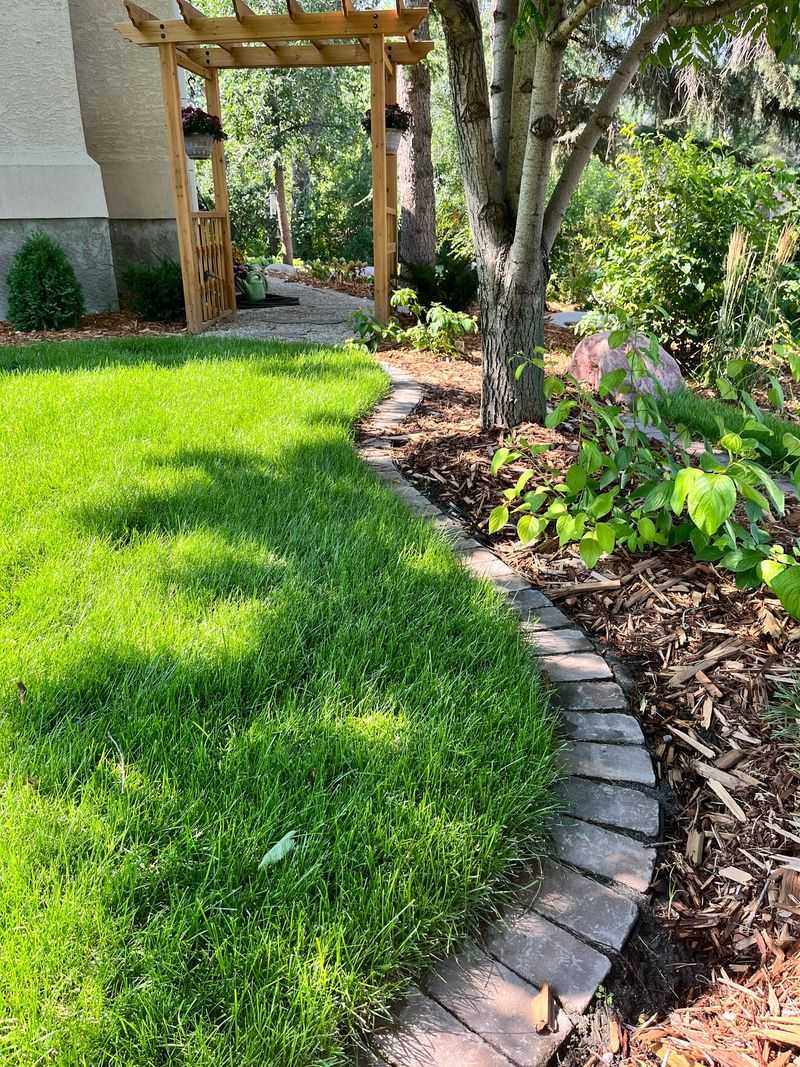
Grass pathways create soft, living walkways that integrate seamlessly with existing lawns while defining circulation routes through New Jersey gardens without hardscape materials.
Simple mowing patterns establish these paths, with borders made from brick, stone, or metal edging that prevent grass from spreading into adjacent beds.
This approach works beautifully in informal cottage gardens and meadow-style landscapes where natural aesthetics take priority over formal, structured design elements always.
Grass paths require regular mowing and maintenance to keep them looking neat, making them less suitable for homeowners seeking low-maintenance landscape solutions.
Heavy foot traffic can wear down grass over time, creating muddy patches during rainy periods common throughout spring and fall in northeastern regions.
Choosing durable grass varieties like tall fescue or perennial ryegrass helps pathways withstand moderate use while maintaining attractive appearance throughout growing seasons.
New Jersey homeowners often combine grass paths with stepping stones placed strategically to distribute weight and prevent soil compaction in high-traffic zones.
The living nature of grass pathways means they change with seasons, offering fresh green routes in summer and dormant pathways during winter.
9. Mixed Material Mosaic Paths
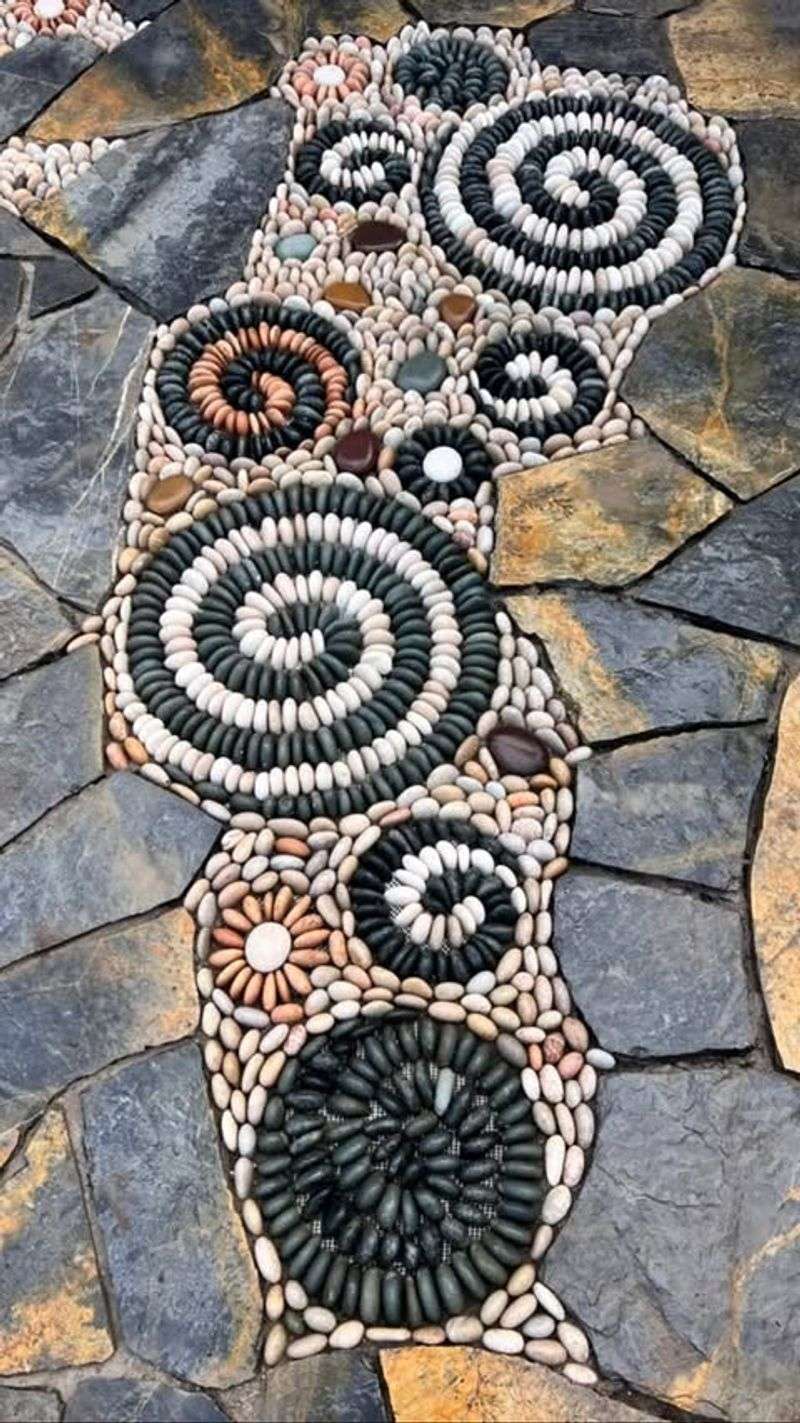
Mixed material pathways showcase creativity and personality, allowing New Jersey homeowners to design unique walkways that become artistic focal points within landscape compositions.
Combining materials like brick, stone, pebbles, and tile creates visual interest while allowing use of leftover materials from other projects economically.
Mosaic designs can incorporate meaningful patterns, family initials, or decorative motifs that personalize outdoor spaces and reflect individual tastes and interests beautifully.
Planning mixed material paths requires careful consideration of how different textures, colors, and sizes work together to create cohesive rather than chaotic appearances.
Installation takes more time than uniform pathways since each piece must be placed individually, but results deliver one-of-a-kind features impossible to replicate.
New Jersey artisans and creative homeowners often incorporate locally sourced materials like beach pebbles or reclaimed materials that tell regional stories meaningfully.
These pathways work particularly well in eclectic gardens mixing formal and informal elements or in artistic landscapes emphasizing personal expression over convention.
Proper base preparation remains essential regardless of surface materials used, ensuring stability and preventing settling that could disrupt carefully arranged mosaic patterns permanently.