Sustainable Garden Trends Oregon Homes Are Using To Help Wildlife In 2026
Oregon gardens are becoming kinder places for birds, bees, and butterflies as people rethink how landscapes can support real life—not just look good.
Gardeners are choosing plants and layouts that give food, shelter, and safe havens to the wildlife that needs them most through every season.
From intentional plantings to smarter water and mulch choices, these trends make outdoor spaces feel more connected to the natural world.
In 2026, sustainable garden ideas across Oregon are helping homes become small but meaningful wildlife refuges in their neighborhoods.
1. Native Plant Gardens Replace Traditional Lawns
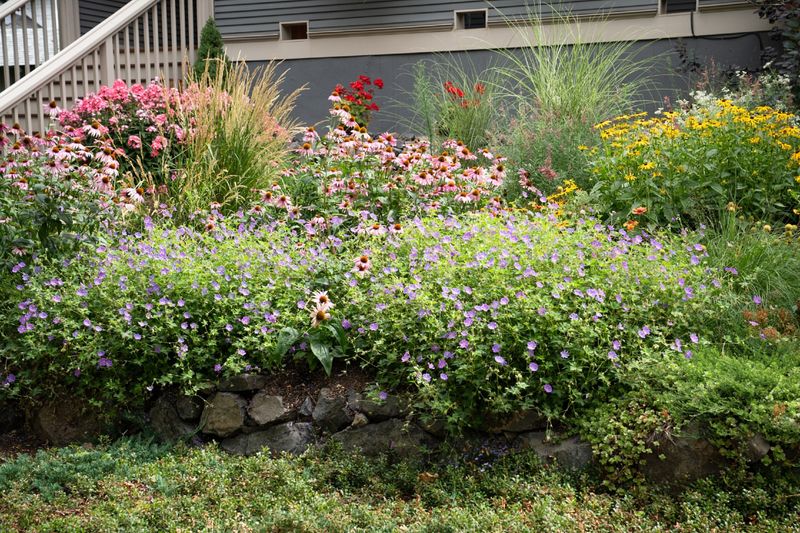
Homeowners across Oregon are swapping grass lawns for colorful native plant gardens that attract pollinators and require less maintenance than traditional turf.
Native plants evolved alongside local wildlife, so they provide the right food and shelter that animals need to survive and thrive.
These gardens use far less water than regular lawns, which is especially helpful during dry summer months when resources become scarce.
Oregon gardeners often choose wildflowers like lupines, Oregon sunshine, and camas lilies because they bloom at different times throughout the growing season.
This staggered blooming pattern ensures that bees, butterflies, and hummingbirds always have nectar available when they need it most for energy.
Native plants also develop deep root systems that prevent soil erosion and improve water absorption during heavy rainstorms common in the region.
Switching to native species means you spend less time mowing, fertilizing, and watering while creating a beautiful landscape that supports local ecosystems.
Many Oregon nurseries now offer native plant starter kits designed specifically for homeowners who want to make the transition easy and affordable.
2. Pollinator Pathways Connect Neighborhood Habitats
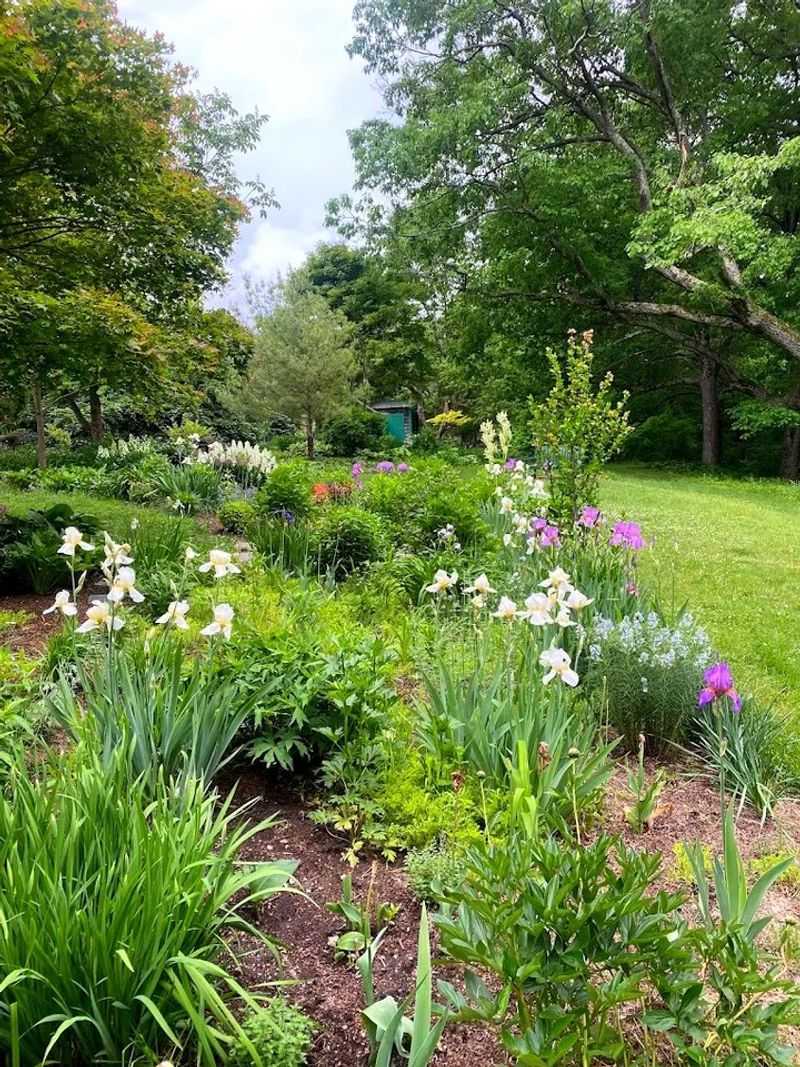
Communities throughout Oregon are creating pollinator pathways by planting continuous strips of flowering plants that connect gardens across entire neighborhoods and cities.
Bees and butterflies need to travel between food sources, but urban development often creates gaps that make these journeys difficult or impossible.
Pollinator pathways solve this problem by providing safe corridors filled with nectar-rich flowers that guide insects from one habitat to another.
Neighbors work together to choose plants that bloom in succession, ensuring that pollinators always find food no matter what time of year.
Oregon cities like Portland and Eugene have launched programs that help residents coordinate their planting efforts to maximize the effectiveness of these corridors.
These pathways also beautify streets and sidewalks, turning ordinary walkways into living gardens that residents enjoy while walking dogs or riding bikes.
Creating a pollinator pathway is simple: plant native flowers along your property line and encourage neighbors to do the same thing nearby.
This cooperative approach builds community connections while supporting the health of local bee populations that pollinate crops and wild plants alike.
3. Rain Gardens Manage Water While Supporting Wildlife
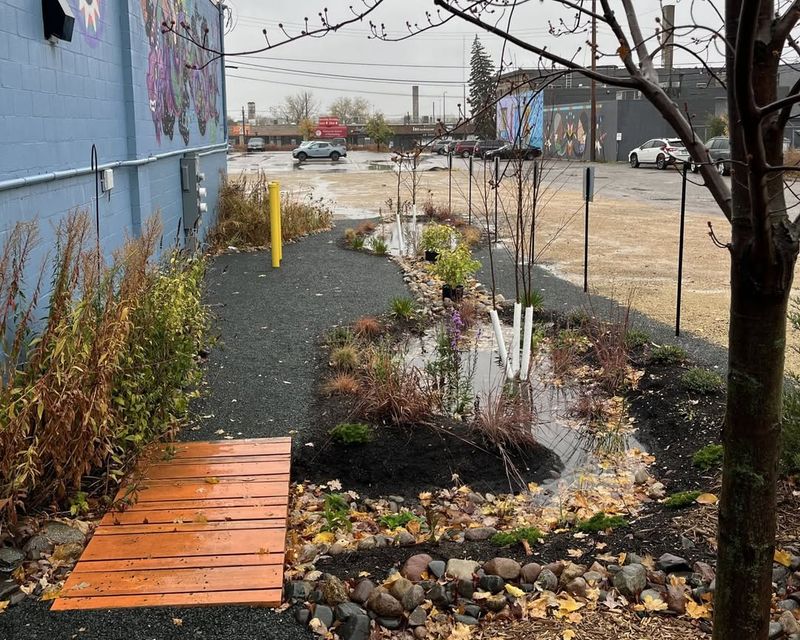
Rain gardens are specially designed shallow basins that collect stormwater runoff and filter it naturally while providing habitat for frogs, birds, and insects.
Oregon experiences heavy rainfall during winter months, and rain gardens prevent flooding by absorbing water that would otherwise rush into storm drains.
Your Oregon Garden Changes Every Week. Your Plan Should Too.
Gardening in Oregon changes quickly throughout the season. Every Friday you’ll receive a simple weekly plan showing exactly what to plant, prune, fertilize, harvest, and protect so you never miss the right timing.
These gardens feature water-loving native plants like sedges, rushes, and red-twig dogwood that thrive in wet conditions and filter pollutants from runoff.
Birds visit rain gardens to drink and bathe, while amphibians like Pacific tree frogs use them as breeding sites during spring months.
Installing a rain garden is easier than most people think: you simply create a shallow depression in your yard and fill it with appropriate plants.
Oregon homeowners often place rain gardens near downspouts to capture roof runoff, reducing the burden on municipal stormwater systems during heavy rains.
These gardens stay dry most of the year, so you can walk through them and enjoy them just like any other garden space.
Rain gardens demonstrate how smart design can solve practical problems while creating beautiful, wildlife-friendly spaces that benefit both people and nature.
4. Brush Piles Provide Essential Wildlife Shelter
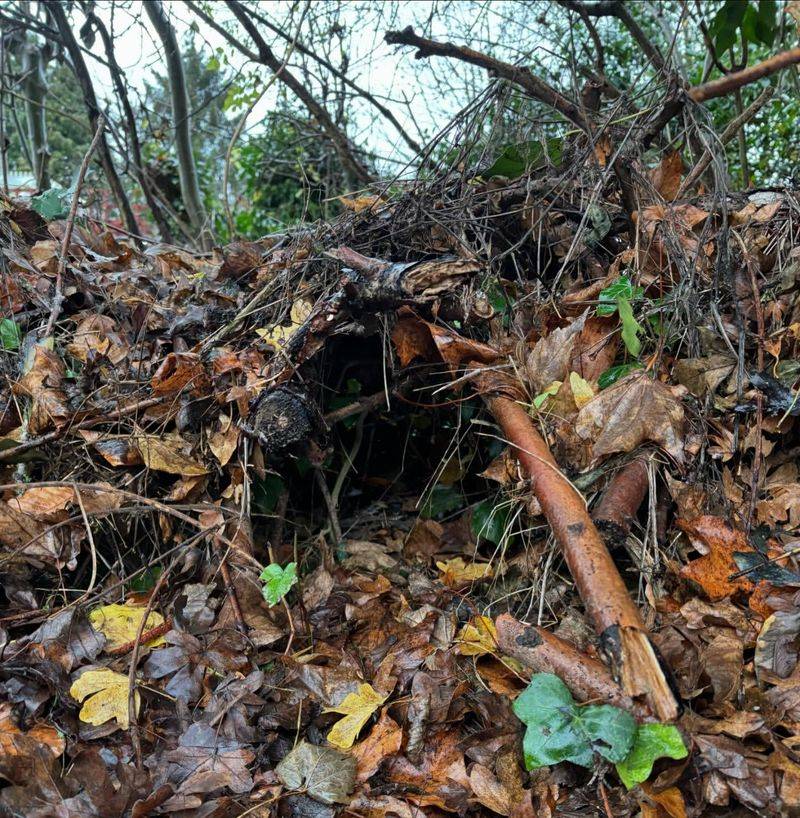
Many Oregon gardeners are leaving brush piles and fallen branches in strategic spots to create shelters for small mammals, reptiles, and ground-nesting birds.
Rather than hauling away every twig and branch, homeowners now understand that these natural structures provide critical protection from predators and harsh weather.
Brush piles offer hiding spots for rabbits, chipmunks, and ground squirrels, while snakes and lizards use them for sunbathing and temperature regulation.
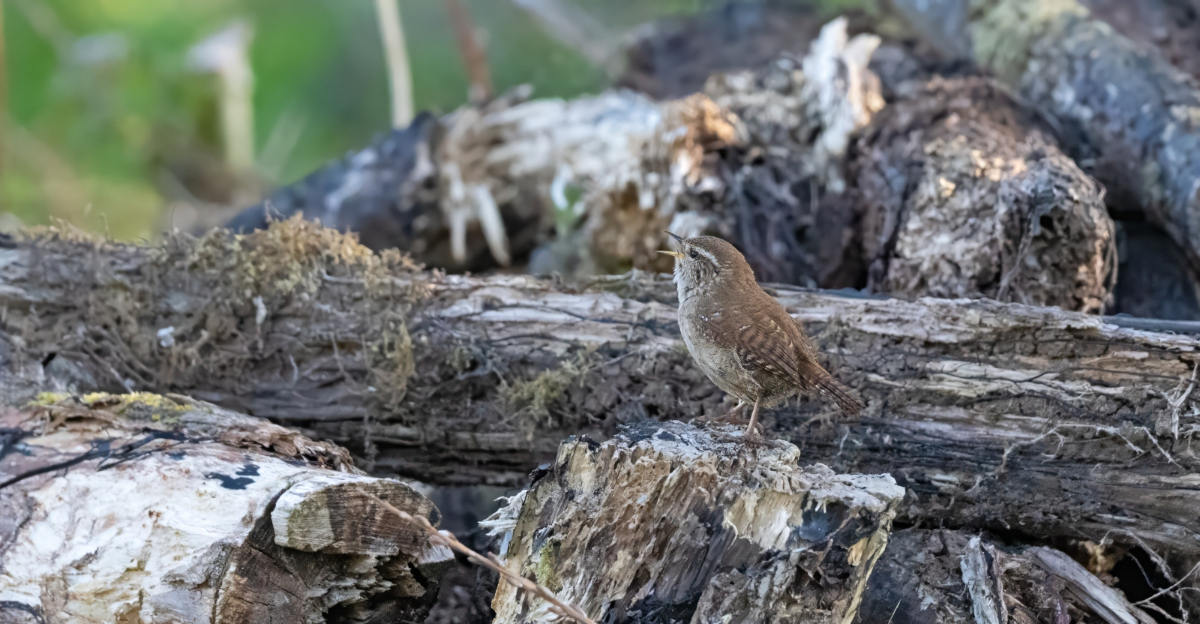
Birds like towhees and wrens forage through brush piles searching for insects and spiders that live among the decaying wood and leaves.
Creating a brush pile is simple: stack branches and twigs in a quiet corner of your yard, starting with larger pieces on bottom.
Oregon homeowners often place brush piles near native plantings to create complete habitat zones that meet all the needs of local wildlife.
These piles gradually decompose, enriching the soil with nutrients while continuing to provide shelter until they completely break down into compost.
Leaving some natural messiness in your garden might feel strange at first, but wildlife depends on these features for survival throughout the year.
5. Chemical-Free Pest Management Protects Beneficial Insects
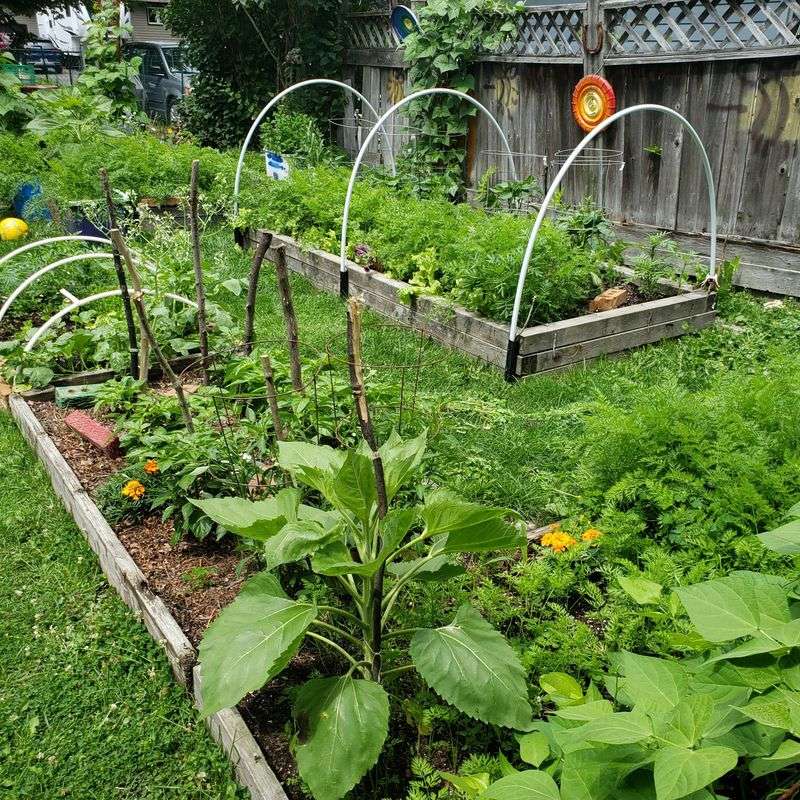
Oregon gardeners are abandoning chemical pesticides in favor of natural pest control methods that protect beneficial insects like ladybugs, lacewings, and native bees.
Conventional pesticides harm helpful creatures along with pests, disrupting the natural balance that keeps gardens healthy without human intervention or toxic chemicals.
Integrated pest management strategies include companion planting, encouraging predatory insects, and accepting minor damage as part of a healthy ecosystem instead of perfection.
Ladybugs consume aphids by the hundreds, while lacewing larvae devour mites and other soft-bodied pests that damage plants throughout the growing season.
Oregon homeowners plant flowers like yarrow, alyssum, and fennel to attract these beneficial insects and provide them with nectar and pollen resources.
Hand-picking pests, using physical barriers like row covers, and spraying plants with water are effective alternatives to chemical treatments that poison wildlife.
Healthy soil filled with organic matter produces strong plants that naturally resist pest damage better than plants grown in depleted, chemical-dependent soil.
Choosing chemical-free methods takes patience, but the reward is a balanced garden ecosystem where beneficial insects keep pest populations under control naturally.
6. Bird-Friendly Window Treatments Prevent Collisions
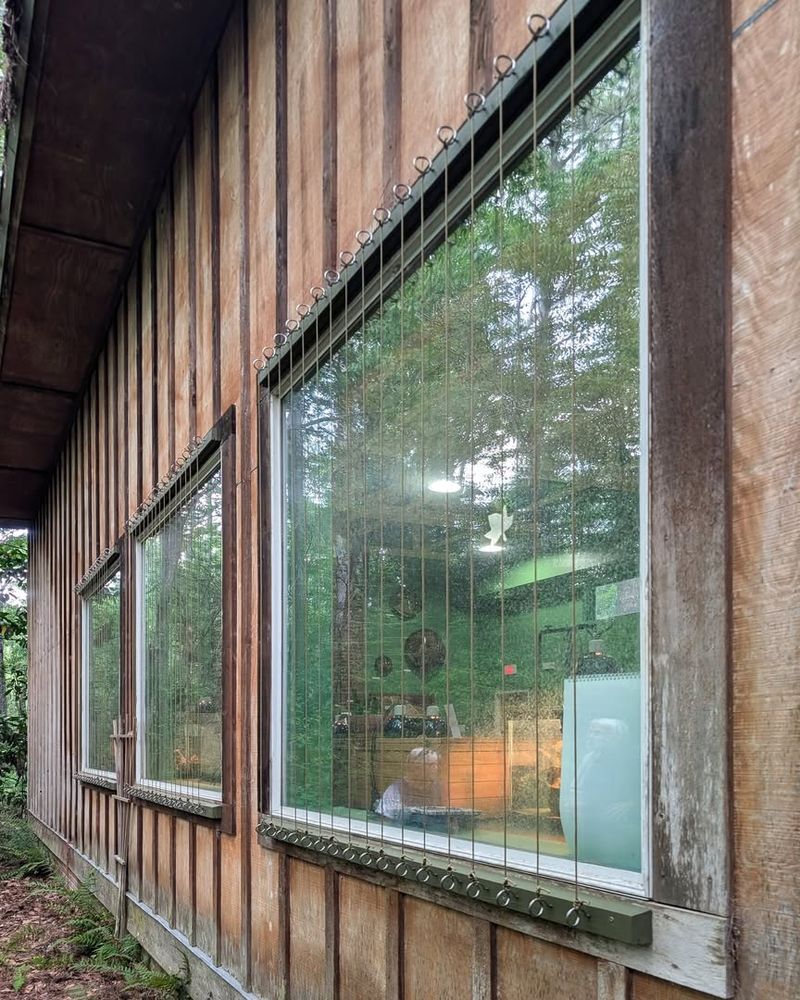
Oregon homeowners are installing window films, screens, and decals to make glass visible to birds and prevent the millions of collisions that occur annually.
Birds cannot see transparent glass and often fly directly into windows when they see reflections of trees, sky, or other attractive habitat features.
Window strikes injure or end the lives of countless birds each year, making this simple fix one of the most important things you can do.
Special films with patterns visible to birds but nearly invisible to humans are now widely available at hardware stores throughout Oregon and online retailers.
Homeowners also hang lightweight screens a few inches away from windows, creating a cushion that prevents injury if birds do fly toward glass.
Placing decals or tape in vertical strips spaced four inches apart across windows helps birds recognize the barrier and fly around it safely.
Oregon residents often focus on windows near bird feeders or native plantings where birds are most active and collisions are most likely to happen.
These inexpensive solutions save bird lives while still allowing you to enjoy natural light and views of your garden from inside your home.
7. Wildlife Water Features Support Year-Round Hydration
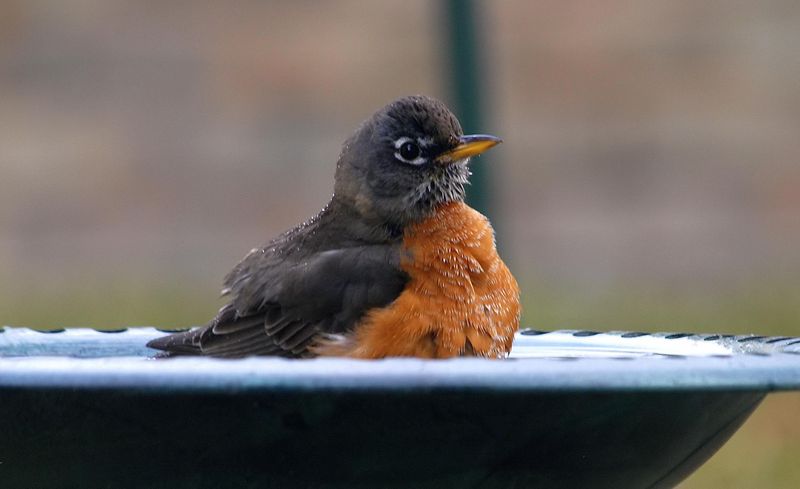
Homeowners across Oregon are adding shallow water features like birdbaths, small ponds, and dripping fountains to provide drinking and bathing opportunities for wildlife.
Clean water is essential for birds, mammals, and insects, especially during hot summer months when natural sources dry up and animals struggle to stay hydrated.
Shallow dishes with textured surfaces give birds secure footing while bathing, and adding rocks creates landing spots for bees and butterflies to drink safely.
Oregon gardeners often install small recirculating fountains because the sound of moving water attracts birds from surprising distances throughout the neighborhood and beyond.
Changing water every few days prevents mosquito breeding and keeps the feature clean and inviting for all the creatures that depend on it.
During winter, heated birdbaths provide liquid water when natural sources freeze, helping birds survive cold Oregon nights when temperatures drop below freezing regularly.
Even a simple terra cotta saucer filled with fresh water and placed on the ground serves as a valuable resource for ground-feeding birds.
Providing water is one of the easiest and most effective ways to support wildlife, and animals will visit your garden daily once they discover it.
8. Seed-Bearing Plants Left Standing Through Winter
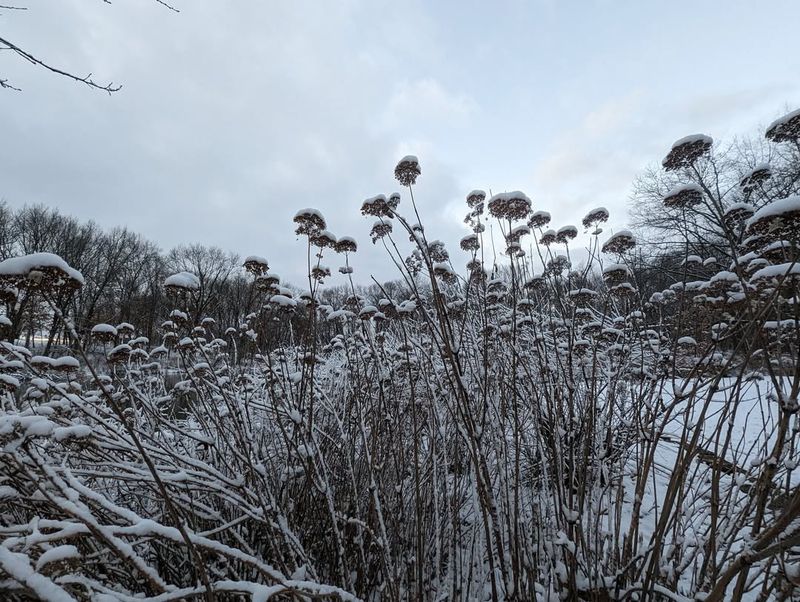
Oregon gardeners are resisting the urge to cut back all their plants in fall, instead leaving seed heads standing to provide food for birds.
Seeds from flowers like coneflowers, sunflowers, and black-eyed Susans sustain finches, chickadees, and sparrows when insects become scarce during cold winter months.
Standing plant stalks also offer shelter for overwintering beneficial insects, including native bees that hibernate inside hollow stems until spring warmth returns again.
Ornamental grasses left uncut add winter interest to gardens while their seeds feed juncos and other ground-feeding birds throughout the rainy Oregon season ahead.
Many homeowners discover that dried seed heads covered in frost or snow create beautiful sculptural elements that add texture to winter landscapes naturally.
Waiting until early spring to cut back plants gives wildlife maximum benefit while still allowing you to tidy up before new growth emerges.
This approach reduces garden work in fall when weather turns wet and unpleasant, shifting cleanup tasks to more comfortable spring days instead.
Leaving plants standing demonstrates an understanding that gardens serve purposes beyond human aesthetics, functioning as vital food sources when wildlife needs them most desperately.