How Garden Covers And Tunnels Change Growing Seasons In Michigan Gardens
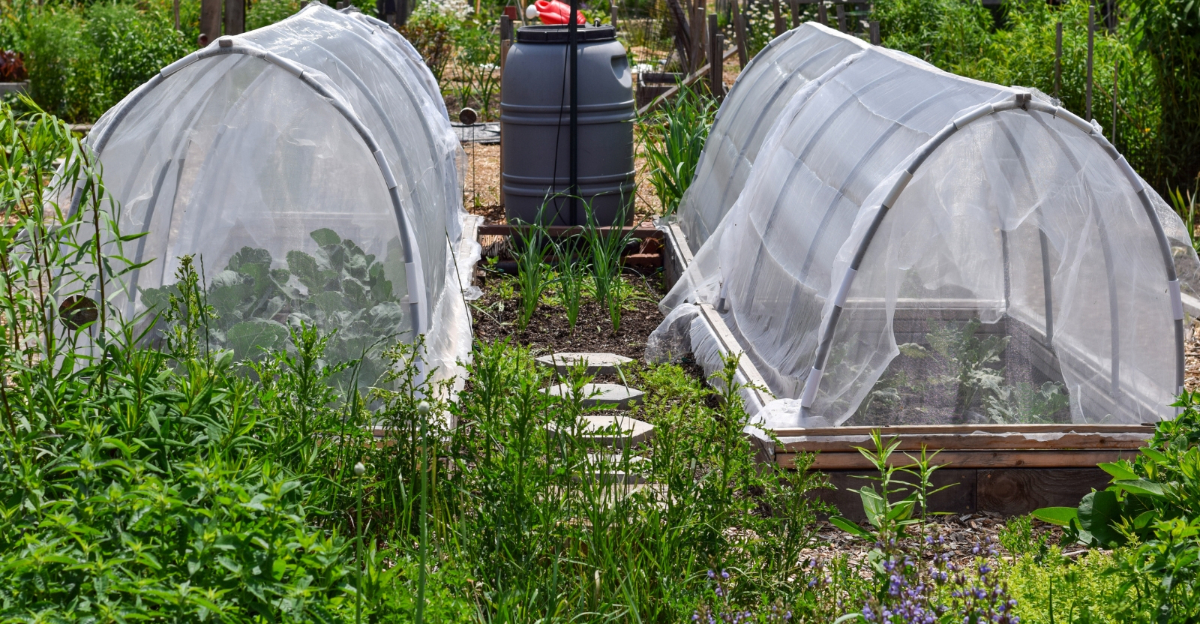
Michigan gardeners learn quickly that the growing season feels like a moving target, with warm days teasing progress and sudden cold snaps pulling everything backward just as momentum builds.
Beds sit ready, seedlings wait, and frustration creeps in when weather decides the calendar instead of careful planning and effort.
Garden covers and tunnels step into that chaos by holding warmth close to the soil, shielding tender growth, and keeping plants active when conditions outside would normally shut them down.
With these simple structures in place, Michigan gardens stop feeling rushed and reactive, and the growing season starts to feel longer, steadier, and far more predictable.
1. Earlier Spring Planting Becomes Possible
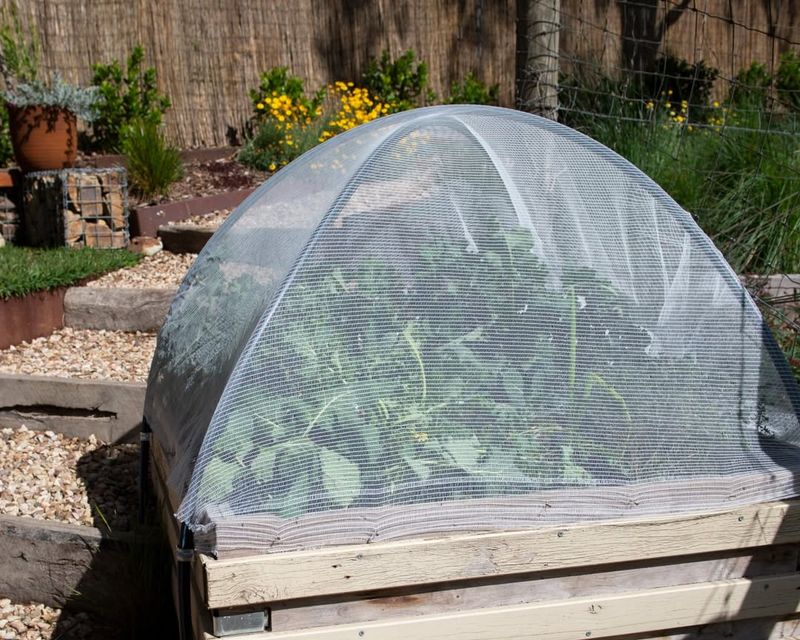
Cold soil temperatures in Michigan typically prevent gardeners from planting tender seedlings until late May when frost danger finally passes completely.
Garden tunnels trap solar heat during daytime hours and release it slowly overnight, warming the soil several weeks earlier than normal.
This temperature boost allows you to transplant tomatoes, peppers, and other warm-season crops in early April instead of waiting until summer.
Row covers made from lightweight fabric also protect young plants from unexpected cold snaps that frequently occur in Michigan during spring months.
Starting earlier means your plants develop stronger root systems before summer heat arrives, leading to healthier growth and better production.
Many Michigan gardeners report harvesting lettuce and spinach a full month earlier when using protective covers over their garden beds consistently.
The extended timeline gives you more opportunities to succession plant and enjoy fresh vegetables throughout the entire growing season without interruption.
Gardeners also gain peace of mind knowing sudden late frosts are less likely to wipe out weeks of early planting effort when tunnels and covers stay in place.
2. Protection From Late Spring Freezes

Unexpected freezes can strike Michigan gardens well into May, destroying weeks of careful work and forcing gardeners to replant everything from scratch.
Row covers and tunnels act as insulating blankets that keep temperatures several degrees warmer inside, preventing frost damage to vulnerable plant tissues.
Even a few degrees of difference can mean the contrast between thriving plants and complete crop loss during those unpredictable Michigan weather swings.
Floating row covers are particularly useful because you can quickly drape them over plants when weather forecasts predict sudden temperature drops overnight.
Hoop tunnels provide more substantial protection and can withstand heavy winds that often accompany spring cold fronts moving through the Great Lakes region.
Michigan gardeners who use these protective methods rarely lose plants to late freezes and enjoy continuous growth without costly setbacks or delays.
Keeping plants safe during vulnerable early stages ensures they reach maturity on schedule and produce abundant harvests throughout the summer growing period.
3. Extended Fall Harvest Period

Michigan’s first fall frost typically arrives in late September or early October, ending the growing season abruptly for most unprotected garden plants.
Covers and tunnels extend your harvest by four to six weeks, allowing you to pick fresh tomatoes and peppers well into November.
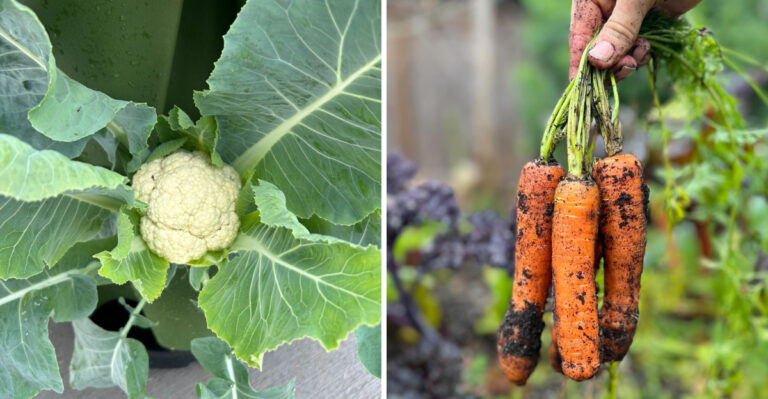
Cool-season crops like kale, broccoli, and carrots actually taste sweeter after light frosts when they’re grown under protective covers in Michigan gardens.
Your Michigan Garden Changes Every Week. Your Plan Should Too.
Gardening in Michigan changes quickly throughout the season. Every Friday you’ll receive a simple weekly plan showing exactly what to plant, prune, fertilize, harvest, and protect so you never miss the right timing.
The structures trap residual heat from the soil and sunlight, creating a mild environment even when outside temperatures drop below freezing at night.
Many gardeners in Michigan use tunnels specifically for fall crops, planting in August and harvesting fresh greens throughout Thanksgiving and sometimes into December.
This extended period means you can reduce grocery bills significantly by continuing to harvest homegrown produce long after neighbors have cleared their gardens.
Fall gardening under covers also reduces pest pressure since many insects disappear as temperatures cool, making organic growing much easier to accomplish.
Covers also shield plants from cold winds and early snowfall, helping leaves stay productive instead of shutting down as soon as weather turns harsh.
4. Warmer Soil Temperatures Year-Round
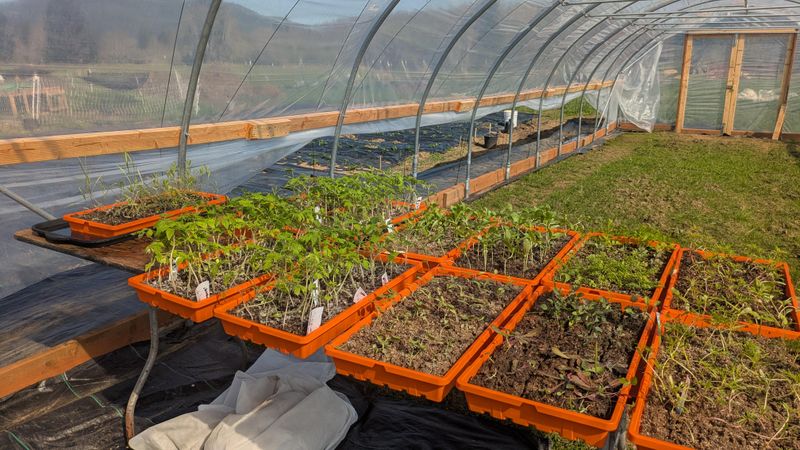
Soil temperature directly affects seed germination rates, root development, and nutrient uptake, making it one of the most critical factors for successful gardening.
Garden tunnels and covers increase soil warmth by trapping solar radiation during the day, creating conditions similar to regions much farther south.
Michigan’s clay-heavy soils naturally stay cold longer in spring, but covers can raise temperatures by ten to fifteen degrees within just a few weeks.
Warmer soil encourages beneficial microbial activity that breaks down organic matter and releases nutrients plants need for vigorous growth and strong development.
Seeds planted under covers germinate faster and more uniformly, giving you healthier seedlings that establish quickly and resist disease pressure more effectively.
Root vegetables like carrots and beets develop better flavor and texture when grown in consistently warm soil throughout the Michigan growing season without interruption.
Maintaining optimal soil temperatures also allows you to grow heat-loving crops like melons and sweet potatoes that normally struggle in Michigan’s cooler climate.
5. Wind Protection For Delicate Plants
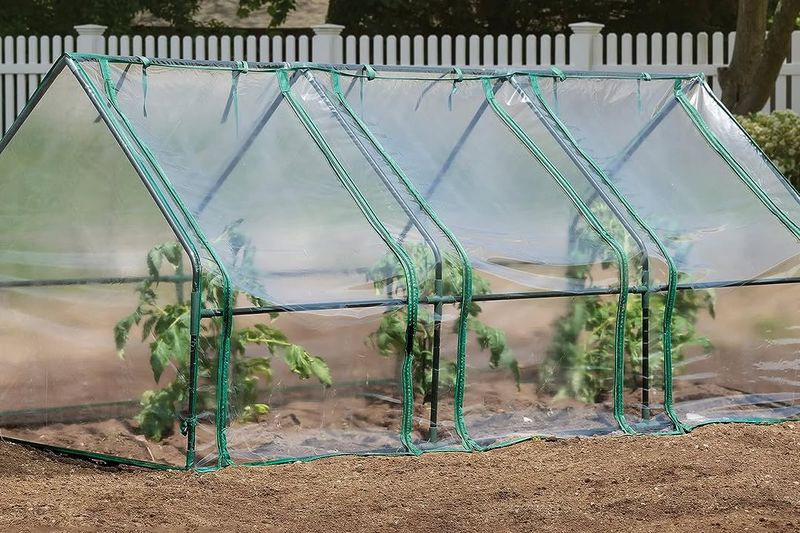
Michigan’s location near the Great Lakes creates strong wind patterns that can damage young plants, tear leaves, and stunt overall growth significantly.
Garden tunnels provide a physical barrier that blocks harsh winds while still allowing air circulation necessary for healthy plant development and pollination.
Delicate transplants that would normally suffer wind burn and slowed growth thrive under the calm conditions created by protective tunnel structures.
Wind also increases water evaporation from soil and plant leaves, forcing you to irrigate more frequently and wasting precious water during dry periods.
Covers reduce this moisture loss dramatically, keeping soil consistently damp and reducing the time you spend watering your Michigan garden throughout the season.
Tall plants like tomatoes and pole beans develop stronger stems when protected from constant buffeting, leading to better support for heavy fruit loads.
Michigan gardeners in exposed locations find that tunnels are essential for growing anything successfully, especially during the windy spring and fall months.
By creating a stable microclimate, tunnels help plants focus energy on root and fruit development instead of constant stress from shifting winds.
6. Pest And Wildlife Barrier Benefits
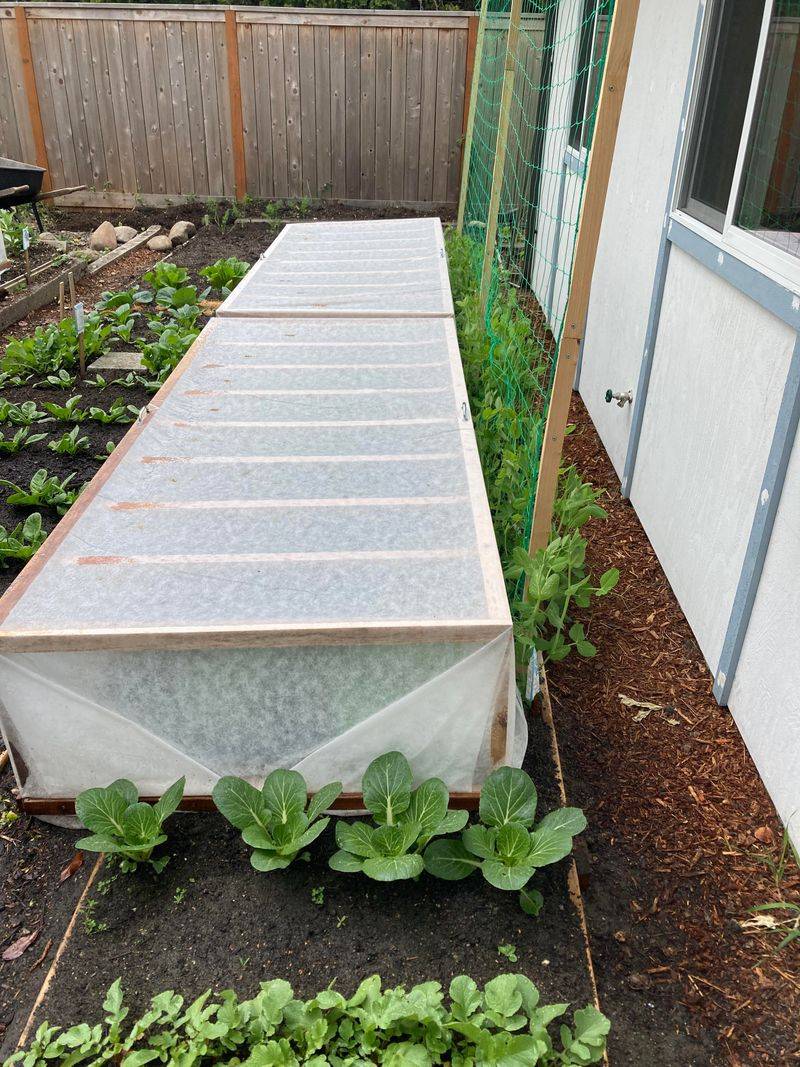
Rabbits, deer, and groundhogs cause significant damage in Michigan gardens, eating entire crops overnight and forcing gardeners to replant multiple times each season.
Physical barriers like tunnels and row covers keep these hungry animals away from your plants without requiring expensive fencing or chemical deterrents.
Fine mesh covers also block flying insects like cabbage moths and flea beetles that lay eggs on plants and create devastating infestations quickly.
Preventing pest access means you can grow organically without relying on sprays or treatments that harm beneficial insects and pollinators in your garden.
Michigan’s short season makes every plant valuable, so protecting them from damage ensures you get maximum harvest from your limited growing space.
Row covers work especially well for brassicas like cabbage and broccoli that attract specific pests during their vulnerable early growth stages in spring.
Removing covers once plants mature and pests decline gives you flexibility while still providing crucial protection during the most critical development periods.
7. Humidity Control For Healthier Growth
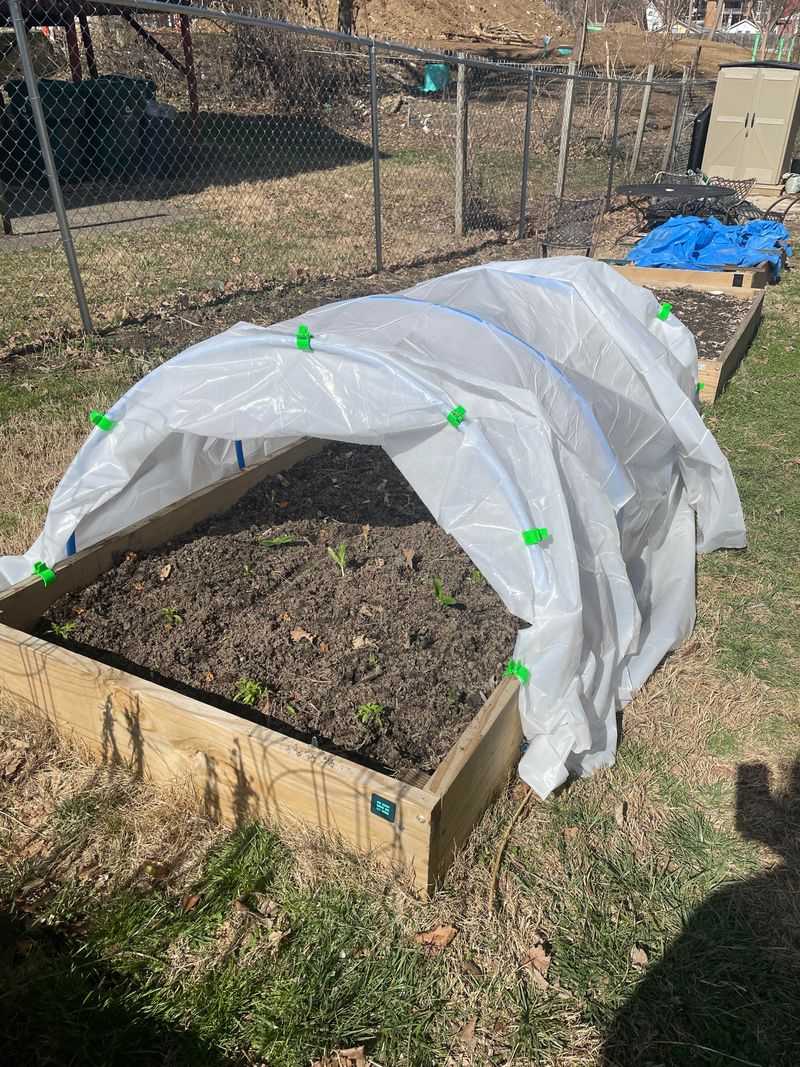
Michigan’s humidity levels fluctuate wildly between dry spring winds and muggy summer conditions, stressing plants and encouraging fungal diseases to spread rapidly.
Tunnels help regulate moisture by trapping humidity on dry days while providing ventilation options when conditions become too damp for healthy growth.
Consistent humidity levels reduce plant stress and allow steady growth without the stops and starts caused by environmental swings common in Michigan.
Many fungal diseases like powdery mildew thrive in conditions of high humidity combined with poor air circulation around crowded plant leaves.
Properly vented tunnels maintain ideal humidity while ensuring adequate airflow, creating conditions that discourage disease development and promote vigorous plant health.
Seedlings are particularly sensitive to humidity extremes, and covers help them establish strong root systems before facing Michigan’s variable outdoor conditions directly.
Controlling moisture also means better fruit quality, especially for tomatoes and cucumbers that crack or develop blossom end rot in inconsistent conditions.
Gardeners notice fewer losses and less need for treatments when plants grow in this more balanced environment from early planting through harvest.
8. Season-Long Growing For Cold-Hardy Crops
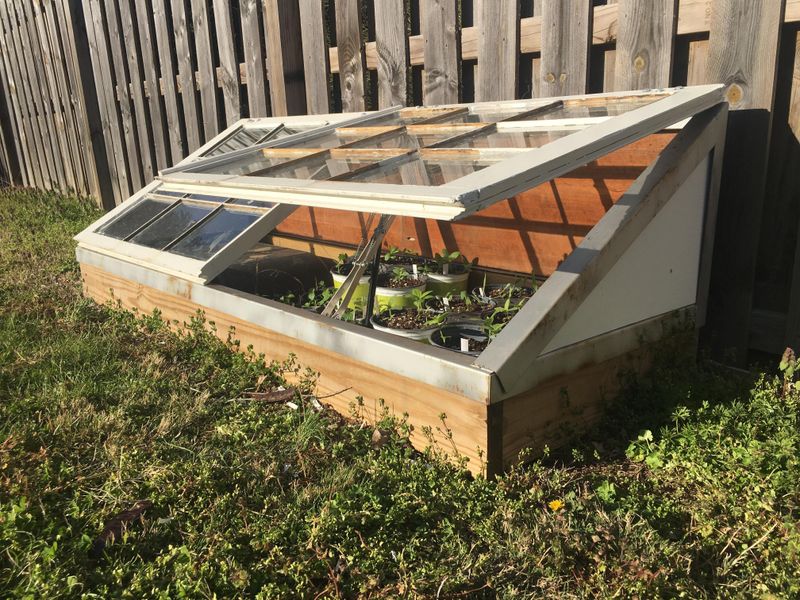
Cold-hardy vegetables like spinach, kale, and Asian greens can survive Michigan winters when grown under the protection of insulated tunnels or cold frames.
These structures don’t require heating systems but still maintain temperatures warm enough to keep plants alive and slowly growing through December and January.
Michigan gardeners can harvest fresh salad greens on Christmas Day by planning ahead and using heavy-duty covers designed for winter protection and insulation.
Growing year-round transforms your relationship with your garden from a seasonal hobby into a continuous source of fresh, nutritious food for your family.
Winter gardening under covers requires less maintenance than summer growing since pests are absent and plants grow slowly, needing minimal watering or attention.
The satisfaction of eating homegrown vegetables during Michigan’s long, cold winters makes the small investment in quality covers and tunnels worthwhile for many.
Starting with simple cold frames and graduating to larger tunnels allows you to experiment with winter growing without major financial commitment or risk.
Over time, this approach builds confidence and skills that make four-season gardening in Michigan feel practical rather than intimidating.