What Happens When A Neighbor’s Tree Sheds Leaves On Your Yard In Virginia

In Virginia neighborhoods, falling leaves from a nearby tree can quickly turn into more than just a seasonal nuisance.
What starts as a few leaves on the lawn often raises questions about responsibility, property lines, and what homeowners are actually expected to handle.
Many people are surprised to learn that the answer isn’t based on fairness or effort, but on how local laws and long-standing rules are applied.
Understanding what really happens when a neighbor’s tree sheds leaves into your yard can save time, tension, and a lot of unnecessary frustration.
1. Your Lawn Gets Smothered Under Thick Leaf Layers
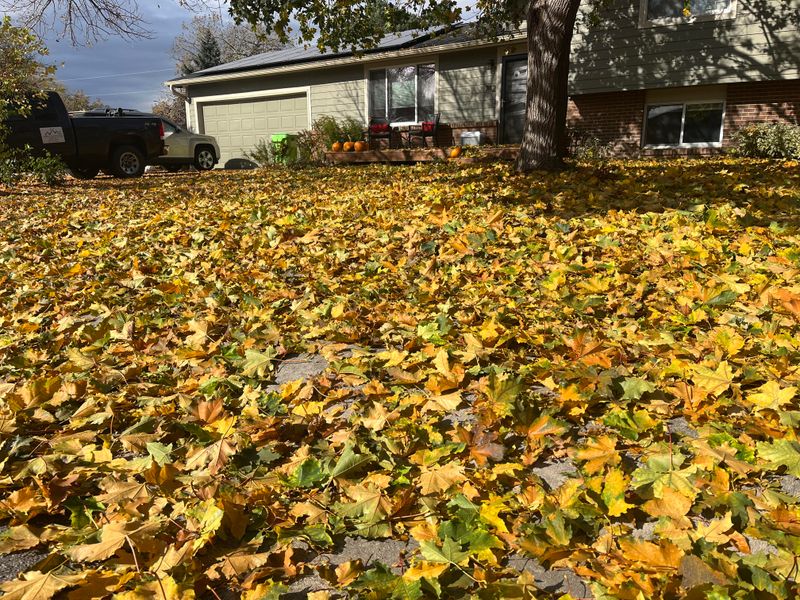
Grass underneath heavy leaf piles starts struggling for sunlight within just a few days of accumulation in Virginia yards during peak fall season.
Photosynthesis becomes impossible when thick blankets of leaves block all light from reaching the grass blades trying to grow beneath the coverage.
Moisture gets trapped under decomposing leaves, creating perfect conditions for fungal diseases that damage healthy lawn areas across your entire property gradually.
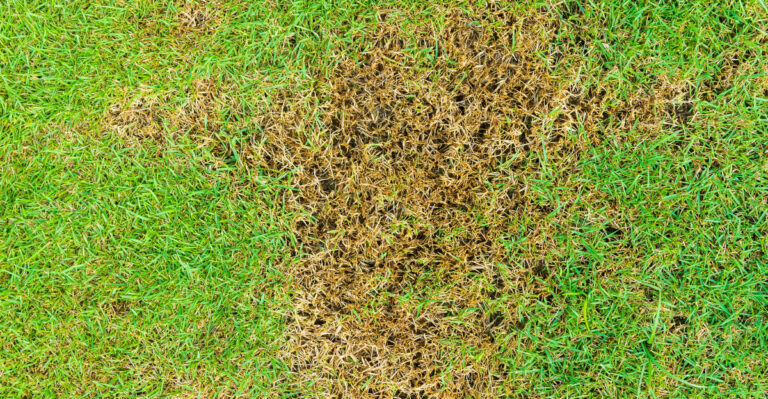
Brown patches appear where leaves sat too long, leaving unsightly dead zones that require reseeding efforts once springtime arrives in the Commonwealth.
Virginia’s humid autumn climate accelerates the smothering process, making timely removal essential for preserving your lawn’s health throughout the changing seasons.
Raking becomes necessary every few days when neighboring trees drop leaves constantly, turning yard maintenance into a repetitive chore that consumes weekends.
Ignoring the problem creates compacted leaf mats that take months to decompose naturally, potentially ruining your grass for the entire growing year.
Professional lawn care services in Virginia often recommend weekly leaf removal to prevent permanent damage that costs hundreds to repair later on.
2. You Face Extra Cleanup Work and Time
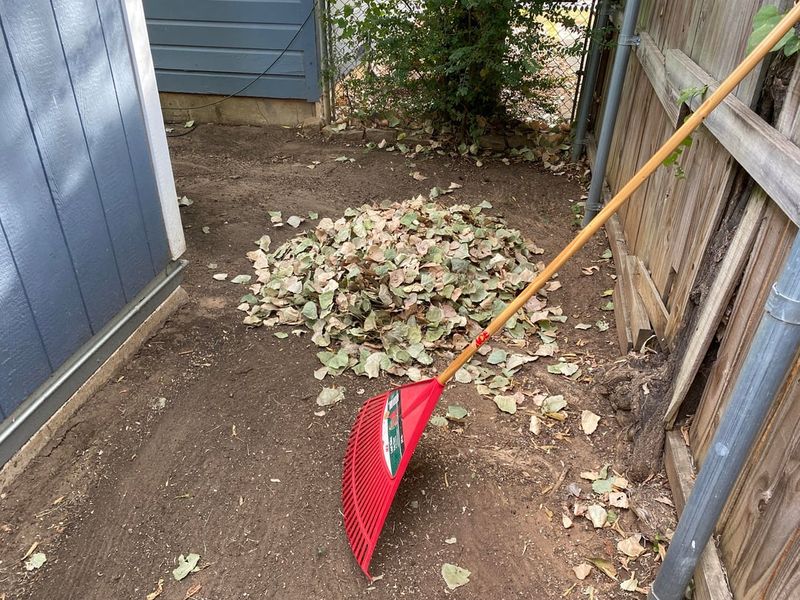
Additional hours get added to your weekend schedule when you must clear leaves that originated from trees you never planted yourself originally.
Raking and bagging leaves becomes exhausting physical labor, especially when large oak or maple trees from next door shed thousands of leaves weekly.
Virginia homeowners often find themselves spending entire Saturday afternoons managing leaf debris that drifts onto their property from neighboring yards constantly throughout October.
Yard waste bags pile up faster than expected, increasing disposal costs and requiring multiple trips to recycling centers across the local community.
Blowers and rakes become essential tools that see heavy use during autumn months, with equipment maintenance adding another layer of responsibility and expense.
Families lose recreational time in their yards because cleanup duties take priority over outdoor activities like playing catch or hosting backyard gatherings together.
Elderly or physically limited residents in Virginia struggle particularly with this burden, sometimes needing to hire help they cannot easily afford for removal.
The repetitive nature of leaf cleanup creates frustration, especially when wind blows more leaves back immediately after finishing a thorough cleaning session.
3. Gutters and Drains Get Clogged Quickly
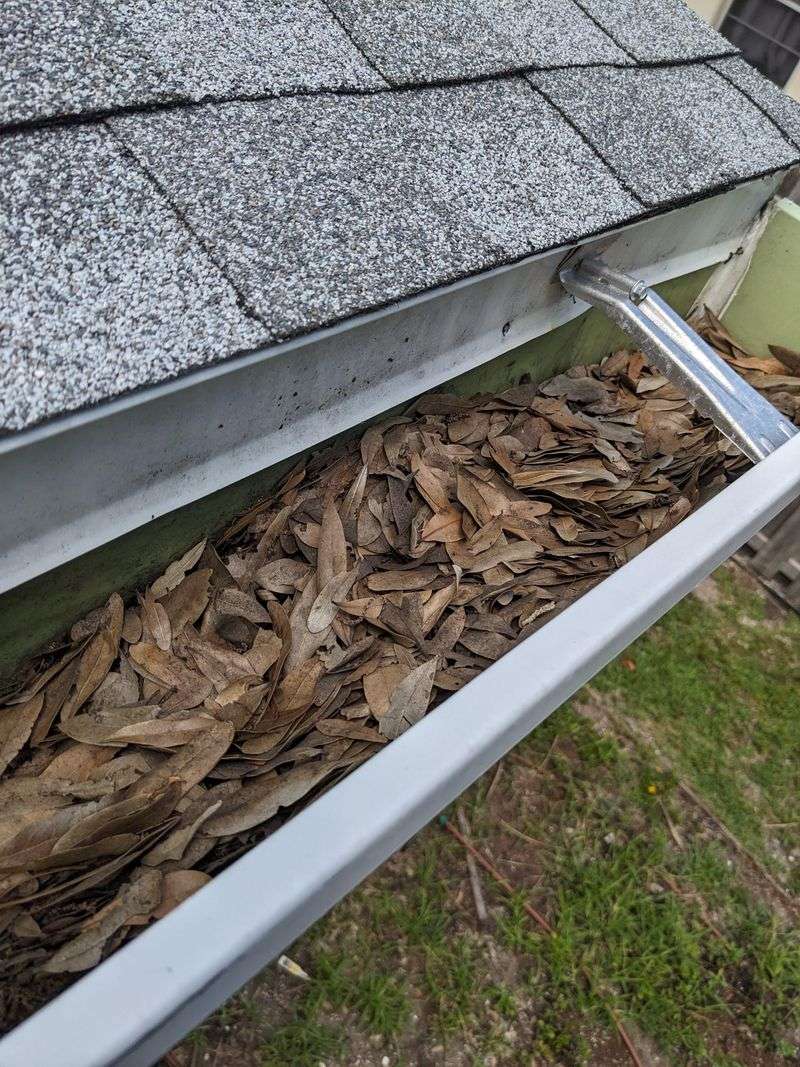
Leaves from neighboring trees travel across yards and accumulate inside gutters, creating blockages that prevent proper water drainage during Virginia’s frequent rainfall events.
Your Virginia Garden Changes Every Week. Your Plan Should Too.
Gardening in Virginia changes quickly throughout the season. Every Friday you’ll receive a simple weekly plan showing exactly what to plant, prune, fertilize, harvest, and protect so you never miss the right timing.
Clogged gutters overflow during storms, sending water cascading down exterior walls and potentially damaging foundations, siding, and landscaping around your home’s perimeter.
Storm drains in driveways and along streets become blocked when leaves wash into grates, causing localized flooding that creates hazardous conditions for vehicles.
Ice dams form more easily during Virginia winters when trapped moisture from clogged gutters freezes, leading to roof damage and costly interior leaks.
Cleaning gutters becomes a dangerous task requiring ladders and safety equipment, with some homeowners falling and injuring themselves while attempting this maintenance.
Professional gutter cleaning services charge premium rates during fall season, adding unexpected expenses to household budgets already stretched by other seasonal costs.
Mosquitoes breed in standing water that collects in blocked gutters, creating health concerns and making outdoor spaces less enjoyable for family activities.
Routine inspections become necessary throughout autumn in the Commonwealth, requiring homeowners to climb up and check gutters multiple times each month vigilantly.
4. Pest Problems Increase Around Your Property

Rodents find perfect shelter in large leaf piles, building nests close to your home’s foundation where they can access warmth during Virginia’s cold months.
Insects like ticks, spiders, and beetles thrive in decomposing leaf matter, increasing the population of unwanted creatures near areas where children and pets play.
Leaf piles attract snakes searching for prey, creating potentially dangerous encounters for families enjoying their yards during mild autumn afternoons in the region.
Mosquitoes lay eggs in water pockets that form within compressed leaves, multiplying populations that spread diseases like West Nile virus throughout local neighborhoods.
Carpenter ants establish colonies in moist, rotting leaves near wooden structures, eventually moving indoors and causing structural damage that requires expensive extermination services.
Virginia’s diverse wildlife, including raccoons and opossums, dig through leaf piles searching for food, scattering debris and creating additional mess across yards nightly.
Termites find favorable conditions in damp leaf accumulations, potentially migrating to nearby wooden fences, decks, and even the structural timbers of your house.
Removing leaves promptly reduces pest habitats significantly, but constant replenishment from neighboring trees makes maintaining a pest-free environment challenging throughout the entire season.
5. Property Disputes May Arise With Neighbors
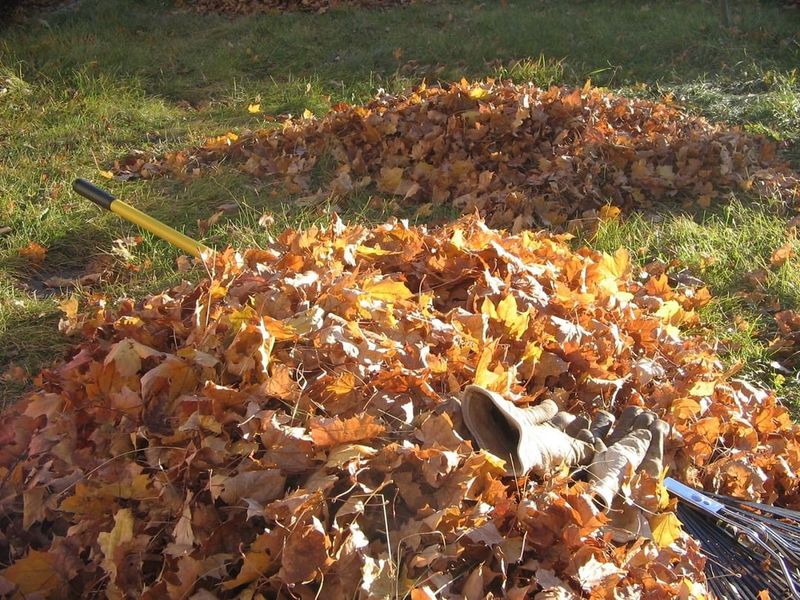
Tensions build when one homeowner feels burdened by constantly cleaning leaves from trees they do not own or benefit from aesthetically or functionally.
Conversations about responsibility for leaf cleanup can become awkward, with some neighbors refusing to help or acknowledge their tree causes the problem entirely.
Virginia law generally states that leaves are considered natural occurrences, meaning property owners must handle debris landing on their own land regardless of origin.
Some frustrated homeowners consider legal action, though courts rarely side with complainants over naturally falling leaves unless negligence or specific damages are proven.
Neighborhood relationships suffer when repeated requests for assistance or tree trimming go ignored, creating lasting resentment that affects community harmony for years.
Mediation services sometimes get involved when disputes escalate, requiring both parties to invest time and potentially money resolving conflicts over something seemingly minor initially.
Passive-aggressive behaviors emerge, like blowing leaves back onto the neighbor’s property, which only worsens the situation and creates additional animosity between households.
Communication remains key in Virginia communities, where polite discussions about shared maintenance responsibilities often lead to cooperative solutions benefiting everyone involved in the dispute.
6. Your Yard’s Aesthetic Appeal Diminishes Significantly
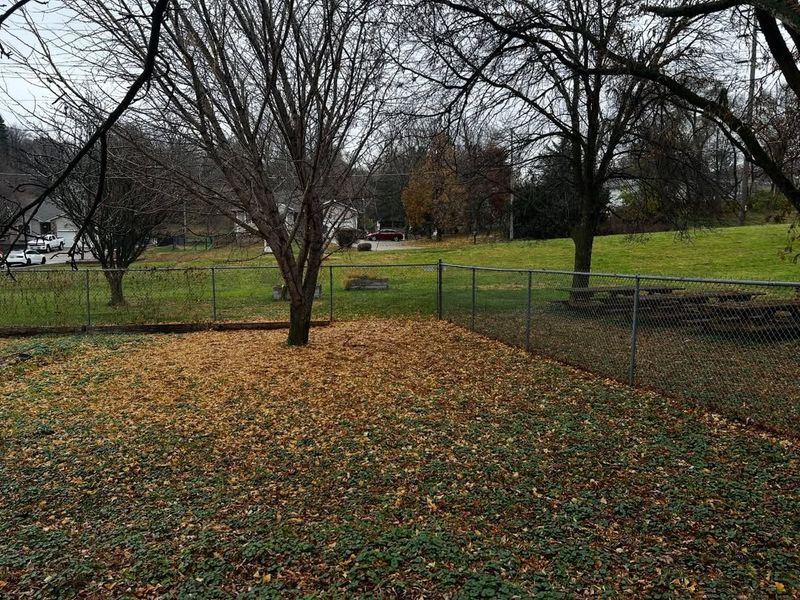
Curb appeal drops noticeably when thick layers of brown, decaying leaves cover well-maintained lawns, gardens, and decorative landscaping features you worked hard creating.
Potential home buyers or visitors form negative first impressions when approaching properties that appear neglected due to excessive leaf coverage from neighboring sources.
Seasonal decorations like Halloween displays or autumn arrangements get hidden or diminished when surrounded by unmanaged leaf accumulation across Virginia front yards unfortunately.
Property values in neighborhoods can be affected when multiple homes appear poorly maintained because of widespread leaf problems from overhanging community trees.
Flower beds and ornamental plants disappear under leaf blankets, hiding colorful mums and asters that typically provide visual interest during the fall season beautifully.
Sidewalks and driveways become slippery and stained when wet leaves decompose on hard surfaces, creating safety hazards and unsightly discoloration that persists permanently.
Homeowners take pride in their yards throughout Virginia, and being unable to maintain appearance due to factors beyond their control creates genuine frustration.
Photography for holiday cards or social media posts becomes challenging when the background features leaf-covered chaos rather than the pristine autumn scenes desired.
7. Composting Opportunities Present Unexpected Benefits
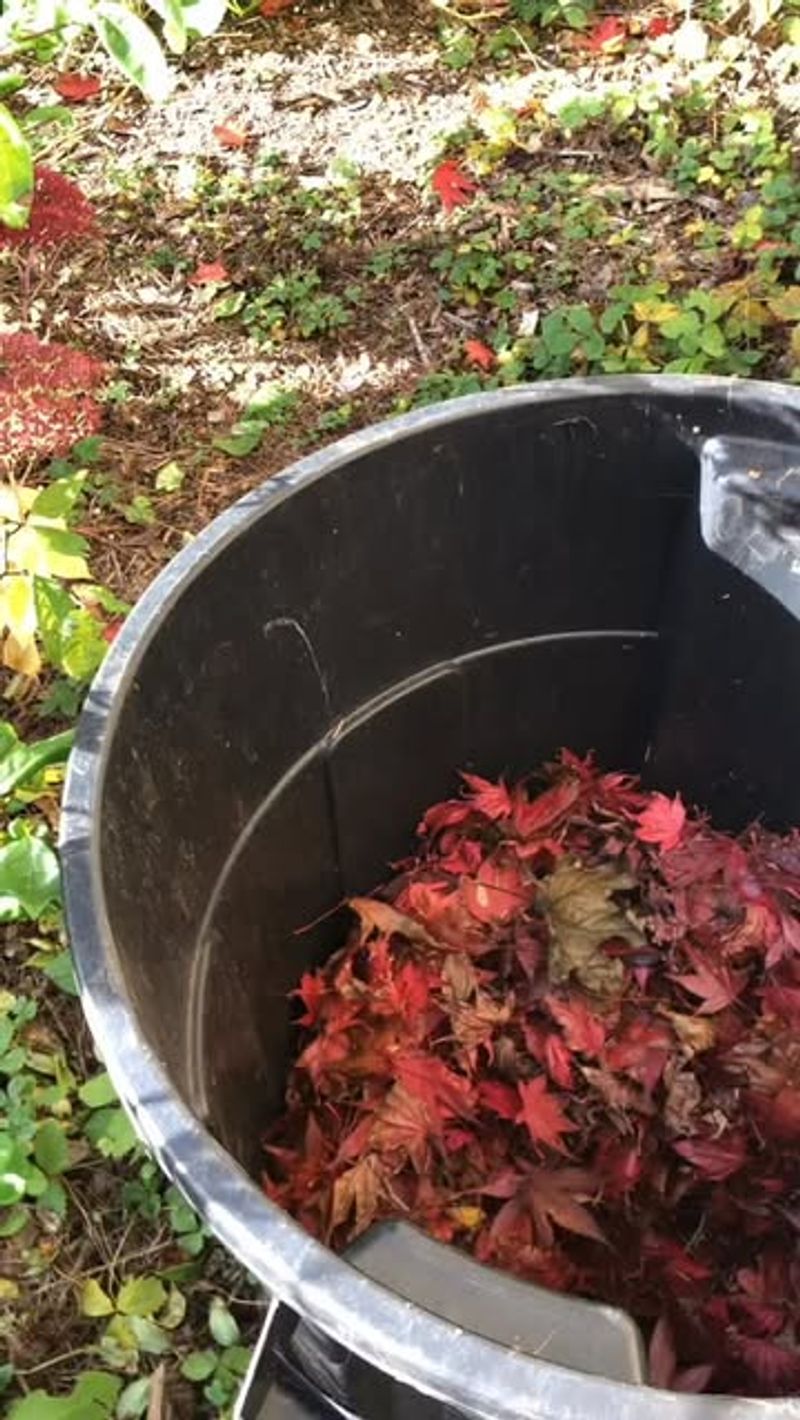
Free organic material arrives on your property regularly, providing nutrient-rich resources for creating compost that improves soil quality throughout Virginia gardens naturally.
Shredded leaves mixed with grass clippings and kitchen scraps create balanced compost piles that break down into valuable fertilizer within several months time.
Mulching leaves directly onto garden beds protects plant roots during winter, insulates soil temperatures, and adds organic matter that enriches earth for spring.
Virginia gardeners recognize fallen leaves as nature’s way of recycling nutrients, turning what seems like a nuisance into an environmentally friendly resource available freely.
Leaf mold develops when leaves decompose in dedicated piles, creating a soil conditioner that improves moisture retention and texture for vegetable and flower gardens.
Reducing chemical fertilizer dependence becomes possible when utilizing composted leaves, saving money while supporting sustainable gardening practices that benefit the local environment significantly.
Children learn valuable lessons about natural cycles and environmental stewardship when families compost together, turning yard work into educational opportunities during autumn weekends.
Community composting programs in Virginia sometimes accept excess leaves, allowing homeowners to contribute to larger sustainability efforts while solving their disposal challenges effectively.
8. Fire Hazards Develop in Dry Conditions

Accumulated dry leaves become serious fire risks during Virginia’s occasional autumn droughts, especially when piled near homes, decks, or outdoor cooking areas carelessly.
Careless cigarette disposal, sparks from fire pits, or malfunctioning electrical equipment can ignite leaf piles rapidly, spreading flames to structures within seconds dangerously.
Local fire departments in the Commonwealth issue warnings during dry periods, urging residents to remove leaf accumulations that could fuel fast-moving fires threatening neighborhoods.
Insurance claims increase during fall months when preventable fires start in leaf piles, potentially raising premiums for homeowners who fail to maintain safe properties.
Children playing with matches or fireworks near leaf piles create terrifying scenarios that have led to property damage and evacuations in Virginia communities previously.
Regulations in some municipalities prohibit burning leaves altogether, making proper disposal through bagging or composting the only legal options available to frustrated homeowners.
Wind can carry embers from small leaf fires to neighboring properties, creating liability concerns when fires spread beyond the original ignition point quickly and uncontrollably.
Maintaining clear zones around structures by removing leaves regularly reduces fire risk significantly, protecting families and investments from devastating losses that occur suddenly and unexpectedly.