8 Mistakes Gardeners Make When Yard Cleanup Starts Too Early In Illinois
Early spring energy hits Illinois gardeners fast, and the urge to clean everything up can feel impossible to resist.
Warm days create the illusion that winter is finished, even though soil, plants, and wildlife are often still vulnerable below the surface.
Rushing yard cleanup too soon can quietly undo months of natural protection that gardens rely on to recover properly.
Understanding the most common early-cleanup mistakes helps Illinois gardeners protect their yards before the growing season truly begins.
1. Removing Leaf Litter Before Pollinators Emerge
Many beneficial insects spend winter hiding beneath fallen leaves, waiting patiently for warm weather to arrive in your Illinois yard.
Raking away leaf litter too soon removes their protective shelter before they wake up and start helping your garden flourish naturally.
Native bees, butterflies, ladybugs, and other helpful creatures rely on this natural covering to survive cold nights and unpredictable temperature swings.
Illinois weather changes quickly during spring, and insects need time to emerge safely when conditions stabilize enough for their survival outdoors.
Leaving leaves in place until temperatures consistently stay above fifty degrees protects these tiny helpers from harm and supports local ecosystems effectively.
Your garden benefits greatly when pollinators survive winter successfully, as they help flowers bloom and vegetables produce abundant harvests throughout summer.
Patience pays off handsomely, so resist the urge to clear everything away the moment you see sunshine breaking through clouds overhead.
Wait until mid-May in most Illinois regions before removing leaf litter, giving insects adequate time to wake up and relocate elsewhere.
This simple delay reduces pest outbreaks later in the season because healthy insect populations keep garden pests naturally balanced without chemicals.
2. Cutting Down Perennials Too Soon
Standing perennial stems might look messy, but they serve critical purposes during late winter and early spring months across Illinois landscapes.
Hollow plant stems provide essential nesting sites for solitary bees, which are incredibly important pollinators for fruit trees and vegetable gardens everywhere.
Cutting perennials down prematurely destroys these nesting spots before bees complete their life cycles and emerge to pollinate your plants successfully.
Additionally, seeds remaining on dried flower heads feed hungry birds returning to Illinois after long migrations from warmer southern climates during winter.
Goldfinches, sparrows, and other songbirds depend heavily on these natural food sources when insects remain scarce during unpredictable early spring weather.
Leaving perennials standing until late April or early May gives wildlife time to use them fully before you tidy up garden beds.
Once temperatures warm consistently and new growth appears at the base, you can safely trim old stems without harming beneficial creatures.
Your garden looks neater eventually while still supporting the ecosystem that keeps plants healthy and productive all season long in Illinois.
3. Disturbing Mulch and Soil Prematurely
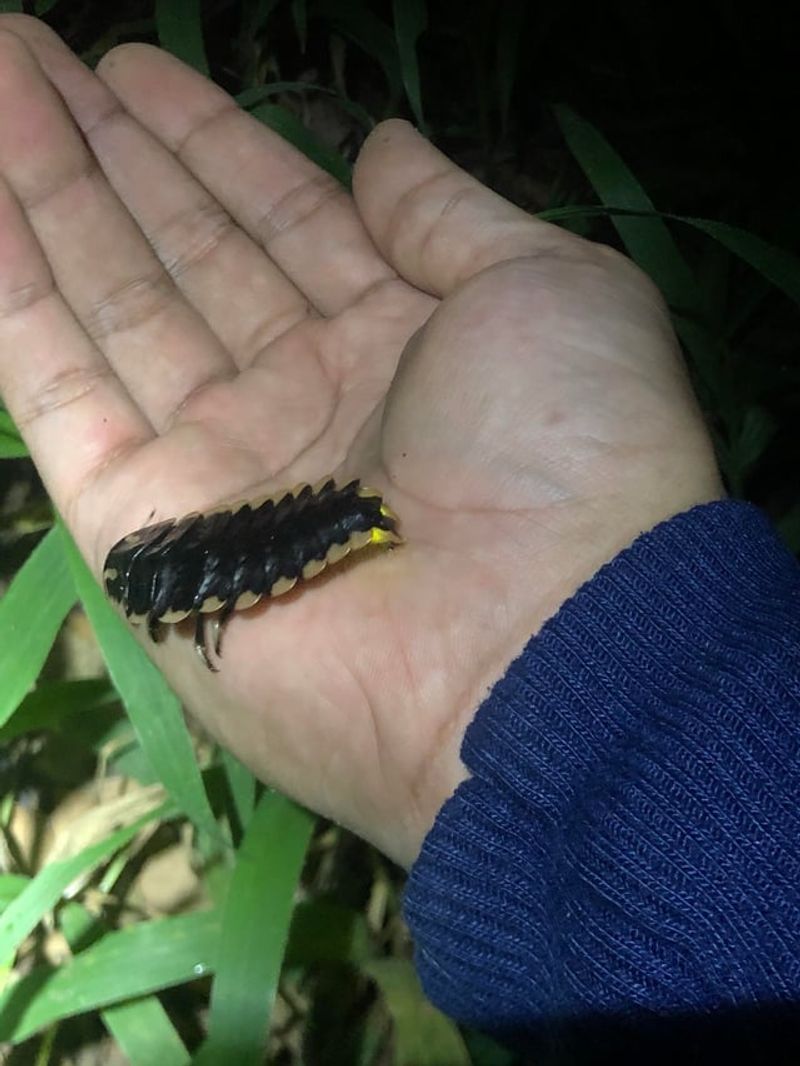
Ground-dwelling insects like ground beetles and firefly larvae spend winter months burrowed safely beneath mulch and soil throughout Illinois gardens everywhere.
These creatures provide natural pest control by eating aphids, slugs, and other harmful insects that damage plants once growing season arrives.
Turning over soil or removing mulch too early disturbs their hibernation, exposing them to cold temperatures that can harm entire populations.
Your Illinois Garden Changes Every Week. Your Plan Should Too.
Gardening in Illinois changes quickly throughout the season. Every Friday you’ll receive a simple weekly plan showing exactly what to plant, prune, fertilize, harvest, and protect so you never miss the right timing.
Illinois experiences frequent late frosts well into April, and disturbing soil prematurely can reduce beneficial insect numbers significantly in your yard.
Fireflies, especially beloved by children and adults alike, need undisturbed soil to complete their transformation from larvae into glowing summertime beetles.
Waiting until soil temperatures reach fifty-five degrees consistently ensures these helpful creatures survive and continue controlling pests naturally without chemical interventions.
Check soil temperature with a simple thermometer before digging or rearranging mulch layers in your Illinois garden beds this spring season.
Protecting beneficial insects means fewer pest problems later, reducing the need for pesticides that harm pollinators and contaminate groundwater sources nearby.
Delaying heavy garden work by a few extra weeks helps maintain a balanced ecosystem where beneficial insects quietly do the hard work of protecting your plants all season long.
4. Pruning Trees and Shrubs at the Wrong Time
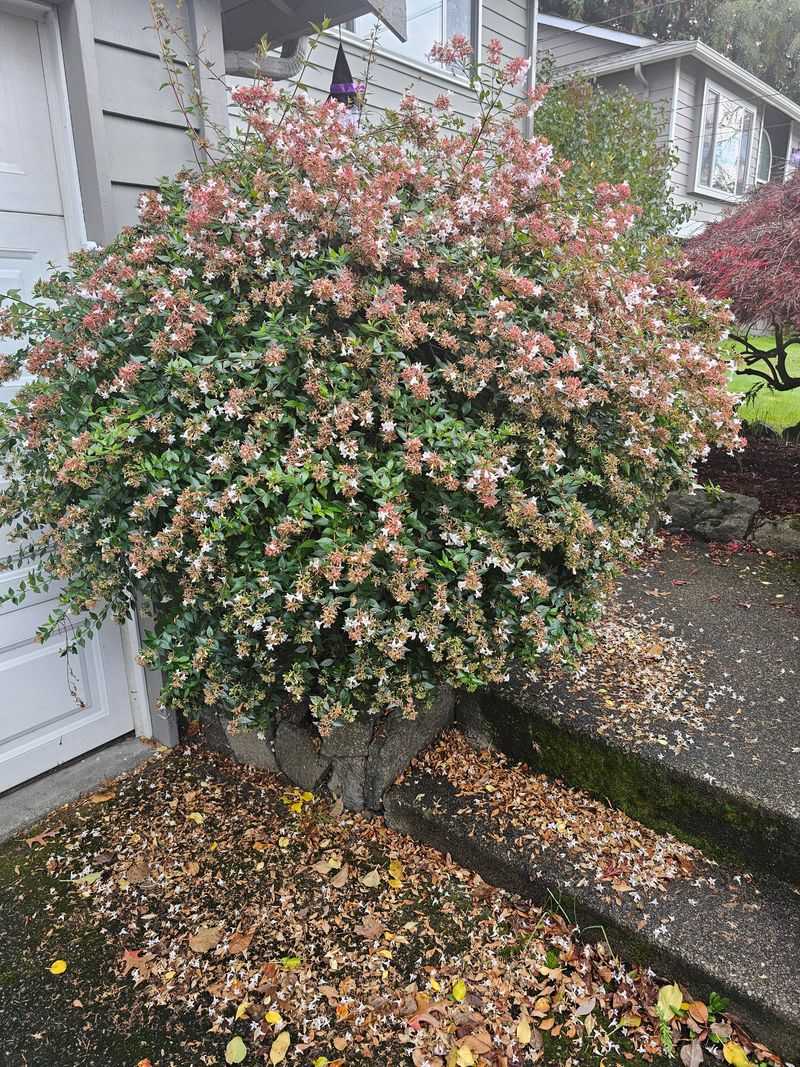
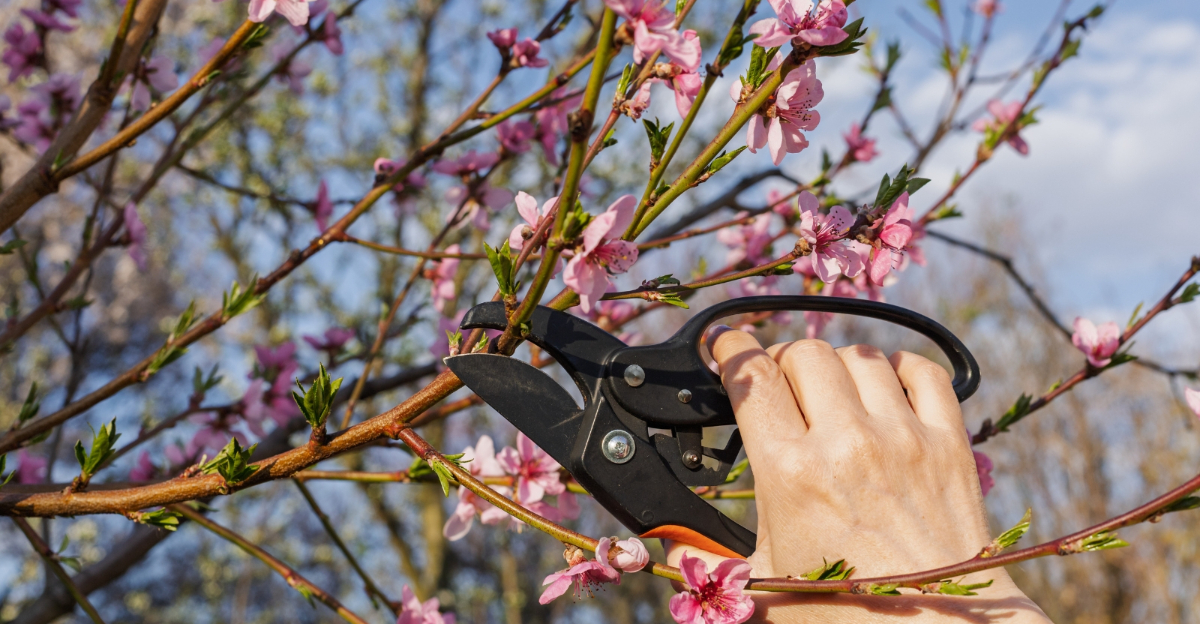
Grabbing pruning shears the moment sunshine appears feels productive, but timing matters enormously when cutting back trees and shrubs in Illinois.
Early spring pruning can remove flower buds that formed last fall, eliminating blooms you anticipated enjoying throughout the upcoming growing season.
Lilacs, forsythias, and other spring-flowering shrubs bloom on old wood, meaning premature pruning destroys this year’s flowers completely and unnecessarily.
Additionally, pruning too early stimulates new growth that remains vulnerable to late frosts common across Illinois well into April and sometimes May.
Tender new shoots damaged by freezing temperatures weaken plants, making them susceptible to diseases and pests that thrive on stressed vegetation throughout summer.
Wait until after spring-blooming shrubs finish flowering before pruning them, allowing you to enjoy their beauty while maintaining plant health effectively.
For summer-blooming shrubs and most trees, prune during late winter while they remain fully dormant, before sap starts flowing through branches.
Understanding each plant’s blooming cycle helps Illinois gardeners prune correctly, maximizing flowers while keeping shrubs and trees healthy and vigorous year-round.
5. Applying Mulch Before Soil Warms Up
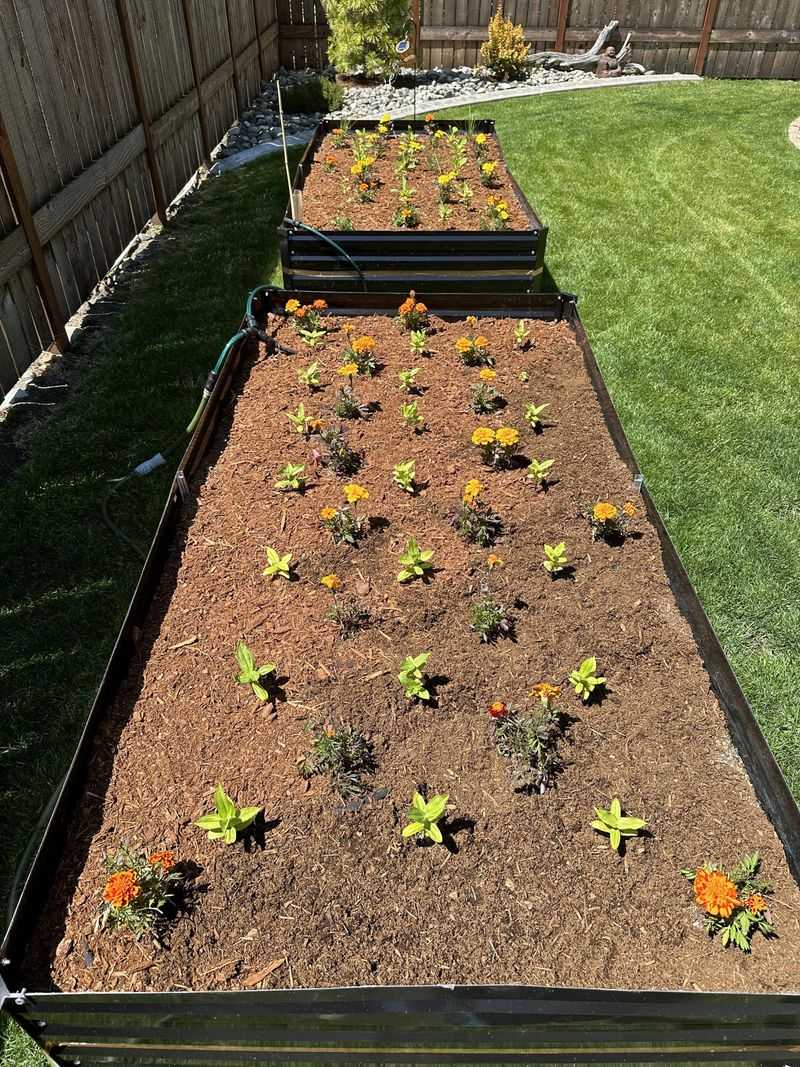
Fresh mulch looks attractive and helps control weeds, but applying it too early actually slows soil warming in Illinois gardens significantly.
Cold soil delays seed germination and slows root development for transplanted seedlings, pushing back harvest times for vegetables and annual flowers.
Mulch acts like insulation, keeping soil temperatures lower longer when applied before the ground warms adequately in spring months.
This becomes particularly problematic for heat-loving plants like tomatoes, peppers, and basil, which need warm soil to establish strong root systems quickly.
Illinois gardeners should wait until soil temperatures reach at least sixty degrees before applying mulch around warm-season vegetables and tender annuals.
For perennial beds and shrubs, waiting until mid to late May ensures soil warms properly while still providing summer benefits like moisture retention.
Using a soil thermometer takes guesswork out of the equation, helping you make informed decisions about when to mulch effectively each spring.
Once temperatures stabilize, mulch provides tremendous benefits, but patience early in the season prevents problems that limit plant growth and productivity.
This timing allows roots to grow deeper and stronger, setting plants up for healthier growth and better yields once summer heat finally arrives.
6. Cleaning Up Brush Piles Too Quickly

Brush piles created from fallen branches and pruned limbs provide critical shelter for small mammals, birds, and amphibians throughout Illinois winters.
Chipmunks, rabbits, toads, and wrens rely heavily on these structures for protection from predators and harsh weather during cold months.
Removing brush piles too early in spring forces wildlife to find new shelter when natural options remain limited across suburban landscapes.
Many creatures use these spaces for nesting once breeding season begins, making early removal particularly disruptive to reproduction and population sustainability.
Illinois gardeners who leave brush piles until late May give wildlife adequate time to relocate naturally as vegetation fills in elsewhere.
These structures also harbor beneficial insects and spiders that control pest populations once plants start growing vigorously during warmer weather months.
If brush piles seem unsightly near your house, consider moving them to less visible garden areas rather than removing them entirely.
Supporting wildlife diversity creates healthier garden ecosystems, reducing pest problems naturally while providing opportunities to observe fascinating creatures in your Illinois yard.
7. Starting Lawn Care Before Grass Actively Grows

Eagerness to achieve a perfect lawn often leads Illinois homeowners to start mowing, fertilizing, and treating grass before appropriate timing.
Walking and mowing on wet, partially frozen ground compacts soil severely, damaging grass roots and creating drainage problems that persist throughout summer.
Compacted soil prevents water and nutrients from reaching root zones effectively, weakening grass and encouraging weeds to invade bare spots later.
Illinois lawns need time to drain and firm up after winter snow melts and spring rains saturate the ground thoroughly.
Grass remains dormant until soil temperatures reach fifty degrees consistently, so early mowing simply cuts brown blades without encouraging healthy growth.
Applying fertilizer before grass actively grows wastes money and nutrients, as dormant roots cannot absorb chemicals that wash away into storm drains.
Wait until you see consistent green growth and soil feels firm underfoot before beginning regular lawn maintenance activities each spring season.
Patience protects your investment in lawn care while preventing environmental pollution from wasted fertilizers entering Illinois waterways unnecessarily through runoff.
Giving your lawn a little extra time to wake up results in thicker turf, fewer weeds, and healthier grass that holds up better through Illinois summer heat and drought.
8. Uncovering Tender Plants Too Early
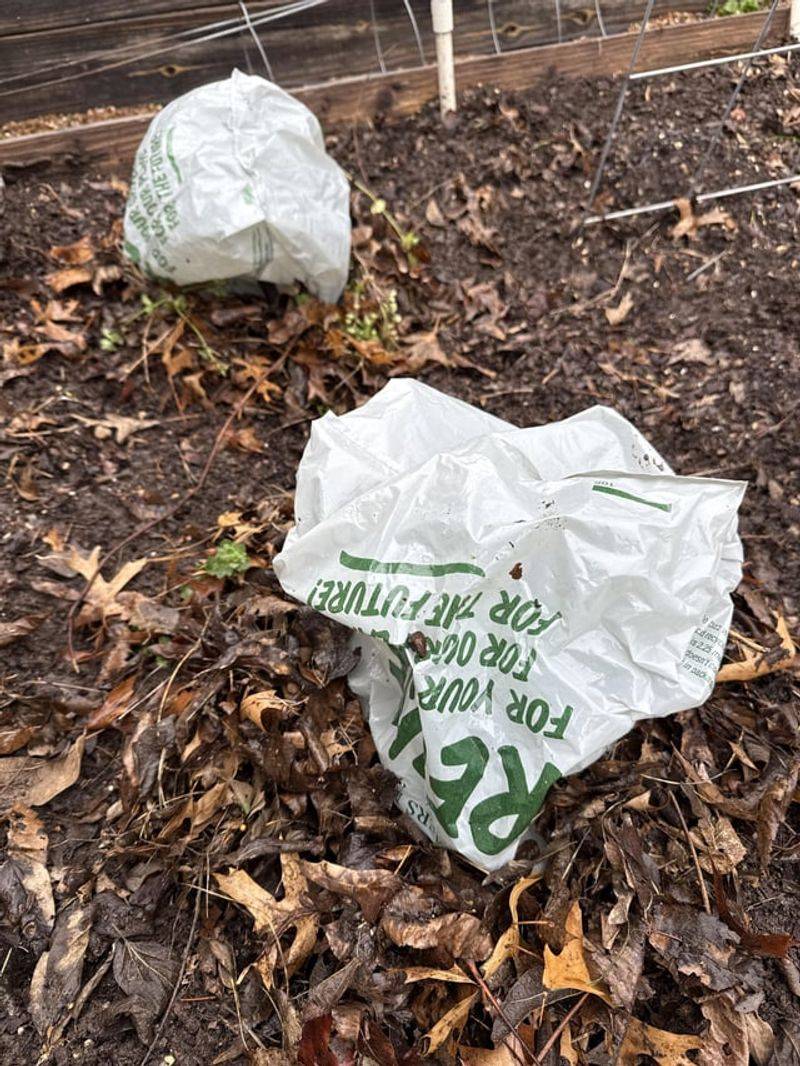
Protective coverings on roses, tender perennials, and borderline-hardy plants kept them safe through Illinois winters, but removal timing requires careful consideration.
Uncovering plants too early exposes tender new growth to damaging late frosts that commonly occur throughout April across northern Illinois regions.
Even southern Illinois areas experience occasional freezing temperatures well into mid-April, threatening plants that started growing after premature uncovering.
Damaged growth weakens plants significantly, delaying flowering and reducing overall vigor throughout the entire growing season ahead of you.
Monitor weather forecasts closely and wait until nighttime temperatures consistently stay above freezing before removing winter protection from vulnerable plants.
Gradual uncovering works better than sudden exposure, allowing plants to acclimate slowly to increased sunlight and temperature fluctuations during spring.
Remove coverings during cloudy days or late afternoon to prevent sun scald on tender stems that developed under dark protection all winter.
Taking your time with this process ensures tender plants survive and thrive, rewarding your patience with beautiful blooms throughout summer in Illinois.
A few extra days of protection can make the difference between stressed plants struggling to recover and healthy plants that bounce back quickly once spring fully settles in.