What To Plant In January To Brighten Your California Garden
January may feel quiet in much of California, but the garden doesn’t have to look dull.
Mild winter temperatures and regional microclimates create the perfect window to plant varieties that add color, texture, and fresh growth when most landscapes slow down.
From cheerful blooms that thrive in cool air to hardy edibles that flourish now and reward patience later, this month offers more opportunity than many gardeners realize.
Smart January planting sets the stage for a brighter yard, healthier soil, and stronger plants heading into spring.
A few well-chosen additions can lift the look of beds, containers, and borders almost immediately.
These January planting picks help California gardens stay lively, vibrant, and full of promise even in the heart of winter.
1. Snapdragons
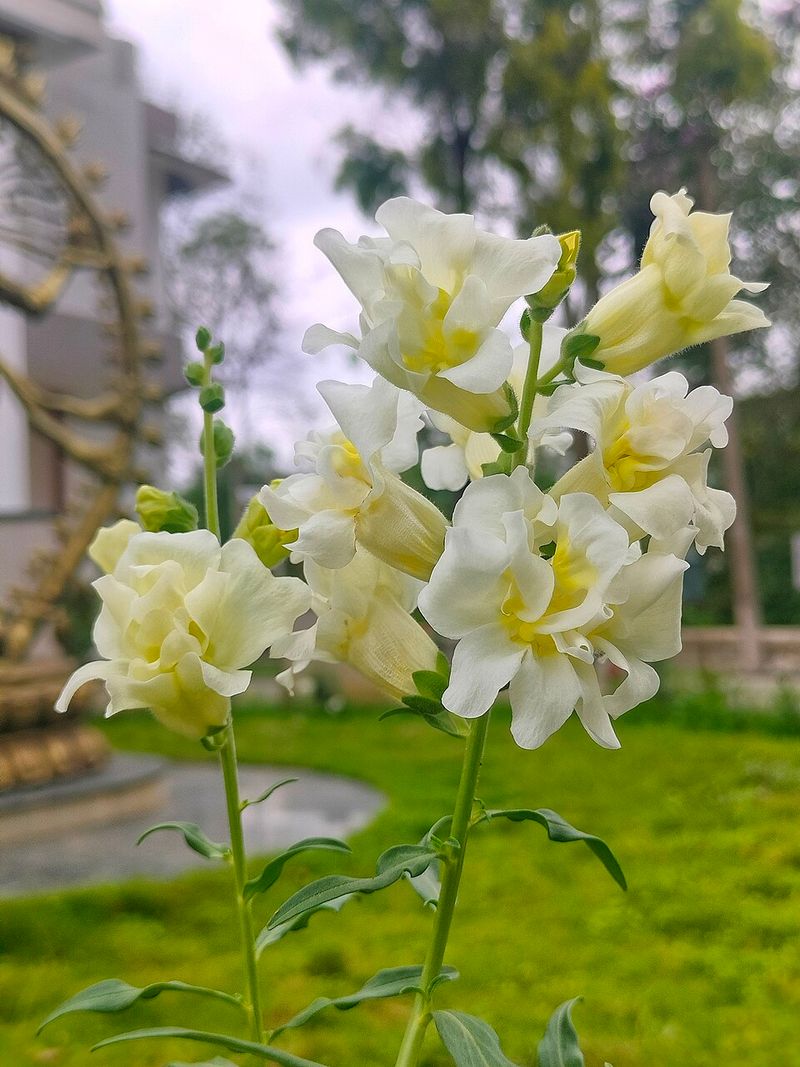
Snapdragons burst with cheerful colors that transform dull winter gardens into vibrant displays of pink, red, orange, yellow, white, and purple blooms.
These charming flowers earned their name because blossoms resemble dragon faces that open and close when squeezed gently from the sides, delighting children everywhere.
California gardeners love snapdragons because they thrive in cool weather and tolerate light frosts that would damage more delicate annual flowers.
Tall varieties reach up to three feet high, creating dramatic vertical interest in borders, while shorter types work beautifully in containers and edging.
Plant snapdragons in sunny spots with well-draining soil, spacing them about six to twelve inches apart to allow proper air circulation between plants.
Water regularly but avoid overwatering, as soggy soil encourages root problems that weaken plants and reduce the number of flowers they produce.
Pinch off faded blooms regularly to encourage continuous flowering throughout winter and spring, keeping your garden looking fresh and colorful for months.
Snapdragons attract beneficial pollinators like bees and butterflies, adding movement and life to your outdoor space during quieter winter months ahead.
2. Pansies
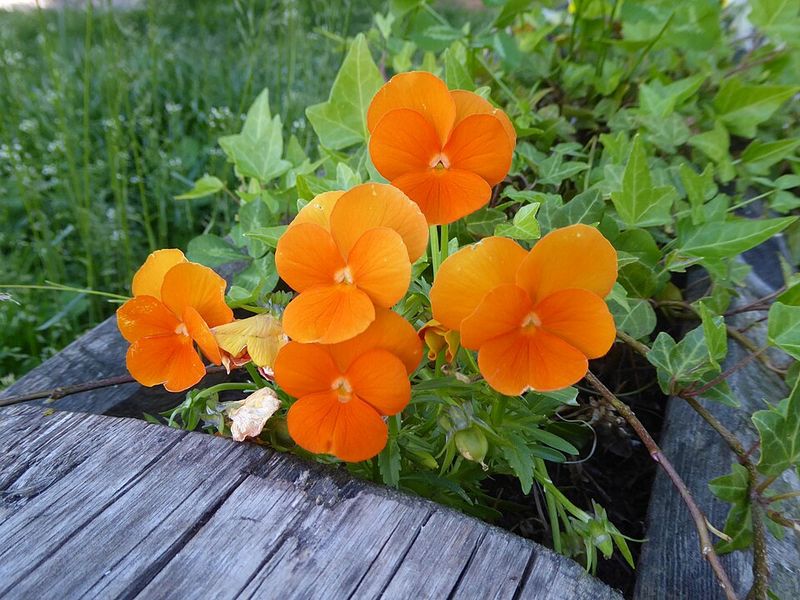
Pansies offer cheerful faces that seem to smile up at you from garden beds, bringing joy during gray winter days when color feels scarce.
Their velvety petals display incredible variety, featuring solid colors, bicolors, and tricolors with distinctive markings that resemble tiny painted masks or whiskers.
Cold-hardy and resilient, pansies handle California winter conditions beautifully, continuing to bloom even when temperatures drop unexpectedly during January nights and mornings.
Choose sunny or partially shaded locations for planting pansies, as too much afternoon heat can stress them once warmer weather arrives later.
Prepare soil by mixing in compost or aged manure to improve drainage and provide nutrients that support healthy root development and abundant flowering.
Space plants about six to eight inches apart, allowing room for their spreading growth habit while creating a full, lush appearance quickly.
Deadhead spent flowers regularly to keep plants producing fresh blooms instead of setting seed, which signals the plant to stop making new flowers.
Pansies work wonderfully in window boxes, hanging baskets, and mixed containers, bringing color to patios, porches, and balconies throughout the season.
Your California Garden Changes Every Week. Your Plan Should Too.
Gardening in California changes quickly throughout the season. Every Friday you’ll receive a simple weekly plan showing exactly what to plant, prune, fertilize, harvest, and protect so you never miss the right timing.
3. Calendula
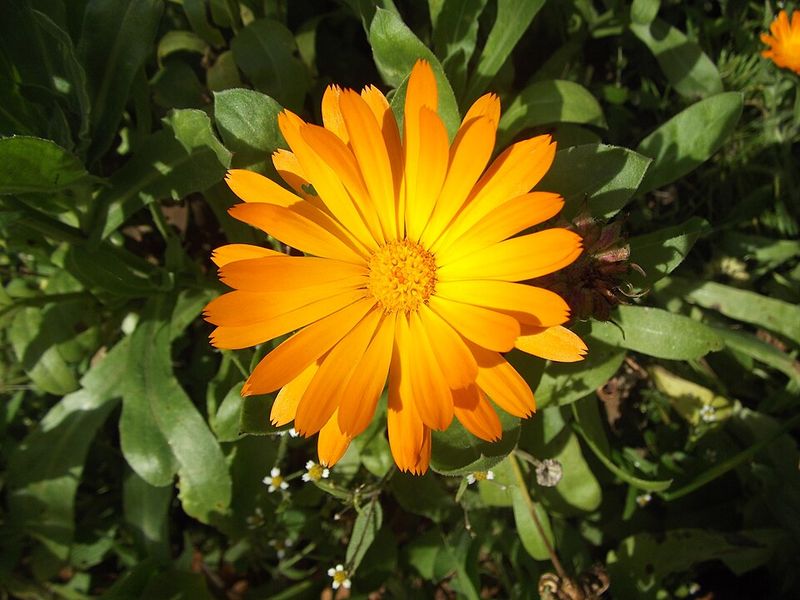
Calendula produces cheerful orange and yellow blooms that resemble sunny daisies, brightening beds and borders with their warm, welcoming appearance all winter.
Sometimes called pot marigold, calendula has been grown for centuries in herb gardens because its edible petals add color to salads and soups.
California gardeners appreciate how calendula thrives in cool weather, producing waves of flowers from January through late spring without requiring much attention.
These easy-care plants tolerate various soil types but perform best in locations with good drainage and at least six hours of daily sunlight.
Sow seeds directly into prepared garden beds or start them in containers, as calendula transplants easily and establishes quickly in new locations.
Water moderately, allowing soil to dry slightly between waterings, since overly wet conditions can lead to problems with fungal issues affecting leaves.
Harvest flowers regularly for fresh or dried use, which also encourages plants to keep producing new buds instead of going to seed early.
Calendula attracts beneficial insects that help control garden pests naturally, making it both beautiful and functional in organic gardening practices throughout California.
4. Sweet Peas
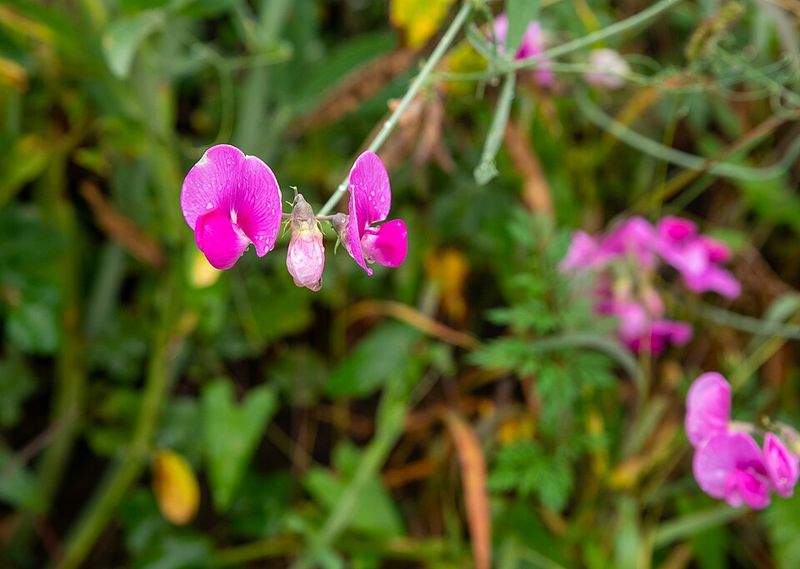
Sweet peas climb gracefully upward on trellises and fences, producing fragrant blooms in shades of pink, purple, red, white, and lavender throughout spring.
Their intoxicating perfume fills gardens with old-fashioned charm, reminding many people of grandmother’s cottage gardens from simpler times gone by.
January planting gives sweet peas time to develop strong root systems before warmer weather arrives, resulting in taller plants with more abundant flowering.
These climbing vines need sturdy support structures like bamboo tripods, wire fencing, or netting attached to walls or posts for proper growth.
Soak seeds overnight before planting to soften their hard outer coating, which speeds germination and helps seedlings emerge more quickly and uniformly.
Plant seeds about one inch deep and two inches apart in rich, well-amended soil that drains well but retains some moisture.
Water consistently throughout the growing season, especially as plants begin flowering, since dry soil causes buds to drop before opening into blooms.
Cut flowers frequently for bouquets, which encourages plants to produce more blooms instead of forming seed pods that signal the end of flowering.
5. Lettuce
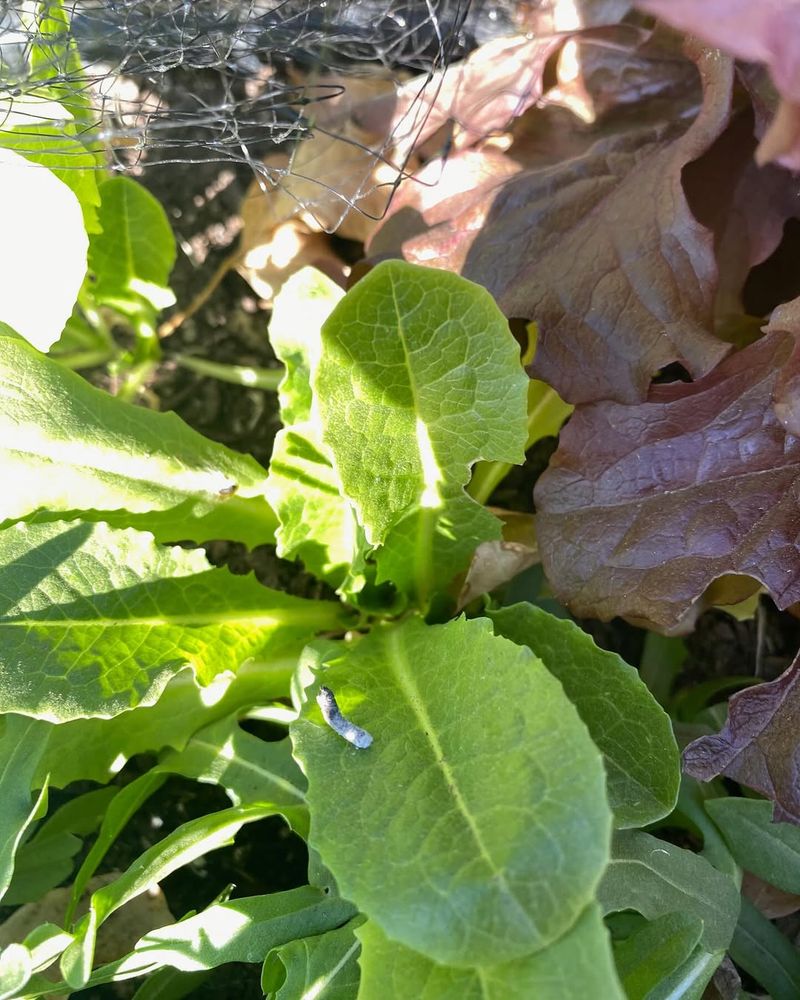
Lettuce thrives in California’s cool January weather, producing crisp, tender leaves perfect for fresh salads without the bitterness that develops during hot summers.
Growing your own lettuce ensures you enjoy the freshest possible greens, harvested minutes before eating rather than days after being picked commercially.
Numerous varieties exist, from loose-leaf types that allow continuous harvesting to heading varieties like romaine and butterhead that form compact, crunchy hearts.
Leaf lettuces come in beautiful colors ranging from bright green to deep red, adding visual interest to both gardens and dinner plates alike.
Plant lettuce seeds directly in garden beds or raised boxes, spacing them about four to six inches apart for loose-leaf types and wider for heading varieties.
Lettuce prefers rich, moisture-retentive soil amended with compost, which provides nutrients and helps maintain even soil moisture throughout the growing period.
Water regularly to keep soil consistently moist but not waterlogged, as dry conditions cause leaves to become tough and develop unpleasant flavors.
Harvest outer leaves continuously from loose-leaf varieties, allowing centers to keep producing fresh growth for weeks of continuous salad greens from single plants.
6. Spinach
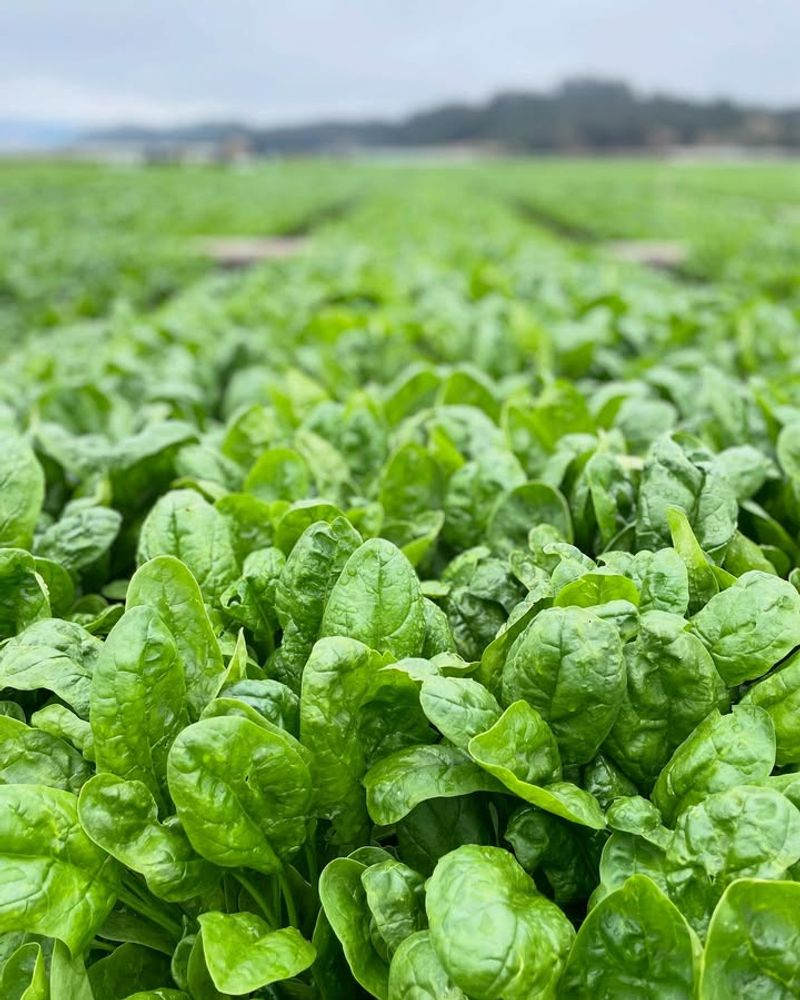
Spinach loves California’s cool January temperatures, producing tender, nutrient-packed leaves that taste sweeter and milder than spinach grown during warmer months ahead.
This powerhouse green contains iron, vitamins, and antioxidants that support healthy bodies, making it one of the most nutritious vegetables you can grow.
Fresh-picked spinach tastes remarkably different from store-bought versions, with delicate flavor and crisp texture that transforms simple meals into something special.
Baby spinach leaves work perfectly in salads, while larger, mature leaves hold up beautifully when cooked in stir-fries, soups, or pasta dishes.
Sow spinach seeds directly into prepared garden soil about half an inch deep and two inches apart, thinning seedlings later to four-inch spacing.
Spinach grows quickly in cool weather, often ready for first harvests just four to six weeks after planting, providing fast results for impatient gardeners.
Keep soil evenly moist throughout the growing season, as inconsistent watering can cause plants to bolt and produce flowers instead of tender leaves.
Harvest by cutting outer leaves first, allowing inner leaves to continue developing, or cut entire plants at soil level for one large harvest.
7. Kale
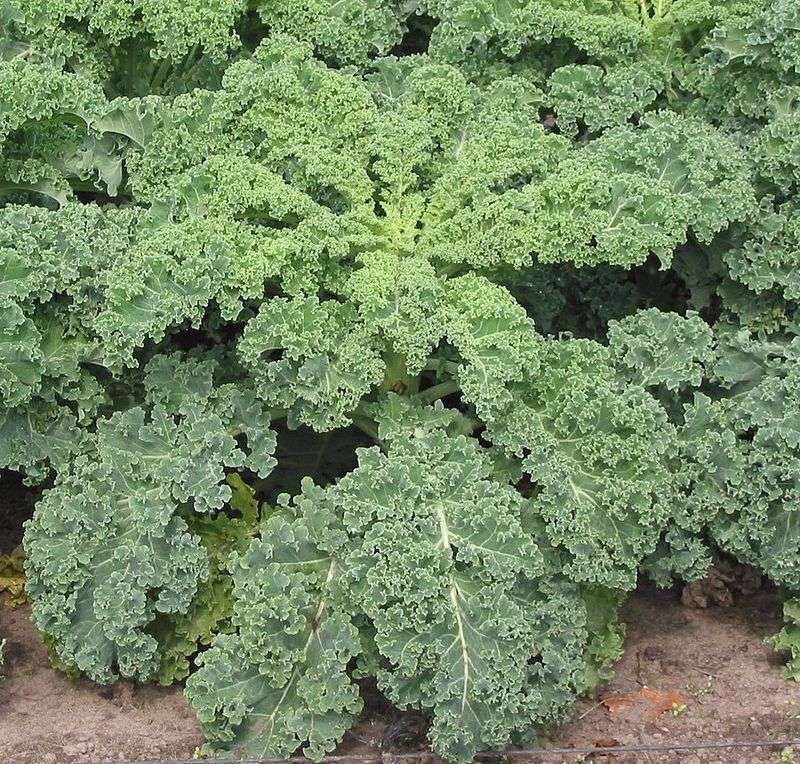
Kale stands as one of the toughest, most cold-tolerant vegetables for California winter gardens, continuing to produce even when temperatures occasionally dip low.
This nutritional superstar packs more vitamins and minerals per serving than almost any other vegetable, making it extremely valuable for health-conscious home gardeners.
Varieties range from curly types with frilly, textured leaves to flat Italian kale with smooth, tender foliage perfect for cooking or eating raw.
Colors vary too, including deep green, blue-green, and even purple varieties that add dramatic visual interest to vegetable beds and ornamental plantings.
Plant kale transplants or seeds in full sun locations with rich, well-draining soil amended with plenty of compost for best growth and flavor.
Space plants twelve to eighteen inches apart, giving them room to develop into large, bushy plants that produce abundant harvests over many months.
Water regularly but allow soil to dry slightly between waterings, as kale tolerates some drought better than constantly soggy conditions that damage roots.
Harvest lower leaves first while allowing the growing center to continue producing new foliage, extending your harvest period throughout winter and spring.
8. Swiss Chard
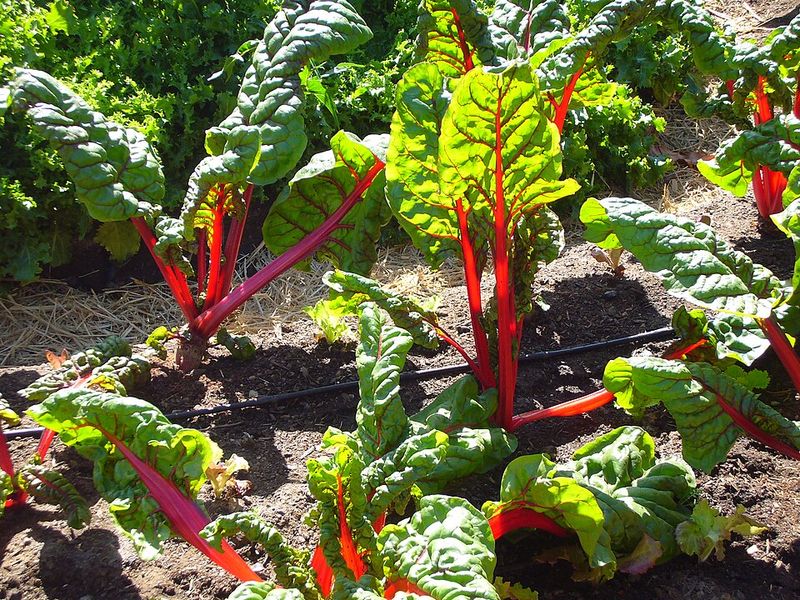
Swiss chard brings stunning beauty to vegetable gardens with its colorful stems in shades of red, yellow, orange, white, and pink contrasting against dark green leaves.
Rainbow chard mixes feature multiple stem colors in one planting, creating an edible landscape that looks as gorgeous as any flower bed.
Both leaves and stems are edible, offering two different textures and flavors from one plant, with leaves tasting similar to spinach and stems resembling celery.
This hardy green tolerates California winter conditions beautifully, continuing to grow vigorously even during cooler periods when other vegetables slow down considerably.
Sow chard seeds directly in garden beds or start transplants indoors, planting them about six to twelve inches apart in rows or blocks.
Chard grows in various soil types but produces best results in rich, well-amended ground that drains well but retains adequate moisture for steady growth.
Water consistently to keep soil evenly moist, especially during dry winter periods when rainfall may be insufficient for optimal plant development and leaf production.
Harvest outer leaves continuously, leaving the center growing point intact so plants keep producing fresh foliage for months of continuous harvests ahead.
9. Broccoli
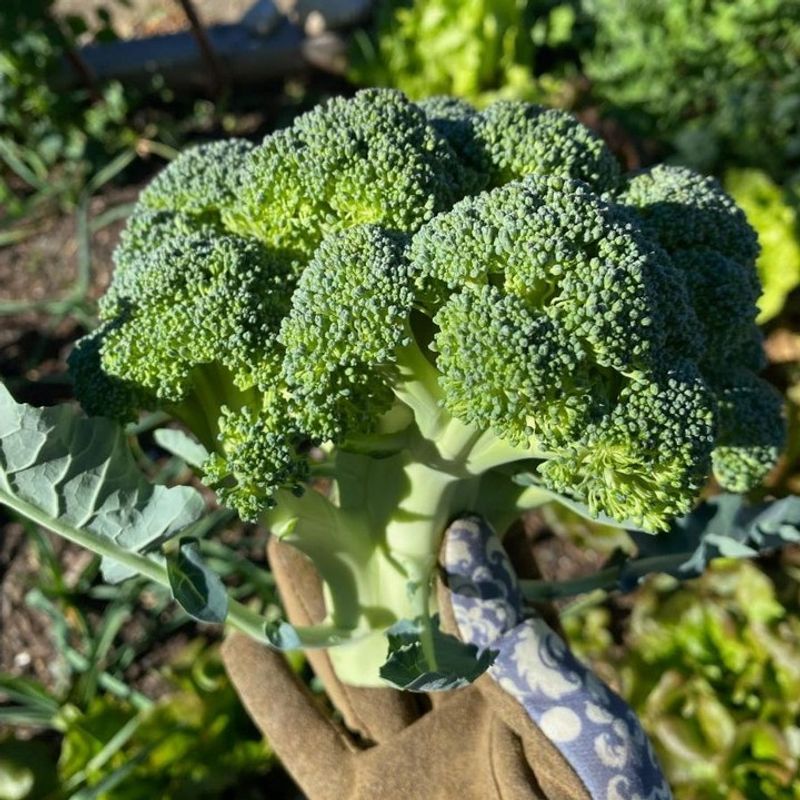
Broccoli planted in January develops into robust plants that produce large, flavorful heads during spring when cool weather still dominates California’s coastal regions.
Home-grown broccoli tastes remarkably sweeter and more tender than grocery store versions, which are often harvested early and shipped long distances before reaching consumers.
Cool temperatures improve broccoli’s flavor significantly, reducing bitterness and creating the sweet, mild taste that makes this vegetable appealing even to picky eaters.
After harvesting the main central head, plants continue producing smaller side shoots for weeks, extending your harvest and providing excellent value from each plant.
Transplant broccoli seedlings into garden beds, spacing them eighteen to twenty-four inches apart to accommodate their large size at maturity and allow good air circulation.
Broccoli needs rich, fertile soil with plenty of organic matter and consistent moisture to develop properly and form tight, compact heads instead of loose florets.
Water deeply and regularly, especially as heads begin forming, since dry conditions can cause premature flowering and tough, bitter-tasting florets that disappoint gardeners.
Watch for common pests and protect plants with row covers if necessary, ensuring your broccoli reaches harvest time in perfect condition.
10. Cilantro
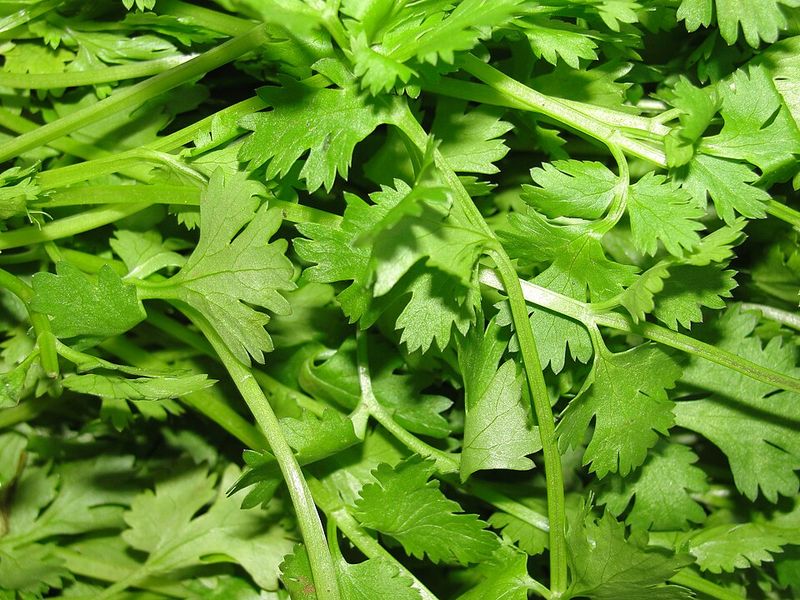
Cilantro flourishes during California’s cool January weather, producing aromatic leaves that add fresh, distinctive flavor to Mexican, Asian, and Mediterranean dishes year-round.
This fast-growing herb often bolts and goes to seed quickly during hot weather, making winter the absolute best time for planting and growing it successfully.
Fresh cilantro tastes completely different from dried versions sold in stores, with bright, citrusy notes that elevate salsas, curries, salads, and countless other recipes.
Both leaves and seeds serve culinary purposes, with seeds called coriander and used as a spice in baking and cooking around the world.
Sow cilantro seeds directly into garden beds or containers, as this herb dislikes transplanting and establishes better when started in its permanent location.
Plant seeds about quarter-inch deep and one inch apart, thinning seedlings later to four-inch spacing for optimal growth and air circulation between plants.
Cilantro prefers partial shade in warmer inland areas but tolerates full sun in cooler coastal regions where temperatures remain moderate throughout winter months.
Harvest leaves regularly once plants reach six inches tall, which encourages bushier growth and delays flowering, extending your harvest period significantly before plants eventually bolt.