11 Native Plants Minnesota Gardeners Are Embracing This Year
Minnesota gardeners are turning back to the land with a fresh wave of interest in native plants that thrive in the state’s unique climate.
These hardy species aren’t just beautiful—they’re built to handle big seasonal swings, support local wildlife, and reduce maintenance in landscapes from urban yards to rural beds.
This year, gardeners of all levels are choosing native blooms and foliage that bring lasting color, texture, and ecological value.
From showy wildflowers to structural grasses and resilient shrubs, these plants reflect Minnesota’s natural heritage while creating vibrant, sustainable gardens.
Whether your goal is pollinator habitat, year-round interest, or a low-stress landscape, these eleven natives are capturing attention and reshaping gardens across the state.
1. Wild Bergamot
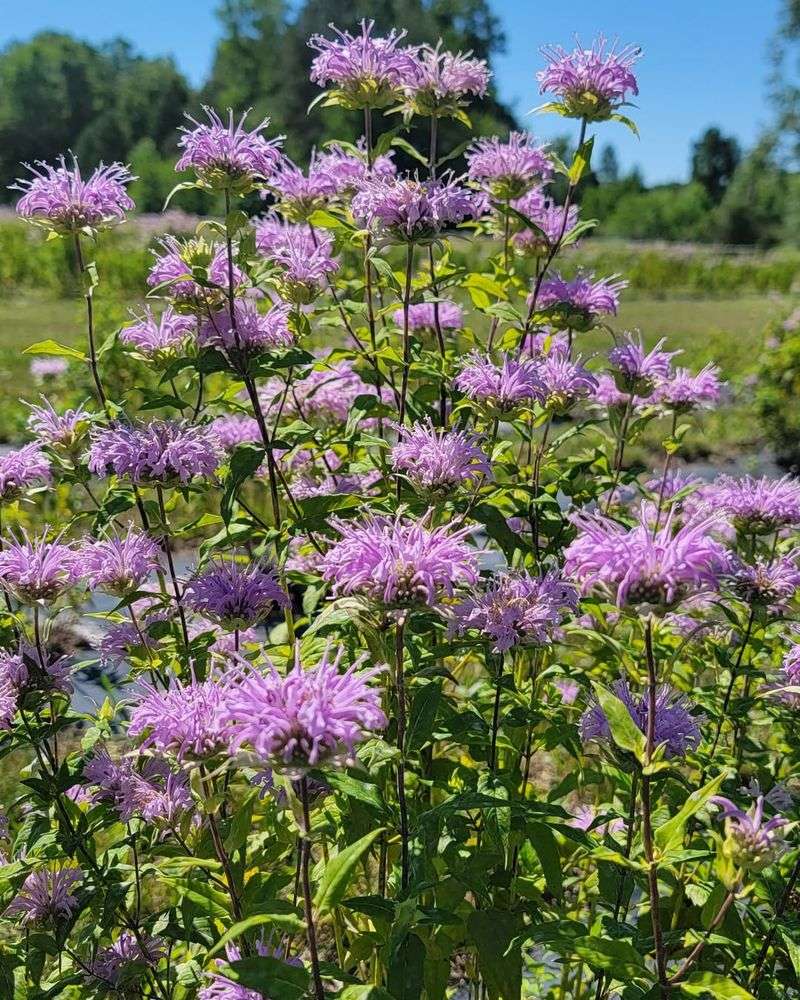
Wild bergamot brings a splash of lavender-pink color to gardens all summer long, blooming from June through August with fragrant, shaggy flowers.
Pollinators absolutely adore this plant, especially hummingbirds, bees, and butterflies that can’t resist the nectar-rich tubular blooms it produces reliably.
Growing between two and four feet tall, wild bergamot fits perfectly in borders, prairies, or cottage-style gardens across Minnesota landscapes.
This hardy perennial tolerates drought remarkably well once established, making it ideal for gardeners who want low-maintenance beauty without constant watering.
The aromatic leaves smell like a blend of mint and oregano, adding sensory interest whenever you brush past them in pathways.
Wild bergamot also resists deer browsing, which is a huge bonus for rural gardeners who struggle with hungry wildlife visitors regularly.
You can even harvest the leaves and flowers for herbal tea, historically used by Native American communities for medicinal purposes throughout centuries.
Plant it in full sun with well-drained soil, and watch it spread gradually into impressive clumps that return stronger each spring.
Wild bergamot is truly a Minnesota favorite that delivers beauty, fragrance, and ecological benefits all season long without demanding much attention.
2. Purple Prairie Clover
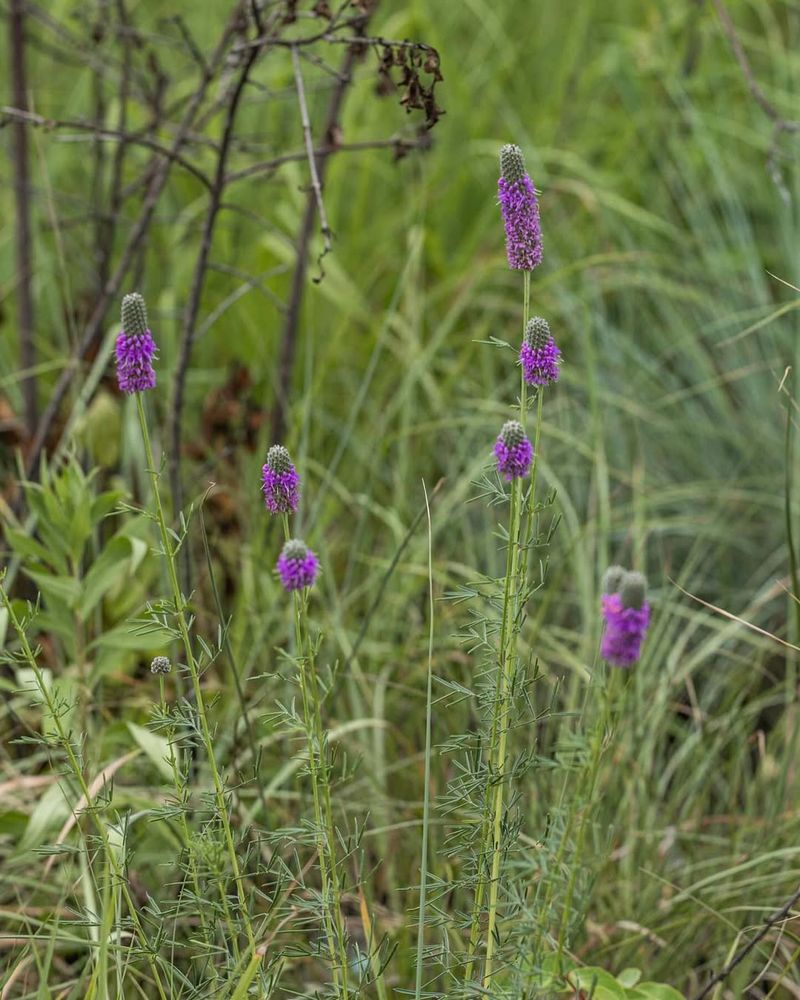
Picture a flower that looks like a tiny purple firework bursting from the prairie, and you’ve got purple prairie clover in mind perfectly.
This charming native blooms from June to September, producing distinctive cylindrical flower heads that start blooming from the bottom up gradually.
Butterflies and native bees flock to these blossoms, making your garden a buzzing hub of pollinator activity throughout the summer months.
Purple prairie clover grows one to three feet tall with delicate, feathery foliage that adds fine texture to mixed plantings beautifully.
As a legume, this plant actually improves soil quality by fixing nitrogen, enriching the earth for neighboring plants naturally over time.
It thrives in full sun and tolerates dry conditions exceptionally well, perfect for Minnesota’s sometimes unpredictable rainfall patterns and hot spells.
Deer tend to avoid this plant, so it remains intact even in areas where wildlife pressure is high and frustrating.
The deep taproot helps purple prairie clover survive droughts while also preventing soil erosion on slopes or challenging terrain effectively.
Historically, Native Americans used the roots and leaves for food and medicine, adding cultural significance to its ornamental appeal today.
Your Minnesota Garden Changes Every Week. Your Plan Should Too.
Gardening in Minnesota changes quickly throughout the season. Every Friday you’ll receive a simple weekly plan showing exactly what to plant, prune, fertilize, harvest, and protect so you never miss the right timing.
3. Black-Eyed Susan
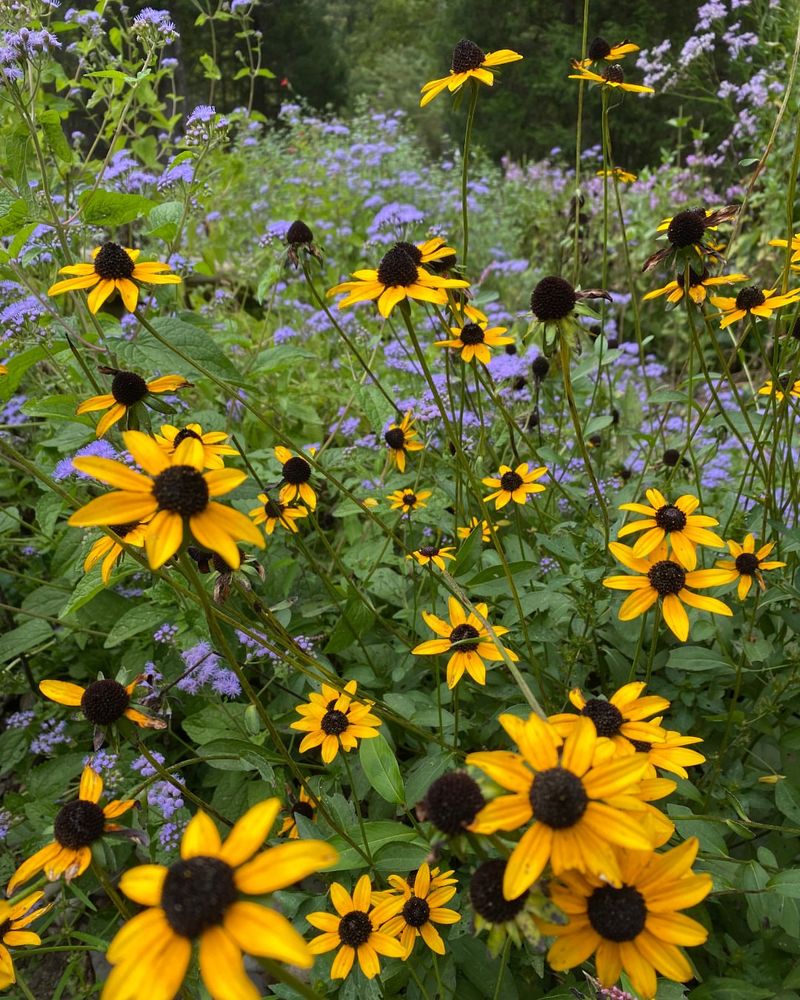
Few flowers announce summer’s arrival quite like the cheerful black-eyed Susan, with its golden-yellow petals radiating around a chocolate-brown center cone.
Blooming from June through October, this native perennial provides months of vibrant color that brightens any garden bed or wildflower meadow effortlessly.
Goldfinches love the seed heads in fall, perching delicately while extracting nutritious seeds to fuel their migration journeys southward.
Black-eyed Susans grow one to three feet tall, adapting easily to various soil types from clay to sandy loam without complaint.
They tolerate both full sun and partial shade, making them versatile choices for gardens with changing light conditions throughout the day.
Once established, these tough plants handle drought admirably, requiring minimal supplemental watering even during Minnesota’s driest summer stretches and heatwaves.
The flowers make excellent cut arrangements, lasting over a week in vases and bringing outdoor beauty inside your home beautifully.
Black-eyed Susans self-seed readily, naturalizing over time to create larger displays without any extra effort from busy gardeners.
This plant has been beloved for generations, symbolizing encouragement and motivation while supporting local ecosystems with food and shelter for wildlife.
4. Little Bluestem
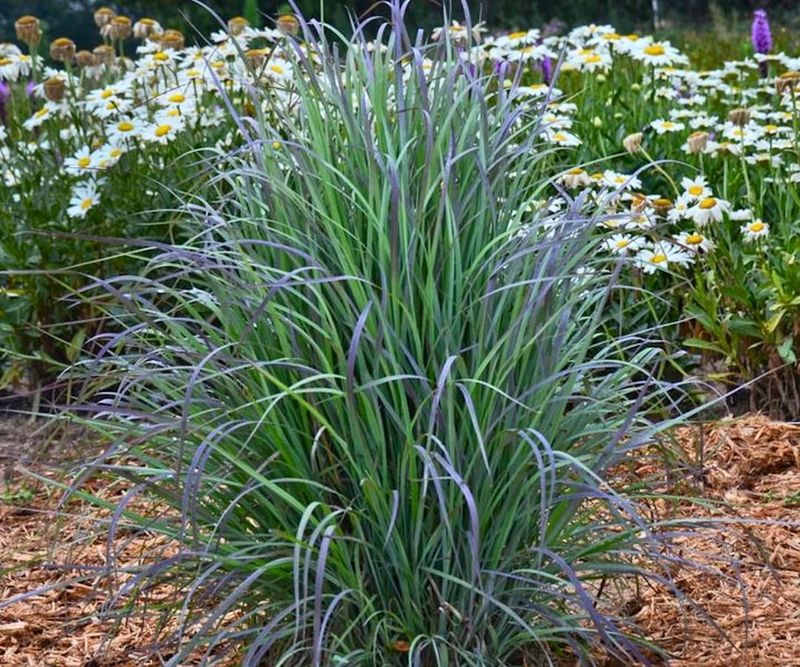
Ornamental grasses are having a major moment, and little bluestem leads the pack with its stunning seasonal color transformations throughout the year.
This native grass grows two to four feet tall, displaying slender blue-green blades in summer that shift to brilliant copper, orange, and burgundy hues come autumn.
The fluffy white seed heads catch the light beautifully, creating a soft, glowing effect in fall and winter garden scenes.
Little bluestem thrives in full sun and well-drained soils, tolerating drought, heat, and cold with remarkable resilience once roots establish deeply.
It’s a warm-season grass, meaning it begins growing later in spring but provides structure and interest through all four seasons.
Birds appreciate the seeds, while the dense clumps offer shelter for small wildlife seeking protection from predators and harsh weather.
Historically, little bluestem dominated Minnesota’s tallgrass prairies, forming the ecological backbone of these now-rare landscapes across the upper Midwest.
Gardeners love using it as a specimen plant, in mass plantings, or as a border that softens hardscapes with graceful movement.
This low-maintenance grass rarely needs dividing, stays compact without aggressive spreading, and never requires fertilizers or pesticides to look spectacular.
5. New England Aster
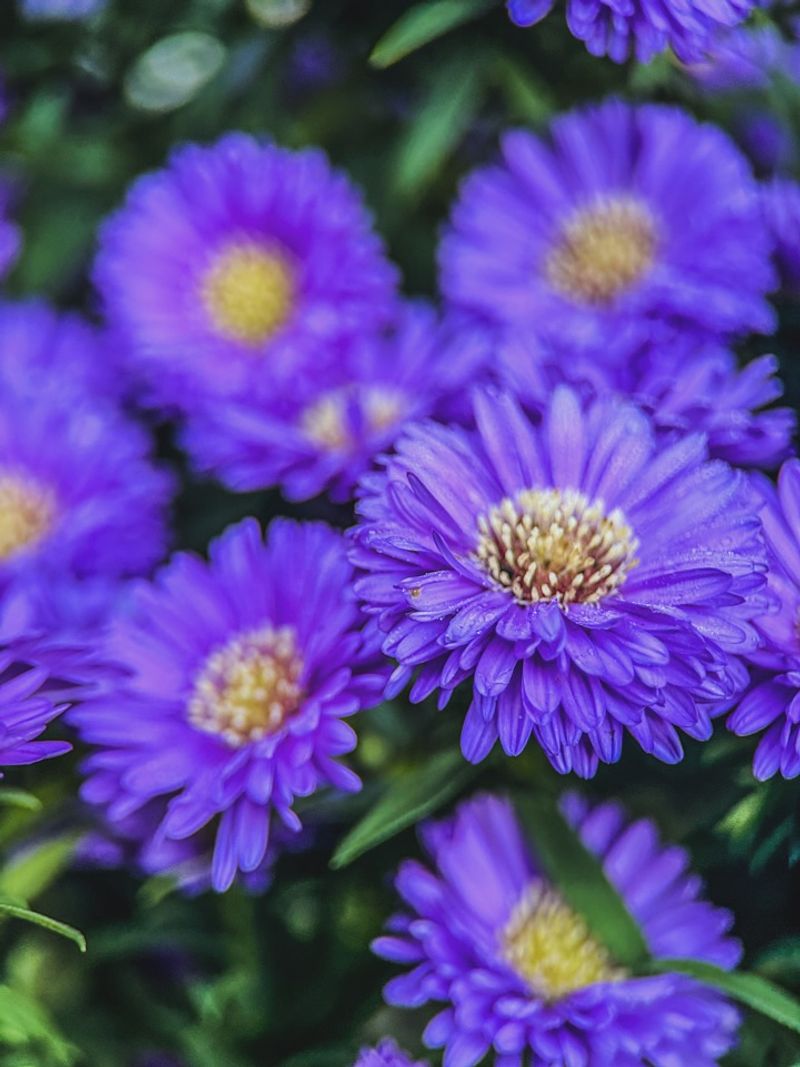
When most flowers are fading as autumn approaches, New England aster bursts into bloom with masses of purple-pink daisy-like flowers covering sturdy stems.
Blooming from August through October, this native perennial provides critical late-season nectar for migrating monarch butterflies preparing for their long journey south.
Bees and other pollinators also rely heavily on these flowers when few other food sources remain available in cooling gardens.
New England aster grows three to six feet tall, creating bold vertical accents in borders or naturalized areas with impressive presence.
The plant prefers full sun and moist to medium soil, though it adapts reasonably well to drier conditions once established firmly.
Powdery mildew can sometimes affect the lower leaves, but proper spacing and air circulation help minimize this issue without chemical intervention.
Cutting the plants back by half in early June encourages bushier growth and more flowers, though this step is entirely optional.
The blooms attract numerous butterfly species, making your garden a stopover haven during fall migration periods that nature lovers cherish.
New England aster’s vibrant color and ecological importance make it an indispensable addition to any Minnesota landscape focused on supporting wildlife.
6. Wild Columbine
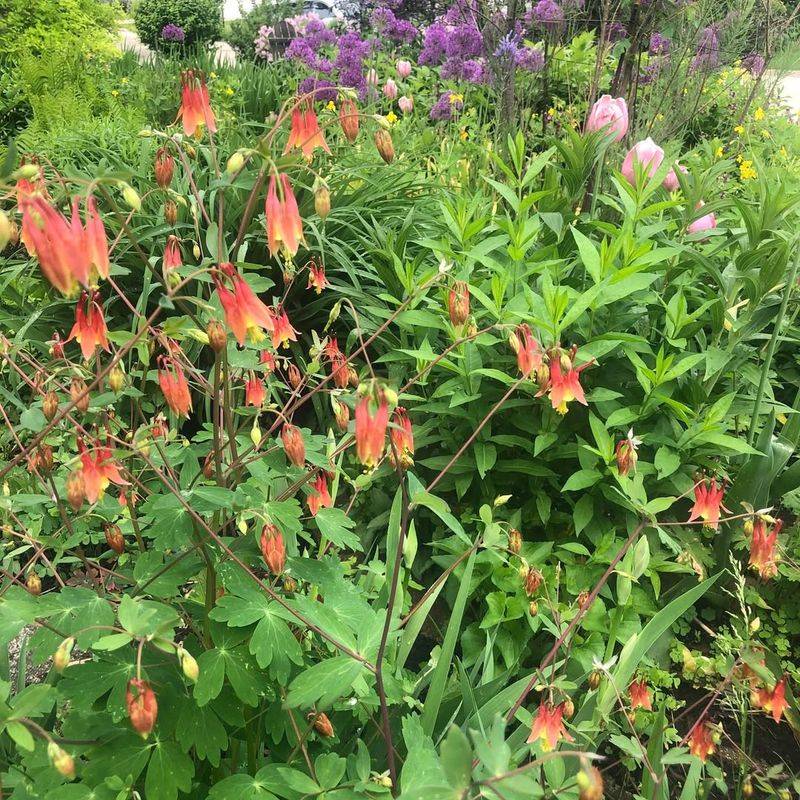
Delicate yet resilient, wild columbine enchants gardeners with its distinctive red and yellow nodding flowers that dangle like tiny lanterns from slender stems.
Blooming from April to June, this native perennial is among the first to welcome spring, bringing early color to shaded gardens.
Hummingbirds have a special affinity for wild columbine, using their long beaks to reach nectar hidden deep within the flower’s spurs.
Wild columbine grows one to two feet tall, thriving in partial shade to full sun with well-drained soil that mimics woodland edges.
The blue-green foliage remains attractive even after flowering finishes, providing textural interest throughout the growing season without becoming invasive.
This plant self-seeds modestly, gradually expanding its presence in gardens where conditions suit its preferences without overwhelming other plantings nearby.
Native Americans historically used wild columbine for various medicinal purposes, though modern gardeners appreciate it purely for ornamental and ecological value.
The plant tolerates rocky or sandy soils where other perennials might struggle, making it perfect for challenging sites with limited options.
Wild columbine’s graceful appearance and early blooms make it a treasured addition to woodland gardens, rock gardens, and native plant collections.
7. Butterfly Weed
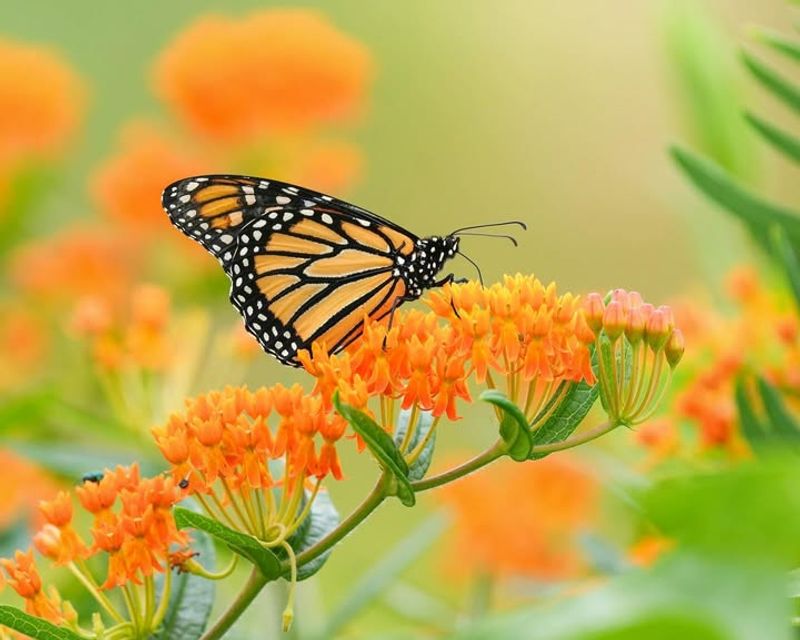
Brilliant orange flower clusters make butterfly weed one of the most eye-catching native plants you can grow in Minnesota gardens today.
Blooming from June through August, this milkweed relative attracts monarchs, swallowtails, and countless other butterflies seeking nectar and host plants for caterpillars.
Unlike common milkweed, butterfly weed features a clumping growth habit and doesn’t spread aggressively through underground rhizomes that invade neighboring spaces.
Growing one to two feet tall, butterfly weed thrives in full sun with well-drained, sandy, or rocky soils where drainage is excellent.
Once established, the deep taproot makes this plant incredibly drought-tolerant, surviving hot, dry spells without wilting or losing vigor.
The vibrant orange blooms contrast beautifully with purple coneflowers, black-eyed Susans, and ornamental grasses in mixed prairie-style plantings.
Butterfly weed is a crucial host plant for monarch caterpillars, supporting their life cycle and helping sustain declining populations nationwide.
The flowers also produce elongated seed pods that split open in fall, releasing silky seeds that float on the breeze gracefully.
This native beauty is low-maintenance, deer-resistant, and provides months of color while supporting essential pollinators.
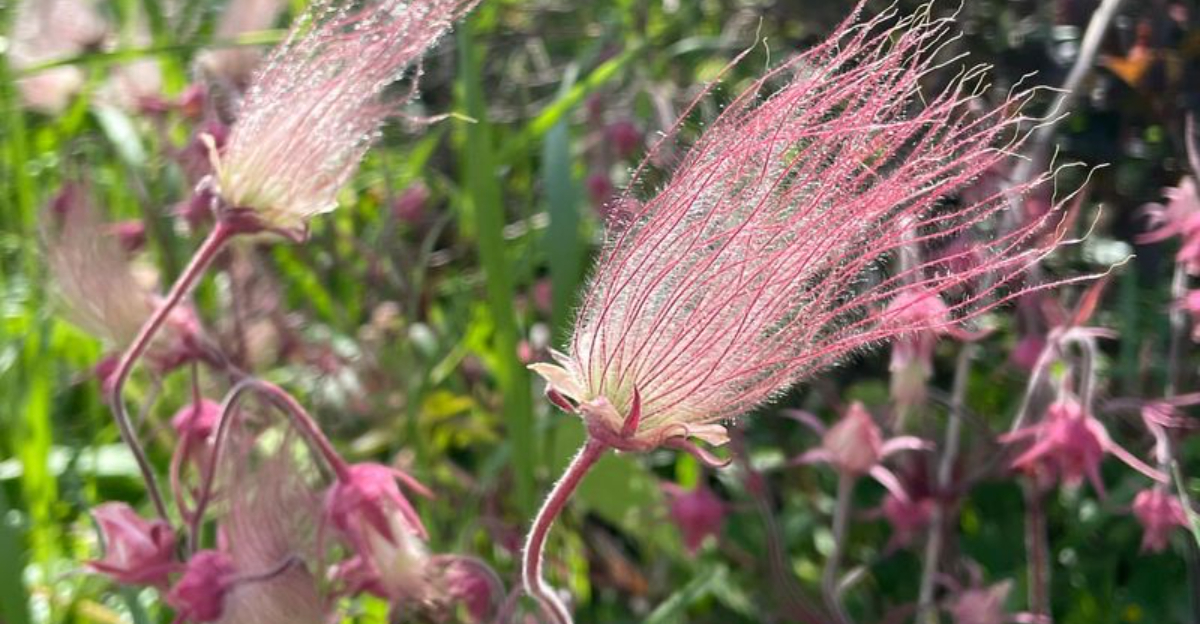
8. Prairie Smoke
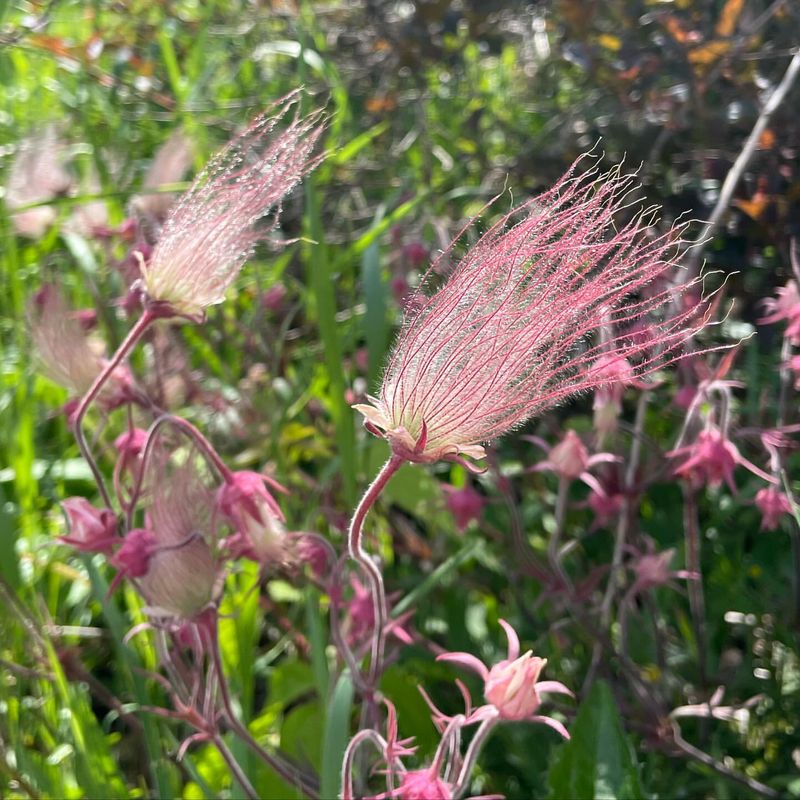
Early spring brings prairie smoke to life with nodding, urn-shaped pink flowers that emerge before many other perennials even break dormancy.
After blooming in April and May, the real magic happens when feathery, pinkish seed heads appear, resembling wisps of smoke rising.
These ethereal plumes give the plant its memorable common name and provide visual interest extending well beyond the brief flowering period.
Prairie smoke grows six to twelve inches tall, forming low mats of fern-like foliage that remain attractive throughout the growing season.
This native thrives in full sun to partial shade with well-drained soil, adapting to sandy, rocky, or clay conditions surprisingly well.
The plant spreads slowly through rhizomes, creating attractive groundcover without becoming aggressive or requiring constant management.
Early-emerging native bees rely on prairie smoke’s early blooms for vital nectar when few other food sources are available.
The low-growing habit makes it perfect for rock gardens, front borders, or prairie restorations.
Prairie smoke is also remarkably cold-hardy, surviving Minnesota’s harsh winters without special protection.
9. Blue Vervain
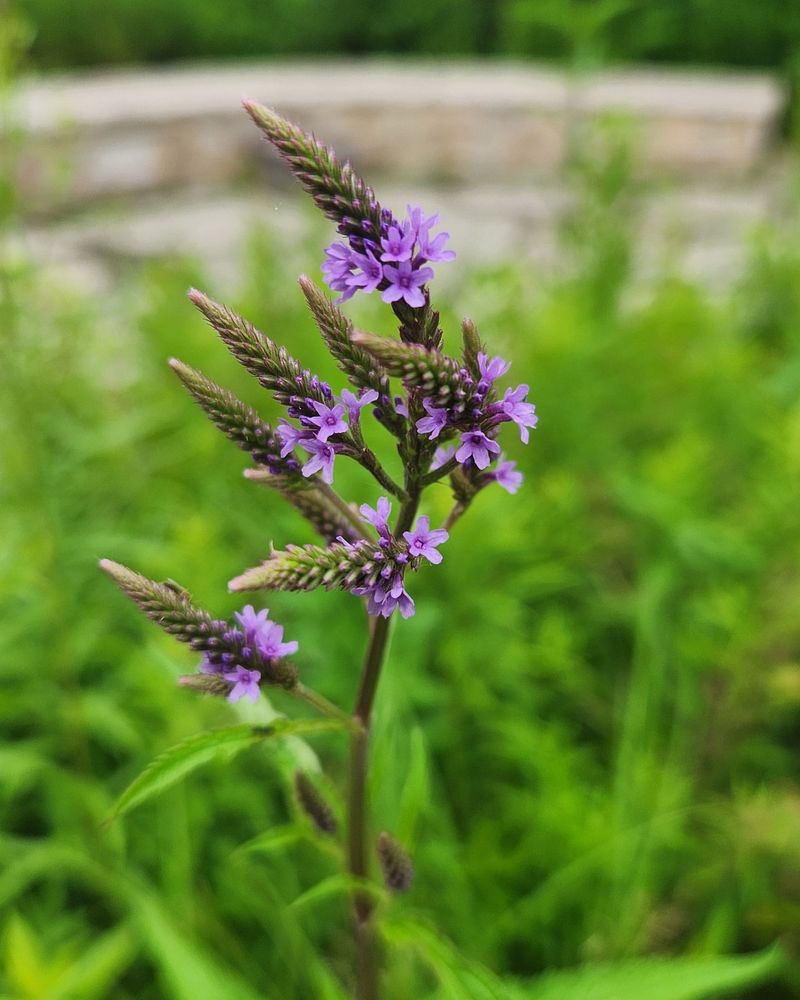
Tall, slender spikes of purple-blue flowers make blue vervain an architectural presence in gardens, blooming from June through September with quiet elegance.
This native perennial grows three to five feet tall, providing vertical interest in borders, rain gardens, or naturalized wetland areas effectively.
Butterflies, bees, and hummingbirds visit the flowers regularly, drawn by the abundant nectar available throughout the extended blooming season reliably.
Blue vervain prefers full sun to partial shade and moist to wet soils, making it ideal for low-lying areas where drainage is poor.
It tolerates periodic flooding and clay soils better than many perennials, thriving in conditions that would challenge less adaptable species.
The plant’s upright habit and airy flower spikes create a see-through quality that adds depth without blocking views of plants behind.
Historically, blue vervain was used medicinally by Native Americans and early settlers for various ailments, though today it’s valued primarily ornamentally.
The seeds provide food for songbirds in fall and winter, adding wildlife value beyond the pollinator support during flowering months.
Blue vervain self-seeds moderately, naturalizing in suitable sites without becoming weedy or requiring aggressive management to control its spread successfully.
10. Hoary Puccoon
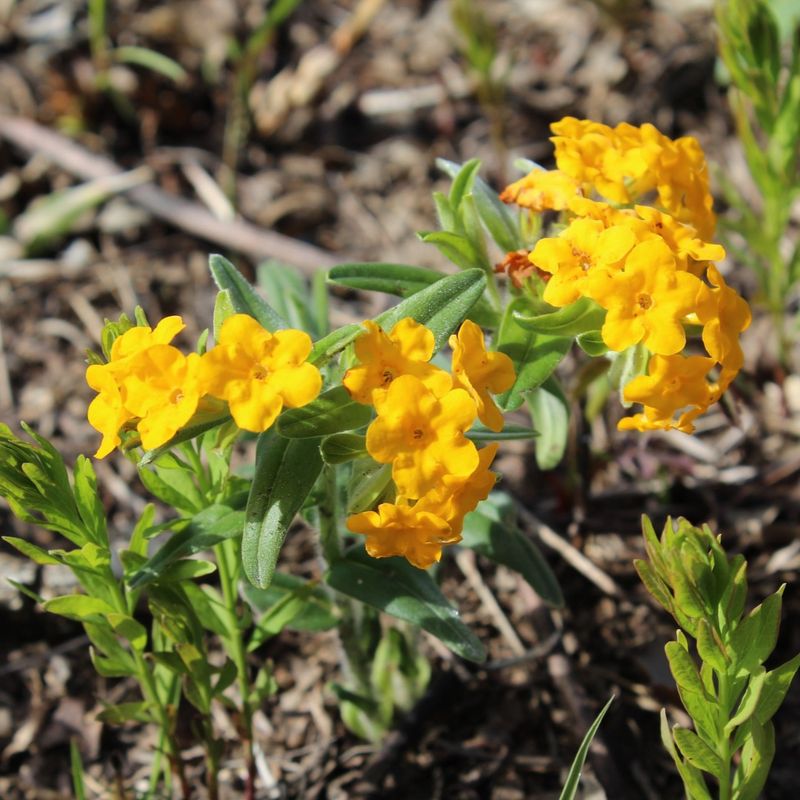
Bright yellow-orange blooms emerge in late spring, making hoary puccoon a cheerful addition to dry, sandy gardens where few other plants flourish.
Flowering from April to June, this native perennial grows eight to sixteen inches tall with soft, silvery-hairy foliage that feels velvety.
The vibrant flowers attract native bees and other early-season pollinators desperately seeking nectar after long winters without abundant food sources.
Hoary puccoon thrives in full sun with well-drained, sandy, or gravelly soils, mimicking the dry prairies where it naturally occurs.
Once established, this plant is extremely drought-tolerant, surviving hot, dry conditions without supplemental watering or fertilization throughout the growing season.
The silvery foliage provides textural contrast against darker-leaved plants, adding visual interest even after the blooming period ends each year.
This plant is perfect for rock gardens, xeriscapes, or native prairie restorations where low-maintenance, water-wise plants are essential priorities.
Hoary puccoon spreads slowly through rhizomes, forming attractive colonies over time without aggressive tendencies that overwhelm neighboring plants or spaces.
Deer typically avoid this plant, making it a reliable choice for rural gardens where browsing pressure is high and frustrating.
11. Wild Geranium
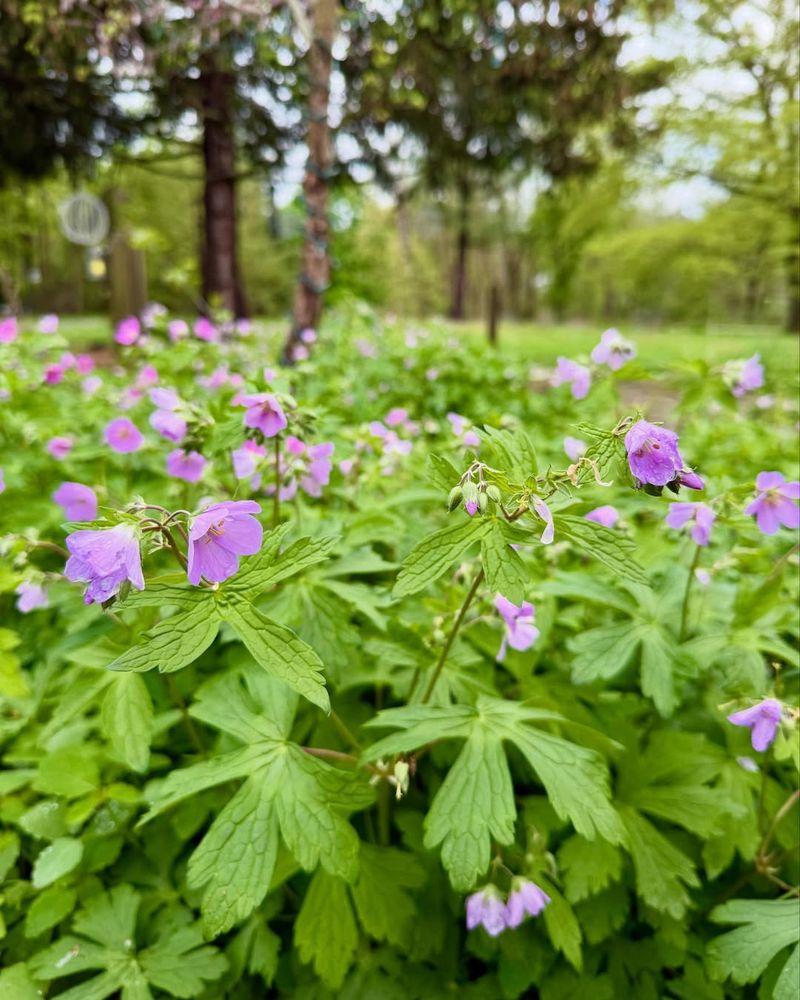
Soft pink-purple flowers with delicate petals make wild geranium a woodland favorite, blooming from April to June in shaded garden settings.
Growing one to two feet tall, this native perennial forms attractive mounds of deeply lobed foliage that remains ornamental throughout summer.
Bees and butterflies appreciate the nectar-rich blooms, visiting frequently during the peak flowering period when woodland gardens come alive with activity.
Wild geranium thrives in partial to full shade with moist, well-drained soil rich in organic matter like forest floors naturally provide.
The plant tolerates a range of light conditions, adapting reasonably well to sunnier spots if soil moisture remains consistent and adequate.
After blooming, the seed capsules develop an interesting beak-like shape, eventually splitting open to catapult seeds several feet away dramatically.
The foliage often develops attractive reddish tints in fall, adding seasonal interest beyond the spring flowering display that initially captures attention.
Wild geranium is long-lived and low-maintenance, requiring little attention once established in suitable woodland or shade garden locations.
This native beauty naturalizes gradually, creating larger colonies that enhance shaded areas with soft color and texture year after year reliably.