12 Easy Vegetables You Can Grow During Cold Weather In California
Cold weather doesn’t slow California gardens the way many people expect.
In fact, cooler months create prime conditions for growing vegetables that struggle in summer heat.
Crisp air, steady moisture, and fewer pests allow certain crops to develop better flavor, stronger texture, and longer harvest windows.
From coastal regions to inland valleys, winter gardens stay productive with the right plant choices.
Many of these vegetables handle light frost with ease and continue growing when temperatures dip.
Planting during the colder season also keeps garden beds active year-round and reduces the rush that comes with spring planting.
These easy vegetables thrive in California’s cool-weather conditions, offering fresh harvests, dependable growth, and a rewarding way to keep gardening through winter.
1. Kale
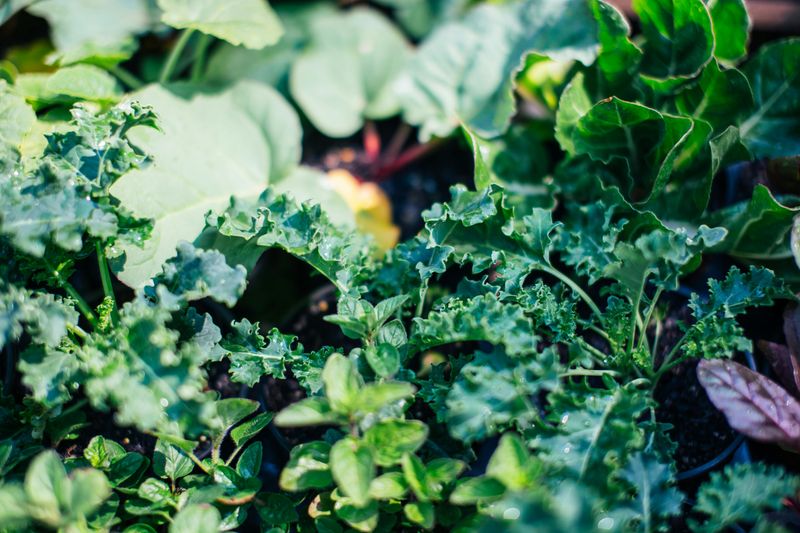
Kale has become incredibly popular in recent years, and California winters provide the perfect conditions for growing this nutritious leafy green vegetable.
Cold temperatures actually improve the flavor of kale by making the leaves sweeter and less bitter than they would taste during summer.
You can start planting kale seeds or transplants in late summer or early fall for a winter harvest throughout California.
This hardy vegetable tolerates light frosts beautifully and continues producing leaves even when temperatures drop below freezing at night in some areas.
Kale grows well in containers or garden beds, making it accessible for gardeners with limited space or those living in apartments.
Harvest outer leaves regularly to encourage new growth, and your kale plants will keep producing for several months during the season.
Rich in vitamins A, C, and K, kale provides exceptional nutritional value while requiring minimal care and attention from busy gardeners.
California gardeners particularly appreciate how kale resists most common pests during the cooler months when insect activity naturally decreases significantly statewide.
2. Lettuce
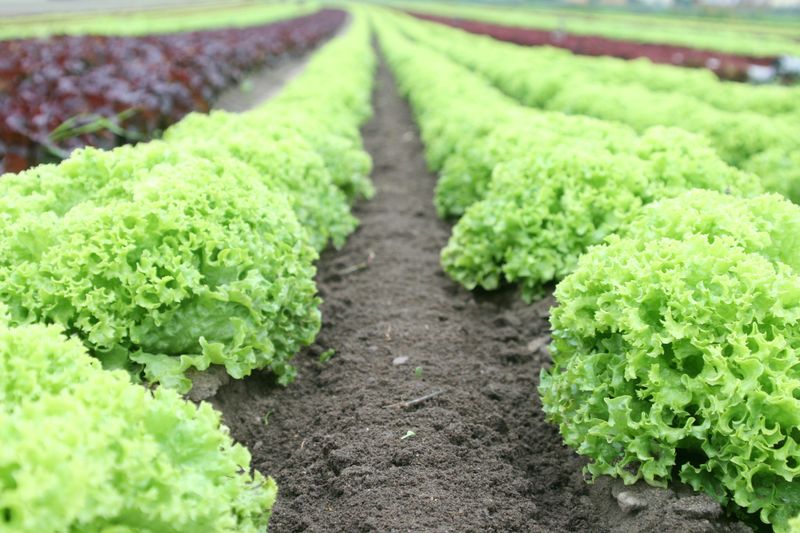
Few vegetables offer the satisfaction of harvesting crisp, fresh lettuce leaves directly from your garden to your salad bowl minutes later.
Lettuce absolutely loves California’s mild winter temperatures and will bolt or turn bitter quickly if you try growing it during summer.
Gardeners can choose from numerous lettuce varieties including butterhead, romaine, loose-leaf, and crisphead types for different textures and flavor profiles.
Plant lettuce seeds every two weeks throughout fall and winter to ensure a continuous harvest of tender leaves for your table.
Most lettuce varieties mature quickly, often ready for harvesting within thirty to forty-five days after planting seeds in the ground.
Provide lettuce with consistent moisture and partial shade during warmer winter days to prevent premature bolting in Southern California regions.
Loose-leaf varieties allow you to harvest individual outer leaves while the plant continues growing, extending your harvest period considerably longer.
Growing lettuce in California winters means avoiding common summer problems like aphids, slugs, and heat stress that plague warm-season plantings.
3. Broccoli
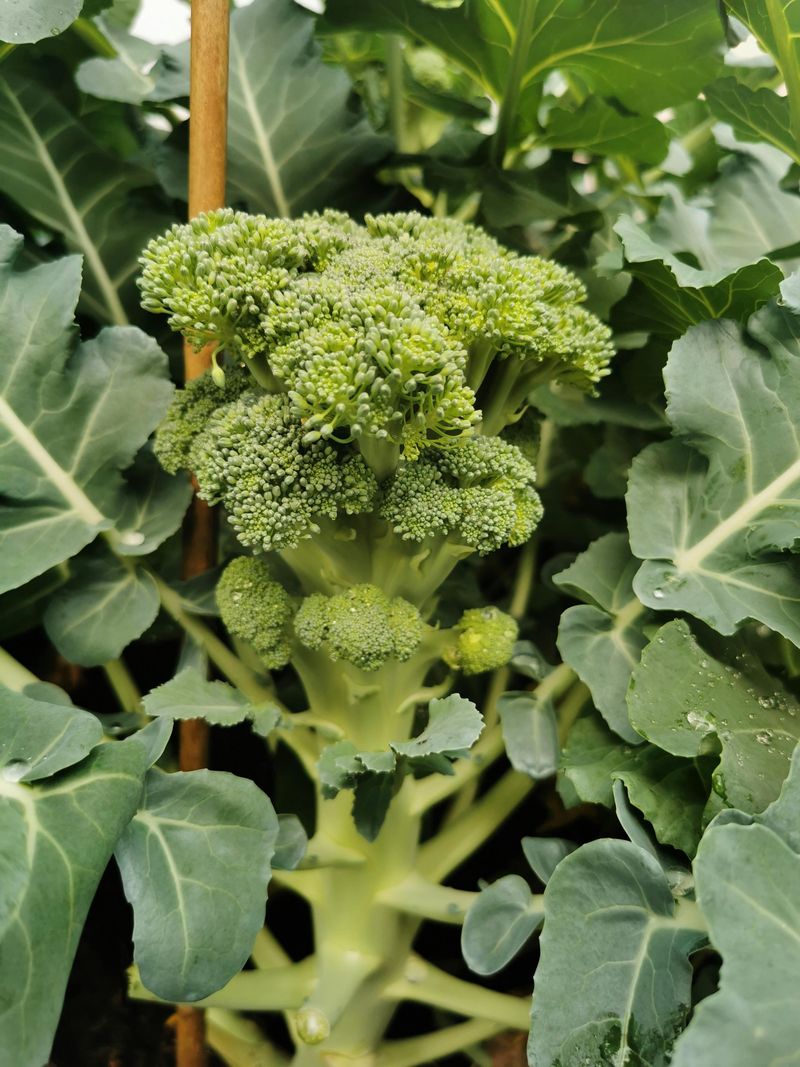
Broccoli ranks among the most rewarding vegetables for California winter gardens because it produces abundant harvests in cool weather conditions.
This nutritious vegetable develops the best flavor and texture when temperatures remain cool, making California winters ideal for successful broccoli cultivation.
Your California Garden Changes Every Week. Your Plan Should Too.
Gardening in California changes quickly throughout the season. Every Friday you’ll receive a simple weekly plan showing exactly what to plant, prune, fertilize, harvest, and protect so you never miss the right timing.
Start broccoli from transplants rather than seeds if you want faster results, though both methods work well in California climates.
Space broccoli plants about eighteen inches apart in rich, well-draining soil amended with compost to support their substantial nutrient requirements.
The main crown develops first on each plant, and after harvesting it, smaller side shoots will continue producing for weeks afterward.
Broccoli takes approximately sixty to ninety days to reach harvest size, so plan your planting schedule accordingly for continuous winter production.
Watch for cabbage worms during warmer periods, though these pests cause less damage during California winters than in other growing seasons.
California gardeners appreciate how broccoli tolerates light frosts while continuing to develop tight, flavorful heads perfect for steaming or roasting.
4. Carrots
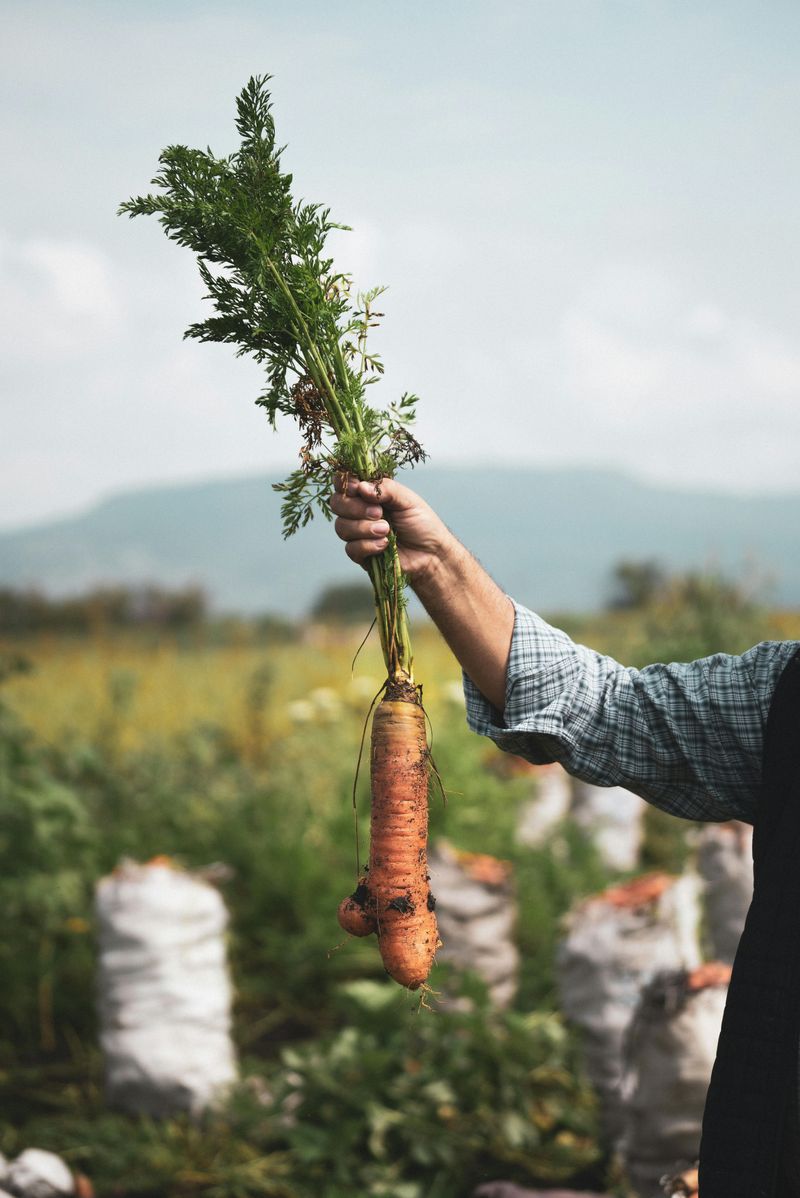
Carrots develop exceptional sweetness when grown during California’s cooler months, as cold temperatures trigger natural sugar production within the roots.
Direct sow carrot seeds into loose, well-prepared soil free of rocks and clumps that might cause roots to fork or become misshapen.
Patience proves essential when growing carrots because seeds germinate slowly, often taking two to three weeks to sprout from the ground.
Keep soil consistently moist during germination, as drying out can prevent seeds from sprouting or cause uneven germination across your rows.
Thin carrot seedlings to about two inches apart once they reach a few inches tall to give roots adequate space for development.
Carrots tolerate light frosts exceptionally well, and some gardeners claim frost actually improves their flavor by increasing natural sugar content noticeably.
Harvest carrots when they reach your desired size, though leaving them in the ground longer during winter allows for sweeter flavor development.
California winters provide ideal conditions for growing carrots without the root maggots and excessive heat that plague warm-season plantings elsewhere.
5. Spinach
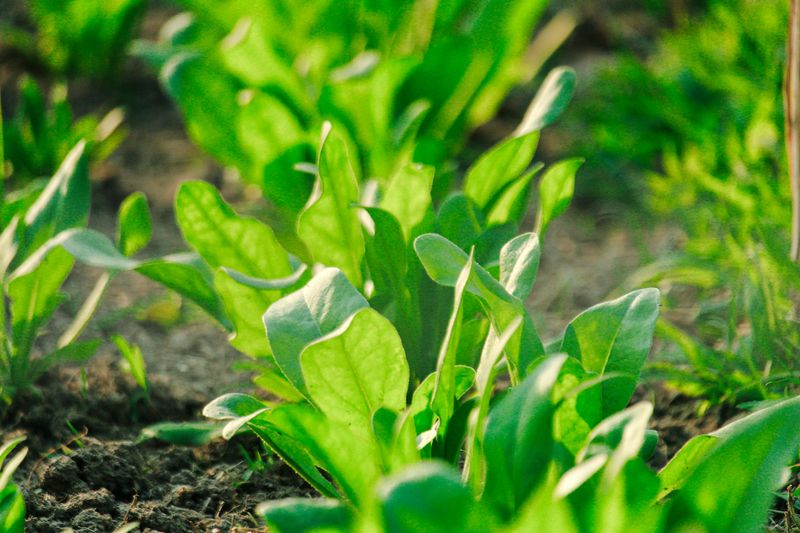
Spinach absolutely thrives in California winters, producing tender, flavorful leaves that taste infinitely better than anything you can purchase in stores.
Cold weather brings out the best in spinach, preventing the rapid bolting that makes this vegetable nearly impossible to grow successfully.
Plant spinach seeds directly in the garden bed or broadcast them across a prepared area for a dense carpet of greens.
Germination occurs quickly in cool soil, and within a few weeks, you will have baby spinach leaves ready for salads.
Spinach grows rapidly during California winters, often reaching full size within forty to fifty days after planting seeds in the ground.
Harvest entire plants or pick individual outer leaves, allowing the center to continue producing new growth for extended harvests over time.
This vegetable packs tremendous nutritional value with iron, vitamins, and antioxidants while requiring minimal space and care from home gardeners.
California gardeners love how spinach tolerates frost and continues growing vigorously even when other vegetables slow down during particularly cold periods.
6. Peas
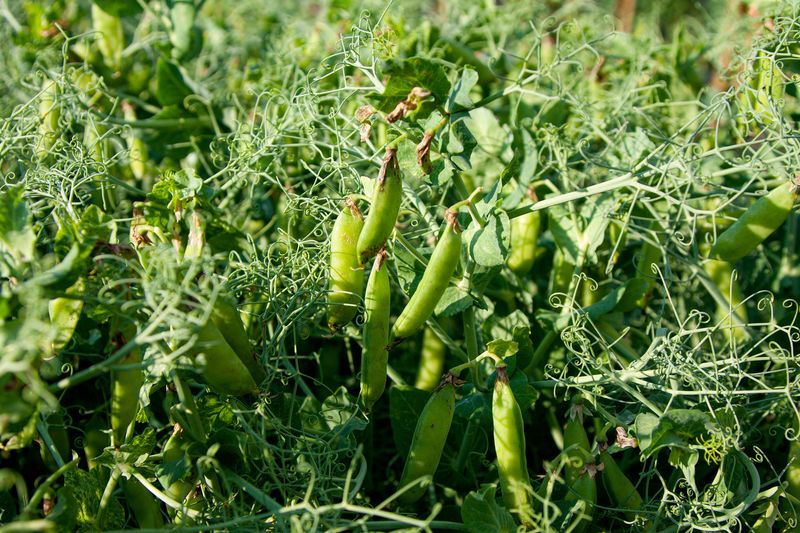
Garden peas bring a touch of springtime sweetness to California winter gardens, with both snap peas and shelling peas performing beautifully.
Cool soil temperatures encourage strong root development in peas, while warm weather causes plants to stop producing and decline rapidly.
Plant pea seeds directly in the garden during fall or winter, as transplanting disturbs their delicate root systems too much.
Provide peas with a trellis or support structure because most varieties climb and produce better when growing vertically rather than sprawling.
Peas fix nitrogen in the soil through their root systems, actually improving soil quality for vegetables you plant in that location later.
Harvest snap peas when pods are plump but before they become tough, and pick shelling peas when pods feel full inside.
Regular harvesting encourages pea plants to produce more flowers and pods, extending your harvest period throughout the cool season significantly.
California winters provide ideal conditions for peas, with moderate temperatures and occasional rain creating perfect growing conditions without excessive heat stress.
7. Cauliflower
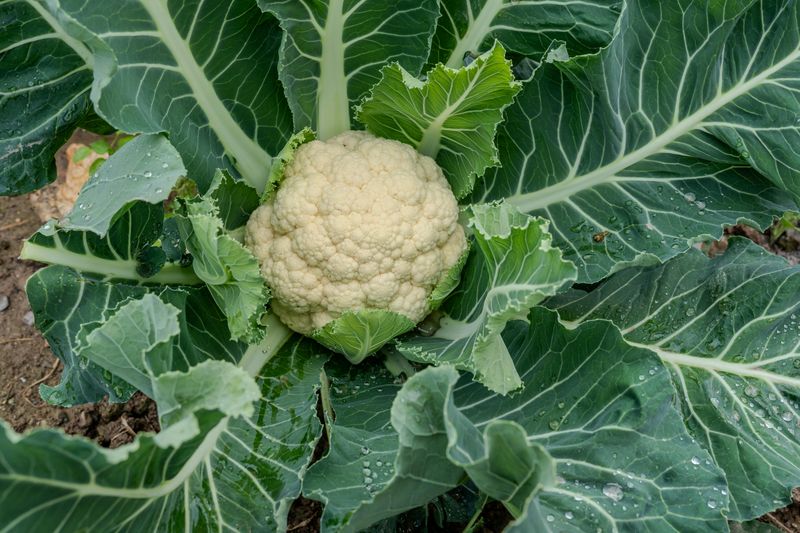
Cauliflower demands cool weather to develop properly, making California winters absolutely perfect for growing this sometimes-finicky vegetable successfully at home.
Similar to broccoli, cauliflower prefers starting from transplants rather than seeds, giving you a head start on the growing season literally.
Space cauliflower plants about twenty-four inches apart in nutrient-rich soil, as they require substantial nutrients and space for proper head development.
Some cauliflower varieties require blanching, where you tie outer leaves over the developing head to keep it white and tender.
Modern self-blanching varieties eliminate this extra step, making cauliflower cultivation easier for busy gardeners with limited time for maintenance tasks.
Cauliflower takes approximately sixty to eighty-five days to mature, depending on the variety and specific growing conditions in your location.
Harvest cauliflower heads when they reach full size but before the curds begin separating or developing a rough, grainy texture.
California gardeners appreciate how cauliflower produces reliably during winter months, creating beautiful white heads perfect for roasting, steaming, or eating raw.
8. Radishes
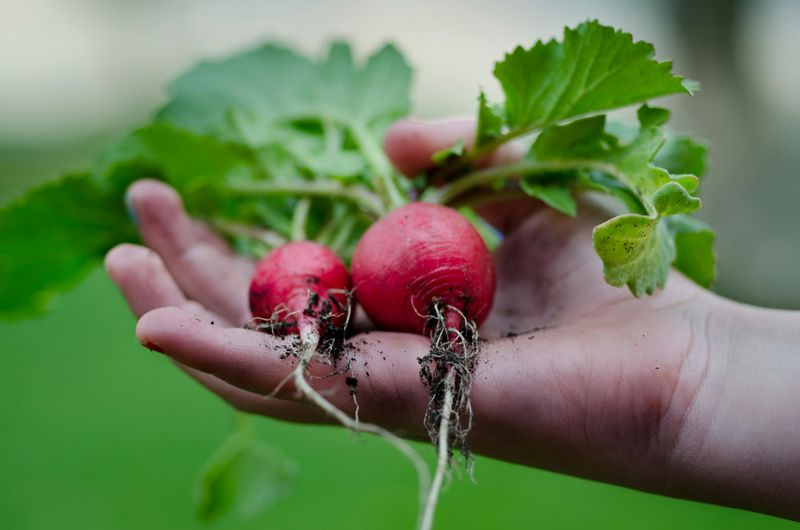
Radishes earn their reputation as one of the fastest-growing vegetables, often ready for harvest just three to four weeks after planting.
Cold weather produces the crispest, mildest radishes, while warm temperatures make them woody, pithy, and unpleasantly hot to taste unfortunately.
Sow radish seeds directly in the garden, spacing them about an inch apart in rows or broadcasting across a prepared bed.
Radishes require consistent moisture to develop properly, as irregular watering causes them to crack or become excessively hot and bitter tasting.
These quick-maturing vegetables make excellent companions for slower-growing crops, marking rows and utilizing space efficiently before other vegetables need it.
Harvest radishes promptly when they reach full size, as leaving them in the ground too long causes them to deteriorate rapidly.
Beyond the familiar red globe radishes, try colorful varieties like watermelon radishes, French breakfast types, or long white daikon radishes.
California winters allow gardeners to succession plant radishes every two weeks, ensuring a continuous supply of crisp roots throughout the season.
9. Cabbage
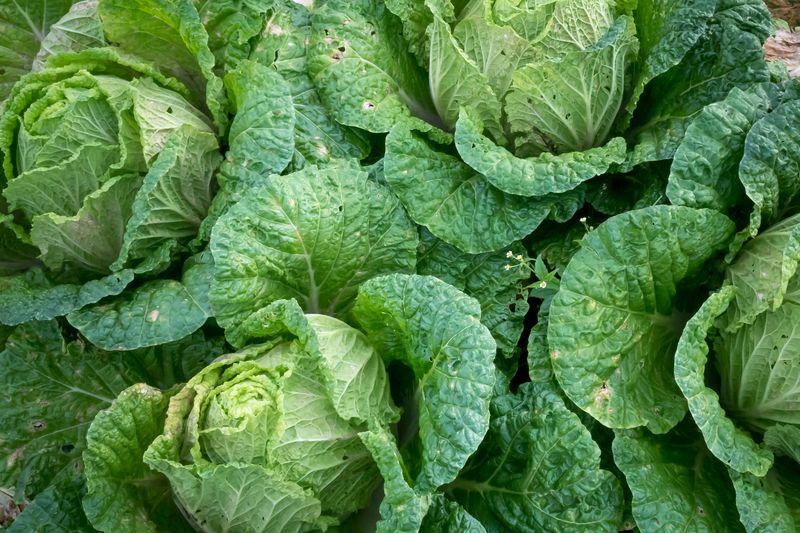
Cabbage develops the tightest heads and sweetest flavor when grown during California’s cool winter months rather than in summer heat.
Start cabbage from transplants in late summer or early fall, giving plants time to establish before producing their characteristic dense heads.
Space cabbage plants about eighteen to twenty-four inches apart, as they grow quite large and need room for proper head formation.
Cabbage requires consistent watering and feeding throughout the growing season to support the development of large, firm heads worth harvesting later.
Early varieties mature in approximately sixty days, while larger storage types may take ninety days or more to reach full size.
Watch for cabbage worms and aphids during warmer periods, though these pests cause significantly less damage during California’s cooler winter months.
Harvest cabbage when heads feel firm and solid, cutting at the base and leaving roots in the ground for possible secondary growth.
California gardeners value cabbage for its cold tolerance, storage ability, and versatility in cooking from coleslaw to stir-fries and fermented sauerkraut.
10. Swiss Chard
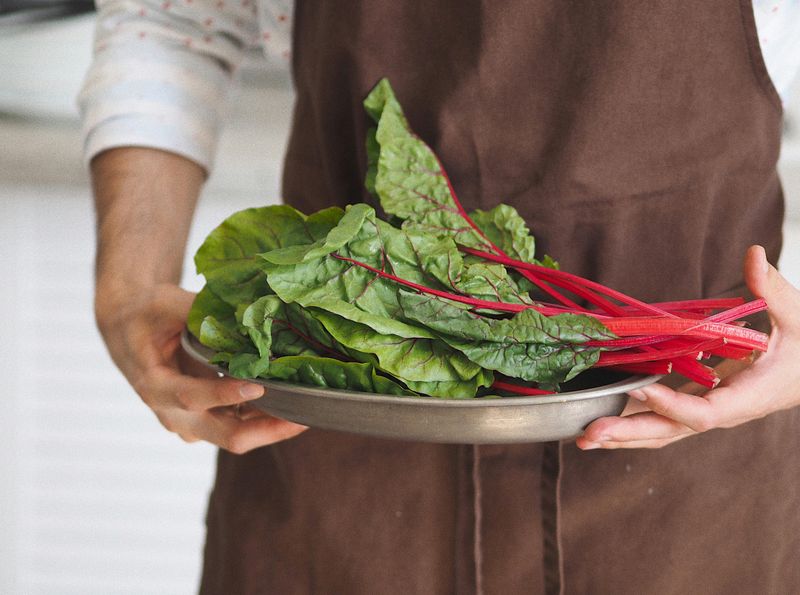
Swiss chard offers both beauty and nutrition, with colorful stems in red, yellow, orange, and white creating an ornamental edible landscape.
This leafy green thrives in California winters, producing abundantly even when temperatures drop and other vegetables slow their growth considerably.
Plant chard seeds directly in the garden or start with transplants, though seeds germinate readily and establish quickly in cool soil.
Chard tolerates a wide range of conditions, making it an excellent choice for beginning gardeners who want reliable results without fuss.
Harvest outer leaves regularly while leaving the center growing point intact, and your chard plants will produce for months continuously.
Both leaves and stems are edible, with stems requiring slightly longer cooking times than the tender, spinach-like leaves above them.
Chard rarely suffers from pest problems during California winters, growing vigorously with minimal care or intervention from gardeners throughout the season.
California winters provide ideal conditions for chard, which appreciates cool temperatures and occasional rain without the intense heat that stresses plants.
11. Beets
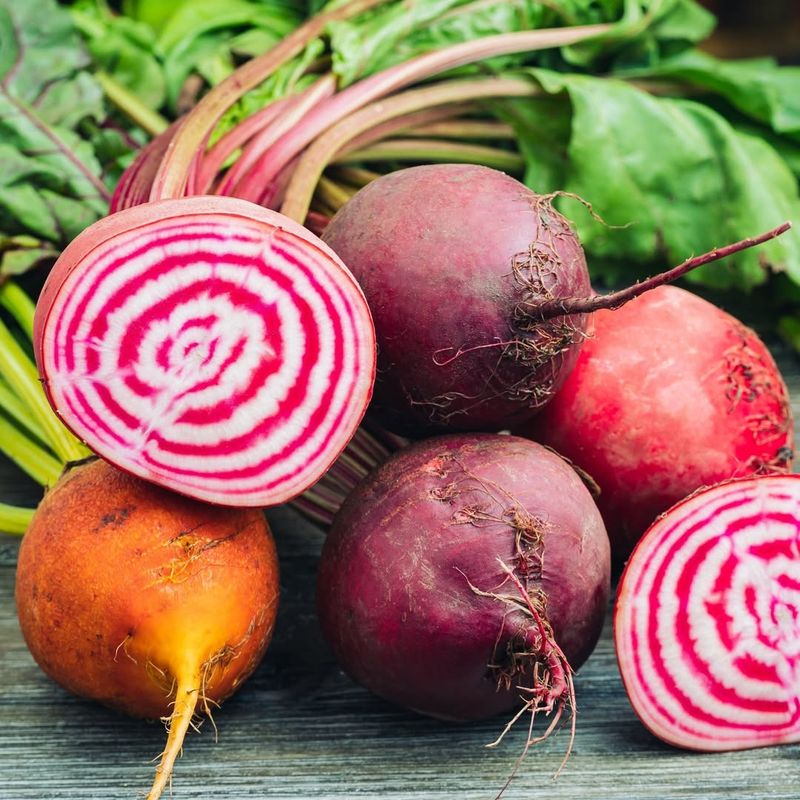
Beets provide a double harvest with both nutritious roots and tasty greens, making them an efficient choice for California winter gardens.
Cool weather produces the sweetest, most tender beets, while warm temperatures cause them to become woody and develop unpleasant strong flavors.
Sow beet seeds directly in the garden, remembering that each seed is actually a cluster that produces multiple seedlings requiring thinning.
Thin beet seedlings to about three inches apart, and use the thinned baby plants as delicious salad greens rather than wasting them.
Beets mature in approximately fifty to seventy days, depending on variety and whether you prefer harvesting them small or fully grown.
Besides traditional red beets, try golden or striped varieties that offer different colors and flavors while avoiding the staining red beets cause.
Harvest beet greens throughout the growing season by picking outer leaves, though taking too many will reduce root development below ground.
California winters allow beets to develop slowly and steadily, producing sweet roots perfect for roasting, pickling, or enjoying fresh in salads.
12. Arugula
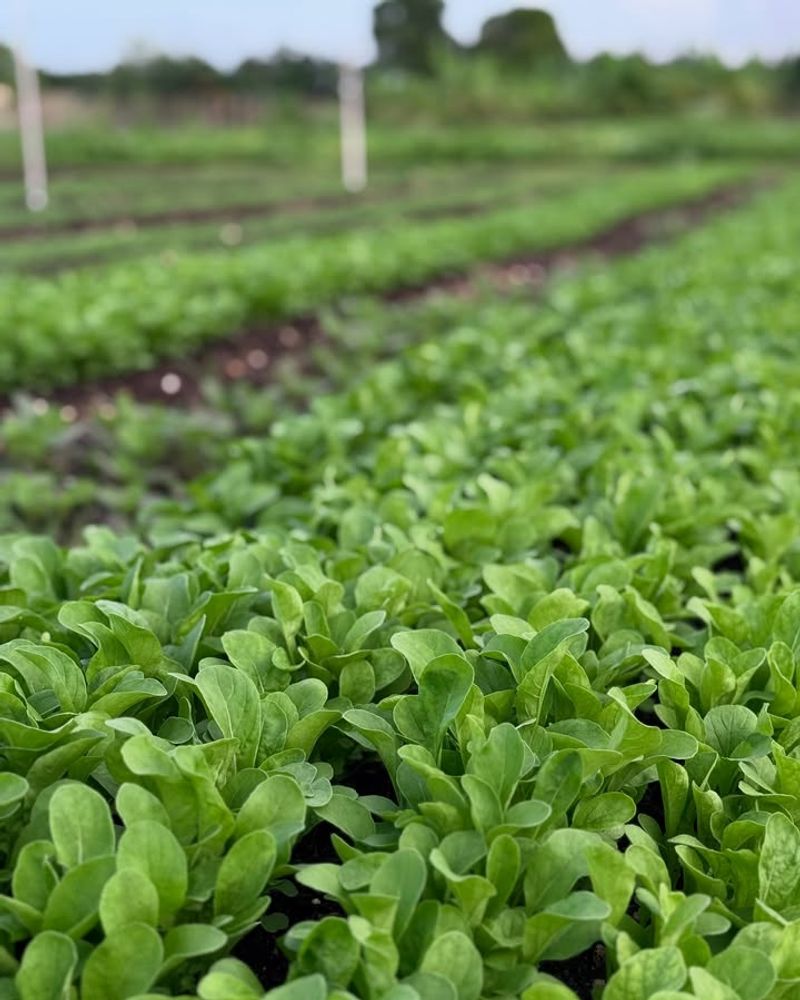
Arugula brings a peppery, sophisticated flavor to salads and sandwiches, growing quickly and easily in California’s mild winter weather conditions.
This fast-growing green matures in just three to four weeks, making it perfect for impatient gardeners who want quick results.
Broadcast arugula seeds across a prepared bed or plant in rows, as the seeds germinate readily in cool soil without fuss.
Cool temperatures produce mild, tender arugula leaves, while warm weather causes rapid bolting and intensely spicy, almost bitter flavor development.
Harvest arugula by cutting entire plants at soil level or picking individual leaves, allowing the plants to regrow for additional harvests.
Succession plant arugula every two weeks throughout winter to ensure a continuous supply of fresh, peppery greens for your kitchen.
Arugula flowers are edible too, adding a decorative and flavorful garnish to salads when plants eventually bolt in spring warmth.
California gardeners appreciate how arugula grows vigorously during winter with virtually no pest problems, producing abundantly in minimal space effortlessly.