8 Ways To Tell Your Soil Is Ready For Spring Planting In North Carolina
As winter fades in North Carolina, gardeners start watching the soil as closely as the weather forecast.
Planting too early can stunt growth, while waiting too long shortens the season.
The ground gives clear signals when it’s ready, long before seed packets come out, and texture, temperature, moisture, and even the way soil smells all play a role in timing.
Local conditions matter, since coastal areas warm faster than the Piedmont or mountains.
Paying attention now helps prevent compacted beds, poor germination, and wasted effort later.
A few simple checks can reveal when the soil has shifted from winter rest to spring readiness.
These signs help North Carolina gardeners plant with confidence and set the stage for stronger, healthier growth all season long.
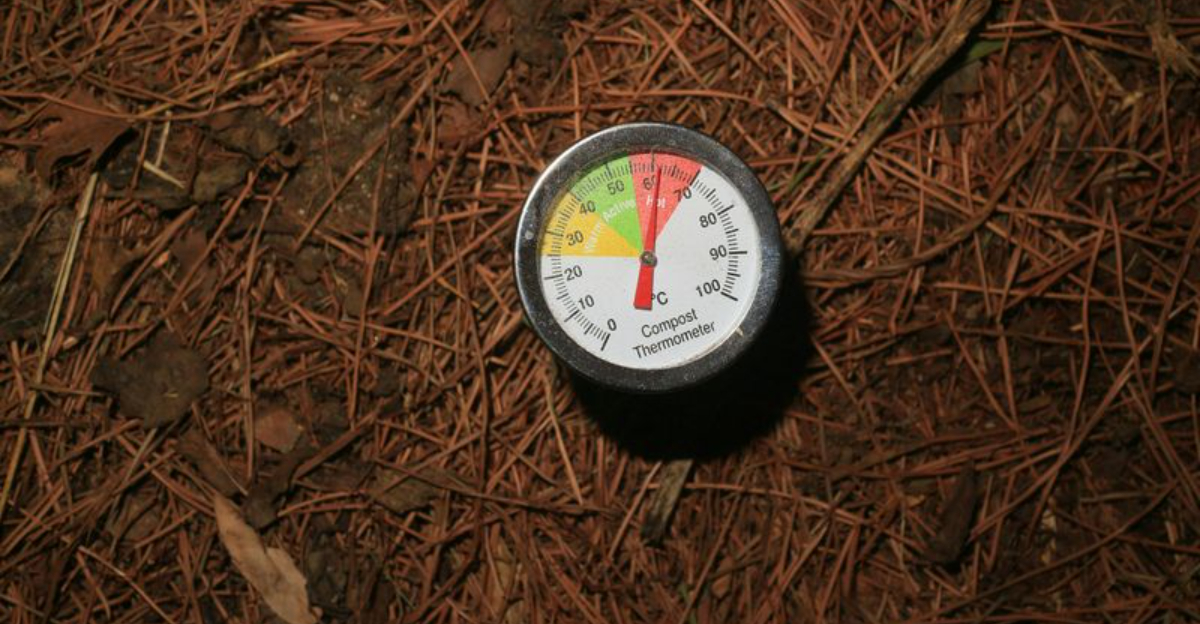
1. Check The Soil Temperature With A Thermometer
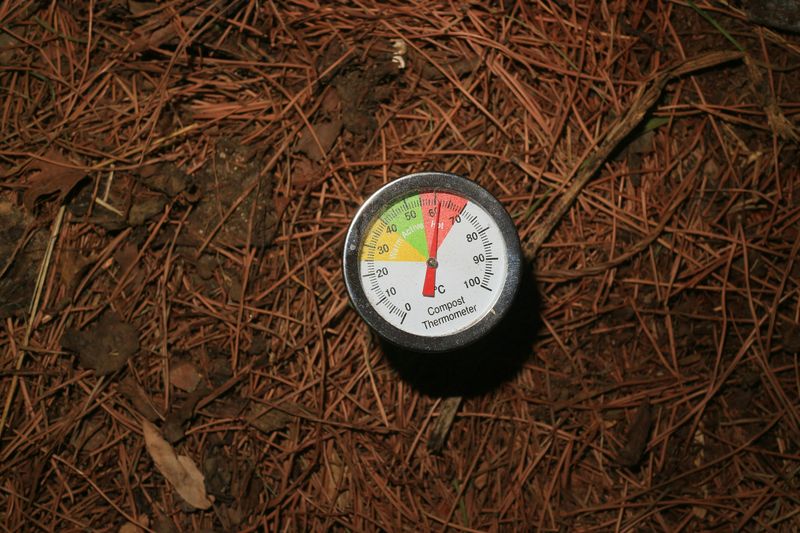
Soil temperature matters more than air temperature when deciding if your garden is ready for seeds and young plants to go outside.
Most vegetables need soil that stays above fifty degrees Fahrenheit consistently before they can grow strong roots and healthy leaves without stress.
A simple soil thermometer costs just a few dollars at any garden center and gives you accurate readings in minutes each morning.
Push the thermometer about four inches deep into your garden bed and wait three minutes to get the most reliable temperature measurement.
Cold-hardy crops like lettuce and peas tolerate cooler dirt around forty-five degrees, while tomatoes and peppers need warmer conditions above sixty degrees.
North Carolina gardeners should test their soil temperature for several days in a row to make sure it stays warm enough consistently.
Early morning readings give you the coldest temperature your plants will experience, helping you avoid planting when conditions might harm tender seedlings.
Recording daily temperatures in a notebook helps you track warming trends and plan your planting schedule with confidence throughout the changing spring season.
2. Perform The Classic Squeeze Test
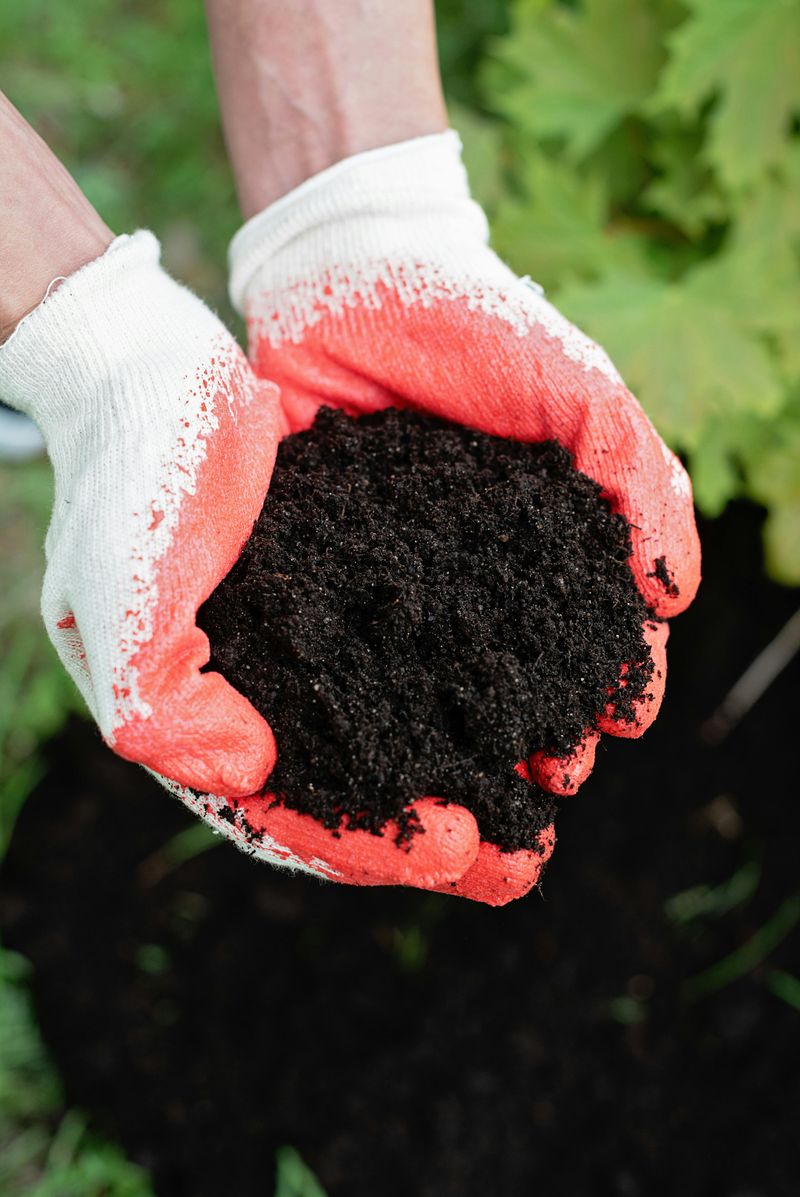
Grabbing a handful of dirt and squeezing it tight tells you instantly whether moisture levels are right for working and planting your garden.
Soil that forms a tight muddy ball when squeezed contains too much water and needs more drying time before you disturb it.
Perfect soil crumbles apart easily after you open your hand, with just enough moisture to hold together briefly before breaking into loose pieces.
Working wet dirt destroys its structure by compacting air pockets that roots need for oxygen, creating hard clumps that last for years.
Bone-dry soil falls through your fingers like dust and needs watering before planting because seeds cannot germinate without adequate moisture surrounding them.
Try the squeeze test in different spots around your garden since some areas dry out faster than others depending on sunlight and drainage.
North Carolina spring rains can make timing tricky, so wait a few sunny days after heavy storms before testing your soil again.
This simple method costs nothing and gives you immediate feedback about whether your garden bed is ready for seed sowing or transplanting activities.
Your North Carolina Garden Changes Every Week. Your Plan Should Too.
Gardening in North Carolina changes quickly throughout the season. Every Friday you’ll receive a simple weekly plan showing exactly what to plant, prune, fertilize, harvest, and protect so you never miss the right timing.
3. Look For Earthworms Near The Surface
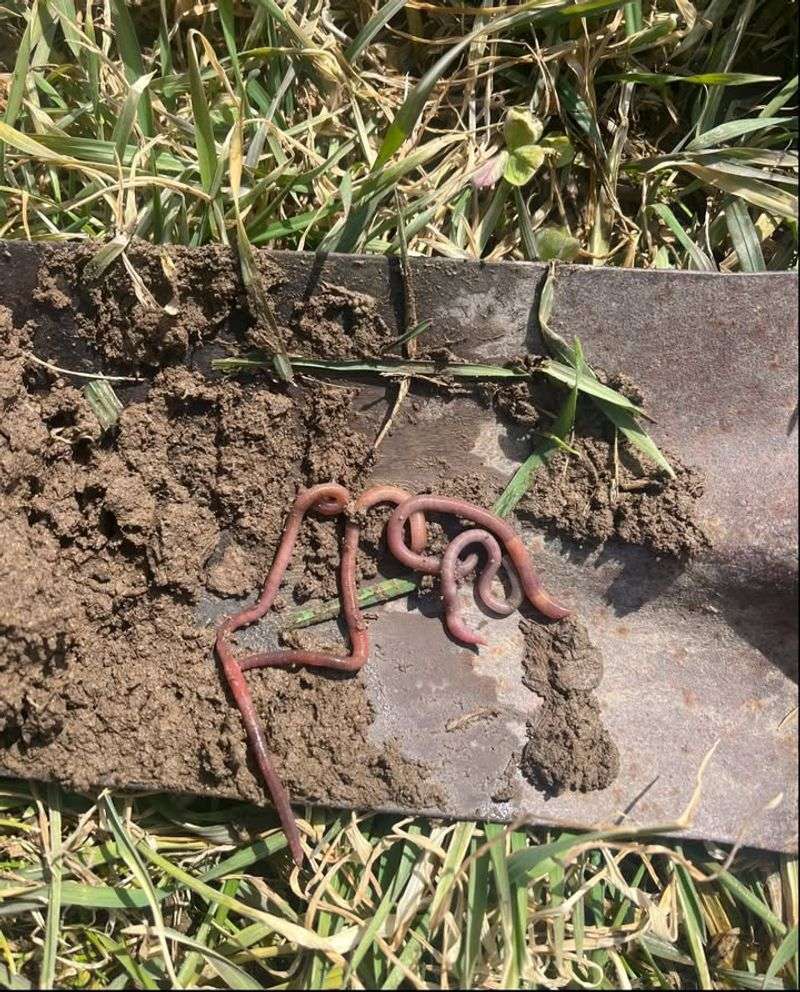
Earthworms work as nature’s underground farmers, tunneling through dirt and creating channels that improve drainage while adding valuable nutrients from their castings.
Spotting these wiggly helpers near the surface when you turn over soil indicates your garden has warmed up enough for biological activity.
Worms stay deep underground during cold weather and only come up when temperatures rise to comfortable levels for their sensitive bodies.
Their presence signals that beneficial microorganisms are also becoming active, which helps break down organic matter into food your plants can absorb.
Healthy North Carolina soil typically contains several earthworms in every shovelful, though sandy coastal areas might have fewer than Piedmont clay regions.
Finding no worms at all might mean your dirt lacks organic matter or has been treated with chemicals that harmed these helpful creatures.
Adding compost each season encourages earthworm populations to grow, improving your soil structure and fertility naturally over time without expensive fertilizers.
Watching for earthworm activity gives you a living indicator that your garden ecosystem has awakened and is ready to support new plants.
4. Test If The Soil Crumbles When Tilled
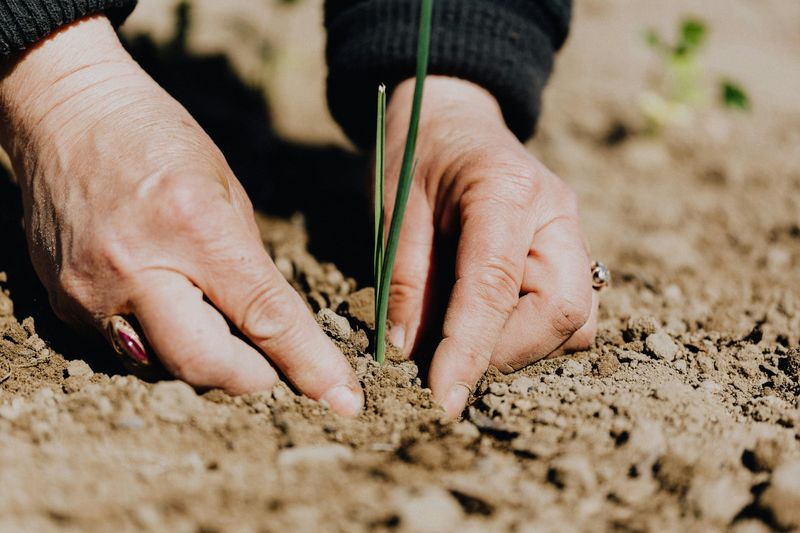
Running a shovel or tiller through your garden bed reveals whether the dirt has the right consistency for roots to penetrate easily.
Ready soil breaks apart into small crumbs rather than forming sticky clumps or hard chunks that resist your digging tools and equipment.
This crumbly texture creates the perfect balance between water retention and drainage that most vegetables need to thrive throughout the growing season.
Soil that sticks to your shovel in heavy clumps still contains too much moisture and will compact badly if you continue working it.
Waiting another week allows excess water to evaporate naturally, giving you much better results when you finally prepare your planting beds properly.
Rocky or hard-packed dirt that resists breaking apart needs amendment with compost or aged manure to improve its structure before planting begins.
North Carolina gardeners often deal with heavy clay that requires patience and organic matter additions to transform into productive growing space over time.
Testing several spots across your garden helps identify problem areas that need extra attention before you commit to planting your entire spring crop.
5. Observe Early Weeds Starting To Sprout
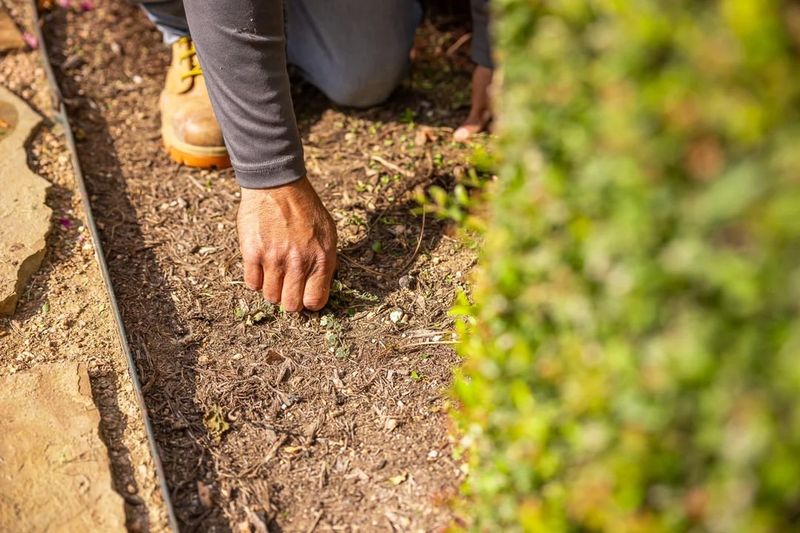
Weeds act as pioneer plants that germinate when conditions become favorable, giving you a free indicator that your soil has reached planting temperature.
Chickweed, henbit, and other common North Carolina weeds pop up quickly once the ground warms enough to trigger their dormant seeds.
If weeds are growing vigorously in your garden, your vegetable seeds will likely germinate successfully too since they need similar temperature conditions.
This natural sign costs nothing to observe and works especially well for gardeners who prefer not to purchase thermometers or testing equipment.
Different weeds emerge at different temperatures, so learning which ones appear first helps you time plantings for various crops throughout spring.
Early cool-season weeds suggest your soil is ready for lettuce, spinach, and peas, while later warm-season weeds indicate tomato and pepper planting time.
Removing weeds before they grow large prevents competition with your vegetables while also loosening and aerating the soil through your cultivation efforts.
Paying attention to weed patterns year after year builds your understanding of local soil warming trends better than any calendar date.
6. Check The Soil Drains Water Properly
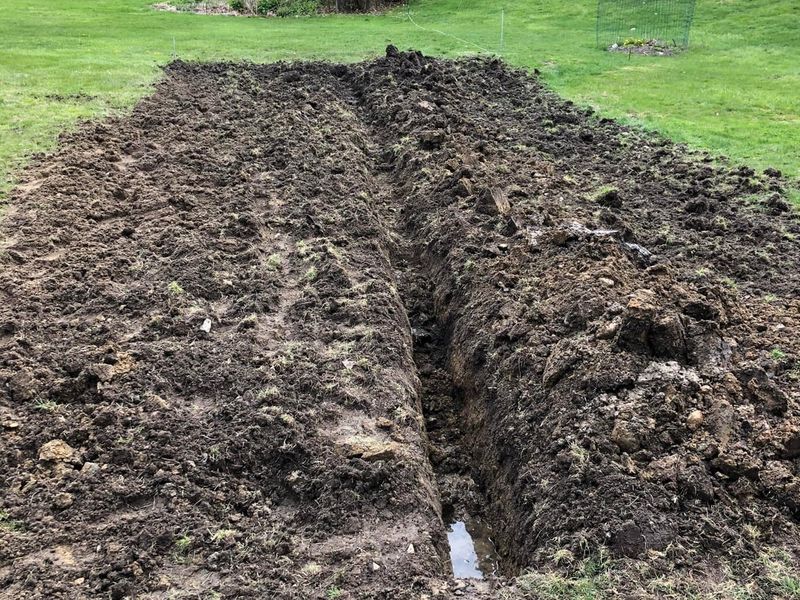
Good drainage prevents roots from drowning in waterlogged conditions that suffocate plants and encourage harmful fungal diseases throughout the growing season.
Digging a hole about twelve inches deep and filling it with water shows you how quickly your soil absorbs moisture during rainy periods.
Soil that drains the water within an hour has excellent drainage suitable for most vegetables, herbs, and flowers you might want to grow.
Water that sits in the hole for several hours indicates poor drainage that needs correction through raised beds or organic matter additions.
North Carolina’s clay-heavy Piedmont region often struggles with drainage issues, while sandy coastal soils drain almost too quickly and need moisture retention help.
Adding compost improves both extremes by helping clay drain better and helping sand hold water longer, creating ideal conditions for plant roots.
Testing drainage in early spring before planting lets you address problems with amendments or bed construction before you commit seeds to the ground.
Plants sitting in soggy soil develop weak roots and yellowing leaves, so fixing drainage issues now prevents frustration and crop failure later.
7. Notice If The Ground Feels Warm Underfoot
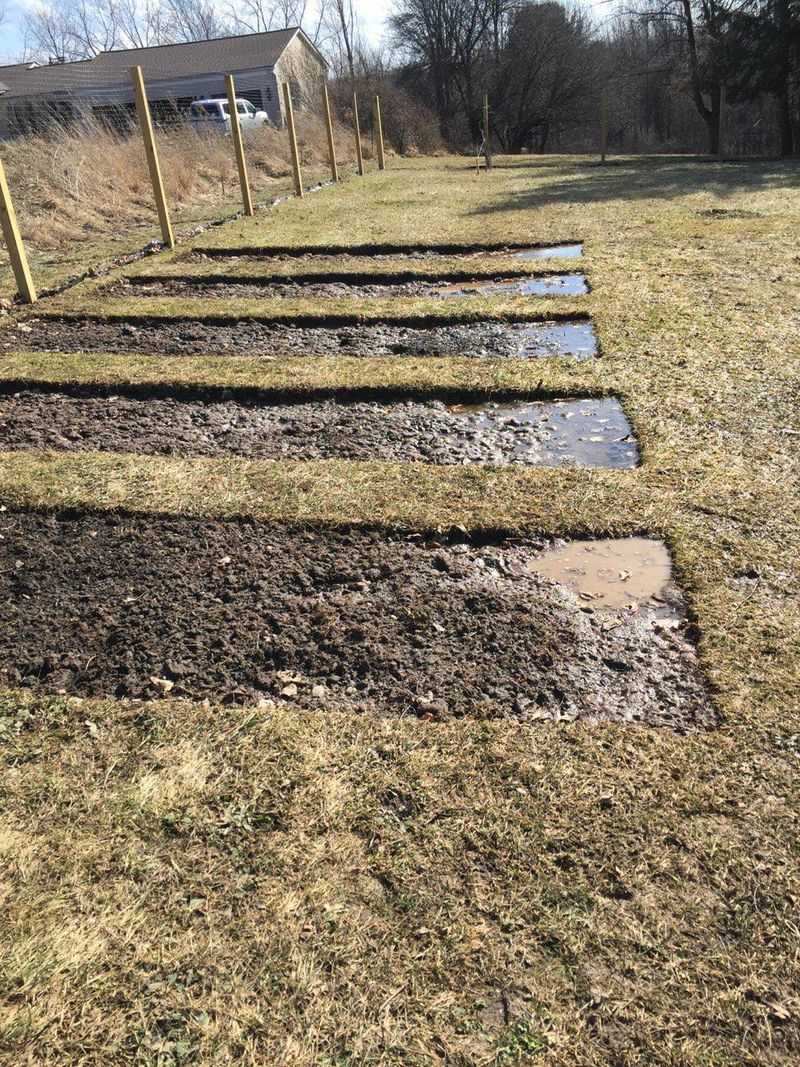
Your bare feet provide surprisingly accurate sensors for detecting whether the ground has absorbed enough sunshine to support seed germination and growth.
Soil that feels pleasantly warm when you walk across it barefoot has likely reached temperatures suitable for planting most common garden vegetables.
Cold dirt that makes your feet uncomfortable indicates the ground still holds winter chill and needs more sunny days before planting should begin.
This traditional method worked for generations of farmers who relied on their senses rather than modern instruments to guide their planting decisions.
Morning soil temperatures drop lower than afternoon readings, so testing at different times helps you understand the daily temperature range your plants will experience.
North Carolina’s variable spring weather can warm soil quickly, then cool it again with late cold fronts that sweep through unexpectedly in March.
Combining this simple foot test with other indicators gives you confidence that conditions truly favor successful germination and early plant growth this season.
Walking your garden regularly also helps you notice other readiness signs like weed emergence, earthworm activity, and changing soil moisture levels simultaneously.
8. Watch For Consistent Warm Weather Patterns
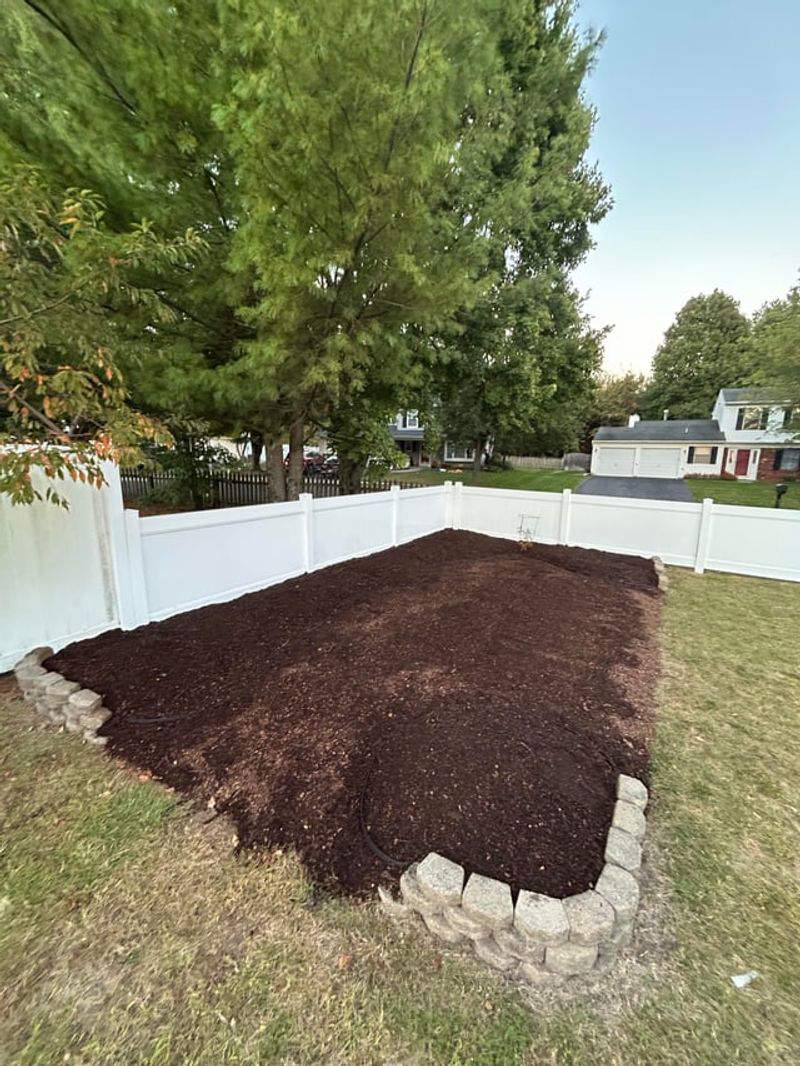
Soil needs several consecutive warm days to heat up properly because dirt holds temperature much longer than air does after weather changes arrive.
One warm afternoon followed by cold nights keeps the ground too chilly for seeds to sprout, even though the air temperature feels pleasant.
Tracking local weather forecasts helps you identify stretches of mild conditions without frost threats that allow soil to warm up steadily and safely.
North Carolina typically experiences its last spring frost between mid-March in coastal areas and mid-April in mountain regions, guiding your planting timeline.
Nighttime temperatures staying above forty degrees consistently indicate the soil has absorbed enough warmth to maintain good conditions for young plant roots.
Jumping the gun during a brief warm spell often results in poor germination when cold weather returns and chills the soil again suddenly.
Patience pays off by ensuring your seeds and transplants encounter stable growing conditions that encourage strong establishment rather than cold-induced stress and stunting.
Experienced North Carolina gardeners know that waiting an extra week often produces better results than rushing to plant during the first nice weekend.