10 Early Spring Flowers That Show Up Before You Expect Them In Georgia
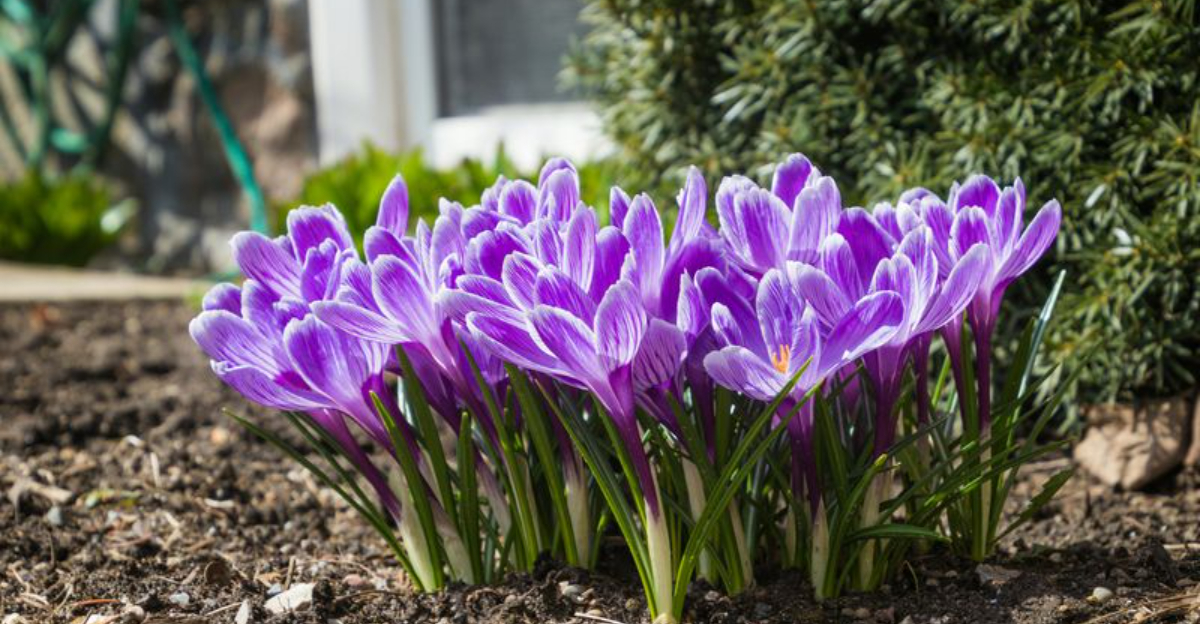
Spring in Georgia often announces itself quietly, long before the calendar catches up.
While mornings still feel cool and winter coats stay within reach, flashes of color begin popping up in gardens, lawns, and woodland edges.
These early bloomers thrive on unpredictable weather, taking advantage of brief warm spells and lengthening daylight.
Their arrival feels almost surprising, especially after weeks of bare branches and muted landscapes.
Some push through chilly soil, others bloom while frost still lingers, offering an early reminder that the season is changing.
Spotting these flowers can shift the mood overnight, bringing optimism and energy back to outdoor spaces.
These early spring blooms are the ones Georgia gardeners notice first, often appearing weeks ahead of expectations.
1. Snowdrops
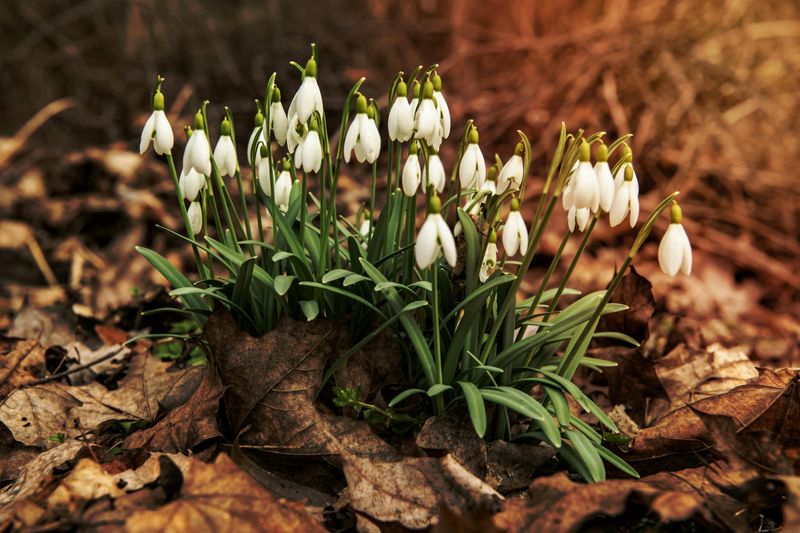
Snowdrops earn their name by appearing when winter still grips Georgia, sometimes poking through actual snow with their delicate white bells nodding gently.
Galanthus nivalis grows just four to six inches tall but packs impressive cold tolerance that lets them bloom as early as late January here.
Plant bulbs in fall about three inches deep in spots with partial shade and good drainage for best results each year.
These tiny flowers multiply naturally over time, creating larger clumps that spread across your garden beds without any extra work needed.
Their white petals with green markings look fragile but survive freezing temperatures that would damage many other plants trying to bloom this early.
Snowdrops finish flowering before most trees leaf out, making them perfect under deciduous trees where summer shade becomes too dense later.
Squirrels and deer usually ignore these bulbs, which means less frustration compared to tulips that disappear before they ever bloom in spring.
Georgia gardeners love how snowdrops signal that warmer days are coming soon, even when February feels endlessly cold and gray outside.
2. Winter Aconite
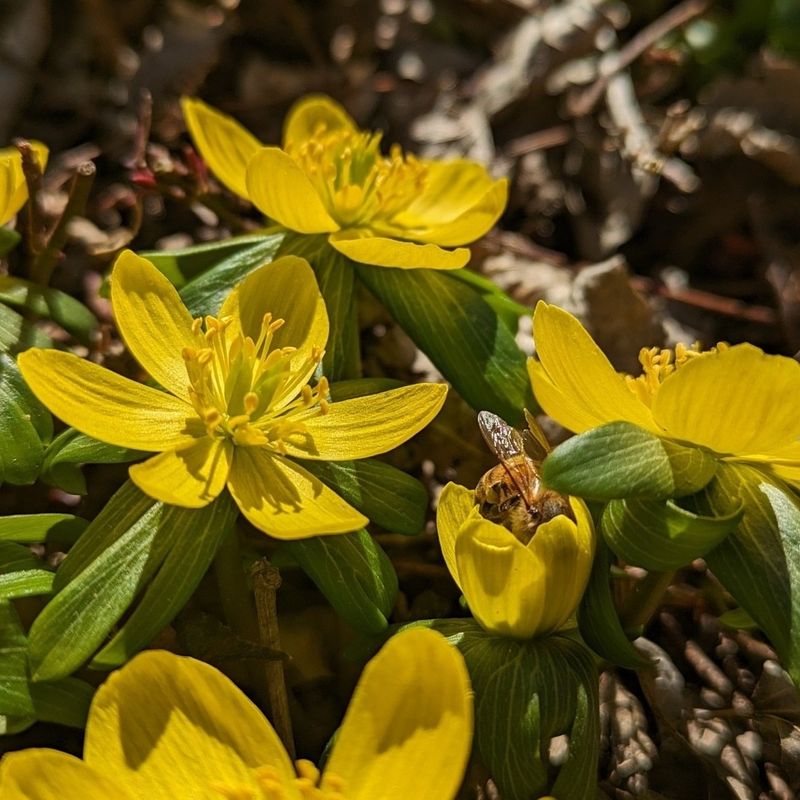
Bright yellow blooms appear almost magically when winter aconite decides conditions are right, often surprising gardeners who forgot they planted these cheerful gems.
Eranthis hyemalis produces buttercup-like flowers surrounded by a ruff of green leaves that look like tiny collars supporting each golden bloom.
These low-growing plants reach only three to four inches tall but create stunning golden carpets when planted in groups under trees or shrubs.
Winter aconite bulbs need planting in early fall, and soaking them overnight before planting helps improve their sometimes-tricky establishment rate here.
Once settled in Georgia soil, they naturalize beautifully and return year after year with increasing numbers that brighten late winter landscapes dramatically.
Their blooming period often overlaps with snowdrops, creating a lovely combination of white and yellow that looks especially pretty together in gardens.
These flowers prefer spots with moisture during their growing season but tolerate drier conditions after their foliage fades away completely in spring.
Chipmunks and other wildlife generally leave winter aconite alone, making them reliable performers that actually show up when you want them to bloom.
3. Crocus
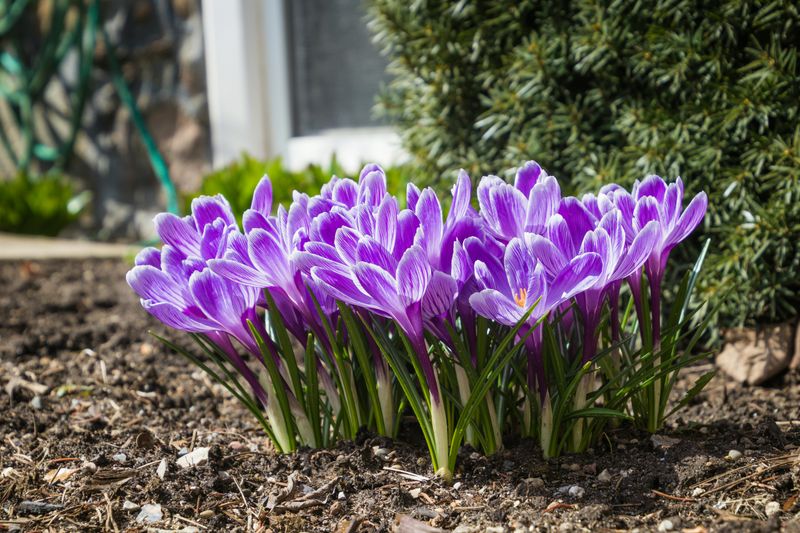
Cup-shaped crocus flowers pop up through lawns and garden beds in February, often catching homeowners by surprise with their vibrant purples, yellows, and whites.
Your Georgia Garden Changes Every Week. Your Plan Should Too.
Gardening in Georgia changes quickly throughout the season. Every Friday you’ll receive a simple weekly plan showing exactly what to plant, prune, fertilize, harvest, and protect so you never miss the right timing.
These hardy bulbs laugh at cold snaps that send temperatures plunging, simply closing their petals at night and reopening when sunshine returns again.
Crocus species and hybrids range from two to four inches tall, making them perfect for naturalizing in grass or planting along walkways everywhere.
Bees absolutely adore crocus blooms because they provide crucial early nectar when few other food sources exist for hungry pollinators waking up.
Plant corms about three inches deep in fall where they’ll receive full sun to partial shade for optimal flowering each spring season.
These flowers multiply readily through offsets and self-seeding, gradually creating larger drifts that look more natural and impressive with each passing year here.
Their grassy foliage appears with or slightly before flowers, then withers away quickly after blooming finishes in early to mid-spring completely.
Georgia’s mild winters suit crocuses perfectly, allowing them to bloom reliably without the extended cold period that some northern bulbs absolutely require.
4. Daffodils
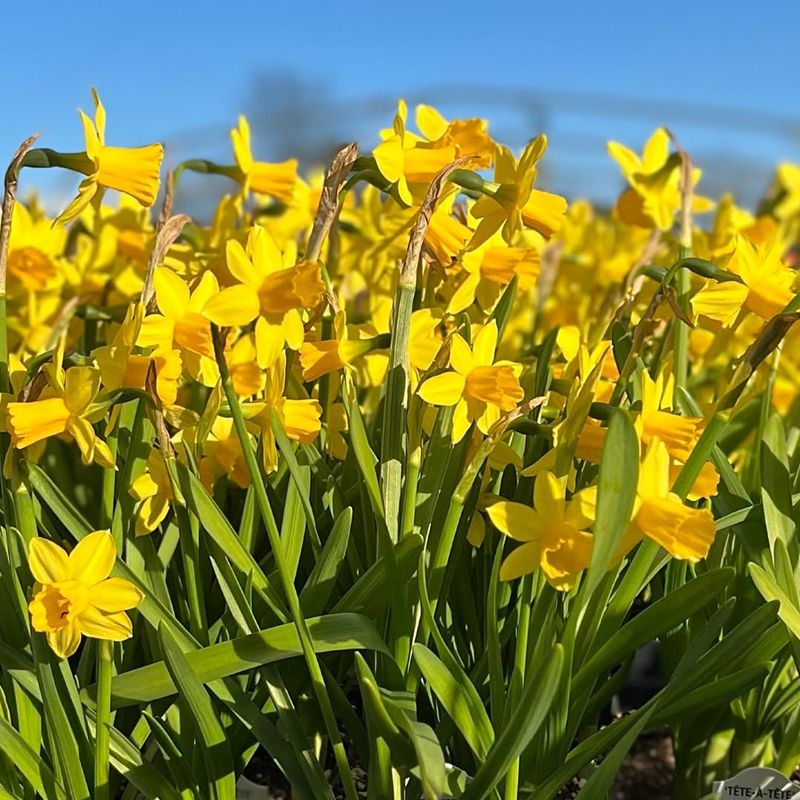
Nothing announces spring’s arrival quite like daffodils dancing in Georgia breezes, their cheerful trumpets nodding above strappy green leaves throughout neighborhoods everywhere.
Narcissus varieties bloom from late February through April depending on type, with early cultivars often surprising people who expect them much later.
These reliable bulbs return year after year without fuss, increasing in number and creating spectacular shows that improve rather than diminish over time.
Deer, rabbits, and other pests avoid daffodils completely because their bulbs and foliage contain toxic compounds that taste terrible to wildlife.
Plant bulbs in fall about six inches deep in spots with good drainage and at least partial sun for best flowering results annually.
Daffodils work beautifully in formal beds, naturalized in lawns, or scattered through woodland gardens where they brighten shady spots before trees leaf.
Allow foliage to yellow naturally after blooming finishes before cutting it back, giving bulbs time to store energy for next year’s display.
Georgia’s climate suits hundreds of daffodil varieties, from tiny species types to large-cupped hybrids that look stunning in vases indoors too.
5. Hellebores
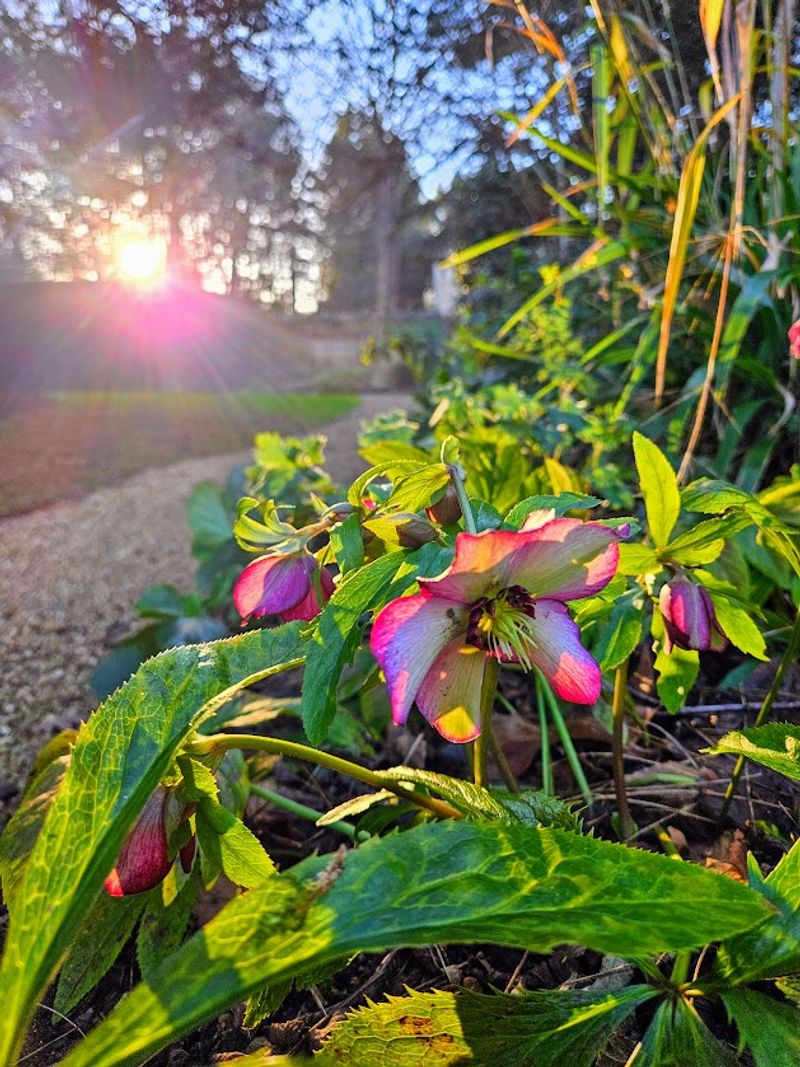
Hellebores bloom when most perennials still sleep, producing elegant flowers that nod gracefully above evergreen foliage from January through March across Georgia landscapes.
Their bowl-shaped blooms come in shades ranging from pure white to deep purple, with many spotted or picotee patterns adding extra interest.
These tough perennials tolerate deep shade better than almost any other flowering plant, making them perfect for challenging spots under evergreen trees.
Helleborus species grow twelve to eighteen inches tall and wide, forming substantial clumps that look good even when not actively blooming here.
Deer and rabbits avoid hellebores because their leaves contain toxic compounds, solving a major problem for gardeners battling persistent wildlife damage everywhere.
Plant them in fall or early spring in rich, well-drained soil amended with compost for best growth and flowering performance annually.
Their leathery leaves remain attractive year-round, providing structure and color even during summer when many shade plants look tired and worn.
Hellebores self-seed readily in favorable conditions, creating new plants with interesting color variations that add diversity to your garden over time naturally.
6. Forsythia
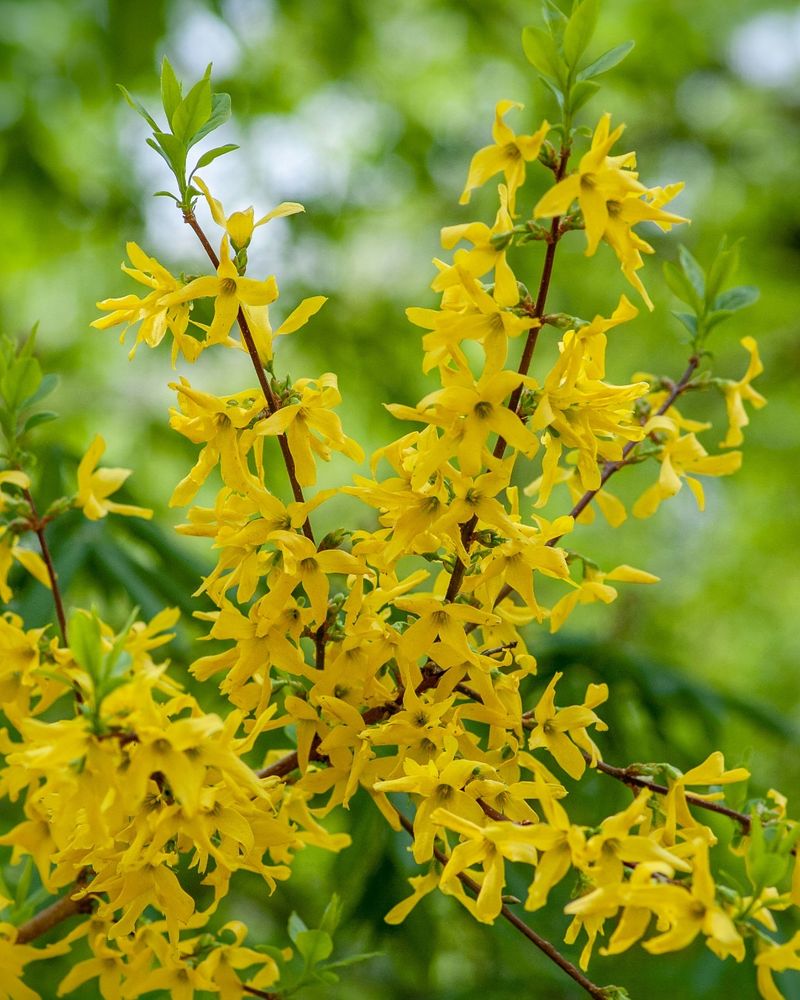
Forsythia explodes with golden yellow blooms that cover every inch of its arching branches, creating a spectacular show that stops traffic along Georgia roads.
This deciduous shrub blooms on bare wood before leaves appear, usually starting in late February and continuing through March depending on weather patterns.
Mature plants reach eight to ten feet tall and equally wide, making them substantial landscape features that work as specimens or informal hedges.
Forsythia tolerates a wide range of soil conditions and grows vigorously once established, requiring minimal care beyond occasional pruning after flowering.
Prune immediately after blooms fade if needed, because next year’s flower buds form on new growth during summer and fall months ahead.
These shrubs grow quickly from cuttings stuck in the ground during dormant season, making them easy to propagate and share with neighbors.
Their bright color provides crucial visual relief after months of winter browns and grays, lifting spirits when gardens desperately need cheerfulness everywhere.
Forsythia branches cut in late winter and brought indoors will bloom early, giving you a preview of spring before it arrives outside.
7. Camellia Japonica
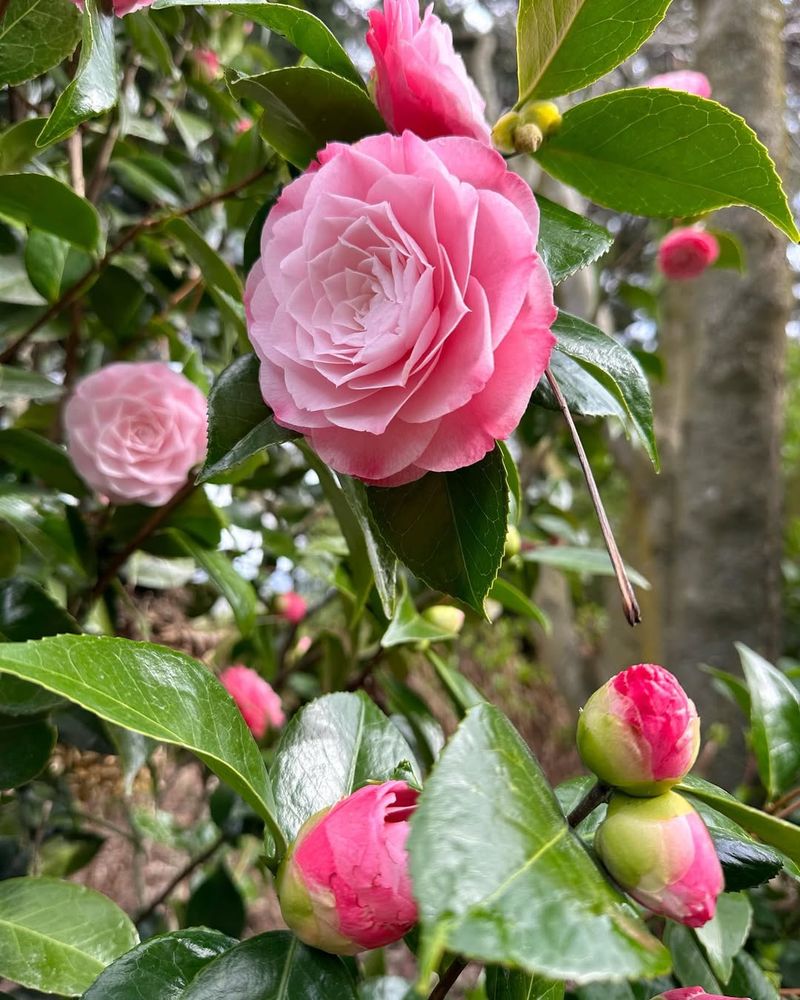
Camellia japonica produces show-stopping blooms from January through March, with flowers resembling perfect roses in shades of pink, red, white, and bicolors.
These evergreen shrubs grow slowly to six or twelve feet tall depending on variety, providing year-round structure and seasonal flowers in Georgia landscapes.
Their glossy dark green leaves look handsome even when plants aren’t blooming, making them valuable for foundation plantings and shade garden backbones.
Camellias prefer acidic soil rich in organic matter and partial shade protection from hot afternoon sun that can scorch leaves and buds.
Mulch plants well to keep roots cool and moist, because they develop shallow root systems that suffer when soil dries out completely.
Flower buds form during summer and fall, so avoid pruning after early spring or you’ll sacrifice next year’s blooms accidentally here.
Some varieties bloom so early that occasional hard freezes can damage open flowers, but plants themselves remain hardy and healthy throughout Georgia winters.
Their elegant blooms last well as cut flowers indoors, bringing sophistication and fragrance to arrangements when little else is available from gardens outside.
8. Flowering Quince
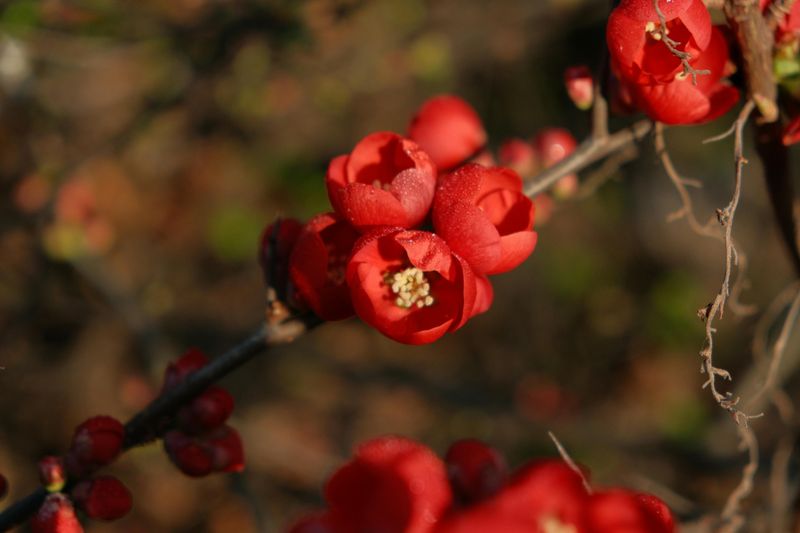
Flowering quince surprises everyone with its brilliant coral, red, pink, or white blooms that smother bare branches in late February and March here.
Chaenomeles speciosa grows as a dense, somewhat thorny shrub reaching six to ten feet tall, creating an impenetrable barrier if planted as hedges.
These tough shrubs tolerate poor soil, drought, and neglect better than many ornamentals, making them perfect for low-maintenance landscapes across Georgia regions.
Their early blooms attract the first bees and hummingbirds of spring, providing essential food when other nectar sources remain scarce everywhere.
Flowering quince produces small, fragrant fruits in fall that make excellent jellies and preserves, though they’re too tart and hard for eating.
Prune immediately after flowering finishes to shape plants and remove old wood, encouraging vigorous new growth that will bloom heavily next season.
These shrubs bloom reliably even after harsh winters, never disappointing gardeners who count on their early color to brighten dreary late-winter landscapes.
Their thorny nature makes them useful as security plantings under windows or along property lines where you want to discourage unwanted visitors naturally.
9. Star Magnolia
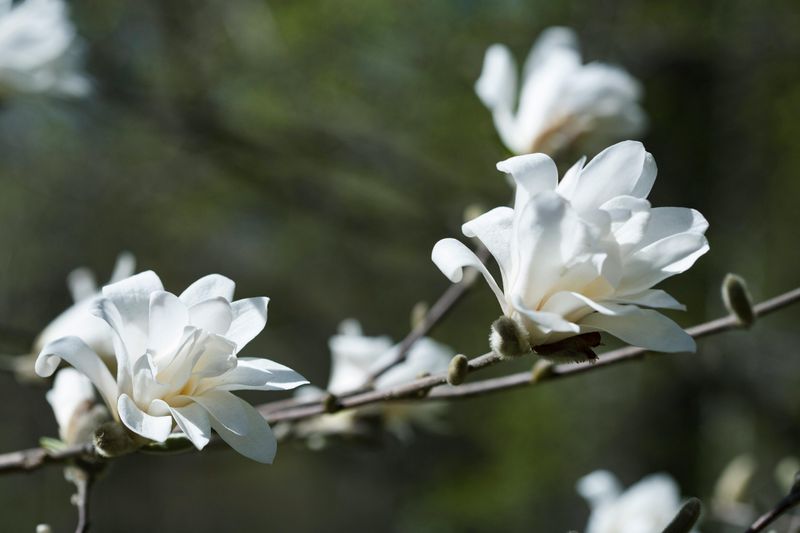
Star magnolia opens its fragrant, star-shaped flowers in late February or early March, creating a cloud of white or pink blooms before leaves appear.
Magnolia stellata grows as a small tree or large shrub reaching fifteen to twenty feet tall eventually, making it suitable for smaller Georgia yards.
Its multi-petaled flowers look delicate but tolerate light frosts better than the larger saucer magnolias that often bloom slightly later here.
Plant in locations protected from early morning sun during bloom time, because rapid thawing after freezing nights can damage open flowers significantly.
Star magnolias prefer slightly acidic, well-drained soil enriched with organic matter and consistent moisture throughout the growing season for best performance.
Their slow growth rate means they need minimal pruning, maintaining naturally attractive shapes that fit well in foundation plantings and mixed borders.
These trees bloom heavily even when young, unlike some magnolias that take years to produce their first flowers after planting in landscapes.
Their sweet fragrance carries on warm spring breezes, perfuming entire yards and welcoming visitors with a scent that signals winter’s end.
10. Virginia Bluebells
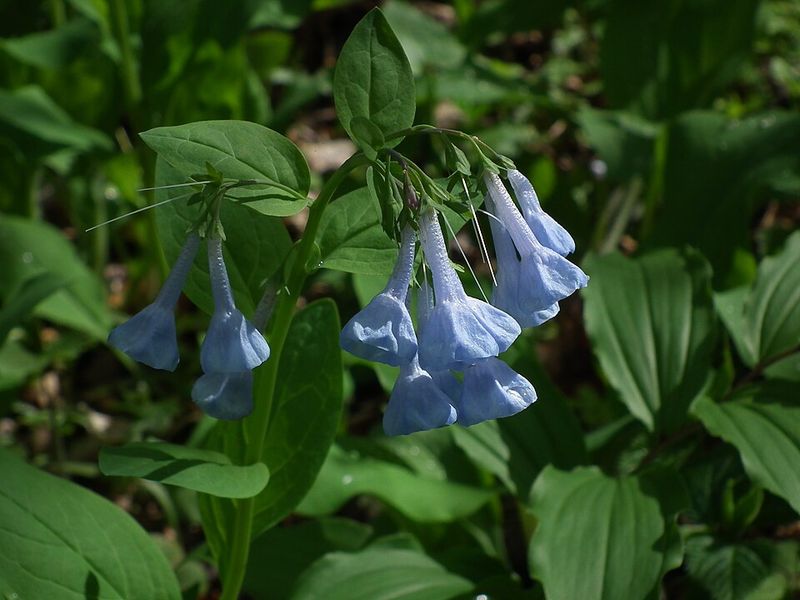
Virginia bluebells emerge just as winter loosens its grip in Georgia, bringing soft color to shaded gardens when little else has begun to grow.
Their nodding clusters of pink buds open into clear blue, trumpet-shaped flowers from late February through March, offering a gentle but unmistakable sign of spring.
Mertensia virginica grows twelve to eighteen inches tall and wide, forming graceful clumps that fit naturally into woodland gardens and shaded borders.
These native perennials thrive in partial to full shade and prefer moist, well-drained soil enriched with organic matter for consistent performance.
Early pollinators quickly find Virginia bluebells, relying on their nectar during a time when few other flowers are available.
Plant them in fall or early spring and allow them time to establish, as they are long-lived and return reliably year after year.
Their foliage stays attractive through spring before fading away neatly by early summer as the plant goes dormant.
Virginia bluebells handle cold snaps well and provide a calm, beautiful transition from winter into spring across Georgia landscapes.