6 Signs It Is Too Early To Begin Planting In Wisconsin
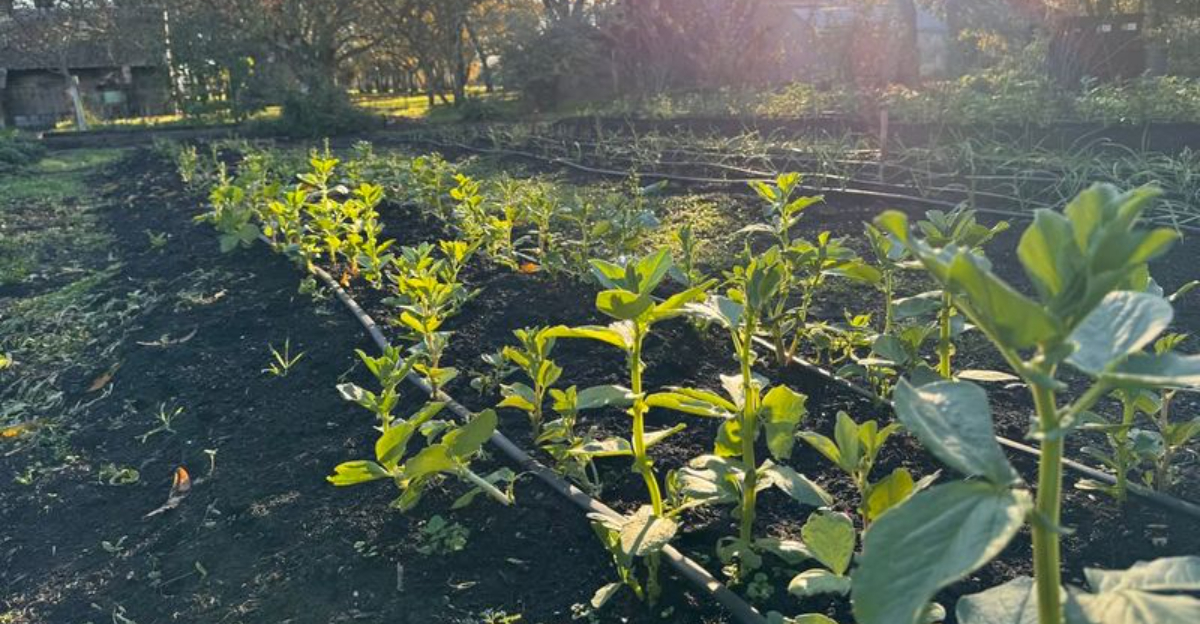
In Wisconsin, the first stretch of mild weather can feel like a green light to get planting.
After months of cold and snow, the soil finally softens, and garden fever kicks in fast.
Still, early warmth can be a wolf in sheep’s clothing.
Jumping in too soon often leads to disappointment when winter decides it is not done yet.
Wisconsin weather has a habit of changing its mind overnight.
A warm afternoon can be followed by a hard frost that knocks young plants flat.
Cold soil slows root growth, and seeds planted too early may rot instead of sprout.
What looks like a head start can quickly turn into wasted time and money.
Patience pays off in this climate.
Waiting until conditions truly settle gives plants a better shot at strong growth from the start.
Understanding why early planting causes problems helps gardeners avoid common pitfalls and protect their efforts.
In Wisconsin, planting at the right time is not about beating the clock.
It is about working with nature instead of against it and setting the stage for a healthier, more successful garden season.
1. Frost Can Still Strike Without Warning
Wisconsin gardeners know that Mother Nature loves to play tricks during spring.
One week might bring sunshine and temperatures in the 60s, making everyone believe winter has finally left for good.
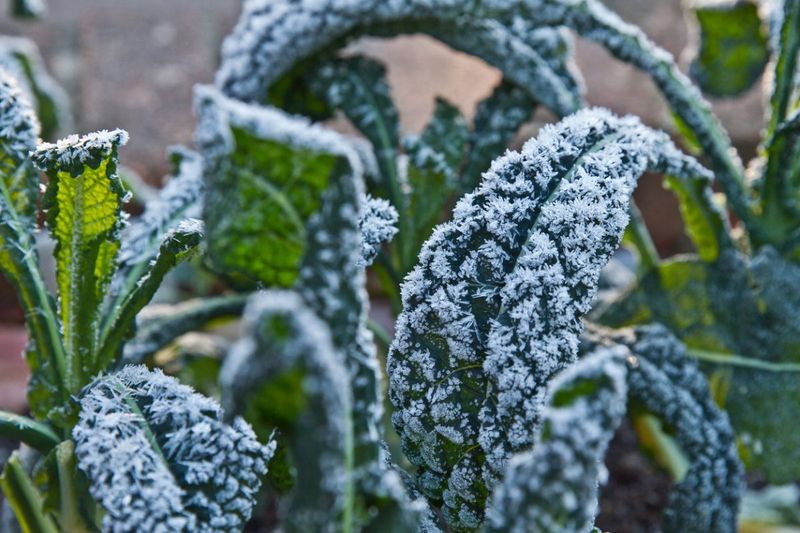
Then suddenly, a cold front sweeps through overnight and temperatures plummet below freezing.
Tender plants that seemed perfectly happy just days before can suffer serious damage from even a light frost.
Most areas across Wisconsin face their last frost date somewhere between mid-May and early June, depending on which part of the state you call home.
Northern counties typically see frost threats lasting well into late May.
Southern regions might get a break a week or two earlier, but surprise cold snaps have happened even in June.
Checking your specific frost date for your county helps you plan better.
Young seedlings and transplants are especially vulnerable because they haven’t developed the toughness that mature plants have.
Their cell walls are delicate and filled with water.
When temperatures drop below 32 degrees, ice crystals form inside plant tissues.
This causes the cells to burst and leaves to turn black and mushy.
Vegetables like tomatoes, peppers, beans, and squash are particularly sensitive to cold.
Even if frost doesn’t technically occur, cold temperatures alone can shock tender plants and stunt their growth for weeks.
Plants that experience cold stress often sit there looking miserable instead of growing vigorously.
Sometimes they never fully recover and produce disappointing harvests.
Waiting just a few more weeks ensures your plants get the warm, stable conditions they need to thrive throughout the Wisconsin growing season.
2. Soil Temperature Matters More Than Air Temperature
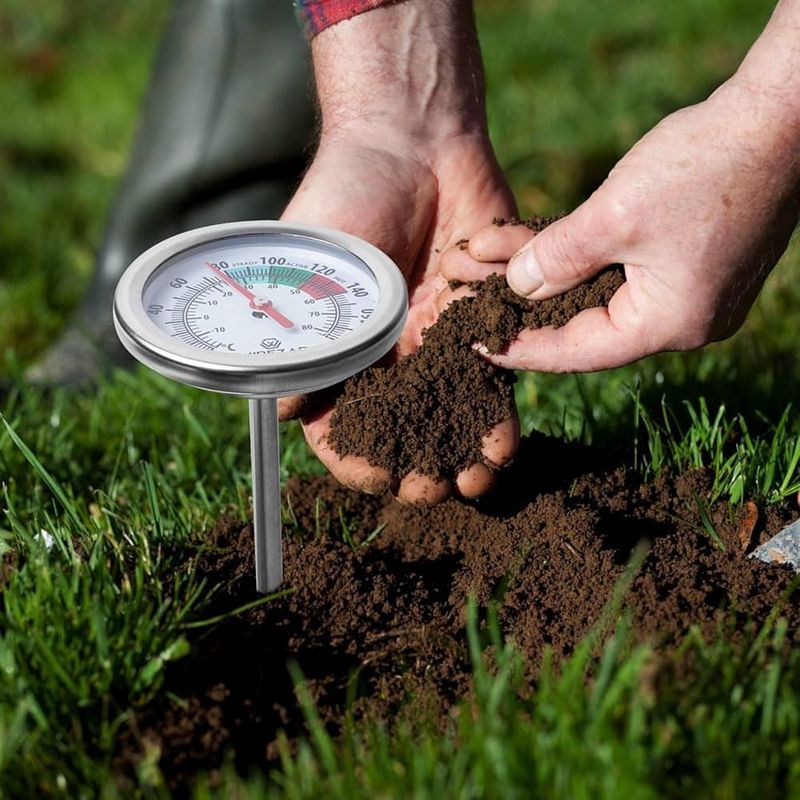
Many gardeners make the mistake of checking only the air temperature before planting.
Warm sunny days can fool you into thinking the ground is ready.
However, soil temperature plays a much bigger role in whether seeds will sprout and young plants will establish strong roots.
Your Wisconsin Garden Changes Every Week. Your Plan Should Too.
Gardening in Wisconsin changes quickly throughout the season. Every Friday you’ll receive a simple weekly plan showing exactly what to plant, prune, fertilize, harvest, and protect so you never miss the right timing.
Cold soil creates problems that most people don’t think about until their seeds fail to germinate or their transplants just sit there refusing to grow.
Different plants need different minimum soil temperatures to perform well.
Lettuce and peas can handle cooler soil around 40 degrees, which is why they go in early.
But warm-season crops like tomatoes, peppers, cucumbers, and beans need soil temperatures of at least 60 degrees to germinate properly.
Corn prefers even warmer conditions, ideally around 65 to 70 degrees.
Planting too early in cold Wisconsin soil means seeds might rot before they ever sprout.
You can measure soil temperature easily with an inexpensive soil thermometer from any garden center.
Push it about two to four inches deep into the ground during mid-morning to get an accurate reading.
Take measurements for several days in a row since soil temperature changes more slowly than air temperature.
If the soil feels cold to your touch, it probably is too cold for warm-season vegetables.
Cold soil also slows down beneficial microbial activity that helps plants absorb nutrients.
Roots struggle to grow in chilly conditions, making plants more susceptible to diseases and pests.
Wisconsin soils can stay cold well into May, especially in areas with heavy clay or spots that don’t get full sun.
Being patient and waiting for the soil to warm up properly gives your plants the best possible start.
3. Wet Spring Conditions Create Compaction Problems
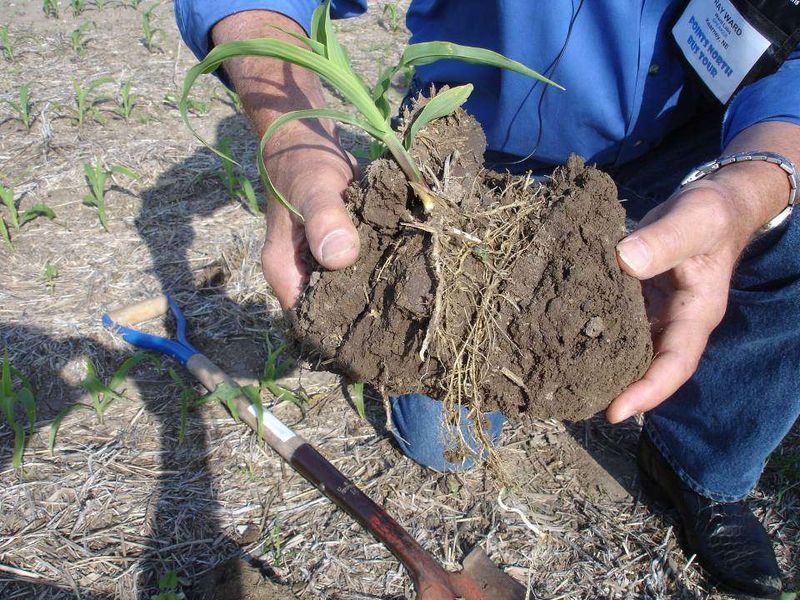
Spring in Wisconsin often brings plenty of rain and snowmelt, leaving garden beds soggy and waterlogged.
Walking on wet soil or working it when it’s too moist causes serious compaction issues that affect plant growth for the entire season.
Compacted soil squeezes out the air spaces that roots need to breathe and expand.
Once soil becomes compacted, it’s difficult to fix without a lot of extra work.
Testing whether your soil is ready to work is simple.
Grab a handful of dirt and squeeze it into a ball.
Then poke the ball with your finger.
If it crumbles apart easily, the soil is dry enough to work.
If it stays in a muddy clump or feels slick, it’s too wet.
Working wet soil turns it into something resembling concrete once it dries.
Plant roots can’t penetrate hard, compacted layers, and water can’t drain properly either.
Poor drainage from compacted soil leads to standing water around plant roots.
Most vegetables need well-drained soil because their roots require oxygen.
Waterlogged conditions encourage root rot and fungal diseases.
Plants growing in compacted soil often look stunted and yellowish because their roots can’t access nutrients efficiently.
They also become more stressed and vulnerable to insect damage.
Many Wisconsin gardeners feel anxious to get started when nice weather arrives, but rushing to plant in wet conditions creates problems that last all season long.
Raised beds and containers dry out faster than in-ground gardens, giving you an earlier start if you absolutely can’t wait.
Otherwise, letting your garden beds dry out properly before you start digging and planting will reward you with healthier plants and better harvests throughout summer and fall.
4. Seedlings Started Indoors Need Proper Hardening Off
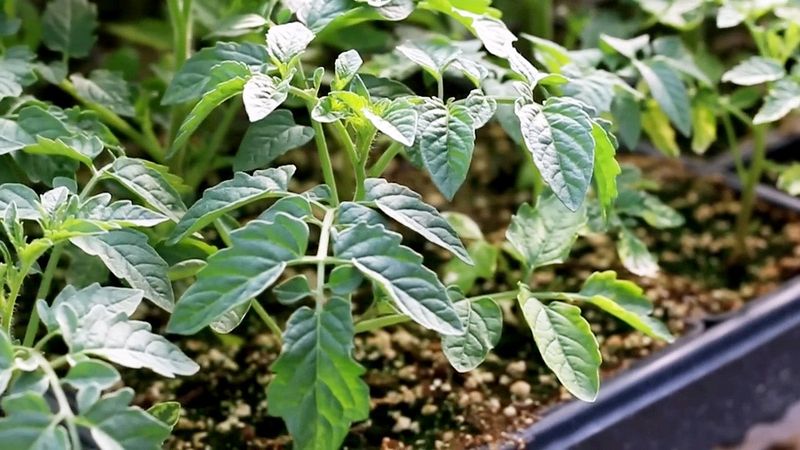
Starting seeds indoors gives Wisconsin gardeners a head start on the short growing season.
However, plants grown inside under lights or on windowsills live in a protected environment with stable temperatures, no wind, and filtered light.
Moving them directly outside into the real world without preparation causes transplant shock.
Leaves can get sunburned, stems might break in the wind, and temperature swings can severely stress young plants.
Hardening off is the process of gradually introducing indoor-grown seedlings to outdoor conditions.
This transition period usually takes seven to ten days.
Start by placing plants outside in a sheltered, shady spot for just an hour or two on the first day.
Bring them back inside before temperatures drop in the evening.
Each day, increase their time outdoors and slowly move them into brighter light.
Pay attention to wind exposure during the hardening off process.
Indoor plants have tender stems that haven’t developed the strength to handle breezy conditions.
Strong winds can snap stems or shred delicate leaves.
Wisconsin spring weather often includes gusty days that can wreak havoc on unprepared transplants.
Placing plants near a building or fence provides protection while they toughen up.
Temperature fluctuations also require gradual adjustment.
Indoor plants are used to consistent warmth, while outdoor temperatures in Wisconsin can vary dramatically between day and night during spring.
Plants need time to adjust their internal systems to handle these changes.
Rushing the hardening off process or skipping it entirely often results in setback or damaged plants that take weeks to recover.
If you started seeds indoors, factor in that extra week or two for proper hardening off before your transplants are truly ready for the garden.
5. Unpredictable Weather Patterns Require Flexibility
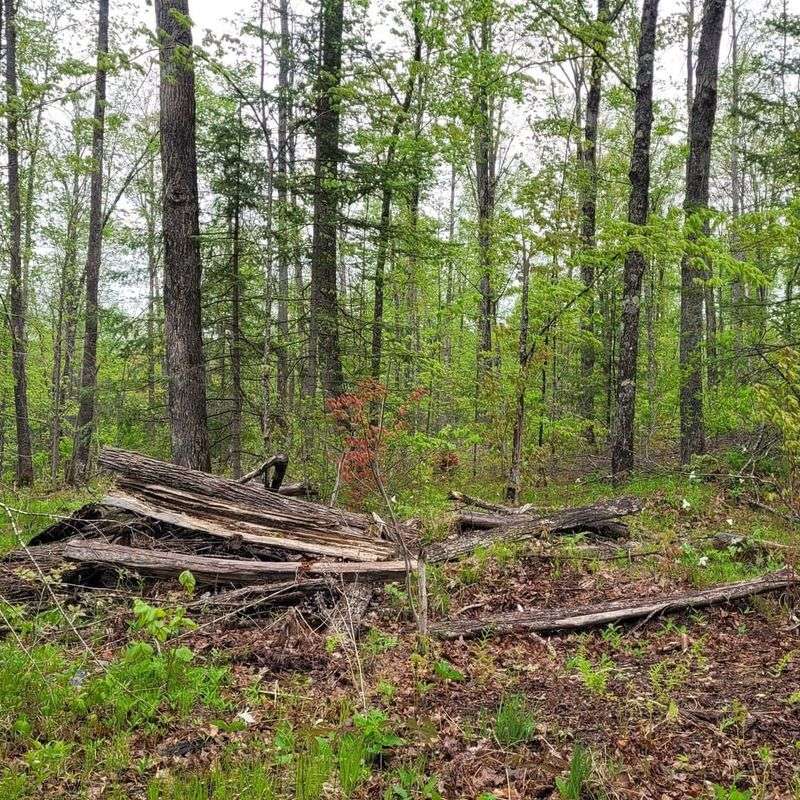
Wisconsin weather has earned a reputation for being wildly unpredictable, especially during spring.
Residents joke that if you don’t like the weather, just wait five minutes and it will change.
This variability makes early planting risky because conditions can shift dramatically overnight.
A beautiful stretch of warm weather can lull gardeners into a false sense of security, only to be followed by a week of cold, rainy conditions.
Climate patterns across the state vary significantly from north to south and even between neighboring counties.
Lake Michigan influences eastern Wisconsin, sometimes keeping spring temperatures cooler longer but also moderating extreme cold snaps.
Northern Wisconsin typically runs two to three weeks behind southern areas for safe planting dates.
Even within your own yard, microclimates exist where certain spots warm up faster or stay colder longer than others.
Weather forecasts help, but they’re not always accurate more than a few days out.
Experienced Wisconsin gardeners know that extended forecasts can change quickly.
What looks like a perfect planting week might turn cold and stormy with little warning.
Having to cover or protect plants repeatedly because of unexpected weather becomes exhausting and time-consuming.
Sometimes plants suffer damage despite your best efforts to shield them.
Building flexibility into your planting schedule makes sense given Wisconsin’s unpredictable spring conditions.
Rather than planting everything at once, stagger your planting over several weeks.
This approach spreads out your risk.
If one planting suffers from bad weather, later plantings can still succeed.
Keep row covers, cloches, or plastic sheeting handy for emergency protection.
Watching long-term weather trends and being willing to delay planting when conditions look questionable will save you frustration and help ensure your garden’s success throughout the growing season.
6. Plants Grow Better When Conditions Are Optimal
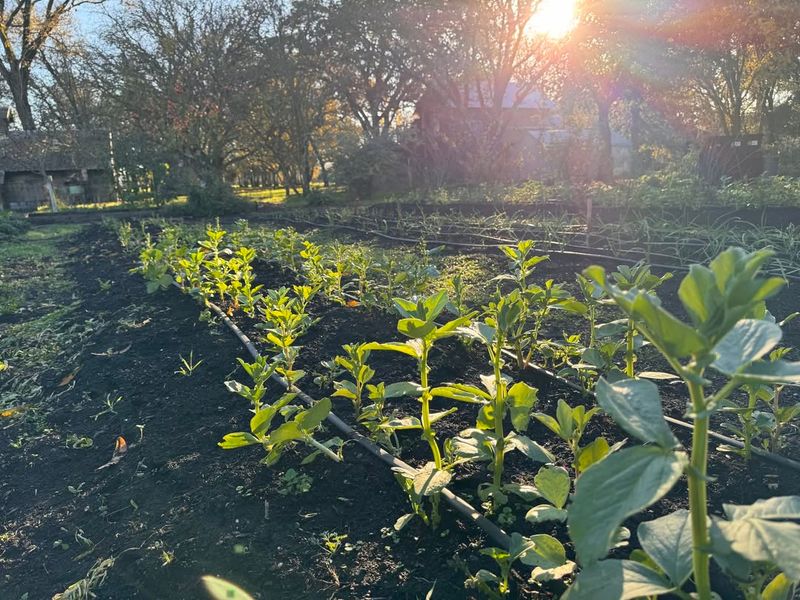
Patience truly pays off in Wisconsin gardening.
Plants placed in the ground when conditions are right will quickly outgrow those planted too early, even though they went in weeks later.
Seeds germinate faster and more uniformly in warm soil.
Transplants establish strong root systems quickly when temperatures stay consistently mild.
Waiting for optimal conditions means less stress for plants and less worry for you.
Early-planted vegetables that struggle through cold, wet conditions often develop weak root systems and stunted growth patterns.
They become more susceptible to diseases and pest problems throughout the season.
Stressed plants don’t produce as well either.
Tomatoes planted too early might eventually recover, but they rarely catch up to plants that went into warm soil at the proper time.
The same holds true for peppers, squash, cucumbers, and other warm-season crops across Wisconsin gardens.
Timing your planting correctly also means better use of your time and resources.
Seeds planted in cold soil might rot, requiring you to replant and spend more money.
Transplants that suffer frost damage need to be replaced.
Dealing with disease problems caused by cold, wet conditions requires extra attention and possibly treatments.
All of these issues could be avoided by simply waiting until conditions improve.
Wisconsin’s growing season might feel short, but warm summer weather arrives reliably by June.
Once soil temperatures warm up and frost danger passes, plants grow rapidly.
Many vegetables mature quickly during long, warm summer days.
A tomato plant set out in late May will produce just as much fruit as one planted in early May that struggled through cold spells.
Trust the process and wait for the right time.
Your plants will reward your patience with vigorous growth, better health, and abundant harvests all summer long.