6 Beneficial Insects You Will Want In Your Pennsylvania Yard
A healthy Pennsylvania yard is not just about plants and soil, but about the small workers buzzing quietly behind the scenes.
Hidden in plain sight, beneficial insects pull more than their fair share by controlling pests and supporting strong plant growth.
In many cases, beneficial insects you will want in your Pennsylvania yard arrive on their own when conditions feel right.
Unlike problem bugs, these helpful insects act like unpaid staff, keeping balance without chemicals or constant effort.
For gardeners tired of fighting aphids and plant damage, beneficial insects you will want in your Pennsylvania yard can change the game.
From pollination to pest control, beneficial insects you will want in your Pennsylvania yard handle jobs most people never see.
Too often, well meaning cleanup and sprays push these allies out before they can do their work.
Creating a welcoming space allows nature to carry some of the load while plants grow stronger and healthier.
Over time, yards that support helpful insects tend to need less intervention and fewer quick fixes.
Pennsylvania gardens thrive when balance replaces constant battles with bugs.
Once these insects settle in, they often stick around season after season.
Welcoming the right insects turns an ordinary yard into a hardworking ecosystem that keeps things running smoothly without breaking a sweat.
1. Ladybugs
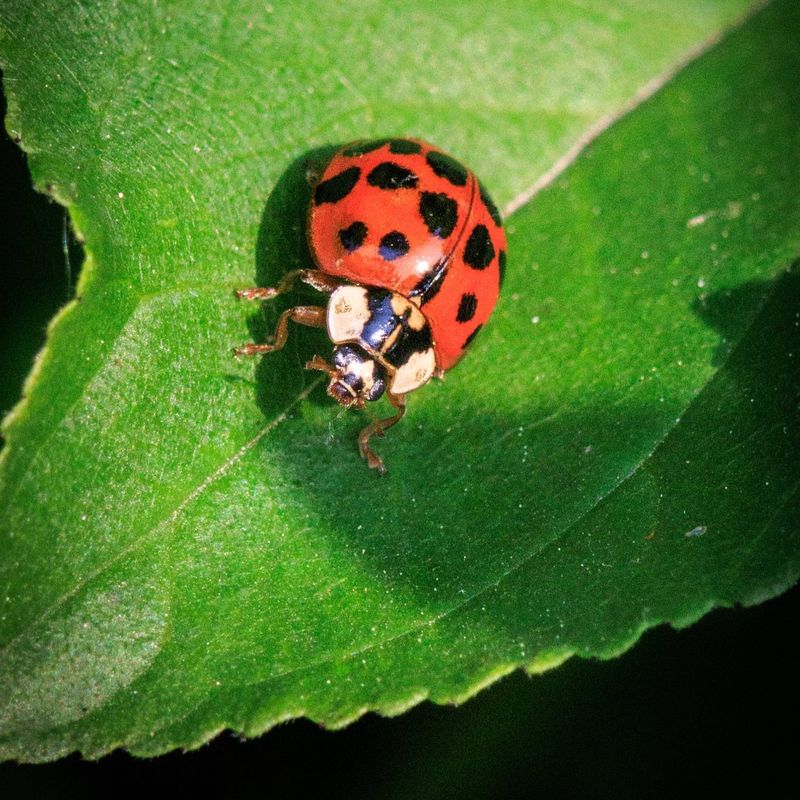
Spotting a ladybug crawling across your tomato plant is like finding a tiny garden superhero at work.
These cheerful red and black beetles are actually voracious predators that feast on aphids, one of the most troublesome pests in Pennsylvania gardens.
A single ladybug can consume up to 50 aphids in one day, making them incredibly effective at keeping pest populations under control.
Their appetite extends beyond aphids too, as they also munch on mites, scale insects, and other soft-bodied pests that damage your plants.
Ladybugs thrive in Pennsylvania’s climate and are easy to attract to your yard with the right plants.
They love flowers like dill, fennel, yarrow, and dandelions, which provide nectar and pollen when aphids are scarce.
Creating small water sources like shallow dishes with pebbles gives them a place to drink safely.
Both adult ladybugs and their larvae are beneficial, though the larvae look quite different with their alligator-like appearance and dark coloring.
Many gardeners mistakenly remove these helpful larvae, not realizing they’re actually baby ladybugs working hard to control pests.
Avoiding pesticides is crucial because chemicals harm ladybugs along with the pests you’re trying to eliminate.
Pennsylvania winters can be harsh, but ladybugs have adapted by clustering together in protected spots like under tree bark or inside garden sheds.
Providing overwintering sites like bundles of hollow stems or leaving some leaf litter ensures these helpful beetles return to your yard each spring.
With their combination of pest control abilities and charming appearance, ladybugs are truly one of the most valuable insects you can encourage in your Pennsylvania landscape.
2. Ground Beetles
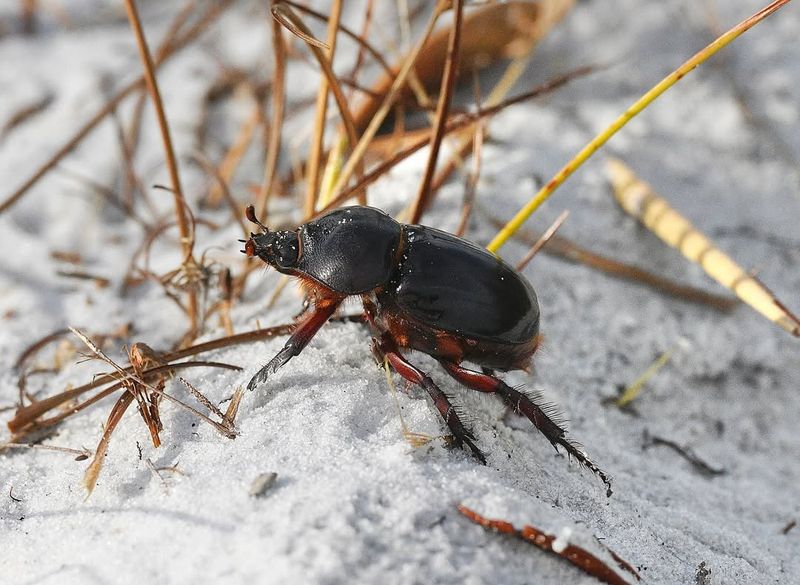
Most people never notice ground beetles because these hardworking insects do their best work after the sun goes down.
Your Pennsylvania Garden Changes Every Week. Your Plan Should Too.
Gardening in Pennsylvania changes quickly throughout the season. Every Friday you’ll receive a simple weekly plan showing exactly what to plant, prune, fertilize, harvest, and protect so you never miss the right timing.
Pennsylvania yards host numerous ground beetle species, and these shiny, dark-colored insects are exceptional pest controllers.
They patrol your garden at night, hunting slugs, snails, cutworms, and other ground-dwelling pests that damage seedlings and vegetables.
Some larger ground beetles can even tackle bigger prey like caterpillars and root maggots.
Ground beetles prefer to stay hidden during daylight hours, taking shelter under stones, logs, mulch, and garden debris.
Creating these hiding spots actually benefits your yard by providing homes for these natural pest controllers.
A rock border around your garden beds or a small pile of branches in a corner gives ground beetles the daytime refuge they need.
These beetles are incredibly fast runners, which helps them chase down prey across your garden beds and lawn.
Unlike many insects that only feed during specific life stages, ground beetles remain predatory throughout their entire lives.
Their larvae also live in the soil and hunt for pests underground, doubling the pest control benefits.
Pennsylvania gardeners should avoid tilling their soil too frequently, as this disrupts ground beetle habitats and reduces their populations.
Maintaining permanent pathways with mulch or stepping stones provides stable environments where these beetles can establish themselves.
They’re also quite long-lived for insects, with some species surviving for two to three years.
Chemical pesticides pose a serious threat to ground beetle populations because these insects absorb toxins while crawling across treated surfaces.
Choosing organic pest management methods protects these valuable nighttime hunters.
With their tireless appetite for garden pests, ground beetles deserve appreciation as one of Pennsylvania’s most underrated beneficial insects.
3. Praying Mantises
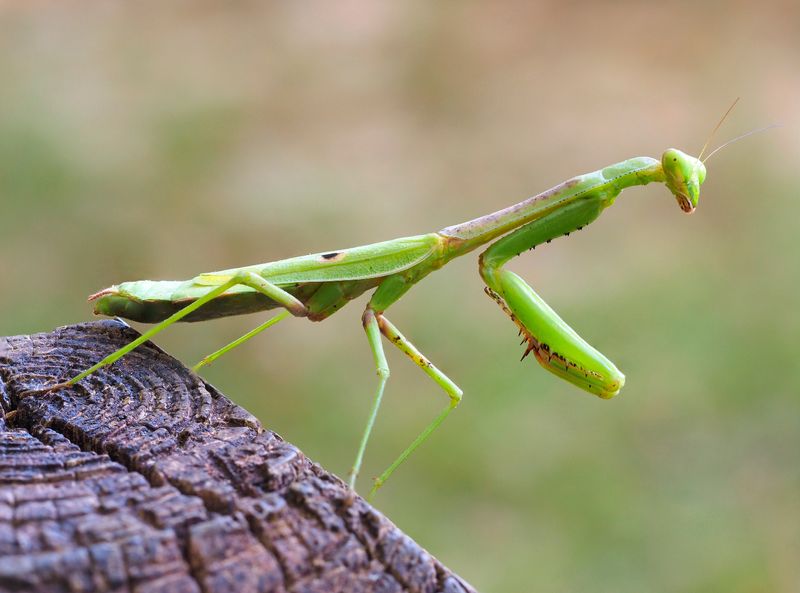
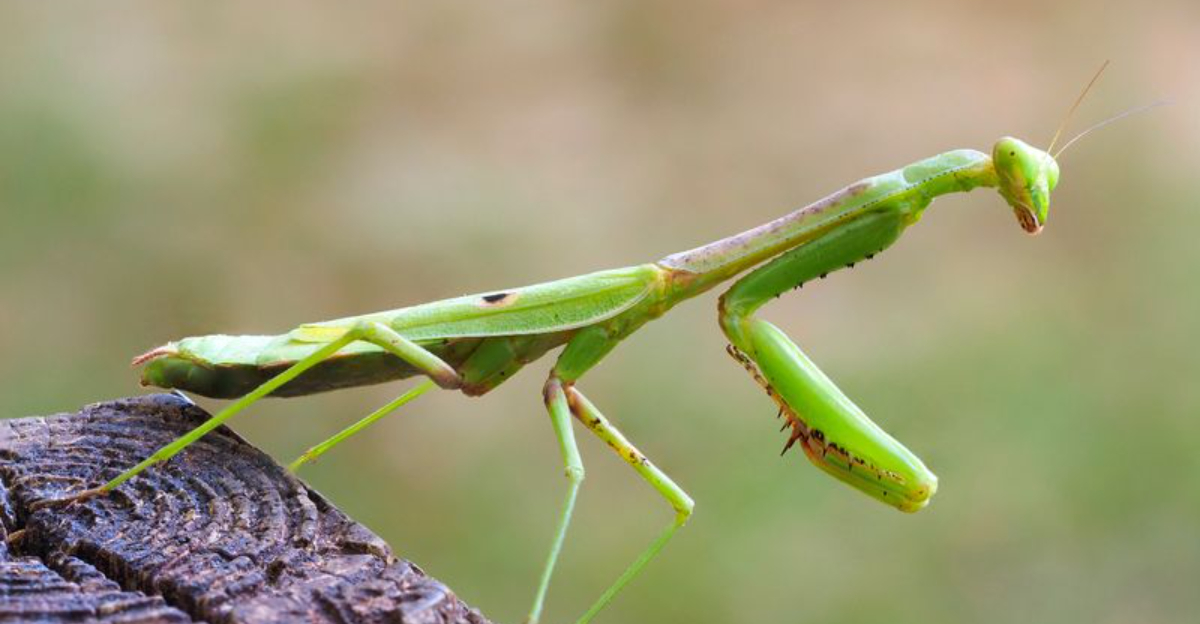
Few insects command as much attention as a praying mantis when you spot one perched motionless among your flowers.
These fascinating predators got their name from the way they hold their powerful front legs in a position that resembles prayer, though they’re actually poised to snatch any insect that comes within reach.
Pennsylvania is home to several mantis species, including the native Carolina mantis and the introduced Chinese mantis.
Both species provide excellent pest control in yards and gardens throughout the state.
Praying mantises are generalist predators, meaning they’ll eat almost any insect they can catch, including flies, moths, beetles, grasshoppers, and crickets.
Their hunting strategy involves staying perfectly still until prey comes close, then striking with lightning speed.
This patient approach makes them effective at controlling flying insects that other beneficial bugs can’t easily catch.
Mantises go through incomplete metamorphosis, meaning the babies look like tiny versions of adults rather than going through a larval stage.
In Pennsylvania, mantis eggs overwinter in foam-like cases called ootheca, which you might find attached to plant stems, fences, or building walls.
These egg cases can contain hundreds of baby mantises that emerge in spring.
Encouraging mantises in your Pennsylvania yard means providing tall plants and shrubs where they can hunt and hide.
They particularly enjoy gardens with diverse plant heights and structures.
Avoid removing egg cases during fall cleanup, as you’ll be eliminating next year’s mantis population.
While mantises occasionally eat beneficial insects along with pests, their overall impact on garden health remains positive.
Their presence indicates a healthy, chemical-free environment.
Watching a mantis hunt is educational and entertaining, making them one of the most captivating beneficial insects you can welcome into your Pennsylvania outdoor space.
4. Lacewings
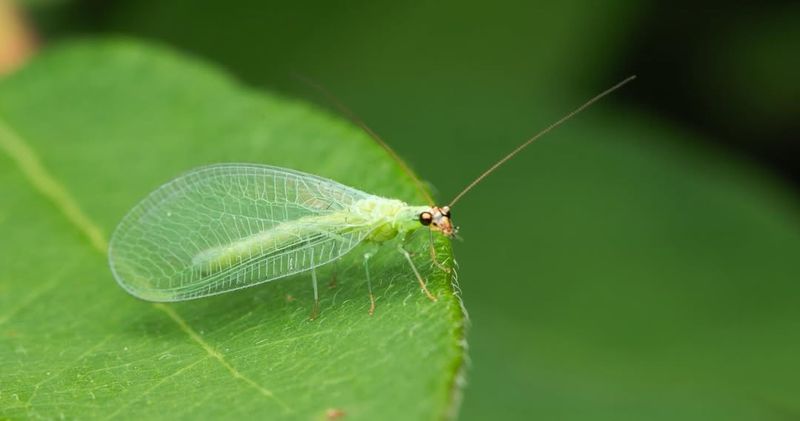
With wings that look like they were woven from the finest thread, lacewings are as beautiful as they are beneficial to Pennsylvania gardens.
Adult lacewings are delicate green or brown insects with large, transparent wings covered in intricate vein patterns.
While the adults primarily feed on nectar, pollen, and honeydew, their larvae are fierce predators known as “aphid lions.”
These tiny hunters consume massive quantities of aphids, making them one of the most effective biological pest control agents available.
A single lacewing larva can devour hundreds of aphids during its development, along with other soft-bodied pests like mealybugs, whiteflies, small caterpillars, and spider mites.
The larvae have distinctive sickle-shaped jaws that they use to grab prey and suck out the body fluids.
Some species even camouflage themselves by carrying the empty shells of their victims on their backs.
Lacewings are attracted to Pennsylvania yards that offer plenty of flowering plants, especially those with small, nectar-rich blooms.
Angelica, coriander, dill, and sweet alyssum are particularly effective at drawing these helpful insects.
Providing water sources and avoiding bright outdoor lighting at night also helps, since adult lacewings are attracted to lights and may leave your yard in search of dimmer areas.
These insects are commercially available for release in gardens, but naturally attracting them is more sustainable and cost-effective.
Pennsylvania’s climate suits lacewings well, and they can produce multiple generations during the growing season.
This means their pest control benefits compound throughout spring and summer.
Lacewing eggs are distinctive, appearing on thin stalks attached to leaves or stems, which protects them from predators and cannibalism.
Recognizing these eggs helps you avoid accidentally removing them during garden maintenance.
By creating a lacewing-friendly environment in your Pennsylvania yard, you’re investing in natural, ongoing pest management that works beautifully without any effort on your part.
5. Bees
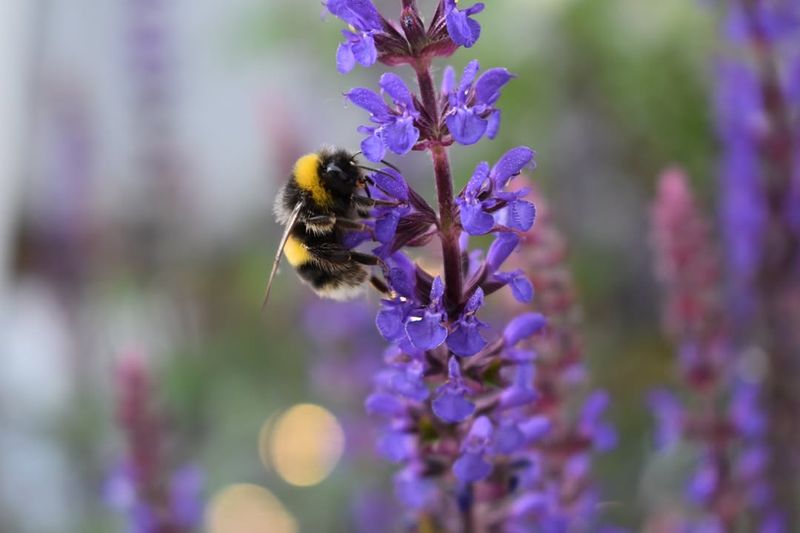
Pennsylvania gardens absolutely depend on bees for successful fruit and vegetable production, making these buzzing pollinators essential rather than optional.
The state hosts over 400 native bee species, ranging from tiny sweat bees to large carpenter bees and everything in between.
While honeybees often get the most attention, native bees like bumblebees, mason bees, and leafcutter bees are actually more efficient pollinators for many plants.
These native species have co-evolved with Pennsylvania’s native plants and are adapted to the local climate.
Bees transfer pollen between flowers as they collect nectar and pollen for food, enabling plants to produce fruits, vegetables, and seeds.
Without bee pollination, your tomato, squash, apple, and berry harvests would dramatically decline.
Even plants that can self-pollinate produce better yields when bees visit them.
Creating a bee-friendly Pennsylvania yard means planting a diverse selection of flowering plants that bloom from early spring through late fall.
Bees need continuous food sources throughout the active season.
Native plants like wild bergamot, Joe-Pye weed, goldenrod, and asters are particularly valuable because they provide the nutrition native bees have evolved to utilize.
Many native bees nest in the ground or in hollow plant stems rather than hives, so leaving some bare soil patches and standing dry plant stems benefits these species.
Avoiding pesticides is absolutely critical because bees are extremely sensitive to chemicals, even those labeled as relatively safe.
Spraying flowers, even in the evening, can harm bees that visit the next morning.
Providing shallow water sources with landing spots helps bees stay hydrated during hot Pennsylvania summers.
A simple dish with pebbles or marbles gives them safe places to drink.
By supporting bee populations in your yard, you’re not just helping your own garden thrive but also contributing to the health of Pennsylvania’s entire ecosystem and agricultural economy.
6. Parasitic Wasps
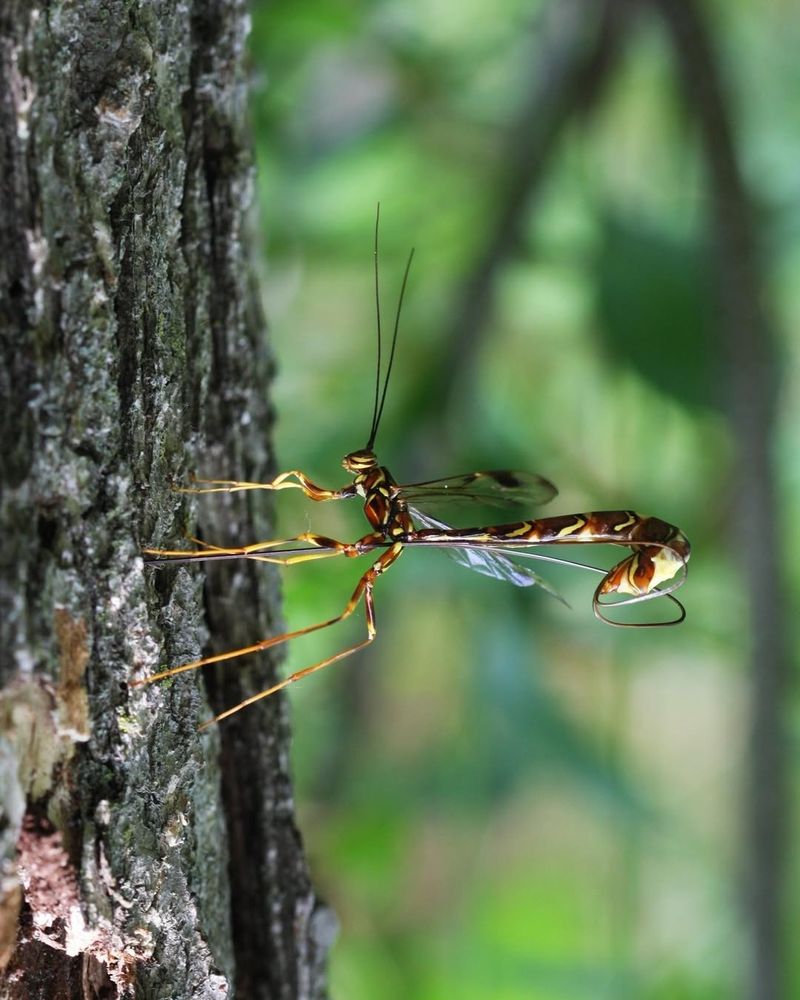
Despite their somewhat unsettling name, parasitic wasps are gentle creatures that pose no threat to humans but are absolutely devastating to garden pests.
These tiny wasps, many smaller than a grain of rice, lay their eggs inside or on pest insects like caterpillars, aphids, whiteflies, and beetle larvae.
When the wasp eggs hatch, the larvae consume the pest from the inside, eventually ending the pest’s ability to damage your plants.
This natural pest control happens constantly in healthy Pennsylvania yards without any intervention from gardeners.
Pennsylvania is home to thousands of parasitic wasp species, each typically specializing in specific pest insects.
Braconid wasps target caterpillars and aphids, while trichogramma wasps focus on moth and butterfly eggs before they hatch into leaf-eating caterpillars.
Ichneumon wasps parasitize beetle larvae and other wood-boring insects that damage trees.
Unlike their larger yellowjacket cousins, parasitic wasps don’t sting people or defend nests aggressively.
Most are so small that people never notice them working in the garden.
They’re attracted to yards with diverse plantings, especially those including herbs and flowers in the carrot family like dill, parsley, and Queen Anne’s lace.
Parasitic wasps need nectar for energy, so providing small flowers gives them the fuel they need to search for pests.
They also benefit from plants that harbor small amounts of pests, which might seem counterintuitive.
However, maintaining some pest presence ensures parasitic wasps stay in your yard rather than leaving to find food elsewhere.
Chemical pesticides are particularly harmful to parasitic wasp populations because these tiny insects are more sensitive to toxins than larger pests.
Choosing selective, organic pest control methods protects these valuable allies.
Pennsylvania gardeners who learn to recognize and encourage parasitic wasps gain a powerful, self-sustaining pest management system that works tirelessly throughout the growing season, keeping pest populations naturally balanced without any chemicals or constant monitoring required.