Where To See Hellebores In Full Winter Bloom: Oregon’s Most Beautiful Gardens
When winter tightens its grip on most gardens, Oregon’s hellebores are just getting into their stride—turning chilly landscapes into subtle stages of color and grace.
These “winter jewels” defy the gray with delicate blooms in shades from soft cream to dusky rose and deep maroon, offering flower fans a rare seasonal spectacle long before spring fully blooms.
If you’re hunting for hellebores in their prime, Oregon’s garden scene delivers scenic beauty and botanical variety.
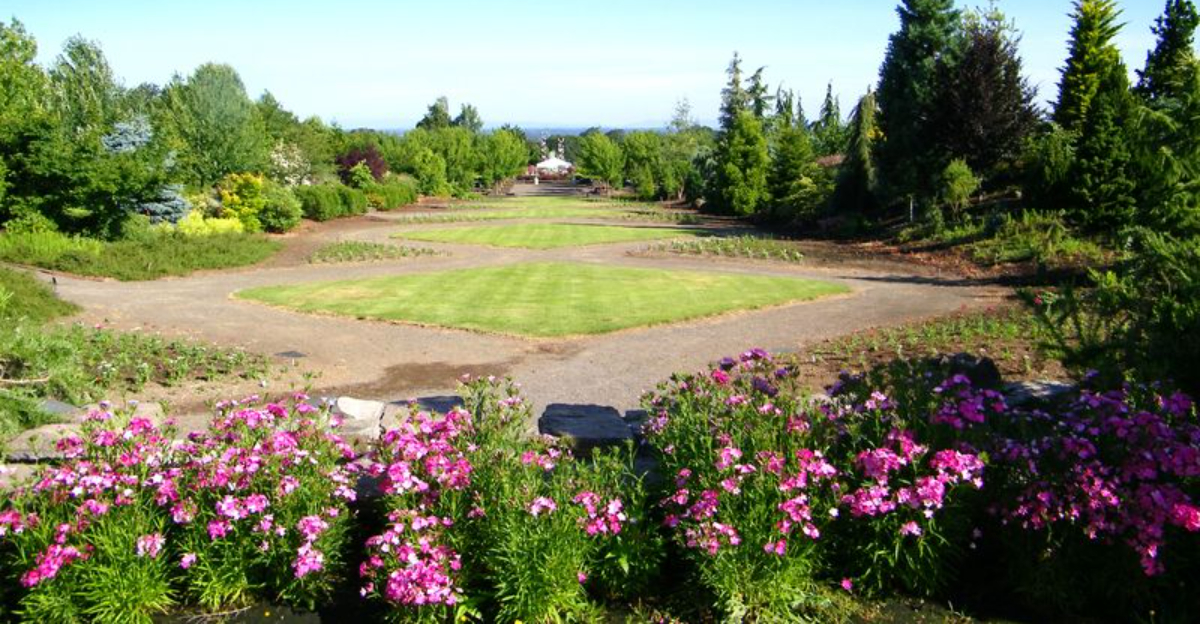
The Oregon Garden in Silverton is a year-round botanical wonder where specialized plantings and winding paths become especially rewarding in late winter and early spring, when hellebores and other early bloomers begin to show.
For a quieter stroll among striking plant collections, Leach Botanical Garden in Portland blends woodland charm with seasonal blossoms that often include hellebores peeking through evergreen foliage.
And for a chance to see winter-blooming hellebores up close in a nursery setting, Northwest Garden Nursery in Eugene has long been known for its rich displays of these hardy perennials during the heart of winter.
From curated botanical gardens to intimate specialty nurseries, Oregon offers floral adventures that turn the coldest months into blooming opportunities.
Elk Rock Garden At The Bishop’s Close (Portland)
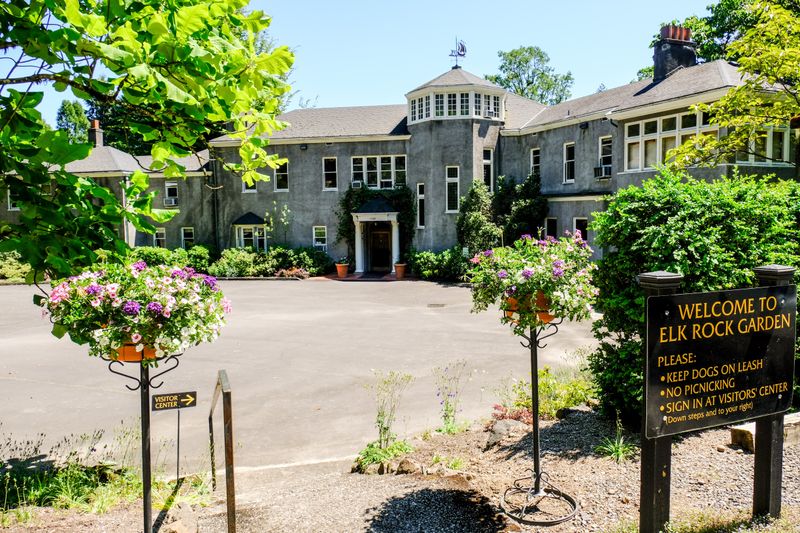
Perched on a bluff overlooking the Willamette River, this hidden gem feels like stepping into a secret European estate.
The 13-acre garden was designed in the 1920s and features winding paths that lead you past magnolias, rhododendrons, and masses of hellebores that seem to glow against the winter landscape.
Address: 11800 S Military Lane, Portland, OR 97219.
What makes Elk Rock Garden truly special for hellebore lovers is the timing—these plants hit their stride exactly when you need them most, brightening those short January and February days.
You’ll find clusters tucked beneath trees and scattered along pathways, their downturned blooms inviting you to crouch down for a closer look.
The garden is open to the public daily from dawn to dusk, and admission is free.
Plan your visit on a crisp winter morning when frost still clings to the petals, creating an almost magical shimmer.
The garden’s elevation means you’ll also enjoy stunning river views as a bonus.
Bring your camera—the combination of historic architecture, mature trees, and winter blooms creates picture-perfect moments around every corner.
Check elkrockgarden.org before you go for any seasonal updates or special events.
Crystal Springs Rhododendron Garden (Portland)
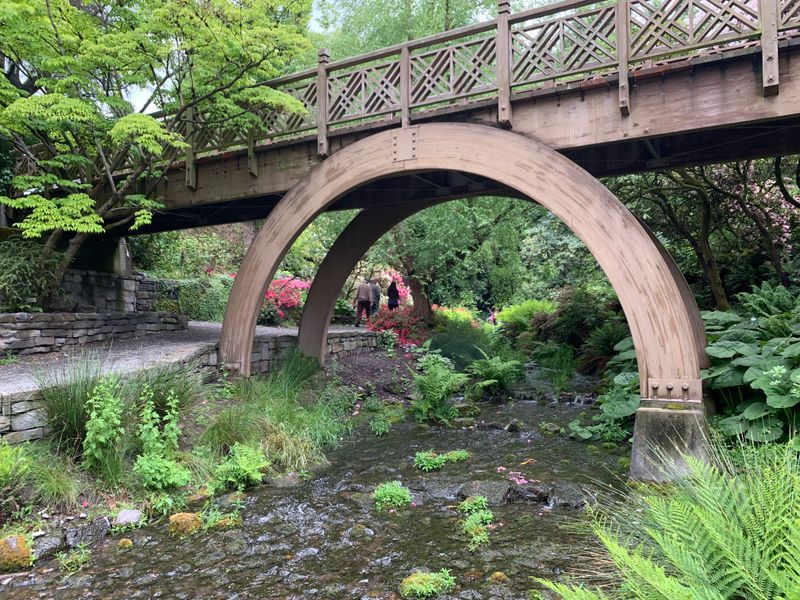
Tucked into a residential Southeast Portland neighborhood, this seven-acre woodland sanctuary becomes a treasure hunt for winter bloom seekers.
While rhododendrons steal the show in spring, hellebores quietly claim the spotlight during the colder months, popping up in unexpected corners like little surprises waiting to be discovered.
Address: 5801 SE 28th Avenue, Portland, OR 97202.
Wander the winding gravel paths and you’ll spot hellebores nestled among ferns and beneath the canopy of mature trees, exactly where they love to grow in nature.
The garden’s naturalistic design means these plants look completely at home, not stiffly arranged but casually elegant.
Your Oregon Garden Changes Every Week. Your Plan Should Too.
Gardening in Oregon changes quickly throughout the season. Every Friday you’ll receive a simple weekly plan showing exactly what to plant, prune, fertilize, harvest, and protect so you never miss the right timing.
A spring-fed lake with waterfowl adds peaceful ambiance to your winter stroll.
Admission runs from March through September, but the garden welcomes visitors free during fall and winter—perfect timing for hellebore viewing!
The damp Pacific Northwest climate keeps everything lush even in January, and the garden rarely feels crowded during the off-season.
Bring waterproof shoes since paths can get muddy after rain.
It’s an ideal spot for a quiet contemplative walk or to sketch the delicate blooms if you’re artistically inclined.
Find more details on Portland.gov’s parks section.
The Oregon Garden (Silverton)
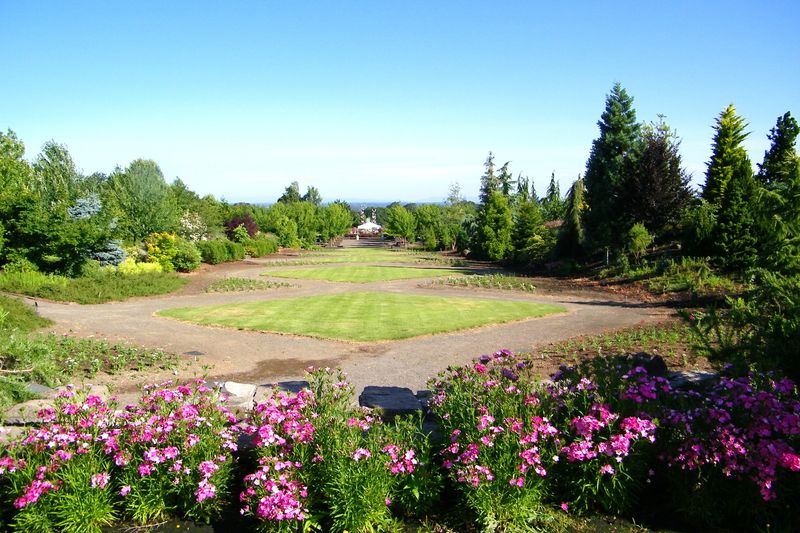
Spread across 80 acres of thoughtfully designed themed gardens, this Silverton destination officially lists Helleborus on its “Plants of Interest” collection—a promising sign for anyone making the 45-minute drive from Portland.
Each garden area showcases different plant families and design styles, from formal to naturalistic.
Address: 879 W Main St, Silverton, OR 97381.
Unlike smaller urban gardens, The Oregon Garden gives you room to roam and explore multiple microclimates and planting styles all in one visit.
Hellebores appear in various garden rooms, often paired with other early bloomers like snowdrops and winter-flowering shrubs.
The sheer variety of companion plantings offers fantastic ideas for your own garden design.
Winter admission fees are reduced, making it budget-friendly for families or groups.
The on-site café provides warm drinks and lunch options—perfect for thawing out between garden explorations.
Dress in layers since the garden’s open spaces can feel chilly, but the sheltered woodland areas stay surprisingly mild.
Plan at least two hours to properly explore, and don’t miss the conifer garden for textural contrast with the soft hellebore blooms.
Visit oregongarden.org for current hours and special winter programming that might coincide with peak hellebore season.
Hendricks Park Rhododendron Garden (Eugene)
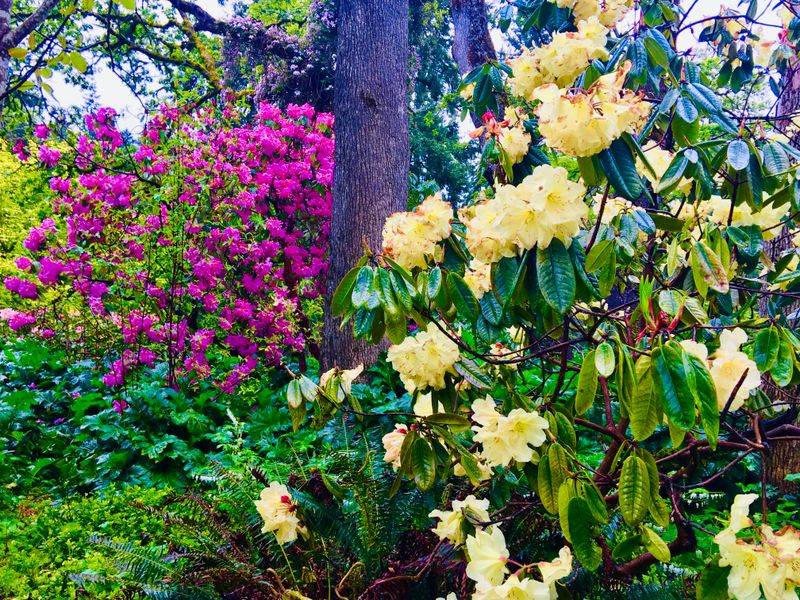
Eugene’s beloved Hendricks Park hides a botanical secret: throughout its 12-acre rhododendron garden, hellebores appear in cheerful clusters, thriving in the dappled shade of towering Douglas firs.
The Friends of Hendricks Park specifically note these winter bloomers as a garden highlight, and once you start looking, you’ll spot them everywhere.
Address: Summit Ave & Skyline Blvd, Eugene, OR 97403.
Established in 1951, this is one of the oldest rhododendron gardens on the West Coast, and the mature landscape creates ideal conditions for shade-loving hellebores.
The naturalistic planting style means flowers blend seamlessly into the forest floor, rewarding observant visitors who take their time on the trails.
Winter here feels especially peaceful, with fewer crowds and a quiet, contemplative atmosphere.
Parking is free and the garden is always open, making spontaneous visits easy whenever the mood strikes.
The surrounding old-growth forest adds grandeur to your walk—some trees are over 300 years old.
Bring binoculars if you’re a birder; the park is a hotspot for winter species too.
After exploring, the nearby Fairmount neighborhood offers cozy cafés for warming up.
Check friendsofhendrickspark.org for their excellent plant guides and seasonal bloom updates that help you time your visit perfectly.
Hoyt Arboretum (Portland)
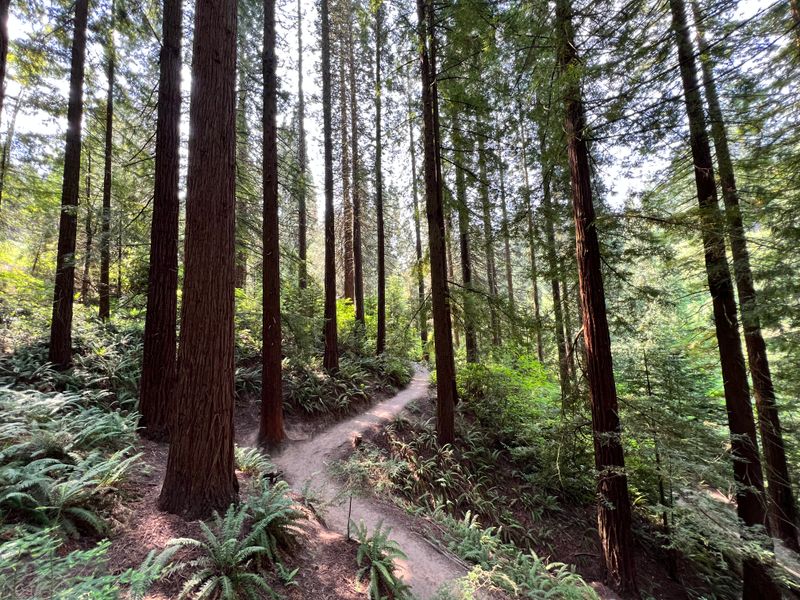
Spanning 190 acres in Portland’s West Hills, Hoyt Arboretum is famous for its tree collections—over 2,300 species from around the world—but their plant database reveals a delightful detail: documented hellebores growing throughout the grounds, including varieties like Helleborus niger ‘Jacob.’
Address: 4000 SW Fairview Blvd, Portland, OR 97221.
What sets Hoyt apart is the scientific approach; plants are mapped and labeled, turning your visit into an educational adventure.
You can explore 12 miles of trails, and while hunting for hellebores, you’ll encounter rare trees from six continents.
The visitor center offers trail maps that help you navigate to specific plant collections, though hellebores tend to appear in the understory plantings scattered throughout.
Admission and parking are completely free, a generous gift to the community that makes repeat visits easy on the wallet.
The elevation provides stunning views of Mount Hood on clear days, adding drama to your winter hike.
Trails range from easy strolls to moderate climbs, so choose based on your energy level.
The arboretum also hosts winter tree identification classes that pair nicely with a hellebore-spotting mission.
Visit hoytarboretum.gardenexplorer.org to search their plant database before you go and pinpoint exactly where documented hellebores grow.
Connie Hansen Garden Conservancy (Lincoln City)
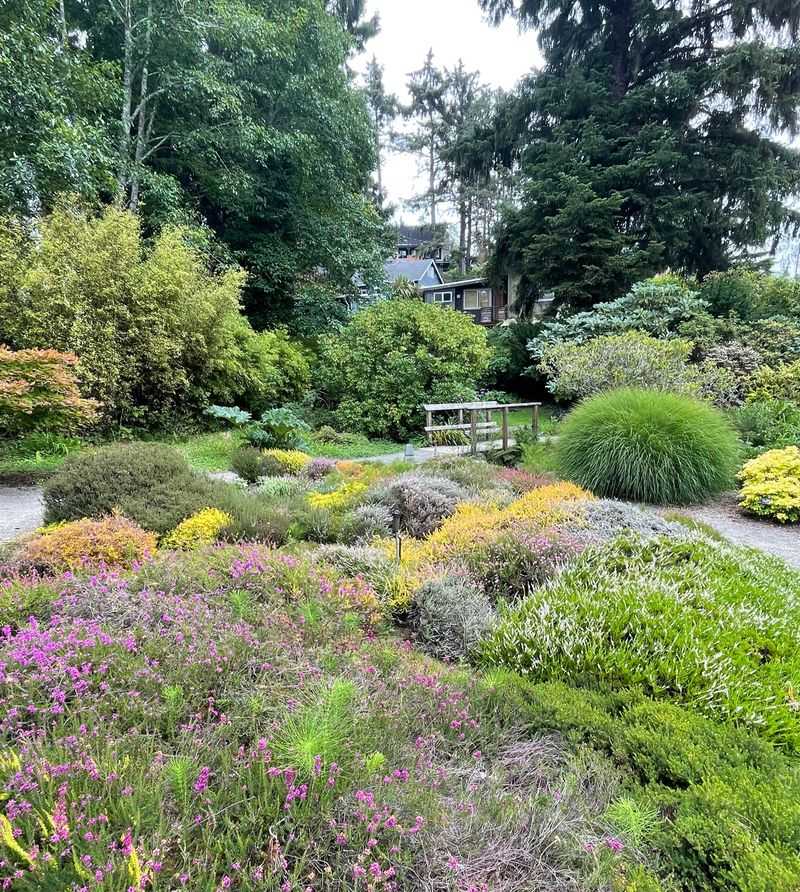
The Daily Astorian newspaper specifically praised this coastal gem for its “wonderful collection of hellebores,” and once you step through the gate, you’ll understand why.
This one-acre garden began as a retirement project for iris breeder Connie Hansen and evolved into one of Oregon’s most enchanting small gardens.
Address: 1931 NW 33rd Street, Lincoln City, OR 97367.
The coastal microclimate creates perfect conditions for hellebores—mild winters, ample moisture, and protection from harsh freezes.
The garden’s cottage-style design means plants spill over pathways and mingle freely, creating an intimate, storybook atmosphere.
Hellebores appear throughout, often paired with early bulbs and evergreen foliage that makes their blooms stand out dramatically.
Admission is by donation, and the garden operates thanks to dedicated volunteers who maintain Connie’s vision.
The small scale means you can thoroughly explore everything in about an hour, making it perfect for a morning stop during a coast trip.
Winter storms sometimes close the garden temporarily, so calling ahead is smart: (541) 994-6338.
The nearby beach is just blocks away if you want to combine garden beauty with ocean views.
Find visiting details at connie-hansen-garden online, and consider timing your trip for late January through February when hellebores typically peak.
Dancing Oaks Nursery And Gardens (Monmouth)
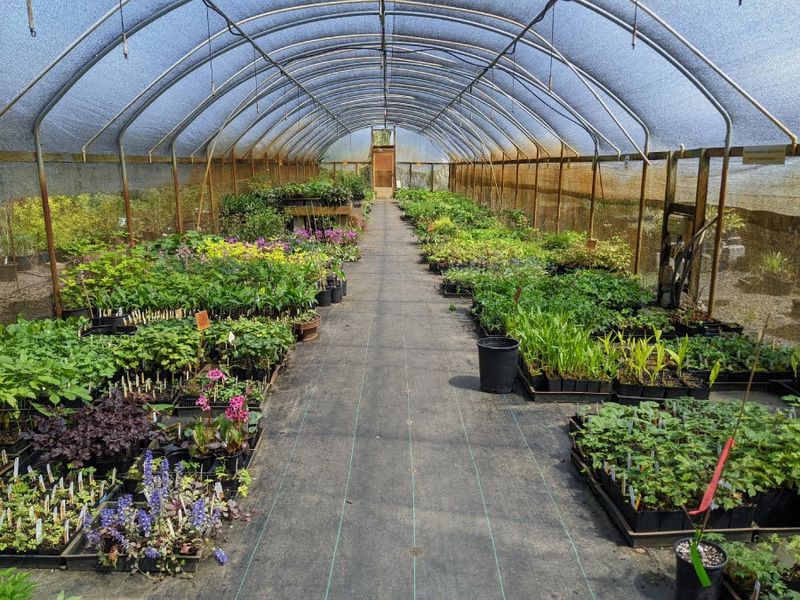
About an hour south of Portland, this destination nursery combines retail plant sales with beautifully designed display gardens that shine brightest during winter’s quiet months.
Owners specifically focus on plants that perform when most gardens look dormant, making it a hellebore paradise.
Address: 17900 Priem Rd, Monmouth, OR 97361.
Unlike public gardens, nurseries let you take inspiration home—literally.
You can admire hellebores in the display beds, then purchase your favorites to plant in your own garden.
The staff members are passionate growers who love sharing tips about hellebore care, placement, and companion planting.
Their knowledge transforms a simple shopping trip into a mini gardening workshop.
Important timing note: Dancing Oaks operates by appointment only from November through February, so call ahead at (503) 838-6058 to schedule your visit.
This appointment system actually creates a more personalized experience—you’ll likely get a guided tour and plenty of one-on-one advice.
The rural setting feels like visiting a friend’s country garden rather than a commercial space.
Bring a notebook to jot down plant names and design ideas you want to remember.
Check dancingoaksnursery.com for their current plant availability list and to learn about their design consultation services if you’re planning a winter garden makeover.
Northwest Garden Nursery (Eugene Area)
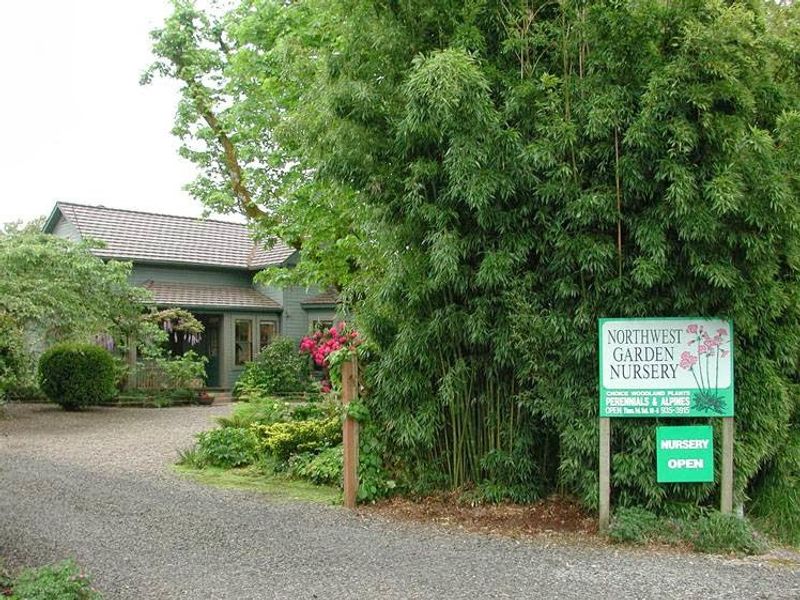
Here’s where hellebore obsession reaches its pinnacle: Northwest Garden Nursery is home to the legendary Winter Jewels breeding program, which has introduced some of the most stunning hellebore varieties available today.
Visiting during bloom season feels like a pilgrimage for serious hellebore enthusiasts.
Address: 86813 Central Road, Eugene, OR 97402.
Owner Ernie O’Byrne and his team have spent decades selecting and hybridizing hellebores with extraordinary colors, patterns, and forms.
Walking through their display gardens, you’ll see hundreds of varieties you won’t find anywhere else—doubles, picotees, spotted forms, and colors ranging from near-black to chartreuse.
It’s both inspiring and slightly overwhelming in the best possible way.
The nursery welcomes visitors during retail hours, typically Thursday through Sunday in winter and spring, but call first to confirm: (541) 935-3915.
Staff can guide you to the best specimens currently blooming and explain the breeding stories behind special selections.
Many varieties are available for purchase, though the rarest might sell out quickly.
Bring your camera and plenty of memory on your phone—you’ll want to photograph everything.
Visit northwestgardennursery.com to preview their catalog and maybe pre-order favorites before your trip, ensuring you don’t miss out on must-have varieties for your own winter garden.