10 Shade Garden Mistakes Oregon Homeowners Are Still Making
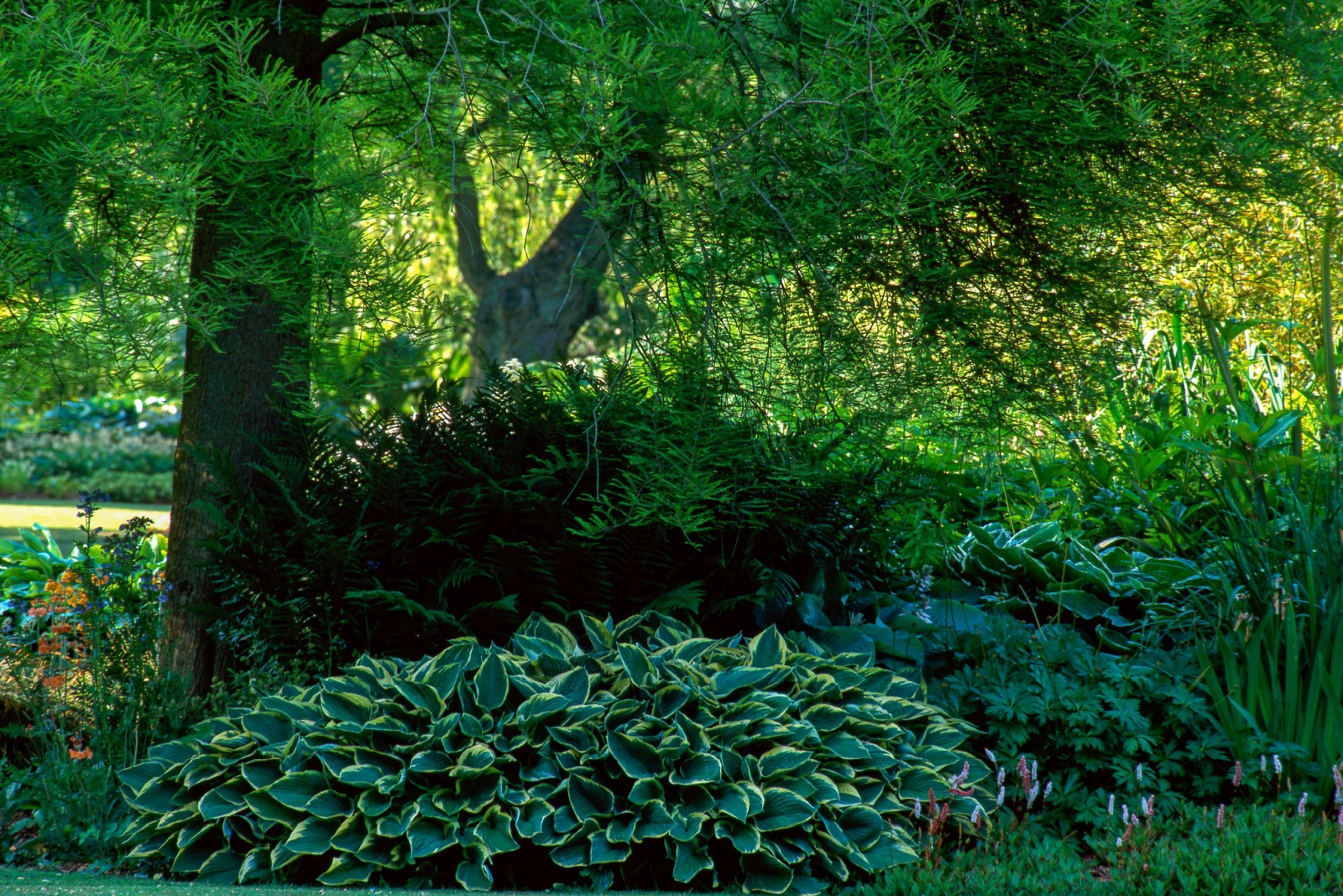
Some corners of your yard just don’t get enough sun, and no matter what you try, things seem to struggle.
Maybe you’ve planted ferns, perennials, or even a cute little shrub, only to watch it barely make it through the season.
I’ve been there too, it’s frustrating, isn’t it?
Makes you wonder if shade gardening in Oregon is just… tricky.
A lot of us think shade means “easy gardening,” but that’s not really the case.
Oregon’s mix of wet winters and dry summers, plus those random patches of sunlight that sneak through, can throw off even the best-laid plans.
Little things like the right soil, spacing, and picking plants that actually like shade, matter more than you’d think.
If your shady spots have felt more like a battle than a relaxing green corner, you’re not alone.
The good news?
Most of the mistakes are easy to fix, and a few adjustments can really bring those areas to life.
Shade gardens don’t have to be frustrating.
With a few simple tweaks, those tricky corners can finally thrive in Oregon.
1. Planting Sun-Loving Varieties In Deep Shade
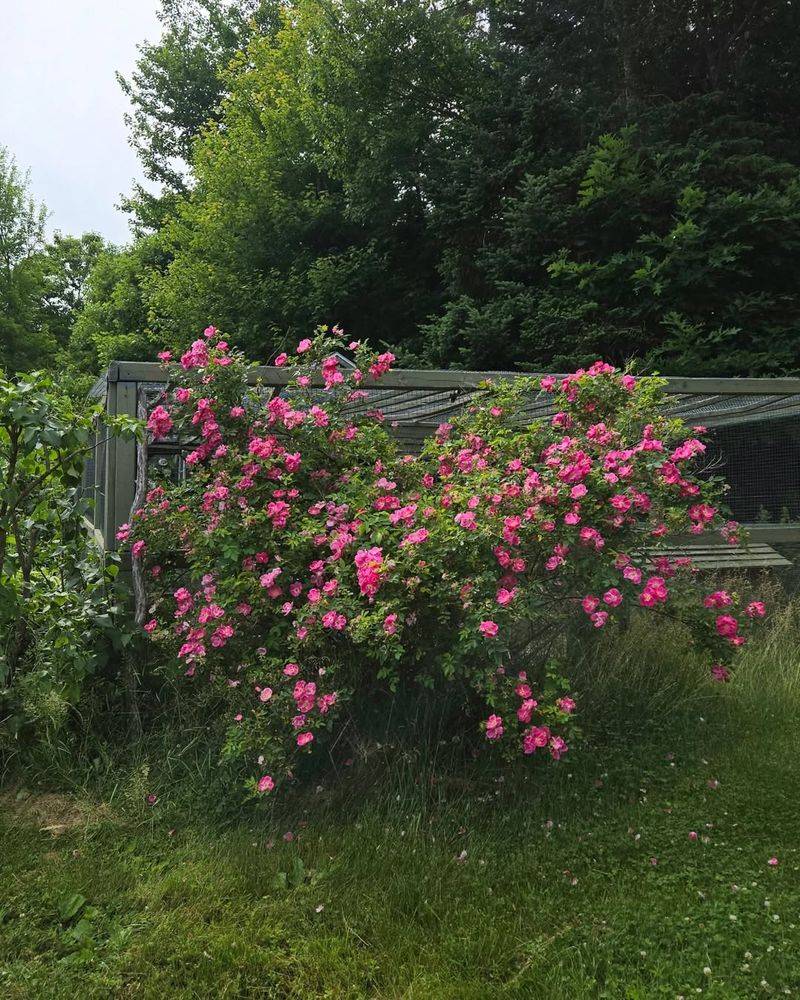
Many gardeners fall in love with colorful flowers at the nursery and bring them home without checking light requirements.
Roses, lavender, and most vegetables need at least six hours of direct sunlight daily to flourish.
When you stick them under your Douglas fir or big-leaf maple, they stretch toward any available light, produce fewer blooms, and become weak and spindly.
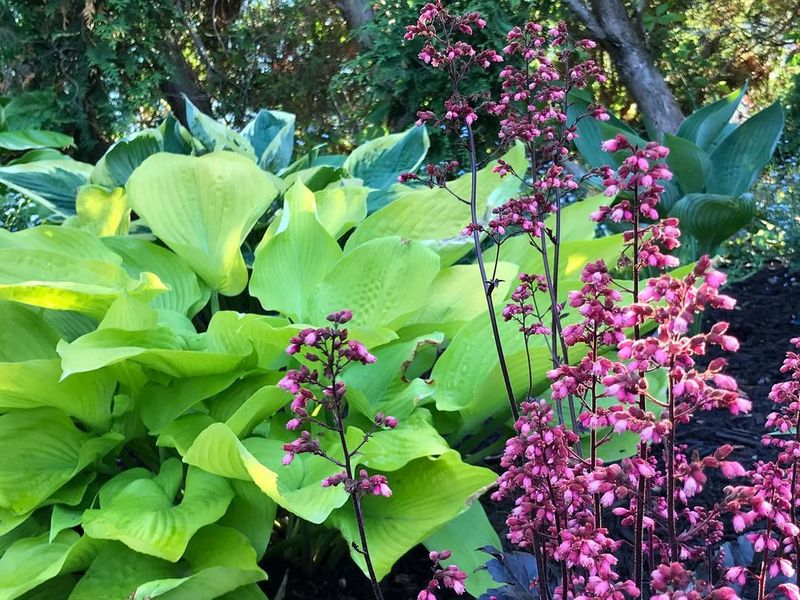
Oregon nurseries stock plenty of shade-tolerant options like hostas, bleeding hearts, and coral bells that actually prefer filtered light.
These plants have evolved to thrive with limited sun exposure and will reward you with healthy growth and beautiful foliage.
Before purchasing any plant, read the tag carefully and match the light requirements to your actual garden conditions.
Take photos of your shady spots at different times throughout the day to understand how much light they truly receive.
Morning sun differs greatly from afternoon sun, and dappled shade under deciduous trees changes with the seasons.
Smart plant selection based on accurate light assessment prevents disappointment and saves money.
Your shade garden can burst with color and texture when you choose plants adapted to lower light levels instead of forcing sun-lovers into inappropriate spaces.
2. Ignoring Oregon’s Unique Soil Conditions
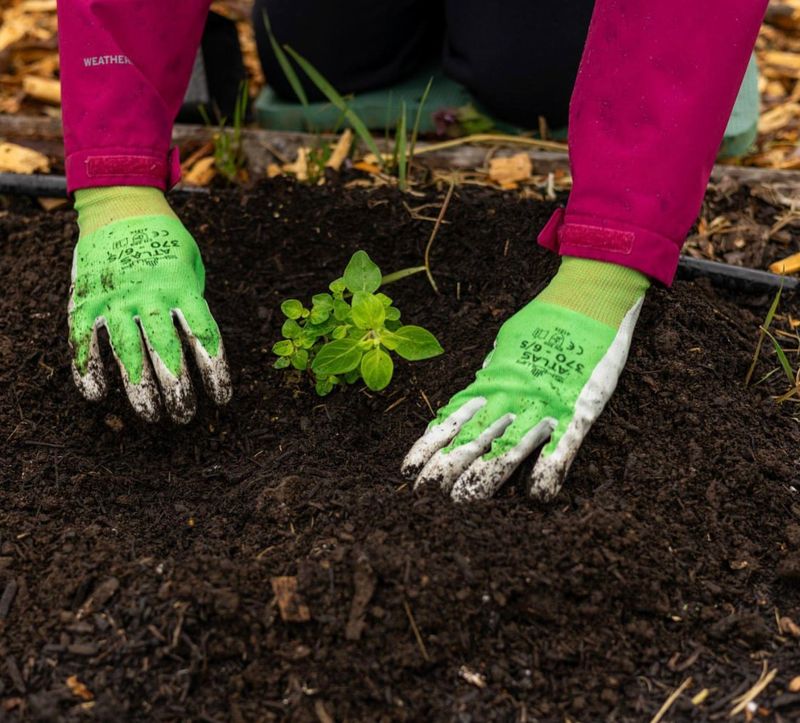
Pacific Northwest soil varies dramatically from sandy loam near the coast to heavy clay in the Willamette Valley.
Shade gardens often develop compacted, poorly draining soil because tree roots consume nutrients and moisture while blocking rain from reaching the ground.
Tossing plants into unamended earth sets them up for failure, especially in areas with clay that stays waterlogged during our wet winters.
Successful shade gardeners test their soil pH and texture before planting anything.
Most shade-loving plants prefer slightly acidic conditions with good drainage, which matches Oregon’s natural soil chemistry when properly prepared.
Mixing in compost, aged bark, or leaf mold improves both drainage and nutrient content.
Your Oregon Garden Changes Every Week. Your Plan Should Too.
Gardening in Oregon changes quickly throughout the season. Every Friday you’ll receive a simple weekly plan showing exactly what to plant, prune, fertilize, harvest, and protect so you never miss the right timing.
For extremely compacted areas, consider raised beds that give you complete control over soil quality.
Tree roots compete aggressively for resources, so you may need to replenish organic matter annually to maintain soil health.
Adding a two-to-three-inch layer of mulch helps retain moisture during summer dry spells while gradually breaking down to enrich the soil.
Taking time to prepare your planting area properly makes the difference between plants that merely survive and those that truly thrive in your shaded spaces.
3. Overwatering Shade-Dwelling Plants
Shade gardens naturally retain moisture longer than sunny spots because reduced light means less evaporation.
Many Oregon homeowners assume their shaded plants need constant watering, especially during summer months when the rest of the garden dries out.
This generous approach actually drowns plant roots and creates conditions where fungal diseases flourish.
Most shade-tolerant plants adapted to woodland environments prefer consistent moisture but not soggy conditions.
Stick your finger two inches into the soil before watering to check actual moisture levels rather than following a rigid schedule.
During Oregon’s rainy season from October through May, your shade garden probably needs zero supplemental water.
Even in summer, shaded areas may only require watering once or twice weekly depending on temperatures and plant types.
Proper drainage matters more than frequent watering for shade garden success.
Plants struggling with too much water often show yellow leaves, mushy stems, or a general lack of vigor that gardeners mistakenly interpret as needing more water.
Install a simple rain gauge or moisture meter to take the guesswork out of watering decisions.
Remember that established shade plants with deep root systems need less frequent watering than newly planted specimens still developing their root networks.
4. Neglecting To Thin Out Overhead Tree Canopy
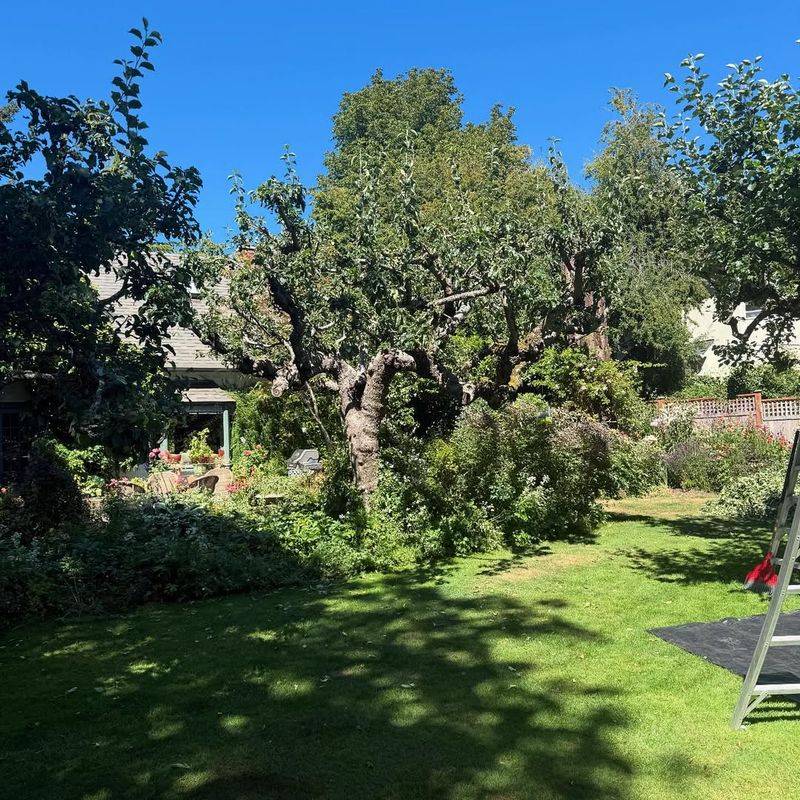
Trees provide wonderful shade, but excessive canopy density creates deep darkness where even shade-loving plants struggle.
Oregon homeowners often allow branches to grow unchecked, gradually transforming dappled shade into complete darkness.
The difference between light shade and deep shade dramatically affects which plants will succeed in your garden.
Professional arborists can selectively thin tree canopies to allow filtered light through while maintaining the tree’s health and structure.
This process removes specific branches rather than simply chopping back growth randomly.
Proper pruning improves air circulation, reduces disease pressure, and creates better growing conditions for understory plants.
Many native Oregon plants evolved beneath deciduous trees that leaf out in spring, creating seasonal shade patterns.
Evergreen trees like Douglas fir create year-round deep shade that limits plant options significantly.
Strategic limbing up removes lower branches to raise the canopy and allow more lateral light penetration.
Crown thinning reduces overall density without changing the tree’s natural shape.
Both techniques help transform barren, dark spaces into vibrant shade gardens.
Timing matters too—prune most trees during dormancy in late winter to minimize stress and avoid attracting pests.
Better light conditions mean healthier plants and fewer maintenance headaches throughout the growing season.
5. Forgetting About Seasonal Shade Changes
Shade patterns shift dramatically throughout the year as the sun’s angle changes and deciduous trees leaf out or drop foliage.
A spot that receives full spring sun under bare branches may become deeply shaded by July when trees reach full leaf.
Oregon gardeners who plan their shade gardens in summer miss opportunities to incorporate early bloomers that thrive before the canopy fills in.
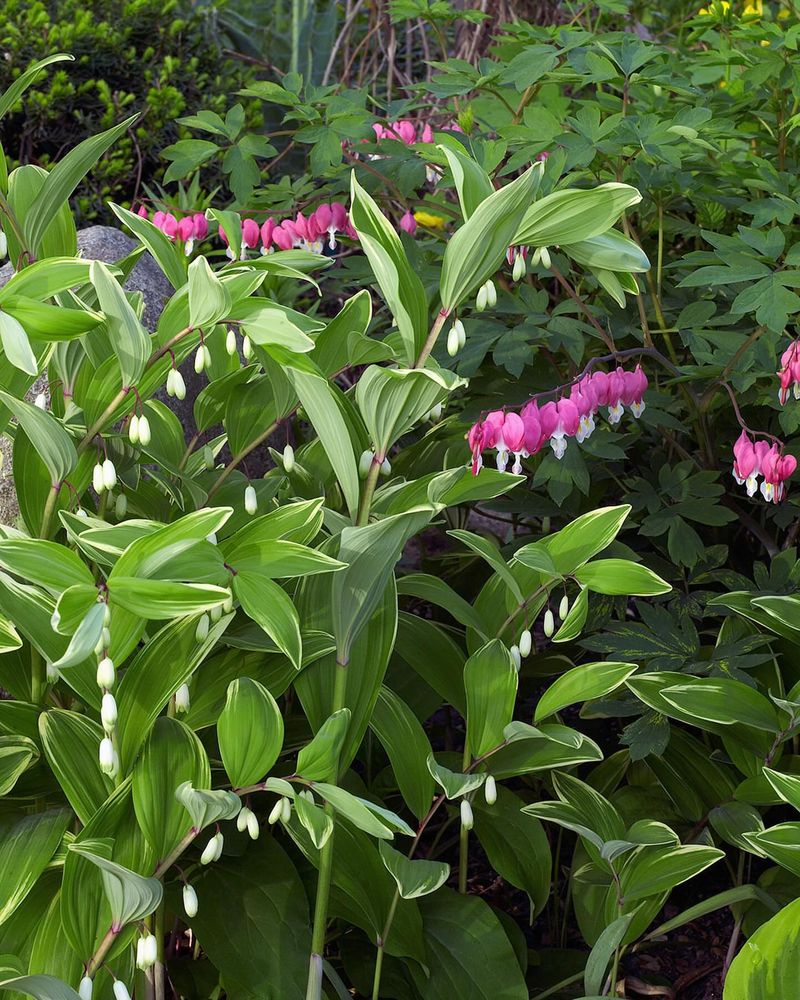
Spring ephemerals like trillium, bleeding heart, and woodland phlox take advantage of bright conditions before trees leaf out, then go dormant when shade deepens.
These clever plants complete their entire bloom cycle during the narrow window of abundant light.
Observe your garden throughout all four seasons before finalizing plant selections and placement.
Take photos monthly to document how shade patterns evolve as the sun’s path changes and trees transition through their annual cycle.
South-facing shade differs from north-facing shade in intensity and duration.
Eastern exposure provides gentler morning light while western exposure brings stronger afternoon rays.
Layer your plantings to match these changing conditions—early bulbs and ephemerals for spring, followed by foliage plants that handle deeper summer shade.
This strategic approach maximizes interest and color throughout the entire growing season rather than focusing on a single moment in time.
6. Skipping Mulch Or Applying It Incorrectly
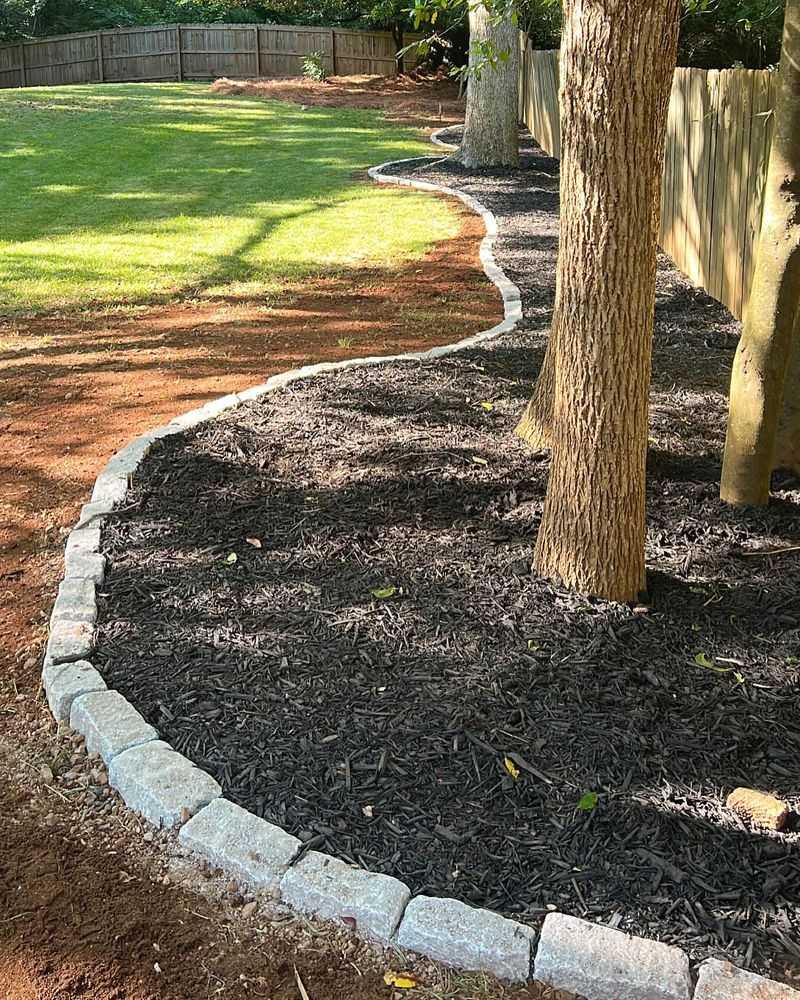
Mulch serves multiple critical functions in shade gardens, yet many homeowners either skip it entirely or pile it incorrectly around plant stems.
A proper mulch layer moderates soil temperature, retains moisture, suppresses weeds, and gradually adds organic matter as it decomposes.
Oregon’s wet winters and dry summers make moisture regulation especially important for plant health.
Bare soil in shade gardens quickly becomes compacted and develops surface crusting that prevents water penetration and air exchange.
Apply two to three inches of organic mulch like aged bark, leaf compost, or wood chips around your plants, keeping it pulled back several inches from stems and trunks.
Mulch piled against plant crowns creates perfect conditions for rot and provides hiding spots for slugs and other pests.
Refresh your mulch layer annually as the material breaks down and incorporates into the soil.
Different mulch types offer various benefits—fine-textured leaf compost works well around delicate perennials while larger bark chips suit shrub borders.
Avoid using fresh wood chips around plants because they temporarily tie up nitrogen as they decompose.
Properly applied mulch reduces maintenance time, improves plant performance, and creates a finished, professional appearance.
This simple step makes a tremendous difference in overall garden health and appearance with minimal ongoing effort required.
7. Choosing Invasive Ground Covers Without Research
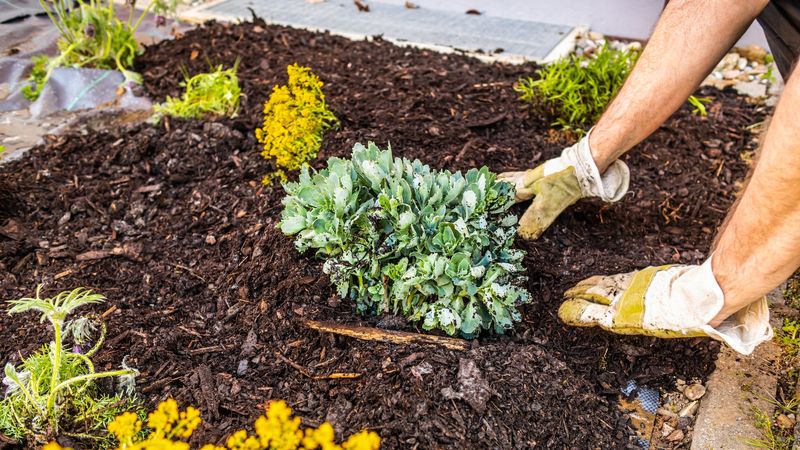
Ground covers seem like perfect solutions for covering bare soil in shady areas, but some popular choices become aggressive invaders.
English ivy, periwinkle, and lamium spread rapidly beyond their intended boundaries and crowd out native plants.
What starts as convenient coverage transforms into a maintenance nightmare requiring constant vigilance and removal efforts.
Oregon’s mild, moist climate allows many ground covers to grow far more vigorously than in their native ranges.
These plants escape into natural areas where they displace native species and disrupt local ecosystems.
Before planting any ground cover, research its growth habits and invasive potential in the Pacific Northwest specifically.
Excellent non-invasive alternatives include native options like wild ginger, inside-out flower, and various native ferns.
These plants provide attractive coverage while supporting local wildlife and staying within their designated spaces.
Some introduced ground covers like sweet woodruff and Japanese forest grass behave well in cultivation without becoming problematic.
Check with Oregon State University Extension or local native plant societies for recommendations suited to your specific conditions.
If you already have invasive ground covers established, commit to removing them completely rather than attempting to contain them.
Partial removal simply encourages more vigorous regrowth from remaining roots and fragments.
Making informed choices now saves countless hours of frustration and protects Oregon’s natural heritage.
8. Planting Too Close To Tree Trunks
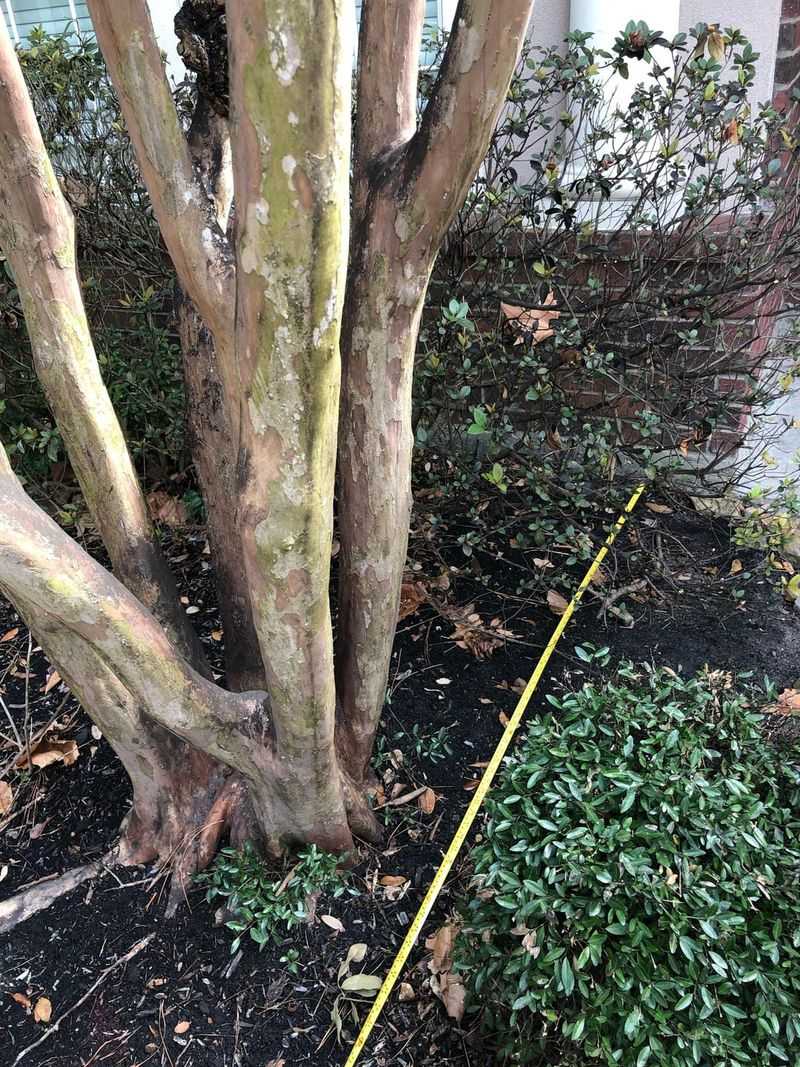
The area immediately surrounding tree trunks seems like prime real estate for shade plants, but this zone presents extreme challenges.
Massive root systems dominate this space, consuming available water and nutrients while creating physical barriers to planting.
Oregon’s big trees like Douglas fir, oak, and maple develop extensive surface roots that make soil preparation nearly impossible close to trunks.
Plants situated too near tree bases must compete with established root systems that always win the resource battle.
Even tough ground covers struggle in this competitive environment and often remain stunted or patchy.
Attempting to dig planting holes near trunks damages important structural roots that trees need for stability and health.
Root damage creates entry points for diseases and can compromise the tree’s long-term survival.
Instead, focus planting efforts beyond the tree’s drip line where root competition lessens and soil preparation becomes feasible.
If you must plant near trunks, choose shallow-rooted species that tolerate dry conditions and install them in small pockets without extensive digging.
Consider using container gardens or decorative elements like rocks and benches to add interest around tree bases instead of forcing plants into inhospitable conditions.
Mulching the root zone heavily provides a finished look while protecting tree roots and eliminating the need for struggling plants.
Work with your trees’ natural biology rather than against it for better results and healthier landscapes overall.
9. Expecting Instant Results Without Patience
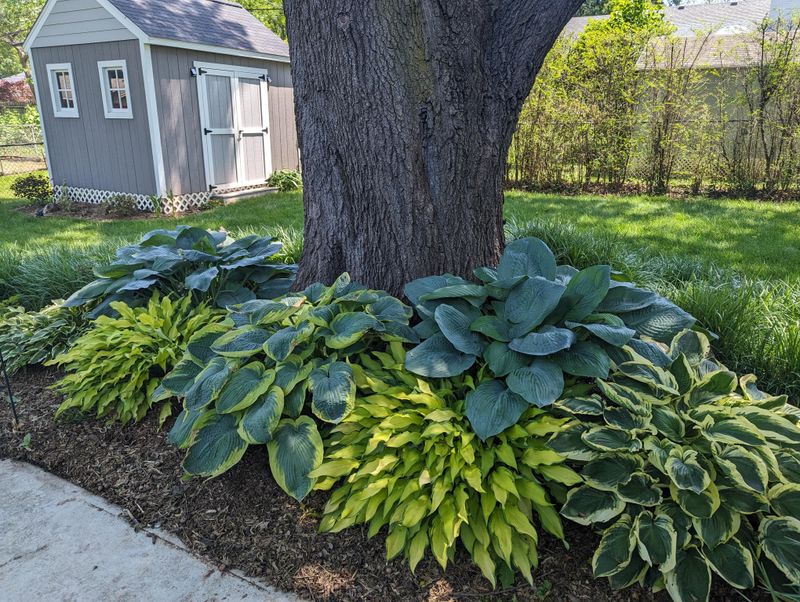
Garden centers display mature specimens that create unrealistic expectations about how quickly your shade garden will fill in.
Those lush, full hostas and ferns spent years developing in optimal nursery conditions before arriving at the store.
Newly planted shade gardens look sparse and underwhelming for at least two or three growing seasons while plants establish root systems.
Oregon’s climate favors steady growth, but shade plants naturally develop more slowly than sun-loving varieties because they produce less energy through photosynthesis.
Resist the temptation to overcrowd plants in an attempt to achieve immediate fullness.
Proper spacing based on mature size allows air circulation, reduces disease pressure, and prevents expensive thinning projects later.
Use annuals or temporary fillers between permanent plantings during the establishment phase if you cannot tolerate bare spots.
Focus on soil improvement and proper care during these early years rather than judging your garden’s ultimate potential.
Most shade perennials double or triple in size by their third season when their root systems fully develop.
Dividing and transplanting established clumps provides free plants to expand your garden over time.
Document your garden’s progress with photos to appreciate gradual changes that daily observation makes difficult to notice.
Patience rewards you with a mature, balanced landscape that looks intentional rather than haphazard and overcrowded from rushed planting decisions.
10. Ignoring Native Plant Options Perfect For Oregon Shade
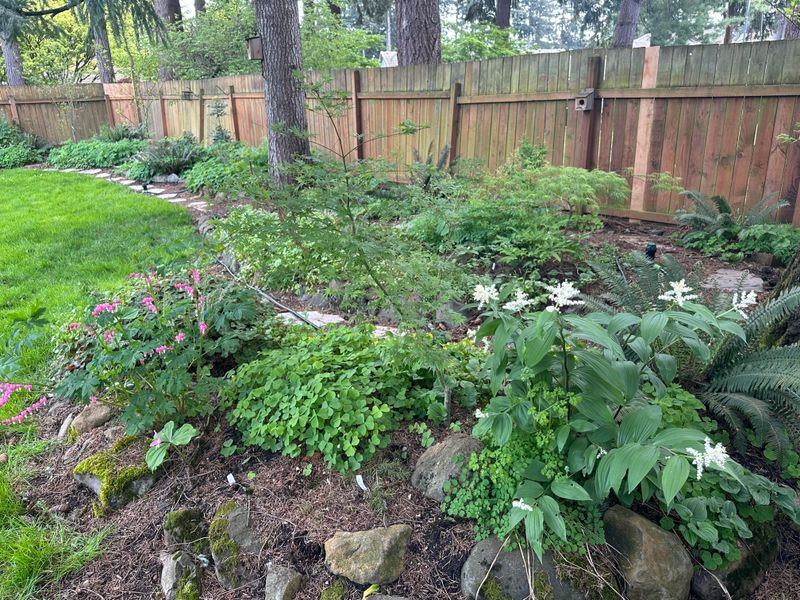
Oregon boasts incredible native plants perfectly adapted to local shade conditions, yet many homeowners overlook these reliable performers.
Native species evolved alongside our weather patterns, soil types, and local wildlife, making them naturally suited to thrive with minimal intervention.
Sword ferns, Oregon grape, vanilla leaf, and wild ginger create stunning combinations while supporting native bees, butterflies, and birds.
These plants require less water once established, resist local pests and diseases, and maintain their appearance through seasonal changes.
Gardeners often assume native plants look weedy or informal, but thoughtful combinations create sophisticated, beautiful landscapes.
Trilliums, inside-out flowers, and coral bells offer elegant blooms that rival any exotic import.
Evergreen natives like salal and Oregon grape provide year-round structure and winter interest when deciduous plants go dormant.
Native plant gardens support local ecosystems by providing food and habitat for wildlife that evolved alongside these species.
Many nurseries now stock excellent selections of native plants bred for improved garden performance while retaining their natural toughness.
Combining natives with well-behaved non-invasive exotics creates diverse, interesting plantings that perform reliably.
Research which natives naturally occur in woodland habitats similar to your garden conditions for best results.
Choosing native plants reduces maintenance, conserves water, supports biodiversity, and celebrates the unique character of Pacific Northwest landscapes.