Smart Steps To Take When Prairie Dogs Show Up Near Your New Mexico Yard
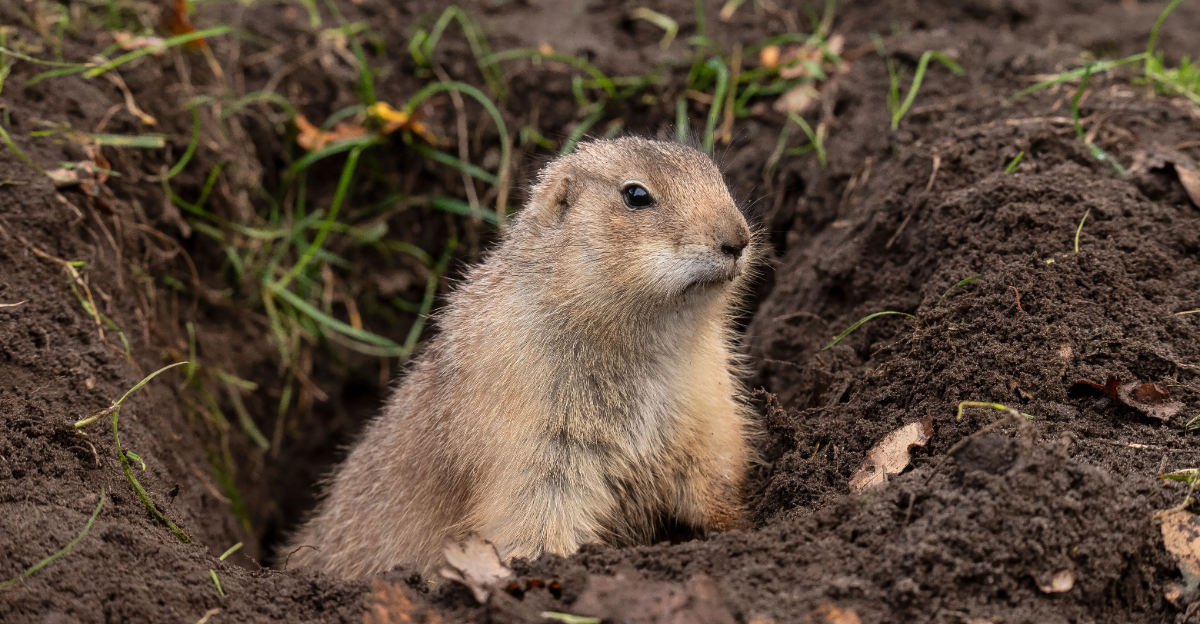
When prairie dogs pop up near your New Mexico yard, it can feel like they arrived overnight with a full construction crew.
One day your landscape looks normal, and the next you’re spotting mounds of dirt and tiny sentries chirping at the sunrise.
While these animals are part of the Southwest’s natural charm, they can also put homeowners in a tough spot.
As the saying goes, it’s better to look before you leap, especially when wildlife moves in close to home.
Ignoring the problem can let it snowball, but rushing in without a plan can make matters worse.
The smart move is finding a balance between protecting your property and respecting the local ecosystem.
Prairie dogs can attract predators, damage lawns, and create holes that pose risks to kids and pets.
Still, they’re protected in many areas, which means careless actions could land you in hot water.
Knowing what steps to take, and which ones to avoid, can save you time, money, and stress.
If you play your cards right, you can handle the situation calmly instead of feeling like you’re fighting an uphill battle.
1. Identify The Species And Assess The Situation
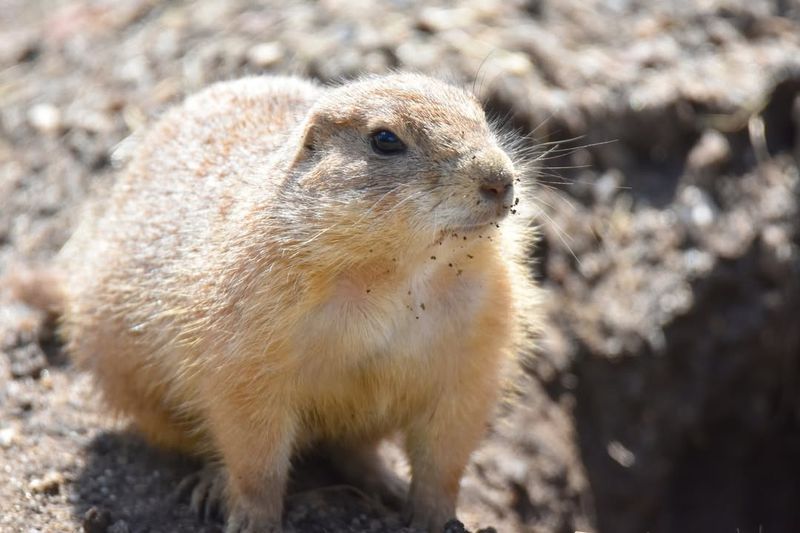
Before you do anything else, take a moment to figure out exactly what kind of prairie dogs have moved into your neighborhood and how many burrows they’ve created.
New Mexico is home to the Gunnison’s prairie dog, which tends to favor higher elevations and grassland areas throughout the state.
Observing their behavior and counting the visible mounds can give you a clear picture of whether you’re dealing with a small family group or a larger colony that might expand quickly.
Walk around your property during early morning or late afternoon when prairie dogs are most active.
Look for fresh dirt mounds, which indicate recently dug burrows, and watch for movement to estimate how many animals are present.
Taking photos or notes can help you track changes over time and provide useful information if you decide to contact wildlife professionals later.
Understanding the scope of the problem is crucial because it determines your next steps.
A single burrow might not require aggressive action, but multiple interconnected tunnels spreading across your yard in New Mexico could signal a growing colony that needs immediate attention.
Don’t panic, but don’t ignore the signs either.
Check local regulations in your area before taking any action.
Some New Mexico counties have specific rules about prairie dog management, and certain species may be protected under state or federal law.
Knowing the legal landscape helps you avoid fines and ensures you handle the situation responsibly and ethically from the very beginning.
2. Remove Attractants From Your Property
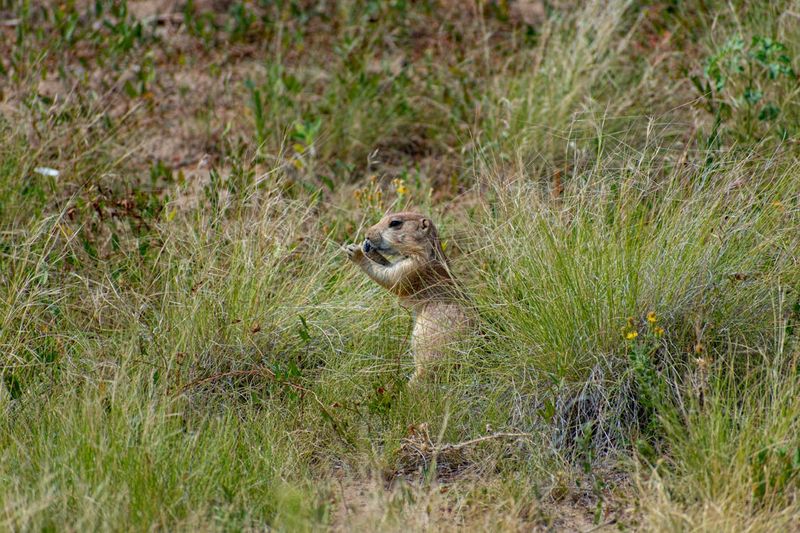
Prairie dogs settle in areas where they can find food, shelter, and safety from predators.
Your yard might be offering all three without you even realizing it.
Tall grasses, weeds, and overgrown vegetation provide cover and food sources that make your property irresistible to these rodents.
Your New Mexico Garden Changes Every Week. Your Plan Should Too.
Gardening in New Mexico changes quickly throughout the season. Every Friday you’ll receive a simple weekly plan showing exactly what to plant, prune, fertilize, harvest, and protect so you never miss the right timing.
Start by mowing your lawn regularly and keeping grass height below three inches.
Prairie dogs prefer areas where they can easily spot approaching danger, but they also need vegetation to munch on.
Short grass makes them feel exposed while reducing available food.
Trim back bushes and remove piles of brush, wood, or debris that could serve as hiding spots.
Gardens and vegetable patches are like buffet tables for prairie dogs in New Mexico.
Consider installing fencing that extends at least a foot underground to prevent burrowing beneath it.
Remove fallen fruit from trees, clean up birdseed spills, and secure compost bins tightly so food smells don’t drift across your yard and attract hungry critters.
Water sources also draw prairie dogs, especially during New Mexico’s hot, dry months.
Fix leaky sprinklers, drain standing water, and avoid overwatering your lawn.
Making your property less hospitable won’t force existing prairie dogs to leave immediately, but it will discourage new arrivals and make your yard less appealing overall.
Consistency matters here, so maintain these practices throughout the year for the best results and long-term protection.
3. Install Physical Barriers And Fencing
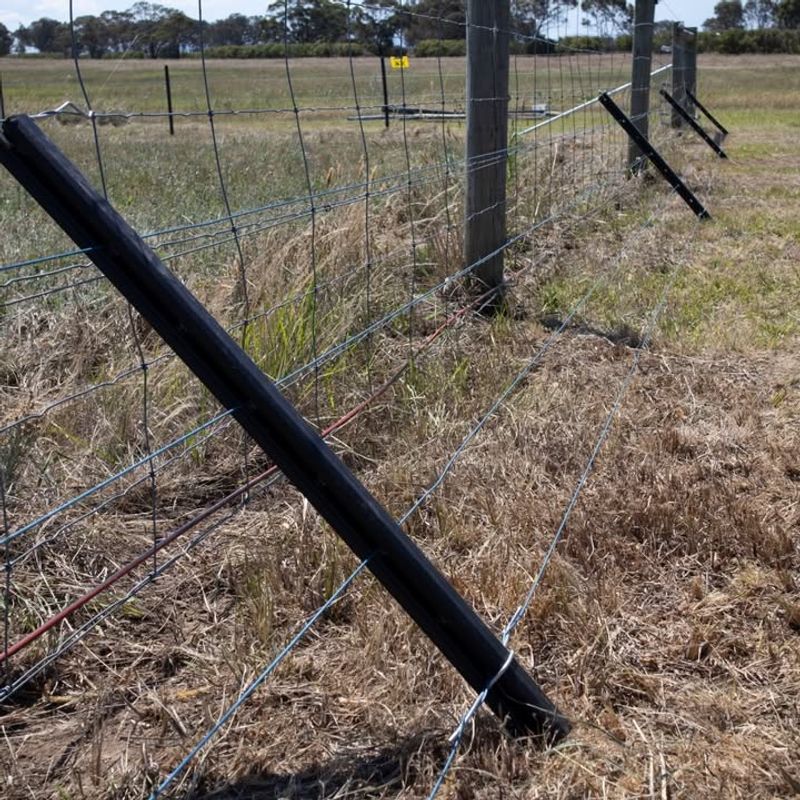
Physical barriers are one of the most effective ways to keep prairie dogs from establishing new burrows in specific areas of your New Mexico property.
Hardware cloth or welded wire mesh with openings no larger than one inch works best because prairie dogs can squeeze through surprisingly small spaces.
The key is proper installation that addresses both surface entry and underground tunneling.
Bury fencing at least 12 to 18 inches deep and bend the bottom six inches outward in an L-shape to prevent digging underneath.
Extend the fence at least two to three feet above ground to stop them from climbing over.
This method works particularly well around gardens, flowerbeds, or specific zones you want to protect rather than your entire property.
For larger areas, consider perimeter fencing that surrounds your whole yard.
While this requires more materials and effort, it creates a comprehensive barrier that keeps prairie dogs out entirely.
Make sure gates close securely and check regularly for gaps or damage that could compromise the barrier’s effectiveness in the harsh New Mexico climate.
Some homeowners in New Mexico also use gravel or rock barriers around potential burrow sites.
Spreading a thick layer of coarse gravel makes digging difficult and uncomfortable for prairie dogs.
Combining fencing with gravel creates multiple layers of defense that significantly reduce the chances of new colonies forming.
Remember that barriers work best as preventative measures, so install them before prairie dogs become established rather than trying to fence them in after they’ve already moved into your yard.
4. Use Repellents And Deterrents Strategically
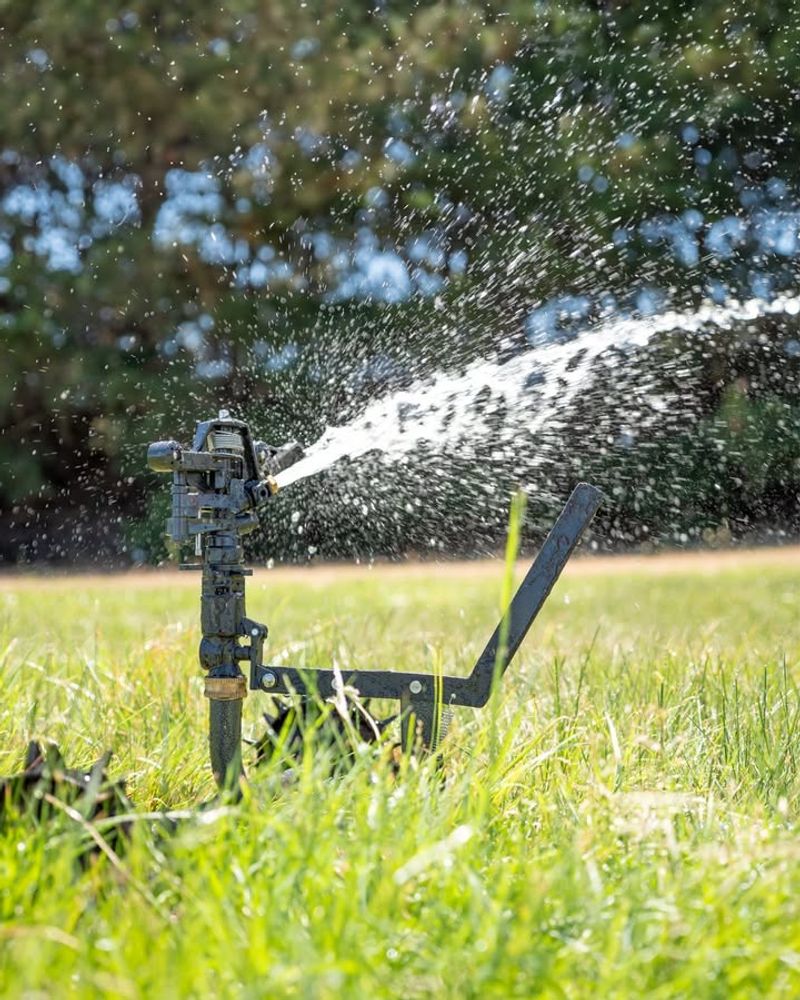
Repellents offer a non-harmful way to make your New Mexico yard less inviting to prairie dogs without resorting to extreme measures.
Commercial products containing ingredients like castor oil, garlic, or predator urine can create unpleasant smells or tastes that discourage prairie dogs from sticking around.
These products come in liquid sprays, granules, or stakes that release scent over time.
Apply repellents directly around burrow entrances, along property boundaries, and in areas where you’ve noticed prairie dog activity.
Follow manufacturer instructions carefully regarding application frequency and weather conditions.
Rain can wash away liquid repellents, so you’ll need to reapply regularly, especially during New Mexico’s monsoon season.
Granular products tend to last longer but may need refreshing every few weeks.
Visual and auditory deterrents can also help.
Motion-activated sprinklers startle prairie dogs when they approach, teaching them to avoid certain areas.
Reflective tape, pinwheels, or shiny objects create movement and light that make prairie dogs nervous.
Some people have success with ultrasonic devices that emit high-frequency sounds humans can’t hear but rodents find annoying.
Keep in mind that prairie dogs are adaptable creatures.
They may become accustomed to deterrents over time, reducing effectiveness.
Rotating different types of repellents and deterrents prevents habituation.
Combining these methods with habitat modification creates a multi-layered approach that works better than relying on any single strategy alone.
Patience is important because results won’t happen overnight, but consistent application in your New Mexico yard will gradually encourage prairie dogs to relocate elsewhere.
5. Contact Professional Wildlife Control Services

Sometimes the prairie dog problem grows beyond what you can handle on your own.
Professional wildlife control services in New Mexico have the experience, equipment, and knowledge to address infestations safely and legally.
They understand local species, regulations, and the most effective removal techniques for your specific situation.
Licensed professionals can conduct thorough property assessments to determine colony size, burrow locations, and potential risks to structures or landscaping.
They use humane trapping and relocation methods when appropriate, or they may recommend exclusion techniques that prevent prairie dogs from returning after removal.
Many companies also offer ongoing monitoring and maintenance plans to ensure your property stays prairie dog-free.
Hiring experts saves you time and reduces the risk of mistakes that could make the problem worse.
Improperly sealed burrows might trap animals underground, while incorrect repellent use could harm non-target wildlife.
Professionals know how to avoid these pitfalls and can complete the job efficiently.
When choosing a wildlife control service in New Mexico, ask about their methods, success rates, and whether they follow humane practices.
Check for proper licensing and insurance, and read reviews from other homeowners in your area.
Get quotes from multiple companies to compare prices and services offered.
Professional help costs more upfront than DIY methods, but it often proves more cost-effective in the long run.
Preventing structural damage, protecting landscaping investments, and avoiding legal issues are worth the expense.
Plus, reputable companies typically guarantee their work, giving you peace of mind that the prairie dog problem will be resolved properly and won’t return to plague your New Mexico property again.
6. Fill And Monitor Burrows Carefully
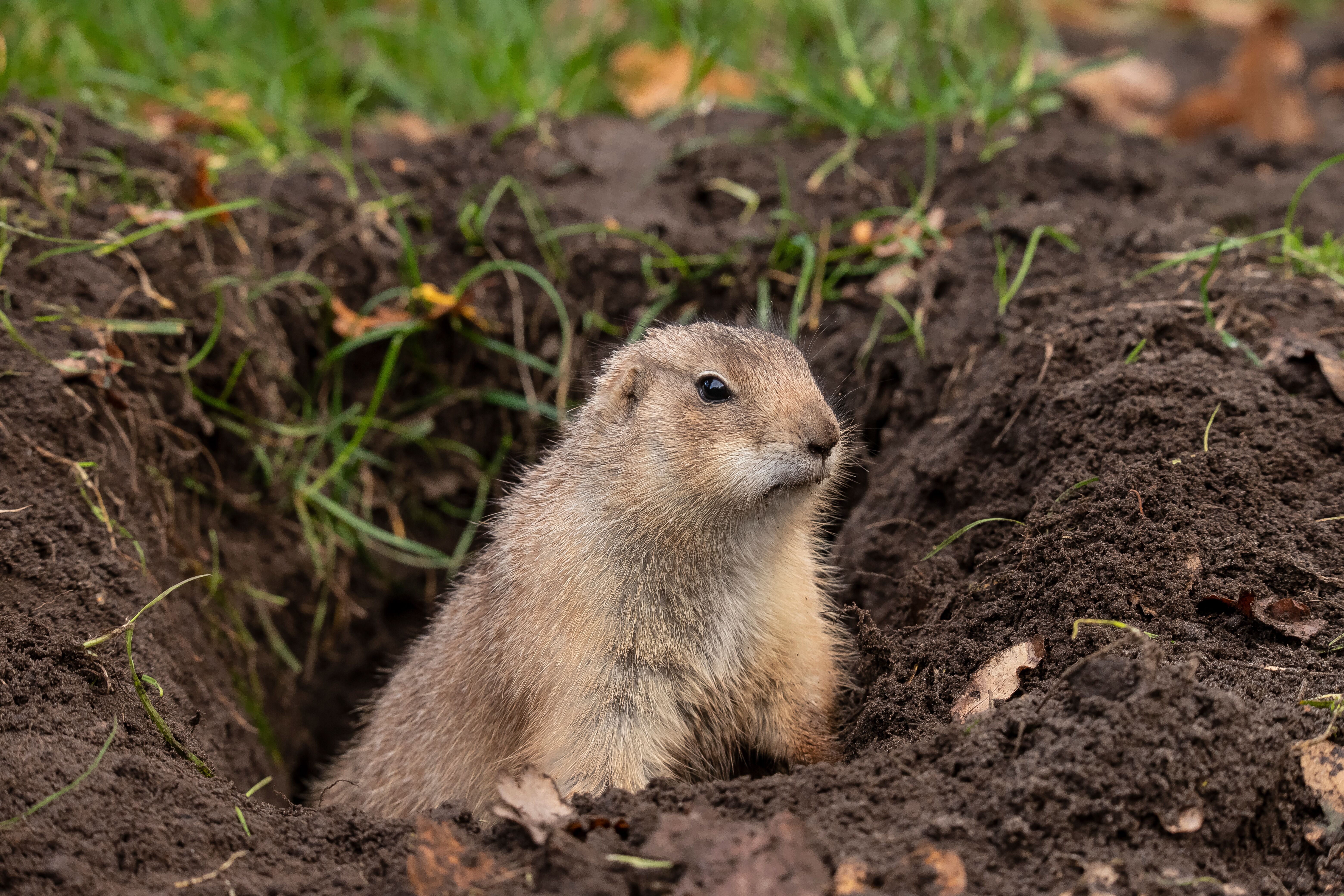
Once you’re certain prairie dogs have abandoned burrows on your property, filling them becomes an important step to prevent reoccupation and eliminate trip hazards.
Never fill active burrows while animals are inside, as this is inhumane and often illegal in New Mexico.
Wait until you’ve confirmed the tunnels are empty through observation or professional verification.
Use a mixture of soil and gravel to fill burrow openings.
The gravel makes re-digging more difficult while the soil blends with your existing landscape.
Pack the material firmly but not so tightly that it prevents natural settling.
Some people add a layer of sod on top to restore the lawn’s appearance quickly.
Monitor filled burrows daily for the first week and then weekly for a month.
Prairie dogs may attempt to re-open tunnels if they haven’t fully relocated.
Fresh digging indicates continued activity and means you need to reinforce your other deterrent methods.
Persistent re-opening might require professional intervention to ensure complete removal.
For extensive tunnel systems common in New Mexico prairie dog colonies, consider using expanding foam designed for wildlife burrows before adding soil.
The foam creates a more permanent barrier that’s harder to dig through.
Just make sure the product is safe for the environment and won’t harm other animals that might encounter it.
Remember that filling burrows is just one part of a comprehensive management strategy.
Without addressing attractants and preventing new arrivals, you’ll find yourself filling holes repeatedly.
Combine this step with habitat modification, barriers, and deterrents for lasting results that keep your New Mexico yard prairie dog-free and looking great year-round.
7. Stay Informed About Local Regulations And Conservation
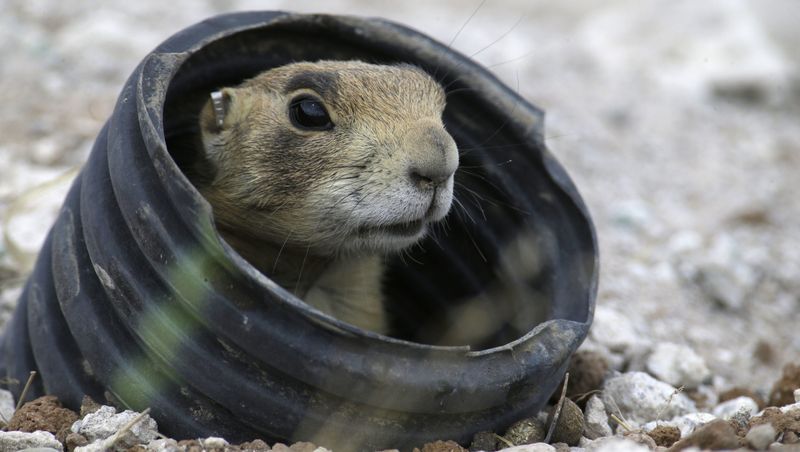
Prairie dog management isn’t just about protecting your property.
It also involves understanding the ecological role these animals play and respecting laws designed to balance homeowner needs with wildlife conservation.
New Mexico has specific regulations governing prairie dog control, and staying informed helps you avoid legal troubles while contributing to responsible wildlife management.
Certain prairie dog species have faced population declines due to habitat loss and disease, leading to protective measures in some areas.
Before taking any action, check with your county extension office or New Mexico Department of Game and Fish to learn about local rules.
Some methods that are legal in one county might be restricted in another.
Conservation efforts recognize that prairie dogs are keystone species supporting biodiversity.
Their burrows provide homes for other animals like burrowing owls and black-footed ferrets.
Understanding this bigger picture doesn’t mean you have to tolerate property damage, but it does encourage humane and balanced approaches.
Many New Mexico communities have prairie dog management plans that outline approved control methods and offer resources for homeowners.
Participating in neighborhood meetings or local wildlife groups can provide valuable insights and connect you with others facing similar challenges.
Sharing experiences and solutions creates stronger, more effective community responses.
Education is ongoing.
Wildlife management practices evolve as researchers learn more about prairie dog behavior and ecology.
Subscribing to newsletters from New Mexico wildlife agencies or following local conservation groups keeps you updated on new techniques, legal changes, and best practices.
Being an informed homeowner means you can protect your New Mexico property while respecting the natural environment that makes the state special and unique.