How A Simple Paint Job Helps Fruit Trees Thrive In California
In California, sunshine is usually a blessing—but for fruit trees, too much of it can be downright brutal.
While leaves bask happily in the light, trunks often take the hit, absorbing heat day after day until stress, cracking, or sunburn sets in.
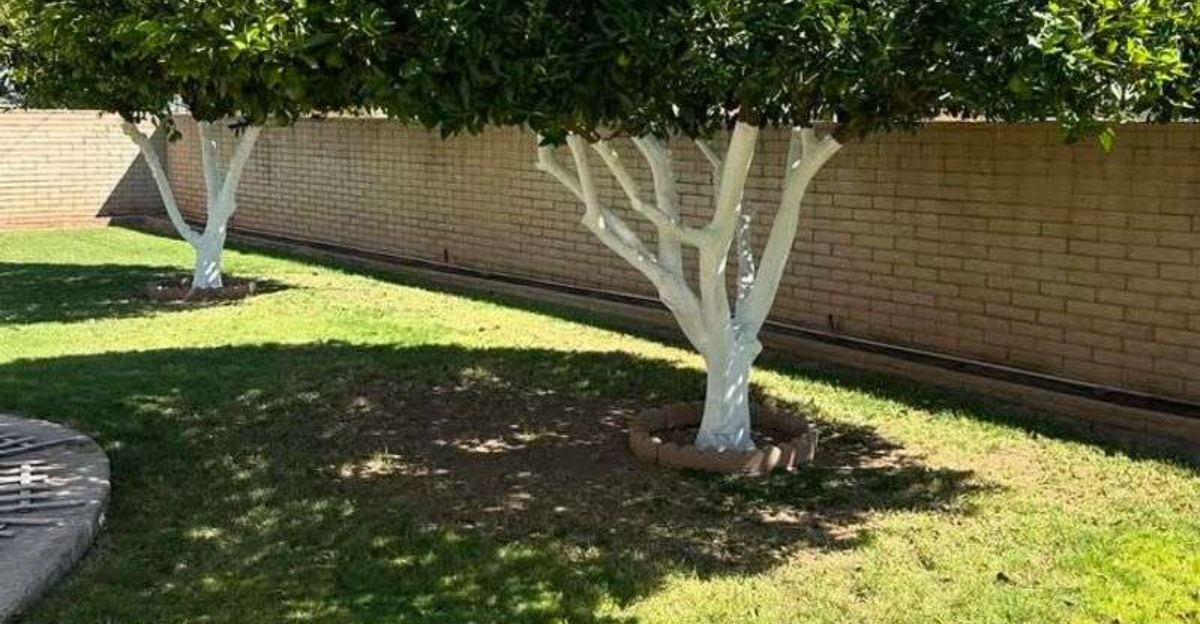
That’s where one of the simplest, most old-school tricks in the book comes into play: painting the trunk.
It may look strange at first—almost like the tree dressed up for a costume party—but this “paint job” serves a serious purpose.
By reflecting sunlight instead of soaking it in, a light-colored coating helps regulate trunk temperature, reducing damage during scorching summers and even sudden winter temperature swings.
In a climate known for extremes, that protection can make all the difference.
California growers have relied on this method for decades, especially with young or newly planted fruit trees that haven’t yet built up natural defenses.
It’s inexpensive, fast, and surprisingly effective. Sometimes, thriving isn’t about fancy products or complicated routines—it’s about using a simple solution at the right time.
In California orchards and backyards alike, this humble practice quietly keeps fruit trees healthier, stronger, and more productive year after year.
Protects Fruit Tree Trunks From Sunburn
Bark might seem tough, but it can actually get burned just like your skin when exposed to intense sunlight for too long.
California’s bright sun beats down on young fruit trees with incredible intensity, especially during summer months when temperatures soar above ninety degrees.
Thin bark on young trunks lacks the thick protective layer that older trees develop over time, making it vulnerable to solar radiation damage.
When bark gets sunburned, it turns brown or gray and may peel away, leaving the tree’s inner tissues exposed to further harm.
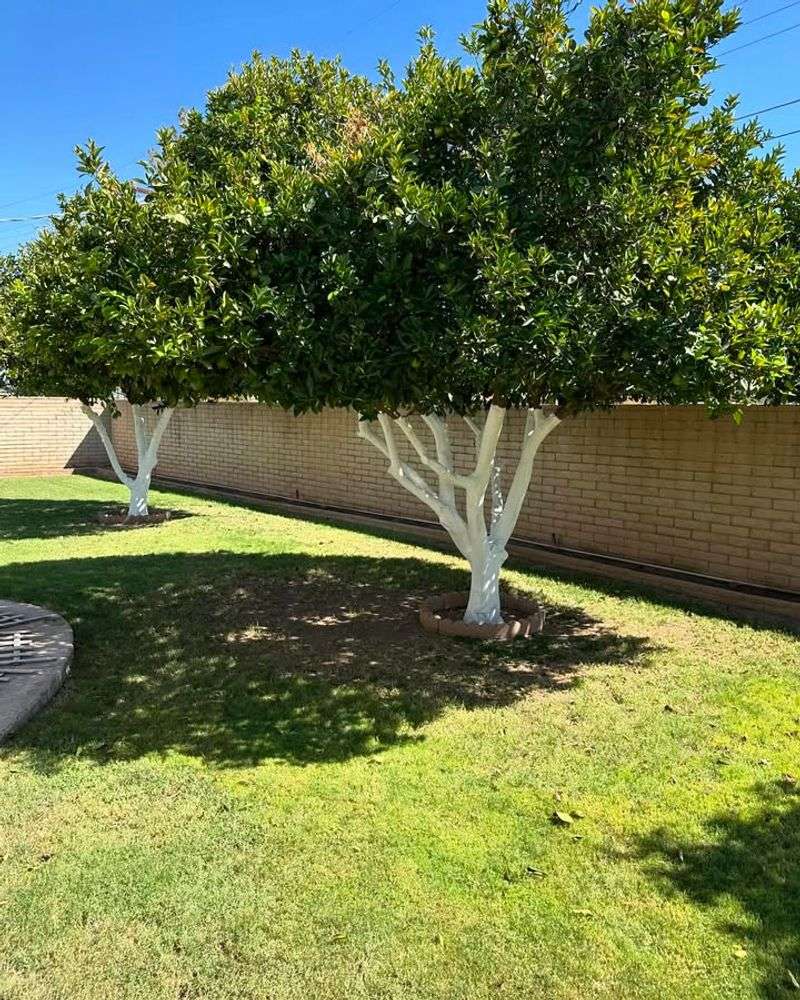
A coat of white or light-colored paint works like sunscreen by reflecting most of the sun’s harmful rays away from the trunk surface.
This reflection keeps the bark cooler and prevents the scorching that would otherwise occur on hot afternoons.
Painting is especially important on the south and west sides of trunks, where afternoon sun hits hardest.
Without this protection, sunburned bark weakens the tree’s defenses and creates openings for other problems to develop.
The simple act of painting creates a barrier that bounces sunlight away rather than letting it penetrate and damage living tissues.
This protection allows your fruit trees to develop strong, healthy bark that will serve them well for years to come.
Prevents Cracking Caused By Temperature Swings
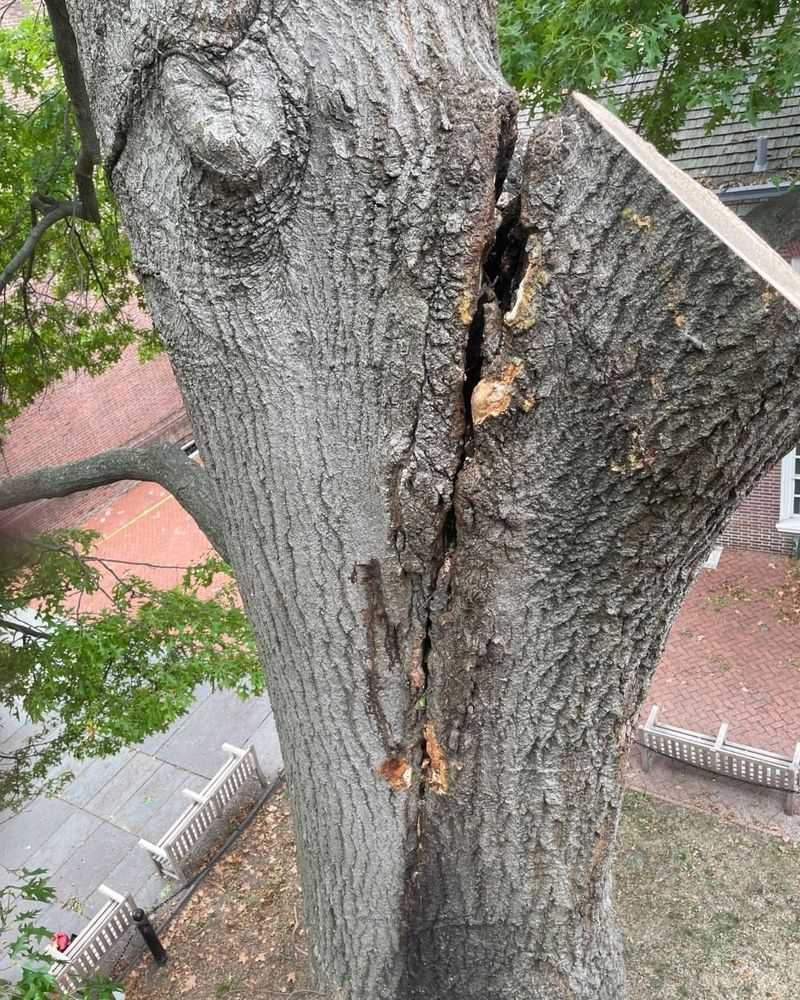
California’s climate can be tricky because even though days get blazing hot, nights often cool down dramatically, especially in inland valleys and foothills.
This rapid temperature change causes tree bark to expand during the warm day and then contract quickly when evening temperatures plummet.
Imagine a piece of wood that keeps getting heated and cooled over and over—eventually it develops cracks and splits from all that stress.
Fruit tree bark responds the same way, developing vertical cracks called frost cracks or sun scald splits when temperature swings become too extreme.
Your California Garden Changes Every Week. Your Plan Should Too.
Gardening in California changes quickly throughout the season. Every Friday you’ll receive a simple weekly plan showing exactly what to plant, prune, fertilize, harvest, and protect so you never miss the right timing.
These cracks weaken the trunk’s structure and create perfect entry points for diseases and insects to invade.
White paint helps regulate trunk temperature by reflecting heat during the day, keeping the bark from getting as hot as it would otherwise.
At night, the painted surface cools down more gradually, reducing the shocking temperature difference the bark experiences.
This temperature moderation means less expansion and contraction, which translates to fewer cracks developing over time.
Stone fruit trees like peaches and apricots are particularly prone to this type of damage in California’s variable climate.
By maintaining more stable bark temperatures, paint acts as a buffer that protects the trunk’s integrity throughout seasonal changes.
Reduces Stress On Young And Newly Planted Trees
Young fruit trees face an uphill battle when first planted because their root systems haven’t fully established yet, and their bark remains thin and tender.
Newly planted trees in California nurseries or home gardens lack the thick, corky bark that mature trees develop as a natural defense against environmental challenges.
Every bit of stress a young tree endures—whether from sun, temperature changes, or pest attacks—diverts energy away from root development and growth.
When you paint the trunk of a young tree, you’re essentially giving it a head start by removing several major stress factors at once.
The tree can focus its limited energy on growing strong roots and developing a sturdy framework instead of constantly repairing damaged bark.
This protection is especially critical during the first two to three years after planting, when establishment is most important.
Young trees with painted trunks typically grow more vigorously and develop healthier canopies compared to unprotected trees.
The paint creates a microclimate around the trunk that’s more stable and less harsh than the exposed environment would be.
As the tree matures and develops thicker bark, the paint becomes less necessary, but those early years of protection make a lasting difference.
Supporting young trees through their vulnerable period sets them up for decades of productive fruit bearing.
Discourages Insect Borers And Pests
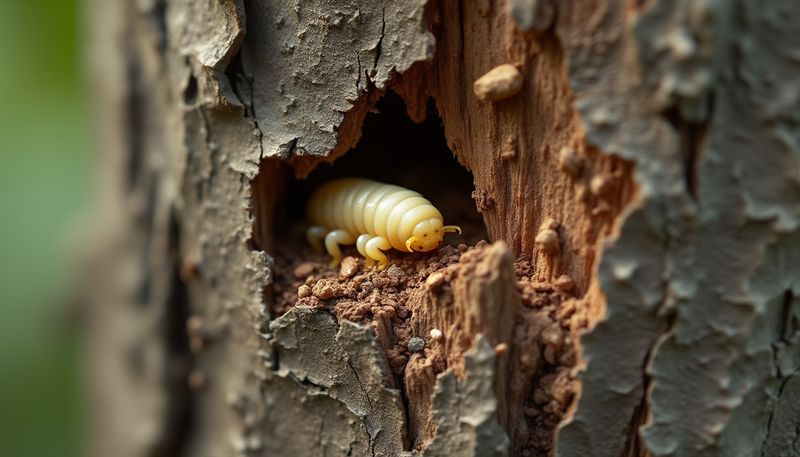
California fruit trees face constant threats from boring insects that tunnel into bark and wood, causing serious damage that can weaken or even ruin a tree.
Peach tree borers, flatheaded borers, and shothole borers are just a few of the common pests that plague California orchards and home gardens.
These insects typically locate vulnerable trees by sensing chemical signals or by detecting areas of damaged or stressed bark.
A painted trunk confuses these pests by masking the tree’s natural scent and visual cues that insects use to find suitable host trees.
The smooth, reflective surface of white paint also makes it physically harder for some insects to grip the bark and begin their boring activities.
Many boring insects prefer warm bark for laying eggs, and since painted trunks stay cooler, they become less attractive targets.
Citrus trees in Southern California particularly benefit from this protection against clearwing moths and other borers that attack thin-barked varieties.
While paint isn’t a complete solution to pest problems, it adds an important layer of defense that reduces infestation rates significantly.
Combined with good cultural practices and monitoring, painted trunks help keep pest populations manageable without relying solely on chemical treatments.
This natural deterrent approach fits well with organic gardening methods and integrated pest management strategies that many California gardeners prefer.
Helps Prevent Fungal And Disease Entry Points
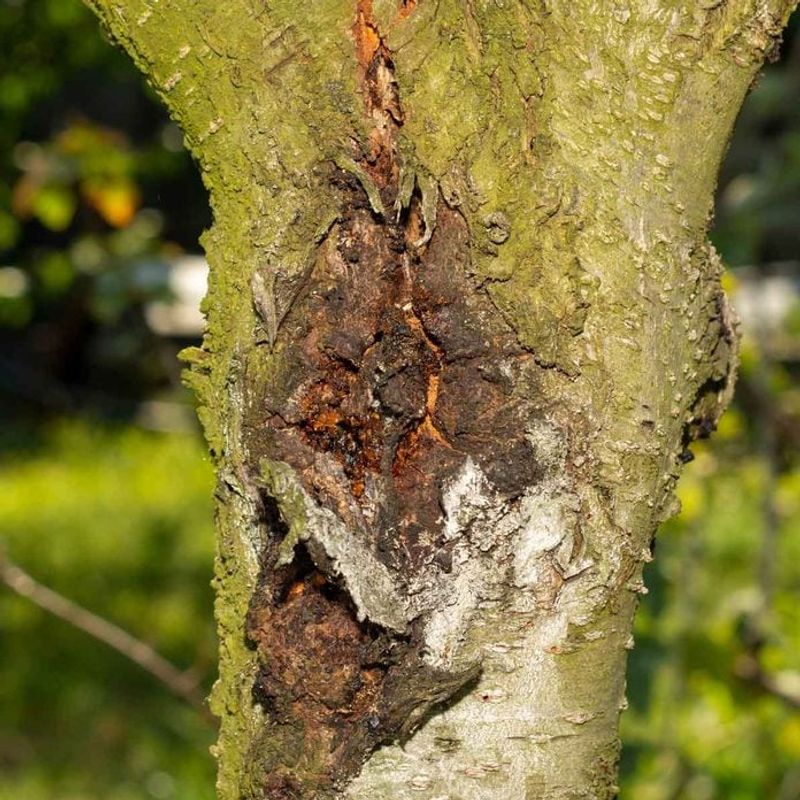
Fungal diseases and bacterial infections need openings to enter a tree, and damaged bark provides exactly the kind of entry points these pathogens seek.
When bark cracks from sun damage or temperature stress, it creates wounds that expose the tree’s vulnerable inner tissues to airborne spores and bacteria.
California’s diverse microclimates harbor numerous fruit tree diseases, including canker diseases, gummosis, and various fungal infections that exploit weakened bark.
Paint serves as a physical barrier that keeps bark intact and healthy, dramatically reducing the number of potential infection sites.
By preventing sunburn and cracking, paint indirectly protects against disease by maintaining the bark’s natural defensive layer.
Healthy, unbroken bark is remarkably effective at keeping pathogens out, but once compromised, it becomes an easy target for infection.
Stone fruits are particularly susceptible to bacterial canker and brown rot, diseases that often enter through bark wounds caused by environmental stress.
The protective coating also creates a slightly alkaline environment on the bark surface that some fungi find less hospitable.
While paint can’t cure existing infections, it plays a crucial preventive role by maintaining bark integrity throughout the year.
This preventive approach saves gardeners time and money by reducing the need for fungicide applications and disease management interventions later on.
Improves Long-Term Tree Vigor And Fruit Production

Every fruit tree has a limited amount of energy to divide among various activities like growing roots, producing leaves, repairing damage, and creating fruit.
When a tree constantly battles trunk damage from sun, temperature stress, pests, and diseases, it must divert significant resources toward healing and defense.
This energy drain means less resources remain available for the activities gardeners care about most—healthy growth and abundant fruit production.
Protected trees with painted trunks experience fewer setbacks and injuries, allowing them to channel more energy into productive activities.
Research from California agricultural extensions shows that well-maintained trees with trunk protection consistently outperform stressed trees in both fruit quantity and quality.
The cumulative effect of reduced stress over years translates to stronger branch structure, more vigorous growth, and earlier fruit production in young trees.
Mature trees with a history of good trunk care tend to live longer and remain productive well into their later years.
Paint’s protective benefits compound over time, with each season of protection building a stronger, more resilient tree.
California’s long growing season means trees can really capitalize on this improved vigor by producing multiple flushes of growth and generous fruit crops.
The modest investment in trunk painting delivers returns for decades through healthier trees and better harvests year after year.
Especially Benefits Citrus, Stone Fruit, And Avocados
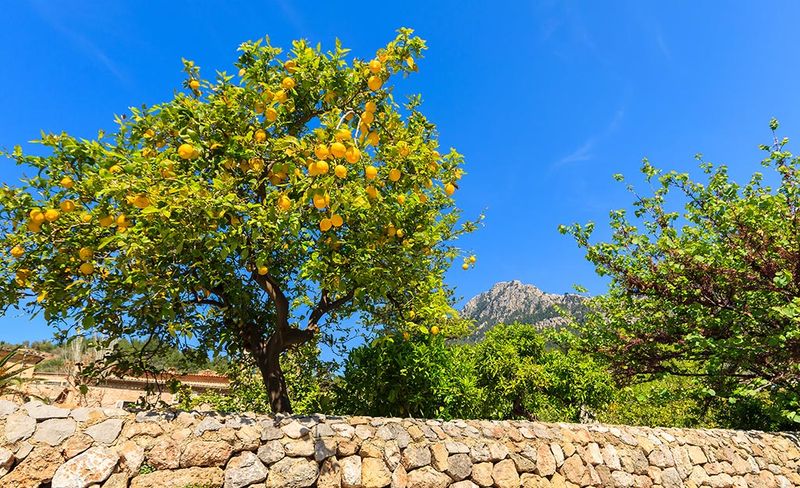
Not all fruit trees respond equally to trunk painting, but California’s most popular varieties gain tremendous advantages from this simple practice.
Citrus trees like oranges, lemons, and grapefruits have particularly thin, smooth bark that burns easily under California’s intense sunshine.
These evergreen trees keep their leaves year-round, but the trunk still needs protection because citrus bark lacks the thick, rough texture that some other species develop.
Stone fruits including peaches, nectarines, plums, apricots, and cherries are extremely vulnerable to bark damage and benefit immensely from painted trunks.
Their smooth bark and susceptibility to boring insects make them ideal candidates for trunk protection throughout California’s growing regions.
Avocado trees, which thrive in Southern California’s coastal and inland valleys, also respond well to trunk painting despite their somewhat thicker bark.
Young avocados particularly need protection while establishing, as their bark remains tender for several years after planting.
Even apple and pear trees grown in California’s cooler regions benefit from painting, though they’re slightly less vulnerable than citrus and stone fruits.
The common thread among these varieties is relatively thin bark and high commercial or home garden value, making protection efforts especially worthwhile.
California gardeners who paint these specific fruit tree types consistently report better establishment rates, fewer pest problems, and more vigorous growth compared to unpainted trees.
Uses Simple, Inexpensive Materials Any Gardener Can Apply
One of the best things about trunk painting is that it requires no special equipment or expensive products—just basic supplies most people already have.
Regular interior white latex paint works perfectly for this purpose and costs just a few dollars per gallon at any hardware store.
The key is diluting the paint with water to create a thinner consistency that won’t harm the tree or seal the bark completely.
A fifty-fifty mixture of white latex paint and water provides good coverage while allowing the bark to breathe properly.
Some gardeners prefer slightly thinner mixtures, using two parts water to one part paint, which also works well and stretches your paint supply further.
Avoid using oil-based paints or exterior paints with added mildewcides or fungicides, as these chemicals can actually harm living bark tissue.
Application is straightforward—just use an inexpensive paintbrush to coat the trunk from ground level up to the first major branches.
You don’t need perfect coverage or multiple coats; a single application that turns the bark mostly white provides adequate protection.
The paint naturally wears away over time, so reapplication every year or two maintains protection as the tree grows.
This accessibility means even beginning gardeners with tiny budgets can provide professional-level protection for their fruit trees without any intimidating techniques or costly investments.
When And How California Gardeners Should Paint Fruit Trees
Timing makes a significant difference in how effective trunk painting becomes, so knowing when to apply paint helps maximize its benefits.
The ideal time to paint fruit tree trunks in California is late fall or early winter, just after leaf drop for deciduous trees.
This timing prepares trees for winter sun, which can be surprisingly intense in California, especially at higher elevations where snow reflects additional light onto trunks.
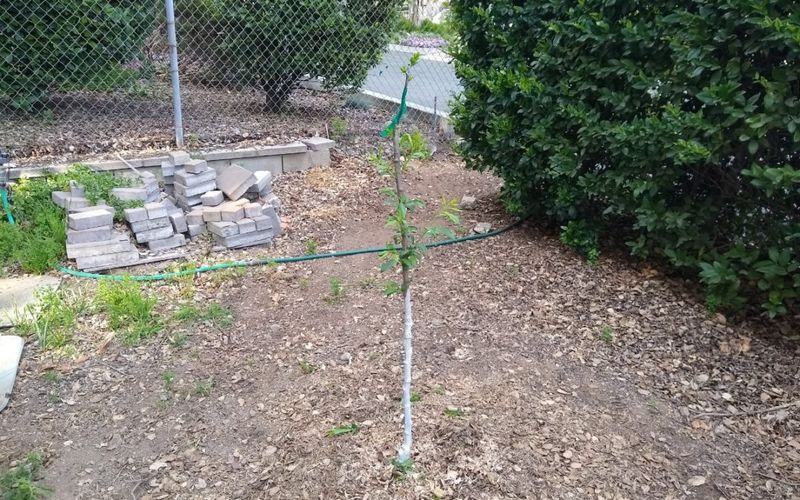
Newly planted trees should be painted immediately at planting time, regardless of season, to provide instant protection during their vulnerable establishment period.
Paint from the ground level up to where the first scaffold branches begin, typically eighteen to twenty-four inches high on young trees.
As trees mature and develop branching, you may extend painting higher to protect any exposed trunk sections.
Avoid painting over leaves, buds, or green growing tissue—keep the paint strictly on mature bark surfaces.
Common mistakes include painting too thickly, which can seal bark and trap moisture, or using the wrong type of paint that contains harmful additives.
Another error is neglecting to reapply paint every one to two years, allowing protection to lapse just when trees need it most.
California’s mild climate means you can paint almost any time of year, but avoiding extremely hot days makes application more comfortable and allows paint to dry properly without blistering.