14 Garden Path Ideas That Instantly Transform North Carolina Backyards
Your backyard deserves more than just grass and a few shrubs scattered around the edges.
A well-placed garden path can connect different areas of your yard while adding style, structure, and a sense of purpose to your outdoor space.
North Carolina’s unique climate and terrain offer plenty of opportunities to create beautiful pathways that handle rain, humidity, and changing seasons with ease.
Whether you prefer rustic charm or clean modern lines, these fourteen ideas will help you design a garden path that transforms your backyard into a place you’ll love spending time in.
1. Flagstone Paths That Feel Natural And Timeless
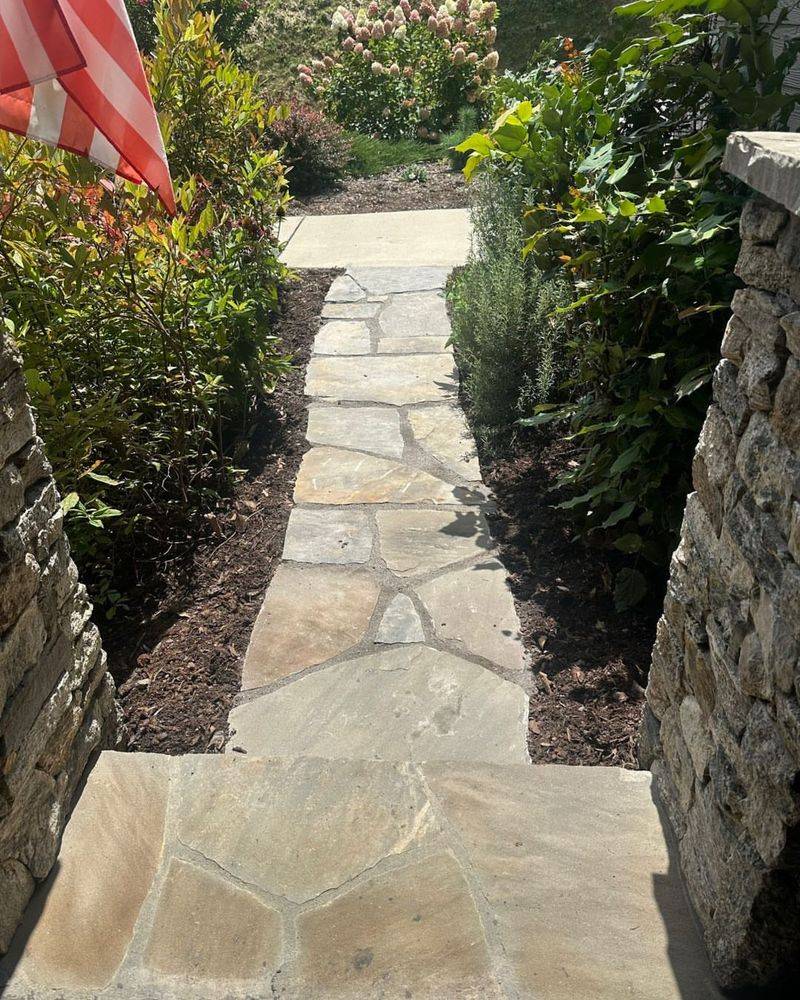
Flagstone brings an organic beauty to any North Carolina garden because each stone has its own unique shape and color.
The irregular edges and natural tones blend seamlessly with surrounding plants, creating a pathway that looks like it’s always been part of the landscape.
One of flagstone’s biggest advantages is its excellent drainage, which matters a lot in a state known for afternoon thunderstorms and humid summers.
Water flows easily between the stones instead of pooling on the surface, making these paths safer and longer-lasting than solid concrete.
Flagstone also works beautifully in shaded areas where moss and ferns thrive alongside the stones.
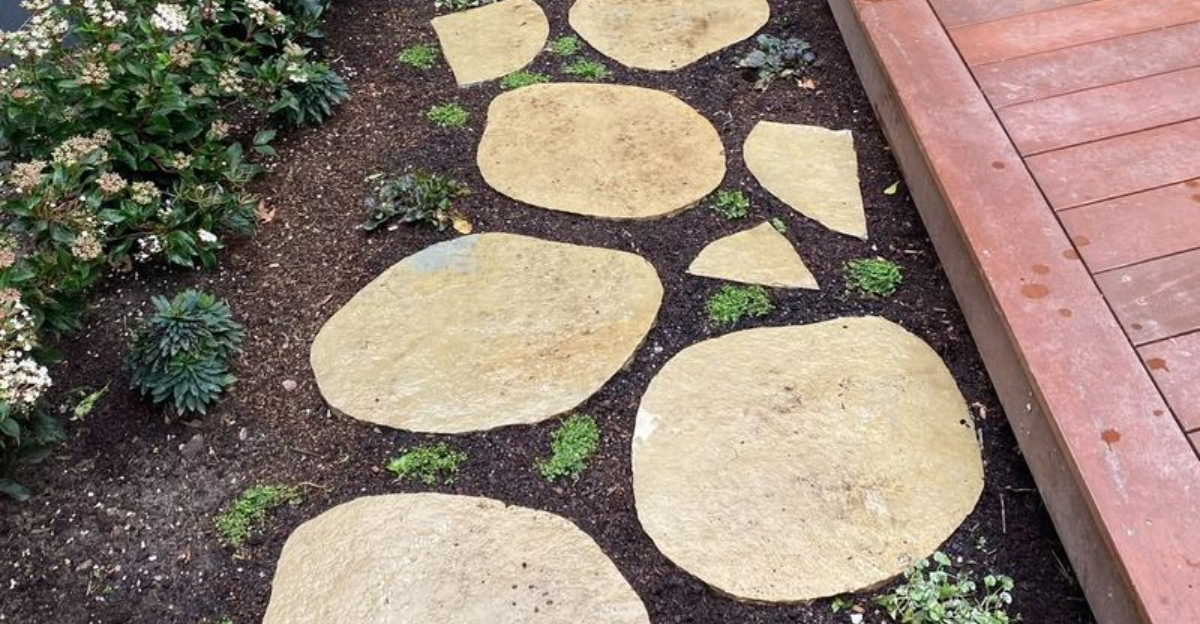
You can arrange flagstone in tight, formal patterns for a structured look, or space them farther apart with ground cover plants in between for a more relaxed feel.
Both rustic cottages and modern homes benefit from flagstone’s versatility.
The stones stay cool underfoot even during hot Carolina summers, and they age gracefully over time.
Maintenance involves occasional sweeping and refilling gaps with sand or gravel, but the durability makes it worth the effort.
Flagstone paths create a timeless foundation that enhances your garden’s character for decades.
2. Mulch Garden Paths For Budget-Friendly Charm
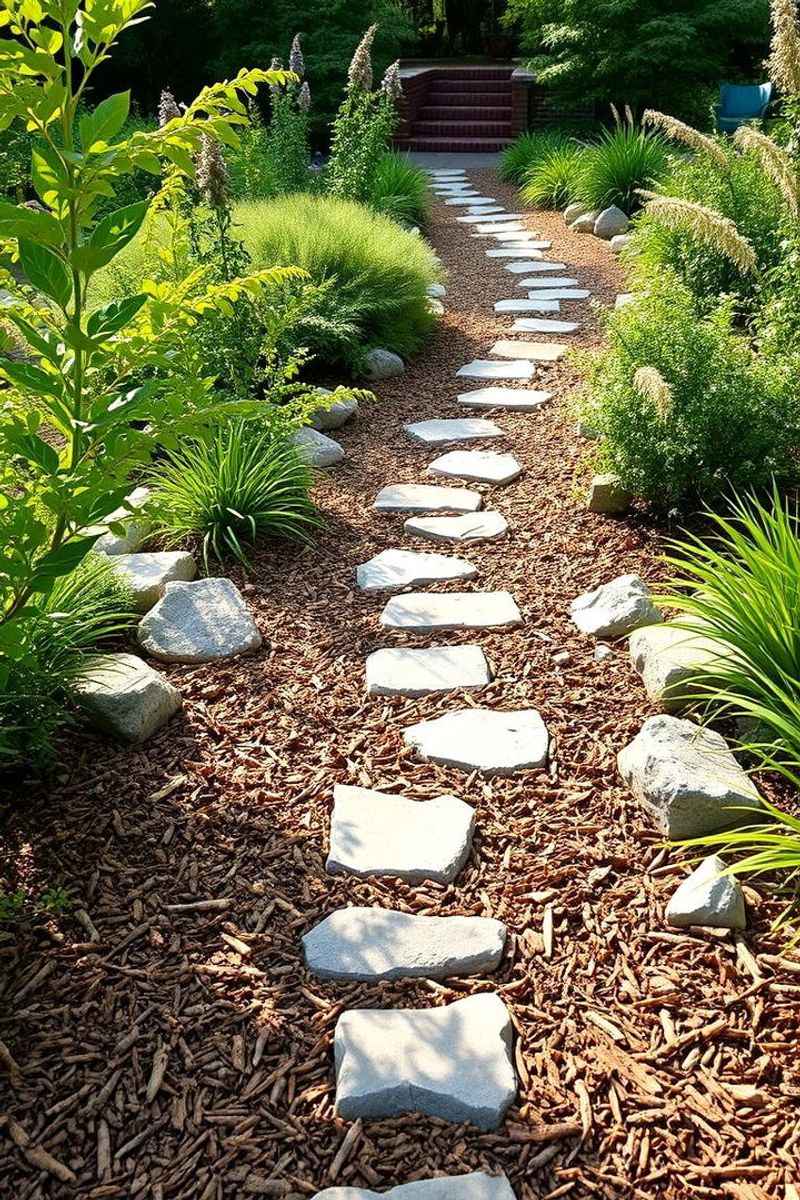
Mulch paths offer an affordable way to define walking areas without breaking your budget.
The soft, cushioned surface feels comfortable underfoot and creates a natural look that complements any garden style.
North Carolina’s frequent rain doesn’t pose a problem for mulch paths because the organic material absorbs moisture and prevents muddy conditions.
The mulch also breaks down slowly over time, enriching the soil beneath and supporting healthy plant growth along the path edges.
Installation couldn’t be simpler: clear the path area, lay down landscape fabric to suppress weeds, and spread a three-to-four-inch layer of hardwood mulch.
Shredded hardwood or pine bark mulch works best because it stays in place better than larger chunks.
Mulch paths work especially well in informal garden settings, woodland areas, and around vegetable beds.
They provide excellent contrast against green foliage and colorful flowers.
The main maintenance task involves adding fresh mulch once or twice a year as the material decomposes.
Edging with stones, bricks, or metal strips helps keep the mulch contained and gives the path clean, defined borders.
For homeowners looking to create attractive pathways on a tight budget, mulch delivers both function and natural beauty.
Your North Carolina Garden Changes Every Week. Your Plan Should Too.
Gardening in North Carolina changes quickly throughout the season. Every Friday you’ll receive a simple weekly plan showing exactly what to plant, prune, fertilize, harvest, and protect so you never miss the right timing.
3. Brick Pathways That Add Southern Character
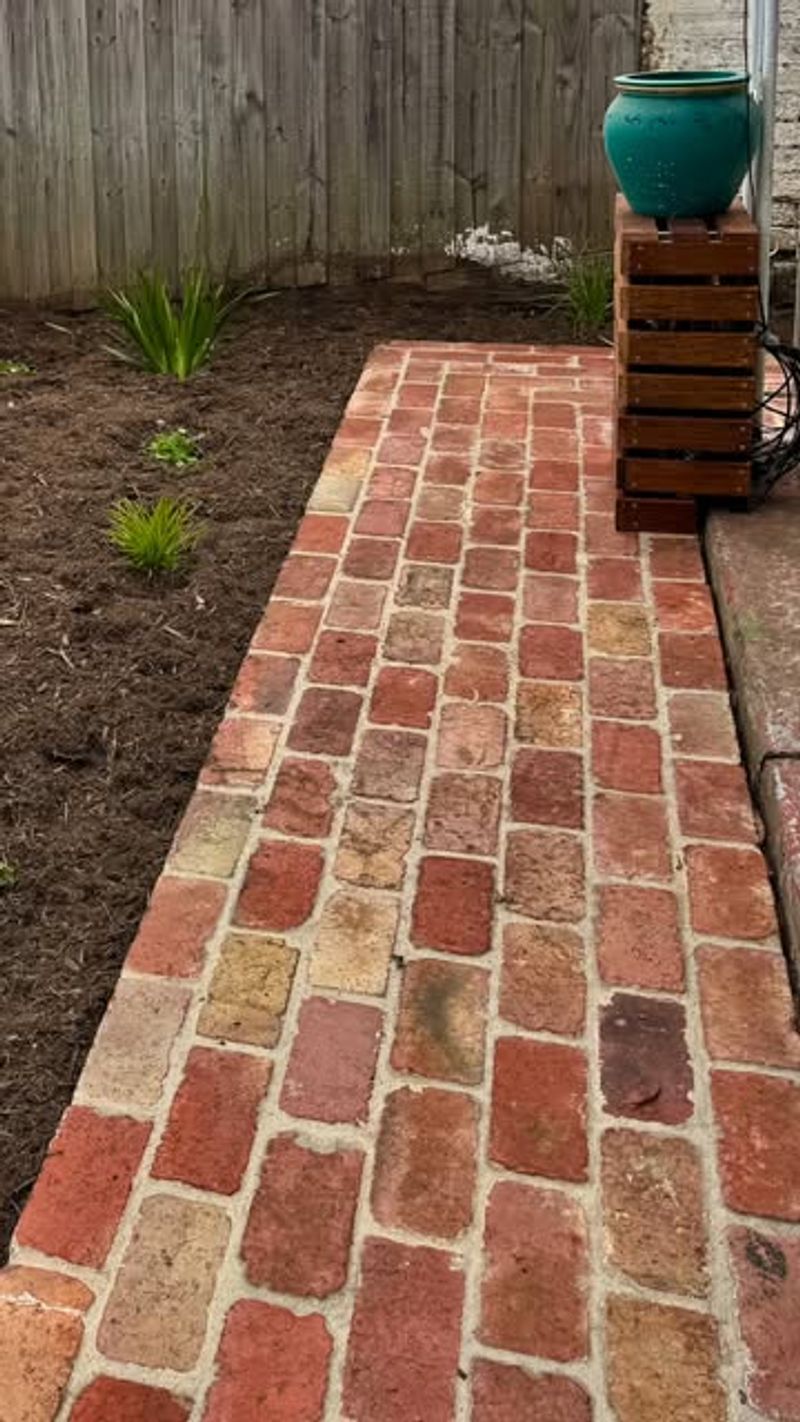
Nothing says Southern charm quite like a brick pathway winding through a well-tended garden.
Brick has graced North Carolina properties for centuries, and its warm red tones create an instant connection to the region’s architectural heritage.
Modern brick paths handle weather extremes remarkably well, resisting freeze-thaw cycles and heavy summer rains without cracking or shifting when properly installed.
The key to a lasting brick path lies in proper base preparation with compacted gravel and sand layers.
You can arrange bricks in countless patterns, from simple running bond to intricate herringbone designs that add visual interest.
Basket weave patterns work beautifully in cottage gardens, while straight-laid bricks suit formal landscapes.
Edge restraints made from plastic, metal, or additional bricks set in concrete help prevent the pathway from spreading over time.
Polymeric sand swept between the bricks locks everything in place while allowing water to drain through.
Brick paths develop a lovely patina as they age, with moss and weathering adding character rather than detracting from their appearance.
Regular sweeping and occasional re-sanding of joints keeps brick paths looking their best.
For homeowners who appreciate traditional Southern aesthetics, brick pathways deliver timeless elegance that enhances property value and curb appeal.
4. Stepping Stone Paths For Informal Backyards
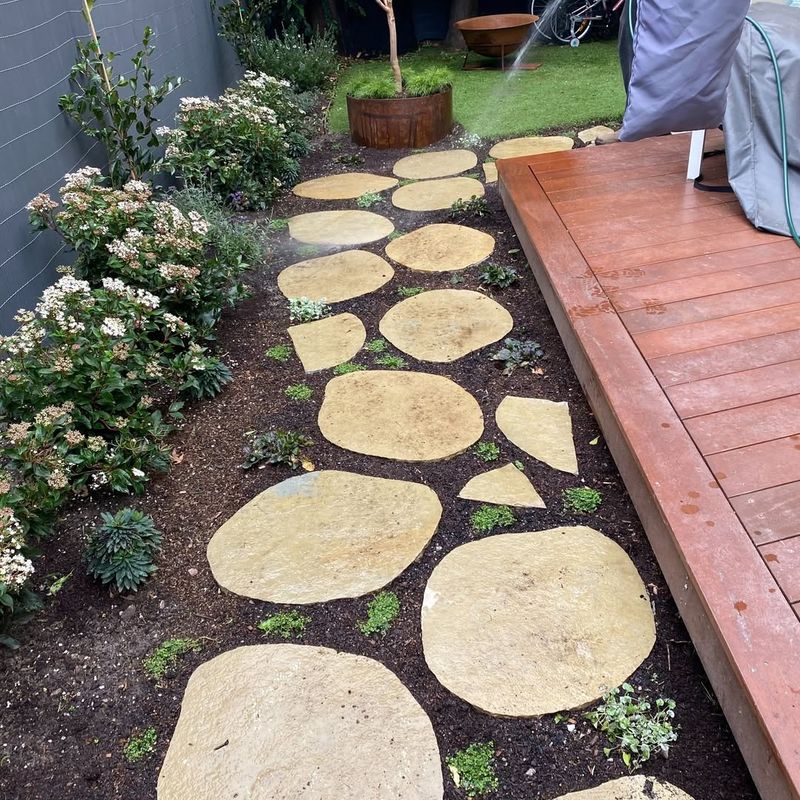
Stepping stone paths invite you to slow down and enjoy your garden at a leisurely pace.
The informal arrangement of individual stones creates a relaxed atmosphere that suits casual backyards perfectly.
Each stone becomes a destination in itself, encouraging you to notice the plants and details around you as you walk.
Proper spacing matters more than you might think when laying stepping stones.
Place stones about eighteen to twenty-four inches apart, measuring from center to center, to match a comfortable walking stride.
This spacing works for most adults and creates a natural rhythm as you move through the garden.
Stepping stones work beautifully when surrounded by low-growing plants that soften the edges and fill gaps between stones.
In North Carolina gardens, creeping thyme, mondo grass, and native sedges tolerate foot traffic while adding texture and color.
These plants also help prevent erosion and reduce mud splashing during rainy weather.
You can use flat flagstones, concrete pavers, or even salvaged materials for stepping stones.
Set each stone slightly below ground level so lawn mowers can pass over them easily.
Stepping stone paths cost less than continuous pathways and offer flexibility to change your garden layout over time without major reconstruction.
5. Gravel Paths That Improve Drainage
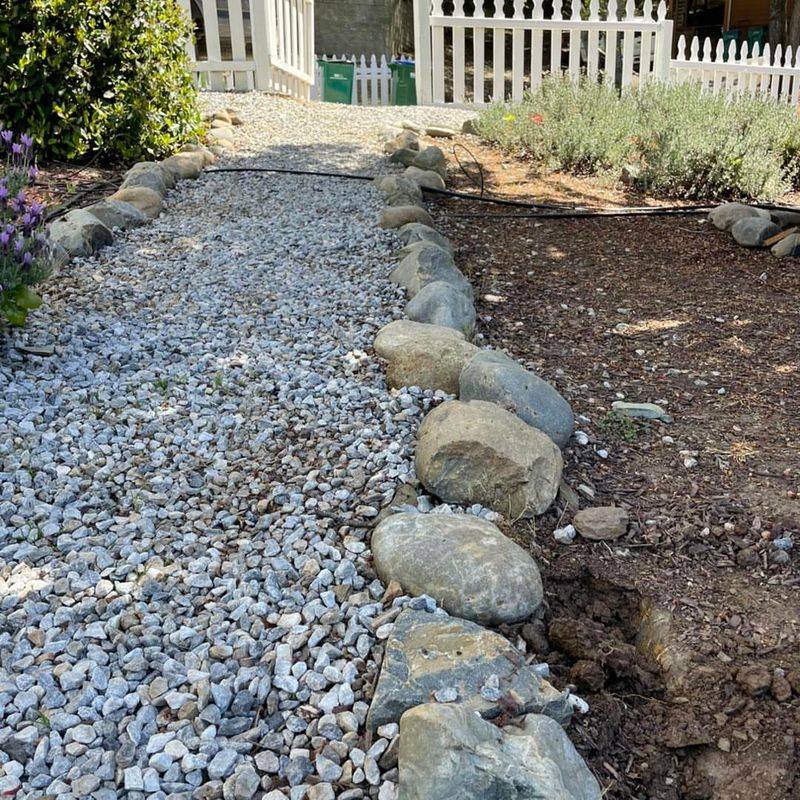
Gravel paths solve drainage problems while creating attractive walkways that crunch pleasantly underfoot.
The loose stones allow water to flow through instantly instead of puddling on the surface, making gravel ideal for North Carolina’s rainy seasons.
Areas that tend to stay soggy after storms benefit tremendously from gravel paths that keep your feet dry and prevent muddy messes.
Different gravel types offer distinct looks and practical benefits.
Pea gravel, with its smooth rounded stones, feels comfortable to walk on and comes in various natural colors.
Crushed granite or limestone packs down more firmly, creating a stable surface that’s easier to navigate with wheelbarrows or garden carts.
Proper installation starts with excavating three to four inches of soil and laying landscape fabric to prevent weeds.
Add a base layer of larger crushed stone for stability, then top with two inches of your chosen gravel.
Edging is essential for gravel paths because it prevents stones from migrating into garden beds and lawn areas.
Metal, plastic, or stone edging creates clean boundaries that make maintenance easier.
Occasional raking keeps gravel evenly distributed, and adding a fresh layer every few years maintains the path’s appearance.
Gravel paths work in both formal and informal gardens, adapting to curves and slopes with equal ease.
6. Wood Chip Paths For Woodland-Style Gardens
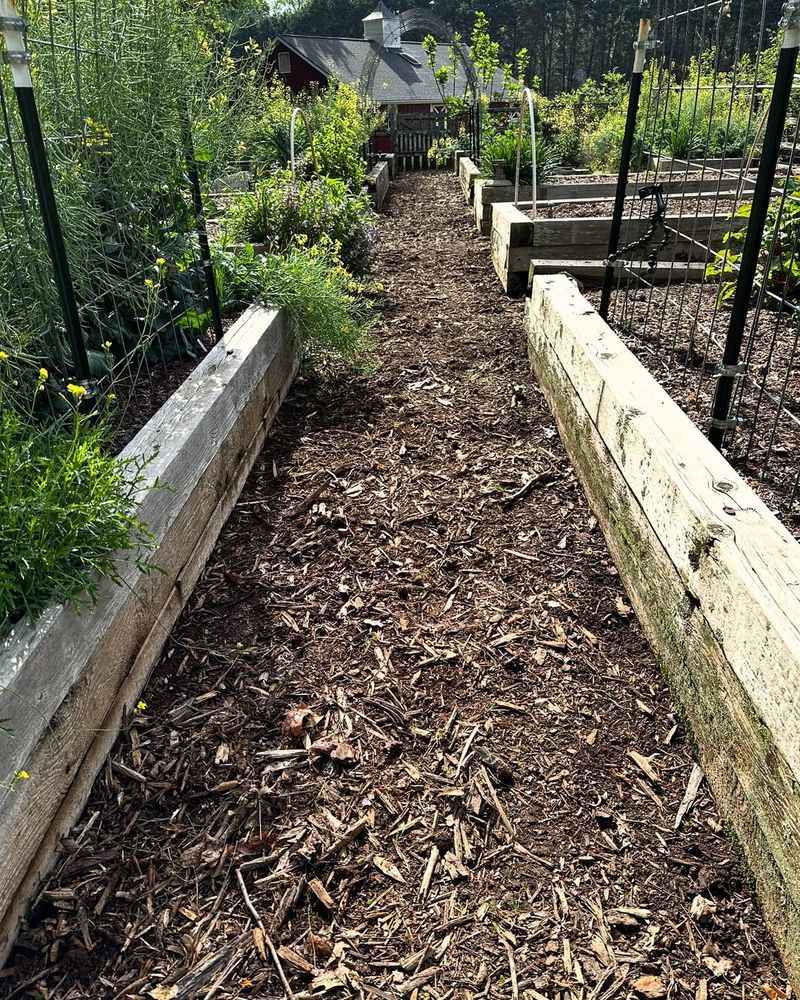
Wood chip paths feel right at home in shaded gardens where trees create a natural canopy overhead.
The earthy brown tones and soft texture complement woodland plants like ferns, hostas, and native wildflowers.
These paths blend so naturally into forested settings that they seem to disappear into the landscape rather than standing out as man-made features.
Fresh wood chips provide excellent cushioning that makes walking comfortable even on longer garden strolls.
The organic material also suppresses weeds effectively while allowing air and water to reach plant roots along the path edges.
As wood chips decompose, they add valuable organic matter to the soil, improving its structure and fertility over time.
Many North Carolina residents can obtain wood chips inexpensively or even free from local tree service companies and municipal programs.
Arborist chips, which contain a mix of wood and leaves, work especially well because they decompose at a moderate rate.
Apply wood chips in a layer four to six inches deep for best results.
The main maintenance requirement involves replenishing the chips annually as they break down.
Wood chip paths work beautifully in naturalistic gardens where sustainability and eco-friendly practices matter.
They offer an affordable, renewable option that supports healthy soil while creating inviting walkways through shaded areas.
7. Curved Garden Paths That Create Visual Interest
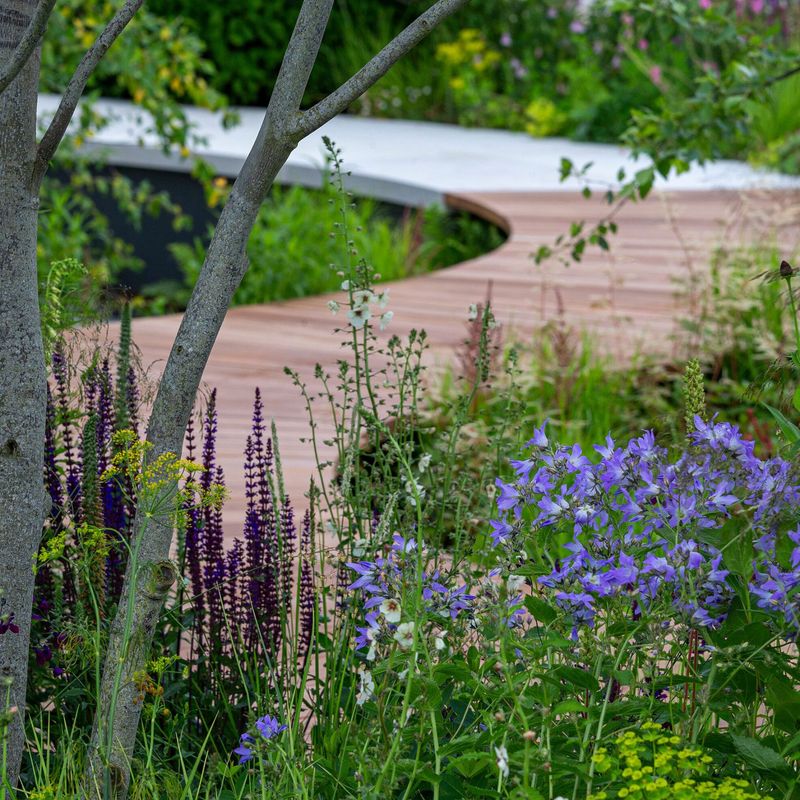
Straight lines might seem efficient, but gentle curves make gardens feel more spacious and intriguing.
A curved path draws your eye forward, creating a sense of journey and discovery as you wonder what lies around the next bend.
This design trick works especially well in smaller North Carolina yards where you want to maximize the feeling of space without actually expanding your property lines.
Curves also feel more natural because they mimic the flowing lines found in nature rather than rigid geometric shapes.
When planning curved paths, avoid sharp angles that feel awkward or forced.
Instead, create broad, sweeping curves that follow the natural contours of your landscape or guide visitors toward garden features you want to highlight.
Curved paths work beautifully when they appear to have a reason for bending, such as moving around a large tree, skirting a garden bed, or following a slope.
Use a garden hose or rope to lay out potential curves before committing to digging and installation.
Walk the proposed path several times to ensure the curves feel comfortable and natural.
Plantings along curved paths should emphasize the flowing design, with taller plants on the outside of curves and lower plants on the inside to maintain clear sightlines.
Curved paths transform flat, ordinary yards into dynamic landscapes that invite exploration.
8. Straight Paths For Formal Or Modern Designs
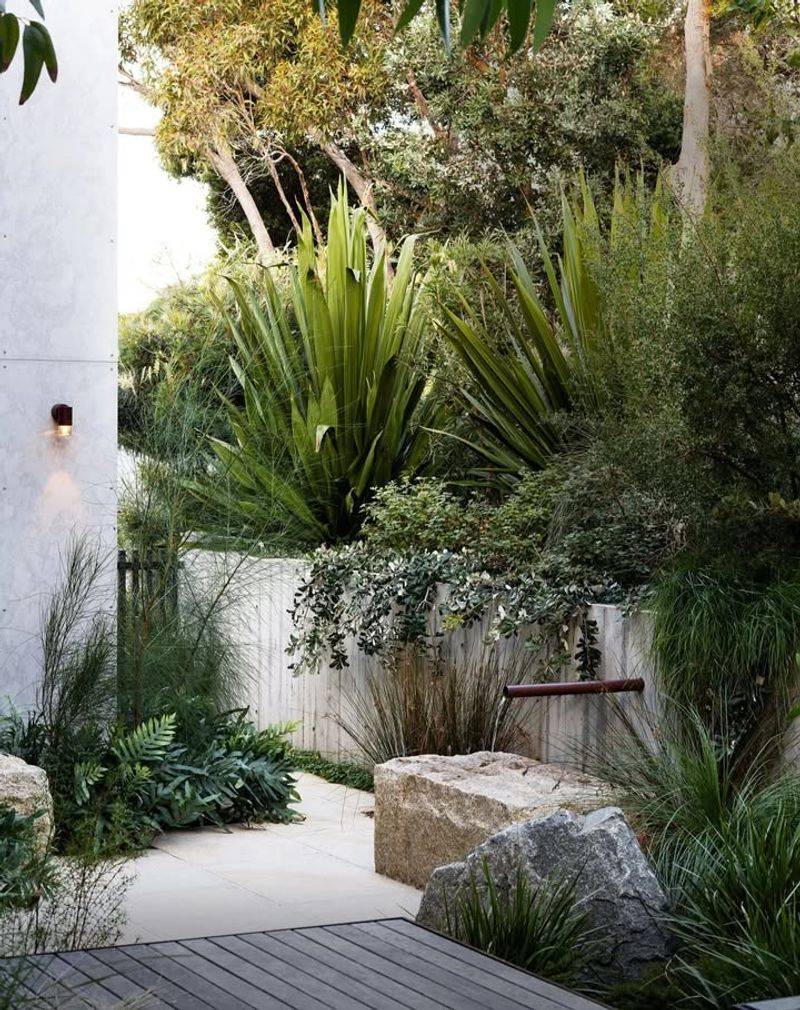
Sometimes simplicity makes the strongest statement, and straight paths deliver clean lines that complement contemporary architecture beautifully.
Modern North Carolina homes with minimalist designs benefit from pathways that echo their architectural precision.
Straight paths create order and structure in formal gardens where symmetry and balance take priority over naturalistic designs.
The direct route from one point to another appeals to homeowners who value efficiency and clarity in their landscape design.
Straight paths work particularly well in narrow side yards where curves would feel cramped or forced.
They also suit formal Southern gardens with geometric beds, clipped hedges, and symmetrical plantings.
Materials for straight paths range from poured concrete and large pavers to brick laid in linear patterns.
The key is choosing materials that reinforce the formal aesthetic you’re creating.
Edging becomes especially important along straight paths because any wavering or irregularity shows up immediately.
Use string lines and levels during installation to ensure perfectly straight edges and consistent width throughout the path’s length.
Lighting along straight paths enhances their architectural quality at night, turning them into striking design features after dark.
Formal plantings in repeated patterns or matching containers emphasize the path’s geometric nature.
For homeowners who appreciate clean, contemporary design, straight paths provide the perfect foundation for a sophisticated outdoor space.
9. Grass And Groundcover Paths For Soft Transitions
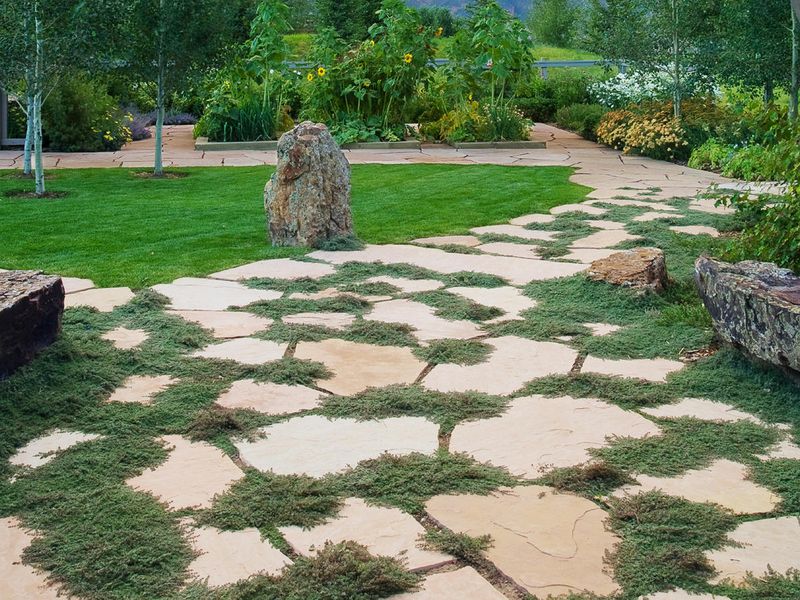
Living paths made from grass or low groundcovers create the softest, most natural transitions between different garden areas.
These green pathways feel wonderful underfoot and blend seamlessly with surrounding lawns and planting beds.
The organic nature of living paths suits cottage gardens, informal landscapes, and naturalistic designs where hard materials might feel too rigid or out of place.
Traditional lawn grass works for paths in areas with moderate foot traffic, though you’ll need to mow regularly to maintain the pathway’s definition.
For paths that see more use, consider tough groundcovers that tolerate trampling better than regular turf.
North Carolina’s climate supports several excellent options including creeping thyme, which releases fragrance when stepped on, and mondo grass, which stays green year-round.
Native sedges offer another durable choice that handles humidity and occasional flooding.
Combining grass or groundcover with stepping stones creates a practical compromise that protects plants while maintaining the soft, green aesthetic.
The stones bear most of the foot traffic while plants fill spaces between them.
Living paths require more maintenance than hard surfaces, including regular watering during dry spells and occasional weeding.
However, the lush, natural appearance and cooling effect of green paths make the extra effort worthwhile for many gardeners who prioritize a soft, organic look in their outdoor spaces.
10. Raised Paths For Sloped Or Low-Drainage Yards
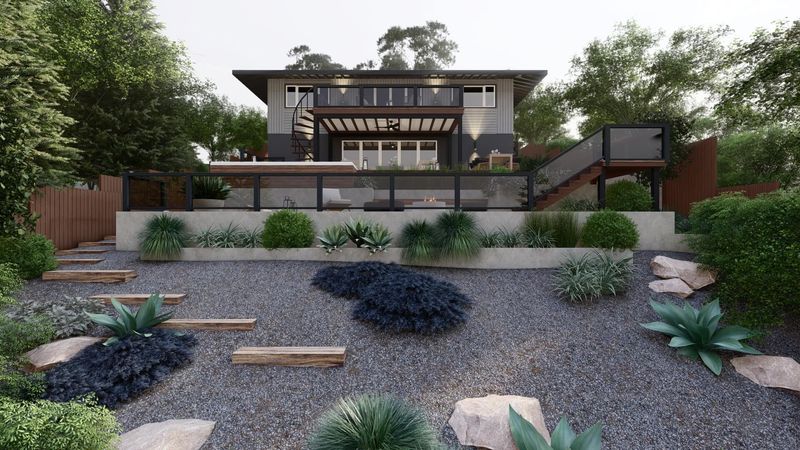
Yards with challenging terrain need creative solutions, and raised paths handle slopes and wet areas with impressive effectiveness.
Building pathways above ground level solves drainage problems while creating accessible routes through difficult landscape sections.
North Carolina properties near streams, in low-lying areas, or with clay soil that stays soggy benefit tremendously from raised path construction.
Raised paths can take several forms depending on your needs and budget.
Simple raised paths use landscape timbers or stone to create low borders filled with gravel or crushed stone.
The raised surface stays dry even when surrounding areas turn muddy after storms.
For steeper slopes or very wet conditions, boardwalk-style paths with wooden decking elevated on posts provide the best solution.
These structures allow water to flow freely underneath while giving you a stable, level walking surface.
Pressure-treated lumber or naturally rot-resistant woods like cedar work best in North Carolina’s humid climate.
Proper construction requires adequate support posts set in concrete and careful attention to drainage patterns.
Raised paths also create opportunities for interesting design elements, with the path itself becoming a featured architectural component.
Plants can grow beneath and alongside raised paths, softening their appearance and integrating them into the landscape.
Though raised paths require more initial investment than ground-level options, they solve problems that no other path type can address as effectively.
11. Stone And Mulch Combo Paths For Contrast
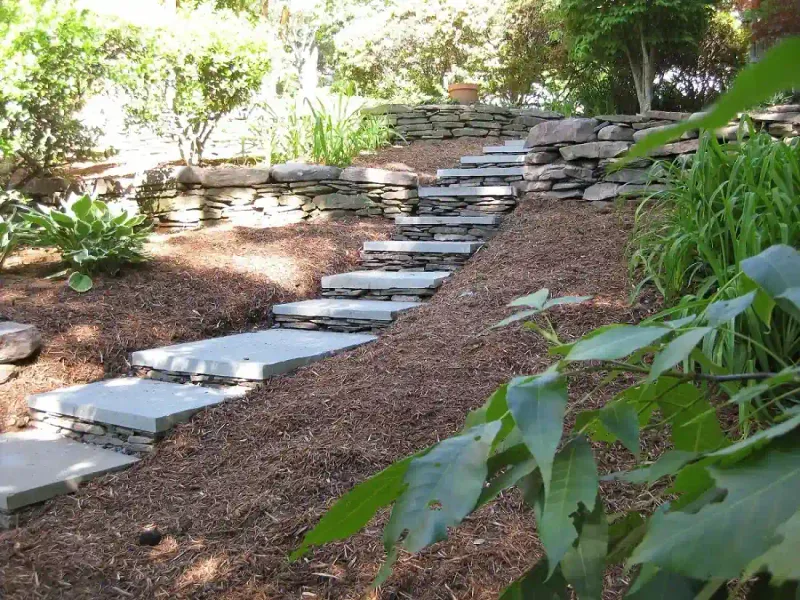
Combining different materials in a single path creates visual interest while offering practical benefits from each component.
Stone and mulch pairings work particularly well because they provide contrasting textures and colors that make the path stand out as a design feature.
The hard stones offer stable stepping surfaces while soft mulch fills gaps and creates a comfortable walking experience.
This combination approach costs less than all-stone paths while looking more intentional and finished than mulch alone.
You can arrange large flagstones or pavers at regular intervals with mulch filling the spaces between them.
Alternatively, create a central stone path bordered by mulched areas on each side for a wider walkway effect.
The mulch component provides excellent weed suppression and moisture retention for plants growing along the path edges.
North Carolina’s frequent rains don’t pose problems because both materials handle water well without creating slippery or muddy conditions.
The organic mulch gradually breaks down and enriches the soil while the stones remain permanently in place.
Color coordination enhances the visual appeal of mixed-material paths.
Light-colored stones pop against dark brown mulch, while warmer stone tones create harmony with reddish cedar mulch.
Edge definition becomes important with combination paths to keep materials from mixing together.
This versatile approach adapts to any garden style, from formal to cottage to contemporary, making it an excellent choice for homeowners who want distinctive pathways without committing to a single material.
12. Garden Paths That Lead To A Focal Point
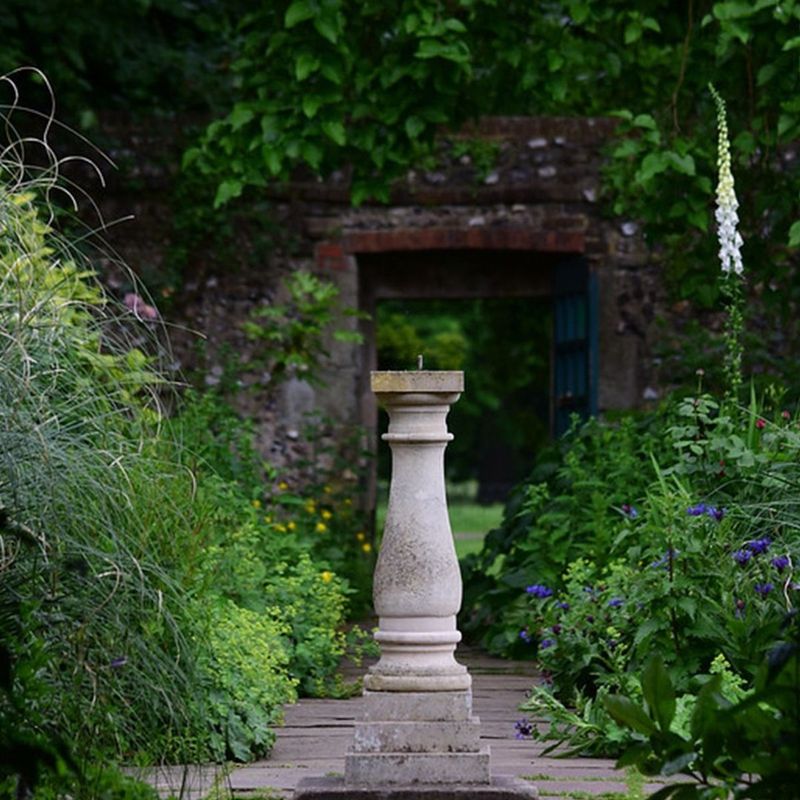
Every garden path should have a purpose, and the most successful ones guide visitors toward something worth reaching.
Creating paths that lead to focal points gives your landscape structure and meaning while encouraging people to explore your outdoor space.
Destinations might include seating areas where you can relax with morning coffee, fire pits for evening gatherings, water features that provide soothing sounds, or specimen plants that deserve special attention.
The path itself builds anticipation as you approach the featured destination.
Strategic placement matters when designing destination-focused paths.
The focal point should be visible from the path’s beginning, creating a clear invitation to journey toward it.
Alternatively, you can create mystery by having the path curve or pass through plantings that partially obscure the destination until visitors arrive.
Both approaches work well in North Carolina gardens depending on your available space and design preferences.
Width considerations change when paths lead to destinations where people will gather.
Wider paths near seating areas accommodate multiple people walking together and create a more welcoming approach.
Plantings along destination paths should frame views and guide movement without blocking sightlines to the focal point.
Lighting becomes especially important for paths leading to evening-use areas like fire pits or outdoor dining spaces.
Well-designed destination paths transform random walkways into purposeful journeys that enhance how you experience and use your backyard.
13. Low-Maintenance Paths That Stay Neat Year-Round
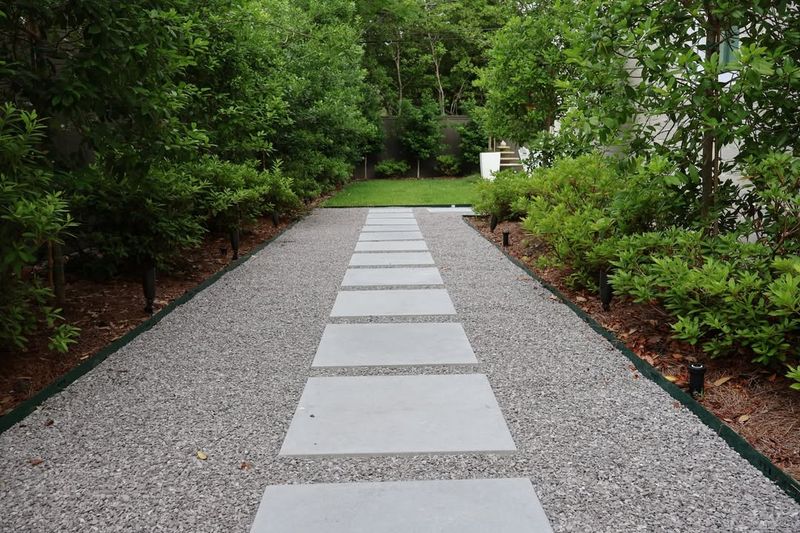
Busy homeowners need garden paths that look great without demanding constant attention and upkeep.
Choosing the right materials and installation methods from the start saves countless hours of maintenance over the years.
North Carolina’s growing season lasts long enough that weedy paths can become overwhelming if you don’t plan for easy care from the beginning.
Solid surface paths made from concrete, pavers, or tightly fitted flagstone require the least maintenance because weeds can’t establish themselves easily.
Sweeping and occasional power washing keep these surfaces looking fresh with minimal effort.
For paths with joints or gaps, polymeric sand locks pavers together while preventing weed growth more effectively than regular sand.
Proper installation with landscape fabric beneath gravel or mulch paths blocks weeds before they start.
Quality fabric allows water and air through while creating a barrier that stops most weed seeds from reaching soil.
Edging serves double duty by defining path boundaries and preventing grass from creeping into walkways.
Metal or plastic edging installed properly eliminates the need for constant edge trimming.
Choosing materials that don’t decompose quickly reduces the need for regular replenishment.
Stone and gravel paths last for years without additions, while mulch and wood chips need annual refreshing.
Low-maintenance paths let you spend more time enjoying your garden and less time working on basic upkeep tasks.
14. How To Choose The Right Garden Path For Your North Carolina Backyard

Selecting the perfect path for your specific situation requires considering several important factors beyond just appearance.
Budget naturally plays a role, with mulch and gravel paths offering affordable options while natural stone and professional installation cost considerably more.
Fortunately, beautiful paths exist at every price point, so you can find something that works within your financial constraints.
Your yard’s size and shape influence path choices significantly.
Small yards benefit from paths that create the illusion of more space through curves and destination points, while larger properties can accommodate wider, more elaborate pathway systems.
Slope and drainage patterns matter tremendously in North Carolina where heavy rains test every landscape feature.
Wet areas need materials that handle moisture well, while sloped terrain might require raised paths or careful grading.
Clay soil common throughout the state creates drainage challenges that gravel and raised paths address effectively.
Consider how much time you want to spend on maintenance when choosing materials.
Busy families might prefer permanent solutions like pavers or concrete, while avid gardeners might enjoy refreshing mulch paths as part of regular garden care.
Your home’s architectural style should guide aesthetic choices.
Traditional Southern homes pair beautifully with brick or flagstone, while contemporary designs call for clean-lined concrete or gravel paths.
Think about how you’ll actually use the path, including whether you’ll push wheelbarrows or garden carts along it.
Taking time to evaluate these factors ensures you’ll choose a path that serves your needs perfectly for years to come.