How To Grow An Indoor Herb Garden That Thrives All Winter In Illinois
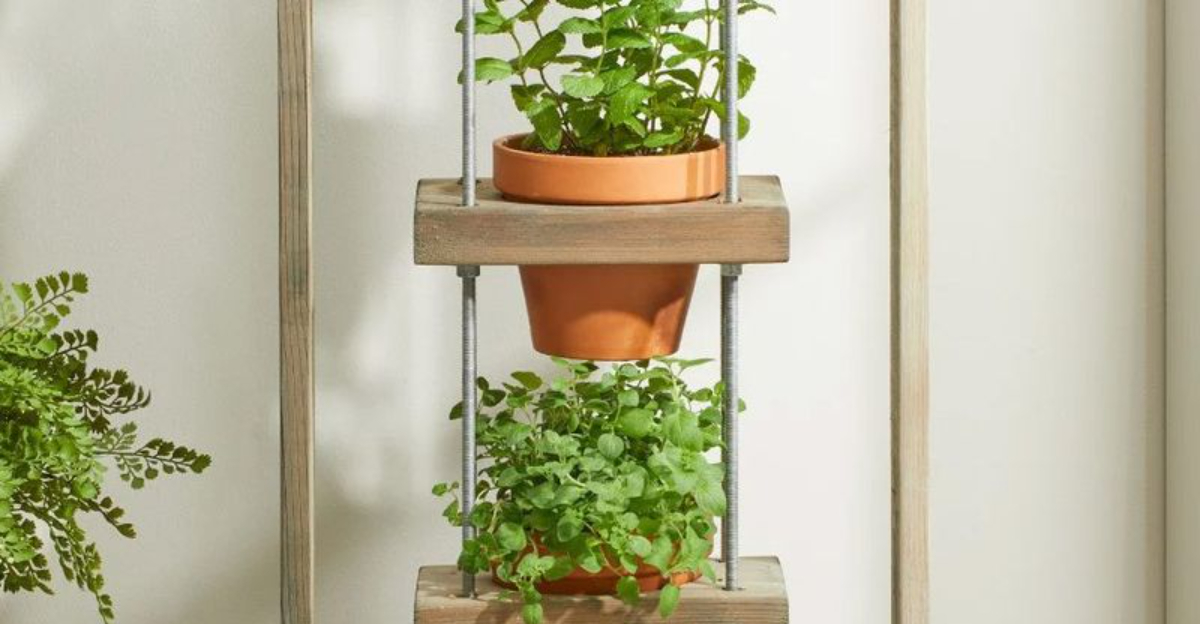
Illinois winters have a way of putting gardens on pause.
The ground freezes solid, daylight shrinks, and fresh herbs suddenly feel like a luxury item from the grocery store.
But here’s the good news: winter doesn’t have to end your herb harvest—it just moves it indoors.
An indoor herb garden is one of the simplest ways to keep something green and growing when everything outside feels stuck in neutral.
With the right setup, herbs can thrive on a sunny windowsill or under basic grow lights, filling your kitchen with fresh flavor and a little much-needed life.
No backyard required, no complicated systems to manage.
The key is understanding how winter changes the rules.
Indoor air is drier, light is weaker, and growth slows—but that doesn’t mean failure is inevitable.
With smart plant choices and a few strategic adjustments, your herbs can stay productive all season long.
For gardeners in Illinois, an indoor herb garden isn’t just practical—it’s a small act of defiance against winter.
And once you taste fresh herbs in January, you’ll wonder why you ever waited for spring.
Choose Herbs That Actually Tolerate Winter Indoor Conditions
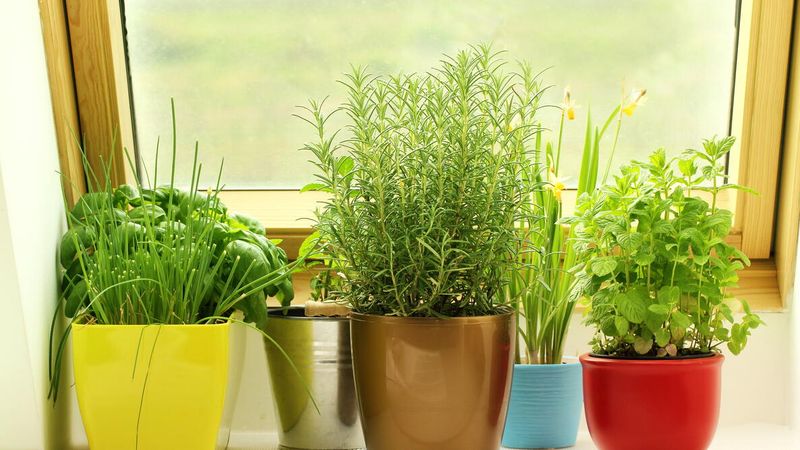
Not every herb handles indoor winter life the same way, and knowing which ones adapt best saves frustration and wasted effort.
Parsley, chives, oregano, thyme, and rosemary rank among the most forgiving herbs for Illinois indoor gardens because they tolerate lower light levels and cooler temperatures better than their finicky cousins.
Mint also performs well indoors, though it grows more slowly in winter than during sunny summer months.
Basil, cilantro, and dill present bigger challenges because they crave intense light and warmth that Illinois homes rarely provide during January and February.
Basil especially tends to stretch toward windows, becoming leggy and weak without strong supplemental lighting.
Cilantro bolts quickly indoors, often producing flowers instead of the leafy growth most cooks want.
Starting with herbs naturally suited to indoor conditions sets you up for success rather than disappointment.
You can always experiment with trickier herbs once you master the basics with hardier varieties.
Consider your experience level and available light when selecting which herbs deserve spots on your windowsill.
A thriving parsley plant beats a struggling basil any day, and you will enjoy cooking with fresh herbs that actually grow well instead of barely surviving until spring.
Pick The Brightest Windowsill You Have (Even If It’s Not Perfect)
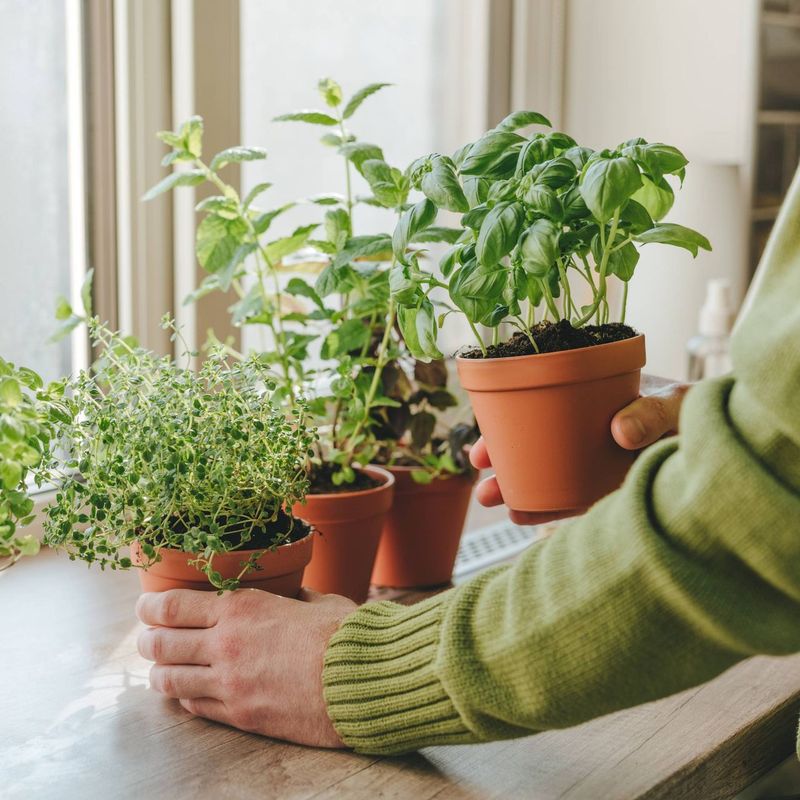
Light makes all the difference for indoor herbs, and finding the sunniest spot in your Illinois home becomes crucial when winter clouds dominate the sky.
South-facing windows offer the most consistent light throughout short winter days, making them ideal locations for herb containers.
East-facing windows provide decent morning sun, though herbs may stretch slightly by late afternoon.
West-facing windows deliver strong afternoon light but can create temperature swings as the sun sets and rooms cool quickly.
North-facing windows rarely provide enough natural light for most herbs during Illinois winters, even for shade-tolerant varieties.
Your Illinois Garden Changes Every Week. Your Plan Should Too.
Gardening in Illinois changes quickly throughout the season. Every Friday you’ll receive a simple weekly plan showing exactly what to plant, prune, fertilize, harvest, and protect so you never miss the right timing.
Evaluate your window options honestly, measuring how many hours of direct sunlight each location receives on typical cloudy December days.
Even your brightest windowsill probably will not match summer outdoor conditions, and that reality matters when setting expectations.
Herbs near windows may still need supplemental lighting during particularly gray stretches when snow clouds linger for days.
Keep curtains open during daylight hours and clean windows regularly to maximize whatever natural light penetrates your home.
Rotating containers every few days prevents herbs from leaning permanently toward the glass.
Accept that winter light limitations exist, but work with the best natural light available before adding artificial options to boost your indoor garden’s success.
Use Grow Lights To Make Up For Short Winter Days
Illinois winter days sometimes feel impossibly short, with darkness arriving before dinner and herbs receiving barely six hours of weak natural light.
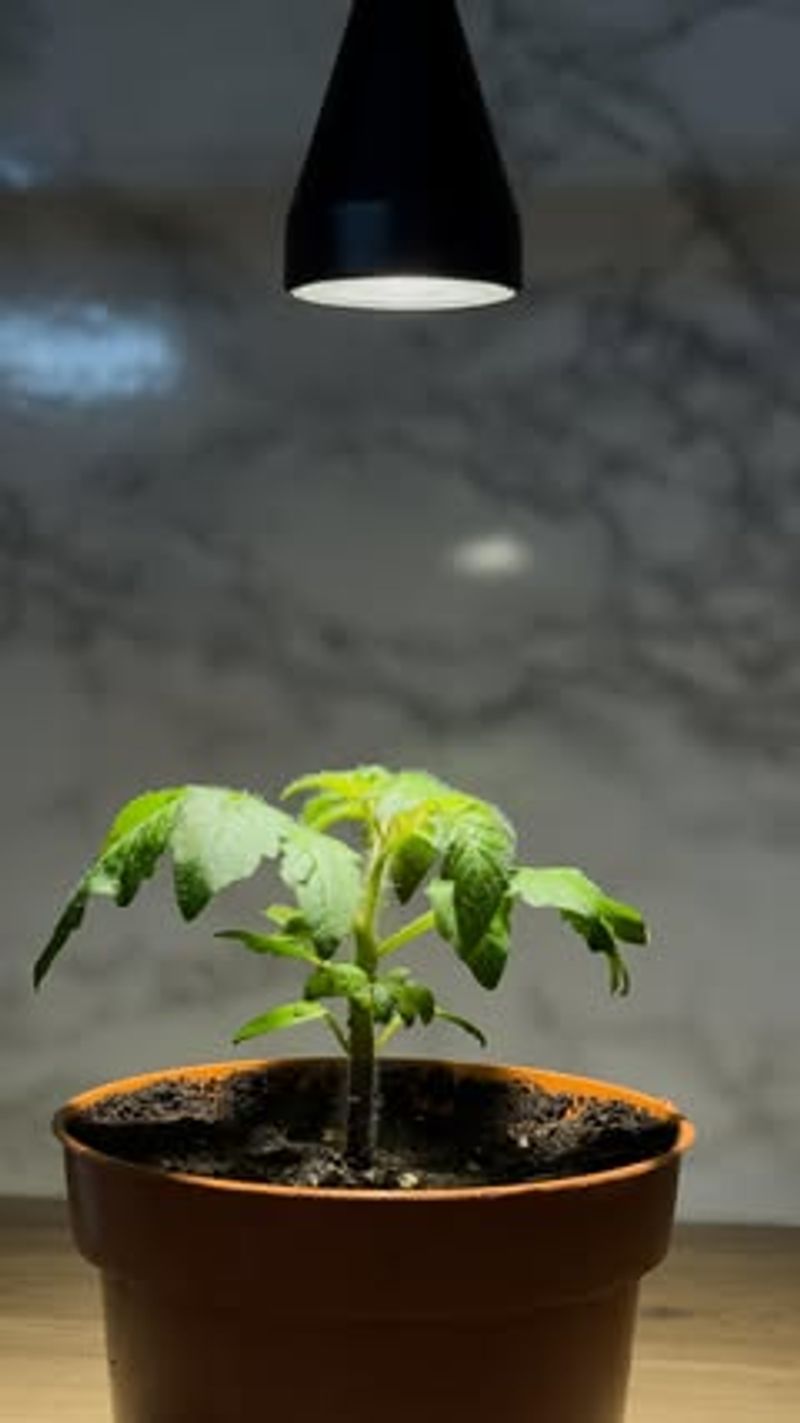
Supplemental grow lights bridge the gap between what winter provides and what herbs need to stay productive and healthy.
Modern LED grow lights work beautifully for small indoor herb gardens, consuming minimal electricity while delivering the light spectrum plants crave.
Position grow lights six to twelve inches above herb containers, adjusting height as plants grow to maintain consistent coverage.
Run lights for twelve to fourteen hours daily to simulate longer growing seasons and compensate for cloudy Illinois weather.
Simple clip-on grow lights or small tabletop units work perfectly for countertop herb collections without requiring complicated installations or expensive equipment.
You do not need professional greenhouse setups to succeed with indoor winter herbs.
Basic LED grow lights from hardware stores or online retailers provide adequate support for most kitchen herb gardens.
Timers automate the lighting schedule, ensuring herbs receive consistent daily light even when you forget or travel.
Combining natural windowsill light with supplemental grow lights creates ideal conditions that keep herbs compact, green, and actively growing.
The investment in basic grow lights pays off quickly when you harvest fresh herbs throughout winter instead of watching sad, stretched plants barely survive until spring.
Choose Containers With Proper Drainage To Prevent Root Rot
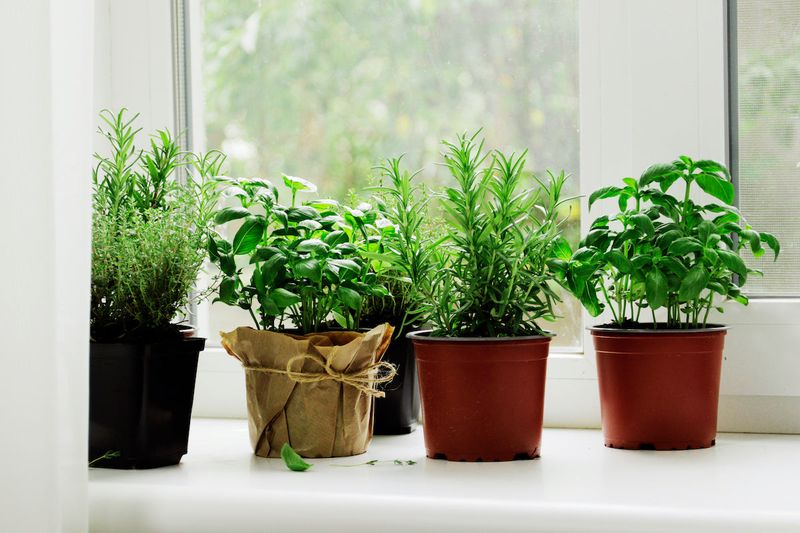
Waterlogged soil destroys more indoor herbs than any other winter problem, making proper drainage absolutely essential for healthy plants.
Every container needs drainage holes in the bottom, allowing excess water to escape instead of pooling around roots.
Terra cotta pots work exceptionally well for herbs because the porous material wicks moisture away from soil, reducing the risk of overwatering.
Plastic containers function fine too, provided they include adequate drainage holes and you monitor watering carefully.
Decorative containers without drainage can still work if you use them as outer cachepots, placing properly draining pots inside and removing them for watering.
Saucers catch drainage water but should be emptied promptly so roots never sit in standing water for extended periods.
Cold indoor conditions during Illinois winters mean soil dries more slowly than during warm summer months, increasing root rot risks.
Layer small stones or broken pottery pieces at container bottoms to improve drainage further, though holes remain the most critical factor.
Avoid overly large containers that hold excessive soil and moisture relative to plant size.
Herbs prefer slightly cramped quarters over vast containers where unused soil stays soggy.
Good drainage lets you water confidently without fearing you have doomed your herbs to mushy, failing root systems that never recover once damaged.
Water Less Often Than You Think
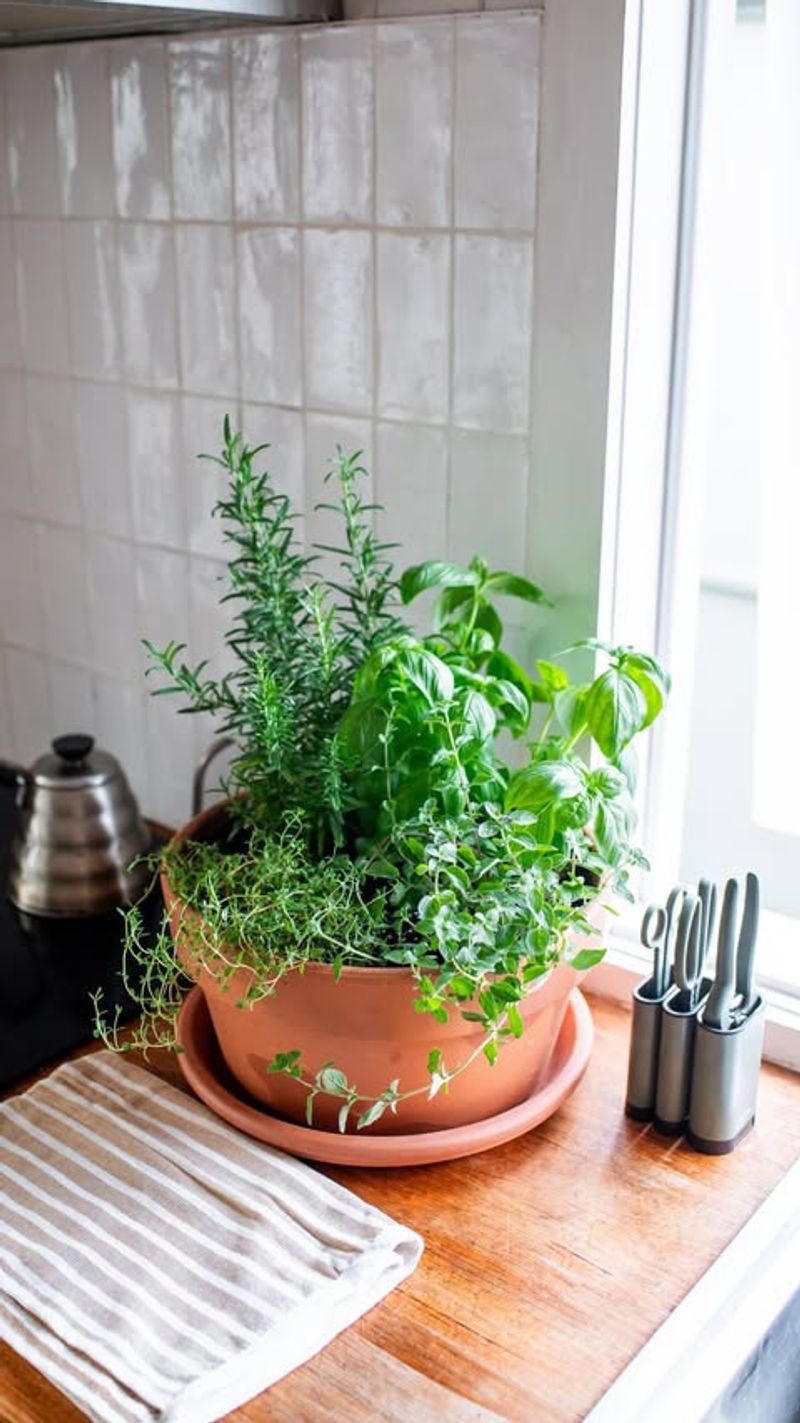
Winter herbs need far less water than most people assume, and overwatering ranks as the number one mistake that harms indoor plants during cold months.
Cool indoor temperatures and reduced light levels slow herb growth dramatically, meaning roots absorb moisture much more slowly than during active summer growing seasons.
Stick your finger two inches deep into the soil before watering, proceeding only when the soil feels dry at that depth.
Surface soil might look dry while moisture lurks below, tricking gardeners into watering too frequently and saturating roots.
Most herbs prefer soil that dries slightly between waterings rather than staying constantly moist.
Illinois homes typically have very dry indoor air during winter due to forced-air heating, which can dry soil surfaces quickly while deeper layers remain wet.
This dryness creates confusion about actual watering needs.
Water thoroughly when you do water, allowing excess to drain completely from container bottoms before returning pots to saucers.
Light, frequent watering often fails to reach root zones while keeping surface soil too wet.
Different herbs have varying water preferences, with rosemary and thyme tolerating drier conditions than basil or parsley.
Adjust your watering schedule to match each herb’s specific needs rather than treating all plants identically, and always err on the side of slightly too dry rather than too wet during winter months.
Increase Humidity Without Creating Mold Problems
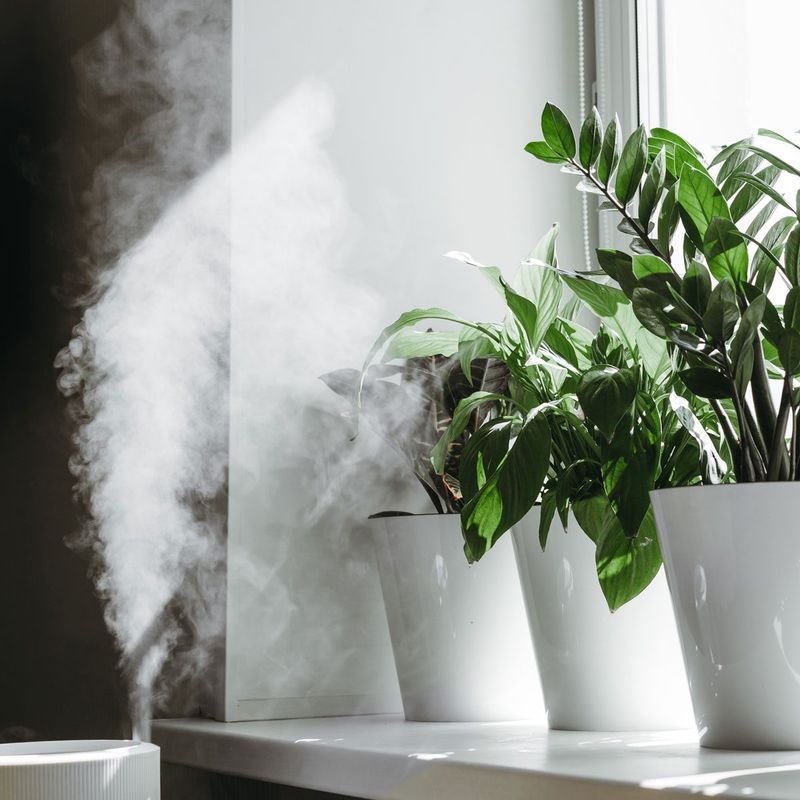
Forced-air heating systems turn Illinois homes into deserts during winter, dropping humidity levels that stress herbs accustomed to more moisture.
Dry air causes leaf tips to brown and overall plant vigor to decline, especially for herbs like basil that prefer moderate humidity.
Grouping herb containers together creates a microclimate where plants release moisture through transpiration, naturally raising humidity around the entire collection.
Placing containers on trays filled with pebbles and water provides localized humidity without waterlogging soil, as long as pot bottoms sit above the waterline on the stones.
Avoid misting herbs directly, as this practice often promotes fungal problems without significantly improving humidity levels.
Water droplets sitting on leaves in cool rooms create perfect conditions for mold and mildew to develop.
Small humidifiers near herb gardens boost moisture levels effectively, especially in particularly dry rooms.
Keep air circulating gently around herbs to prevent stagnant, humid conditions that encourage disease.
A small fan on low speed helps move air without creating harsh drafts that stress plants.
Balance becomes key when managing humidity, as too much moisture in cool rooms causes as many problems as too little.
Monitor your herbs for signs of stress like crispy leaf edges or fuzzy mold, adjusting your humidity strategies based on what you observe rather than following rigid rules.
Harvest Regularly To Encourage Bushy Growth
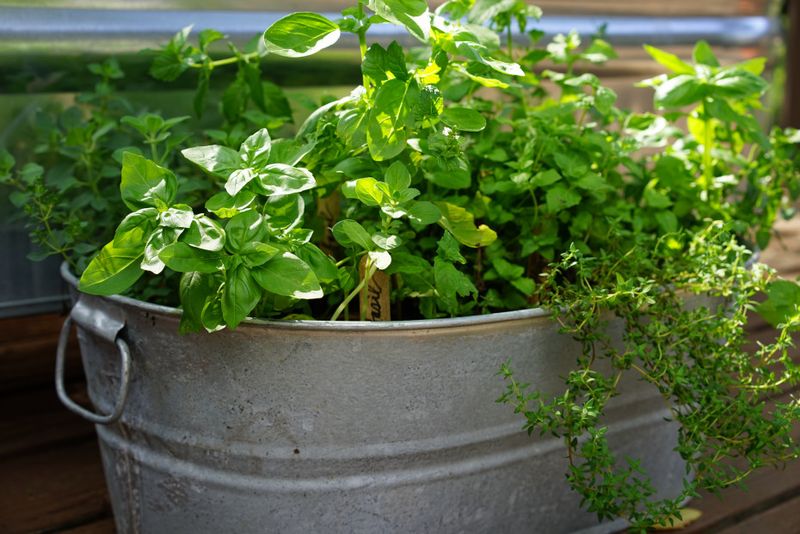
Frequent harvesting actually helps herbs stay compact and productive throughout winter rather than becoming leggy and sparse.
Pinching or cutting stems encourages branching, creating fuller plants with more harvestable foliage than herbs left to grow untouched.
Always harvest from the top of stems rather than stripping lower leaves, as this technique promotes upward growth and prevents bare, woody stems.
Remove no more than one-third of any plant during a single harvest, giving herbs time to recover and produce new growth.
Use sharp scissors or pruning shears for clean cuts that heal quickly without tearing plant tissue.
Harvest in the morning after herbs have had all night to restore moisture and nutrients, resulting in the most flavorful leaves.
Regular light harvests work better than occasional heavy cutting, keeping plants actively growing and producing tender new foliage.
Even if you do not need herbs for cooking immediately, harvest and dry or freeze the surplus to encourage continued plant productivity.
Pinch off flower buds as they appear on herbs like basil and cilantro, directing plant energy into leaf production instead of seed formation.
Herbs that flower often decline rapidly afterward, so preventing blooming extends their productive winter life.
Think of harvesting as plant maintenance rather than just ingredient gathering, and your herbs will reward consistent attention with steady growth all winter long.
Avoid Fertilizing Too Much During Winter Months
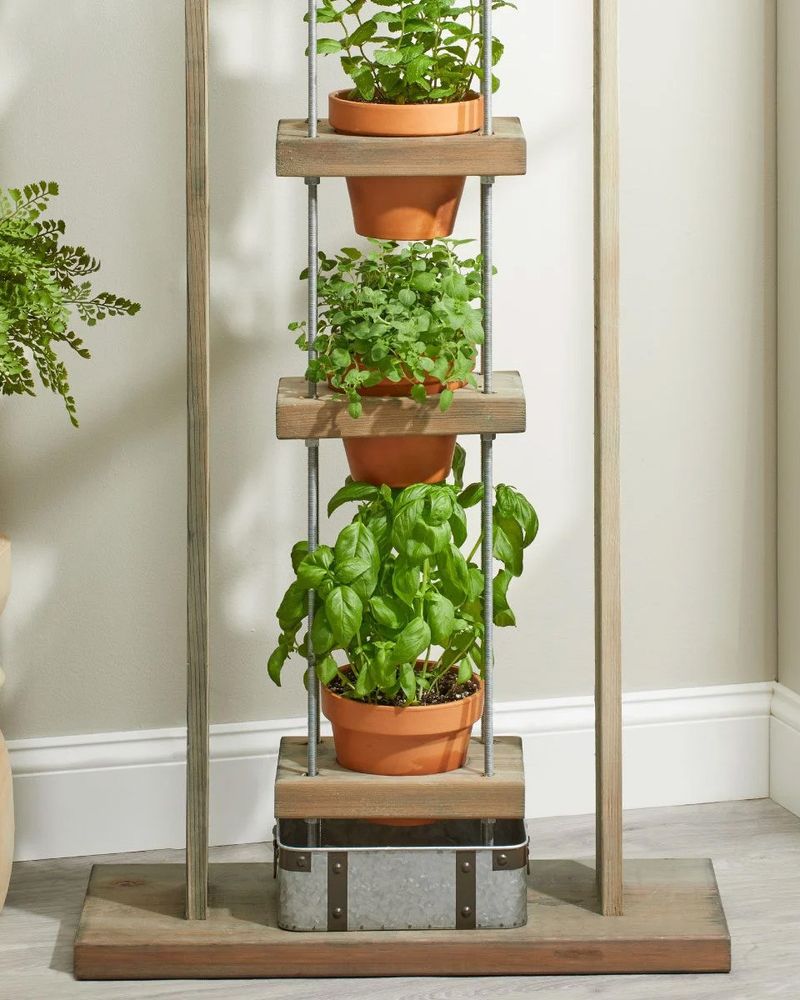
Winter herbs grow slowly or enter semi-dormant states, requiring far less fertilizer than the same plants would need during vigorous spring and summer growth.
Heavy feeding during winter often causes more harm than good, producing weak, stretched growth or salt buildup in soil that damages roots.
Most herbs thrive with little or no fertilizer from November through February when reduced light naturally limits growth rates.
If herbs show signs of nutrient deficiency like yellowing older leaves, apply diluted liquid fertilizer at quarter strength rather than full-package recommendations.
Feed no more than once monthly during winter, and only if plants actively produce new growth rather than simply maintaining existing foliage.
Completely skip fertilizing herbs that appear dormant or barely growing, waiting until spring light returns to resume normal feeding schedules.
Organic options like diluted fish emulsion or compost tea provide gentle nutrition without the salt accumulation risks associated with synthetic fertilizers.
Flush containers occasionally by watering thoroughly until water runs freely from drainage holes, carrying away any accumulated salts.
Remember that less really means more during winter herb care, as plants cannot process heavy nutrients without adequate light and warmth.
Resist the temptation to fertilize struggling herbs, as nutrient overload rarely solves problems caused by insufficient light or incorrect watering practices during challenging Illinois winter conditions.
Set Realistic Expectations For Winter Herb Growth
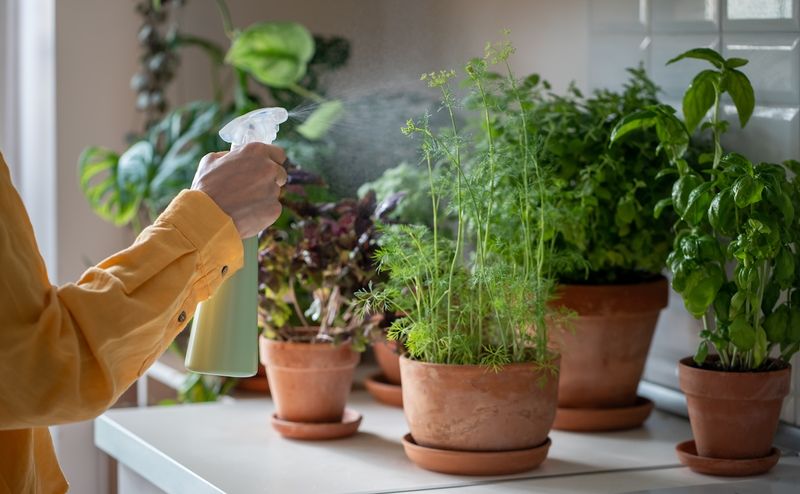
Understanding what thriving really means during Illinois winters prevents disappointment and helps you appreciate the herbs you successfully maintain.
Winter herbs rarely match the explosive growth and abundant harvests of outdoor summer gardens, and that limitation reflects normal seasonal cycles rather than gardening failure.
Slow, steady growth that maintains plant health represents success during short, cloudy winter months.
Celebrate herbs that stay green, compact, and flavorful even if they do not double in size each week like they might in June.
Some herbs may simply maintain their current size throughout winter, neither growing dramatically nor declining, and this stability counts as thriving under challenging conditions.
Lower your harvest expectations, taking smaller amounts less frequently than you would from outdoor summer herbs.
Focus on keeping plants alive and healthy until spring returns and natural growing conditions improve dramatically.
Even modest winter harvests taste amazing compared to dried herbs from jars, making the effort worthwhile despite reduced yields.
View your indoor winter herb garden as both a practical resource and a mood-lifting hobby that brings green life into your home during gray months.
Success means enjoying fresh herbs in February while learning skills that improve each winter as you gain experience.
Spring will arrive eventually, and your carefully tended winter herbs will explode with renewed growth when longer days and stronger sunlight return to Illinois.