10 Winter Garden Cleanup Mistakes Many Oregon Gardeners Still Make
Winter cleanup in the garden can feel like a never-ending task.
Maybe you’ve raked leaves, pruned a few shrubs, and thought you were done, only to notice problems popping up weeks later.
We’ve all been there too; it’s easy to miss little things that make a big difference.
Oregon’s winter weather doesn’t make it any easier on us.
Wet soils, heavy rains, and chilly temperatures can sneak up on your plants, leaving your garden vulnerable if cleanup isn’t done right.
A few common mistakes, like cutting back the wrong plants, leaving debris in beds, or neglecting tools, can quietly cause damage and extra work when spring arrives.
If your garden has felt messy or high-maintenance after winter, don’t worry.
Avoiding these simple missteps can keep your plants healthier, make spring planting easier, and save you a lot of frustration in the long run.
Winter cleanup doesn’t have to create more work later.
A few small corrections now can make your garden stronger for spring and save you some headache!
1. Cutting Back All Perennials Too Early
Many gardeners rush to tidy up their flower beds before winter arrives, snipping every stem to the ground.
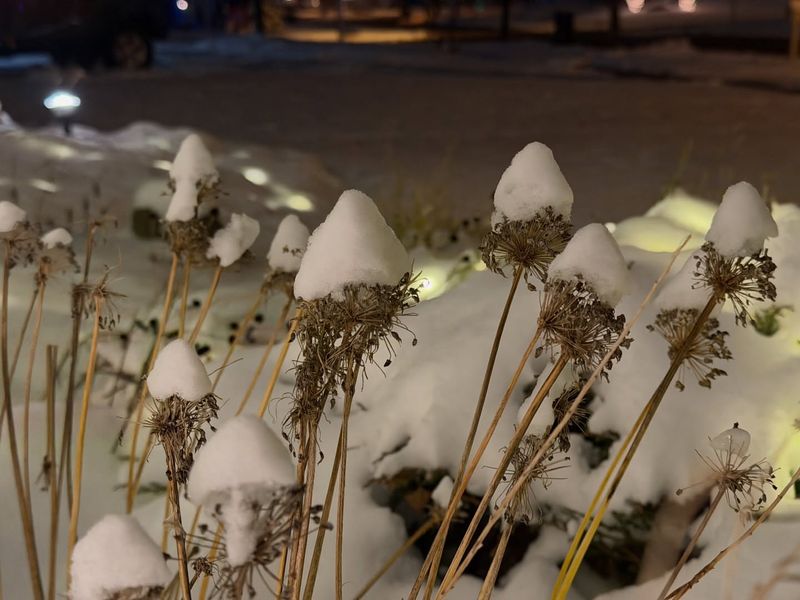
However, those brown stalks and seed heads serve crucial purposes through the cold months.
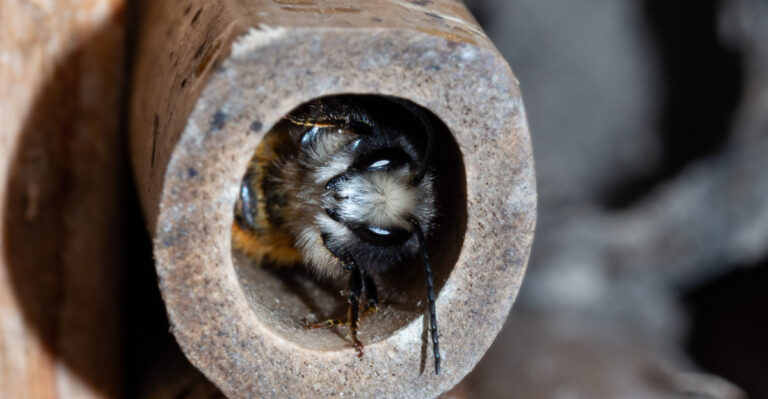
Native bees and beneficial insects use hollow stems as winter shelters, protecting them until spring warmth returns.
Birds feast on seed heads throughout winter, providing natural food sources when insects become scarce.
The standing foliage also insulates plant crowns from Oregon’s occasional hard freezes
Ornamental grasses and rudbeckias look beautiful dusted with frost or rain droplets, adding winter interest to your landscape.
Instead of cutting everything down in fall, wait until late February or early March.
By then, most beneficial insects have emerged, and birds have consumed available seeds.
You can then trim back old growth just as new shoots begin pushing through the soil.
This simple timing change supports local wildlife while reducing your fall workload.
Your garden becomes a mini ecosystem rather than a barren patch.
Plus, those seed heads and grasses create stunning silhouettes against Oregon’s grey winter skies.
2. Raking Up Every Single Fallen Leaf
Bare soil might look neat and tidy, but nature never intended it that way.
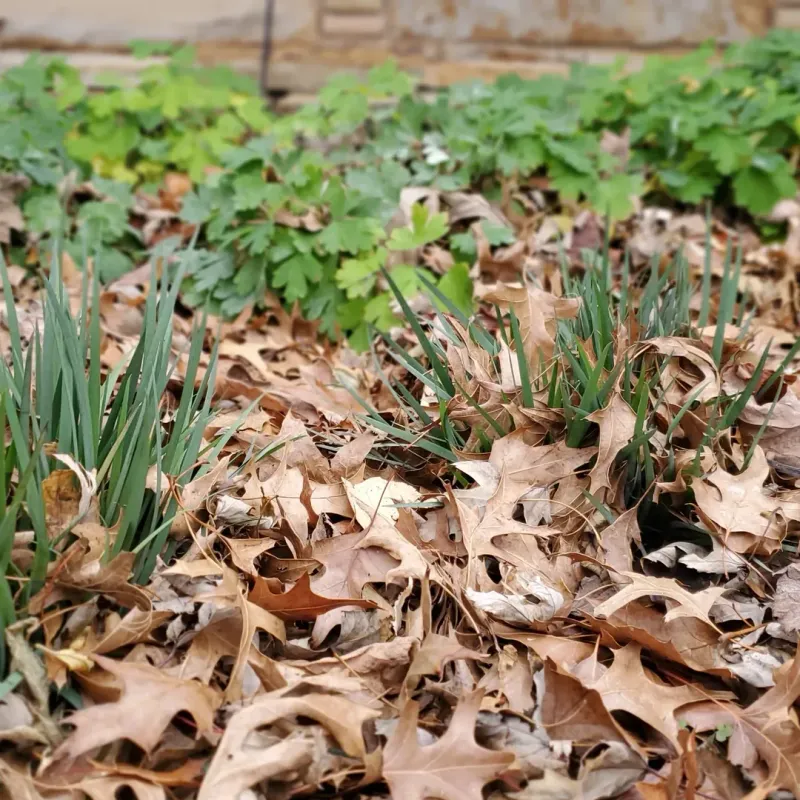
Fallen leaves create a natural blanket that protects soil structure and feeds countless organisms.
When you rake away every leaf, you remove free mulch and disrupt overwintering butterflies, moths, and beetles hiding beneath.
Oregon’s winter rains can wash away topsoil and nutrients from exposed beds, causing erosion problems.
Leaves break down slowly during our cool, wet winters, releasing nutrients back into the soil gradually.
They also suppress winter weeds and maintain soil moisture levels.
Earthworms pull leaf material underground, improving soil structure naturally.
Instead of bagging everything for yard waste, leave a layer of leaves around perennials, shrubs, and in garden beds.
You can shred leaves with a mower first if you prefer a tidier appearance.
Thick layers on lawns should be removed or mulched to prevent grass suffocation, but garden beds benefit from this natural covering.
Your Oregon Garden Changes Every Week. Your Plan Should Too.
Gardening in Oregon changes quickly throughout the season. Every Friday you’ll receive a simple weekly plan showing exactly what to plant, prune, fertilize, harvest, and protect so you never miss the right timing.
By spring, many leaves will have decomposed significantly, enriching your soil without any work from you.
This approach saves time, money on mulch, and supports beneficial creatures.
3. Applying Thick Mulch Before Soil Warms
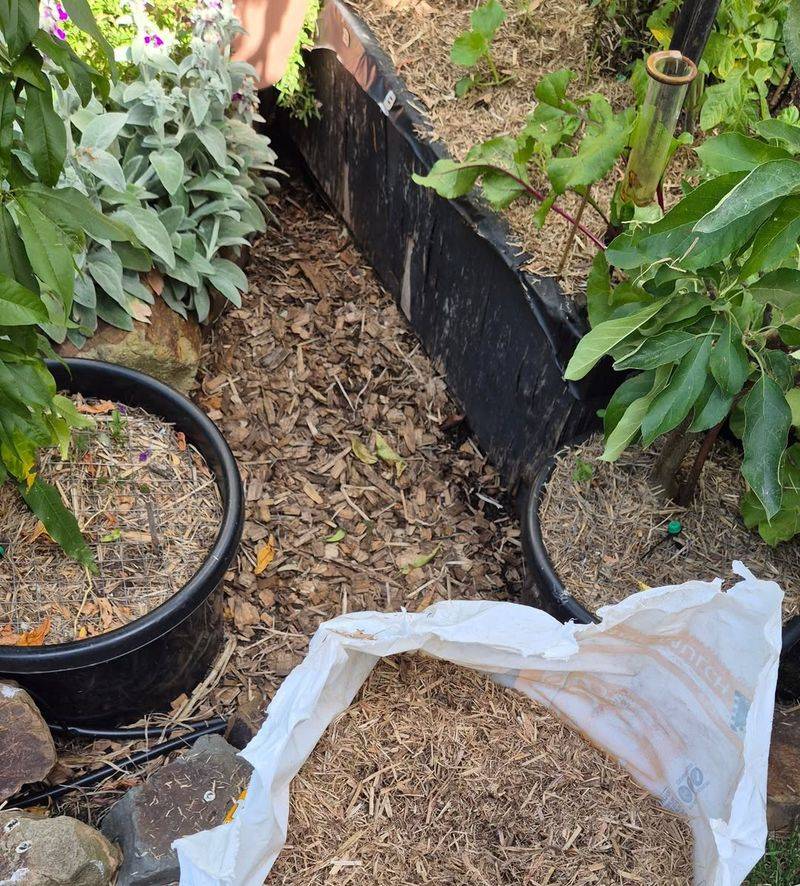
Adding a fresh layer of mulch seems like good preparation for winter weather.
However, piling on thick mulch too early in fall creates unexpected problems in Oregon’s climate.
Our relatively mild winters mean soil rarely freezes deeply, and early mulch can keep soil too cold in spring.
When thick mulch insulates the ground before temperatures drop significantly, it prevents natural warming cycles.
This delays spring growth and can trap excess moisture against plant crowns, encouraging rot.
Oregon’s wet winters mean thick mulch can become waterlogged and compacted, creating anaerobic conditions harmful to plant roots.
Slugs and other pests also thrive under damp, thick mulch layers.
A better approach involves waiting until late winter to refresh mulch, after the soil has gone through natural freeze-thaw cycles.
Apply a moderate layer of two to three inches rather than heavy piles.
Keep mulch pulled back several inches from plant stems and tree trunks to prevent moisture buildup and rot.
This timing allows soil organisms to remain active longer in fall and warm up faster in spring.
Your plants will emerge earlier and stronger with this adjusted schedule.
4. Removing All Garden Debris And Brush Piles
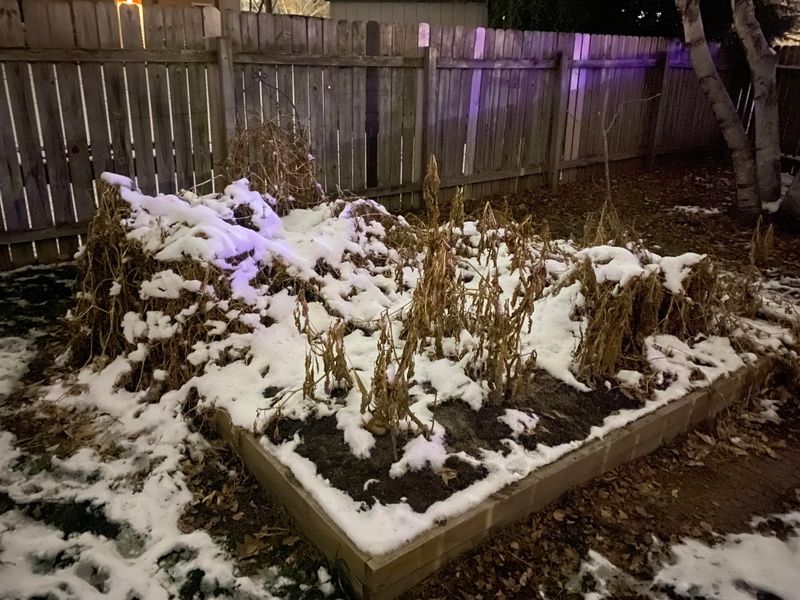
A spotless garden might satisfy our sense of order, but wildlife needs messy corners to survive winter.
Brush piles, small heaps of pruned branches, and tucked-away debris provide essential shelter.
Toads, beneficial ground beetles, and native bees overwinter in these protected spaces.
Small mammals like voles and shrews hunt for insects in brush piles, controlling pest populations naturally.
Wrens and other birds forage through loose piles, finding insects and seeds.
When you haul away every twig and stem, you eliminate these crucial habitats.
Oregon’s wet winters make natural shelter even more important for creatures seeking dry spots.
Instead of complete cleanup, designate one or two corners for intentional messiness.
Pile pruned branches loosely in an out-of-the-way spot, creating a mini wildlife hotel.
These areas can be surprisingly attractive if arranged thoughtfully, and they benefit your garden ecosystem tremendously.
Come spring, the creatures that sheltered there will patrol your garden, eating aphids, slugs, and other pests.
You create a balanced system where beneficial animals help manage problems naturally.
This approach requires less work and supports biodiversity.
5. Tilling Or Digging Beds During Wet Weather
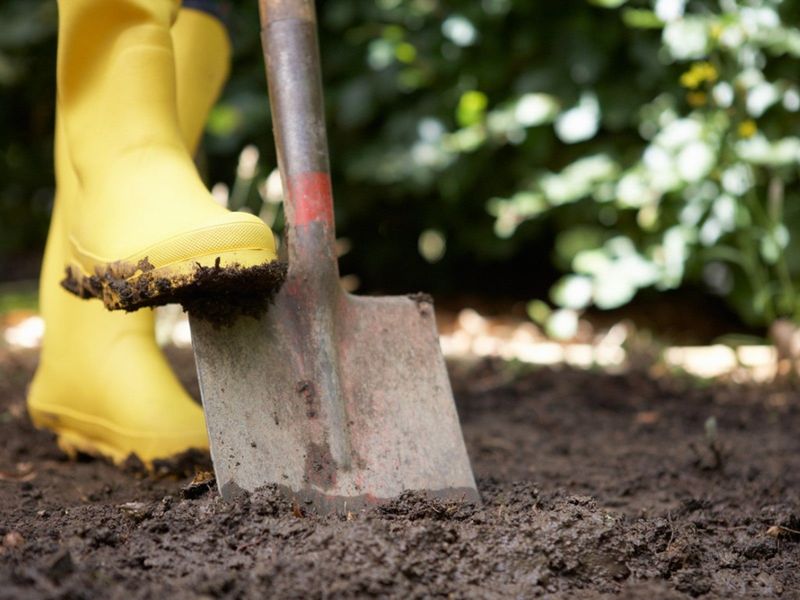
Oregon’s extended rainy season tempts gardeners to work soil whenever a project needs completion.
Working wet soil causes serious structural damage that takes years to correct.
When you dig, till, or even walk on saturated soil, you compress air pockets and destroy the crumbly texture plants need.
Wet soil particles smear together, creating dense clods that dry into brick-hard chunks.
This compaction prevents roots from penetrating deeply and blocks water drainage.
Beneficial soil organisms get crushed, and their tunnel networks collapse.
The damage becomes obvious in spring when compacted areas stay waterlogged and plants struggle to grow.
Instead, wait for drier periods to work your soil, even if that means postponing tasks until late winter or early spring.
You can test soil readiness by squeezing a handful—if it forms a tight, muddy ball, wait longer.
Properly moist soil crumbles apart easily after squeezing.
Use boards or stepping stones to distribute your weight when you must access wet areas.
Patience protects your soil structure and saves you from fighting compaction problems later.
Healthy soil structure matters more than completing every fall task on schedule.
6. Pruning Fruit Trees And Flowering Shrubs Too Early
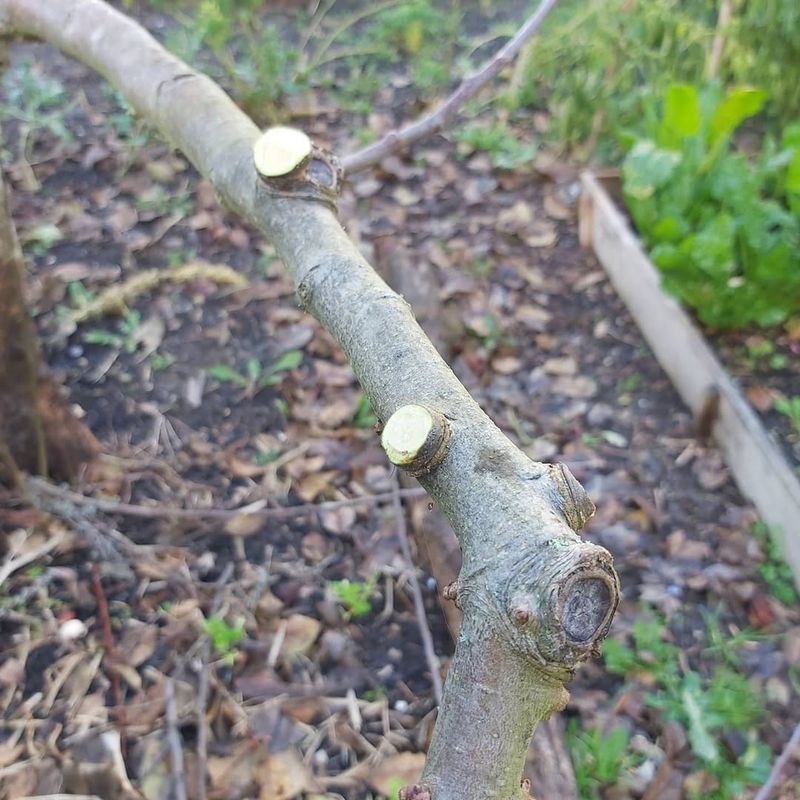
Grabbing pruning shears on a nice fall day feels productive, but timing matters enormously.
Pruning too early stimulates new growth that won’t harden off before cold weather arrives.
This tender growth becomes vulnerable to frost damage, weakening the entire plant.
Many flowering shrubs set their buds in late summer and fall for next spring’s blooms.
Early pruning removes these buds, leaving you with few or no flowers.
Oregon’s mild falls can confuse plants into thinking growing season continues if you prune while temperatures remain warm.
Fresh cuts also provide entry points for diseases that spread more easily in wet winter weather.
The ideal pruning window for most fruit trees falls between late January and early March, during dormancy but before buds swell.
Spring-flowering shrubs should be pruned right after they bloom, not in fall or winter.
Summer-flowering shrubs can be pruned in late winter since they bloom on new growth.
Research the specific needs of each plant species in your garden.
Proper timing maximizes flowering, reduces disease risk, and maintains plant health.
Those extra months of patience reward you with better results.
7. Leaving Diseased Plant Material In Garden Beds
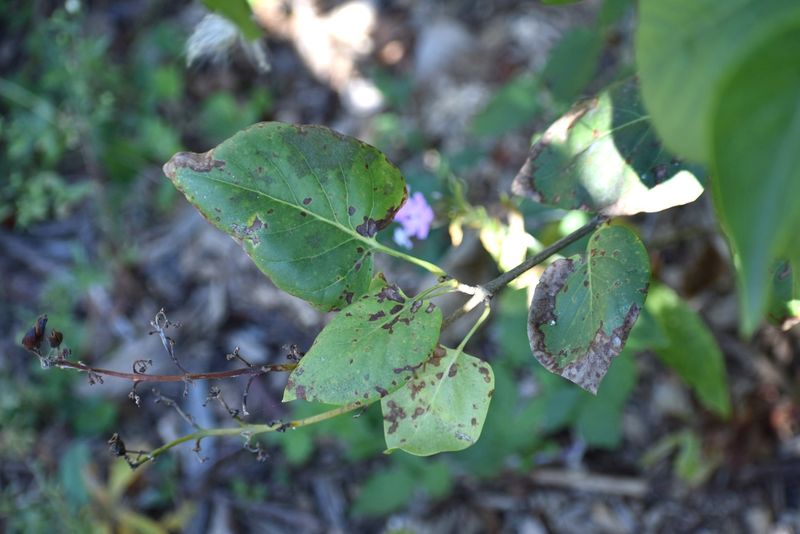
Not all plant material deserves to stay in your garden over winter.
Tomato leaves covered in blight, rose foliage with black spot, and mildewed squash vines harbor pathogens that survive cold weather.
These disease organisms wait patiently through winter, ready to reinfect plants when conditions warm.
Oregon’s wet climate already encourages fungal diseases, so leaving infected material multiplies your problems.
Rain splashes spores from contaminated debris onto new growth in spring.
Some diseases can survive in soil for multiple years if infected plant material remains.
This creates a cycle where the same problems return season after season despite your best efforts.
Remove and dispose of obviously diseased material in yard waste bins, not compost piles.
Home compost rarely reaches temperatures high enough to eliminate all pathogens.
Clean up particularly problem-prone plants like tomatoes, roses, and cucurbits thoroughly.
This selective cleanup differs from leaving healthy plant material for wildlife and soil health.
You can distinguish between natural senescence and disease with practice.
Removing disease sources reduces your need for chemical treatments and produces healthier plants.
This targeted approach protects your garden without eliminating beneficial habitat.
8. Forgetting To Clean And Sharpen Garden Tools
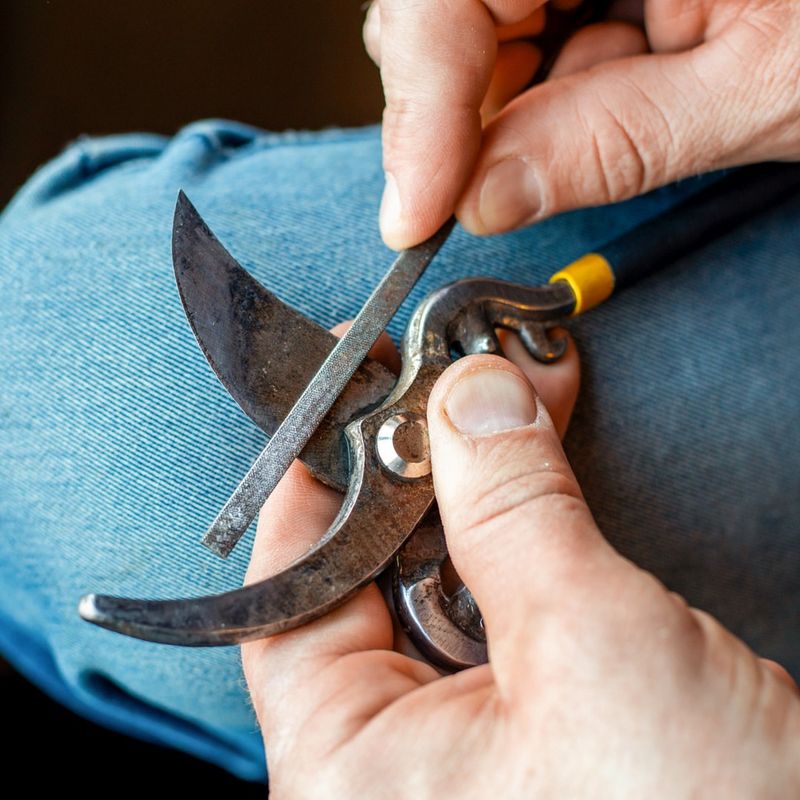
Tools get shoved into the shed when cold weather arrives, often still caked with soil and plant residue.
This neglect shortens tool life and spreads diseases between plants.
Soil and moisture trapped on metal surfaces cause rust and corrosion over winter.
Dull blades crush plant tissue instead of making clean cuts, creating larger wounds that invite infection.
Disease organisms can survive on dirty tools, transferring from infected to healthy plants when you resume work in spring.
Oregon’s humidity accelerates rust formation on unprotected metal.
Taking time for tool maintenance now saves money on replacements and protects plant health.
Scrub tools with soapy water to remove soil and debris.
Disinfect pruning tools with rubbing alcohol or a bleach solution, especially if you worked with diseased plants.
Dry everything thoroughly, then apply a light coat of oil to metal parts.
Sharpen pruners, shears, and hoe blades using a file or sharpening stone.
Sharp tools make gardening easier and less tiring.
Store tools in a dry location, hanging them if possible to prevent moisture contact.
This simple maintenance routine takes just an afternoon but extends tool life by years.
9. Neglecting To Protect Tender Plants Properly
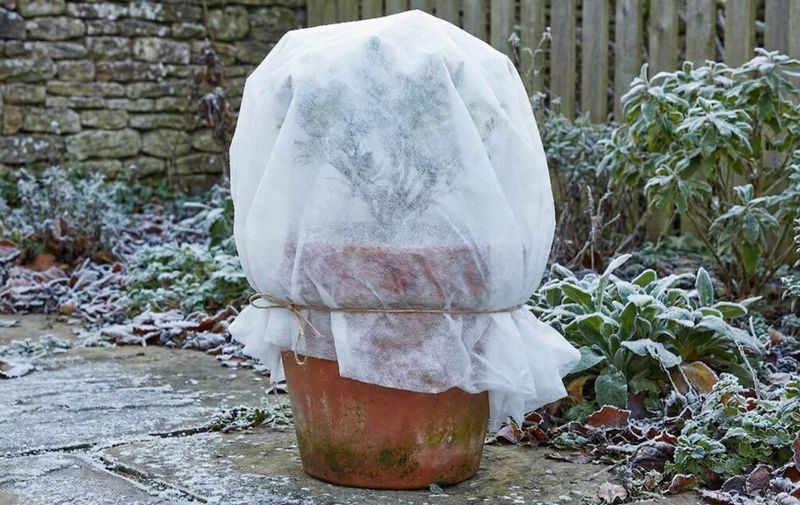
Oregon’s reputation for mild winters tricks gardeners into skipping protection for borderline hardy plants.
However, our occasional cold snaps, especially east wind events, can damage or eliminate unprotected specimens.
Tender perennials, young plants, and container gardens need extra attention before winter arrives.
Containers face particular risk since roots have less insulation than in-ground plants.
Freezing temperatures penetrate pots from all sides, potentially harming root systems.
Wet foliage combined with sudden freezes causes more damage than gradual cold.
Plants in exposed locations suffer more than those near buildings or under eaves.
Move tender container plants to protected spots like covered porches or unheated garages.
Group containers together and surround them with leaves or straw for insulation.
Wrap burlap or frost cloth around marginally hardy plants in the ground.
Apply protective mulch around root zones after the ground cools but before hard freezes.
Keep frost cloth handy for draping over plants when cold snaps threaten.
Monitor weather forecasts and protect plants before temperatures plunge.
These simple precautions prevent heartbreak when you lose favorite plants to preventable cold damage.
10. Ignoring Soil Health And Amendment Needs
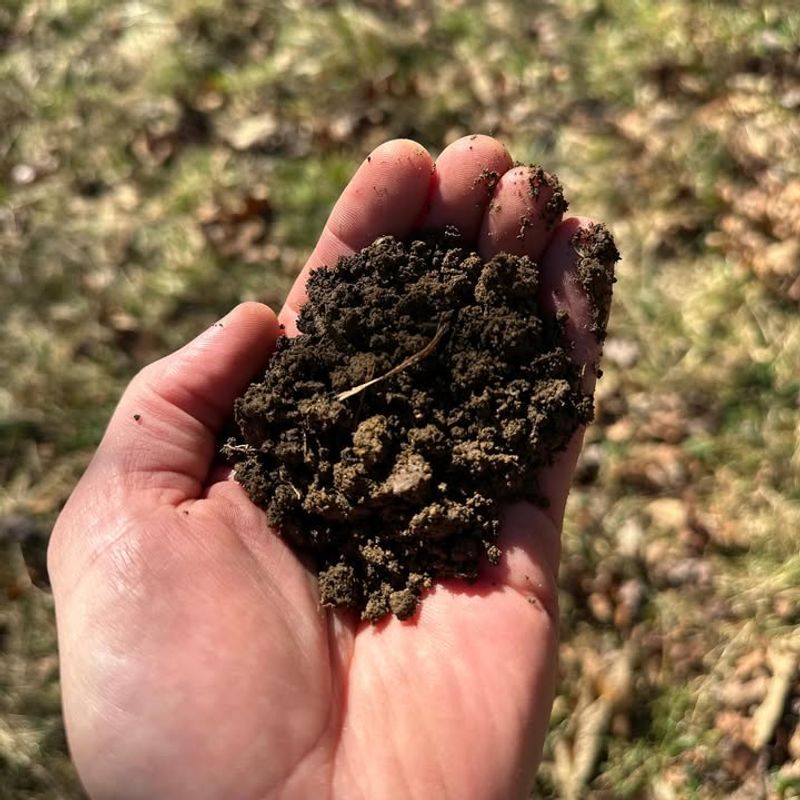
Gardens work hard all growing season, and soil becomes depleted without replenishment.
Many gardeners focus entirely on cleanup tasks while ignoring the foundation of garden success.
Oregon soils tend toward acidity, and regular testing helps you understand pH and nutrient levels.
Winter provides the perfect opportunity to test soil and add amendments that need time to integrate.
Lime takes months to alter pH effectively, making fall or winter application ideal.
Organic matter additions like compost work into the soil structure gradually through winter weather and organism activity.
Waiting until spring to address soil problems means plants face the same deficiencies as last year.
Test your soil every few years through home test kits.
Add compost to all beds, working it gently into the top few inches without disturbing soil structure excessively.
Apply lime if tests show excessive acidity, following recommended rates.
Consider cover crops for vegetable beds, which protect soil and add nutrients when turned under in spring.
Healthy soil grows healthy plants with fewer pest and disease problems.
This foundational work matters more than superficial tidiness.