9 Signs Your Oregon Garden Soil Is Too Wet (And What To Do Instead)
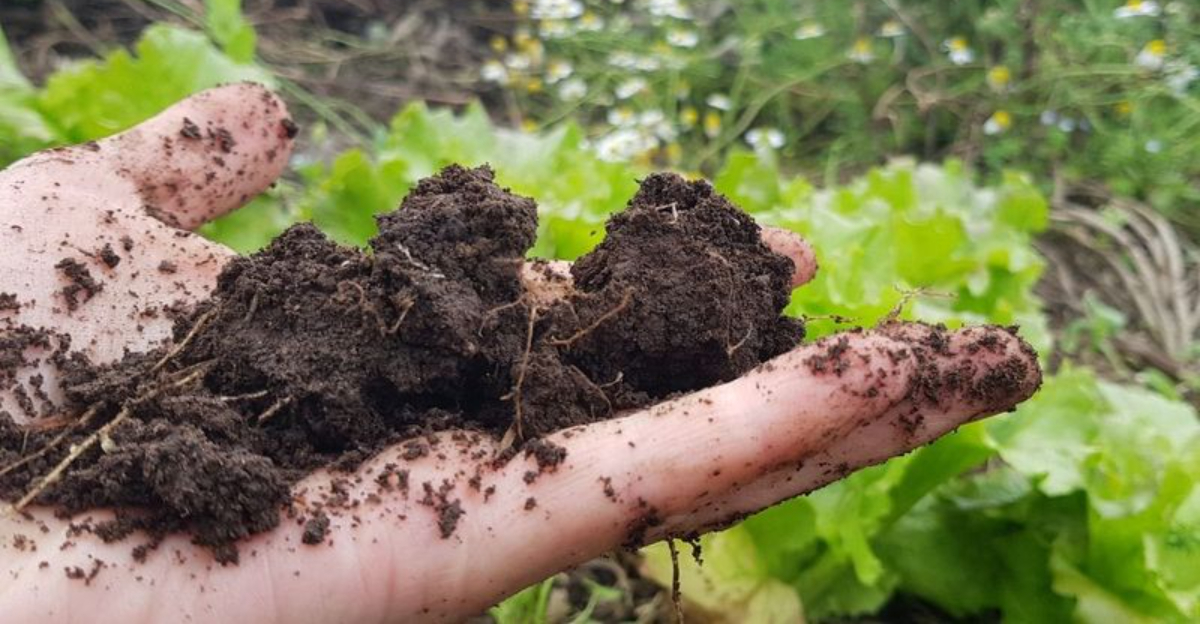
After a heavy Oregon rain, your garden feels like a sponge underfoot, and you’re not sure whether to step in or wait it out.
Gardeners across our state are tempted to just dig in anyway, but wet soil can be sneaky.
Push a shovel too soon, and you might end up compacting the ground or hurting your plants’ roots without even realizing it.
Learning to read your soil can save a lot of frustration.
There are a few easy clues that tell you when it’s just too soggy, and knowing what to do instead can keep your garden healthy and happy through the wet season.
Before digging, check your soil!
With a little patience and observation, even the soggiest spots can bounce back and thrive once things start to dry out.
These signs can help you avoid common mistakes in wet Oregon gardens.
1. Water Pools On The Surface After Rain

Standing water that refuses to drain away signals a drainage problem.
When rain falls and creates puddles that stick around for hours or even days, your soil cannot absorb moisture properly.
This happens when clay-heavy soil or compacted ground blocks water from moving downward.
Healthy soil should absorb rainfall within a few hours.
If puddles remain much longer, roots sit in water and cannot breathe.
Plants need oxygen just as much as they need water, and soggy conditions starve them of this essential element.
To fix this issue, work organic matter like compost into your soil.
This improves structure and creates pathways for water to flow through.
You can also build raised beds that lift plants above problem areas.
Another option involves installing drainage systems or digging shallow trenches to redirect excess water.
French drains work well in Oregon gardens with persistent pooling.
Adding sand alone rarely helps and can make clay soil worse, so focus on organic amendments instead.
Testing your soil before making changes helps you understand what it needs most.
2. Soil Feels Sticky And Clumps Together
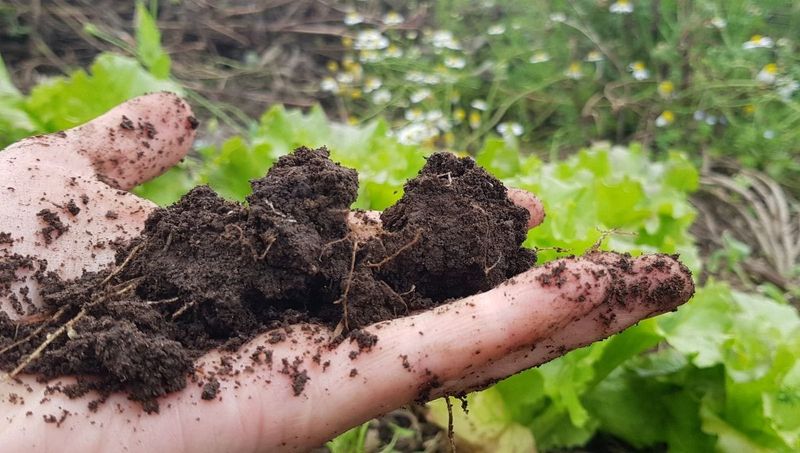
Grab a handful of your garden soil and squeeze it.
Does it form a tight, sticky ball that holds its shape?
Soil with too much moisture acts like modeling clay, clinging to your fingers and forming dense clumps.
Properly moist soil should crumble apart when you open your hand.
It might hold together loosely but should break up with gentle pressure.
Sticky soil indicates saturation, which prevents air pockets from forming between particles.
Without those air spaces, beneficial organisms struggle to survive and roots cannot spread easily.
Plants growing in sticky, compacted soil often show stunted growth because their roots cannot explore far enough to find nutrients.
This texture also makes it nearly impossible to work with your garden beds.
Wait for drier conditions before digging or planting.
Working wet soil damages its structure and makes compaction worse.
Once conditions improve, mix in aged compost, leaf mold, or coconut coir to lighten heavy soil.
These materials increase drainage while maintaining the ability to hold some moisture.
Your Oregon Garden Changes Every Week. Your Plan Should Too.
Gardening in Oregon changes quickly throughout the season. Every Friday you’ll receive a simple weekly plan showing exactly what to plant, prune, fertilize, harvest, and protect so you never miss the right timing.
Repeat this process each season to gradually transform your soil texture.
3. Plants Show Yellowing Leaves
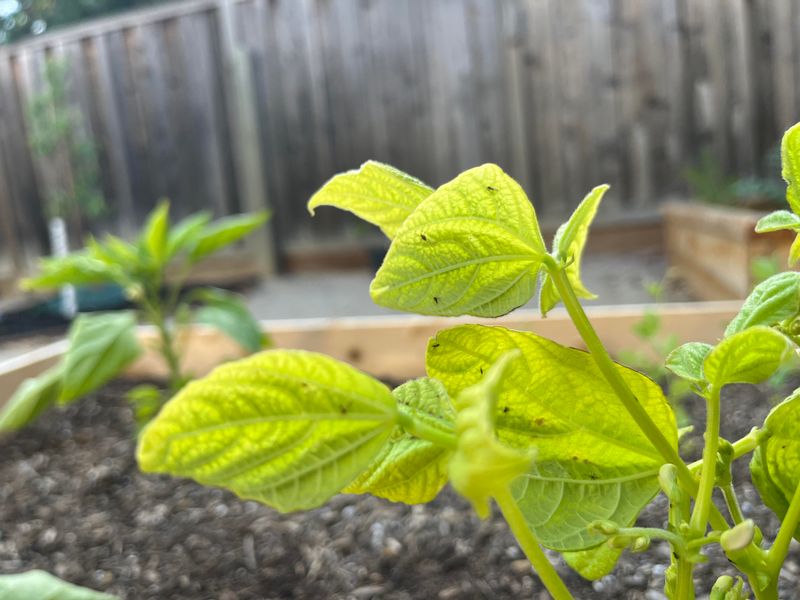
Yellow leaves often make gardeners think about nutrient deficiencies, but excess water causes this symptom too.
When soil stays too wet, roots cannot function properly.
They struggle to take up nutrients even when plenty exist in the ground.
This condition, called chlorosis, appears as pale or yellow foliage while veins may stay green.
Waterlogged roots essentially suffocate, losing their ability to transport food and minerals to the rest of the plant.
Young leaves and lower foliage typically show symptoms first.
Check the soil moisture before adding fertilizer.
Feeding a plant with root problems only wastes nutrients and can make matters worse.
Instead, improve drainage by loosening compacted soil around affected plants.
Pull back mulch if it holds too much moisture against stems.
Consider transplanting valuable specimens to raised beds or containers with better drainage.
Cut back on watering schedules during rainy Oregon seasons.
Allow the top few inches of soil to dry between waterings.
Healthy roots need a balance of moisture and air, not constant saturation.
Once drainage improves, green color should return to new growth.
4. Mushrooms And Fungi Appear Everywhere
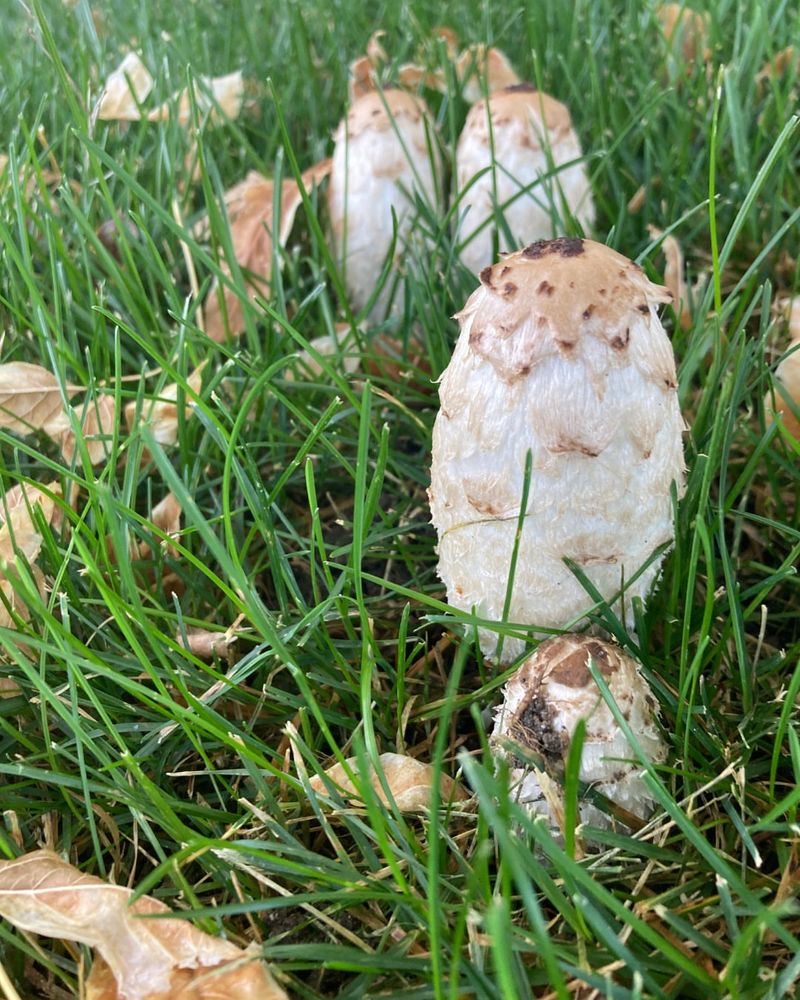
Fungi love damp environments.
When mushrooms pop up across your garden beds, they signal consistently moist conditions.
While some fungi benefit soil health, a sudden explosion of mushrooms indicates excessive wetness.
Fungal growth thrives where oxygen levels drop and organic matter stays soggy.
Mushrooms themselves are not the problem, but they point to underlying drainage issues.
The same conditions that support fungi can harm plant roots.
Many Oregon gardeners notice more mushrooms during fall and winter when rainfall increases.
This seasonal appearance is natural, but year-round mushroom patches suggest poor drainage.
Removing visible mushrooms does not solve the real issue.
Focus on improving soil structure instead.
Reduce watering frequency and check that downspouts or irrigation systems are not overwatering certain areas.
Aerating compacted soil helps oxygen reach deeper layers.
You can use a garden fork to poke holes throughout affected beds.
This simple technique improves air circulation without major disruption.
Adding coarse materials like perlite or small bark pieces also helps.
These amendments create drainage channels that prevent water from sitting in one place too long.
Over time, fungal growth should decrease as conditions dry out.
5. Roots Look Brown And Mushy
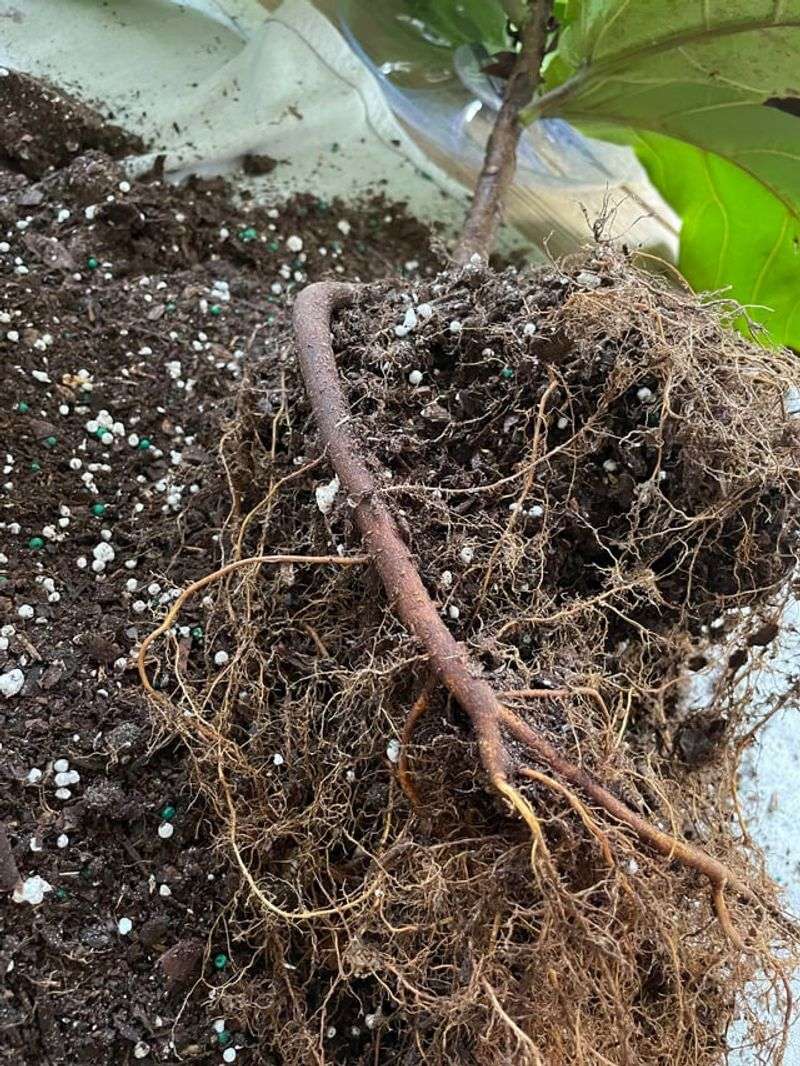
Healthy roots appear white or tan and feel firm to the touch.
When you pull up a struggling plant and find brown, soft, or slimy roots, you have discovered root rot.
This condition results from prolonged exposure to waterlogged soil.
Roots need oxygen to function, and soggy conditions cut off their air supply.
Harmful bacteria and fungi move into oxygen-starved roots, causing decay.
Once rot sets in, plants cannot absorb water or nutrients properly.
Above ground, you might notice wilting even though soil feels wet.
This confusing symptom happens because damaged roots can no longer transport water upward.
Root rot spreads quickly in overly moist environments.
If you catch the problem early, trim away affected roots with clean scissors.
Replant in fresh, well-draining soil mix.
For garden beds, stop watering immediately and allow soil to dry out.
Improve drainage by adding organic matter and creating slight mounds or slopes.
Raised beds prevent future root rot by keeping plants above standing water.
Container plants need pots with drainage holes and fast-draining potting mix.
Prevention works better than treatment.
Water only when the top layer of soil feels dry to your fingertip.
6. Weeds Thrive While Garden Plants Struggle
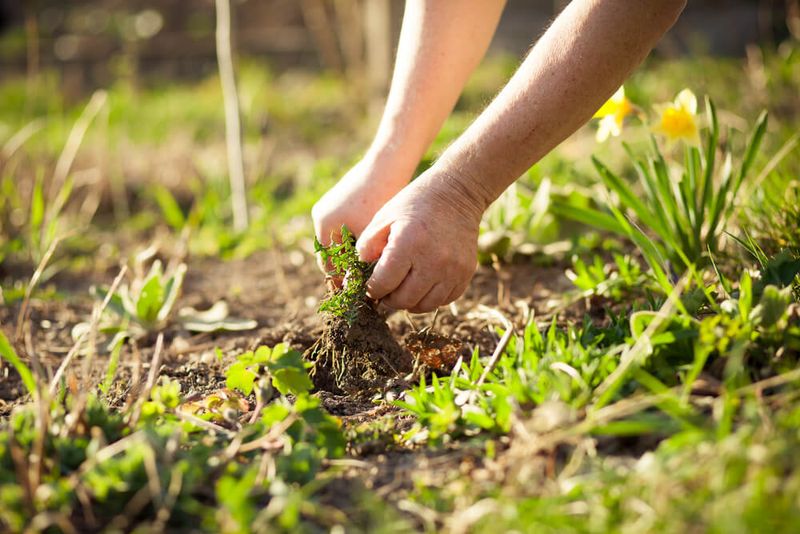
Some weeds love wet feet.
If you notice moisture-loving weeds taking over while your vegetables and flowers barely survive, your soil holds too much water.
Plants like creeping buttercup, horsetail, and sedges thrive in soggy conditions.
These weeds have adapted to low-oxygen environments that harm most garden plants.
Their presence tells you something important about your soil conditions.
Most vegetables, herbs, and ornamental plants prefer soil that drains well.
When water sits too long, these desirable plants suffer while weeds flourish.
You might pull weeds constantly but find they return quickly.
This happens because the underlying problem remains unfixed.
Address drainage issues rather than just removing weeds.
Identify which weeds appear most often, as this helps you understand moisture levels.
Horsetail, for example, indicates extremely wet and acidic conditions.
Once you improve drainage, these weeds naturally decline.
Work compost into beds and consider installing drainage tiles or creating swales to move water away.
Mulch with coarse materials that allow airflow rather than fine mulch that holds moisture.
As soil conditions improve, your garden plants gain the advantage.
They will outcompete moisture-loving weeds when the environment suits them better.
7. Soil Smells Sour Or Rotten
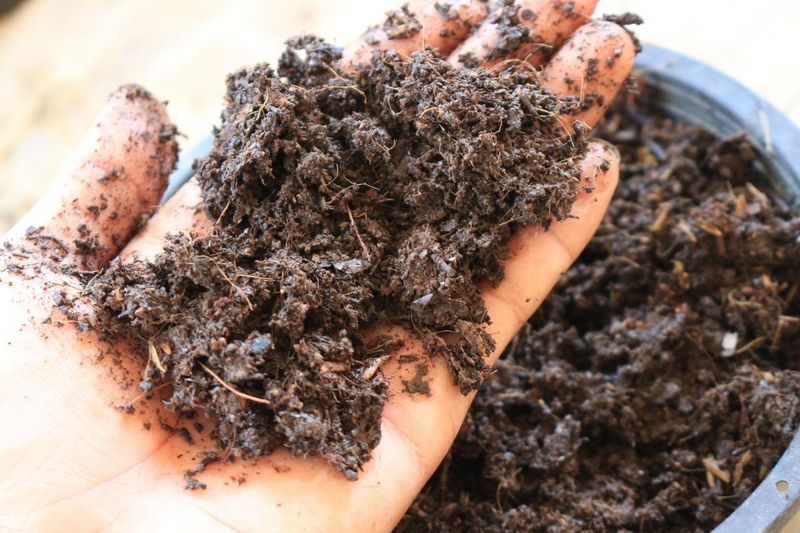
Fresh soil has an earthy, pleasant smell.
When you detect sour, rotten, or sulfur-like odors, your soil has gone anaerobic.
This means oxygen has left and harmful bacteria have moved in.
Anaerobic conditions develop when water fills all the air spaces between soil particles.
Without oxygen, beneficial organisms cannot survive.
Different bacteria take over and produce gases that smell terrible.
These bacteria also release compounds that harm plant roots.
The longer soil stays oxygen-free, the worse the damage becomes.
Plants growing in smelly soil often show multiple stress symptoms at once.
Stop watering immediately if you notice bad odors.
Turn or loosen the soil carefully to introduce air.
Avoid working soil when it is extremely wet, as this causes more compaction.
Wait until conditions dry slightly, then aerate thoroughly.
Adding activated charcoal can help absorb odors temporarily.
Mix in plenty of compost, which introduces beneficial organisms that crowd out harmful bacteria.
For severe cases, you might need to remove plants temporarily and rebuild the soil structure.
Create drainage channels or install raised beds to prevent future problems.
Good drainage keeps soil smelling fresh and supports healthy plant growth year-round.
8. Pests Like Slugs And Snails Multiply Rapidly
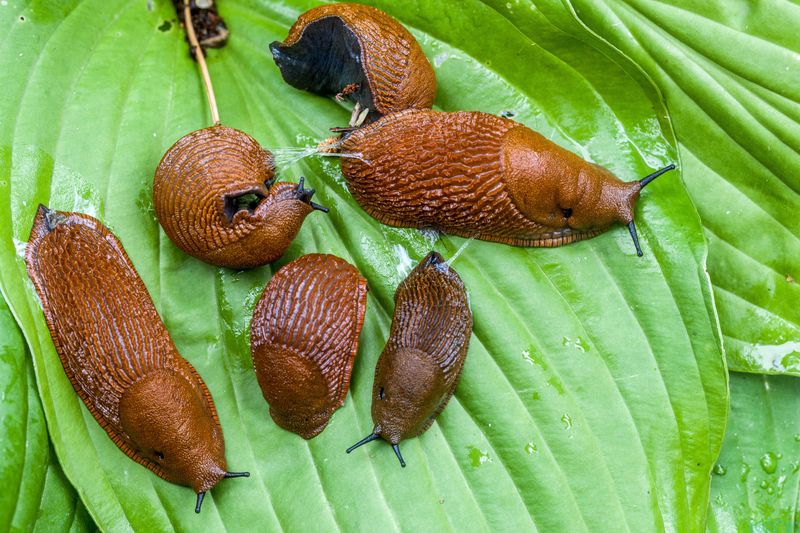
Oregon gardeners battle slugs and snails every year.
These pests explode in population when soil stays constantly moist.
They need damp conditions to move around and survive.
Overly wet gardens provide perfect habitat for these destructive creatures.
They hide in soggy mulch and under plants during the day, then emerge at night to feed.
If you see more slugs and snails than usual, check your soil moisture levels.
Wet conditions also attract fungus gnats, which breed in damp organic matter.
These tiny flies do not harm plants directly but indicate excessive moisture.
Their presence often accompanies other wetness problems.
Reduce watering to make your garden less appealing to moisture-loving pests.
Remove excess mulch from around plant stems and thin it to about two inches deep.
This allows soil surface to dry between waterings.
Improve drainage throughout your beds so water does not collect.
Use copper tape or diatomaceous earth as barriers when soil dries out.
These methods work better in drier conditions.
Encourage natural predators like ground beetles, which eat slug eggs.
A drier garden environment supports beneficial insects while discouraging pests.
Balance moisture levels to grow healthy plants without creating a pest paradise.
9. Garden Tools Sink Deep Into The Ground
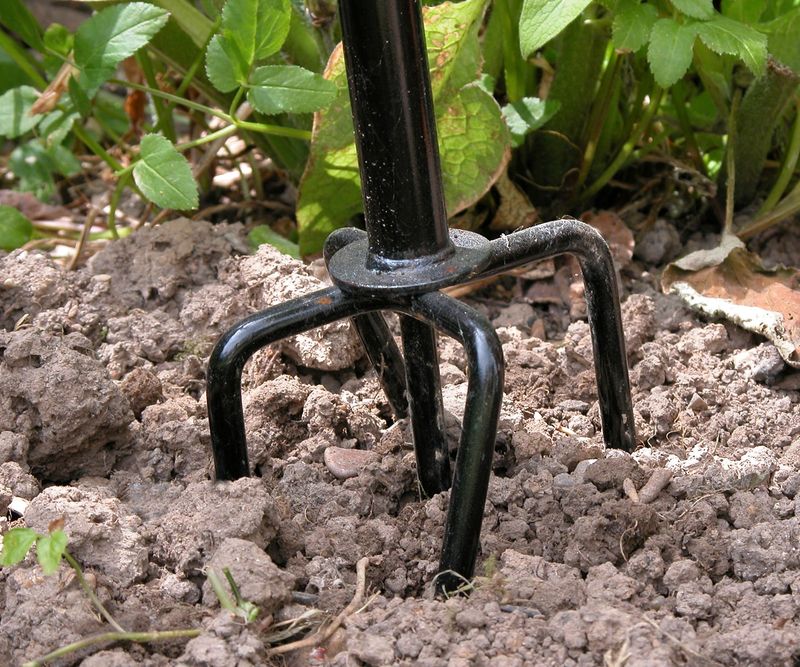
Walk across your garden beds and pay attention to your footsteps.
Do your shoes sink into the ground?
Does your shovel or trowel plunge in with almost no resistance?
These signs point to saturated, unstable soil.
Properly moist soil has structure that provides some resistance when you dig or walk.
Waterlogged soil acts like thick mud, offering no support.
When tools sink too easily, the soil structure has collapsed.
Water has filled all available spaces, pushing out air and breaking down the bonds between particles.
This makes it nearly impossible to work in your garden effectively.
Attempting to dig, plant, or weed in these conditions causes severe compaction.
Your weight and tools press soil particles tightly together.
Once dried, this compacted soil becomes hard as concrete.
Stay out of garden beds when they are this wet.
Wait for drier weather before working the soil.
Use boards or stepping stones to distribute your weight if you must enter wet areas.
Install permanent pathways between beds to protect planting areas.
Once soil dries adequately, work in generous amounts of compost.
This rebuilds structure and prevents future problems.
Patience protects your soil from long-term damage that takes seasons to repair.