8 Plants That Handle Oregon’s Cool And Wet Winters With Ease
Winter in Oregon can be a little rough on the garden, but they don’t have to mean a dormant garden.
Cool temperatures, steady rain, and gray skies make it tricky to know which plants will actually survive, and thrive, until spring.
Maybe you’ve planted something in the past, only to watch it wilt or fade. I’ve been there too; it can be frustrating!
The good news?
Some plants don’t just survive Oregon’s wet, cool winters, they actually love it.
Hardy perennials, tough evergreens, and a few surprising favorites can bring color, texture, and life to your garden even when most things are dormant.
A little planning and the right choices can make your winter garden feel lively instead of gloomy.
If you’re tired of seeing your garden struggle during the wet season, these eight plants are a solid place to start.
They handle cold and moisture with ease, so you can enjoy a garden that feels alive all winter long.
These plants thrive through the cool, wet months with almost no fuss.
1. Hellebores
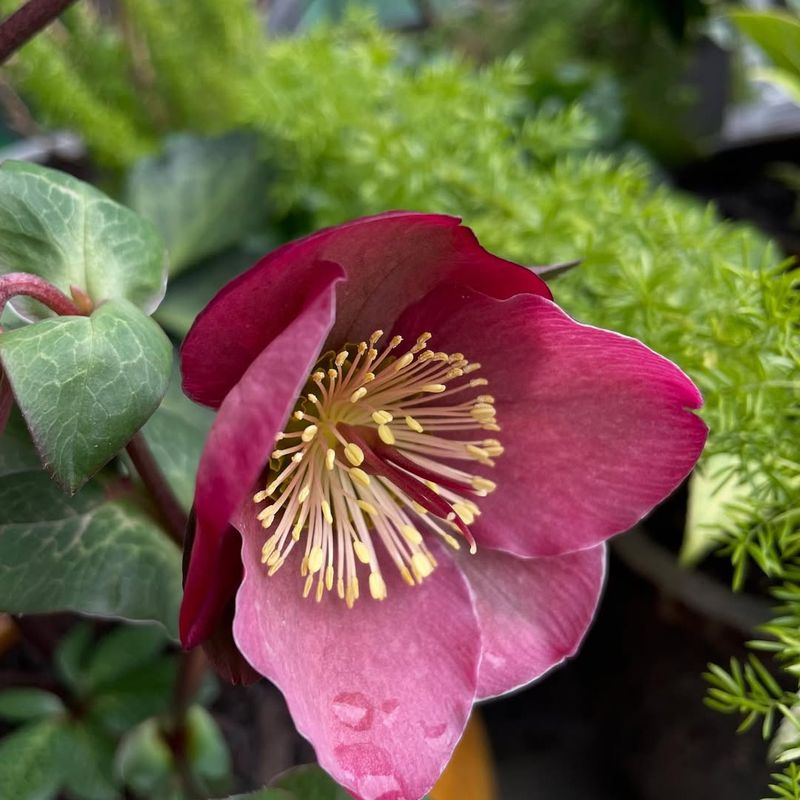
Blooms appear when most other plants stay dormant, making hellebores a true winter treasure.
Their flowers come in shades of white, pink, purple, and even green, adding much-needed color to dreary months.
Some varieties feature speckles or dark edging, giving each bloom a unique, almost antique look.
Hellebores tolerate shade beautifully, so you can tuck them under trees or along north-facing walls where other plants struggle.
They brighten spaces that are often overlooked in winter garden design.
Rain and cold temperatures do not bother them one bit.
Snow and frost may flatten blooms temporarily, but they quickly rebound when temperatures rise.
In fact, they prefer moist soil and cool weather, which makes Oregon winters ideal for their growth.
Consistent winter moisture encourages strong root development and healthy flowering.
The leathery leaves stay attractive all year, providing evergreen interest even when flowers fade.
This foliage adds structure and fullness to garden beds in every season.
Deer and rabbits usually leave hellebores alone, which is a bonus for gardeners dealing with wildlife.
Their natural toxicity helps protect them from browsing damage.
Once established, they need very little care and will self-seed to create natural-looking colonies.
These seedlings often appear nearby, slowly filling in empty spaces.
Plant them in well-draining soil enriched with compost for best results.
Good drainage prevents crown rot during wet winters.
Water them regularly during their first season, but after that, winter rains typically provide all the moisture they need.
Hellebores reward patient gardeners with decades of reliable beauty and require almost no fussing.
2. Japanese Forest Grass
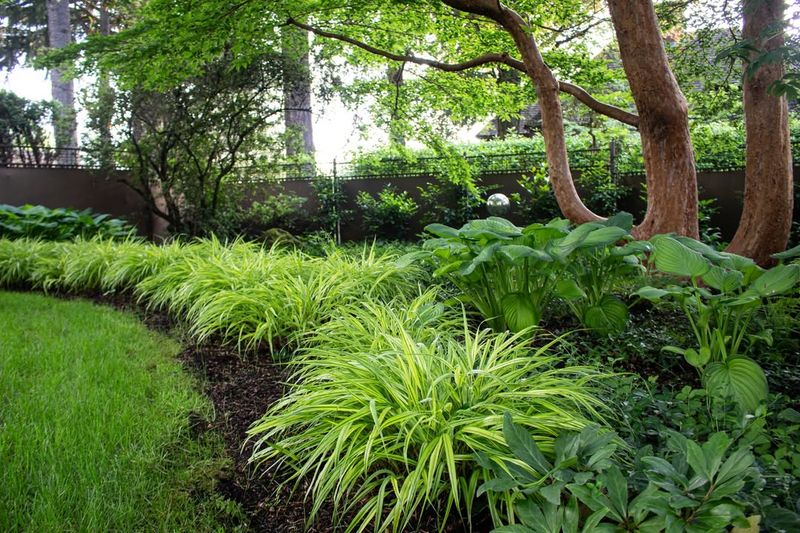
Graceful arching blades bring movement and texture to shaded spots where lawn grass fails.
The gently cascading foliage softens hard edges and adds a calming presence to the garden.
This ornamental grass comes in varieties with green, gold, or variegated foliage that brightens dim corners.
Golden forms in particular seem to glow in low light.
Japanese forest grass loves the dampness Oregon winters deliver, thriving in consistently moist conditions that would rot many other plants.
Your Oregon Garden Changes Every Week. Your Plan Should Too.
Gardening in Oregon changes quickly throughout the season. Every Friday you’ll receive a simple weekly plan showing exactly what to plant, prune, fertilize, harvest, and protect so you never miss the right timing.
It handles seasonal rainfall with ease when drainage is adequate.
Cool temperatures keep the foliage looking fresh and vibrant rather than stressed or brown.
Summer heat is far more challenging for this grass than winter cold.
The mounding habit creates soft, flowing shapes that contrast nicely with rigid shrubs or upright perennials.
This contrast adds visual balance to shaded beds.
Slugs sometimes nibble the leaves, but the damage rarely affects the overall appearance.
Healthy plants quickly outgrow minor cosmetic issues.
Plant this grass under deciduous trees where it can enjoy dappled light in summer and full sun exposure in winter when branches are bare.
This seasonal light shift supports steady growth.
It grows slowly, so you will not spend weekends dividing clumps or controlling spread.
The roots appreciate organic matter, so mix compost into the planting hole.
Japanese forest grass pairs beautifully with ferns, hostas, and hellebores for a layered woodland look.
Its low-maintenance nature makes it perfect for busy gardeners who want beauty without constant effort.
3. Winter Jasmine
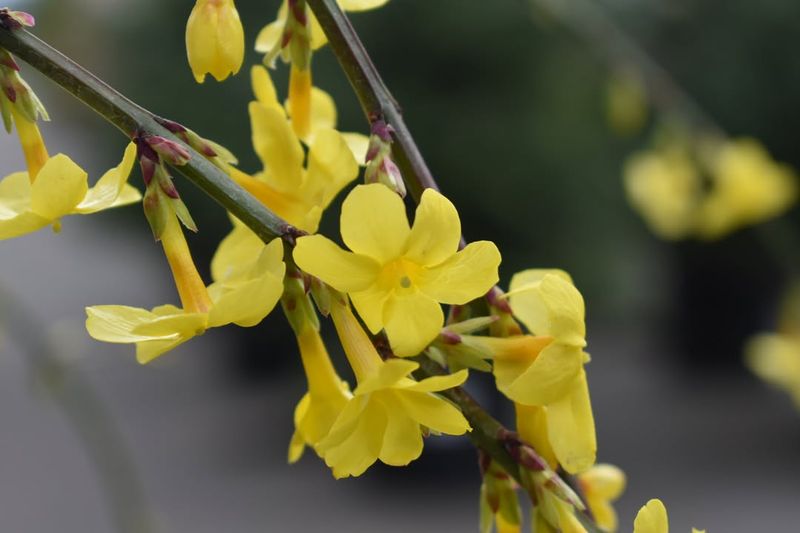
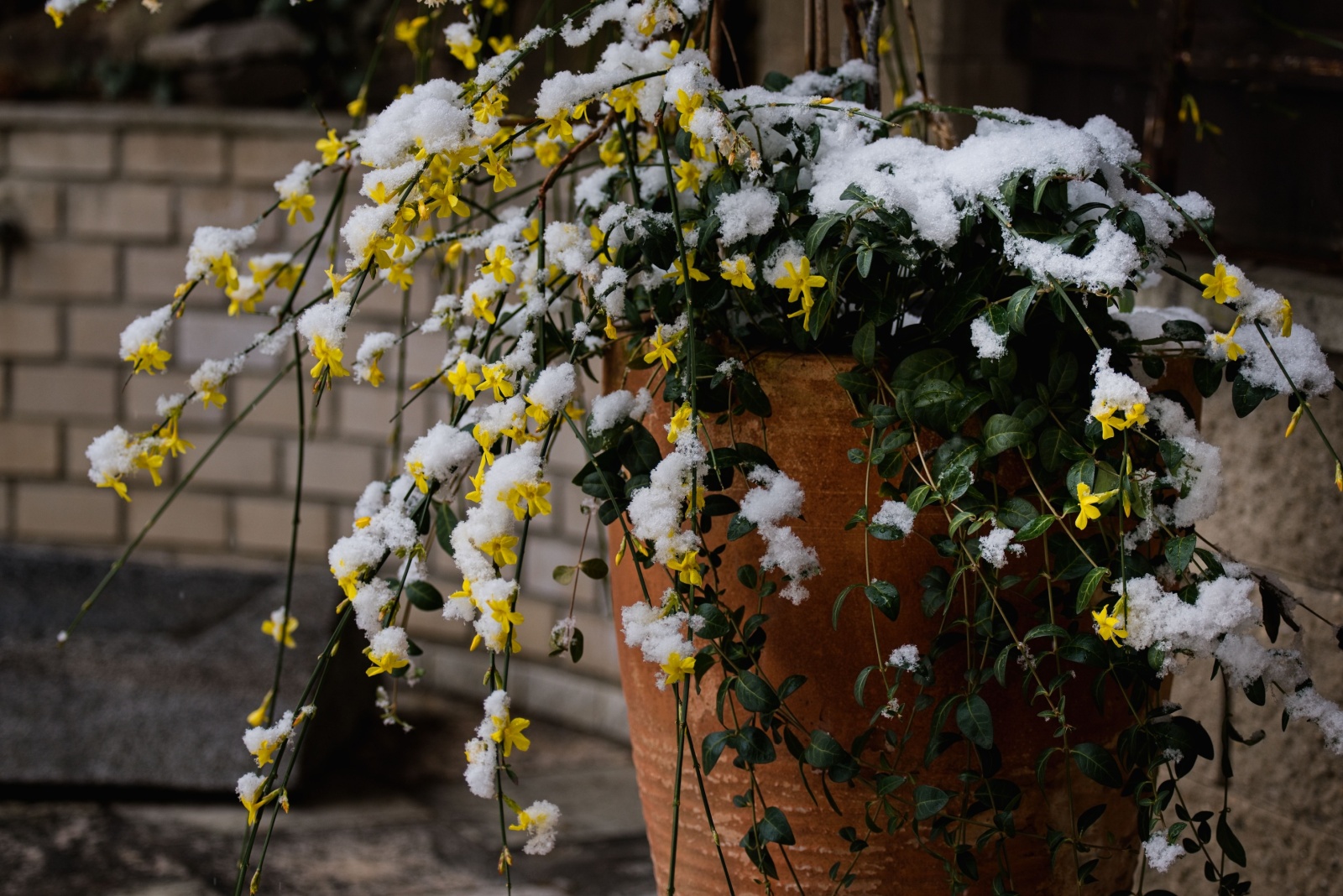
Cheerful yellow flowers burst open in late winter, bringing sunshine to gray days.
Their bright color instantly lifts the mood of the winter garden.
Winter jasmine does not mind cold snaps or heavy rain, continuing to bloom through weather that stops most flowering plants.
Its resilience makes it a dependable choice year after year.
The arching green stems create a cascading effect, making this plant perfect for slopes, walls, or containers.
These trailing stems soften hard edges beautifully.
Unlike true jasmine, this species does not climb aggressively or require constant pruning to stay tidy.
It remains well behaved in smaller garden spaces.
Oregon winters provide exactly the right combination of chill and moisture for abundant flowering.
Consistent winter conditions encourage reliable bloom production.
The plant goes dormant in extreme cold but bounces back quickly when temperatures rise above freezing.
Fresh growth appears surprisingly fast.
Bees and early pollinators appreciate the nectar source when few other flowers are available.
Providing food at this time supports local pollinator populations.
Winter jasmine grows in full sun or partial shade, adapting easily to various garden conditions.
The stems root where they touch soil, which can help with erosion control on banks.
Prune after flowering finishes to maintain shape and encourage bushier growth.
This tough plant asks for little but gives back weeks of bright blooms when you need them most.
4. Camellia
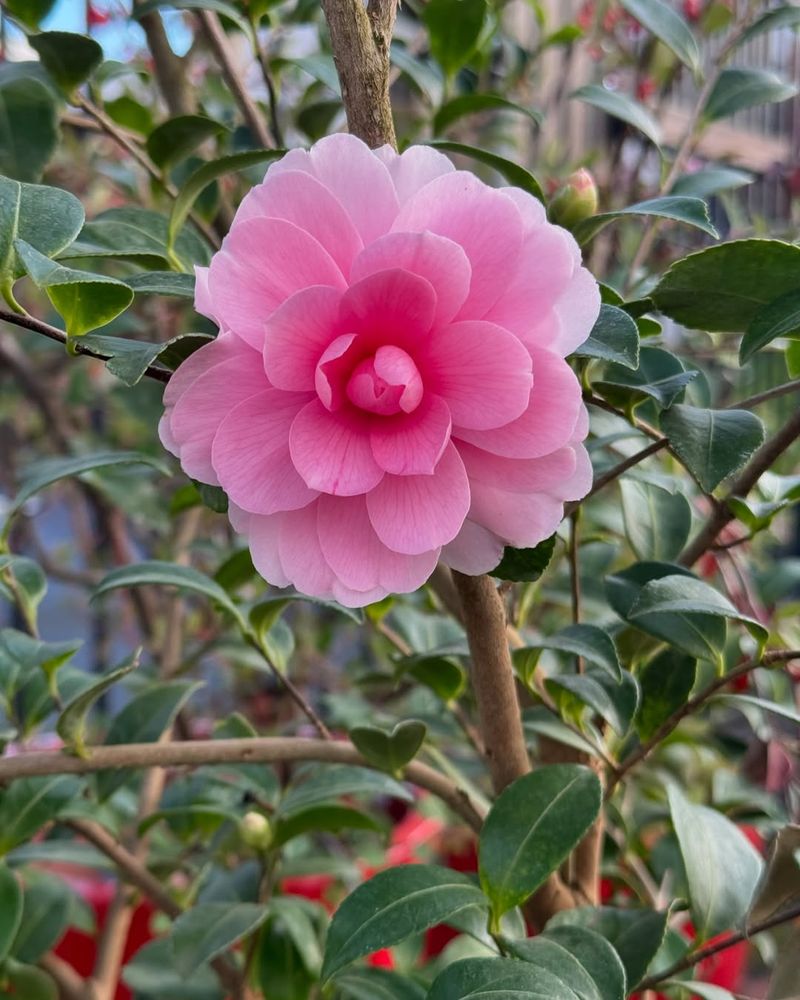
Glossy evergreen leaves and stunning flowers make camellias a winter garden standout.
Their polished appearance brings elegance to landscapes when few shrubs are in bloom.
Blooms range from simple singles to elaborate doubles in shades of white, pink, red, and even yellow.
Many varieties also feature striped or speckled patterns for added interest.
Camellias actually prefer the cool, moist conditions Oregon winters provide, flowering best when temperatures stay moderate.
Excessive heat can reduce bud formation and bloom quality.
Some varieties bloom as early as November, while others wait until spring, giving you options for extended color.
By selecting different types, you can enjoy months of flowers.
The thick, waxy petals handle rain surprisingly well, though extremely heavy downpours can damage fully open flowers.
Plant camellias in acidic soil with good drainage and protection from harsh winds.
Sheltered locations help preserve both foliage and blooms.
Morning sun with afternoon shade works well, preventing leaf scorch while providing enough light for flowering.
Mulch around the base to keep roots cool and moist, which these shrubs appreciate year-round.
Camellias grow slowly, so choose your planting spot carefully since they dislike being moved once established.
Watch for scale insects and treat promptly if you spot them on stems or leaf undersides.
With proper care, camellias become heirloom plants that bloom reliably for generations.
5. Skimmia
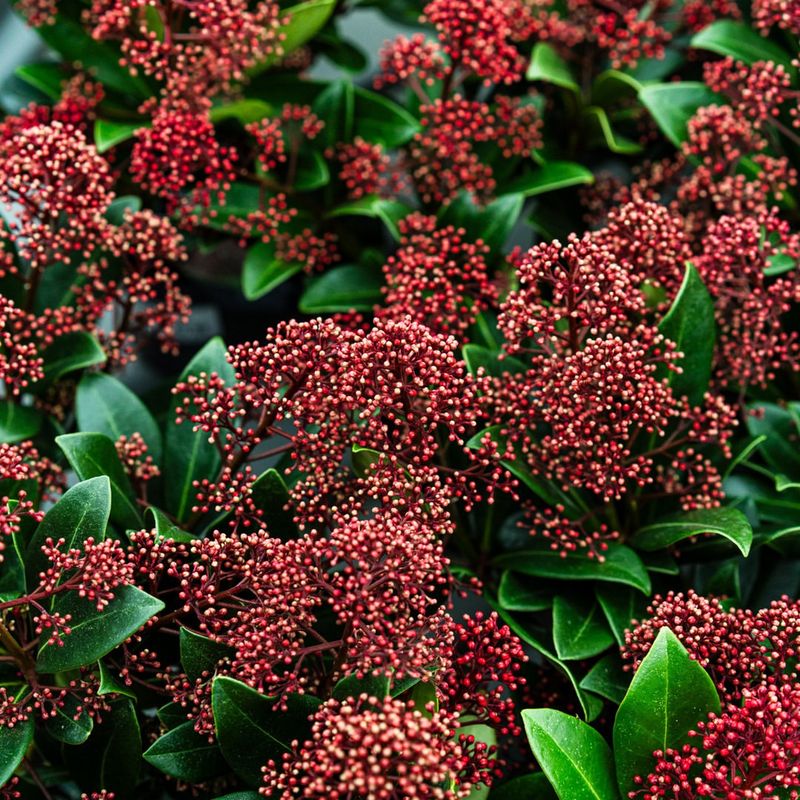
Bright red berries and fragrant spring flowers make skimmia a multi-season performer.
The berries develop in fall and persist through winter, providing food for birds and visual interest for people.
Their vibrant color stands out beautifully against gray winter landscapes.
Skimmia handles shade exceptionally well, making it valuable for those tricky spots under eaves or between buildings.
It thrives where sunlight is limited for most of the day.
Cool, wet Oregon winters suit this plant perfectly since it originates from similar climates in Asia.
The glossy evergreen foliage stays attractive all year, requiring no cleanup or maintenance.
Leaves remain rich green even through harsh weather.
Female plants produce berries only when a male plant grows nearby, so check labels carefully when purchasing.
Some varieties have fragrant flowers that smell like lily of the valley, filling shaded areas with unexpected sweetness.
Skimmia grows slowly and stays compact, rarely exceeding four feet in height.
This makes it perfect for small gardens or containers on shaded patios.
Acidic soil works best, so plant it near rhododendrons or azaleas where conditions already suit its needs.
Water during dry spells in summer, but winter rains typically provide plenty of moisture.
Skimmia asks for minimal effort while delivering maximum impact in challenging garden spots.
6. Mahonia
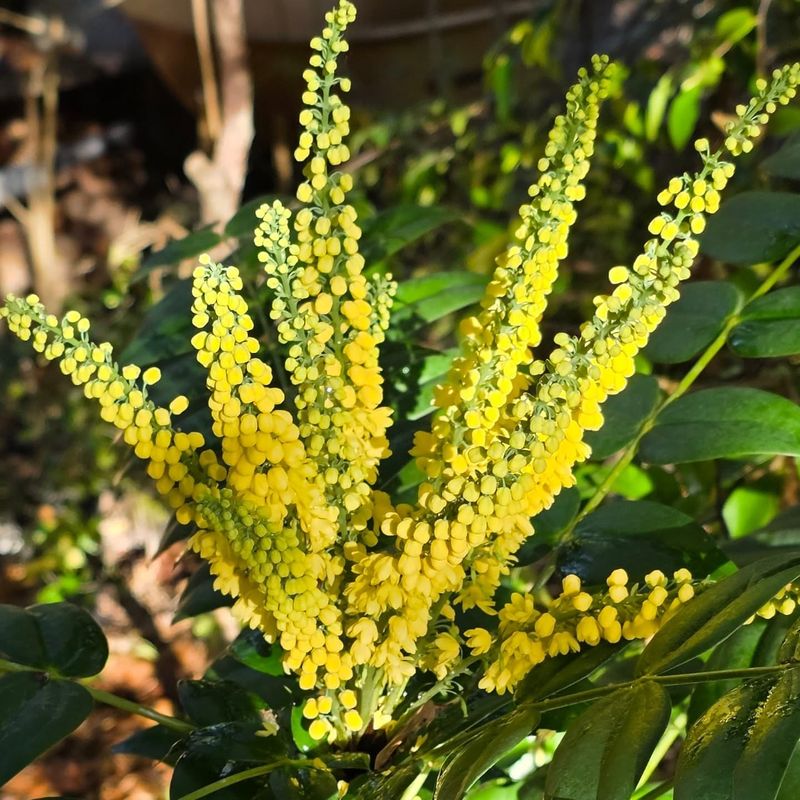
Bold yellow flower clusters light up winter gardens starting in late fall and continuing through early spring.
The spiky, holly-like leaves deter deer and create year-round structure with their distinctive texture.
Oregon grape, a native mahonia species, handles local winters effortlessly since it evolved here.
Blue-black berries follow the flowers, attracting birds and adding another layer of interest.
Mahonia tolerates dry shade in summer and wet conditions in winter, adapting to seasonal changes without complaint.
The fragrant flowers smell sweet and attract early bees searching for nectar when little else blooms.
Plant mahonia under trees, along fences, or as a barrier where you want to discourage foot traffic.
The leaves turn burgundy or bronze in cold weather, adding warm tones to winter landscapes.
Mahonia grows in sun or shade, though flowering tends to be heavier with more light exposure.
Once established, it needs no supplemental water and survives on rainfall alone.
Prune after flowering if you want to control size, but mahonia looks great left to grow naturally.
This tough native plant connects your garden to the surrounding ecosystem while requiring almost zero maintenance.
7. Heather
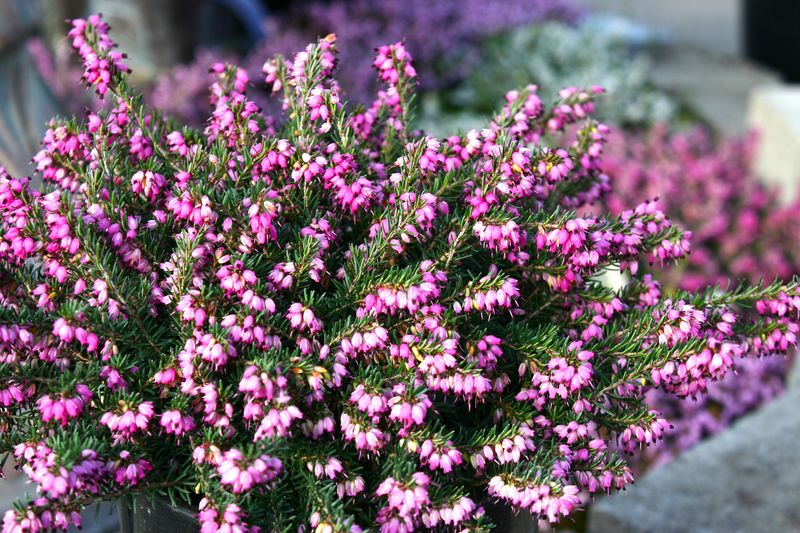
Carpets of tiny flowers cover heather plants from late winter through spring, creating waves of color.
Different varieties bloom at different times, so you can plan for months of continuous flowering.
Heather loves acidic soil and cool, moist conditions, making Oregon winters perfect for robust growth.
The needle-like evergreen foliage comes in shades of green, gold, bronze, and silver, providing year-round interest.
Some varieties have foliage that changes color with the seasons, offering bonus visual appeal.
Plant heather in full sun for best flowering, though it tolerates light shade in hot areas.
Good drainage is essential despite heather’s love of moisture, so avoid spots where water pools.
Bees adore heather flowers, making these plants valuable for supporting pollinators during lean months.
Trim plants lightly after flowering to maintain compact shape and encourage bushier growth.
Heather works beautifully as ground cover on slopes, in rock gardens, or along pathways.
Combine different varieties for a tapestry effect with varied colors and bloom times.
Once established, heather needs little attention beyond occasional shaping and thrives on neglect.
8. Witch Hazel
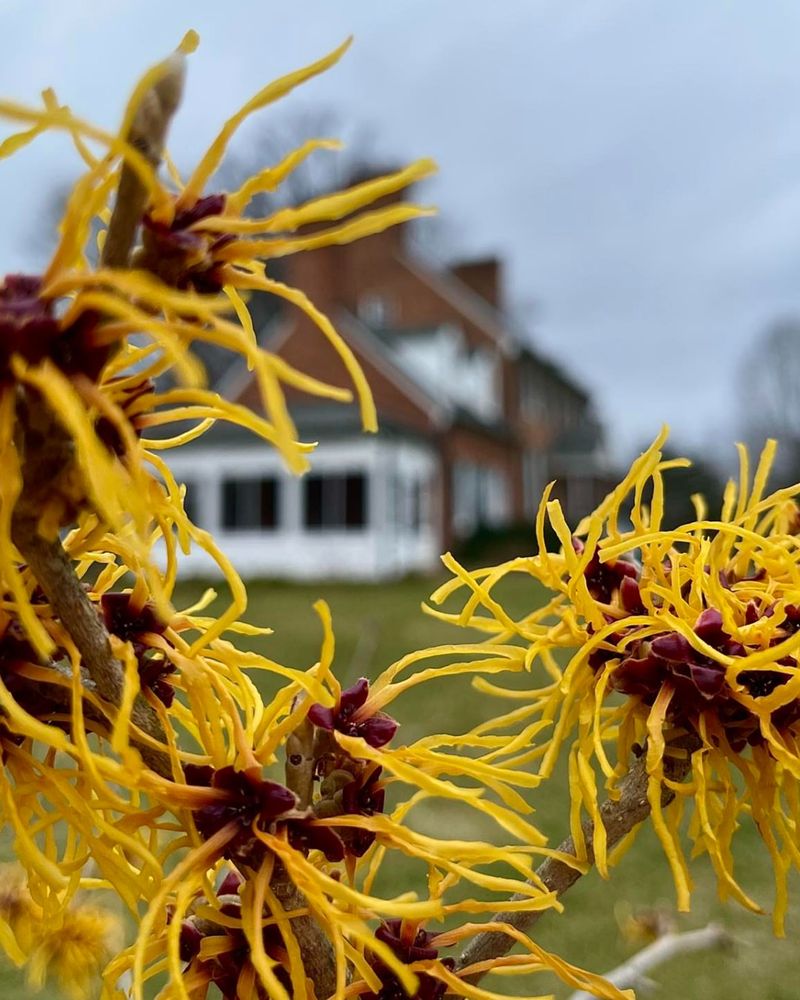
Spidery, ribbon-like flowers unfurl on bare branches during the coldest months, creating an unexpected spectacle.
Witch hazel blooms come in shades of yellow, orange, and red, often with a sweet, spicy fragrance.
Cold weather does not damage the flowers; in fact, they seem to prefer it, staying fresh for weeks.
The unusual blooms look almost otherworldly, adding architectural interest to winter landscapes.
Witch hazel grows as a large shrub or small tree, eventually reaching ten to fifteen feet tall.
Fall foliage turns brilliant shades of yellow, orange, and red before dropping to reveal winter flowers.
This plant tolerates Oregon winters naturally since many varieties come from similar climates in Asia and North America.
Plant witch hazel in partial shade with rich, acidic soil that stays consistently moist.
Mulch around the base to maintain soil moisture and protect shallow roots from temperature fluctuations.
Witch hazel needs minimal pruning, developing an attractive vase-shaped form on its own.
The flowers appear before most spring bulbs, giving your garden a head start on the growing season.
This unique plant becomes a conversation piece that guests always notice and ask about.