9 Winter Garden Projects You Can Do In Oregon Without Digging
Winter in Oregon can make you feel like your garden is on pause.
The ground is soggy, the days are short, and digging in the soil feels… well, impossible.
I’ve definitely been there, staring at a garden that looks quiet and thinking, “There’s nothing I can do until spring.”
But here’s the thing: even when the soil is too wet to dig, there are plenty of ways to stay productive and keep your garden feeling alive.
From tidying up beds to adding mulch, planning next year’s plantings, or giving containers a refresh, small projects can make a big difference without ever picking up a shovel.
I like to think of it as giving your garden a winter tune-up — it might not look dramatic now, but it pays off when spring rolls around.
If you’ve been wondering how to make the most of winter gardening, these projects are a perfect place to start, because winter doesn’t have to mean a garden at a standstill.
1. Build Raised Garden Beds
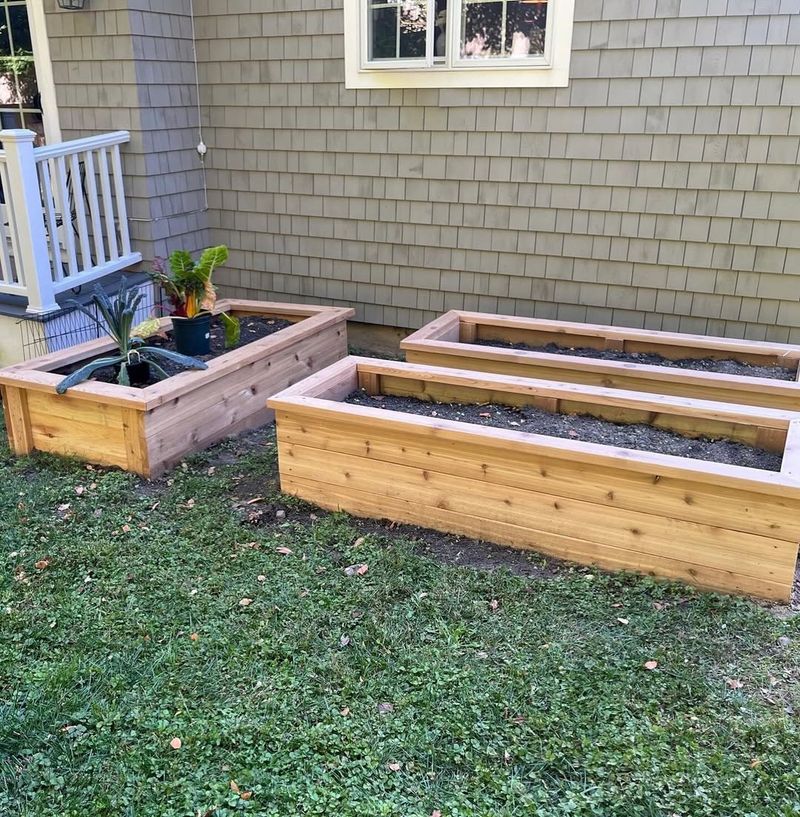
Constructing raised beds during winter gives you a head start on spring planting.
You can use untreated cedar, redwood, or composite materials that resist Oregon’s wet weather.
The beds sit on top of your existing soil, so no digging is necessary.
Simply level the ground, lay down cardboard or newspaper to suppress weeds, and build your frame on top.
Fill the beds with a mix of compost, peat moss, and topsoil for excellent drainage.
Raised beds warm up faster in spring, giving your plants an early boost.
They also improve drainage, which is crucial in Oregon’s rainy climate.
You can customize the size and shape to fit your yard perfectly.
Building them now means they’re ready to plant as soon as the weather warms.
Plus, working with wood and tools on a crisp winter day feels rewarding and productive.
Your back will thank you too, since raised beds reduce bending and kneeling.
Consider adding a bottom layer of hardware cloth to keep out burrowing pests.
By spring, your beds will be settled and ready for vegetables, herbs, or flowers.
This project transforms any flat space into a thriving growing zone for when spring comes around.
2. Install Trellises and Garden Supports
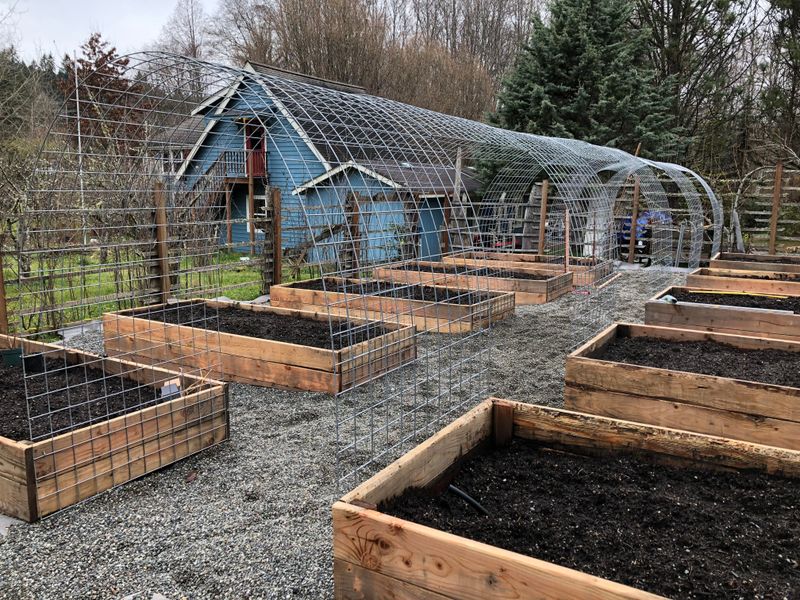
Setting up trellises and supports now saves you scrambling when plants start climbing in spring.
Planning ahead reduces stress during the already busy planting season.
Vertical structures like bamboo teepees, metal arches, and wire cages need no soil disturbance.
This allows you to prepare your garden without harming dormant roots or soil structure.
You can anchor them with stakes driven into the ground or attach them to existing raised beds.
Secure installation now prevents wobbling once plants add weight later.
Peas, beans, cucumbers, and tomatoes all benefit from sturdy support systems.
Proper support keeps fruit off the ground and makes harvesting easier.
Installing them in winter means they’re firmly in place and ready when seedlings emerge.
There’s no need to work around fragile young plants later.
Your Oregon Garden Changes Every Week. Your Plan Should Too.
Gardening in Oregon changes quickly throughout the season. Every Friday you’ll receive a simple weekly plan showing exactly what to plant, prune, fertilize, harvest, and protect so you never miss the right timing.
Oregon’s winter rains can soften the soil just enough to make staking easier without digging.
This saves effort and minimizes disruption to surrounding beds.
Choose rust-resistant materials like galvanized steel or treated wood for longevity.
Quality materials hold up better through multiple seasons of rain and use.
Trellises also add visual interest to your garden even when nothing is growing.
They create structure and height in an otherwise bare landscape.
You can paint them in fun colors or leave them natural for a rustic look.
Design details now can enhance your garden’s overall style.
Vertical gardening maximizes space, especially in smaller urban yards.
Growing upward allows you to fit more plants into limited areas.
It also improves air circulation around plants, reducing disease risk.
Better airflow helps leaves dry faster after rain.
Spend a few hours now measuring, cutting, and securing your supports.
Double-check spacing to ensure plants won’t crowd each other later.
Come planting time, you’ll appreciate the convenience and organization.
Your garden will look planned and professional from the very start of the season.
3. Prune Fruit Trees And Berry Bushes
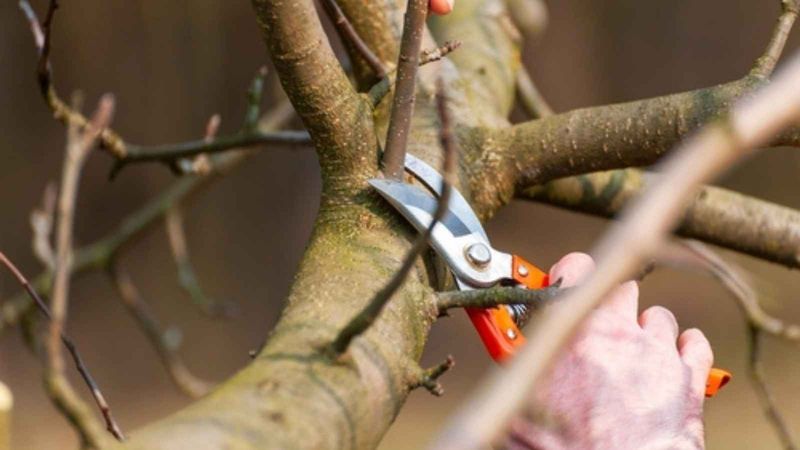
Winter pruning encourages healthy growth and abundant fruit production come summer.
By pruning during dormancy, you help plants direct energy toward strong new growth.
Dormant trees and bushes handle pruning better because sap flow is minimal.
This reduces stress and lowers the risk of excessive bleeding from cuts.
You can clearly see the branch structure without leaves blocking your view.
This visibility makes it easier to make thoughtful, precise pruning decisions.
Remove crossing branches, water sprouts, and any damaged or diseased wood.
Eliminating problem branches improves airflow and overall plant health.
Focus on creating an open center that allows sunlight and air to reach all parts of the tree.
Better light exposure leads to stronger branches and better fruit development.
Oregon’s mild winters mean you can prune anytime from late December through early March.
Avoid pruning during periods of heavy frost or extreme cold.
Apples, pears, plums, and berries all benefit from annual winter pruning.
Consistent yearly pruning produces more predictable yields.
Use sharp, clean tools to make smooth cuts that heal quickly.
Disinfect tools between plants to prevent disease spread.
Avoid pruning stone fruits like cherries and peaches too early to prevent disease entry.
These trees are best pruned later, closer to bud break.
Proper pruning reduces pest problems and improves fruit size and flavor.
It also keeps trees at a manageable height for easier harvesting.
Shorter trees are safer and less time-consuming to maintain.
Take your time and step back frequently to assess your progress.
Viewing the tree from different angles helps maintain balance.
A well-pruned tree looks balanced and open, not crowded or tangled.
This simple task pays dividends in the form of healthier plants and bigger harvests.
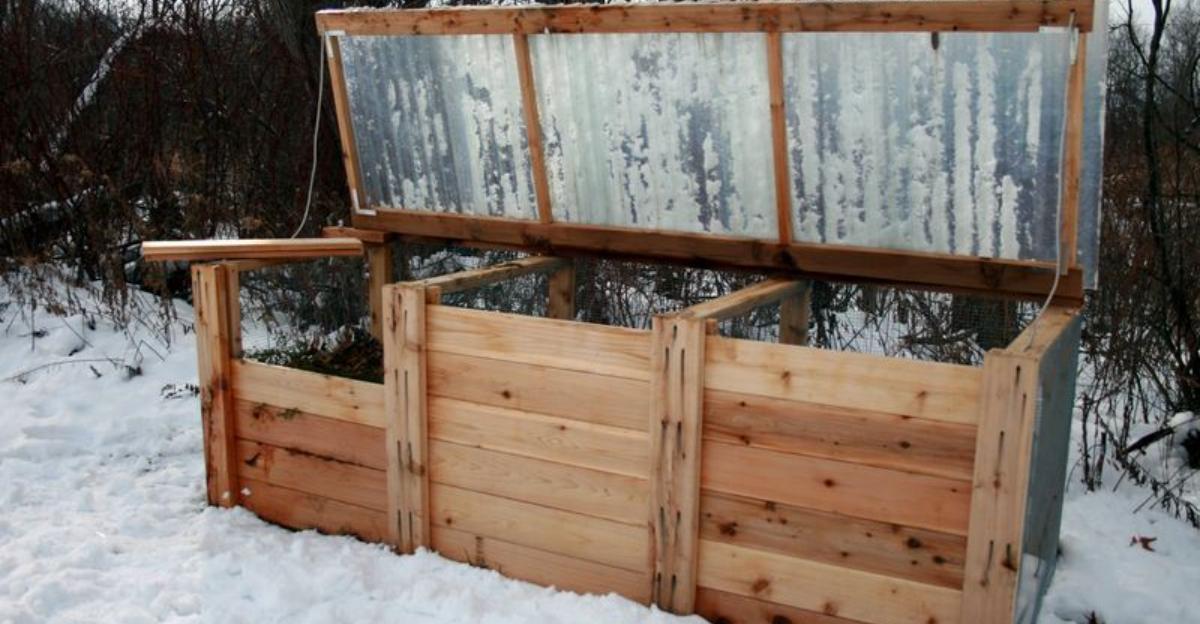
4. Create A Compost Bin System
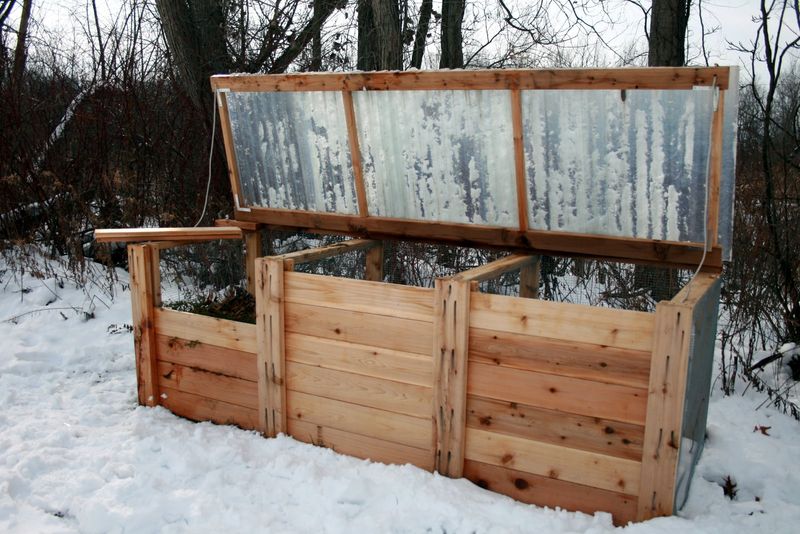
A compost system turns kitchen scraps and yard waste into rich soil amendment.
It closes the loop between household waste and garden productivity.
Building or organizing your bins in winter prepares you for year-round composting.
Cold months are ideal for setup since garden demands are lower.
You can use wooden pallets, wire mesh, or purchase ready-made bins that sit directly on the ground.
Choose materials that allow airflow while containing the pile neatly.
No digging is required since compost bins work best on bare soil for natural drainage and worm access.
Earth contact encourages beneficial organisms to move in and get to work.
Start layering brown materials like dried leaves with green materials like vegetable peels.
Balanced layers prevent odors and speed decomposition.
Oregon’s winter moisture helps the composting process without the need for frequent watering.
Rain keeps materials evenly damp.
A three-bin system works great: one for fresh materials, one for active composting, and one for finished compost.
This setup keeps the process organized and efficient.
Turn your pile occasionally to speed up decomposition and prevent odors.
Even infrequent turning makes a noticeable difference.
By spring, you’ll have nutrient-rich compost ready to feed your garden beds.
Composting reduces waste, saves money on fertilizers, and improves soil health.
It’s also deeply satisfying to watch scraps transform into dark, crumbly gold.
Position your bins in a convenient spot that’s easy to access year-round.
Add a lid or cover to manage moisture during Oregon’s wettest months.
This project keeps giving back season after season with minimal effort.
5. Apply Mulch To Garden Beds
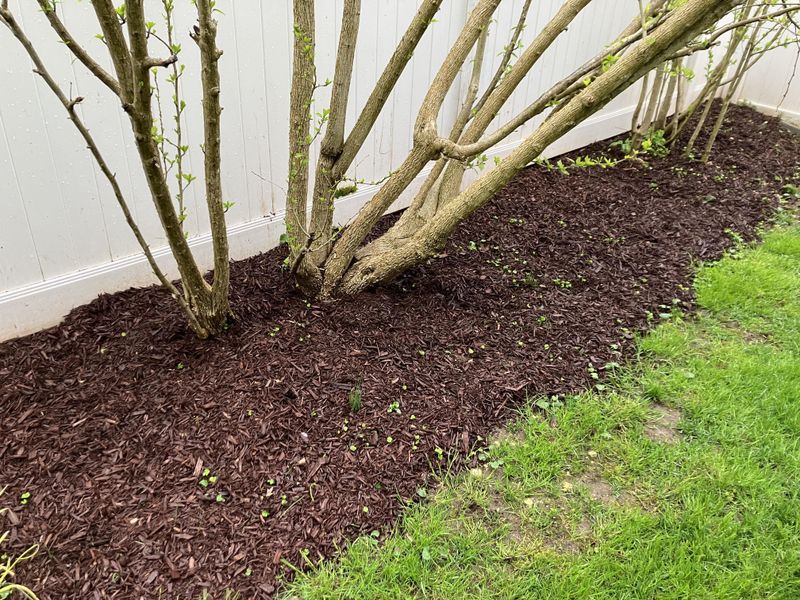
Mulching protects soil, suppresses weeds, and adds organic matter without any digging required.
Winter is the perfect time to spread a thick layer of wood chips, straw, or shredded leaves.
Mulch insulates plant roots from temperature fluctuations and prevents soil erosion during heavy rains.
It also breaks down slowly, enriching the soil as it decomposes.
Oregon’s wet winters can compact bare soil, but mulch keeps the surface loose and healthy.
Apply a three to four inch layer around perennials, shrubs, and in empty vegetable beds.
Keep mulch a few inches away from plant stems and tree trunks to prevent rot.
Wood chips work well for pathways and ornamental areas, while straw is great for vegetable gardens.
Mulching now means fewer weeds sprouting in spring, saving you hours of work.
It also conserves moisture once the growing season begins.
You can source free wood chips from local tree services or arborists.
Shredded leaves from autumn cleanup make excellent, nutrient-rich mulch.
Spread mulch on a dry day for easier handling and better coverage.
Your garden beds will look tidy and well-cared-for all winter long.
6. Clean And Organize Garden Tools
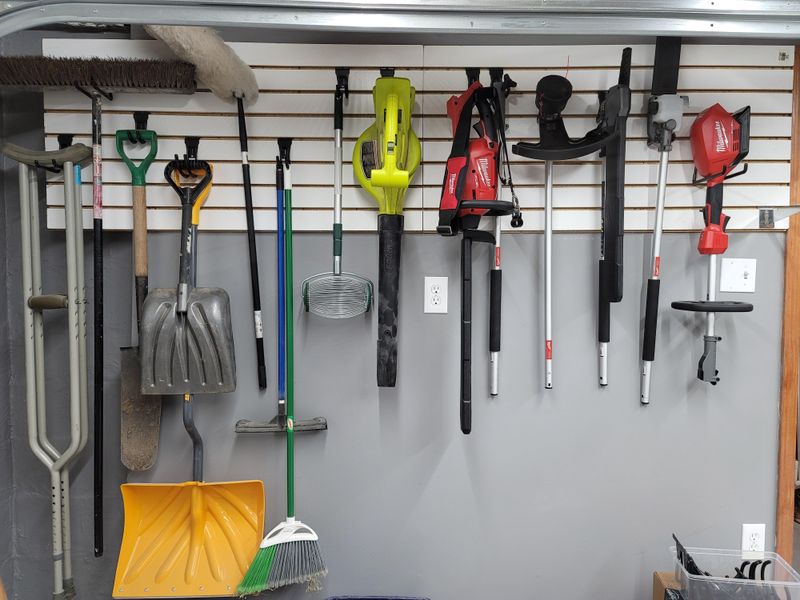
Well-maintained tools last longer and work better when you need them most.
Winter offers the ideal opportunity to clean, sharpen, and organize your gardening equipment.
Start by removing dirt and rust from metal surfaces using a wire brush and soapy water.
Dry everything thoroughly to prevent new rust from forming.
Sharpen pruners, shears, and hoe blades with a file or sharpening stone.
Oil moving parts and metal surfaces with linseed oil or WD-40 to protect against moisture.
Sand and oil wooden handles to prevent splinters and cracking.
Organize tools by type and hang them on pegboards or hooks for easy access.
Check hoses for leaks and drain them completely to avoid freeze damage.
Clean pots and seed trays with a diluted bleach solution to remove disease spores.
Store small hand tools in a bucket filled with sand mixed with oil to keep them rust-free.
Take inventory of what needs replacing before the busy spring season arrives.
A tidy tool shed makes gardening more enjoyable and efficient.
You’ll feel prepared and ready to tackle any project when warmer weather returns.
7. Plan Your Spring Garden Layout
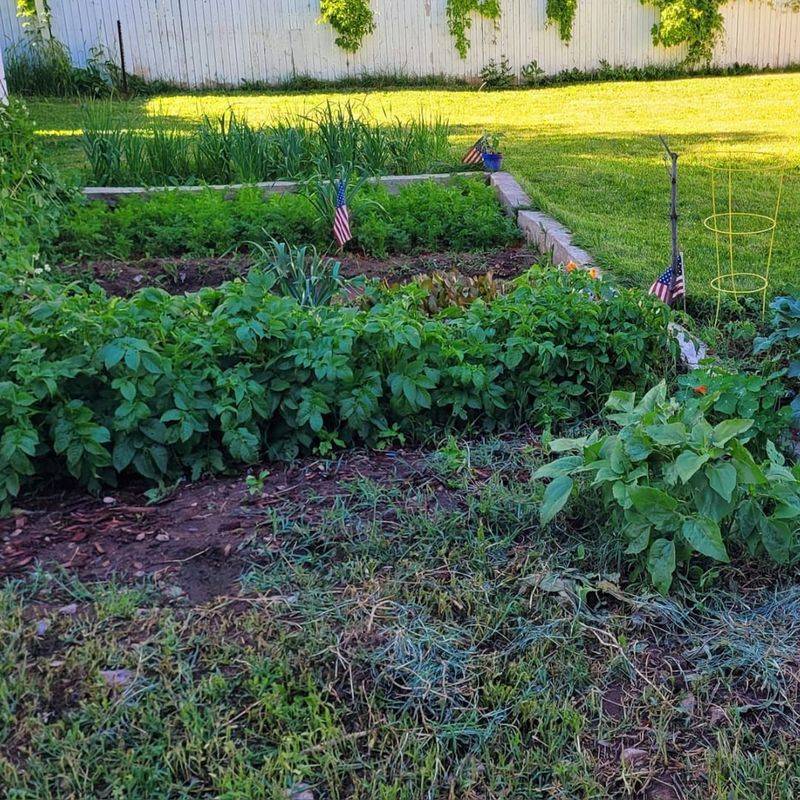
Planning on paper prevents planting mistakes and maximizes your garden’s potential.
A clear plan saves time, money, and frustration once the season begins.
Winter evenings provide the perfect time to sketch layouts and choose plant varieties.
With fewer outdoor tasks, you can focus fully on thoughtful preparation.
Grab some graph paper and draw your garden beds to scale.
Accurate measurements help prevent overcrowding and wasted space.
Consider crop rotation to prevent soil depletion and reduce pest problems.
Rotating plant families each year promotes healthier soil and stronger plants.
Plan for companion planting, grouping plants that support each other’s growth.
This strategy can improve yields and naturally deter pests.
Oregon’s climate zones vary, so research what thrives in your specific area.
Microclimates in your yard may also influence plant success.
Browse seed catalogs and order varieties early for the best selection.
Popular cultivars often sell out quickly.
Note planting dates based on your last expected frost, typically late March to early April in most Oregon regions.
Starting seeds at the right time prevents stunted growth.
Include succession planting schedules to ensure continuous harvests throughout the season.
This approach keeps your garden productive for longer.
Think about sun exposure, water access, and mature plant sizes when arranging your layout.
Proper spacing reduces competition and disease.
Digital tools and apps can help visualize your design in three dimensions.
These tools are especially helpful for new gardeners.
Planning also helps you budget for seeds, starts, and amendments.
Knowing costs ahead of time prevents overspending.
Keep records of what you plant where for future reference and improvement.
Good notes make each year better than the last.
A solid plan reduces guesswork and increases your chances of a bountiful harvest.
8. Build Or Repair Garden Pathways
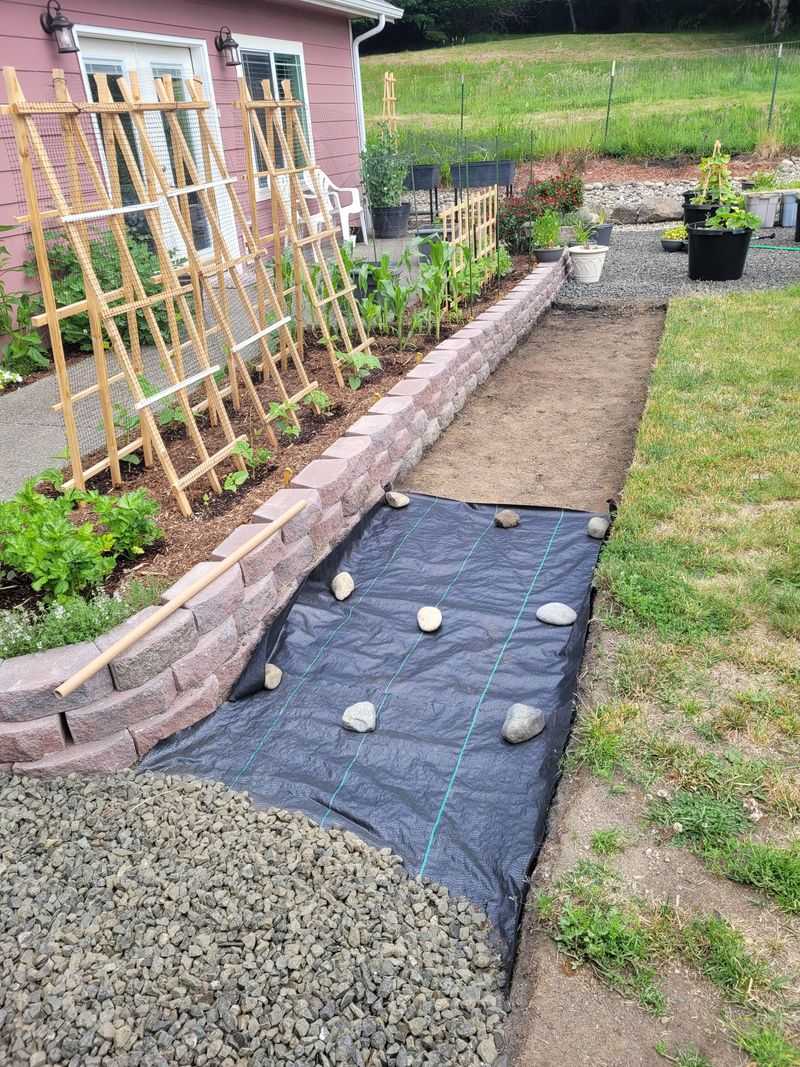
Pathways improve garden access and prevent soil compaction in growing areas.
Winter construction allows pathways to settle before spring planting begins.
You can create attractive, functional walkways without any digging using surface-laid materials.
Start by clearing existing paths of debris and weeds.
Lay down landscape fabric to suppress future weed growth.
Top with gravel, wood chips, or stepping stones for a finished look.
Gravel drains well in Oregon’s wet climate and stays relatively mud-free.
Wood chips offer a softer, more natural appearance and break down to enrich the soil.
Stepping stones create charming, artistic pathways through flower beds and vegetable gardens.
Edge your paths with bricks, stones, or wooden boards to keep materials contained.
Well-defined pathways make garden maintenance easier and protect plant roots from foot traffic.
They also add structure and visual appeal to your landscape design.
Repair any existing paths by filling in low spots or replacing worn materials.
Working on pathways in winter means you won’t disturb growing plants or compact wet soil.
9. Set Up Rain Barrels And Water Collection
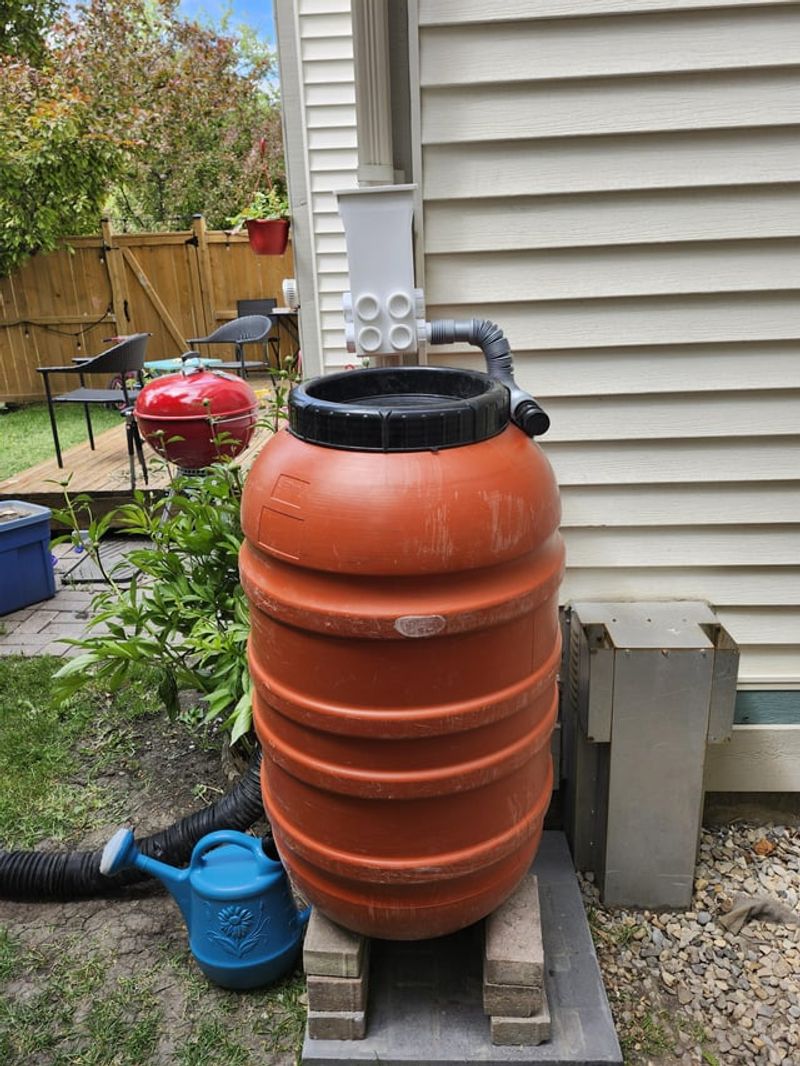
Collecting rainwater reduces your water bill and provides chlorine-free irrigation for plants.
Oregon’s winter rains fill barrels quickly, giving you ample supply for drier summer months.
Setting up rain barrels requires no digging, just positioning them under downspouts.
Choose food-grade barrels with secure lids to prevent mosquito breeding and debris accumulation.
Elevate barrels on cinder blocks or platforms to increase water pressure and make filling watering cans easier.
Install a spigot near the bottom for convenient access.
Connect multiple barrels with overflow hoses to maximize collection capacity.
Screen the top opening to filter out leaves and other debris.
A full 55-gallon barrel provides enough water for several days of garden irrigation.
Rainwater is naturally soft and free of treatment chemicals, making it ideal for sensitive plants.
During Oregon’s dry summers, collected rainwater becomes a valuable resource.
Check local regulations regarding rainwater collection, though Oregon generally allows residential use.
Drain barrels before freezing temperatures arrive to prevent cracking.
This sustainable practice conserves water and supports a healthier garden ecosystem.