These Pet-Safe Houseplants Are Popular Right Now In New York Apartments
Living in a New York apartment often means making the most of limited space, and houseplants have become a favorite way to bring life indoors.
For pet owners, though, choosing plants isn’t just about style, it’s about safety.
Curious cats and playful dogs don’t always know what’s off-limits, and the wrong plant can quickly turn into a problem.
That’s why pet-safe houseplants are having a big moment in apartments across the city.
They offer greenery and peace of mind at the same time.
These plants fit perfectly into busy urban lifestyles.
They’re often low-maintenance, apartment-friendly, and safe for homes where pets roam freely.
From sunny windowsills to cozy corners, they add warmth without worry.
As more New Yorkers balance work, pets, and compact living, smart plant choices are becoming just as important as furniture and lighting.
Knowing which plants are both trendy and pet-friendly helps you decorate with confidence.
With the right picks, you can enjoy lush indoor greenery without stressing every time your pet gets curious.
1. Spider Plant
Anyone who has ever grown a spider plant knows they’re practically indestructible, which makes them perfect for busy New Yorkers who sometimes forget to water.
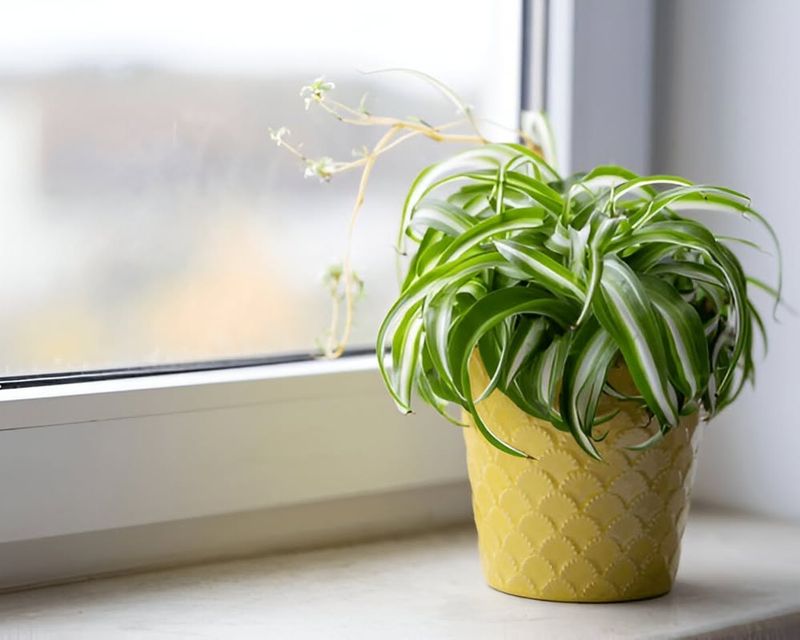
These cheerful plants produce long, arching leaves striped with green and white that cascade beautifully from hanging baskets or tall shelves.
Your cat might find the dangling leaves irresistible, but that’s totally fine because spider plants are completely non-toxic to both cats and dogs.
Spider plants actually thrive on a bit of neglect, tolerating irregular watering and adjusting to different light conditions throughout your apartment.
They produce adorable baby plants called spiderettes that dangle from long stems, creating a waterfall effect that looks stunning in any room.
New York apartments often have unpredictable humidity levels, especially during winter when radiators blast hot, dry air, but spider plants handle these fluctuations like champions.
You can easily propagate the baby plants by snipping them off and placing them in water until roots develop, giving you free plants to spread throughout your space or share with neighbors.
Place your spider plant near a window with bright, indirect light for the best growth, though it will tolerate lower light conditions in interior rooms.
Water when the soil feels dry about an inch down, roughly once a week during warmer months and less frequently in winter.
Brown leaf tips sometimes appear due to chemicals in tap water, so letting water sit overnight before using it can help prevent this minor issue.
2. Boston Fern

Walking into a New York apartment bathroom and seeing a Boston fern thriving in the steamy environment feels like stepping into a miniature rainforest.
These classic beauties have been popular for generations, and they’re making a major comeback in trendy Brooklyn and Manhattan apartments.
The feathery, delicate fronds create a soft, romantic look that softens hard edges and adds life to any corner.
Boston ferns love humidity, making them ideal companions for your bathroom where shower steam keeps them happy and healthy.
Your New York Garden Changes Every Week. Your Plan Should Too.
Gardening in New York changes quickly throughout the season. Every Friday you’ll receive a simple weekly plan showing exactly what to plant, prune, fertilize, harvest, and protect so you never miss the right timing.
If your pet decides to take a curious nibble, there’s absolutely no need to panic because these plants are completely safe for cats and dogs.
Many New Yorkers hang Boston ferns near windows where they receive bright, filtered light without direct sun exposure that could scorch their tender leaves.
The key to keeping these plants looking their best is consistent moisture in the soil and regular misting to maintain humidity levels.
During dry winter months when heating systems run constantly, placing a small humidifier nearby or setting the pot on a pebble tray with water can work wonders.
Boston ferns grow quickly when happy, producing new fronds from the center that unfurl in a fascinating display your kids and pets will love watching.
Trim away brown or dry fronds with clean scissors to keep your plant looking fresh and encourage new growth throughout the year.
3. Parlor Palm

Bringing a tropical vacation vibe to your New York apartment is easy when you add a parlor palm to your collection.
This elegant plant has been decorating homes since Victorian times, when it graced fancy parlors and sitting rooms across the city.
The delicate, feathery fronds arch gracefully from multiple stems, creating a lush, full appearance that makes any room feel more sophisticated.
Parlor palms grow slowly but steadily, eventually reaching three to four feet tall, making them perfect for filling empty corners without taking over your entire space.
Pet owners across Queens and the Bronx appreciate that these palms are completely safe if their curious cats or playful dogs decide to investigate.
Unlike many tropical plants that demand perfect conditions, parlor palms adapt surprisingly well to the lower light levels common in New York apartments.
They tolerate the dry air from radiators better than many other palms, though they’ll look even better with occasional misting.
Watering once a week during spring and summer keeps them happy, while reducing frequency in winter prevents root problems.
Watch for yellowing leaves, which usually signal overwatering rather than a serious problem with your plant.
Parlor palms rarely need repotting because they actually prefer being slightly root-bound, saving you money and effort.
Position your palm away from cold drafts near windows or doors during winter months to prevent stress and browning fronds.
4. Calathea

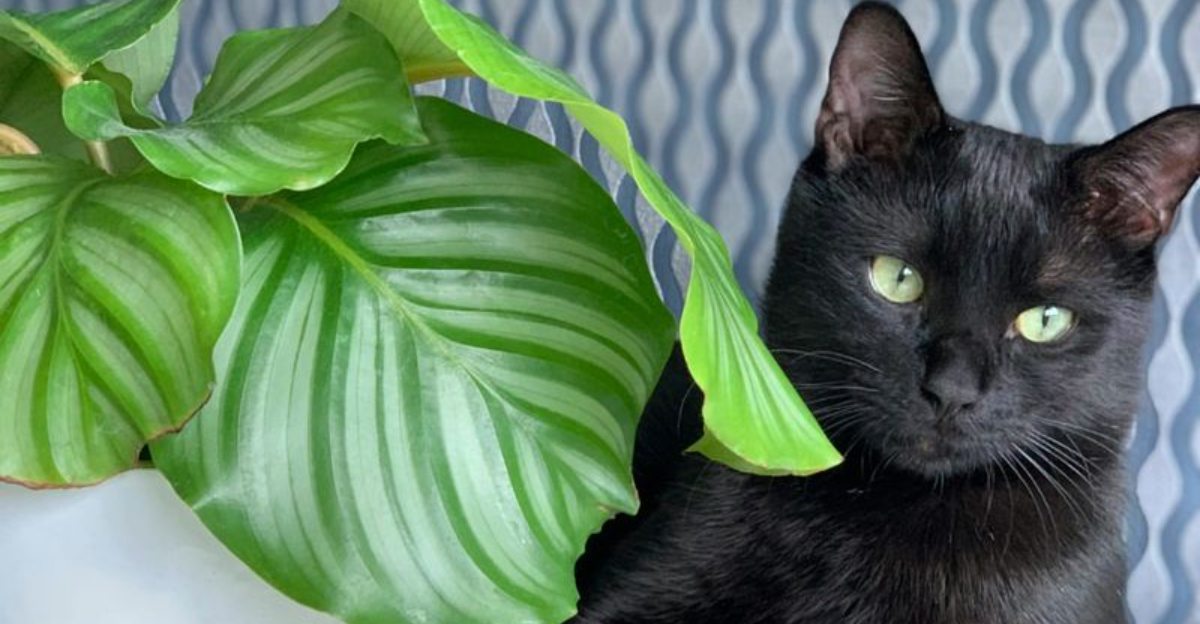
Few plants create as much visual drama as a calathea with its stunning patterned leaves that look like they’ve been hand-painted by an artist.
New York plant enthusiasts are obsessed with the incredible variety of calathea species, from the zebra-striped Calathea zebrina to the peacock-patterned Calathea makoyana.
The leaves often feature bold stripes, spots, or geometric patterns in shades of green, purple, pink, and cream that make them living works of art.
At night, calatheas perform a fascinating trick called nyctinasty, folding their leaves upward as if they’re praying, then opening again at dawn.
This movement creates gentle rustling sounds that might intrigue your pets, but thankfully calatheas are completely non-toxic to curious cats and dogs.
These plants prefer medium to low light conditions, making them ideal for north-facing windows or rooms without direct sunlight.
Calatheas appreciate consistent moisture in their soil but never want to sit in waterlogged conditions that could lead to root problems.
Using filtered or distilled water helps prevent brown edges on leaves, which can result from chemicals in New York tap water.
Humidity is crucial for keeping calatheas looking their absolute best, so grouping them with other plants or using a humidifier during winter helps tremendously.
Despite their reputation for being slightly fussy, many New Yorkers successfully grow gorgeous calatheas by maintaining consistent care routines.
5. Peperomia

Space-challenged New Yorkers absolutely adore peperomias because these compact cuties pack maximum style into minimal square footage.
With over 1,000 species to choose from, peperomias come in an amazing array of leaf shapes, colors, and textures that keep collectors endlessly fascinated.
Some varieties feature thick, succulent-like leaves, while others have rippled or heart-shaped foliage in shades ranging from deep green to silvery gray.
The watermelon peperomia showcases stunning striped leaves that really do resemble tiny watermelons, making it a conversation starter in any apartment.
These plants typically stay small, rarely exceeding twelve inches tall, which makes them perfect for crowded windowsills, desks, or bathroom counters.
Pet parents can relax knowing that all peperomia varieties are safe for cats and dogs who might be tempted to investigate.
Peperomias prefer their soil to dry out slightly between waterings, making them forgiving if you occasionally forget your plant care routine.
Overwatering causes more problems than underwatering with these plants, so checking soil moisture before watering is smart.
Bright, indirect light keeps peperomias growing steadily, though they adapt reasonably well to lower light conditions found in many New York apartments.
Their compact root systems mean they rarely need repotting, and they actually seem to bloom more frequently when slightly pot-bound.
Wiping dust from leaves with a damp cloth keeps them looking fresh and helps them absorb light more efficiently.
6. African Violet
Grandmothers across New York have been growing African violets for decades, and now younger generations are rediscovering these charming bloomers.
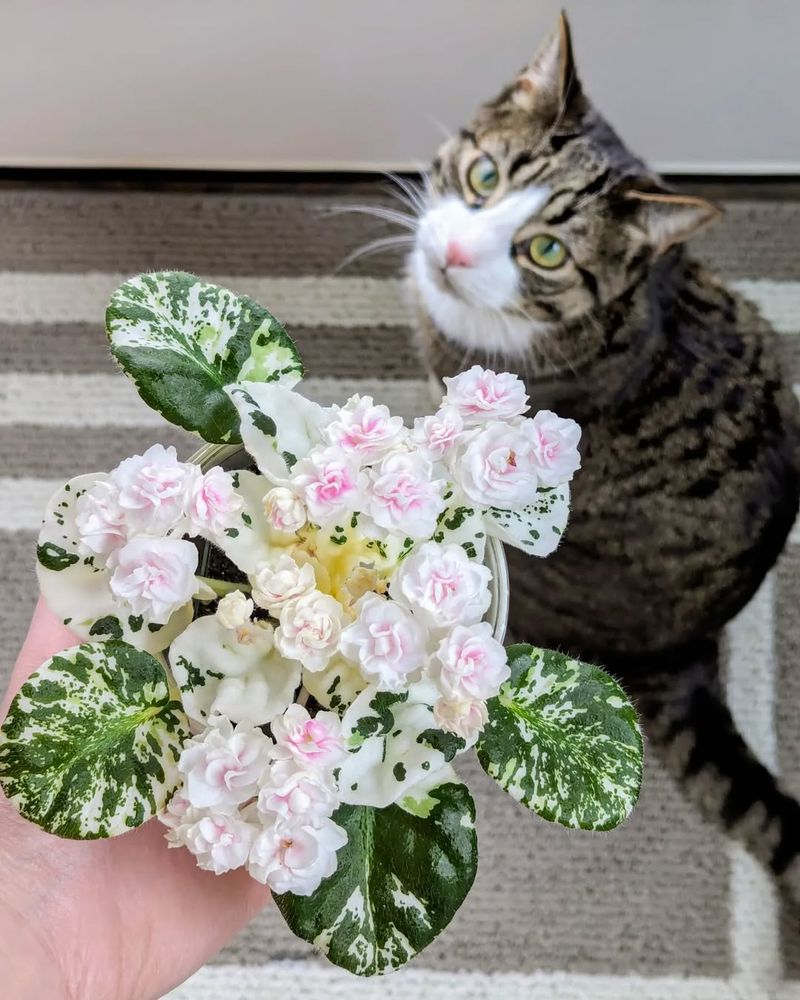
The fuzzy leaves form a compact rosette that produces clusters of flowers in purple, pink, white, or even bi-colored combinations.
When properly cared for, African violets can bloom almost continuously throughout the year, bringing constant color to your apartment.
These plants stay small, making them perfect for tight spaces like bathroom counters, kitchen windowsills, or bedside tables.
If your cat or dog shows interest in the fuzzy leaves or colorful flowers, there’s no cause for concern because African violets are pet-safe.
Many New Yorkers successfully grow African violets under fluorescent lights, making them ideal for apartments with limited natural light.
The secret to getting abundant blooms is providing bright, indirect light and keeping the soil consistently moist but never soggy.
Water from below by placing the pot in a saucer of water for about 30 minutes, then removing it to prevent leaf spots that develop when water touches the fuzzy foliage.
African violets appreciate warmth and dislike cold drafts, so keep them away from air conditioning vents or drafty windows during winter.
Fertilizing every two weeks with a diluted, balanced fertilizer formulated for African violets encourages more blooms.
Remove spent flowers by pinching them off at the base to keep your plant looking tidy and encourage new buds to form.
7. Ponytail Palm

Despite its name, the ponytail palm isn’t actually a palm at all but rather a succulent that stores water in its swollen trunk base.
This quirky feature makes it incredibly drought-tolerant, perfect for New Yorkers who travel frequently or simply forget to water sometimes.
Long, curly leaves cascade from the top of the trunk like a fountain or, yes, a ponytail, creating a playful, whimsical appearance.
Ponytail palms grow slowly and can live for decades, becoming beloved fixtures in apartments across Manhattan and beyond.
The sculptural trunk develops character over time, sometimes growing to impressive sizes that make these plants true statement pieces.
Pet owners love that ponytail palms are completely non-toxic, so playful puppies or curious kittens can safely coexist with these plants.
These plants thrive in bright light, including direct sun, making them perfect for south-facing windows that bake other houseplants.
Water thoroughly but infrequently, allowing the soil to dry completely between waterings to prevent root problems.
During winter months, ponytail palms need even less water, sometimes going three to four weeks between drinks.
The thick trunk acts as a water reservoir, so underwatering is rarely an issue while overwatering can cause serious problems.
Ponytail palms rarely need repotting and actually prefer being slightly root-bound, making them low-maintenance companions.
Trim any brown leaf tips with clean scissors to keep your plant looking neat and tidy throughout the year.
8. Prayer Plant
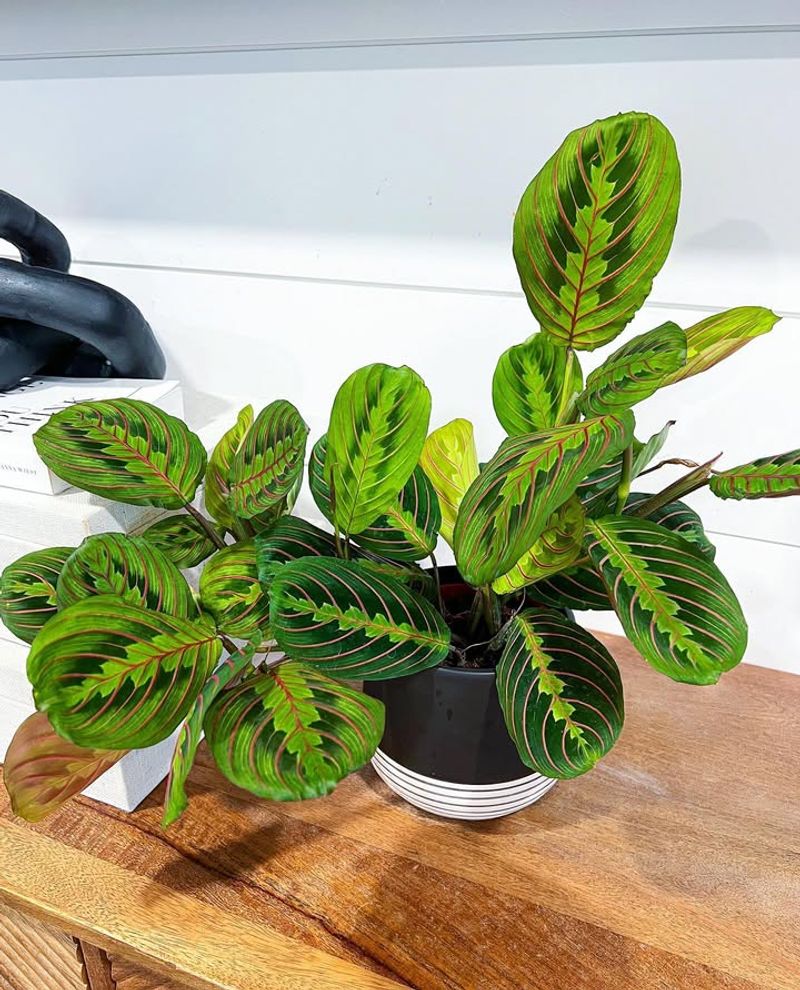
Prayer plants earned their common name from their fascinating habit of folding their leaves upward at night, resembling hands pressed together in prayer.
This nightly movement happens in response to changes in light, creating a living display that never gets boring to watch.
The oval leaves feature stunning patterns with red or pink veins against green backgrounds, sometimes accented with lighter green or cream markings.
Maranta leuconeura, the most common prayer plant variety, displays particularly bold red veins that look almost painted onto the leaves.
New York apartment dwellers appreciate that prayer plants stay relatively compact, rarely exceeding twelve inches tall, making them perfect for smaller spaces.
These plants are completely safe for pets, so if your cat bats at the moving leaves during their evening folding routine, no harm will come from it.
Prayer plants prefer medium to low light conditions, thriving in east or north-facing windows where direct sun won’t scorch their delicate foliage.
Consistent moisture is important, so checking the soil regularly and watering when the top inch feels dry keeps them happy.
Like calatheas, prayer plants appreciate humidity and benefit from regular misting or placement near other plants that create a humid microclimate.
Brown leaf edges usually indicate low humidity or chemicals in tap water, both common issues in New York apartments during winter.
Prayer plants grow horizontally, spreading outward rather than upward, creating a full, lush appearance that looks gorgeous trailing from shelves or hanging baskets.