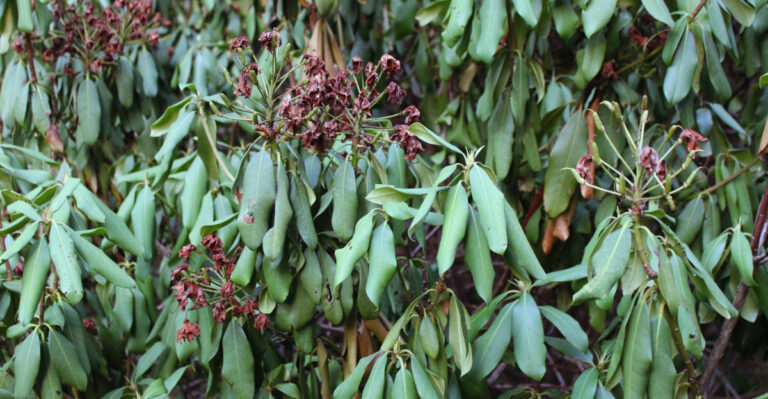
Why Deer Keep Eating Winter Gardens In New Jersey, And Which 9 Plants They Avoid
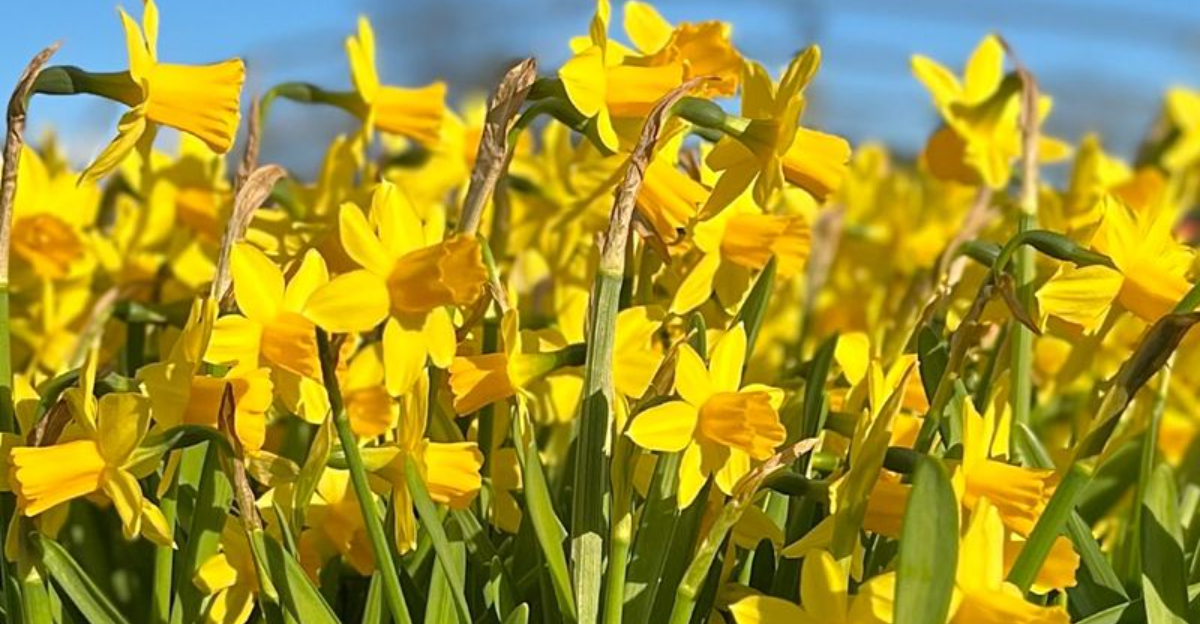
If your winter garden in New Jersey looks like it’s been through a buffet, chances are deer are the culprits.
These stealthy visitors may seem cute from a distance, but up close, they can turn leafy beds and budding shrubs into bare twigs in a single night.
Understanding why deer keep coming back—and what they actually avoid—can save your garden from repeated heartbreak.
Cute doesn’t mean harmless—these nibbling neighbors are surprisingly destructive.
Deer aren’t picky because they’re mean; they’re picky because they know what keeps them safe and nourished during lean winter months.
When snow covers the ground and natural food is scarce, your garden becomes a prime target.
But not all plants are fair game. Certain species are bitter, aromatic, or tough enough to make deer think twice before feasting.
Your garden can survive winter—even with hungry deer around—if you know their weak spots.
These nine deer-resistant plants are perfect for New Jersey gardens, providing color, texture, and greenery while keeping your leafy friends at bay.
Combine smart planting with strategic placement, and you can reclaim your garden without resorting to constant barriers or sprays.
Protect your plants and enjoy a winter garden that deer won’t demolish.
1. Boxwood
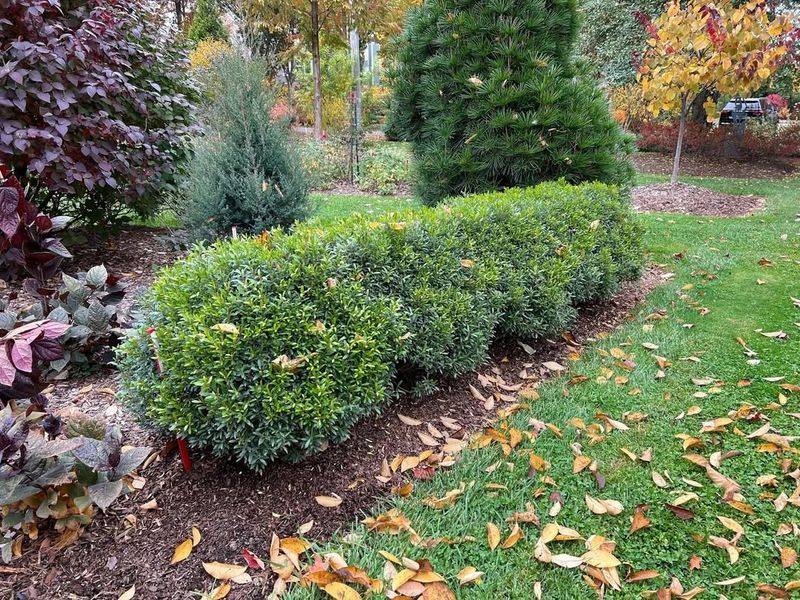
Boxwood stands as one of the most reliable evergreen shrubs that deer consistently ignore throughout winter.
Its dense, compact foliage contains bitter compounds that make it extremely unappealing to browsing wildlife.
New Jersey gardeners have relied on boxwood for centuries to create formal hedges and garden borders that remain intact year-round.
The leathery texture of boxwood leaves provides another layer of protection against hungry deer.
These versatile shrubs come in various sizes, from dwarf varieties perfect for edging to larger specimens suitable for privacy screens.
Boxwood thrives in partial shade to full sun, making it adaptable to different garden locations.
Winter cold rarely damages established boxwood plants, and they maintain their rich green color even during harsh Jersey winters.
Planting boxwood near more vulnerable plants can sometimes create a protective barrier that deer prefer to avoid.
Regular pruning keeps boxwood looking neat and encourages dense growth that enhances its deer-resistant qualities.
Consider combining different boxwood varieties to create visual interest while maintaining year-round protection from browsing animals.
2. Hellebores (Lenten Rose)
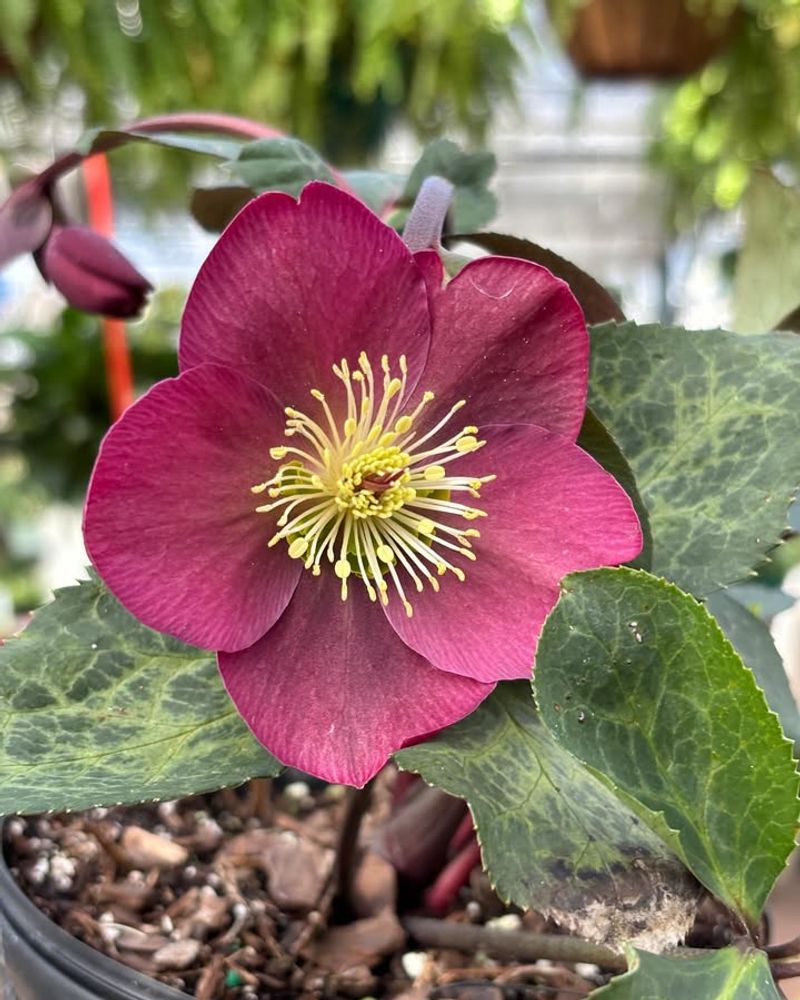
Few plants can match the enchanting beauty of hellebores blooming through snow in late winter.
Their toxic alkaloids make them completely unpalatable to deer, ensuring your winter blooms remain untouched.
Hellebores produce stunning flowers in shades of white, pink, purple, and even green when most gardens look barren.
The evergreen foliage provides year-round interest and stays attractive even during the coldest New Jersey months.
These remarkable perennials prefer shaded areas under trees or along north-facing walls where other plants struggle.
Once established, hellebores require minimal maintenance and will self-seed to create natural-looking colonies.
Their downward-facing blooms create a modest yet sophisticated appearance that complements any garden style.
Hellebores begin flowering as early as February, bringing hope and color when winter feels endless.
Your New Jersey Garden Changes Every Week. Your Plan Should Too.
Gardening in New Jersey changes quickly throughout the season. Every Friday you’ll receive a simple weekly plan showing exactly what to plant, prune, fertilize, harvest, and protect so you never miss the right timing.
The thick, leathery leaves resist damage from harsh weather and provide texture throughout the growing season.
Pairing hellebores with spring bulbs creates a succession of blooms that extends your garden’s visual appeal.
3. Lavender

Lavender’s powerful aromatic oils create a natural deer repellent that protects not only itself but nearby plants too.
The strong fragrance that humans find soothing is overwhelming and unpleasant to deer’s sensitive noses.
English lavender varieties prove most cold-hardy for New Jersey winters, surviving temperatures well below freezing.
Even when not blooming, lavender’s silvery-gray foliage adds wonderful texture and color contrast to winter landscapes.
Planting lavender along garden borders creates a fragrant barrier that deer naturally avoid crossing.
Well-drained soil is essential for lavender success, especially during wet winter months that can cause root rot.
The woody stems and narrow leaves withstand winter winds better than many other perennials.
Lavender requires full sun and thrives in locations that receive at least six hours of direct sunlight daily.
Pruning lavender in early spring encourages bushy growth and abundant summer blooms.
The dried flowers retain their fragrance for months, making them perfect for indoor arrangements and sachets.
4. Daffodils
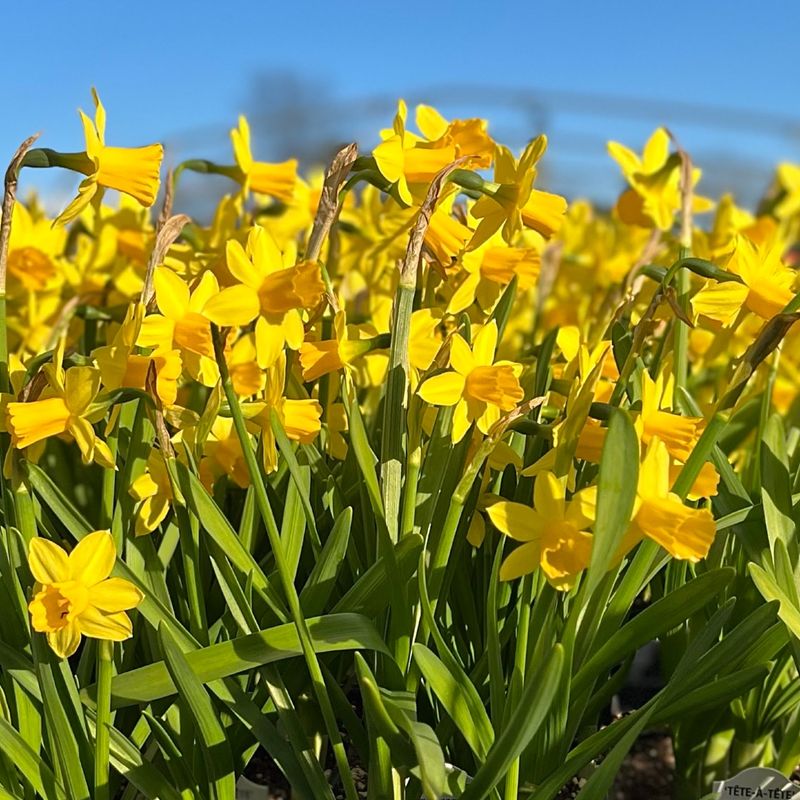
Daffodils contain toxic alkaloids throughout their bulbs, stems, and flowers that deer instinctively avoid.
These cheerful spring bloomers get planted in fall, establishing roots during winter for spectacular early spring displays.
Unlike tulips, which deer devour eagerly, daffodils naturalize and multiply year after year without any browsing damage.
The bright yellow, white, or bicolor blooms signal spring’s arrival and lift spirits after long, gray winters.
Daffodils grow successfully in various soil types and light conditions, from full sun to partial shade.
Planting daffodils in large drifts creates stunning visual impact that single specimens cannot achieve.
Their early blooming period provides crucial nectar for emerging pollinators when few other food sources exist.
The foliage must remain intact after blooming to feed the bulbs for next year’s flowers.
Mixing early, mid, and late-season varieties extends the blooming period from February through April.
Daffodils require minimal maintenance once established and can thrive for decades in the same location.
5. Russian Sage
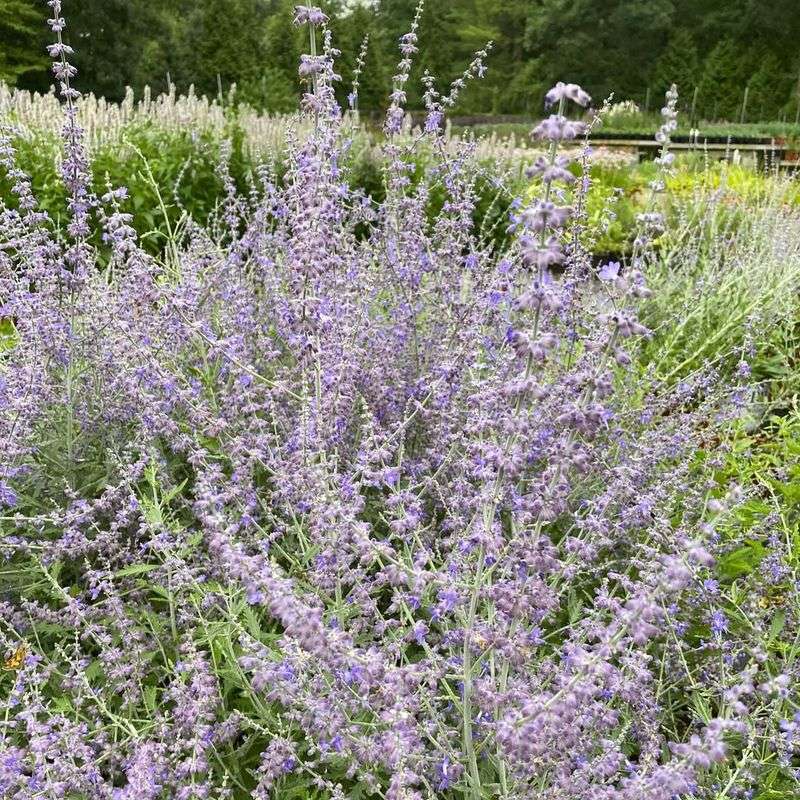
Russian sage’s aromatic foliage and woody stems make it completely uninteresting to foraging deer throughout all seasons.
The silvery-gray color of its foliage provides striking contrast against darker evergreens in winter landscapes.
This tough perennial withstands harsh New Jersey winters without protection or special care.
Even after frost turns the leaves brown, the architectural structure of Russian sage remains attractive through winter.
The dried seed heads catch snow and frost, creating beautiful crystalline displays on cold mornings.
Russian sage prefers well-drained soil and full sun, making it perfect for hot, dry areas where other plants struggle.
Cutting back Russian sage in early spring encourages vigorous new growth and prevents the plant from becoming leggy.
The lavender-blue summer flowers attract beneficial pollinators while deer keep their distance from the pungent foliage.
Russian sage grows quickly to fill large spaces, making it economical for covering extensive garden areas.
Pairing Russian sage with ornamental grasses creates dynamic combinations that look stunning throughout winter months.
6. Catmint (Nepeta)
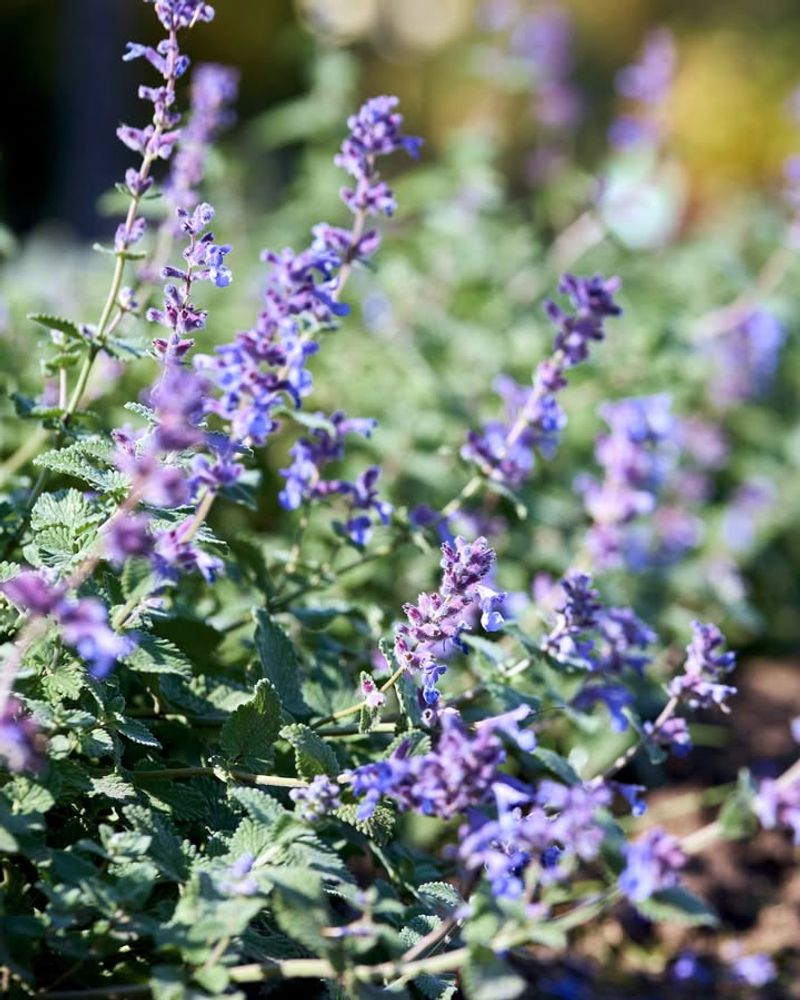
Catmint’s minty fragrance delights gardeners while effectively repelling deer from your winter landscape.
This hardy perennial maintains some foliage through mild New Jersey winters, providing subtle color when most plants go dormant.
The gray-green leaves create a soft, billowing effect that softens hard edges in formal garden designs.
Catmint blooms repeatedly from late spring through fall, and its dried flower spikes add winter interest.
Deer avoid catmint completely, making it an excellent companion plant for protecting more vulnerable species.
The plant tolerates various soil conditions but performs best in well-drained locations with moderate fertility.
Shearing catmint back after its first bloom encourages a second flush of flowers later in the season.
Unlike catnip, catmint has less effect on cats but still attracts pollinators including bees and butterflies.
The mounding growth habit makes catmint perfect for edging pathways or filling gaps between larger shrubs.
Catmint spreads slowly to form attractive clumps that can be easily divided every few years to create more plants.
7. Yarrow
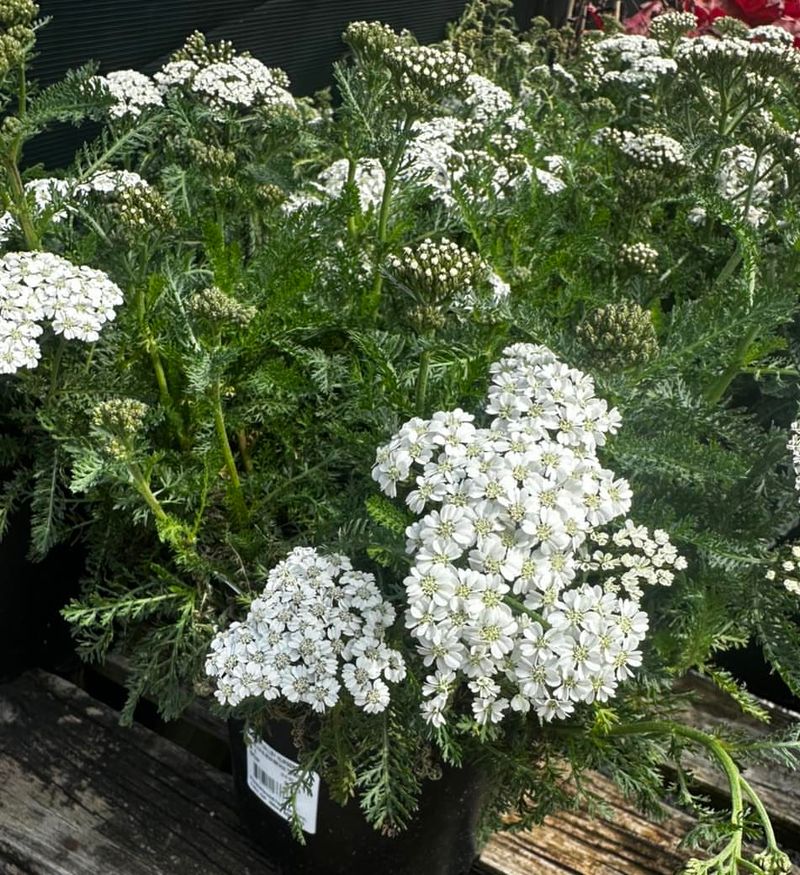
Yarrow’s feathery foliage and pungent aroma create a powerful combination that keeps deer away year-round.
The flat-topped flower clusters dry beautifully on the stems, providing architectural interest throughout winter months.
These dried seed heads attract winter birds seeking food, adding movement and life to cold-season gardens.
Yarrow tolerates poor soil, drought, and neglect better than most perennials, making it ideal for low-maintenance landscapes.
The ferny leaves emerge early in spring, quickly filling bare spots left by winter dormancy.
Yarrow comes in various colors including white, yellow, pink, and red, though the flowers fade to tan in winter.
This tough perennial spreads through underground rhizomes, creating dense colonies that suppress weeds naturally.
Cutting yarrow back to the ground in late fall keeps the garden tidy, though many gardeners prefer leaving the dried stems standing.
The plant’s medicinal history spans centuries, though its bitter compounds are precisely what deer find distasteful.
Yarrow thrives in full sun and actually performs better in lean soil than in rich, heavily amended beds.
8. Ornamental Grasses
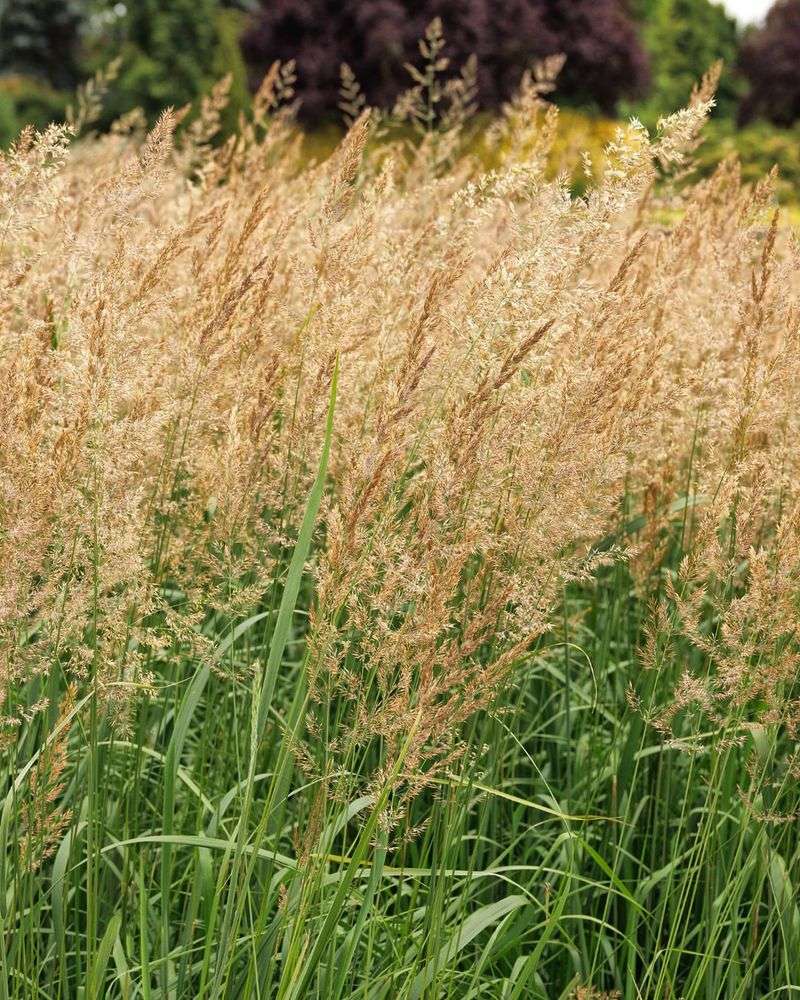
Ornamental grasses provide spectacular winter drama with their swaying plumes and rustling sounds in cold breezes.
Deer find most ornamental grasses unpalatable due to their tough, silica-rich blades and lack of nutritional value.
The dried foliage catches snow and frost, transforming into sparkling sculptures that brighten dreary winter days.
Varieties like miscanthus, switchgrass, and little bluestem remain standing through harsh New Jersey winters.
These grasses create movement and sound in the garden, adding sensory dimensions that static plants cannot provide.
The seed heads attract birds throughout winter, providing entertainment and natural pest control.
Ornamental grasses require virtually no maintenance during winter and should be left uncut until early spring.
Their vertical structure contrasts beautifully with low-growing evergreens and rounded shrub shapes.
Most ornamental grasses tolerate various soil types and weather conditions, making them incredibly reliable landscape plants.
Planting grasses in masses creates stunning waves of color and texture that evolve through the seasons.
9. Ferns
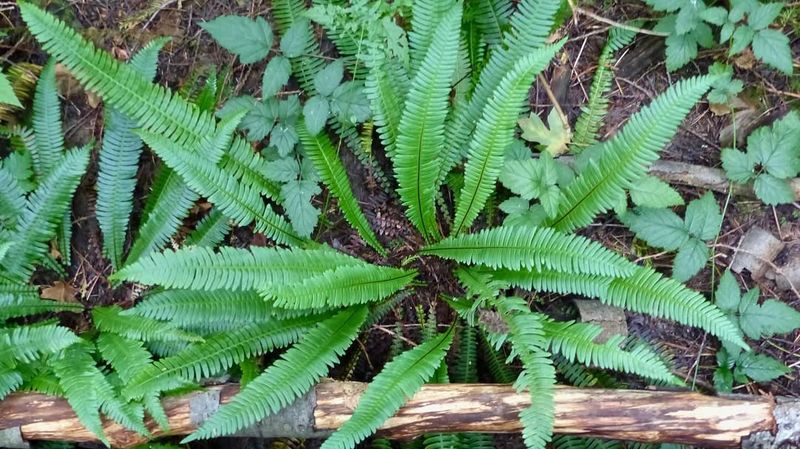
Many fern species remain evergreen through New Jersey winters, providing lush texture in shaded areas where deer often browse.
The bitter taste and tough texture of fern fronds make them completely unappetizing to hungry deer.
Christmas ferns and autumn ferns maintain their green color throughout winter, brightening dark corners of the garden.
These ancient plants thrive in the moist, shaded conditions found under trees and along north-facing walls.
Ferns require minimal care once established and naturally suppress weeds with their dense root systems.
The unfurling fiddleheads in spring provide fascinating seasonal interest as new fronds emerge.
Unlike flowering plants, ferns rely on spores for reproduction, creating interesting patterns on the undersides of fronds.
Evergreen ferns provide crucial cover for small wildlife during winter when other plants have lost their leaves.
Combining different fern varieties creates layered textures that add sophistication to shade gardens.
These reliable perennials tolerate the dry shade under mature trees where most other plants struggle to survive.