Buying Herbs All Winter? Here’s How To Grow An Indoor Herb Garden That Thrives In Colorado
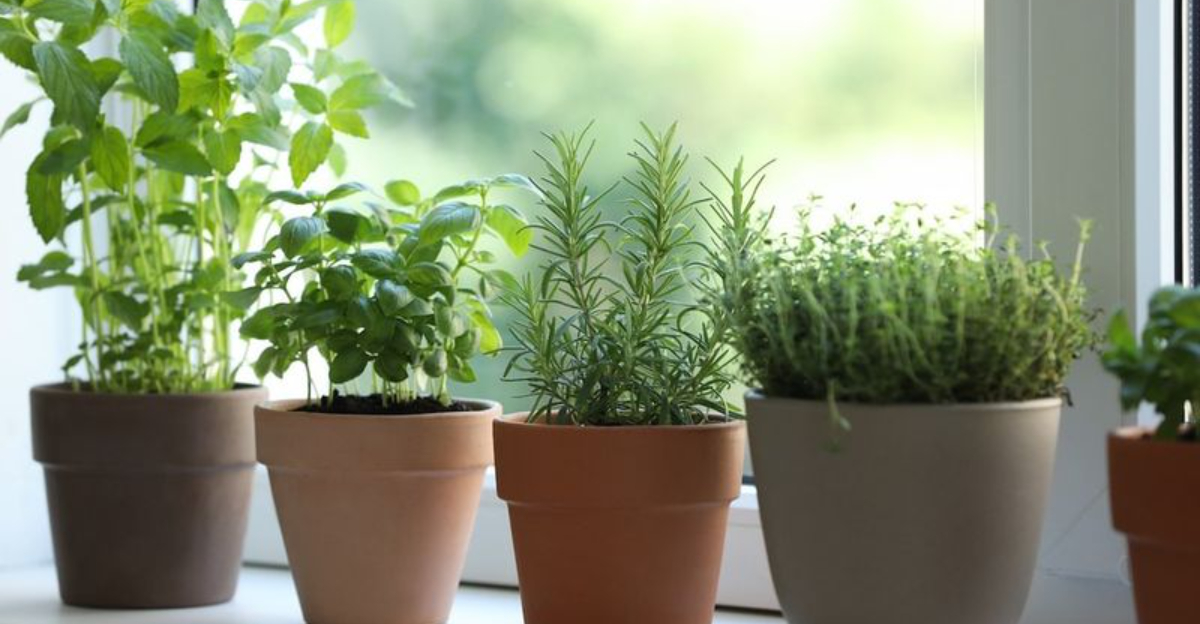
Tired of paying top dollar for limp, flavorless herbs from the grocery store all winter?
In Colorado, where snow blankets gardens and short days keep outdoor plants dormant, the solution is closer than you think: your kitchen, windowsill, or even a sunny countertop.
Indoor herb gardens can keep fresh flavors at your fingertips year-round, no backyard required.
Stop buying herbs that taste like cardboard—grow your own indoors!
With a few smart adjustments, herbs thrive indoors even when the Colorado winter tries its hardest.
Light, temperature, water, and humidity all play a role, but none of it is complicated.
From snipping basil for your pasta to adding fresh rosemary to roasted vegetables, indoor herb gardens turn your kitchen into a green oasis and your meals into flavor-packed adventures.
Your windowsill can be a mini herb paradise all winter long.
With this guide, you’ll learn which herbs grow best inside, how to care for them, and tricks to keep them productive despite shorter days and dry indoor air.
Fresh herbs, minimal effort, and maximum flavor—it’s easier than you think.
Why settle for store-bought when your own garden can deliver superior taste and convenience?
Choose Herbs That Can Handle Dry Indoor Air
Colorado homes in winter often feel like deserts, with humidity levels dropping below twenty percent when the heat kicks on.
Some herbs handle this challenge beautifully, while others will struggle no matter how much you fuss over them.
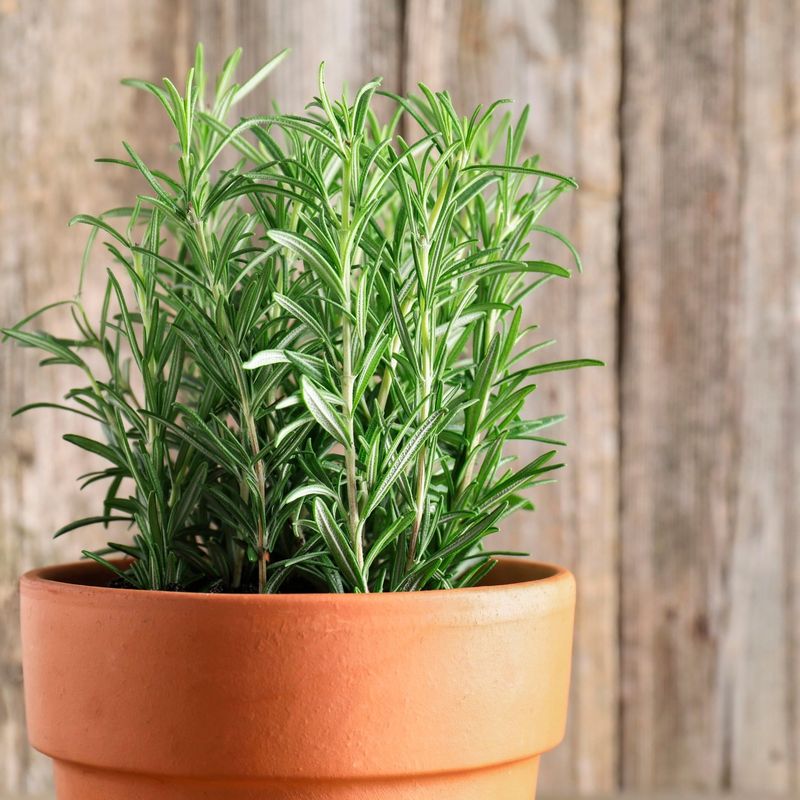
Rosemary, thyme, oregano, and sage come from Mediterranean climates where dry air is normal, making them naturally suited to Colorado conditions.
These woody herbs actually prefer drier environments and won’t wilt or brown at the edges like moisture-loving varieties.
Basil and cilantro, on the other hand, crave humidity and may show crispy leaf tips or slow growth indoors during winter.
Parsley falls somewhere in the middle—it can adapt but might need a little extra attention with misting or a humidity tray.
Mint is surprisingly tough and can tolerate dry air better than you’d expect, especially if you keep the soil slightly moist.
Setting realistic expectations from the start saves frustration and helps you focus your energy on herbs that will actually reward your efforts.
Starting with drought-tolerant varieties gives you confidence and success early on, which makes expanding your collection later much more enjoyable.
When you match plant needs to your home environment, you spend less time troubleshooting and more time cooking with fresh herbs.
Use Grow Lights To Replace Short Winter Days
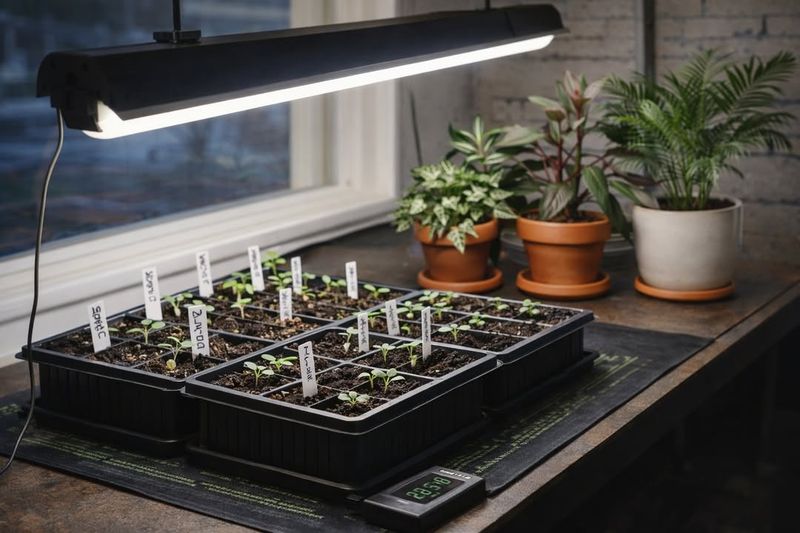
Simple LED grow lights have become affordable and energy-efficient, making them accessible for anyone who wants fresh herbs year-round.
Full-spectrum bulbs mimic natural sunlight and provide the wavelengths plants need for photosynthesis, promoting healthy growth and vibrant color.
Positioning lights about six to twelve inches above your herbs ensures they receive adequate intensity without causing heat stress or leaf burn.
Most culinary herbs thrive with twelve to sixteen hours of light daily, so using a timer takes the guesswork out of maintaining a consistent schedule.
Your Colorado Garden Changes Every Week. Your Plan Should Too.
Gardening in Colorado changes quickly throughout the season. Every Friday you’ll receive a simple weekly plan showing exactly what to plant, prune, fertilize, harvest, and protect so you never miss the right timing.
Adjustable fixtures or clip-on lamps work well in small spaces like kitchens or apartments, fitting seamlessly into your existing decor.
Watching your plants closely helps you fine-tune the setup—if stems stretch toward the light, move the fixture closer or increase daily exposure.
Compact fluorescent bulbs also work but generate more heat, so keep a closer eye on temperature and adjust placement as needed.
Running grow lights during evening hours can supplement the limited daylight Colorado winters provide, bridging the gap when the sun sets early.
Combining natural window light with artificial sources creates an ideal environment that keeps herbs productive and lush throughout the season.
Investing in a basic grow light setup pays off quickly when you consider the cost of buying fresh herbs at the store every week.
Select Containers That Prevent Root Stress In Cold Homes

Drainage holes are non-negotiable for indoor herb containers because waterlogged roots quickly lead to rot, especially in cooler temperatures.
Terracotta pots breathe well and allow excess moisture to evaporate through the walls, making them excellent choices for herbs that prefer drier conditions.
Plastic containers retain moisture longer, which can benefit thirsty herbs like basil but may cause problems for rosemary or thyme if you overwater.
Choosing a pot that’s proportional to your plant’s size prevents root crowding and gives herbs room to develop strong, healthy systems.
For most culinary herbs, a container with a six to eight-inch diameter works well, providing enough space without being so large that soil stays soggy.
Cold homes can slow root growth, so using containers that warm up slightly during the day helps maintain activity and nutrient uptake.
Placing pots on a tray or saucer catches excess water and protects your furniture, but always empty standing water to avoid root issues.
Glazed ceramic pots offer a middle ground between terracotta and plastic, providing some breathability while retaining a bit more moisture.
Avoiding overly large containers reduces the risk of cold, wet soil sitting around roots, which can stunt growth or cause stress.
Selecting the right container material and size sets your herbs up for success, allowing them to focus energy on producing flavorful leaves instead of fighting environmental stress.
Water Less Often Than You Think (Seriously)
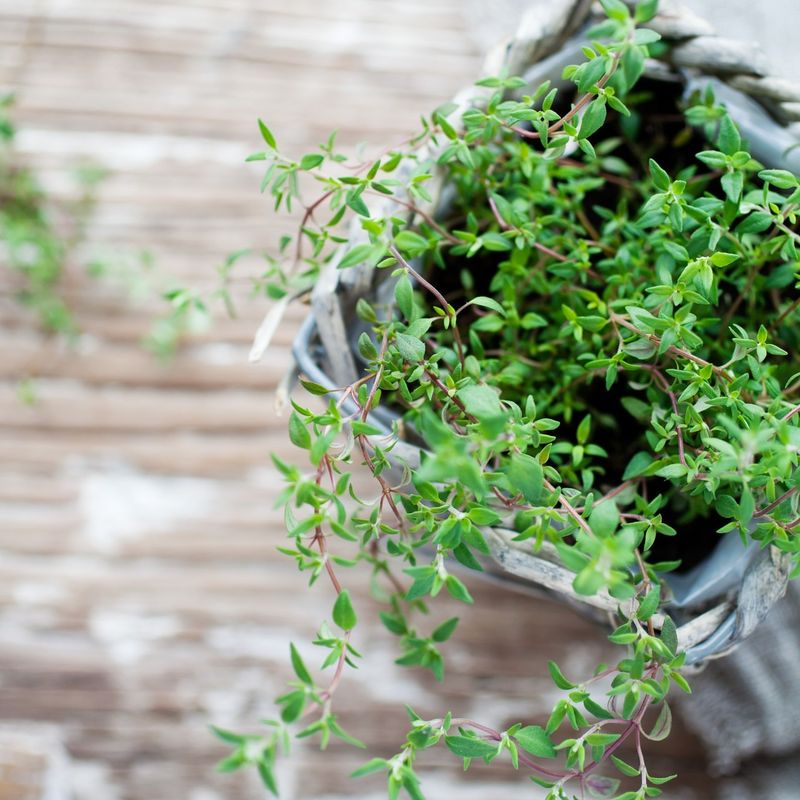
Overwatering ranks as the number one mistake indoor herb gardeners make, especially during winter when plants grow more slowly.
Cool temperatures and lower light levels mean herbs use less water, so sticking to a summer watering schedule will quickly lead to soggy soil and root problems.
Checking soil moisture with your finger—poking down an inch or two—gives you a much better sense of when watering is actually needed.
If the soil feels damp or cool to the touch, wait another day or two before adding more water, even if the surface looks dry.
Yellowing lower leaves, mushy stems, or a sour smell from the soil are classic signs of overwatering and signal that you need to cut back immediately.
Herbs like rosemary and thyme prefer their soil to dry out almost completely between waterings, mimicking their native Mediterranean habitat.
Basil and parsley tolerate slightly more moisture but still need the top layer of soil to dry before you reach for the watering can again.
Using room-temperature water prevents shocking roots, which can slow growth and cause stress in already cool indoor environments.
Watering in the morning allows excess moisture to evaporate during the day, reducing the risk of fungal issues or rot overnight.
Trusting the soil and your observations rather than a rigid schedule keeps your herbs healthy and helps you avoid the most common pitfall of indoor gardening.
Pick The Brightest Window—Then Plan For Backup Light
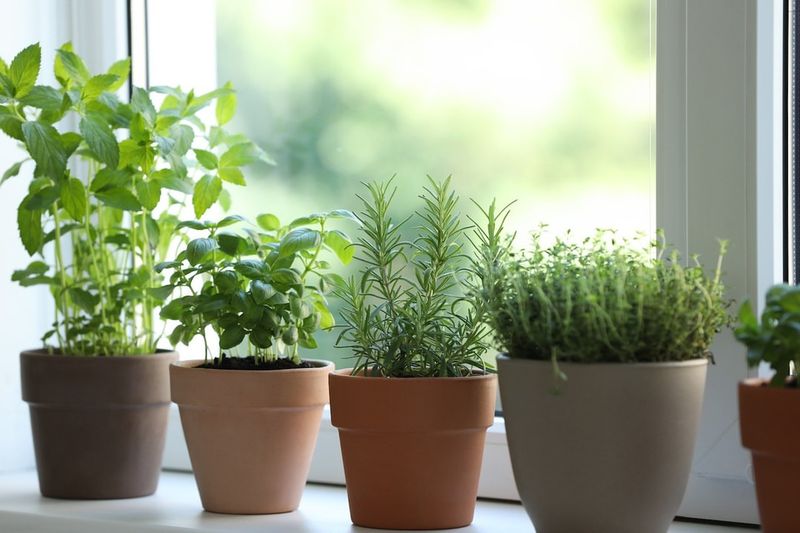
Winter sun in Colorado sits lower on the horizon, casting long shadows and reducing the intensity of light that reaches your windowsills.
South-facing windows offer the most consistent brightness throughout the day, making them ideal for sun-loving herbs like basil and rosemary.
East-facing windows provide gentle morning light, which works well for parsley and cilantro but may not be enough for more demanding plants.
West-facing windows can get hot in the afternoon, even in winter, so watch for leaf scorch on delicate varieties.
North-facing windows rarely provide enough light for any herbs to truly flourish, so plan to supplement with artificial lighting if that’s your only option.
Even the brightest window might not deliver the six to eight hours of direct light most culinary herbs need during Colorado’s short winter days.
Observing how light moves through your space over a few days helps you identify the best spot before you commit to a permanent setup.
Having a backup plan with grow lights ensures your herbs won’t suffer during stretches of cloudy weather or when the sun sets early.
Combining natural and artificial light gives you flexibility and keeps plants healthy even when conditions aren’t perfect.
Planning ahead prevents disappointment and helps your herbs maintain steady growth instead of struggling through dark winter months.
Boost Humidity Without Overdoing It
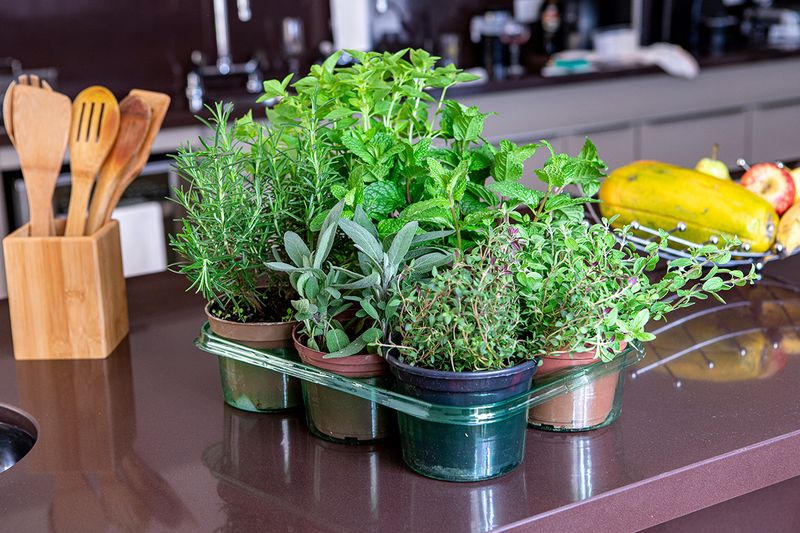
Grouping several herb pots together creates a microclimate where plants release moisture into the air, benefiting each other without additional effort.
Placing a shallow tray filled with pebbles and water beneath your containers adds humidity as the water evaporates, but make sure pot bottoms don’t sit directly in the water.
Misting herbs lightly once or twice a week can help, but avoid soaking leaves, which invites fungal problems in cool, still indoor air.
Running a small humidifier nearby works well if you have multiple plants or if your home’s humidity regularly drops below fifteen percent.
Bathrooms and kitchens naturally have higher moisture levels, making them smart locations for herbs that prefer a bit more humidity, like basil or parsley.
Avoid placing herbs too close to humidifiers or misting excessively, as overly wet foliage combined with cool temperatures can encourage mold or mildew.
Watching for signs of stress—like crispy leaf edges or browning tips—tells you whether your humidity-boosting efforts are helping or if you need to adjust.
Balancing humidity without creating a damp, stagnant environment is key, especially in Colorado homes where air can swing from bone-dry to overly moist depending on the room.
Simple, low-tech solutions like grouping plants and using pebble trays often work just as well as expensive equipment.
Finding the right humidity level for your specific herbs and home environment takes a little experimentation but pays off with healthier, more productive plants.
Keep Herbs Away From Cold Windows And Heat Vents
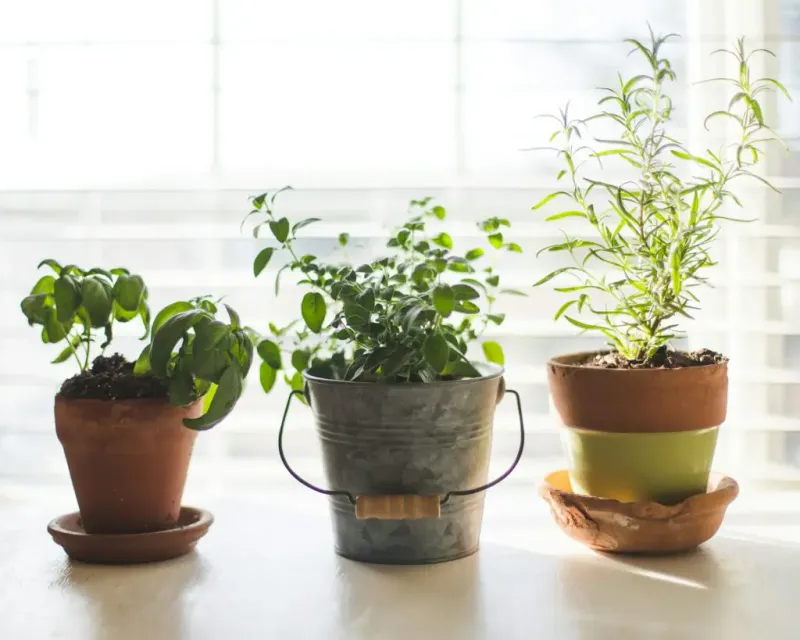
Temperature swings stress herbs more than consistent cold or warmth, so placement away from drafty windows and blasting heat vents is crucial.
Windows that frost over at night can chill nearby plants, causing leaves to wilt or drop even if the rest of your home stays comfortable.
Pulling herbs a few inches back from the glass at night or using a sheer curtain as a buffer protects them from the coldest air.
Heat vents blow dry, hot air that rapidly dehydrates foliage and soil, leading to crispy leaves and stressed plants that struggle to recover.
Finding a spot with stable temperatures between sixty and seventy degrees keeps herbs happy and growing steadily throughout the winter.
Apartments with radiators or forced-air heating systems require extra attention, as these can create hot spots that harm sensitive plants.
Observing where temperature fluctuates most in your home—near exterior doors, uninsulated walls, or heating sources—helps you avoid problem areas.
Herbs placed in moderate, consistent conditions focus energy on growth and flavor instead of constantly adjusting to environmental changes.
Using a simple thermometer near your herb garden lets you monitor conditions and make adjustments before plants show signs of distress.
Thoughtful placement makes all the difference, turning a challenging indoor environment into one where herbs can truly flourish and provide fresh harvests all winter long.
Harvest Regularly To Keep Plants Productive
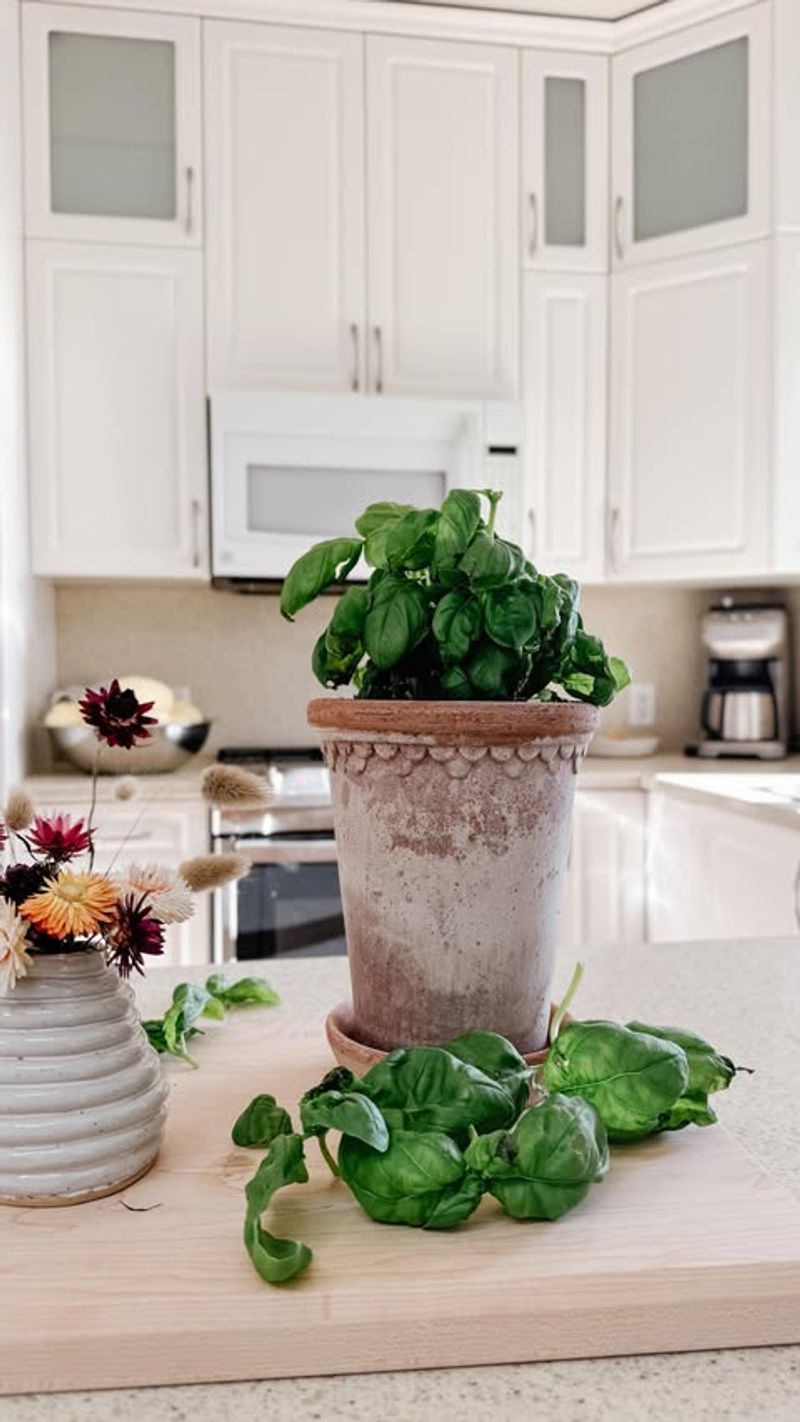
Snipping herbs frequently encourages bushier growth and prevents plants from becoming leggy or putting all their energy into flowering.
Starting with the top sets of leaves or tips promotes branching lower down, creating fuller plants with more harvestable foliage.
Cutting just above a leaf node—where leaves meet the stem—signals the plant to send out new shoots, multiplying your harvest over time.
Even if you don’t need a lot of herbs at once, trimming regularly keeps plants compact and productive instead of tall and sparse.
Basil benefits especially from frequent harvesting, as removing flower buds redirects energy back into leaf production and extends the plant’s useful life.
Woody herbs like rosemary and thyme can handle more aggressive pruning, but avoid cutting into old, brown stems that may not regrow.
Harvesting in the morning, after dew has dried but before the day heats up, captures herbs at their peak flavor and essential oil content.
Using sharp scissors or pruners makes clean cuts that heal quickly, reducing stress and the risk of introducing disease.
Regular harvesting also gives you a chance to inspect plants for pests or problems, catching issues early before they spread.
Making herb harvesting a weekly habit keeps your indoor garden vibrant, your kitchen stocked, and your plants healthier and more productive all winter long.
Don’t Over-Fertilize During Winter Dormancy
Herbs naturally slow down during winter, entering a semi-dormant phase where they need far fewer nutrients than during their active growing season.
Feeding too much or too often forces weak, leggy growth that’s more susceptible to pests and disease, doing more harm than good.
If your herbs receive adequate light from grow lamps and continue producing new leaves, a light feeding once a month with diluted liquid fertilizer is usually sufficient.
Plants growing in low light or cool temperatures should receive little to no fertilizer, as they simply can’t process the extra nutrients effectively.
Watching for signs like pale leaves or extremely slow growth can indicate a need for a gentle nutrient boost, but yellowing from overwatering looks similar, so check soil moisture first.
Organic options like diluted fish emulsion or compost tea provide gentle nutrition without the risk of chemical buildup in containers.
Stopping fertilization completely from late fall through early winter mimics natural cycles and allows herbs to rest, which can actually improve vigor when spring arrives.
Resuming regular feeding in late winter or early spring, as daylight increases, helps plants ramp up production when conditions improve.
Understanding that slower growth is normal and healthy during winter prevents the temptation to overfeed in an attempt to force faster results.
Respecting your herbs’ natural rhythms and feeding sparingly keeps them healthy without pushing them beyond what winter light and temperatures can support.
Redefine Thriving For Colorado Winter Herb Gardens
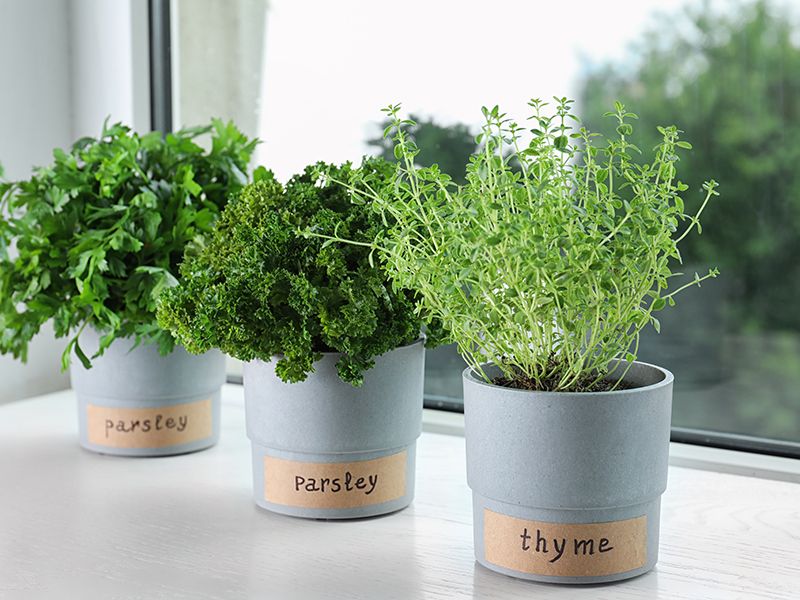
Success with indoor herbs in winter doesn’t mean lush, explosive growth like you’d see outdoors in summer—it means maintaining healthy plants that provide fresh flavor when you need it.
Slower growth is completely normal and expected when light levels drop and temperatures cool, so patience and realistic goals are essential.
Harvesting even a few sprigs of rosemary or a handful of basil leaves for dinner counts as a major win compared to buying expensive, wilted bunches at the store.
Keeping plants alive, green, and productive through Colorado’s harsh winter represents genuine success and sets you up for a strong start when spring arrives.
Comparing your indoor garden to summer outdoor beds or glossy magazine photos sets you up for disappointment and overlooks the real value of fresh herbs year-round.
Focusing on the joy of snipping fresh thyme for soup or garnishing a dish with homegrown parsley shifts your perspective from perfection to practicality.
Some herbs may pause growth entirely during the darkest weeks, and that’s okay—they’re resting, not failing, and will bounce back as daylight increases.
Celebrating small victories, like a new set of leaves or successfully overwintering a favorite plant, builds confidence and keeps you motivated.
Understanding that winter herb gardening is about sustainability, not abundance, helps you appreciate what your plants provide without feeling frustrated.
Redefining thriving as healthy, usable herbs that save money and enhance meals makes your indoor garden a rewarding, worthwhile project all winter long.