Deer Keep Showing Up? These 8 Winter Garden Plants Are Usually Left Alone In Connecticut
If you’re tired of deer turning your Connecticut garden into their personal salad bar, you’re not alone.
Those graceful creatures may look charming, but come winter, hungry deer can quickly decimate plants, leaving bare branches and frustrated gardeners in their wake.
The good news? Not all plants are on the menu.
Your garden doesn’t have to be a deer buffet—plant smart, and they’ll leave it alone.
Certain winter-hardy plants have qualities that deer tend to avoid—bitter flavors, tough textures, or strong scents that say “stay away.”
By choosing the right species, you can keep your garden vibrant, colorful, and intact, even when the local wildlife is on a snack hunt.
These plants are reliable choices that deer usually ignore, making them perfect for winter landscapes.
Stop fighting deer and start planting plants they won’t touch.
With a little strategic planning, Connecticut gardeners can reclaim their outdoor spaces, maintain beauty all season, and enjoy peace of mind knowing that their efforts won’t be eaten overnight.
Protect your winter garden without fences or sprays—just plant smart and let nature do the rest.
1. Boxwood (Buxus)
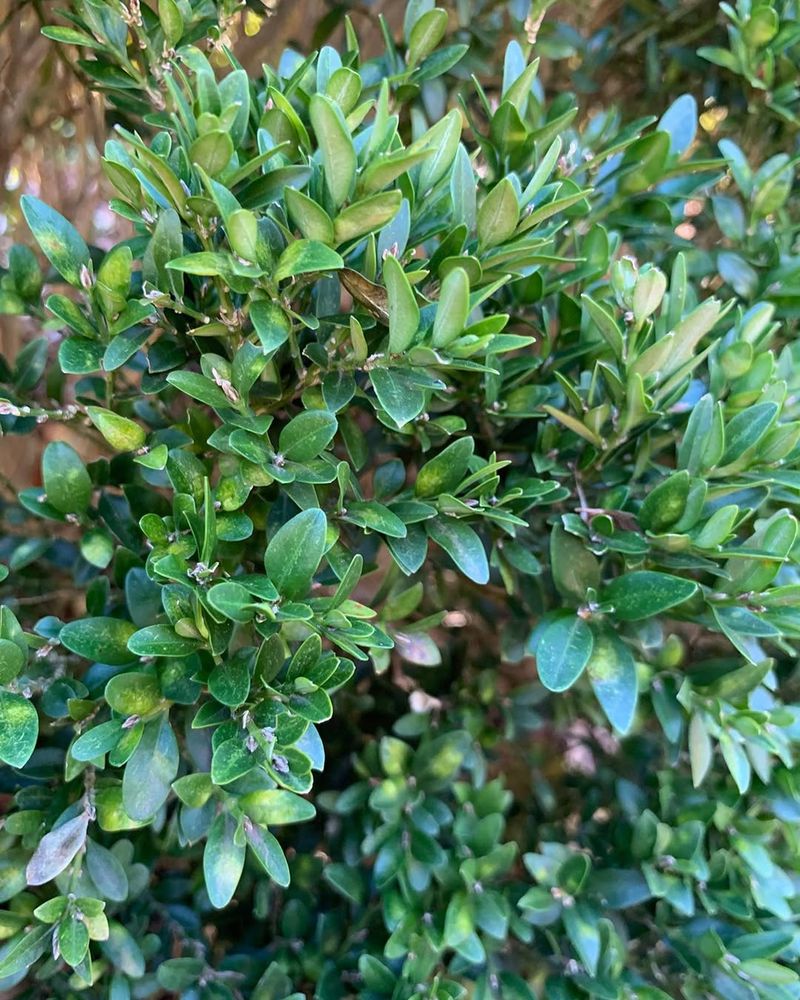
Boxwood stands as one of the most reliable evergreen shrubs for Connecticut gardens, especially when deer pressure becomes intense during winter months.
The thick, leathery leaves contain compounds that taste bitter and unpleasant to browsing animals.
A strong, somewhat pungent scent emanates from the foliage when touched or crushed, creating a natural barrier that deer find off-putting.
These shrubs handle Connecticut winters exceptionally well, maintaining their deep green color even when temperatures plunge below freezing.
Landscape designers frequently use boxwood for formal hedges, foundation plantings, and garden borders because of their dense growth habit and year-round structure.
Homeowners appreciate how boxwood provides consistent visual interest throughout the dormant season when many other plants look bare and lifeless.
The versatility of boxwood makes it suitable for both traditional and modern garden designs.
Proper placement in areas with good air circulation helps prevent common fungal issues that can affect these plants during humid Connecticut summers.
Regular light pruning maintains the desired shape while encouraging dense growth that looks polished and intentional.
Mulching around the base protects roots during harsh winter freezes and thaws.
When paired with other deer-resistant plants, boxwood creates a foundation that remains untouched while providing essential structure to your winter landscape design throughout the coldest months.
2. Hellebores (Lenten Rose)

Few plants can match the enchanting beauty of hellebores when they push their nodding blooms through frozen ground in late winter.
Deer consistently walk past these flowering perennials without taking a single bite, thanks to toxic compounds present throughout the entire plant.
The thick, somewhat leathery texture of hellebore leaves feels unpleasant in the mouths of browsing animals, adding another layer of protection.
Blooms appear anywhere from January through April depending on the variety, bringing much-needed color when gardens look especially dreary.
Connecticut gardeners treasure hellebores for their ability to thrive in shaded areas where many other flowering plants struggle to perform well.
Your Connecticut Garden Changes Every Week. Your Plan Should Too.
Gardening in Connecticut changes quickly throughout the season. Every Friday you’ll receive a simple weekly plan showing exactly what to plant, prune, fertilize, harvest, and protect so you never miss the right timing.
The flowers come in stunning shades ranging from pure white and soft pink to deep burgundy and even green.
Once established, hellebores require minimal maintenance and spread slowly to form attractive clumps that improve with each passing year.
Their evergreen foliage provides visual interest even when flowers fade, making them valuable for year-round garden appeal.
Planting hellebores near pathways or entryways allows you to enjoy their downward-facing blooms up close during late winter strolls.
These perennials combine beautifully with other shade-loving companions like ferns and hostas.
Hellebores prove that deer resistance and stunning beauty can coexist perfectly in Connecticut winter gardens without compromise.
3. Lavender
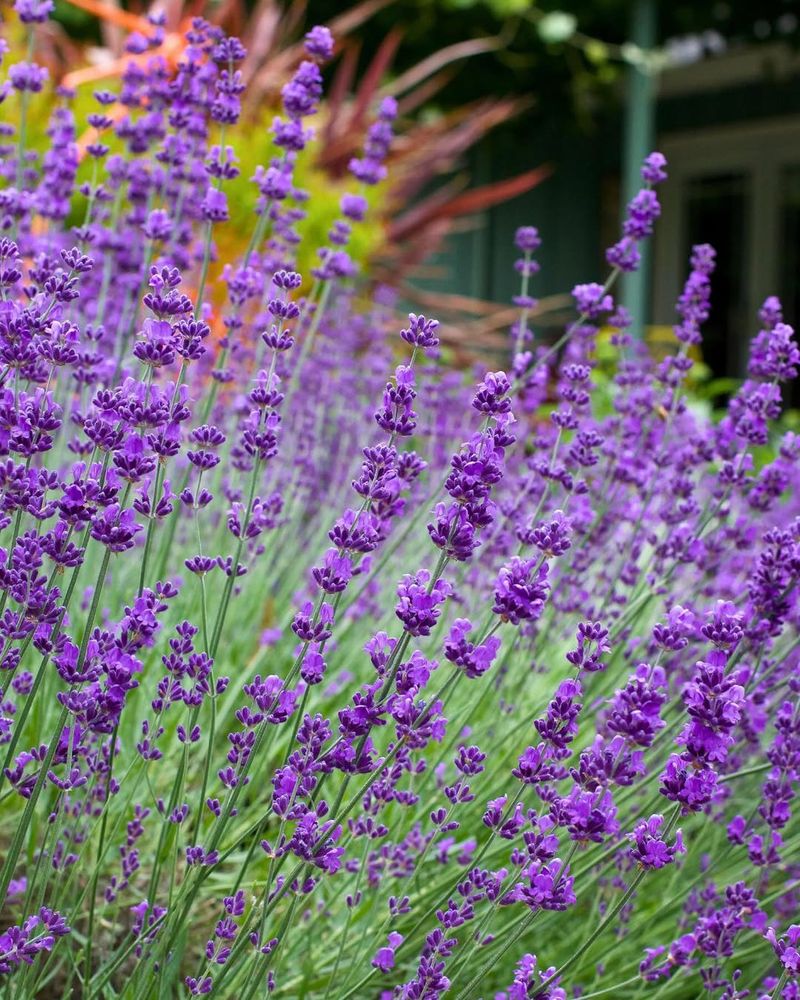
Lavender brings Mediterranean charm to Connecticut gardens while naturally discouraging deer from browsing thanks to its powerful aromatic oils.
The intense fragrance that humans find relaxing and pleasant registers as overwhelming and unappealing to deer noses.
Essential oils concentrated in the narrow leaves and flower spikes create a protective barrier that keeps hungry visitors at bay throughout the year.
Choosing cold-hardy varieties like English lavender ensures better winter survival in Connecticut’s fluctuating temperatures and occasional harsh conditions.
Proper placement in full sun with excellent drainage becomes absolutely critical for lavender success in regions with wet winter weather.
Raised beds or slopes provide ideal growing conditions, preventing root rot that commonly affects lavender in heavy, moisture-retentive soils.
The silvery-green foliage adds textural contrast to winter gardens even after flowers fade and stems turn woody.
Cutting back spent flower stalks in fall helps plants maintain a tidy appearance while reducing potential winter damage from heavy snow.
Mulching lightly around the base provides some insulation, but avoid piling material directly against stems where moisture can cause problems.
Lavender pairs wonderfully with other sun-loving, drought-tolerant plants like Russian sage and ornamental grasses.
When spring arrives, new growth emerges from the base, rewarding patient gardeners with fresh foliage and the promise of fragrant summer blooms ahead.
4. Daffodils

Daffodils reign supreme among spring bulbs when it comes to reliable deer resistance in Connecticut landscapes.
Every part of the daffodil plant contains toxic alkaloids that cause severe digestive upset if consumed, so deer instinctively avoid them completely.
Squirrels and other rodents also leave daffodil bulbs alone when digging through garden beds, making them doubly protected from common garden pests.
Planting daffodils in fall ensures spectacular early spring displays just when winter finally loosens its grip on the garden.
These cheerful flowers emerge reliably year after year, multiplying slowly to create expanding drifts of golden yellow, creamy white, or bi-colored blooms.
Connecticut gardeners appreciate how daffodils provide crucial early nectar sources for emerging pollinators after long winter months.
Naturalizing daffodils in lawns, under deciduous trees, or along woodland edges creates stunning informal displays that look effortlessly beautiful.
The foliage must remain intact for several weeks after flowering to replenish bulbs for next year’s show.
Mixing early, mid, and late-season varieties extends the bloom period from March through May.
Daffodils combine beautifully with other spring ephemerals and deer-resistant perennials for layered garden interest.
Their carefree nature and consistent performance make daffodils an essential component of any Connecticut garden facing regular deer pressure throughout the growing season.
5. Russian Sage
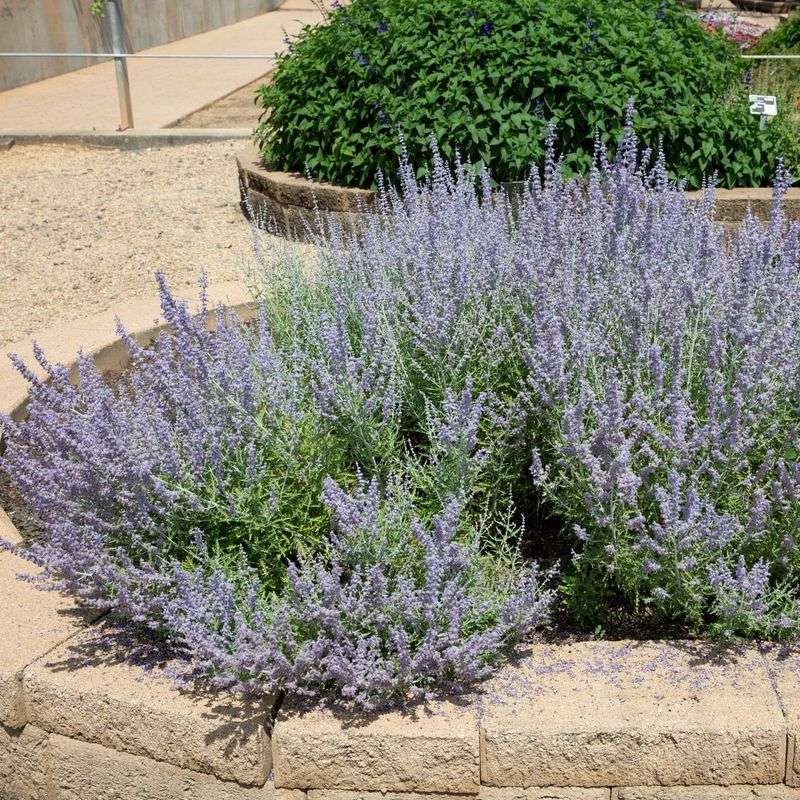
Russian sage brings an ethereal quality to Connecticut gardens with its silver-gray foliage and lavender-blue flower spikes that deer consistently ignore.
Aromatic oils give the entire plant a distinctive sage-like scent that browsers find highly unappealing and avoid instinctively.
Fuzzy leaves feel unpleasant to touch and even more unpleasant to chew, providing a dual defense mechanism against hungry wildlife.
This tough perennial handles Connecticut winters remarkably well, requiring minimal protection even during the coldest stretches of January and February.
The woody stems persist throughout winter, creating valuable vertical structure and visual interest when most perennials have collapsed into dormancy.
Light frost coats the silvery branches beautifully, transforming Russian sage into an architectural feature that catches morning sunlight.
Come spring, gardeners should cut stems back to about six inches above ground level to encourage fresh, vigorous new growth.
Russian sage thrives in full sun and tolerates drought exceptionally well once established, making it perfect for low-maintenance landscapes.
The airy, cloud-like growth habit softens harsh lines and complements bolder plants like ornamental grasses and coneflowers.
Butterflies and bees flock to the nectar-rich flowers throughout summer while deer keep their distance.
Planting Russian sage in groups of three or five creates impressive masses that look cohesive and intentional rather than scattered throughout the garden space.
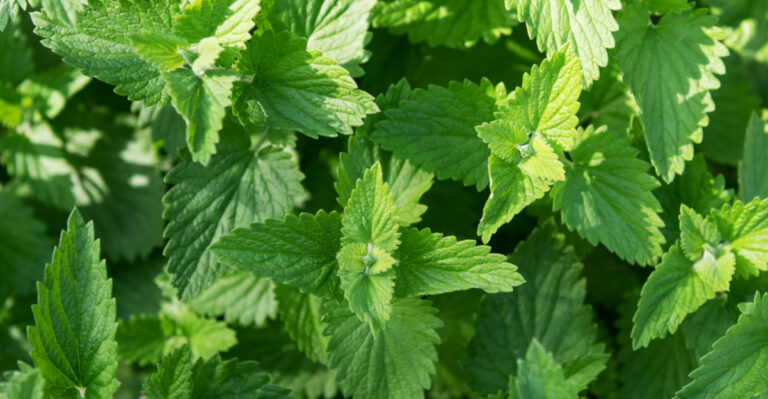
6. Catmint (Nepeta)
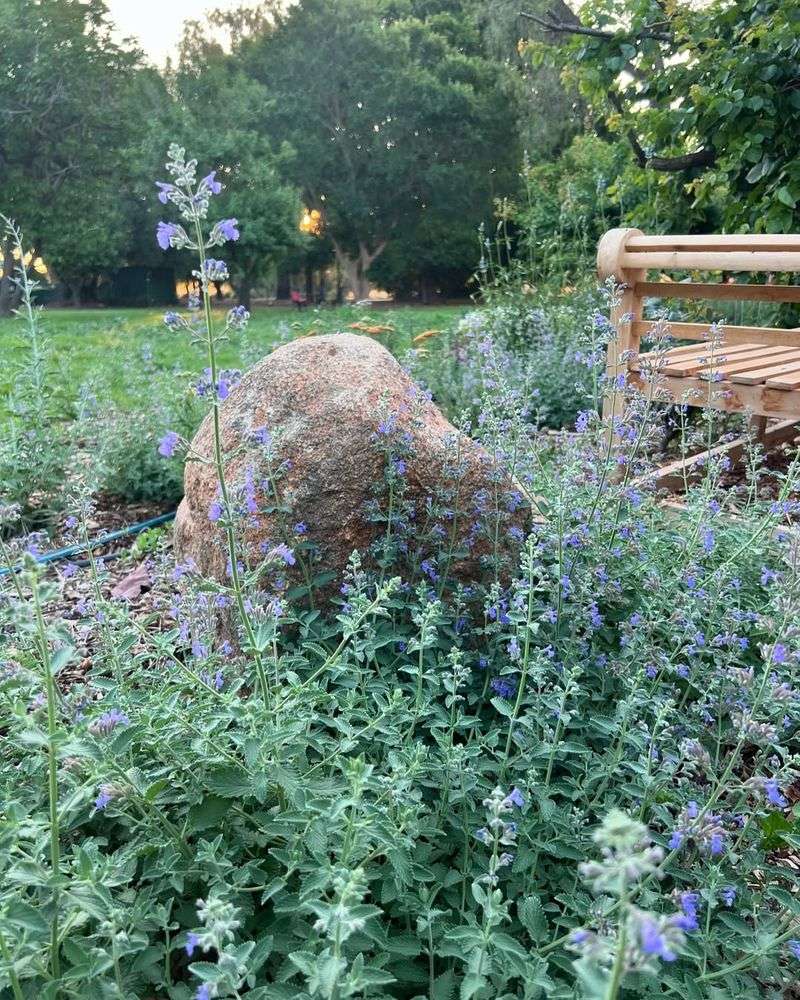
Catmint offers Connecticut gardeners a reliable, long-blooming perennial that deer consistently pass by without investigation.
Aromatic compounds in the gray-green leaves create a minty, somewhat pungent scent that effectively repels browsing animals throughout the growing season.
While cats may occasionally roll in catmint, deer find the fragrance completely unattractive and move on to more palatable options elsewhere.
The plant performs beautifully in Connecticut gardens, producing waves of lavender-blue flowers from late spring through early fall.
Catmint completely disappears during winter, retreating underground until warmer temperatures and longer days trigger new spring growth.
This dormancy protects the plant from harsh winter weather and allows it to return with renewed vigor when conditions improve.
Cutting back spent flower stalks encourages additional bloom cycles, extending the colorful display well into autumn months.
Catmint adapts to various soil types and handles both full sun and partial shade, though flowering proves most prolific with ample sunlight.
The mounding habit makes catmint excellent for edging pathways, filling gaps in perennial borders, or softening hard landscape features.
Pollinators adore catmint flowers, visiting constantly throughout the day to gather nectar and pollen.
Pairing catmint with roses creates classic combinations where the soft purple blooms complement nearly any rose color while deterring deer from the entire planting area.
7. Ornamental Grasses
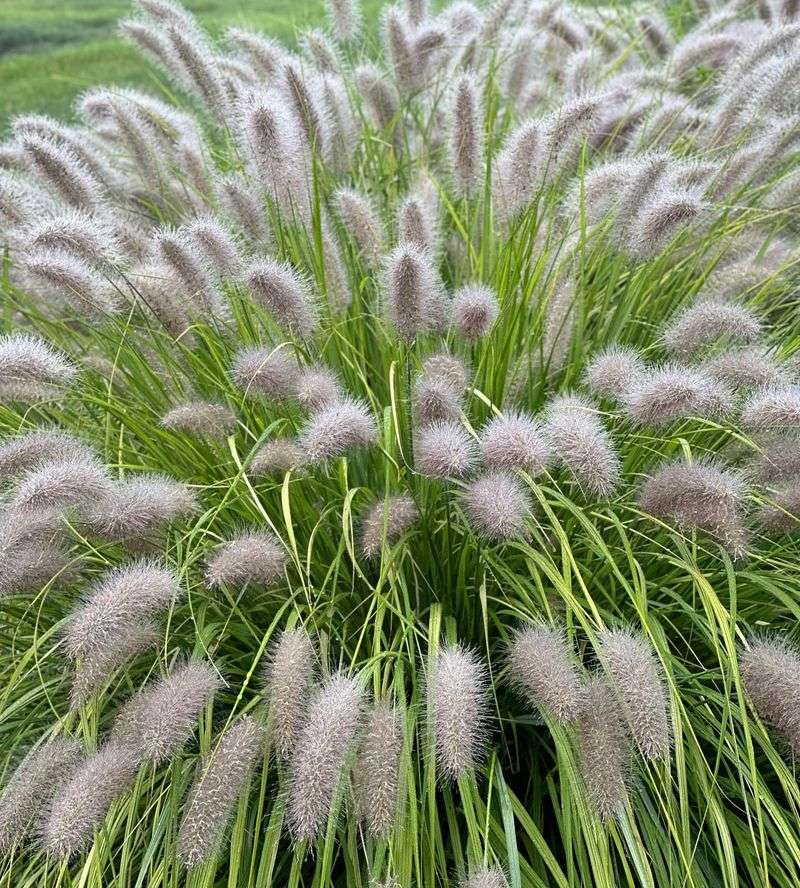
Ornamental grasses transform winter gardens into dynamic landscapes full of movement, texture, and subtle color that deer find largely uninteresting as a food source.
The tough, fibrous leaves and stems contain high amounts of silica, making them difficult to digest and nutritionally poor compared to broadleaf plants.
Deer occasionally sample grasses but quickly move on, preferring tender shoots and succulent foliage found elsewhere in the landscape.
Connecticut winters showcase ornamental grasses at their absolute best, with seed heads catching snow and frost for stunning visual effects.
Varieties like miscanthus, switchgrass, and little bluestem provide vertical interest and gentle motion even during the coldest, stillest days.
The golden, tan, and russet tones of dormant grasses glow warmly in winter sunlight, offering color when most plants look brown and lifeless.
Leaving grasses standing throughout winter provides shelter and food for overwintering birds and beneficial insects.
Erosion control becomes an important secondary benefit, as grass root systems hold soil firmly in place on slopes and banks.
Cutting grasses back in early spring before new growth emerges keeps plants looking fresh and prevents the center from becoming woody.
Ornamental grasses combine beautifully with late-blooming perennials and evergreen shrubs for multi-season garden compositions.
Their low maintenance requirements and exceptional deer resistance make ornamental grasses essential components of successful Connecticut landscapes facing persistent wildlife pressure year after year.
8. Ferns
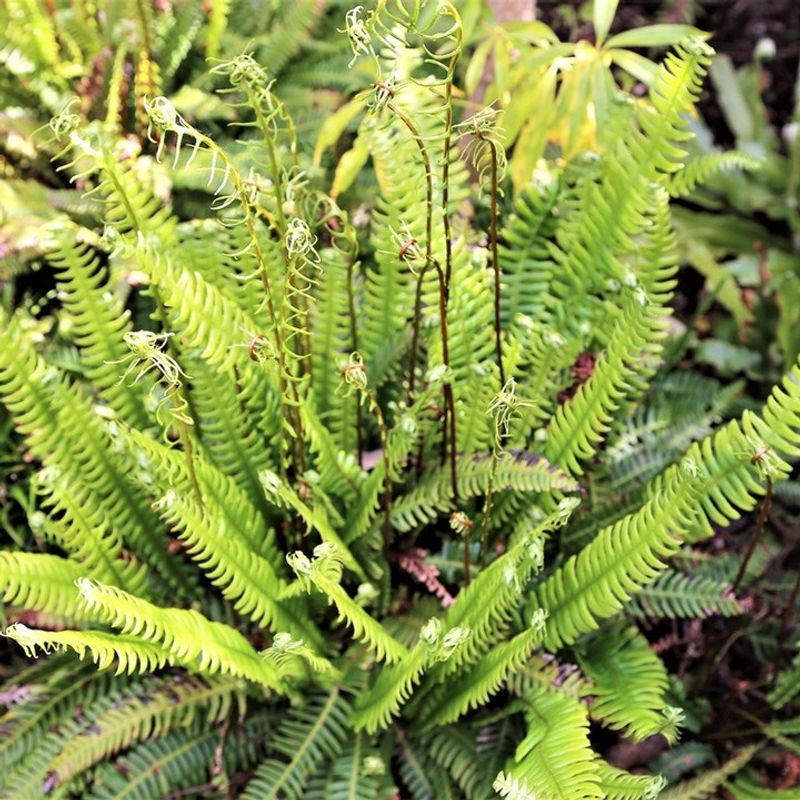
Ferns bring ancient elegance to Connecticut shade gardens while remaining largely ignored by browsing deer throughout the entire growing season.
Most fern varieties contain compounds that taste bitter or cause mild digestive discomfort, teaching deer to avoid them after one unpleasant experience.
The delicate, lacy fronds might appear tempting, but their texture and chemical makeup prove unappealing to wildlife seeking nutritious meals.
Connecticut’s woodland gardens provide ideal conditions for ferns, with dappled shade, consistent moisture, and rich, organic soil.
Native varieties like Christmas fern, lady fern, and ostrich fern thrive without fuss, returning reliably each spring with fresh, unfurling fiddleheads.
Evergreen ferns like Christmas fern maintain their foliage throughout winter, providing valuable greenery when deciduous plants have dropped their leaves.
These persistent fronds continue photosynthesizing during mild winter days, storing energy for vigorous spring growth.
Ferns naturalize beautifully under trees and along shaded slopes, creating lush carpets that suppress weeds and stabilize soil.
Pairing ferns with other shade-loving, deer-resistant plants like hellebores and hostas creates layered compositions full of varied textures and forms.
Maintaining consistent moisture proves most important for fern success, especially during establishment and hot summer periods.
Mulching with shredded leaves mimics natural forest conditions and gradually improves soil quality as organic matter breaks down over time in your Connecticut garden.