Not Sure How Winter Treated Your Garden? 11 Signs Snow May Have Caused Damage In New York

Winter in New York can be a mixed bag for gardeners.
A fresh blanket of snow may look magical from the window, but beneath that sparkling cover, your garden could be silently suffering.
Heavy snow, ice, and fluctuating temperatures can cause cracks, break branches, and stunt growth—sometimes in ways you won’t notice until spring.
That winter wonderland outside? It may have left a few hidden scars in your garden.
Knowing what to look for can save plants, shrubs, and trees from permanent damage.
From bent branches and split trunks to frost-damaged buds, early detection allows for timely pruning, treatment, or support before problems get worse.
These eleven signs are your winter damage warning system, helping you spot stress early and act fast.
Don’t wait for spring blooms to tell you what went wrong—check now!
New York gardeners can protect their investment, preserve beauty, and prevent small issues from turning into big headaches by paying attention to subtle clues left by winter’s harsh hand.
Your garden might look quiet—but there’s plenty going on beneath the snow.
1. Broken Or Bent Branches From Heavy Snow Load
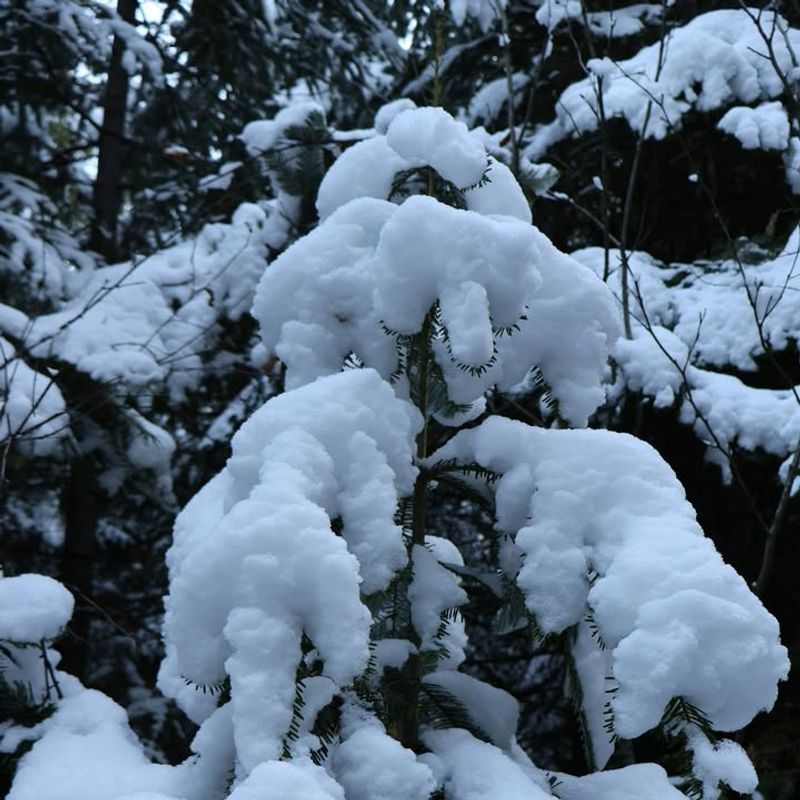
New York winters bring wet, heavy snow that clings to every surface, and that weight can spell disaster for your garden’s woody plants.
When several inches of dense snow pile onto branches, the pressure becomes too much for many trees and shrubs to handle.
Young trees, multi-stemmed shrubs like forsythia and lilac, and evergreens with dense foliage are especially vulnerable because their structure isn’t built to bear such loads.
After a big snowstorm, you might notice branches hanging at odd angles or snapped clean off near the trunk.
Some branches bend so severely that they never regain their original shape, even after the snow melts away.
Evergreens such as arborvitae and yew often suffer permanent damage because their tight branching pattern traps more snow than deciduous plants.
Once you spot broken or bent branches, resist the urge to yank them off immediately.
Instead, carefully brush off any remaining snow to prevent further damage, and wait until late winter or early spring to prune properly.
Clean cuts made with sharp tools heal faster and reduce the risk of disease entering the wound.
Providing support stakes for younger trees can help prevent future damage during heavy snowfalls.
Regular pruning throughout the growing season also keeps branches strong and balanced, making them less likely to snap when winter arrives again.
2. Plants Lifted Out Of The Soil By Freeze-Thaw Cycles
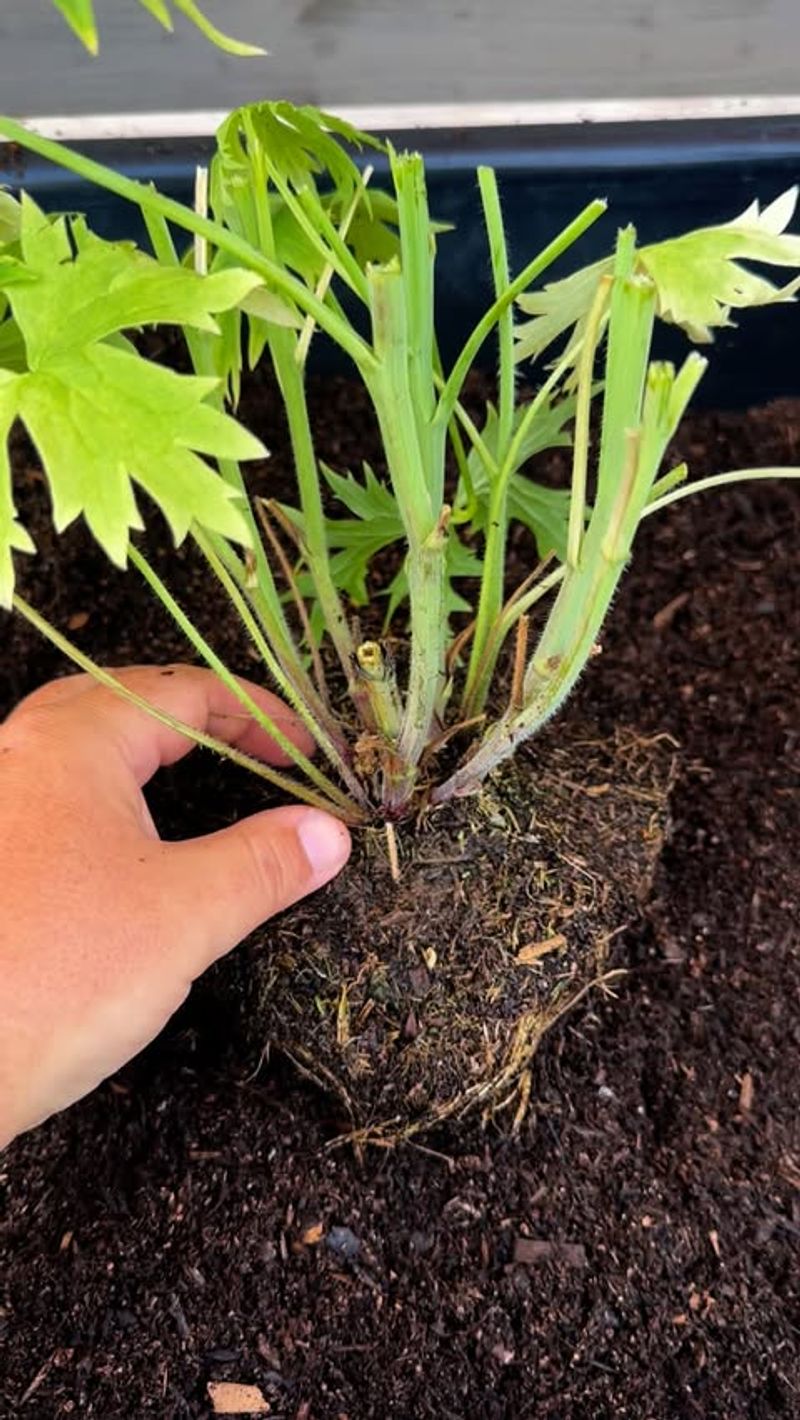
Frost heave sounds like something from a science fiction movie, but it’s a very real problem for New York gardeners every winter.
When soil moisture freezes, it expands and pushes upward, taking plants along for the ride.
Then temperatures warm up during the day, the ground thaws, and everything settles back down—but not always in the same position.
This repeated freezing and thawing throughout winter can gradually lift perennials right out of their cozy spots, leaving roots exposed to harsh cold and drying winds.
Your New York Garden Changes Every Week. Your Plan Should Too.
Gardening in New York changes quickly throughout the season. Every Friday you’ll receive a simple weekly plan showing exactly what to plant, prune, fertilize, harvest, and protect so you never miss the right timing.
Shallow-rooted plants like heuchera, dianthus, and newly planted perennials are most at risk because they haven’t established deep anchor roots yet.
Walking through your garden in early spring, you might find plants sitting a full inch or two higher than they were in fall, with pale roots visible above the soil line.
Those exposed roots can’t absorb water or nutrients properly, and they’re extremely vulnerable to temperature swings and dehydration.
If you catch frost heave early, gently press plants back into the soil when the ground thaws enough to work with.
Adding a fresh layer of mulch around the base helps insulate roots and keeps soil temperatures more stable.
For future winters, apply mulch after the ground freezes to minimize temperature fluctuations rather than before, which can actually encourage frost heave by trapping moisture.
3. Evergreen Browning Or Burn After Snow Melt
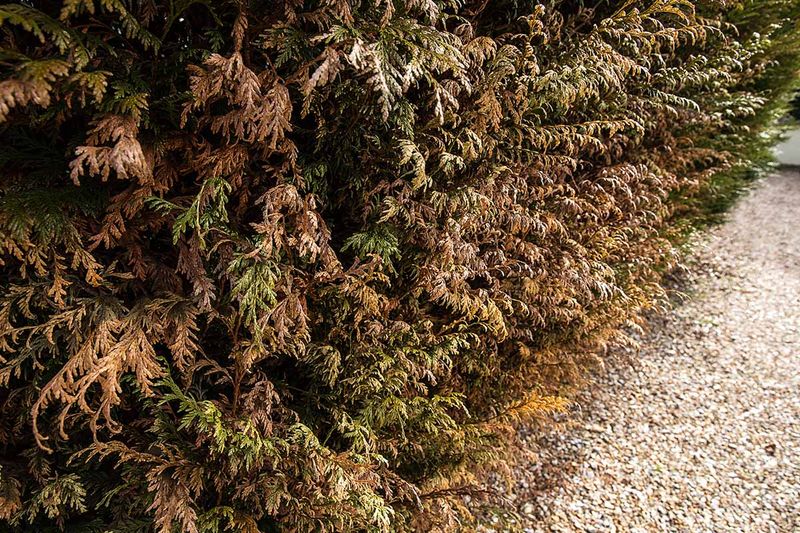
Your evergreens looked lush and green all December, but by March they’ve turned an alarming shade of brown—what happened?
Winter burn, also called desiccation, occurs when evergreen needles lose moisture faster than roots can replace it from frozen soil.
Bright winter sun reflecting off snow intensifies this problem, essentially baking the foliage while roots remain locked in icy ground.
Strong, drying winds common across New York during winter months make matters even worse by stripping moisture from leaves and needles.
Boxwood, rhododendron, holly, and arborvitae frequently show browning on their south and west sides, which receive the most intense sun exposure.
You might notice that the damage appears patchy rather than uniform, with some branches turning bronze or brown while others nearby remain perfectly green.
This uneven pattern happens because snow cover protected lower branches while exposed upper portions took the brunt of harsh conditions.
Once you spot winter burn, avoid the temptation to prune immediately—some needles may recover as temperatures warm and water becomes available again.
Wait until late spring to assess which branches are truly gone and which are just stressed.
Deep watering before the ground freezes in fall helps evergreens enter winter with adequate moisture reserves.
Wrapping vulnerable plants with burlap or installing windbreaks provides protection from harsh winds and reflected sunlight during future winters.
4. Split Bark On Trees And Shrubs
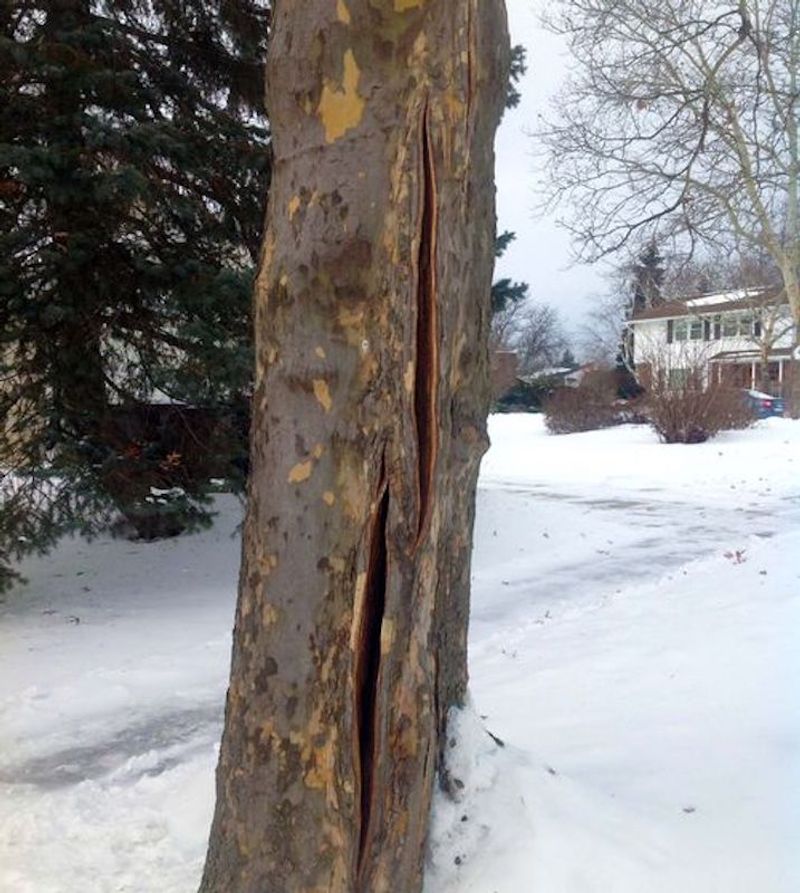
Walking past your favorite tree, you suddenly notice a long, vertical crack running down the trunk that definitely wasn’t there last fall.
This alarming split, called frost crack or sunscald, happens when dramatic temperature swings cause bark tissue to expand and contract too rapidly.
During sunny winter days, dark bark absorbs heat and warms significantly, even when air temperatures hover near freezing.
Then night falls, temperatures plummet, and that warm bark tissue contracts suddenly, sometimes tearing open with an audible crack.
Young trees with thin bark, including maple, cherry, apple, and linden, are particularly susceptible to this type of winter injury.
The south and southwest sides of trunks receive the most intense sun exposure, making them the most common locations for frost cracks to develop.
These splits may appear as long, narrow cracks or as sections where bark has peeled away entirely, exposing the wood underneath.
While frost cracks look serious, many trees can heal themselves if the damage isn’t too extensive and no disease enters the wound.
Avoid the urge to fill cracks with tar or paint, which can actually trap moisture and encourage rot.
Instead, let the tree heal naturally, and consider wrapping young trunks with tree wrap or white plastic guards before winter arrives.
These wraps reflect sunlight and moderate temperature fluctuations, significantly reducing the risk of bark splitting during cold months.
5. Flattened Perennials That Don’t Bounce Back
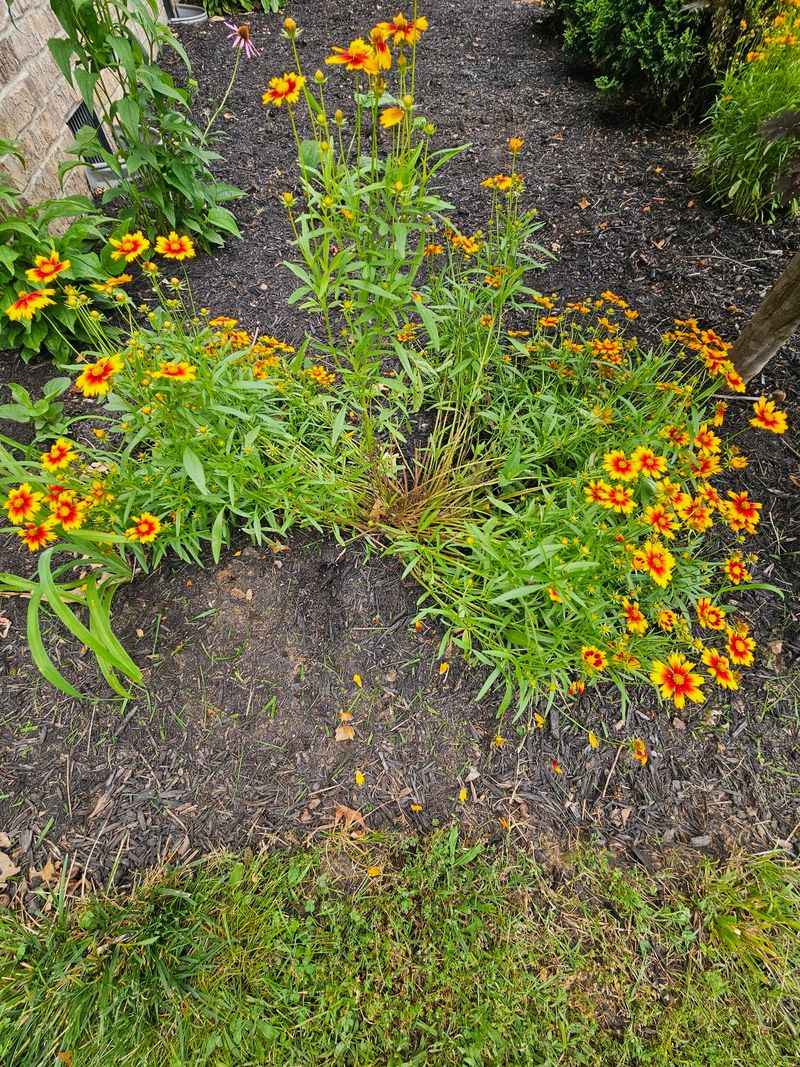
Some perennials are remarkably resilient, springing back to life after being buried under feet of snow for months.
Others, unfortunately, don’t fare quite so well, and you’ll find them lying flat even weeks after the last snow melted away.
Heavy, wet snow that sits for extended periods can crush soft-stemmed plants, breaking internal tissues that give stems their structure and strength.
Hostas, daylilies, and ornamental grasses usually handle snow cover just fine because they naturally collapse in fall anyway.
However, plants like peonies, asters, and sedum that maintain some structure through winter can suffer permanent damage when snow piles too deep.
If your perennials look flattened but the stems still have some green color and flexibility, there’s hope they might recover as temperatures warm.
Plants with brown, mushy stems that break easily when touched have likely experienced tissue damage that won’t repair itself.
The line between temporary flattening and true winter injury isn’t always obvious right away, so patience pays off.
Give plants a few weeks of warm weather and adequate water before making any decisions about removal.
Sometimes growth emerges from the crown even when stems look completely ruined, and you’ll end up with a perfectly healthy plant by summer.
Cutting back perennials in late fall before snow arrives can prevent this crushing damage, though some gardeners prefer leaving stems standing for winter interest and wildlife habitat.
6. Mold Or Rot Under Prolonged Snow Cover
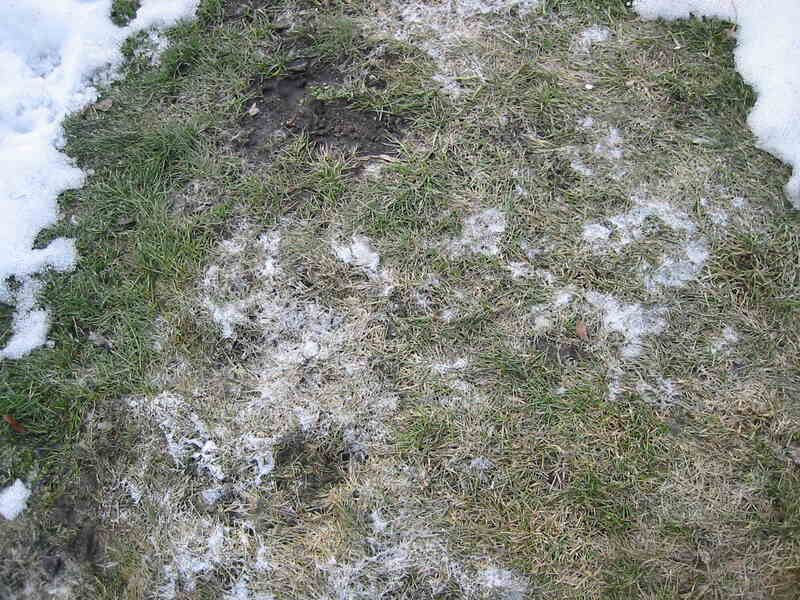
Lifting up matted leaves or examining your lawn after snow finally melts might reveal an unwelcome surprise: fuzzy gray or pink patches spreading across grass and groundcovers.
Snow mold thrives under prolonged snow cover, especially when snow falls on unfrozen ground and creates a damp, dark environment perfect for fungal growth.
New York’s unpredictable winters, with snow arriving before Thanksgiving some years, create ideal conditions for these moisture-loving fungi to flourish.
Gray snow mold and pink snow mold are the most common types, and both can damage turf and low-growing plants throughout the winter months.
Areas where snow piles up from shoveling or plowing, like along driveways and walkways, often show the worst damage because snow lingers longest there.
North-facing slopes and shaded areas under evergreens also tend to develop mold problems since snow persists well into spring in those spots.
While snow mold looks alarming with its webby growth and discolored patches, most lawns recover once warm, dry weather arrives and air circulation resumes.
Raking affected areas gently helps break up matted grass and allows air to reach the soil surface, speeding up the drying process.
Avoid fertilizing moldy areas immediately, as excess nitrogen can actually encourage fungal growth rather than helping grass recover.
Instead, focus on improving drainage and air circulation, and consider applying a preventive fungicide next fall if snow mold appears year after year.
Keeping grass shorter going into winter also reduces the amount of leaf tissue available for fungi to colonize under snow.
7. Exposed Roots After Snow Melt
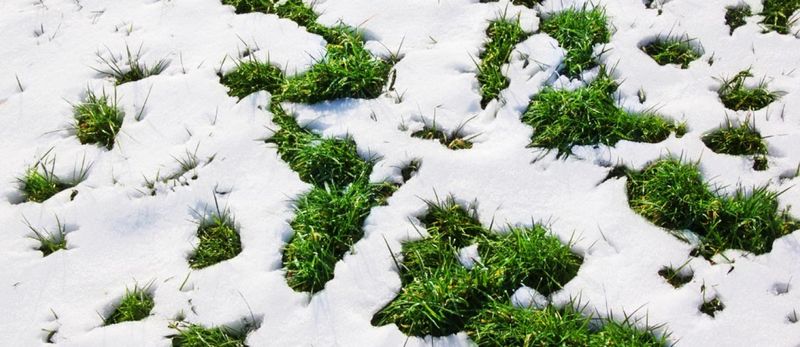
Snow doesn’t just disappear when it melts—all that water has to go somewhere, and sometimes it takes soil along for the ride.
Rapid snowmelt combined with spring rains can cause significant erosion, washing away topsoil and leaving roots that should be safely underground exposed to air and temperature fluctuations.
Sloped areas, gardens near downspouts, and spots where melting snow naturally channels are most vulnerable to this erosion problem.
Trees and shrubs with shallow root systems, including dogwood, magnolia, and many evergreens, suffer most when protective soil washes away.
Exposed roots can’t function properly—they dry out quickly, can’t absorb nutrients efficiently, and become susceptible to damage from late-season cold snaps.
Early spring in New York often brings wild temperature swings, with warm afternoons followed by freezing nights that can harm unprotected root tissue.
If you discover exposed roots after snow melts, act quickly to cover them with fresh topsoil or compost before they dry out completely.
Gently mound soil over roots without packing it down too firmly, which could suffocate them just as badly as leaving them exposed.
Adding a layer of organic mulch helps hold soil in place and provides insulation against temperature extremes.
For areas prone to erosion, consider planting groundcovers or installing erosion-control fabric to hold soil in place during future snowmelts.
Redirecting downspouts and creating gentle swales to channel water away from vulnerable plantings also prevents repeated erosion problems.
8. Delayed Spring Growth Compared To Previous Years
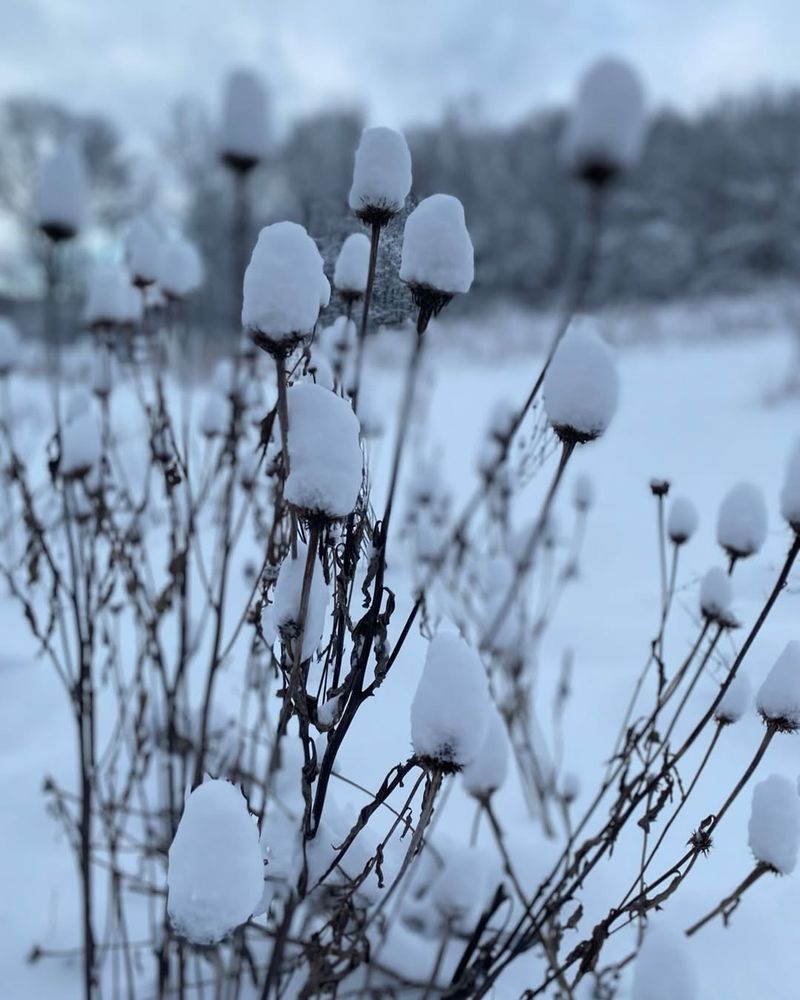
Every gardener knows that magical moment when green shoots start pushing through soil and buds begin swelling on branches, signaling winter’s end.
But what if that moment never quite arrives, or comes weeks later than usual while your neighbor’s gardens are already leafing out?
Delayed spring growth often indicates that plants experienced significant stress during winter months, even if no obvious damage is visible on the surface.
Root damage from frost heave, prolonged frozen soil, or moisture stress can all slow a plant’s ability to wake up and start growing when spring arrives.
Plants that normally emerge in early April might not show signs of life until late April or even May if winter was particularly harsh.
The tricky part is distinguishing between stressed plants that will eventually recover and those that won’t make it at all.
Gently scratching bark with your fingernail reveals whether tissue underneath is still green and moist or brown and brittle.
Green cambium layer means the plant is still alive, just taking its time, while brown tissue suggests more serious problems.
Resist the urge to fertilize heavily or overwater in an attempt to jumpstart growth, as stressed plants can’t process excess nutrients and may suffer further damage.
Instead, provide consistent moisture, protect emerging growth from late frosts, and give plants time to recover at their own pace.
Many perennials and shrubs that start slowly end up catching up by midsummer and perform just fine for the rest of the growing season.
9. Damaged Groundcovers Or Lawn Patches
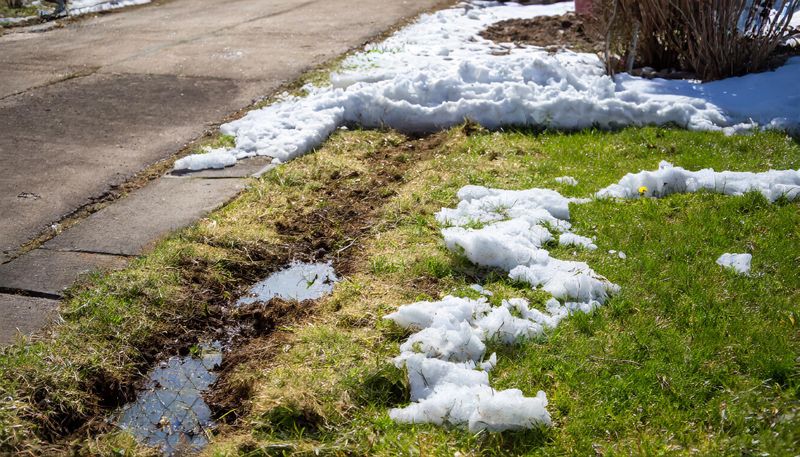
That convenient pile of snow you shoveled off your driveway all winter seemed harmless enough, but now there’s a suspicious brown patch exactly where you dumped it.
Snow compaction, ice buildup, and salt runoff create a triple threat for groundcovers and turf grass near walkways, driveways, and street edges.
When snow gets piled repeatedly in the same spot, it compacts into dense, heavy masses that suffocate plants underneath by cutting off oxygen and light.
Ice layers that form during freeze-thaw cycles create an impermeable barrier that traps moisture and encourages rot while preventing air exchange.
Add road salt or ice melt products to the mix, and you’ve got a recipe for serious plant damage.
Salt draws moisture out of plant tissues, essentially dehydrating them even in the presence of melting snow.
Grass along sidewalks often shows a distinctive brown stripe in spring, marking exactly where salt spray landed throughout winter.
Groundcovers like pachysandra, vinca, and creeping thyme may turn brown or fail to green up in areas exposed to heavy salt or prolonged snow cover.
Once you identify salt or compaction damage, flush the area thoroughly with water to leach salt from the soil as soon as the ground thaws enough to absorb moisture.
Aerating compacted areas helps restore oxygen flow to roots and improves drainage for future seasons.
Switching to pet-safe, plant-friendly ice melt products and varying where you pile snow can prevent repeated damage to the same spots year after year.
10. Chewed Or Stripped Plants Hidden By Snow
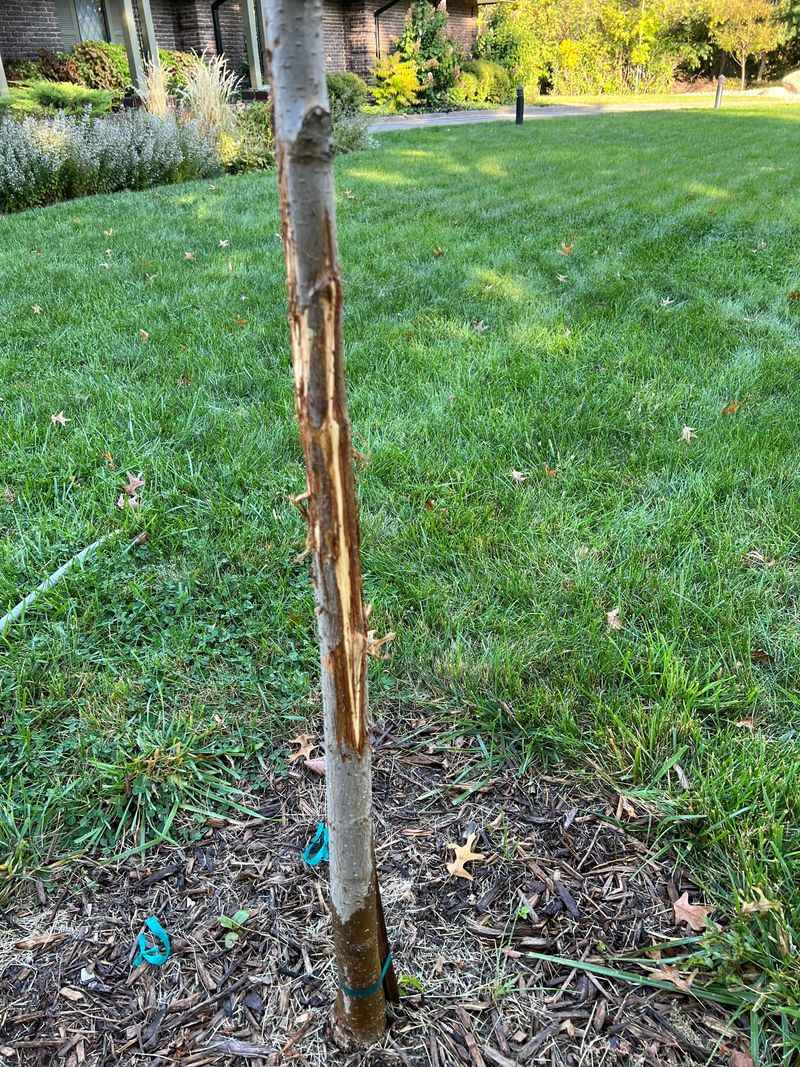
Snow blankets create perfect highways for hungry critters looking for winter meals, and your garden might have been the buffet.
Voles, mice, and rabbits remain active all winter, tunneling under snow where they’re protected from predators and harsh weather.
That protective snow cover that you thought was insulating your plants was actually hiding a feast in progress.
When snow finally melts, you might discover bark stripped from the base of trees and shrubs, stems chewed down to nubs, or entire sections of plants looking like something took bites out of them.
Voles leave characteristic gnaw marks at or just below the soil surface, often girdling small trees and shrubs by chewing bark in a complete ring around the trunk.
Rabbits prefer tender young stems and typically browse higher up on plants, leaving clean, angled cuts that look almost like someone used pruning shears.
Fruit trees, roses, burning bush, and hostas are particular favorites, though hungry rodents will eat almost anything when food is scarce.
Damage that circles completely around a trunk or stem is most serious because it cuts off the plant’s ability to transport nutrients and water.
Partially chewed bark might heal over time, but completely girdled plants rarely recover and often need replacement.
For future winters, install hardware cloth cylinders around vulnerable plants before snow arrives, extending protection at least 18 inches above expected snow depth.
Keeping mulch pulled back from trunks and maintaining a tidy garden reduces hiding spots that attract rodents in the first place.
11. What New York Gardeners Should Do Once Damage Is Found
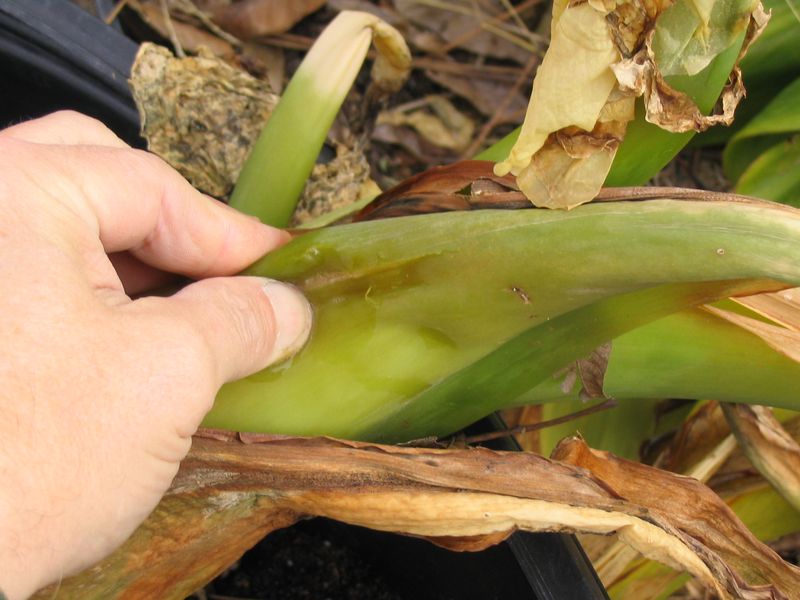
Finding winter damage in your garden can feel overwhelming, but taking the right steps now sets the stage for a strong recovery.
Start by carefully assessing each plant, looking for green tissue under bark and checking whether roots are still firmly anchored in soil.
Prune broken, split, or clearly damaged branches back to healthy wood using clean, sharp tools that make smooth cuts.
Avoid pruning too aggressively right away—plants need their remaining energy reserves to push out new growth, and removing too much tissue at once can stress them further.
For plants lifted by frost heave, gently press them back into the soil and add a fresh layer of mulch to insulate roots and hold them in place.
Water consistently as temperatures warm, especially for evergreens showing winter burn, since adequate moisture helps them recover from desiccation stress.
Repair eroded areas by adding topsoil or compost to cover exposed roots, and consider installing erosion controls if the problem seems likely to repeat.
Patience becomes your most valuable tool during recovery—many plants that look terrible in March surprise you by flourishing come June.
Hold off on replacing anything until late spring or early summer when you can clearly see what’s truly gone versus what’s just slow to wake up.
Taking notes about which plants struggled and which areas showed the most damage helps you make smarter choices for next winter’s protection strategies.
With thoughtful care and realistic expectations, most gardens bounce back beautifully from winter’s worst, ready to provide another season of growth and enjoyment.