These 9 Perennials Don’t Mind Snow And Thrive Through North Dakota Winters
North Dakota winters are no joke. Bitter winds, heavy snow, and frozen soil can turn even the toughest garden into a challenge.
But not all perennials throw in the towel when temperatures drop.
Some hardy plants laugh in the face of frost, bouncing back stronger each spring and bringing color, texture, and resilience to even the coldest landscapes.
Your garden doesn’t have to hibernate—these perennials thrive under the snow!
These nine perennials are true winter warriors.
From blooms that peek through snow blankets to foliage that stands firm against icy winds, they’re built to survive—and even flourish—through the harshest conditions North Dakota has to offer.
Planting them now means less worry, more beauty, and a garden that feels alive year-round.
Let snow pile up—they’ll just keep looking fabulous!
By selecting the right hardy species, North Dakota gardeners can enjoy low-maintenance landscapes, colorful beds, and a garden that returns every spring without constant babysitting.
These plants turn winter from a time of loss into a season of quiet endurance and promise.
Snowy winters aren’t a threat—they’re an opportunity for your garden to shine.
1. Coneflower (Echinacea) That Laughs At Cold And Snow
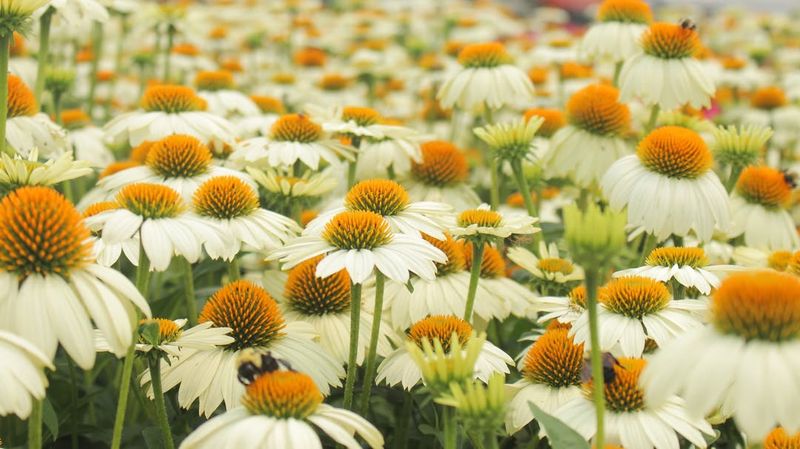
Coneflowers stand tall as one of the most reliable perennials for cold climates, refusing to back down when winter arrives with full force.
Their secret lies deep underground where thick, woody roots stretch far into the soil, storing energy and anchoring the plant against fierce winds.
When snow blankets the garden, it actually helps these tough plants by creating a natural insulation layer that protects the crown from temperature swings.
The alternating freeze-thaw cycles that damage weaker plants barely affect coneflowers because their roots stay dormant and protected beneath that snowy shield.
Come spring, fresh green shoots push through the warming soil with remarkable vigor, quickly developing into sturdy stems topped with distinctive cone-shaped centers.
By midsummer, gardens explode with purple, pink, white, or orange blooms that butterflies and bees absolutely love.
Even better, coneflowers keep blooming for months, often continuing until the first hard frost arrives in fall.
Gardeners appreciate how little maintenance these plants require once established in the landscape.
They tolerate drought, poor soil, and neglect while still putting on a spectacular show every single year.
For anyone wanting color and reliability in a North Dakota garden, coneflowers deliver without complaint through every season.
2. Black-Eyed Susan For Tough, Reliable Color
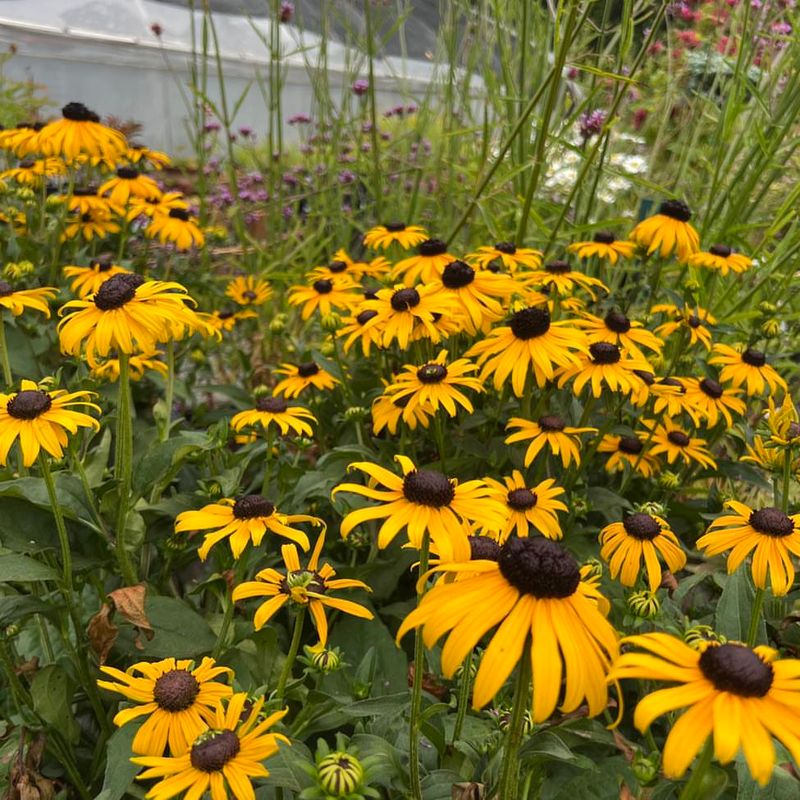
Few flowers embody prairie toughness quite like the cheerful black-eyed Susan with its golden petals and chocolate-brown centers.
Native to North American grasslands, this perennial evolved alongside harsh weather conditions that would make other flowers give up entirely.
Cold winds that whip across open landscapes barely faze these sturdy plants, which hunker down under snow cover and wait patiently for spring.
The snow acts as a protective blanket, keeping the root system at a stable temperature even when air temperatures drop dangerously low.
When warmer weather finally arrives, black-eyed Susans emerge with renewed energy, sending up fresh foliage that quickly fills in any bare spots.
Their fibrous root systems spread steadily over time, creating larger clumps that produce more flowers each successive year.
From late June through September, these bright blooms light up gardens with sunny yellow color that never fails to lift spirits.
Even after brutal winters that test every plant in the yard, black-eyed Susans bounce back without missing a beat.
They ask for almost nothing in return except a spot with decent drainage and some sunshine during growing season.
For dependable color that survives anything North Dakota throws at it, these golden beauties remain an absolute garden staple.
3. Daylilies That Bounce Back Every Spring
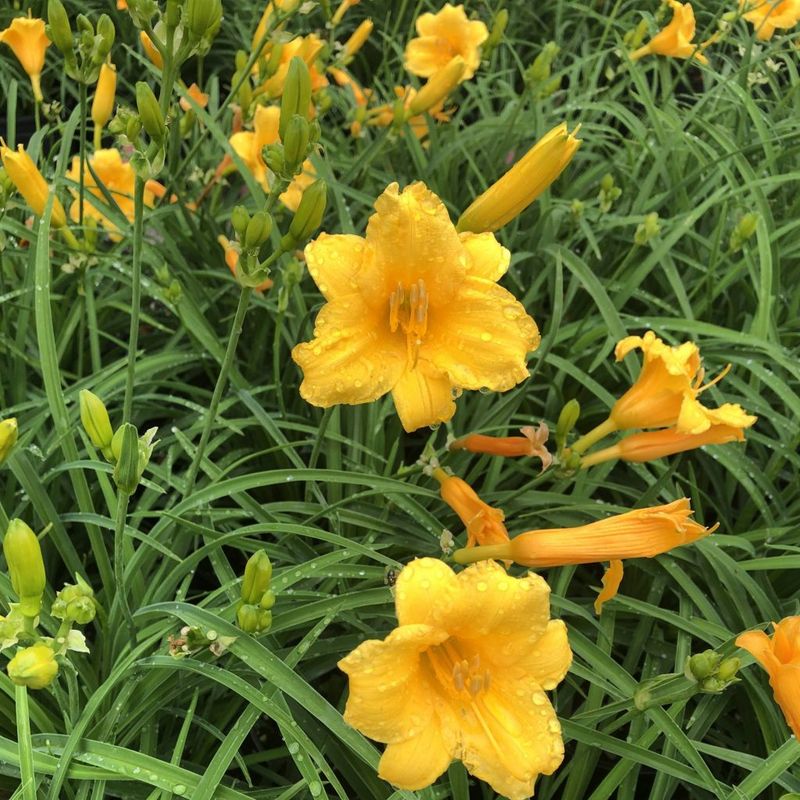
Gardeners often joke that daylilies could probably survive a nuclear winter, and there’s some truth behind that playful exaggeration.
These incredibly tough perennials feature thick, fleshy roots that store massive amounts of energy and moisture to fuel next season’s growth.
Snow accumulation on daylily beds actually benefits the plants by insulating their crowns from the harshest temperature extremes.
Unlike some perennials that suffer damage from ice crystals forming in their tissues, daylilies enter a deep dormancy that protects them completely.
When spring finally melts away the last snow patches, fresh green spears push through the soil with impressive speed and determination.
Within weeks, those early shoots develop into graceful arching foliage that frames the developing flower stalks.
By early summer, trumpet-shaped blooms in every color imaginable open to greet the sun, each flower lasting just one day before being replaced by another.
The best part about daylilies is how little work they require once planted in the right location.
They tolerate poor soil, occasional drought, and compete successfully with tree roots that would choke out weaker plants.
For North Dakota gardeners wanting a true set-it-and-forget-it perennial that delivers reliable beauty, daylilies remain nearly impossible to beat year after year.
4. Peonies That Need Cold Winters To Thrive
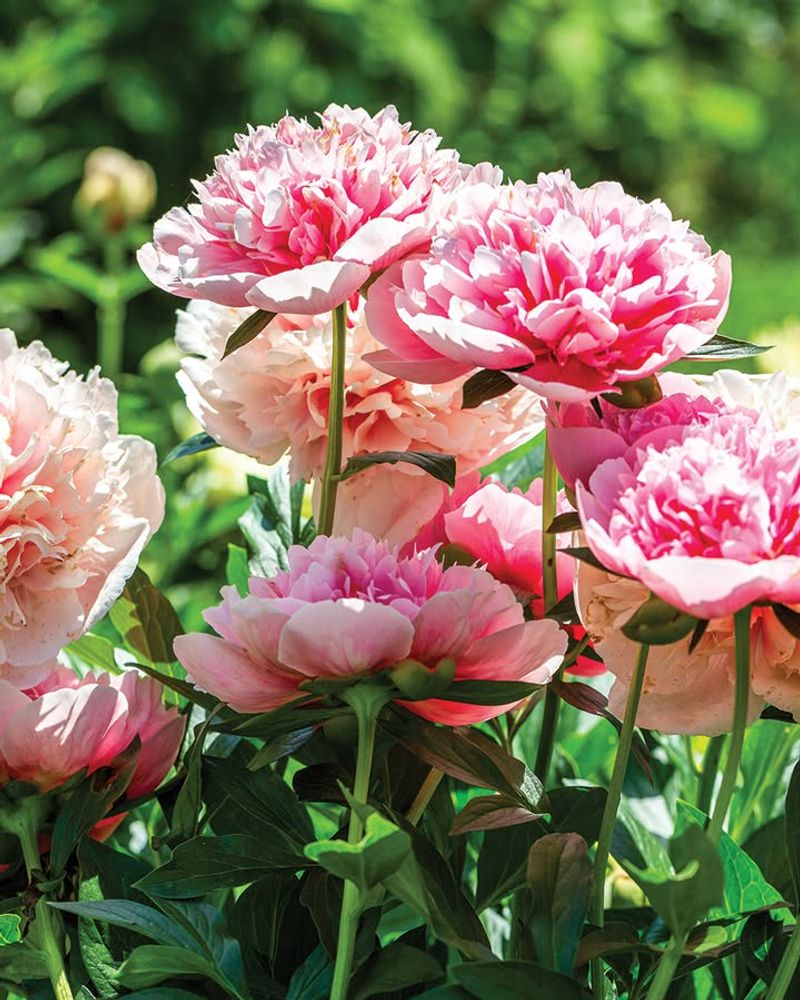
Most plants try to avoid cold weather, but peonies actually require extended winter chill to produce their spectacular spring blooms.
Without at least six weeks of temperatures below 40 degrees, these elegant perennials won’t set flower buds properly for the following season.
North Dakota winters provide exactly what peonies need, making this state an ideal location for growing these beloved garden classics.
Their thick, tuberous roots settle deep into the soil where freezing temperatures trigger the biochemical processes necessary for bud development.
Snow cover protects the dormant crowns throughout winter while the plant rests and prepares for its big spring performance.
When warm weather arrives, burgundy shoots emerge from the ground and rapidly expand into bushy plants covered with glossy compound leaves.
Then comes the main event: massive blooms in shades of pink, white, red, or coral that fill gardens with color and intoxicating fragrance.
Single flowers open wide to reveal golden stamens, while double varieties look like fluffy clouds of ruffled petals.
Established peony plants can live for decades in the same spot, becoming more prolific bloomers as they mature over time.
They ask for little maintenance beyond occasional division and appreciate being left undisturbed once settled into their permanent home in the landscape.
5. Siberian Iris For Cold, Wet, And Snowy Conditions
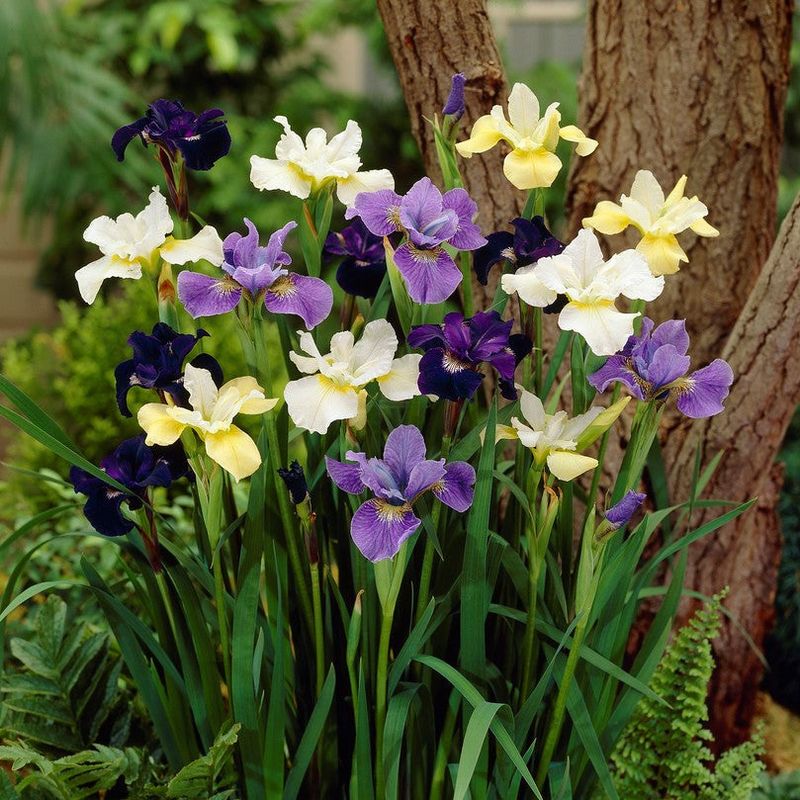
When spring snowmelt turns garden beds into temporary swamps, most perennials struggle with waterlogged roots and potential rot problems.
Siberian iris, however, evolved in cold wetlands where standing water and frozen ground are normal parts of the growing cycle.
Their rhizomes tolerate both extremes beautifully, sitting comfortably in soil that stays soggy for weeks during spring thaw.
Throughout winter, these hardy plants rest beneath layers of snow and ice without suffering any damage to their underground structures.
The combination of cold temperatures and moisture doesn’t faze them one bit, unlike bearded iris varieties that often rot in similar conditions.
As temperatures warm, slender green leaves emerge in elegant fans that add vertical interest even before flowers appear.
By late spring, delicate blooms in shades of purple, blue, white, or yellow rise above the foliage on slender stems.
Each flower features distinctive veining and graceful form that brings sophistication to any garden design.
Siberian iris continues looking attractive all summer long thanks to foliage that stays fresh and upright rather than flopping over.
For North Dakota gardeners dealing with heavy clay soil, poor drainage, or low spots that collect water, these tough irises provide the perfect solution without requiring special treatment or amendments.
6. Yarrow For Windy, Exposed Landscapes
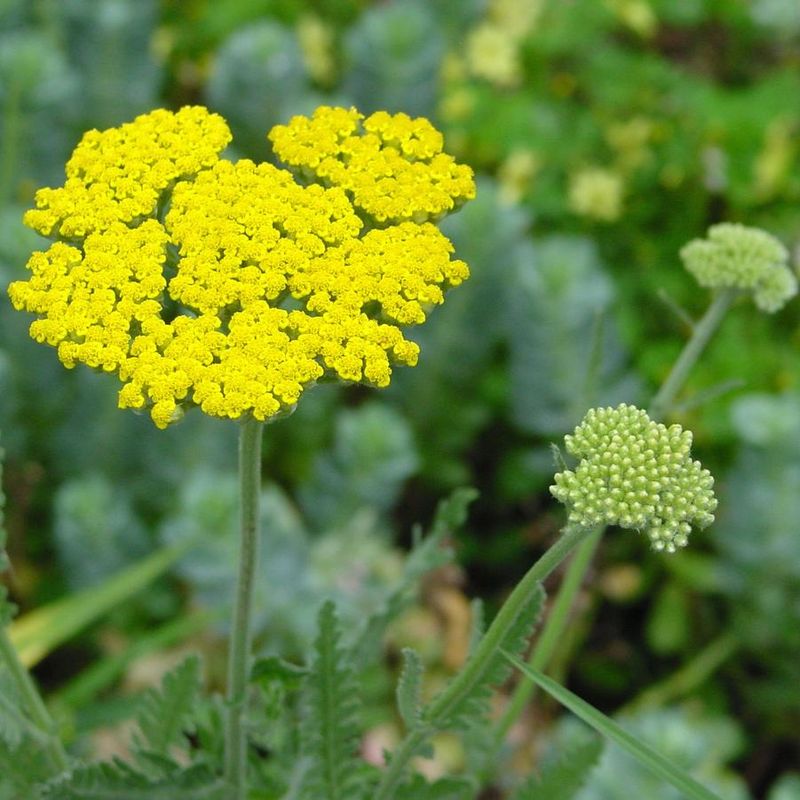
Open prairie landscapes offer little protection from relentless winds that howl across North Dakota throughout the year, especially during winter months.
Yarrow thrives in exactly these challenging conditions, having adapted to survive on windswept hillsides and exposed grasslands across multiple continents.
Its feathery, finely divided foliage sits low to the ground during winter, presenting minimal surface area for wind to damage or desiccate.
Deep taproots anchor the plant firmly while also seeking out moisture and nutrients in poor, rocky soil that defeats less adaptable perennials.
Snow cover provides some insulation, but yarrow doesn’t really need it thanks to exceptional cold hardiness bred into its genes over countless generations.
When spring arrives, fresh ferny leaves quickly fill in, followed by sturdy flower stalks that rise above the foliage.
Flat-topped flower clusters in white, yellow, pink, or red appear throughout summer, attracting beneficial insects while adding long-lasting color to the landscape.
Even strong summer storms and gusty winds can’t knock over these tough stems, which bend and flex rather than breaking.
Yarrow tolerates drought, heat, cold, wind, and neglect while still performing reliably year after year.
For North Dakota yards with exposed sites where other plants struggle, yarrow steps up and delivers beauty without demanding constant attention or special care.
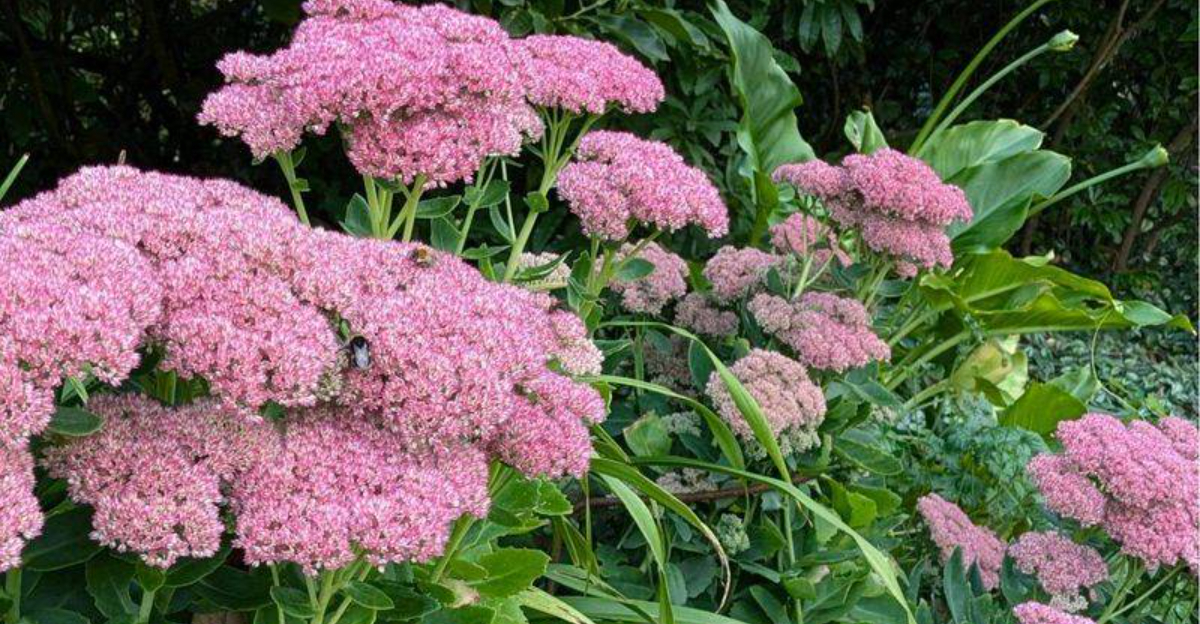
7. Sedum (Stonecrop) For Extreme Cold Hardiness
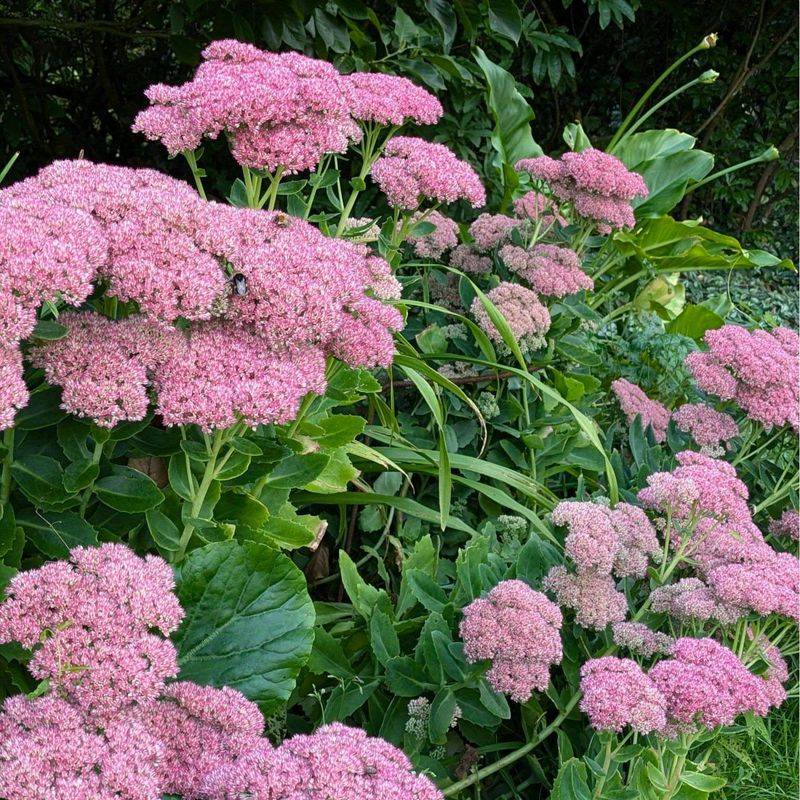
Succulent plants typically bring to mind warm deserts and tropical climates, yet sedum varieties laugh at subzero temperatures that would turn other succulents to mush.
These remarkable perennials store water in thick, fleshy leaves that somehow avoid freezing solid even during the coldest North Dakota nights.
Their secret involves special compounds in cell tissues that act like natural antifreeze, preventing damaging ice crystal formation.
Throughout winter, dried flower heads stand above the snow, creating architectural interest and providing seeds for hungry birds.
The plant’s root system rests comfortably beneath frozen ground, waiting patiently for spring warmth to trigger new growth.
When temperatures rise, fresh succulent leaves emerge at the base while old stems gradually break down and return nutrients to the soil.
By late summer, large flat flower clusters appear in shades of pink, burgundy, or white, absolutely buzzing with bees and butterflies.
These blooms hold their color for weeks, then transition to attractive russet tones that look beautiful even after frost arrives.
Sedum tolerates extreme drought along with extreme cold, making it perfect for low-maintenance gardens where water conservation matters.
For gardeners wanting year-round interest with minimal effort, these tough succulents deliver structure, texture, color, and wildlife value without asking for much in return beyond decent drainage.
8. Hostas That Use Snow As Insulation
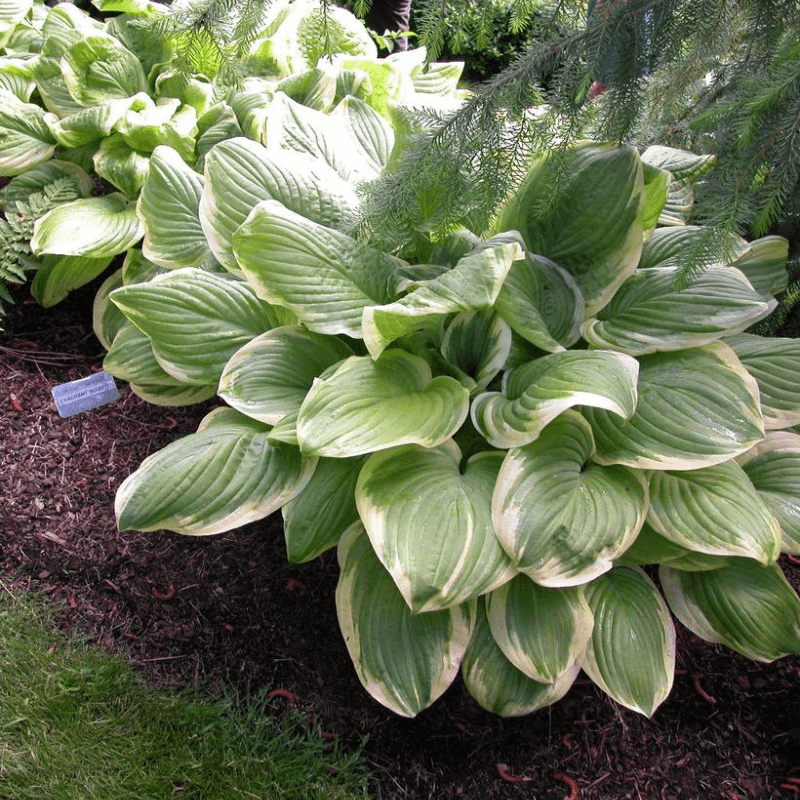
Shade gardeners often worry about their hostas during harsh winters, but these popular perennials actually depend on snow cover for protection.
The dormant crowns sitting just below soil level benefit tremendously from insulating snow that keeps temperatures stable throughout winter.
Without this natural blanket, repeated freeze-thaw cycles could potentially damage tender growing points waiting beneath the surface.
Fortunately, North Dakota typically receives plenty of snow, giving hostas exactly what they need to rest comfortably until spring.
Even when late spring snowstorms dump fresh powder on emerging shoots, hostas handle it without complaint or damage.
The thick, cold-adapted foliage simply waits for snow to melt, then continues unfurling as if nothing unusual happened.
Within weeks of snow disappearing, hostas transform bare ground into lush mounds of foliage in every shade of green, blue, gold, and variegated combination imaginable.
While hostas don’t produce showy flowers like some perennials, their dramatic leaves create stunning texture and color in shaded areas where little else grows successfully.
They tolerate tree root competition, require minimal maintenance, and expand slowly into impressive clumps that can live for decades.
For North Dakota gardeners with shady spots under trees or along north-facing walls, hostas provide reliable beauty that survives winter after winter without special protection or worry.
9. Blanket Flower (Gaillardia) For Tough Prairie Conditions
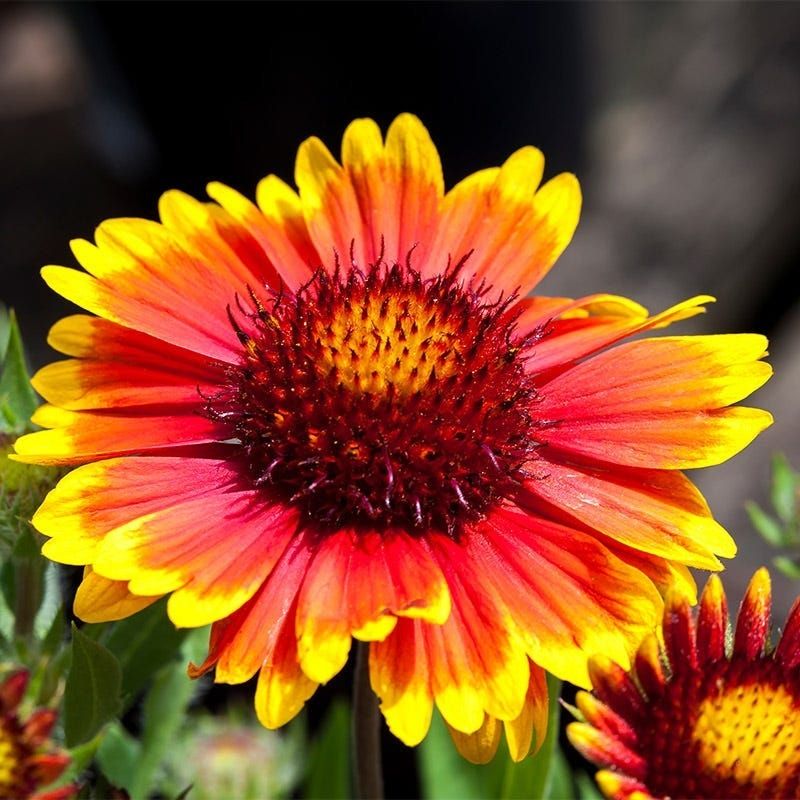
Native to the North American prairies, blanket flower evolved alongside the same harsh conditions that define North Dakota’s climate today.
These cheerful perennials feature daisy-like blooms in fiery combinations of red, orange, and yellow that brighten gardens from early summer through fall.
Their deep taproots search far underground for moisture, allowing the plants to survive both winter cold and summer drought with equal ease.
During winter months, blanket flowers rest beneath snow cover, their crowns protected from temperature extremes by layers of insulation.
The freeze-thaw cycles that plague spring weather don’t bother these tough prairie natives, which simply wait for consistent warmth before breaking dormancy.
When growing conditions improve, fresh gray-green foliage emerges and quickly develops into compact mounds topped with numerous flower buds.
The blooms open in succession, creating a continuous display that lasts for months without deadheading or special care.
Butterflies and native bees visit constantly, making blanket flower an excellent choice for pollinator-friendly gardens.
These perennials tolerate poor soil, strong winds, intense sun, and general neglect while still performing beautifully year after year.
For North Dakota gardeners wanting a truly low-maintenance perennial that captures the spirit of the prairie while surviving brutal winters, blanket flower stands as the perfect choice to complete any cold-hardy garden design.